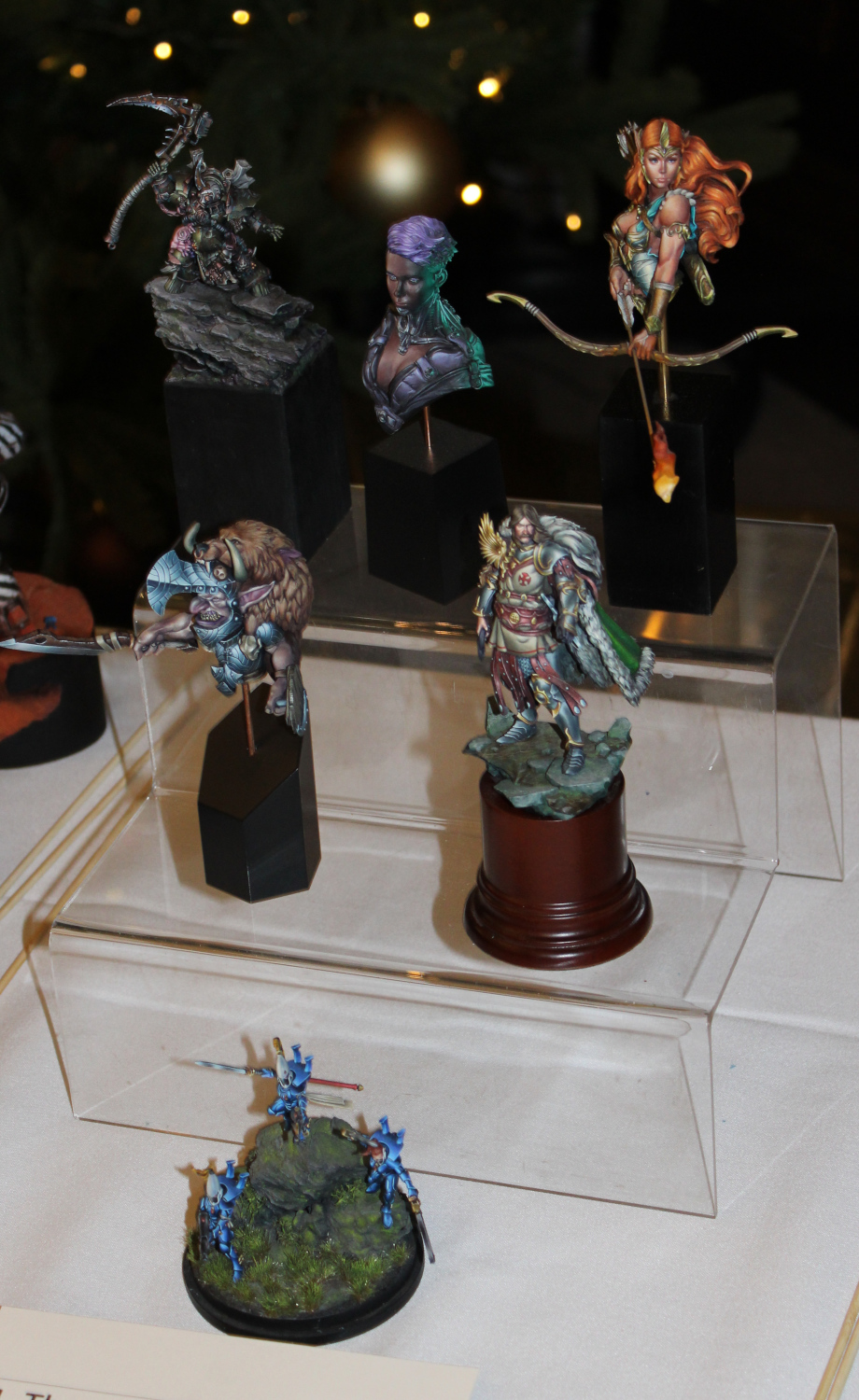
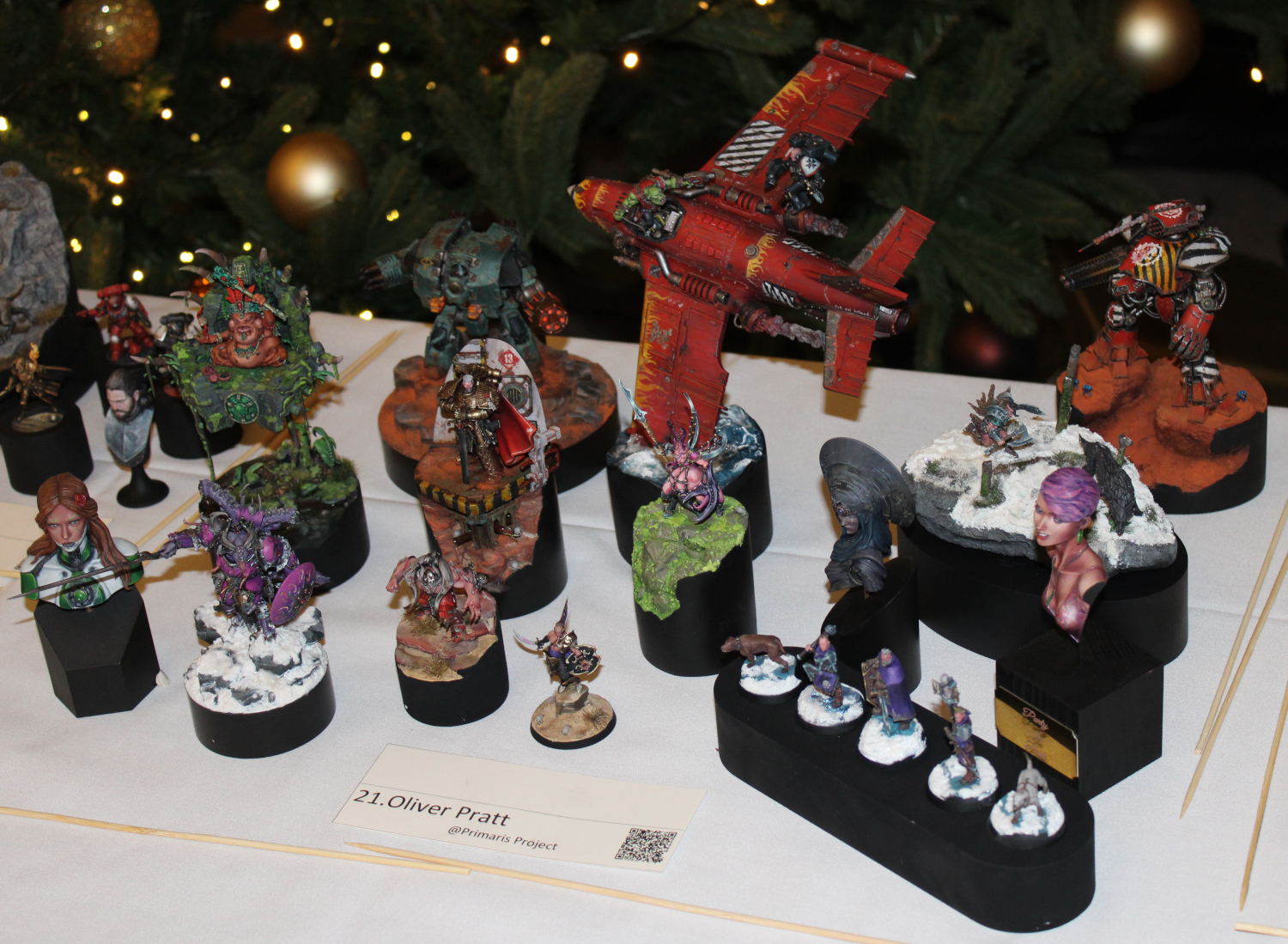
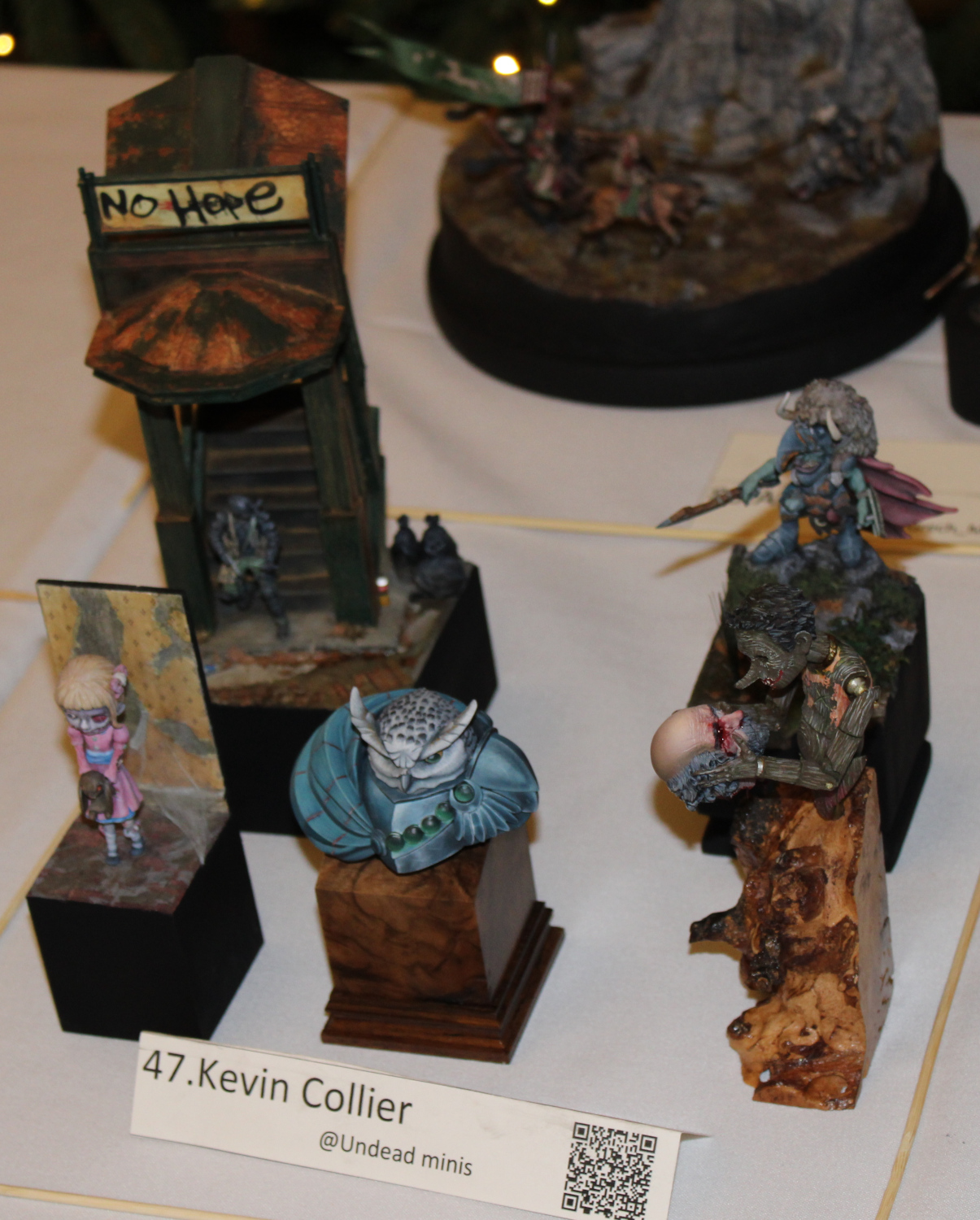
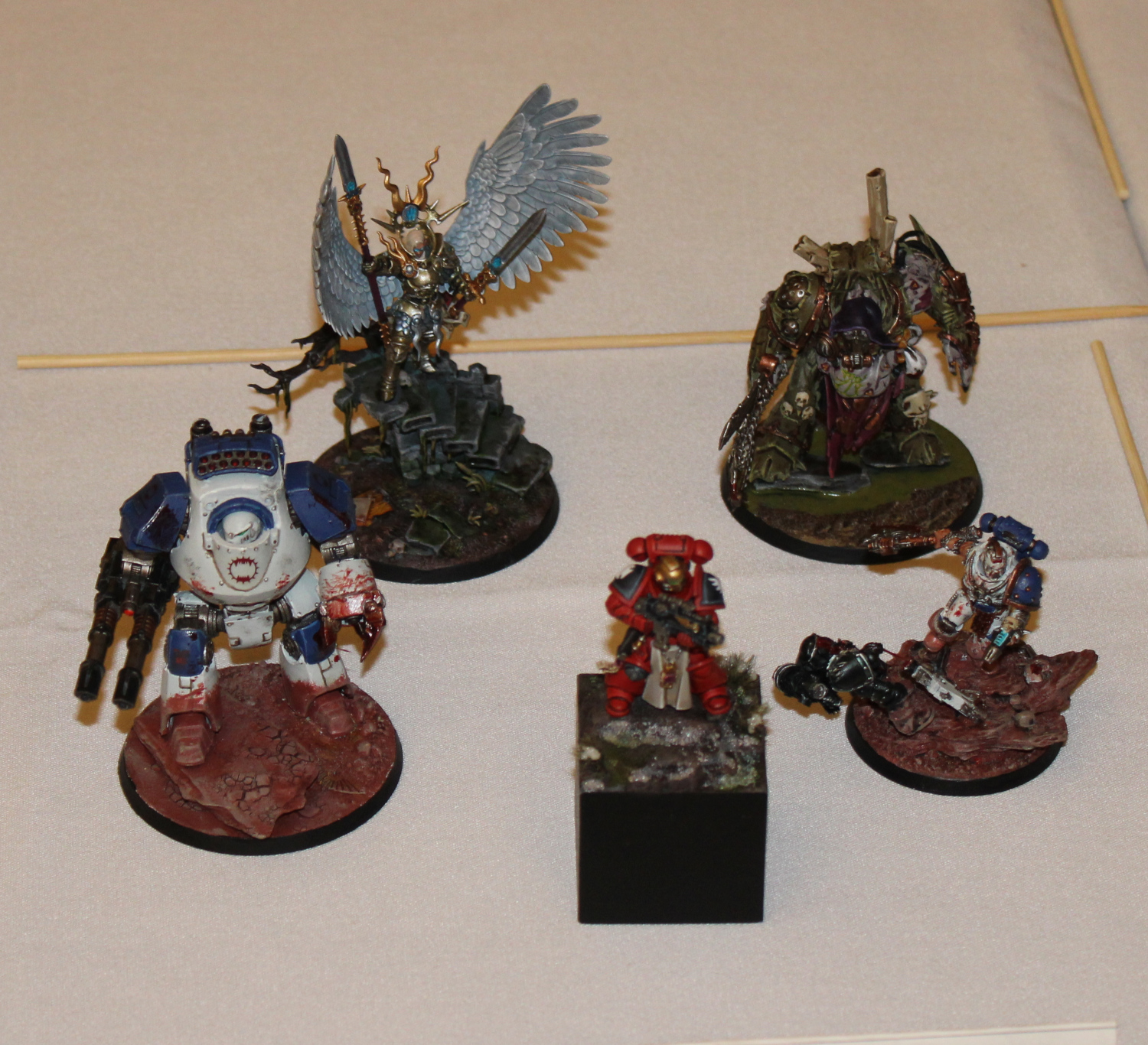
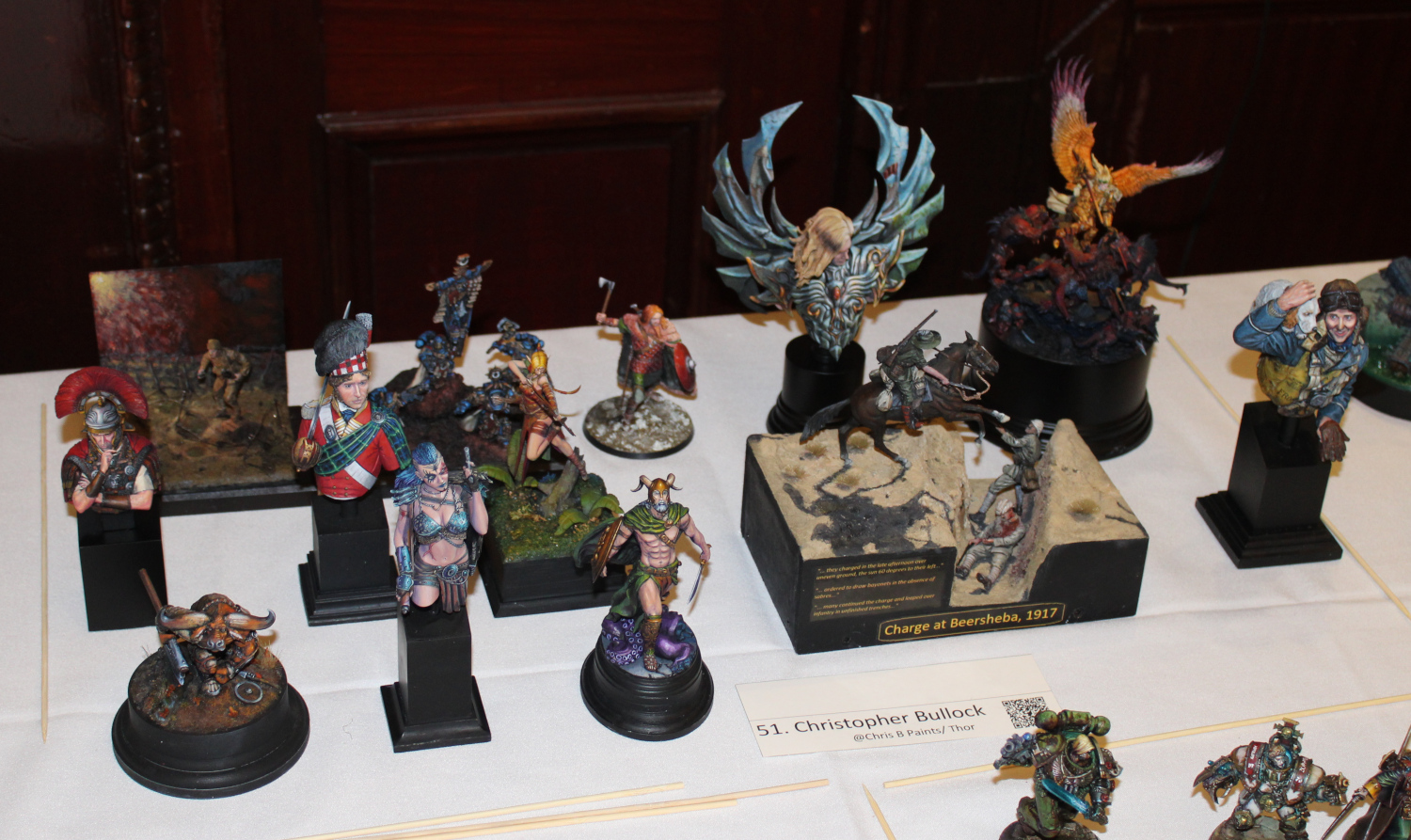
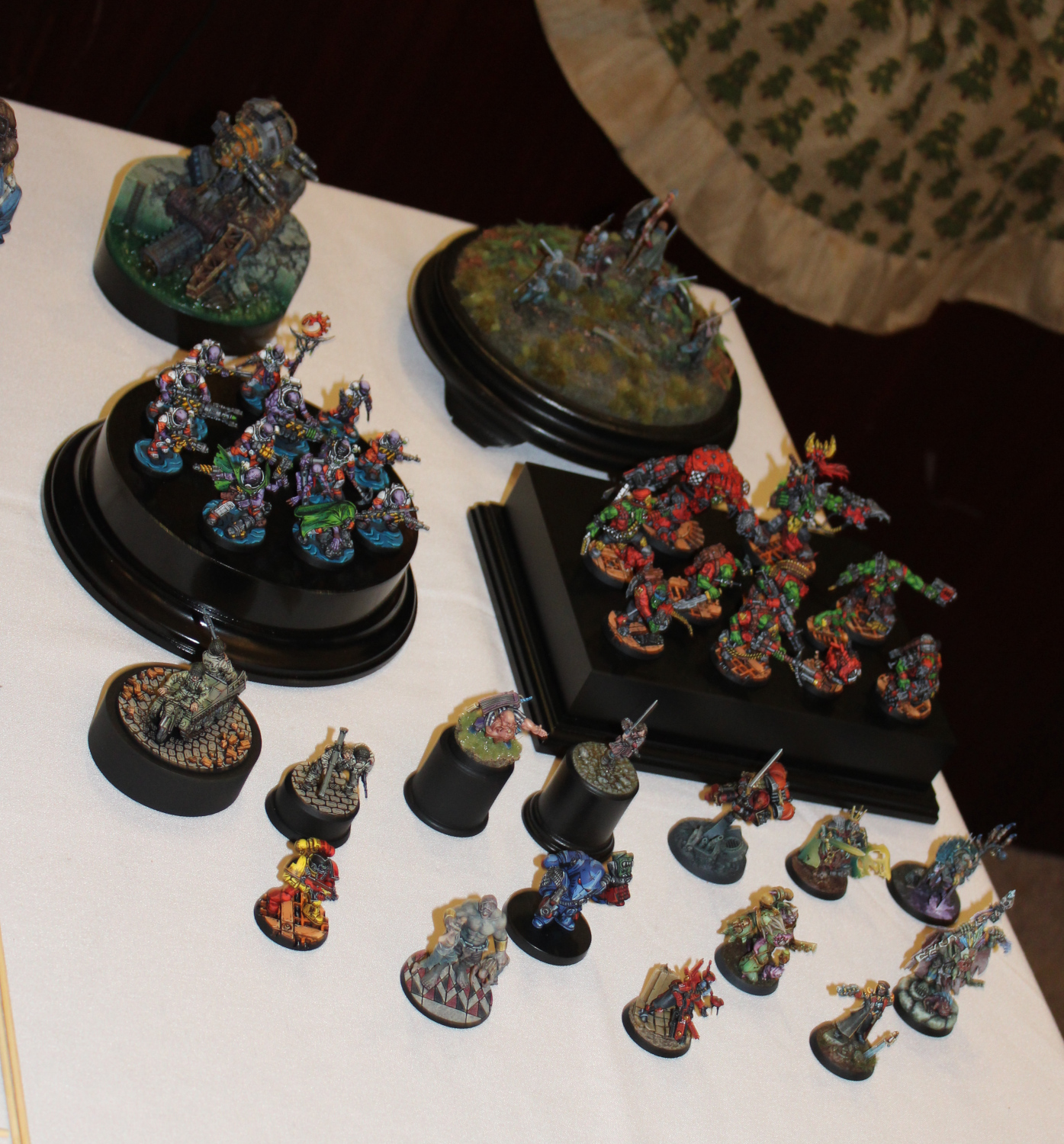
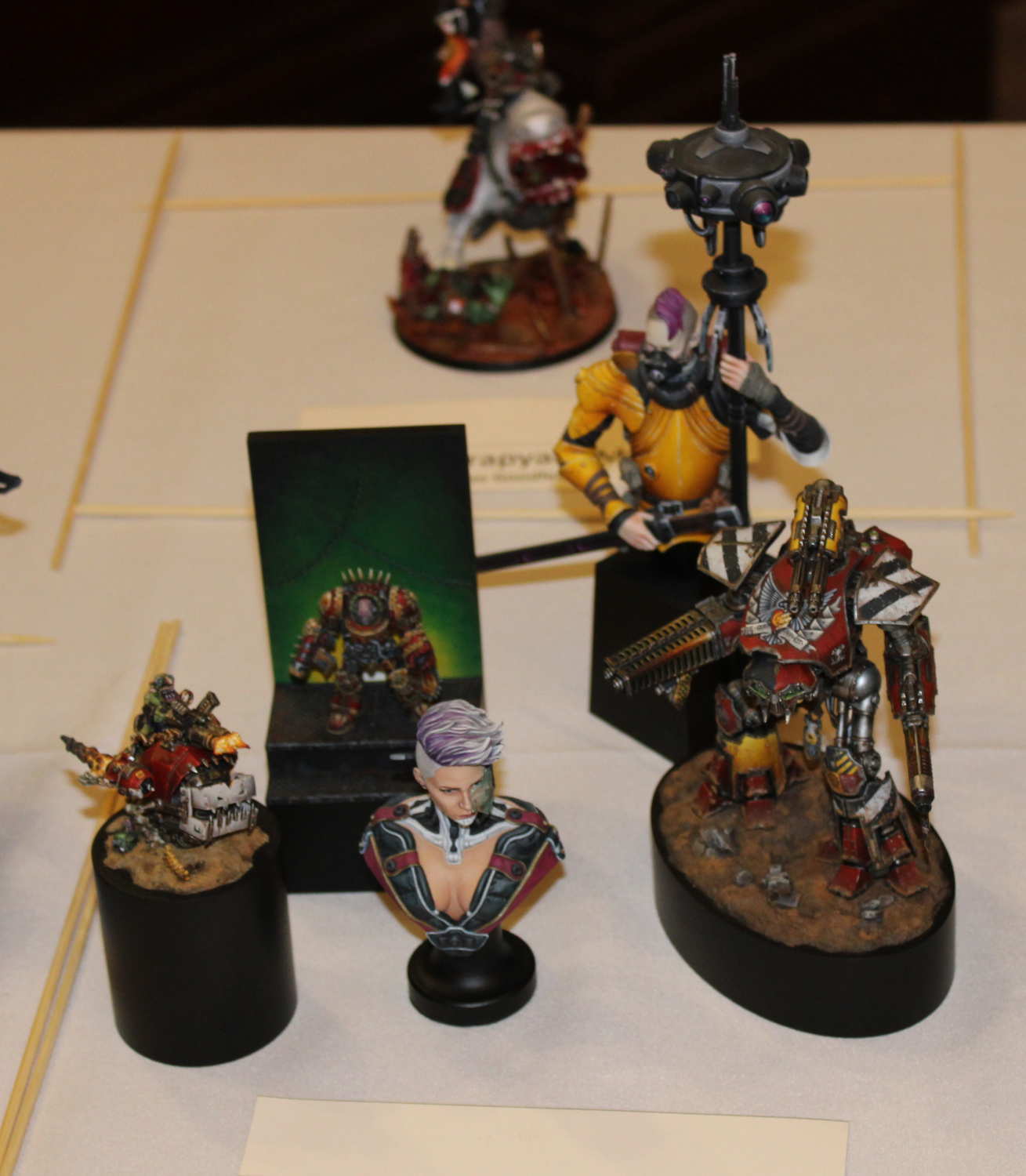
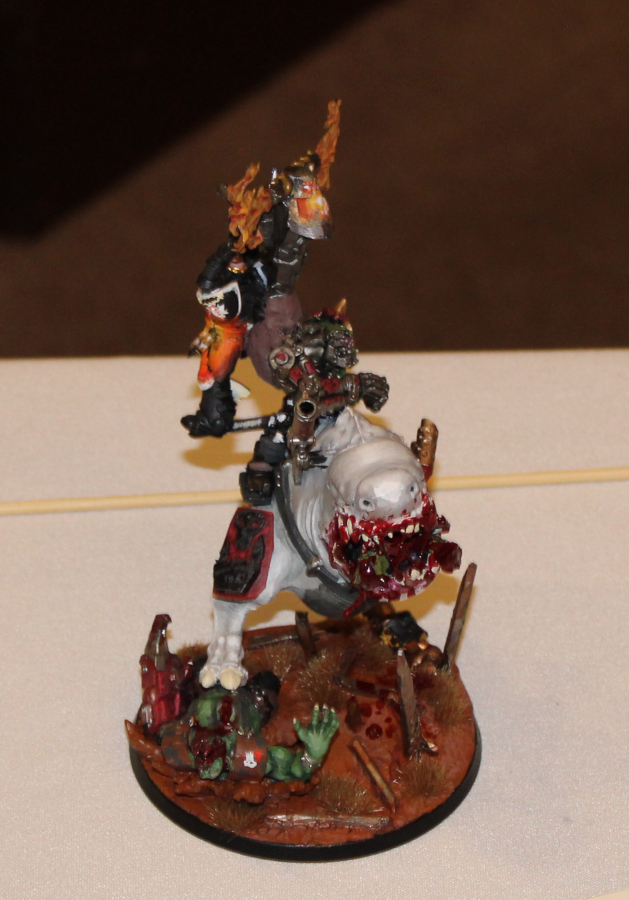
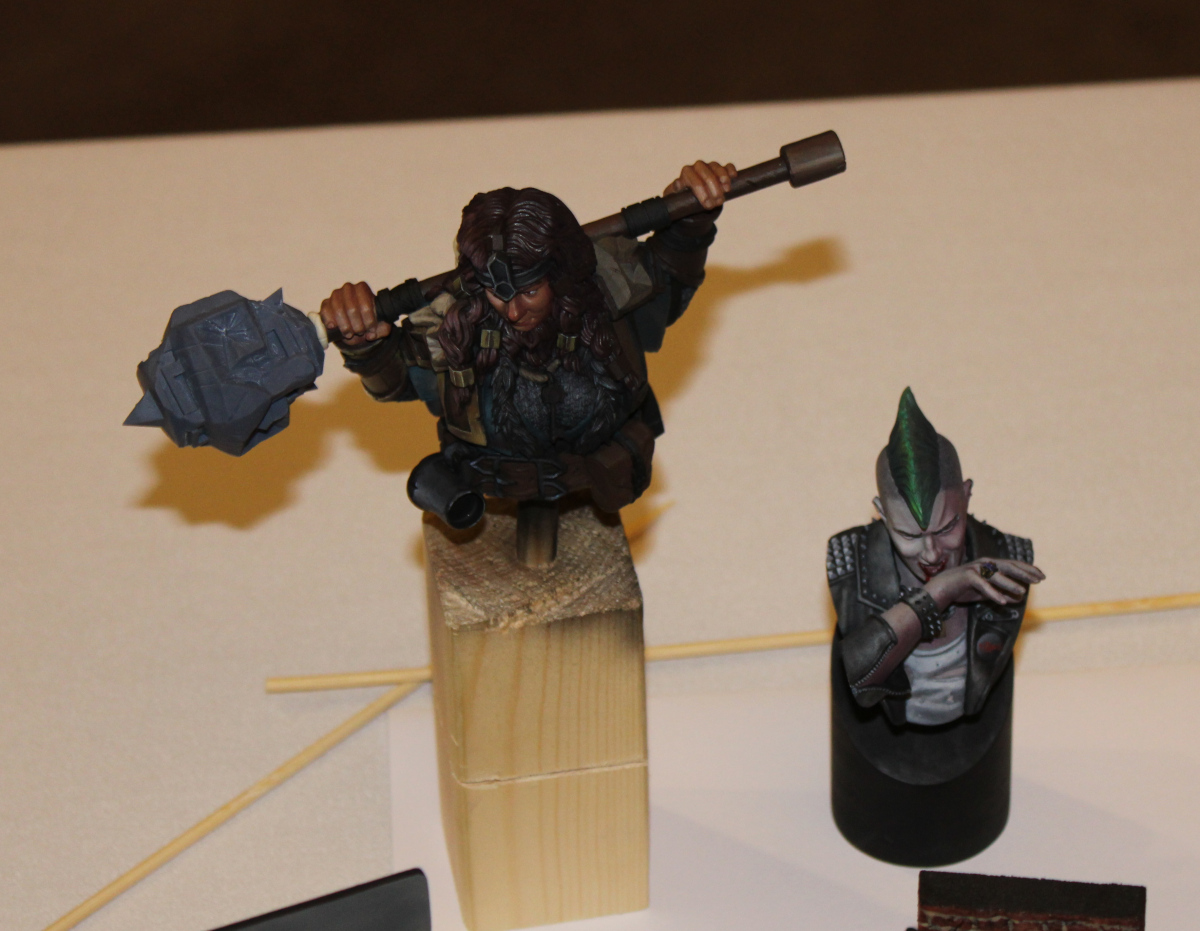
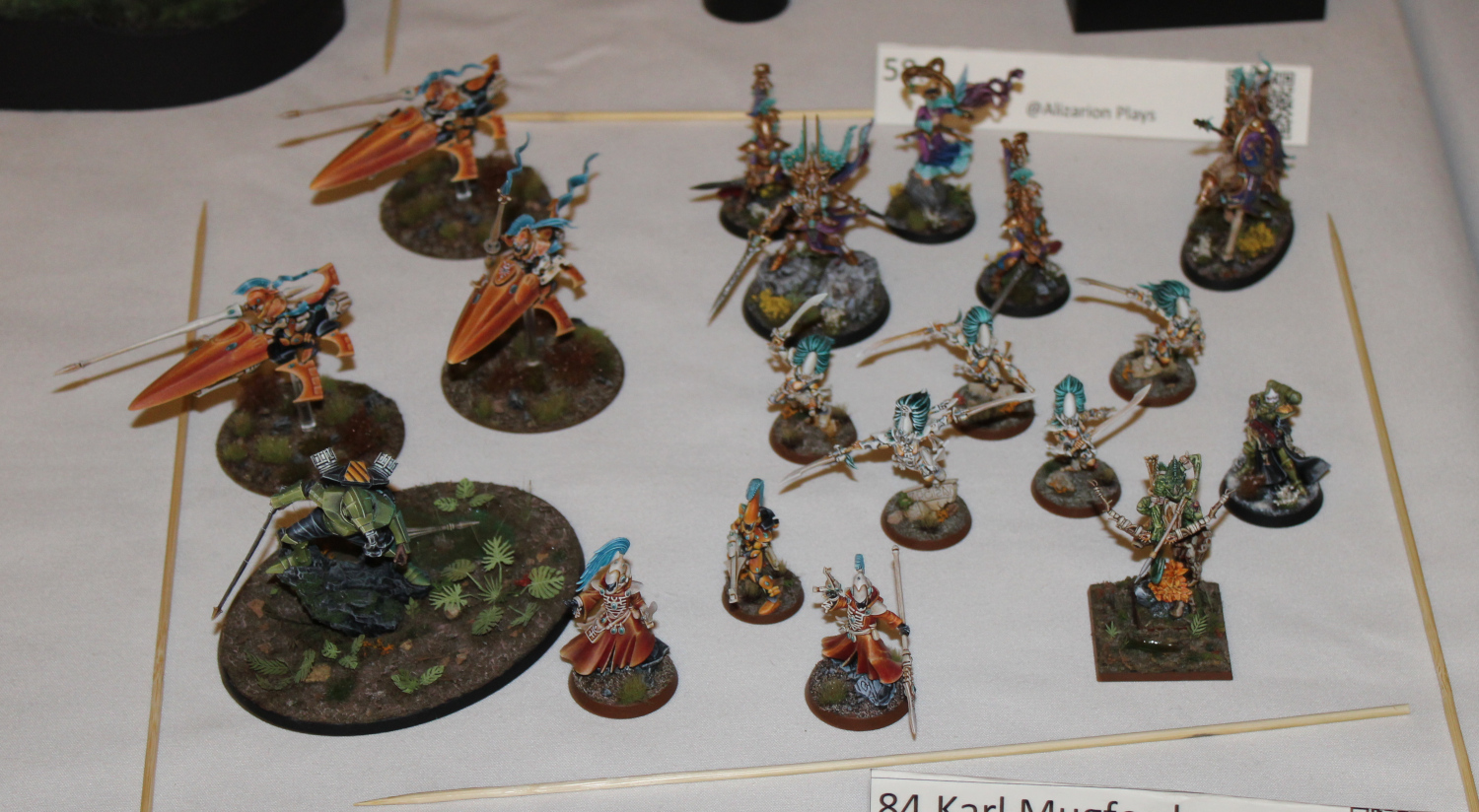
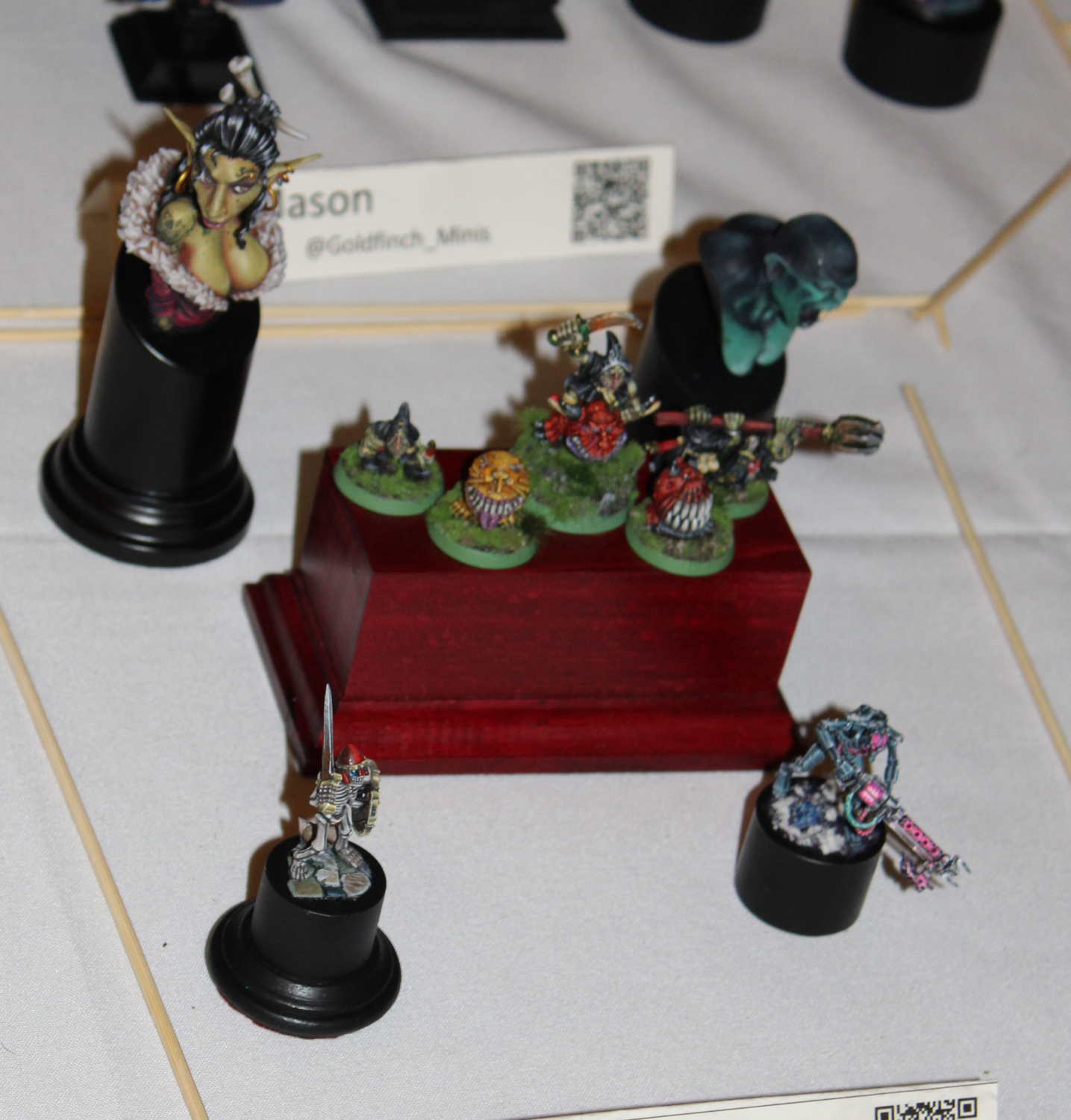
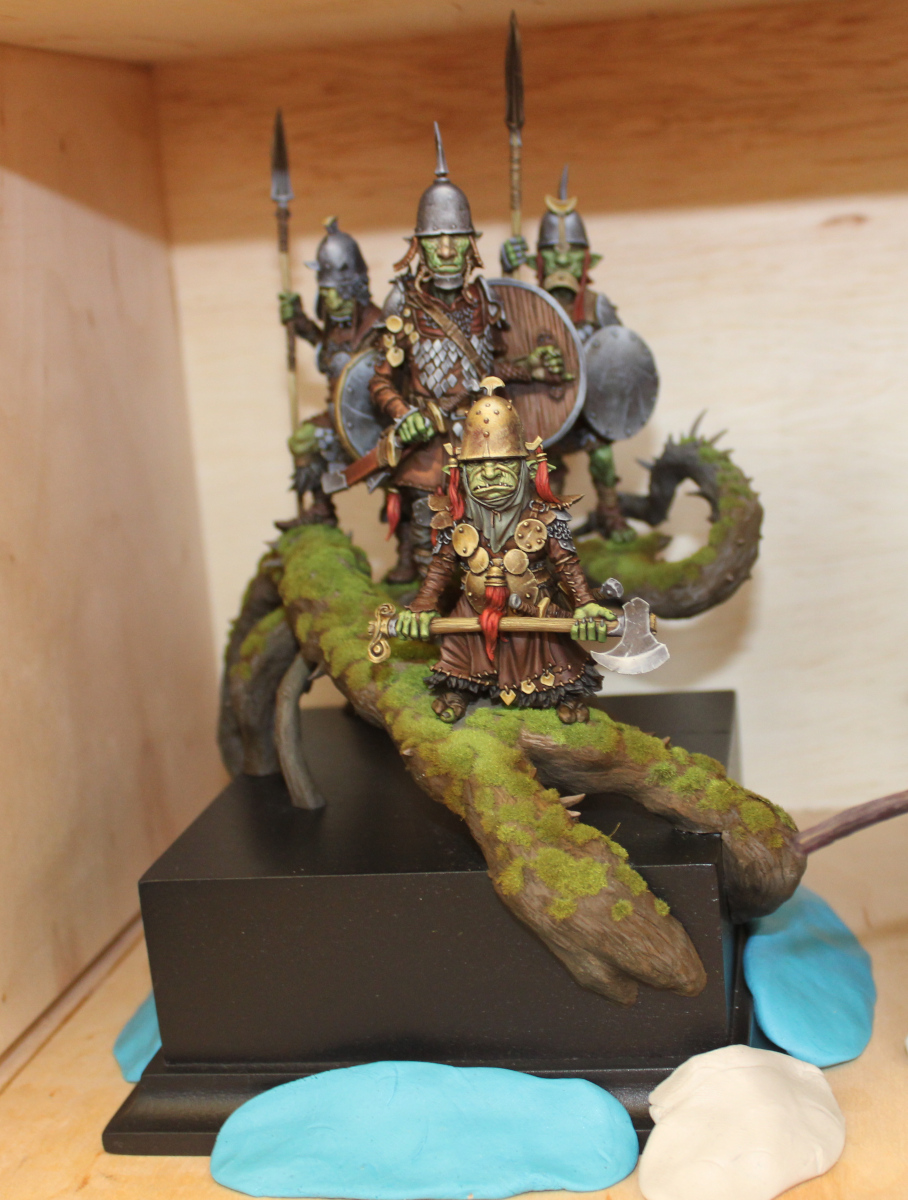
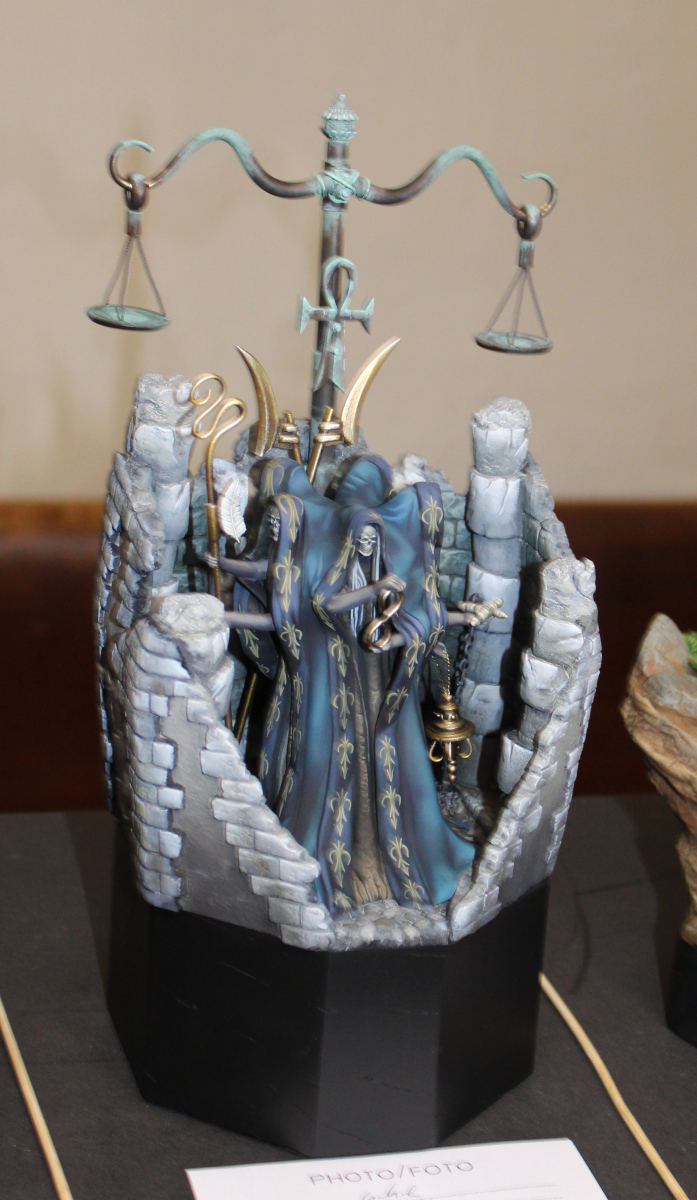
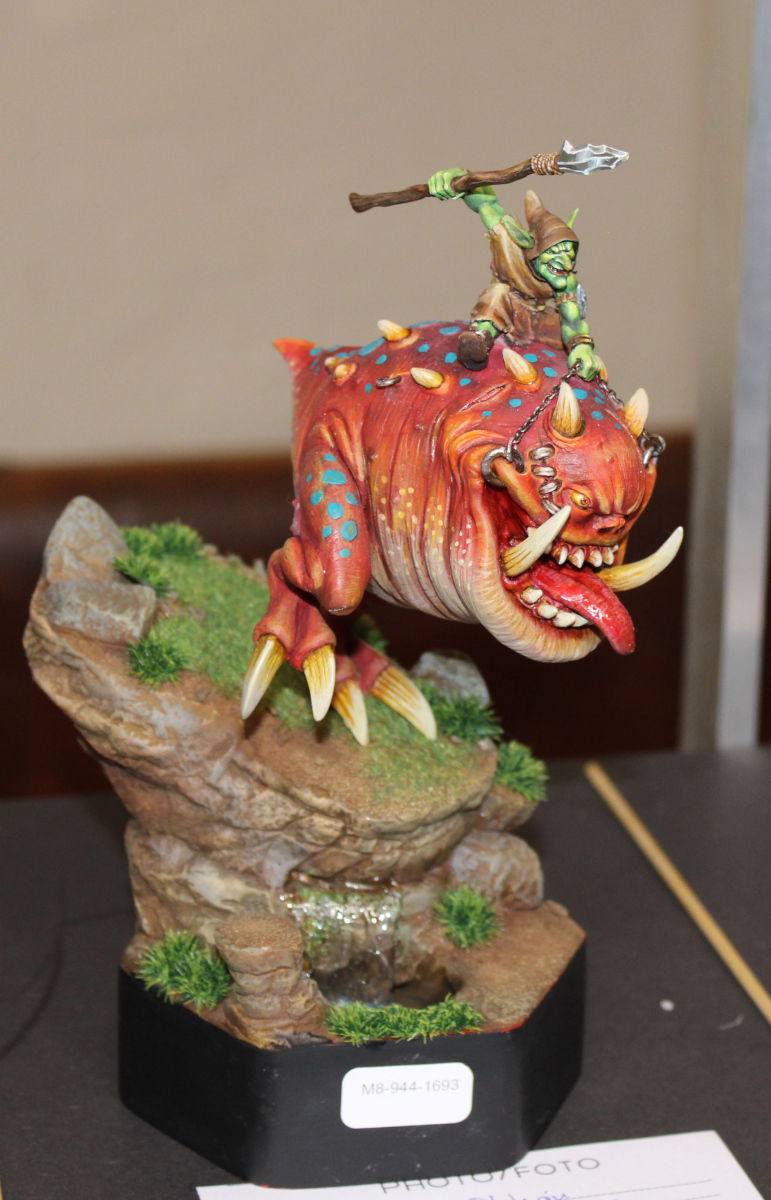
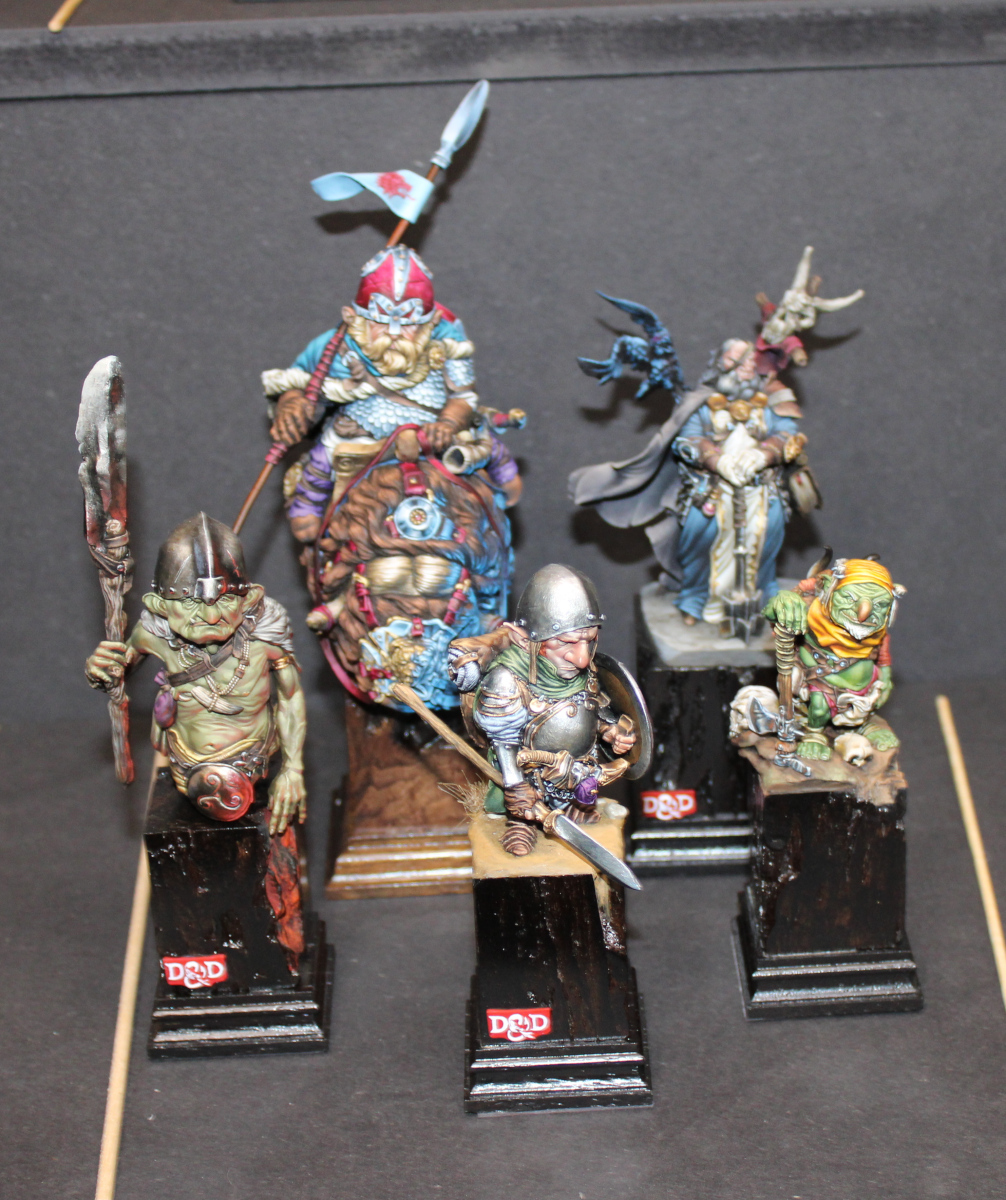
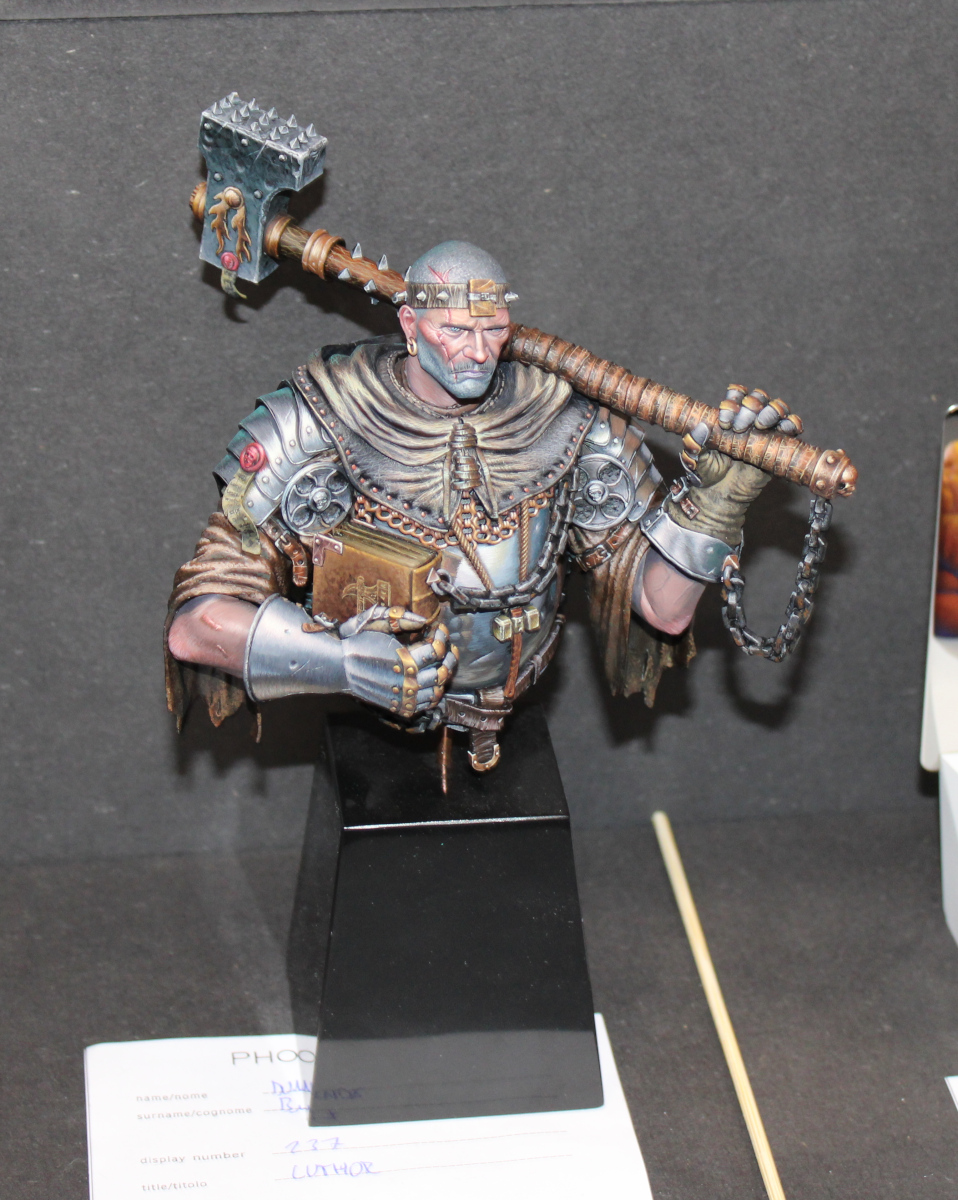
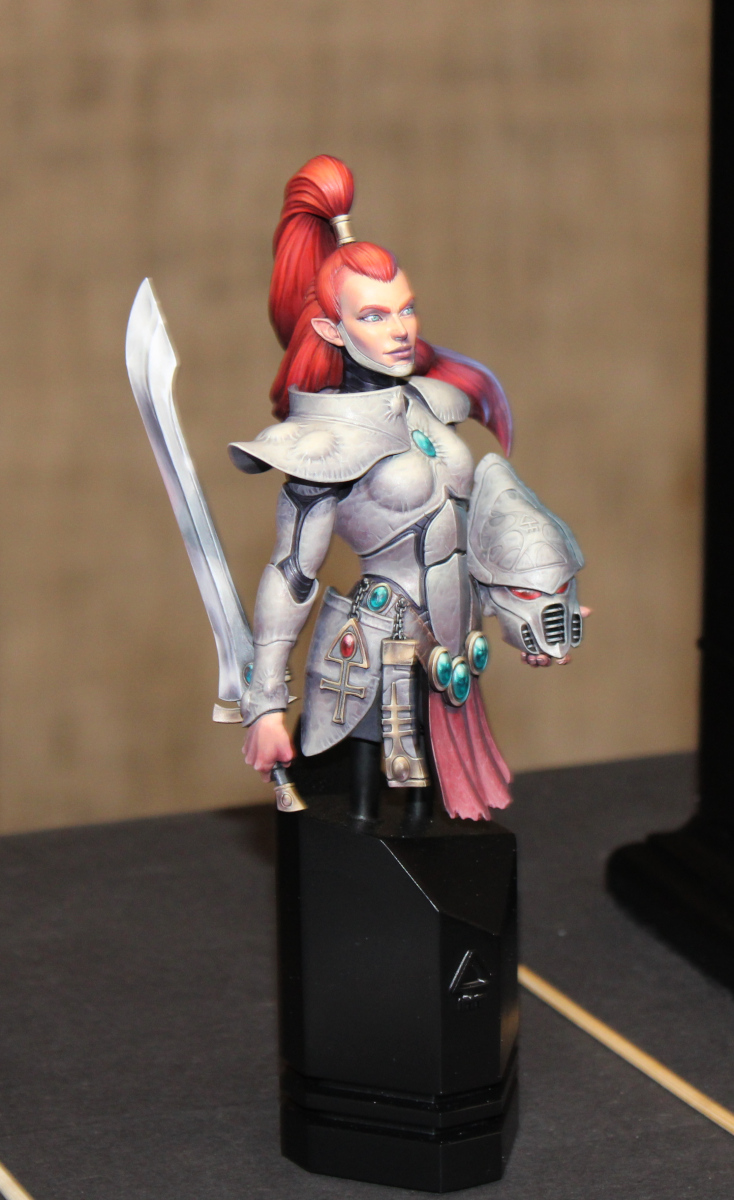
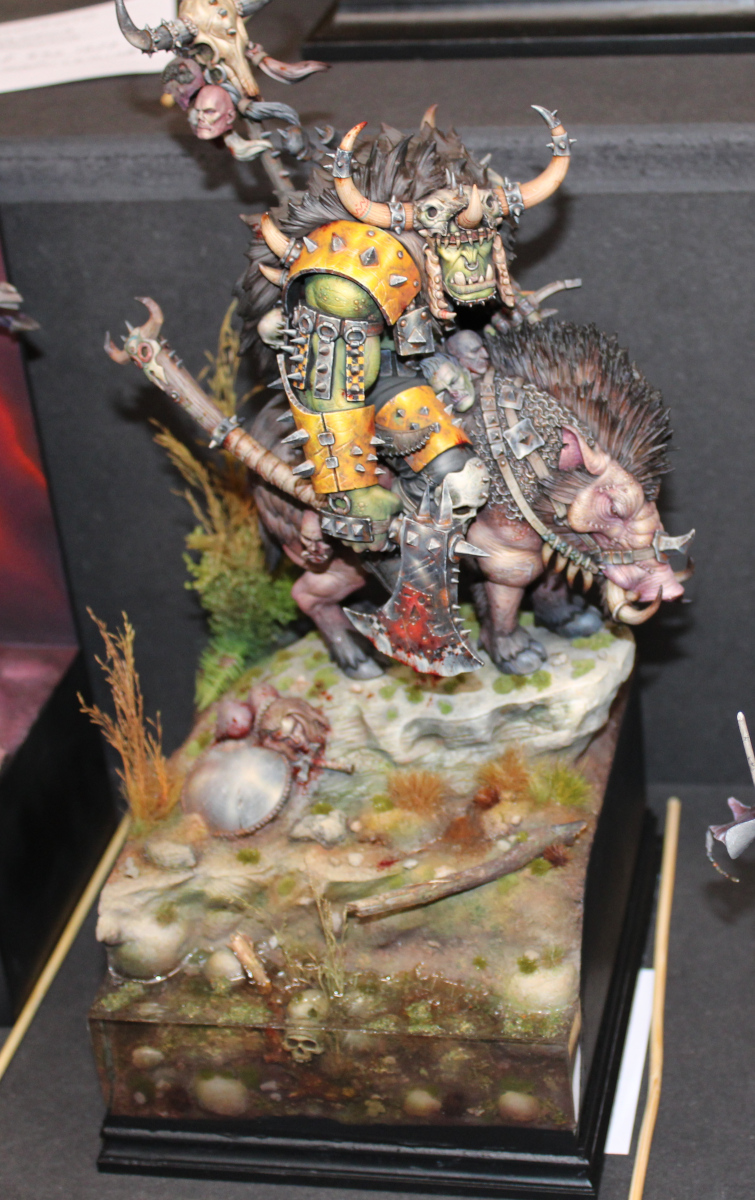
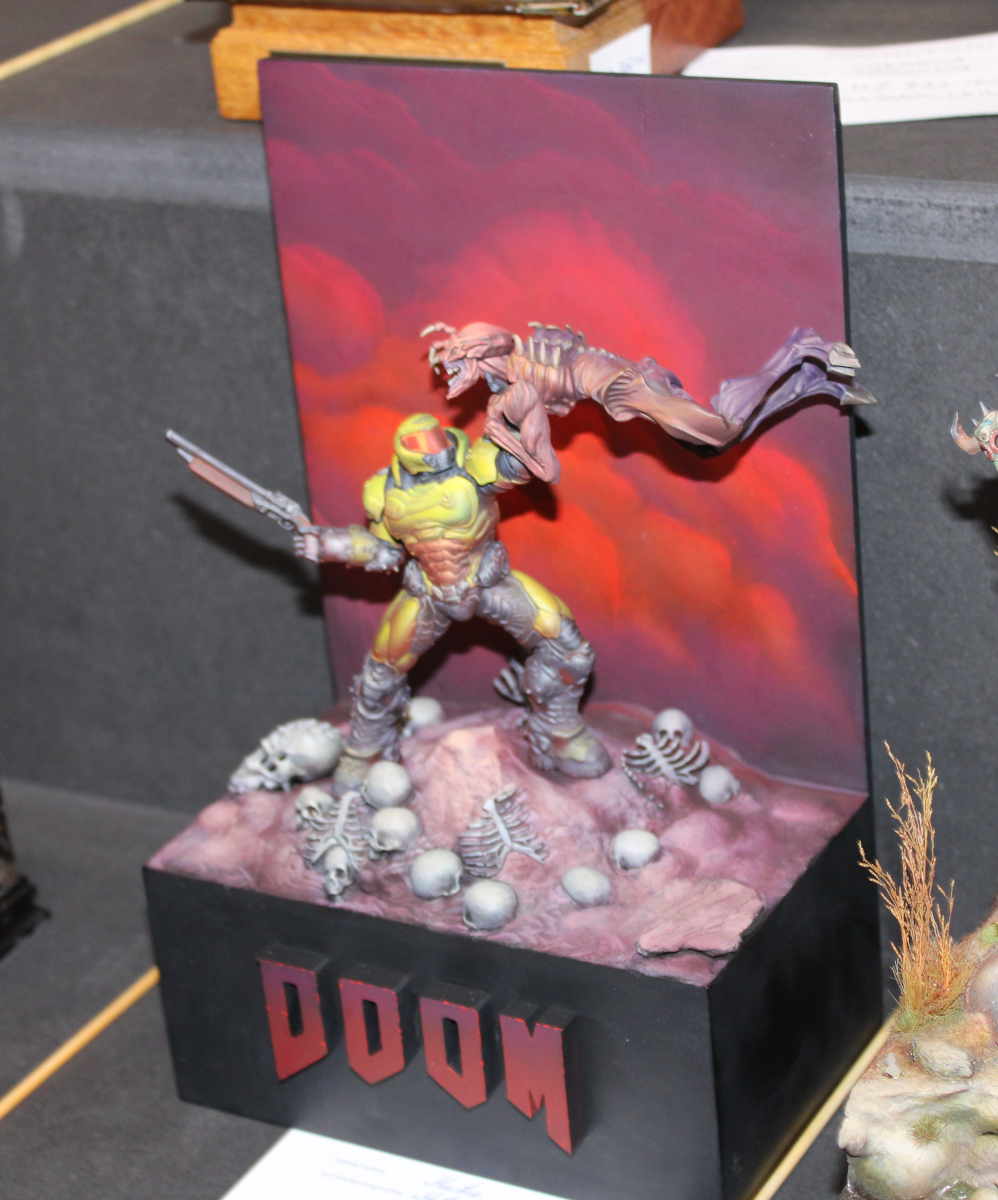
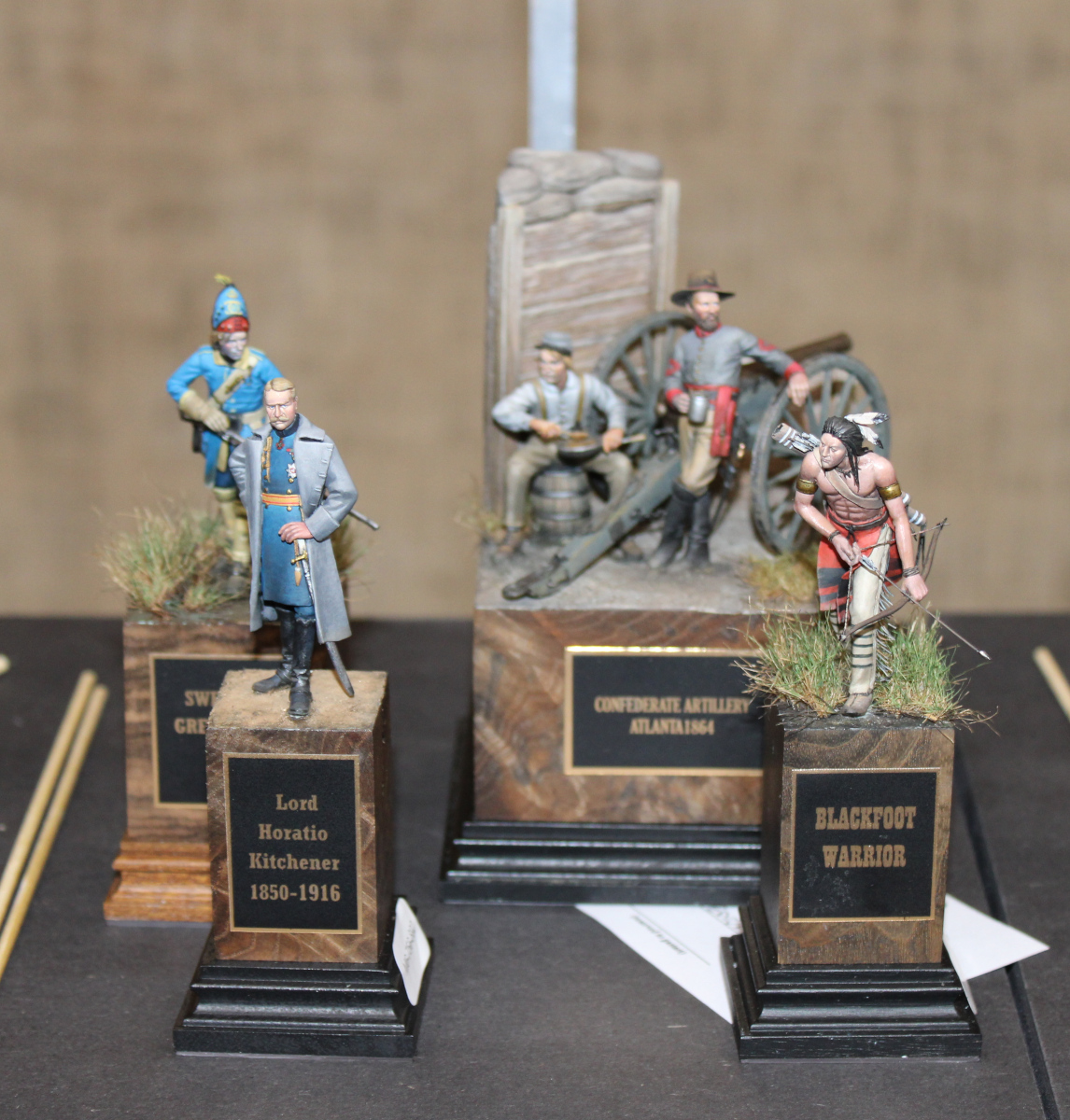
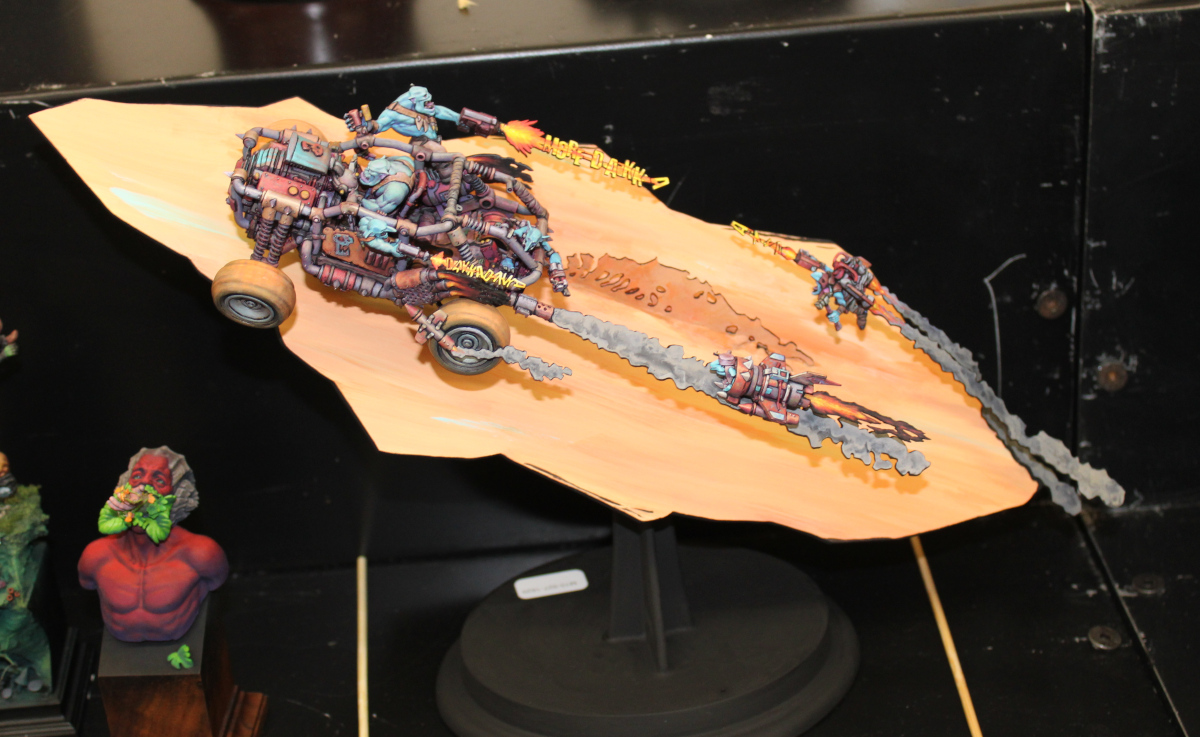
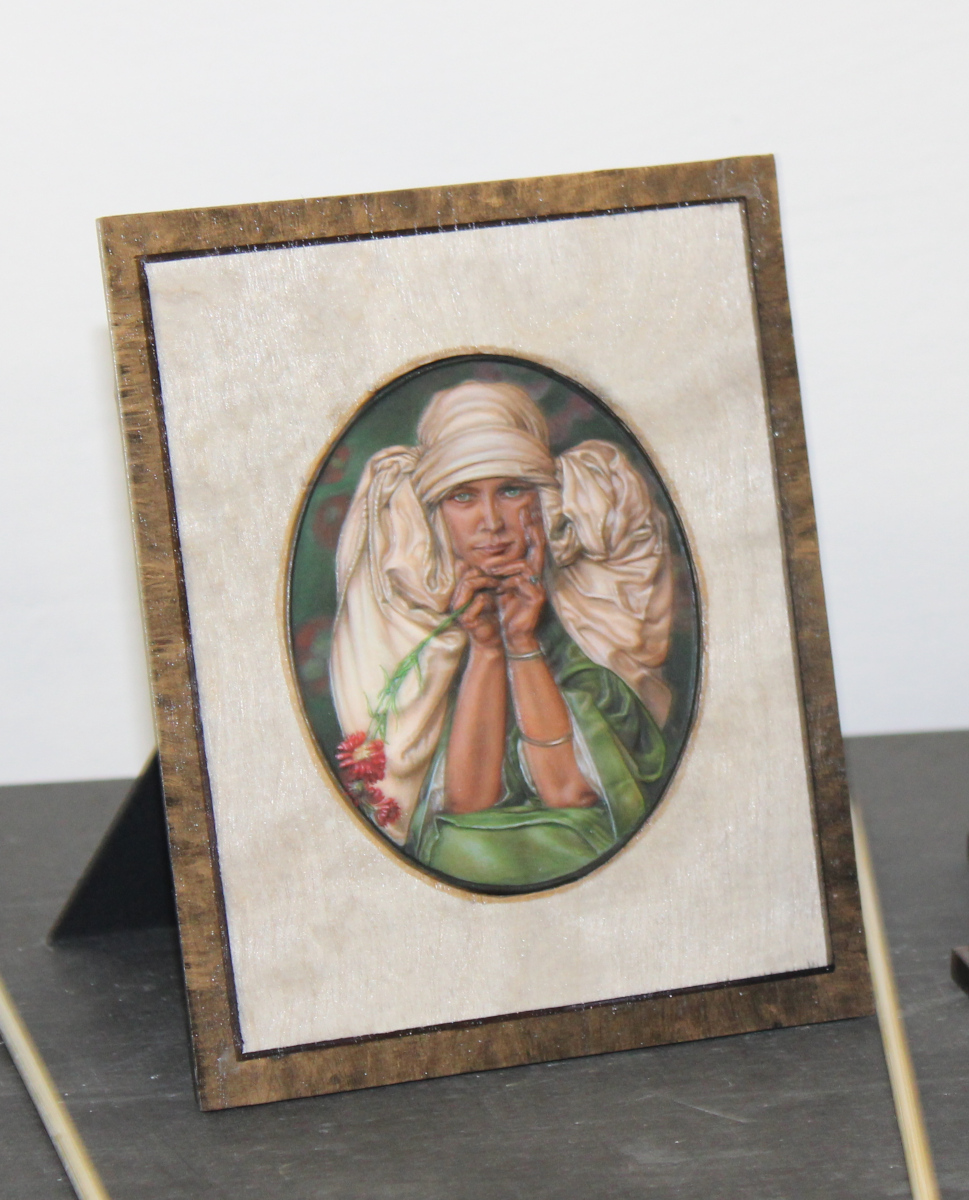
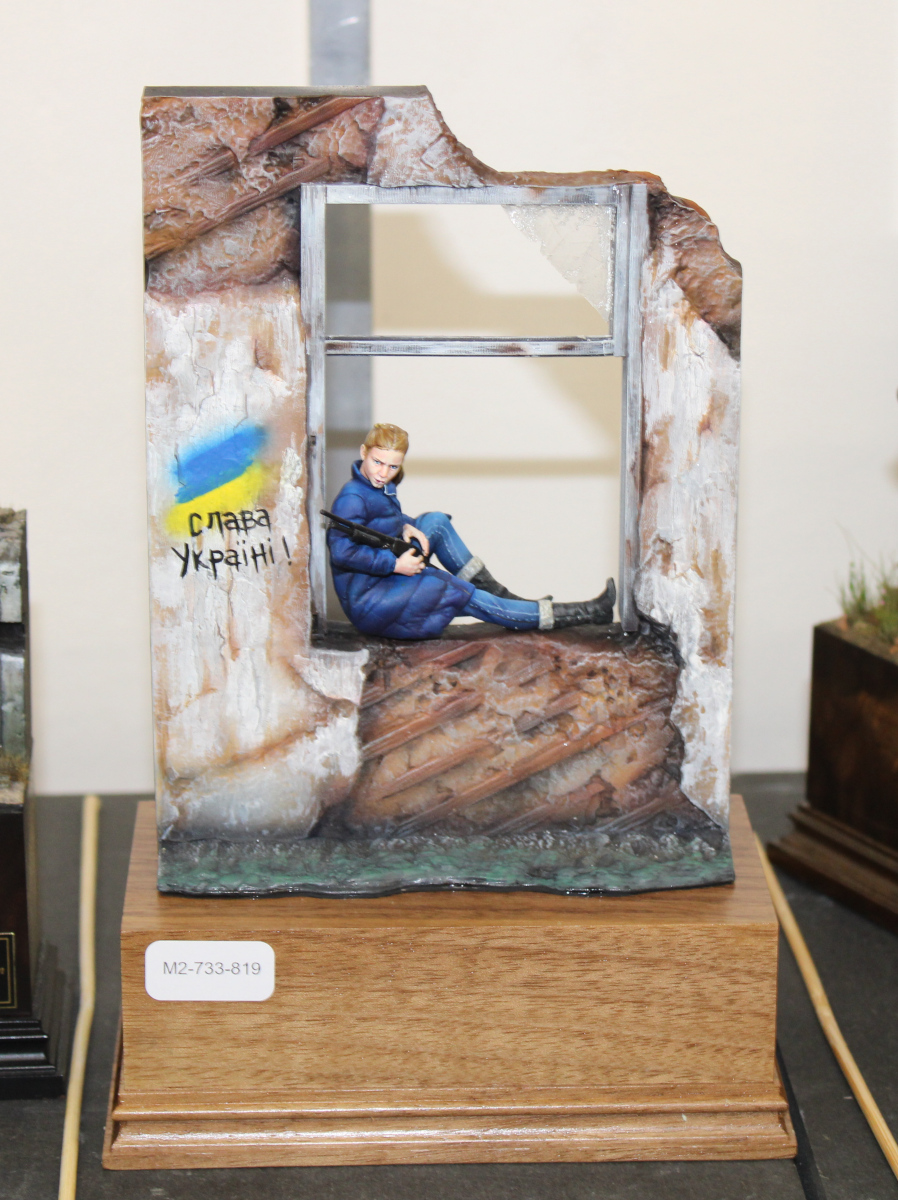
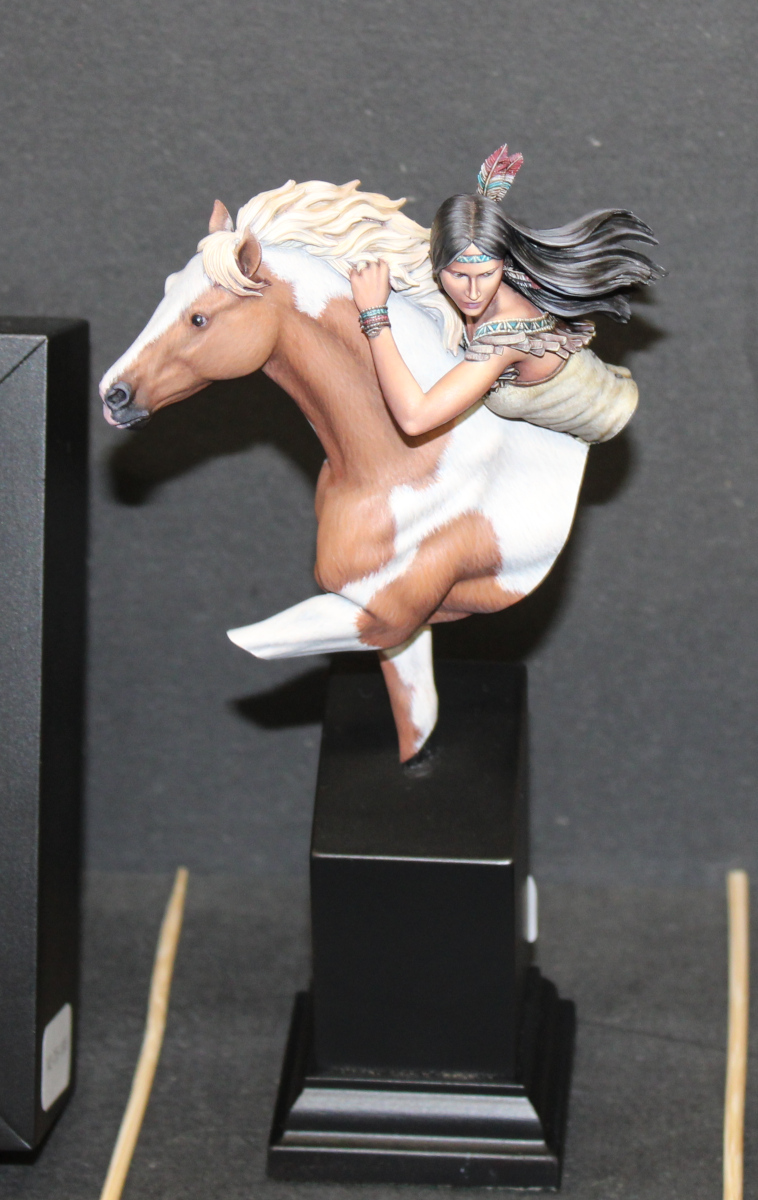
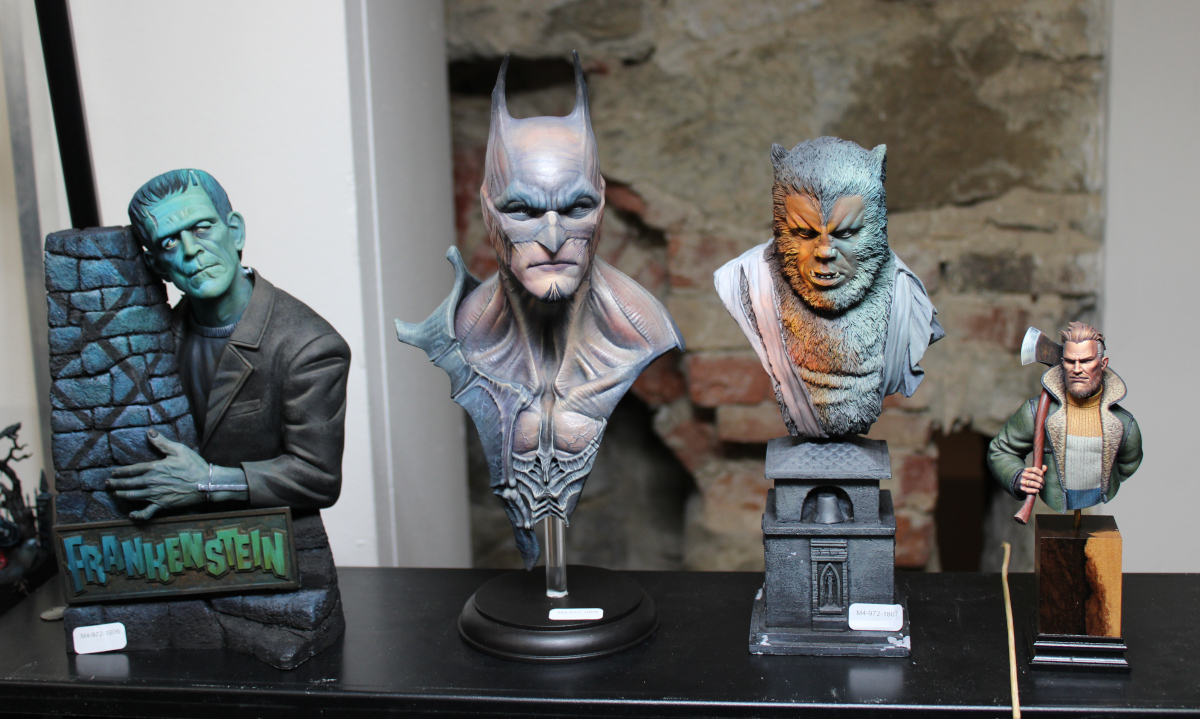
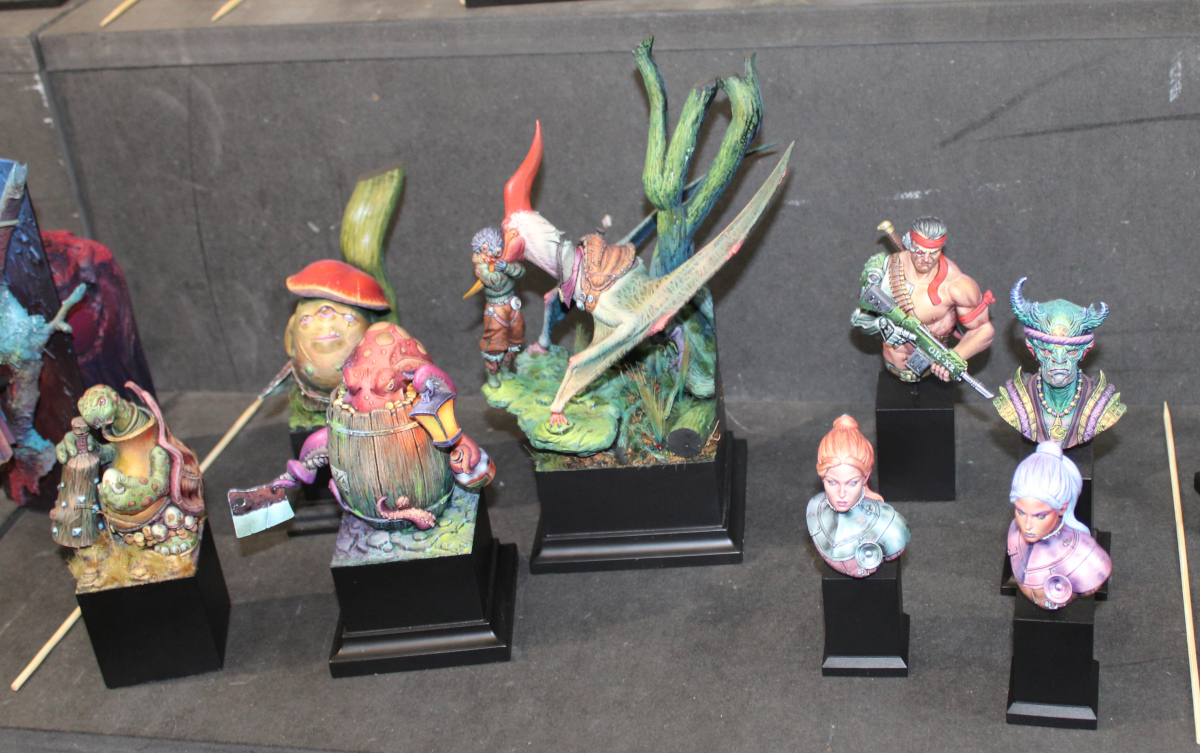
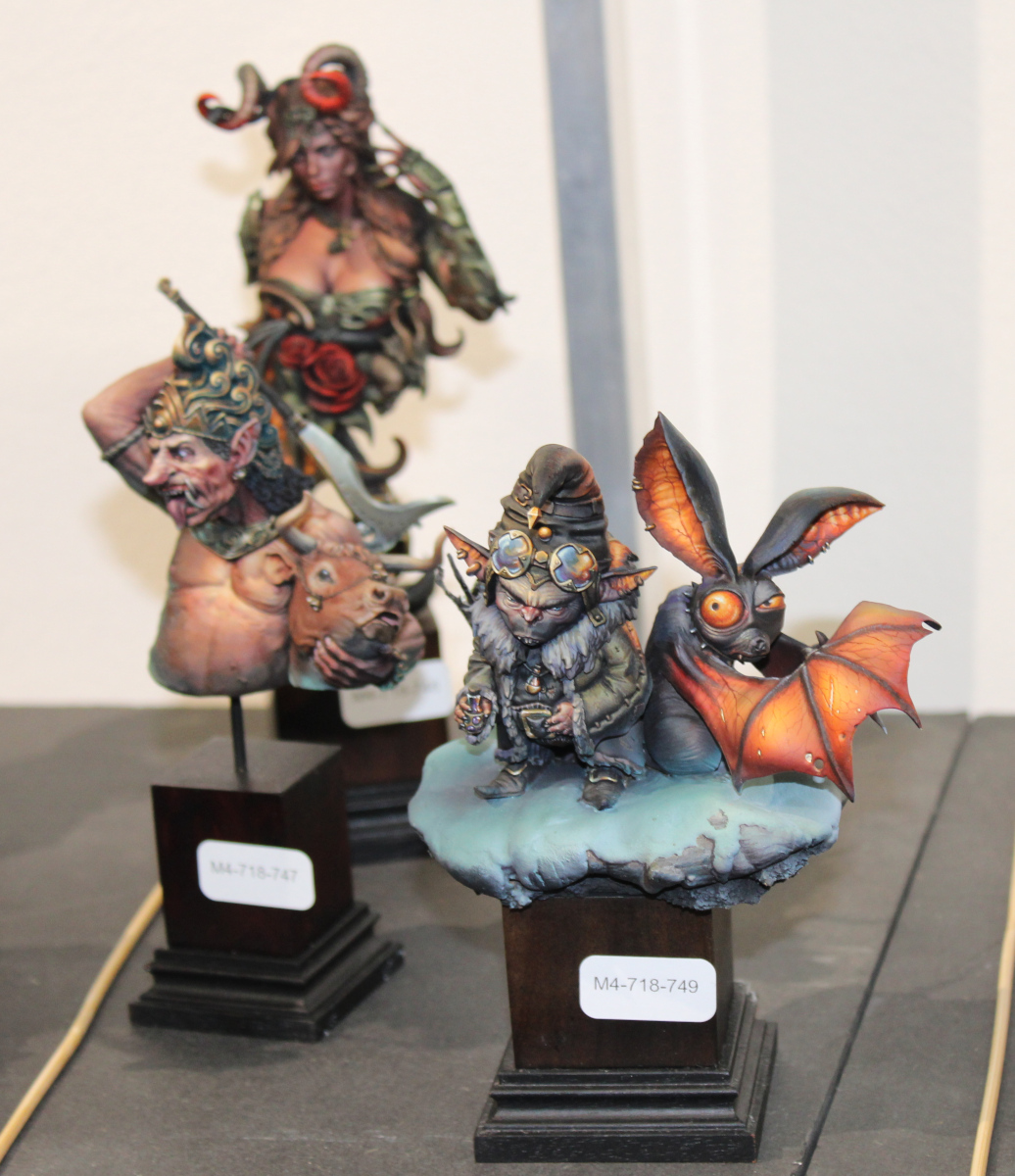
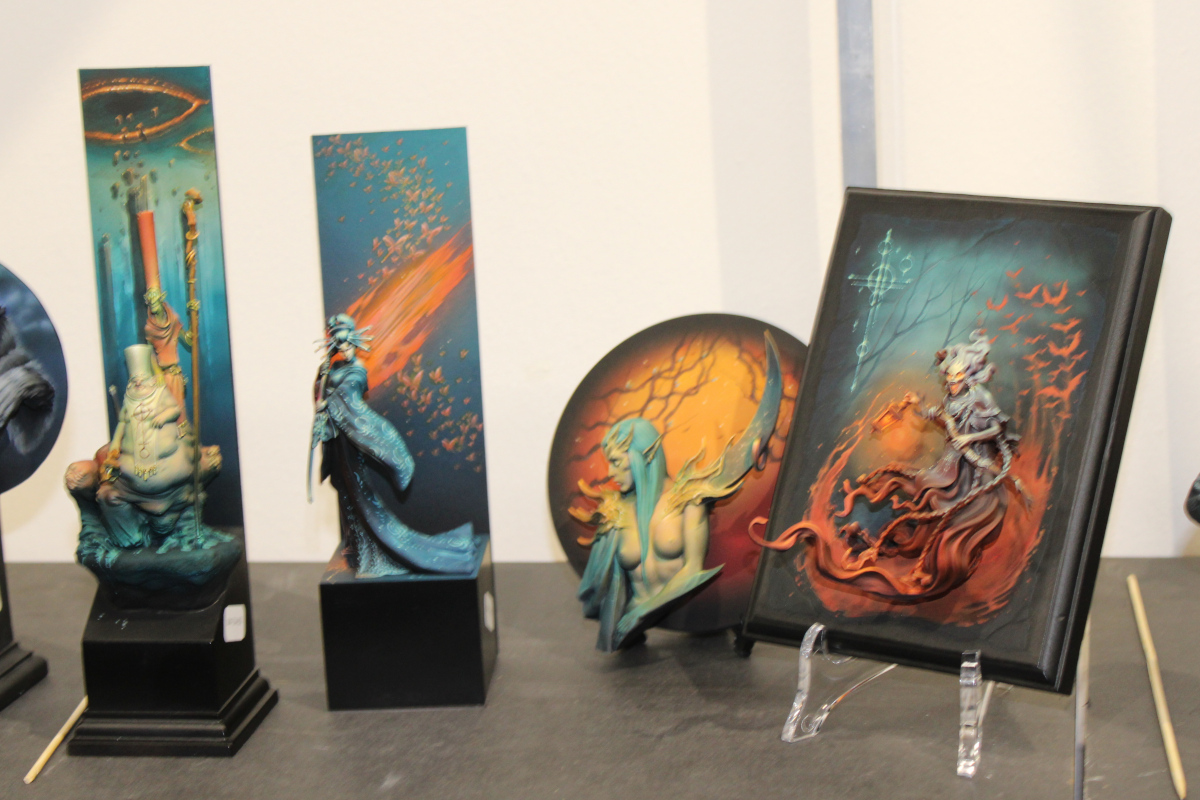
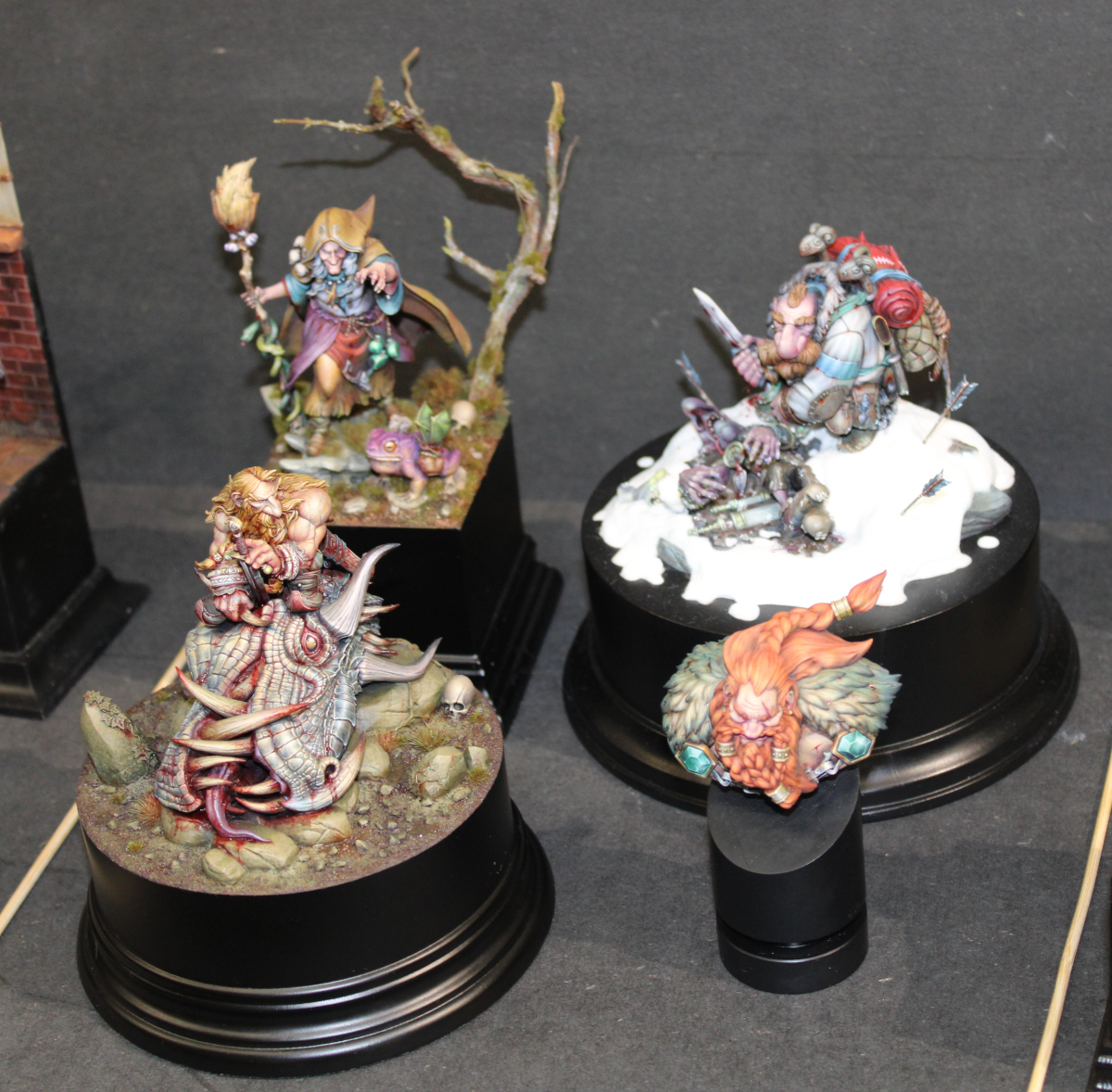
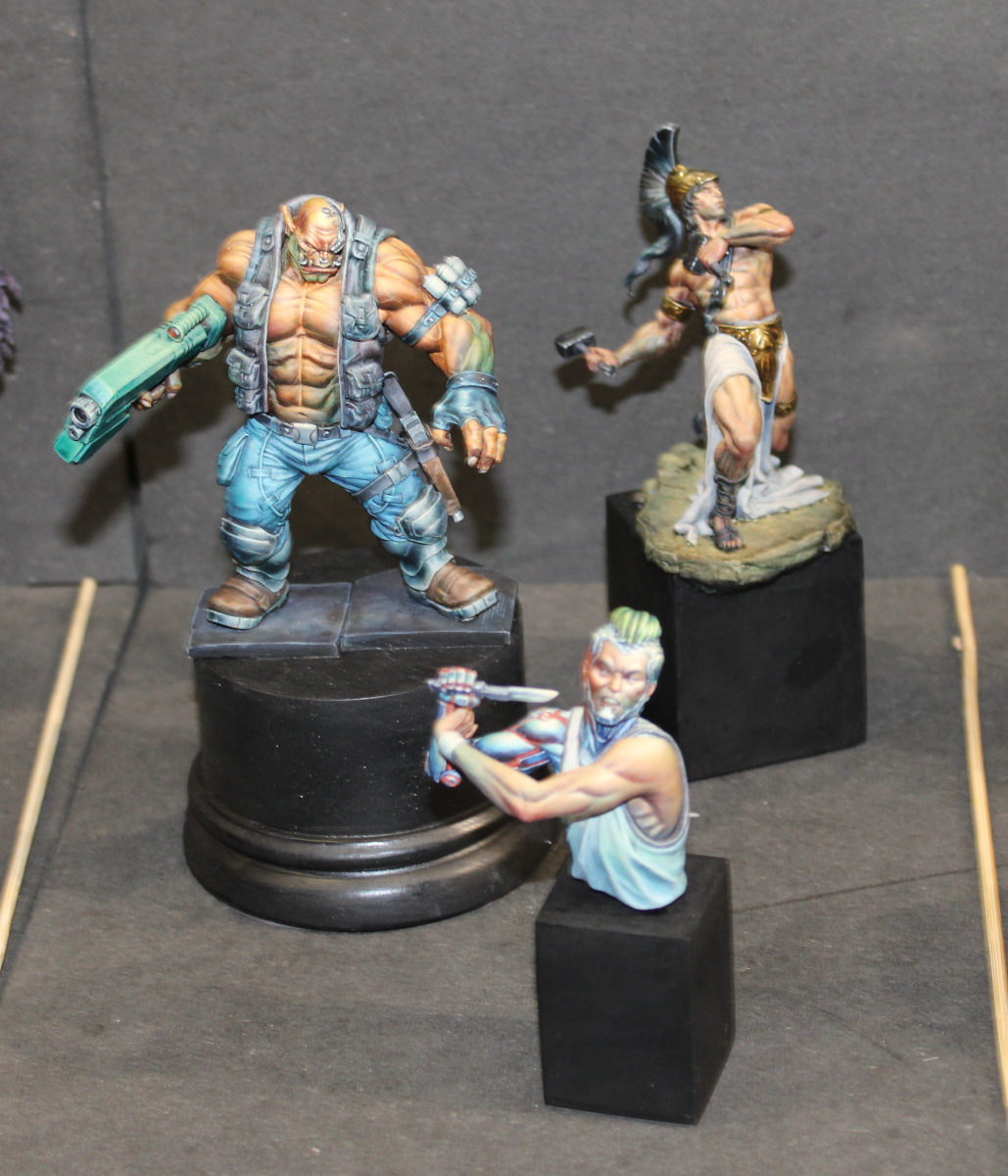
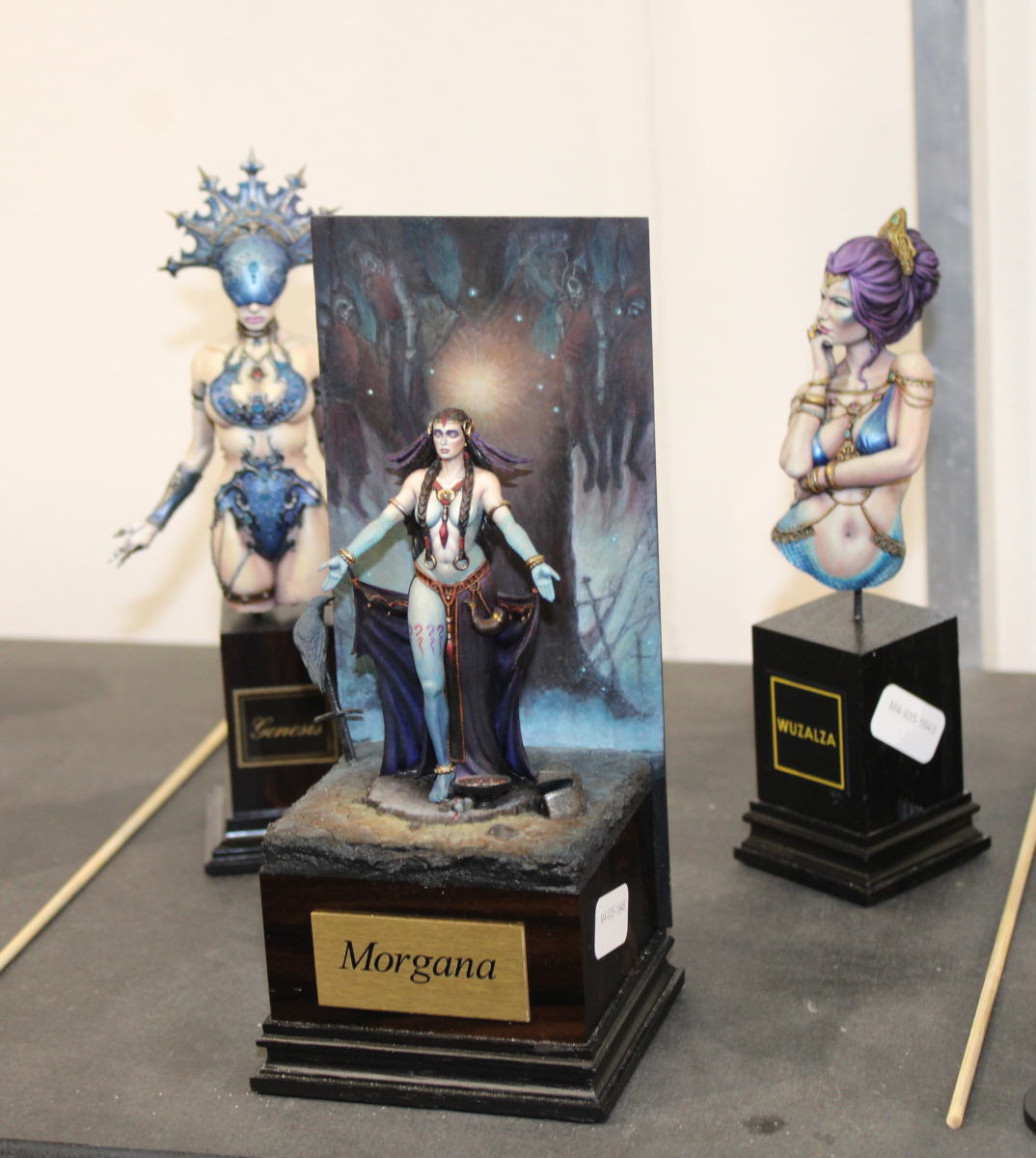
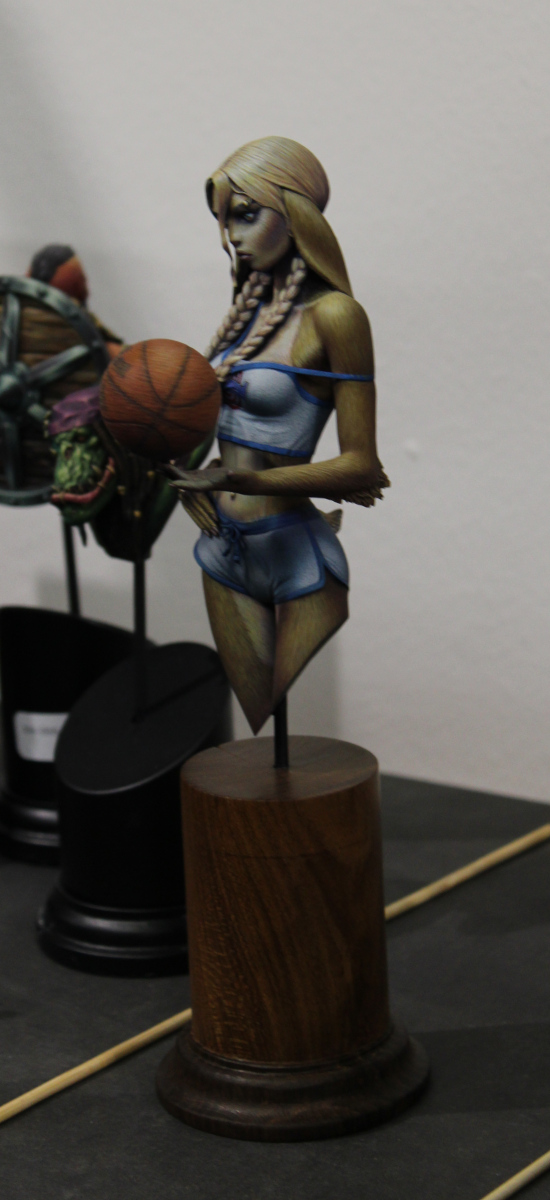
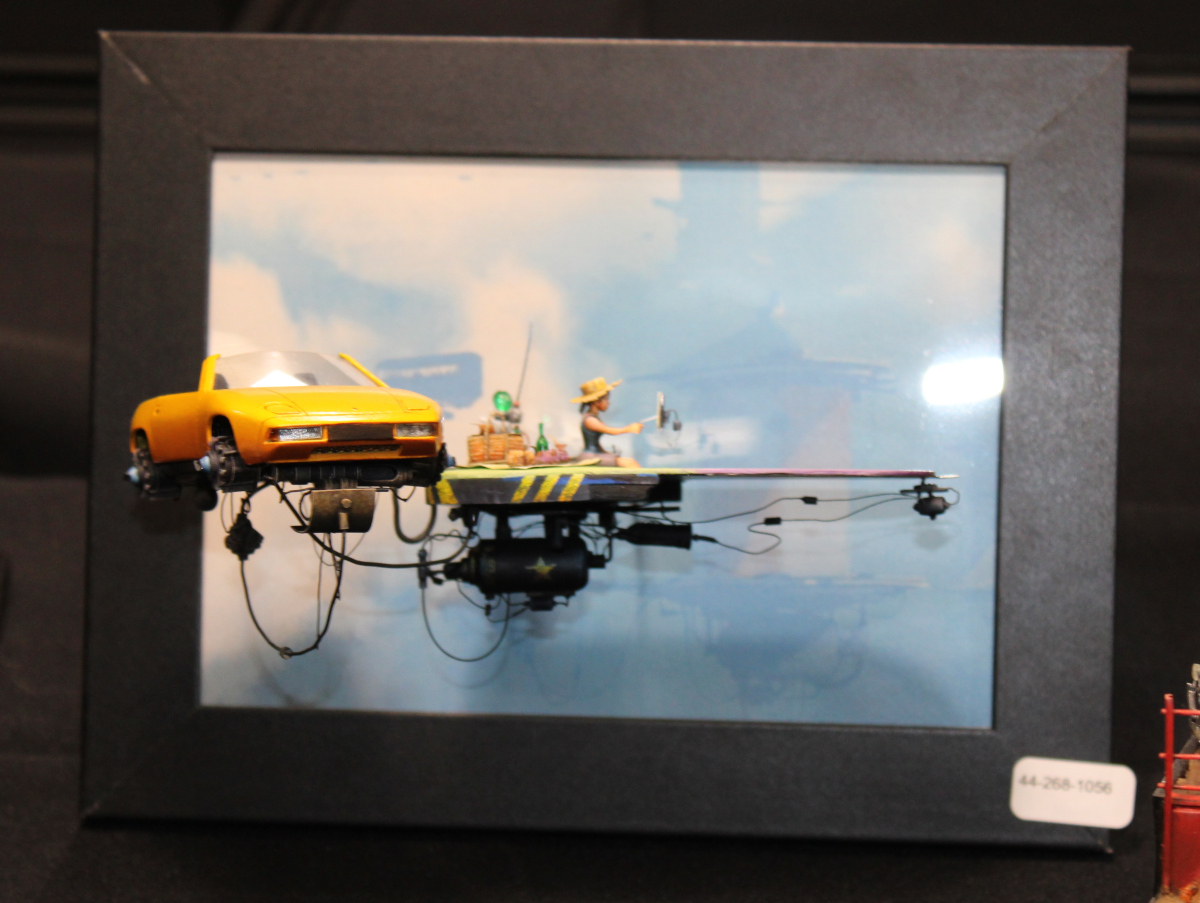
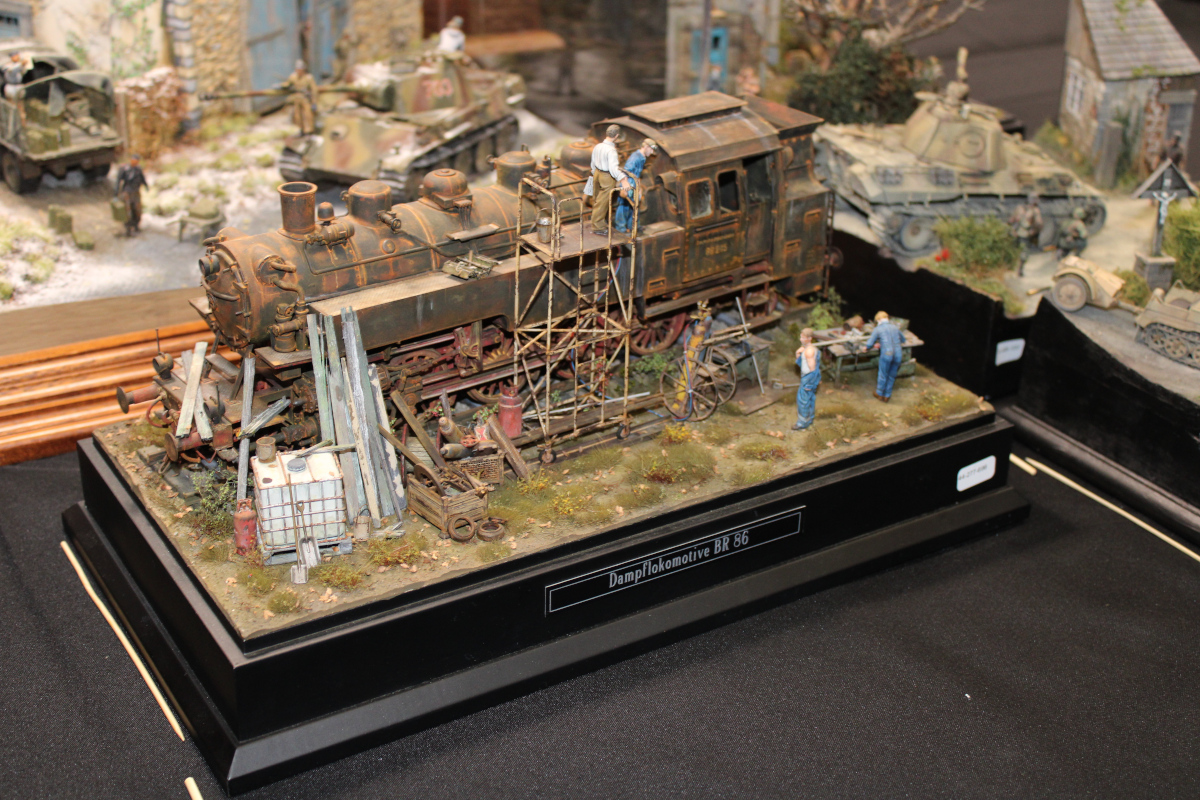
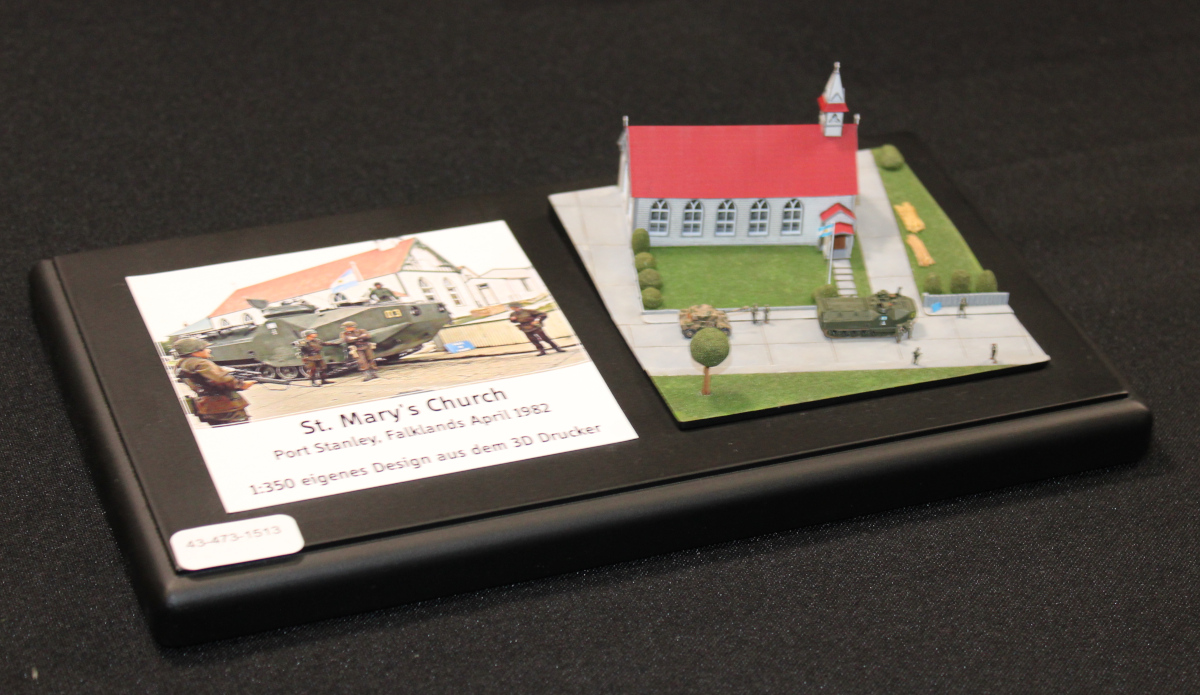
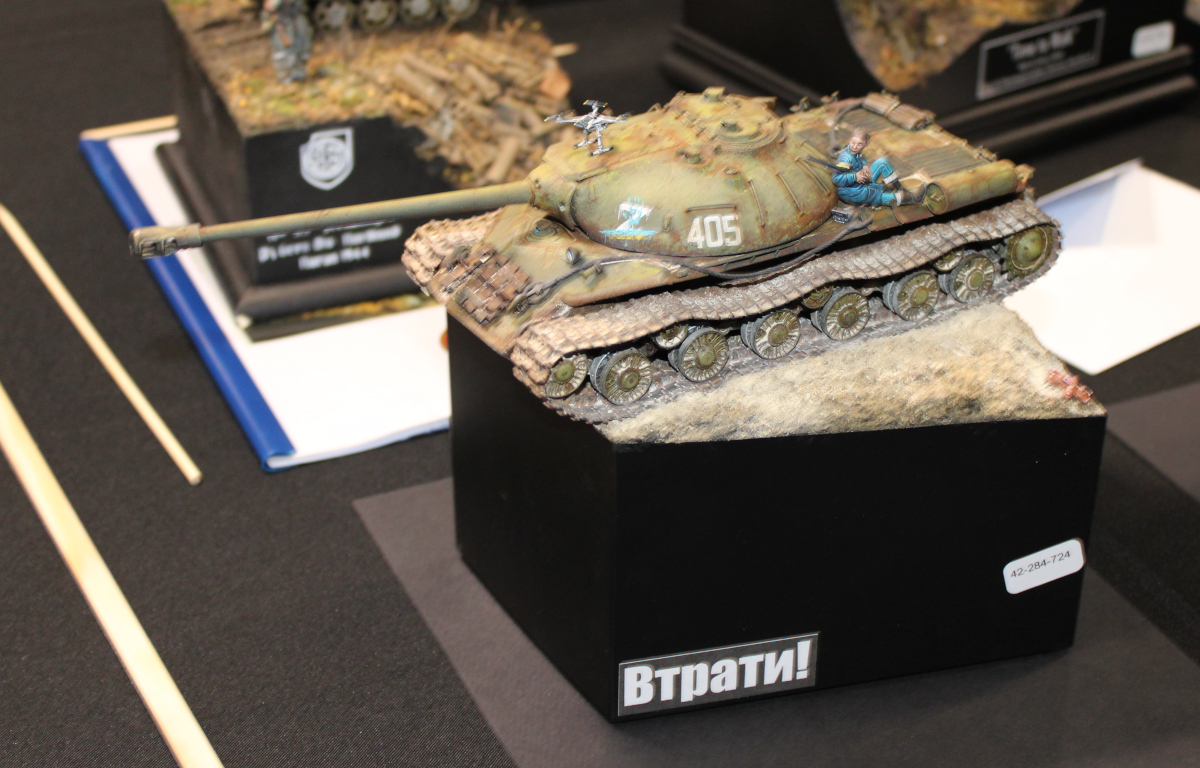
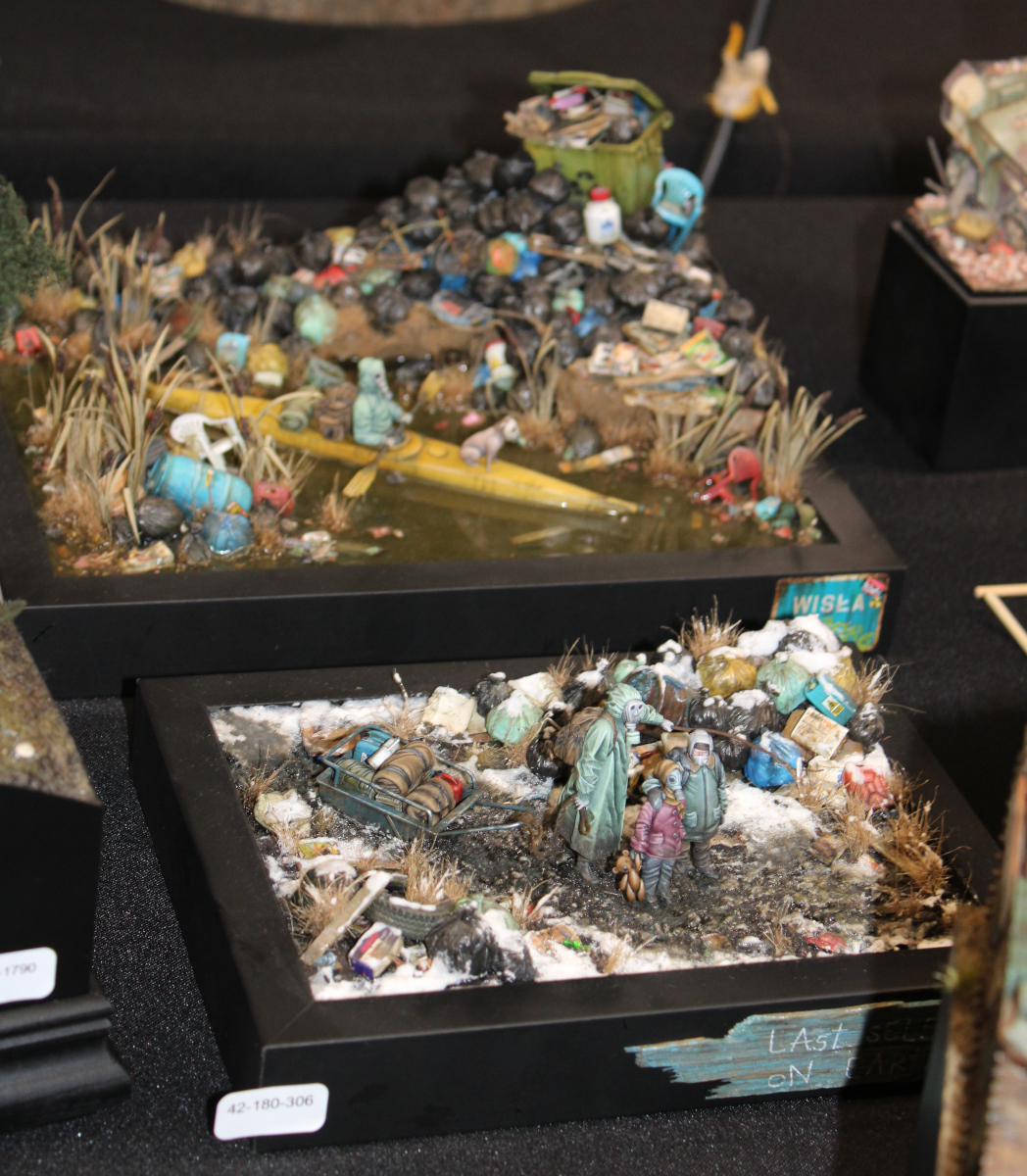
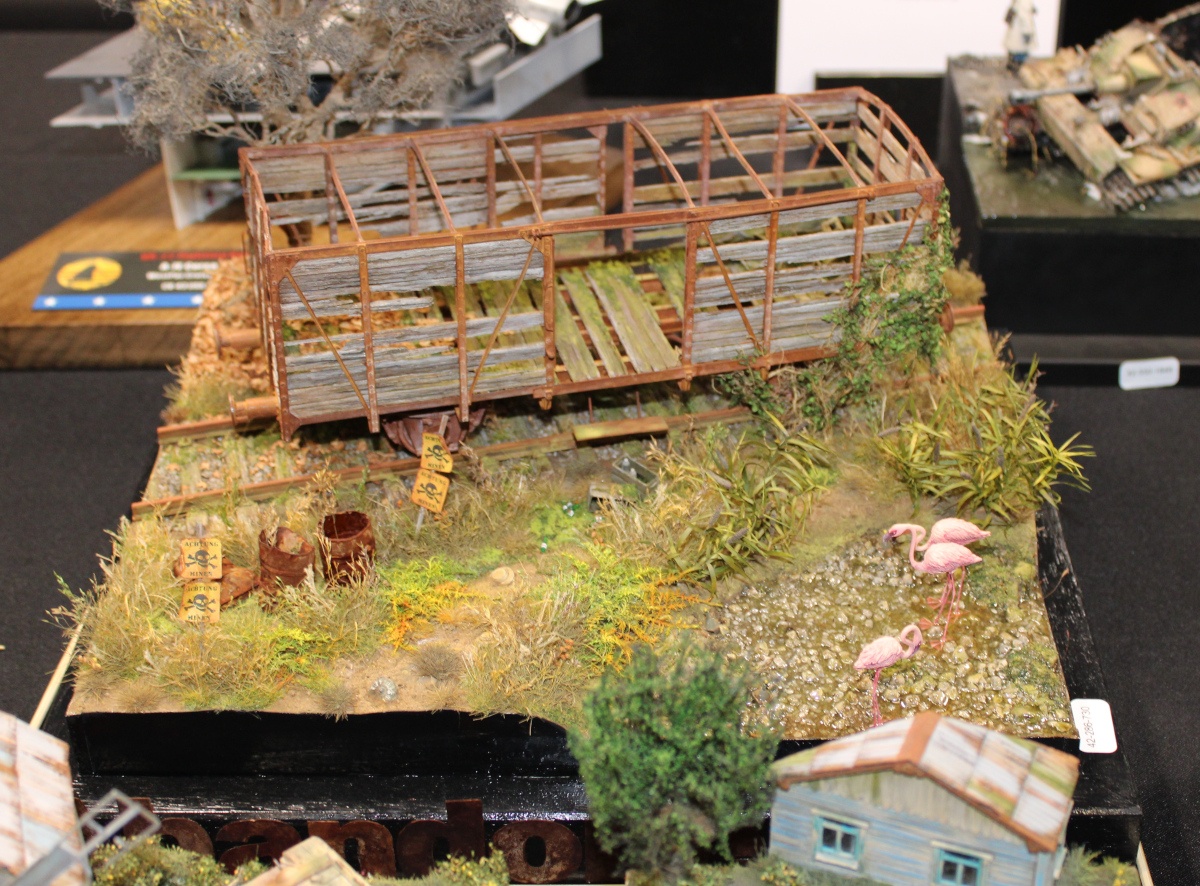
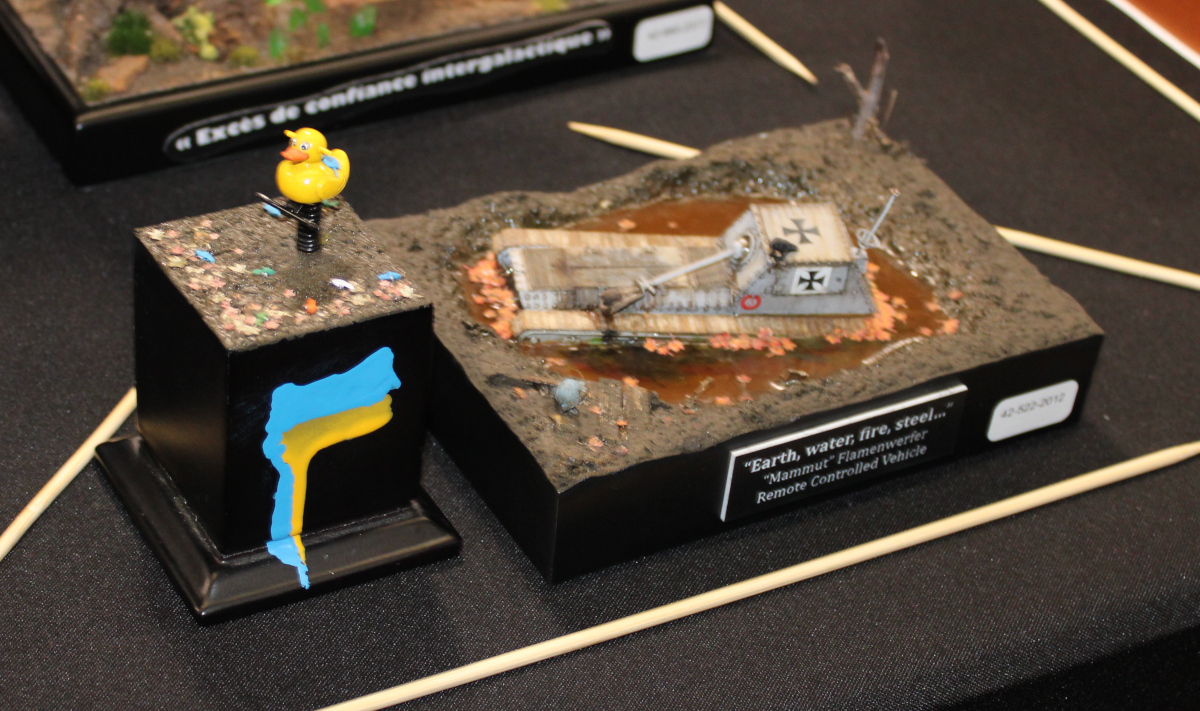
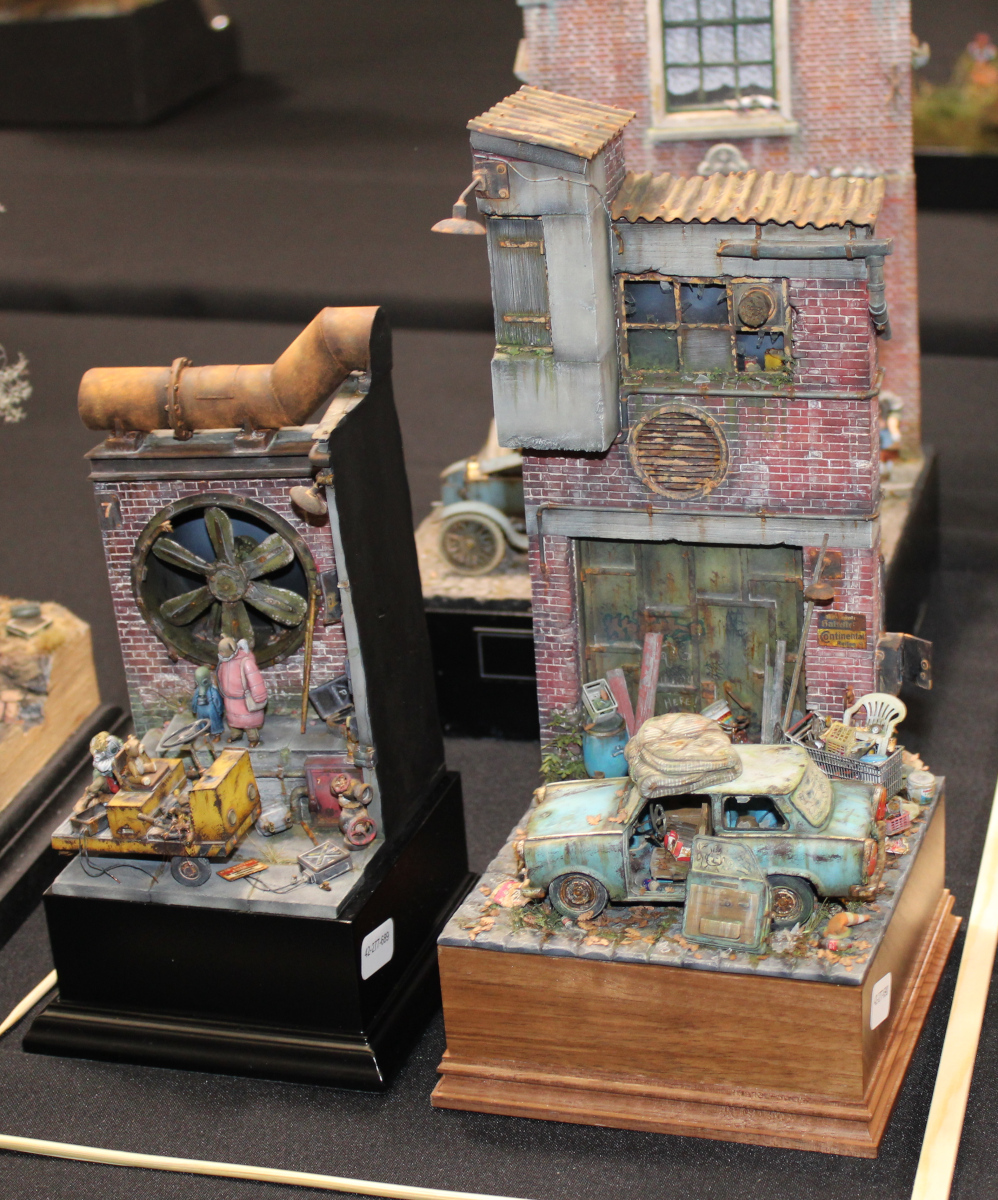
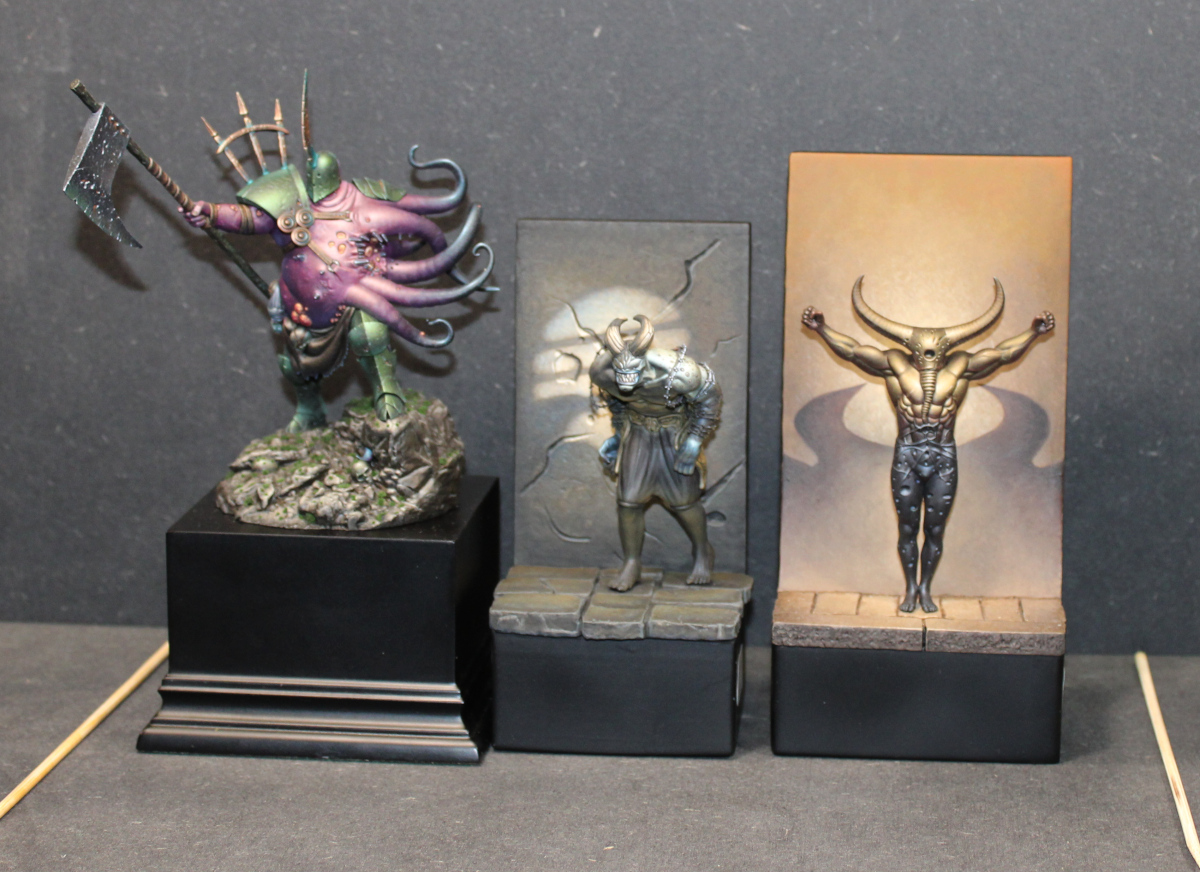
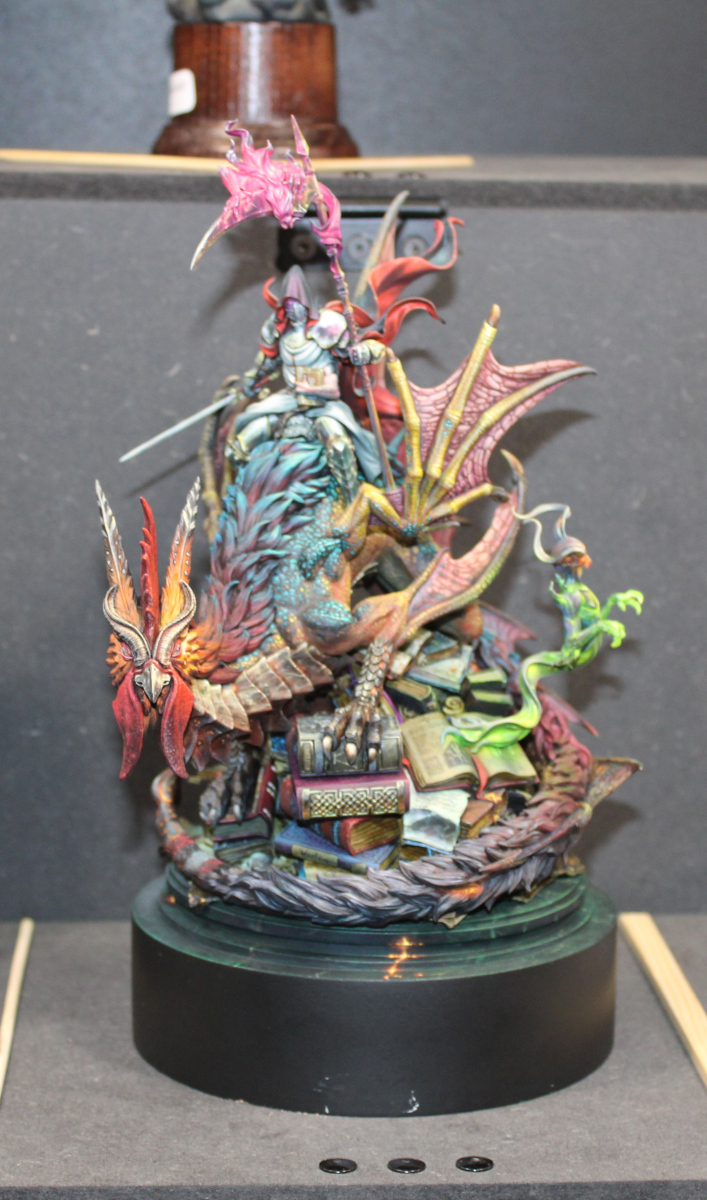
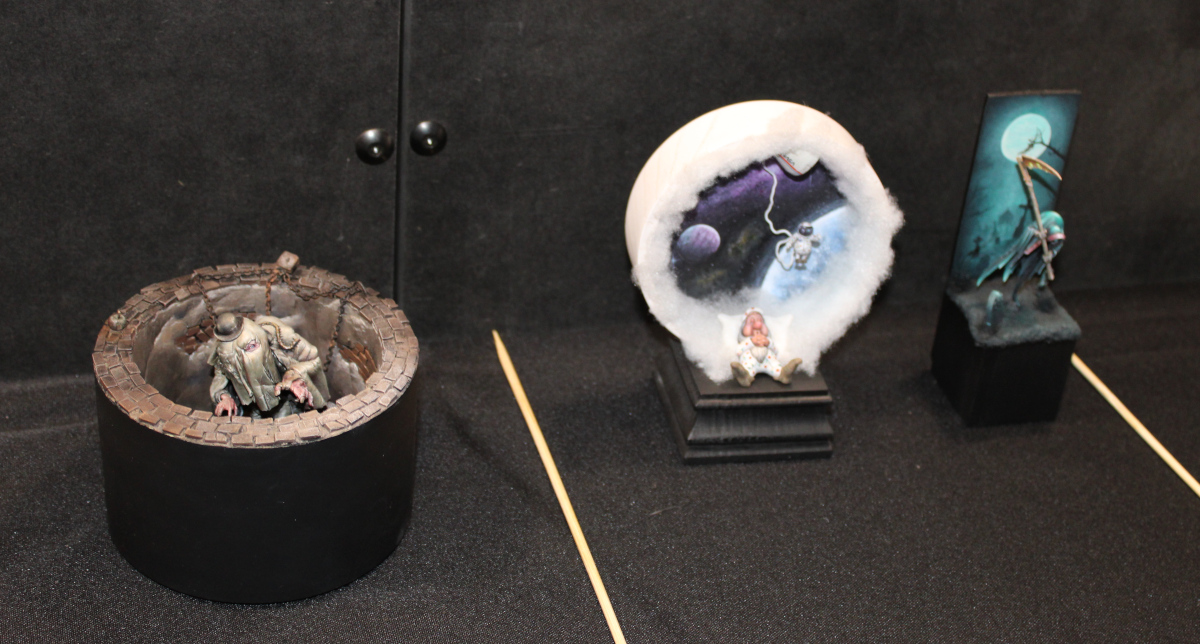
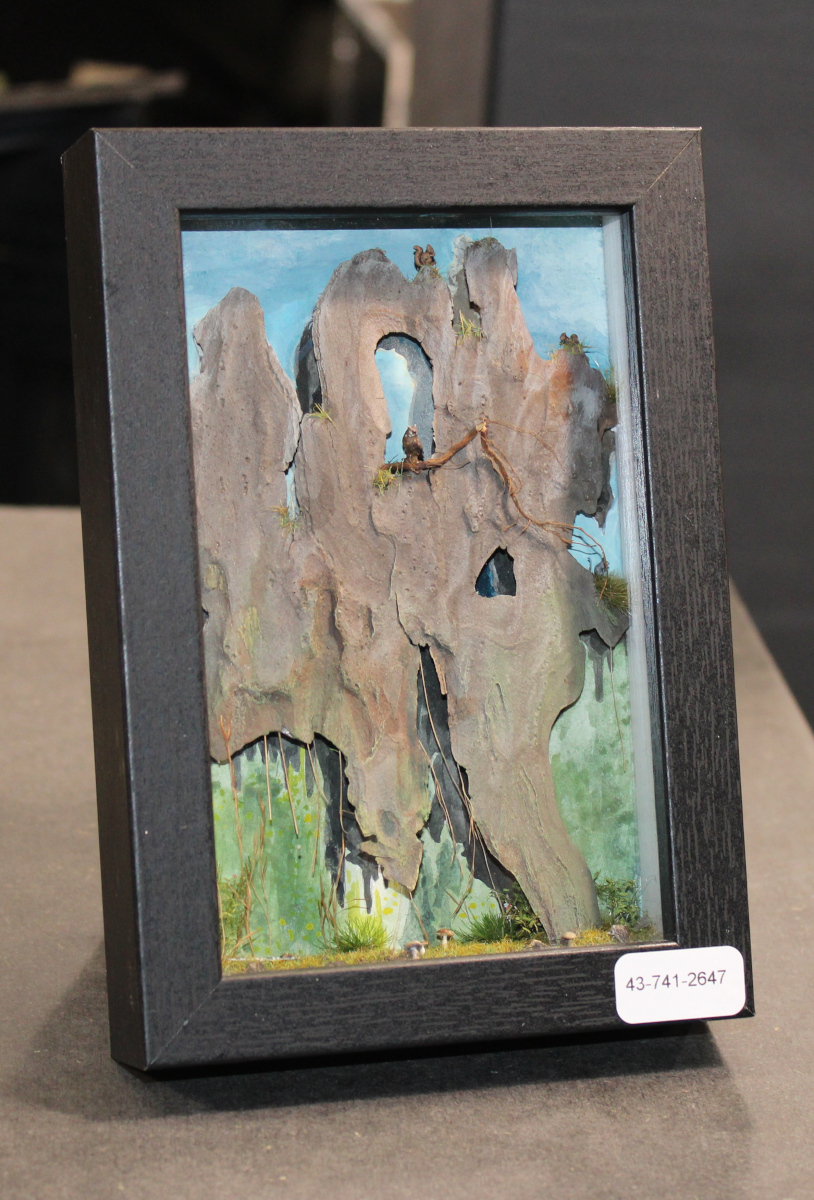
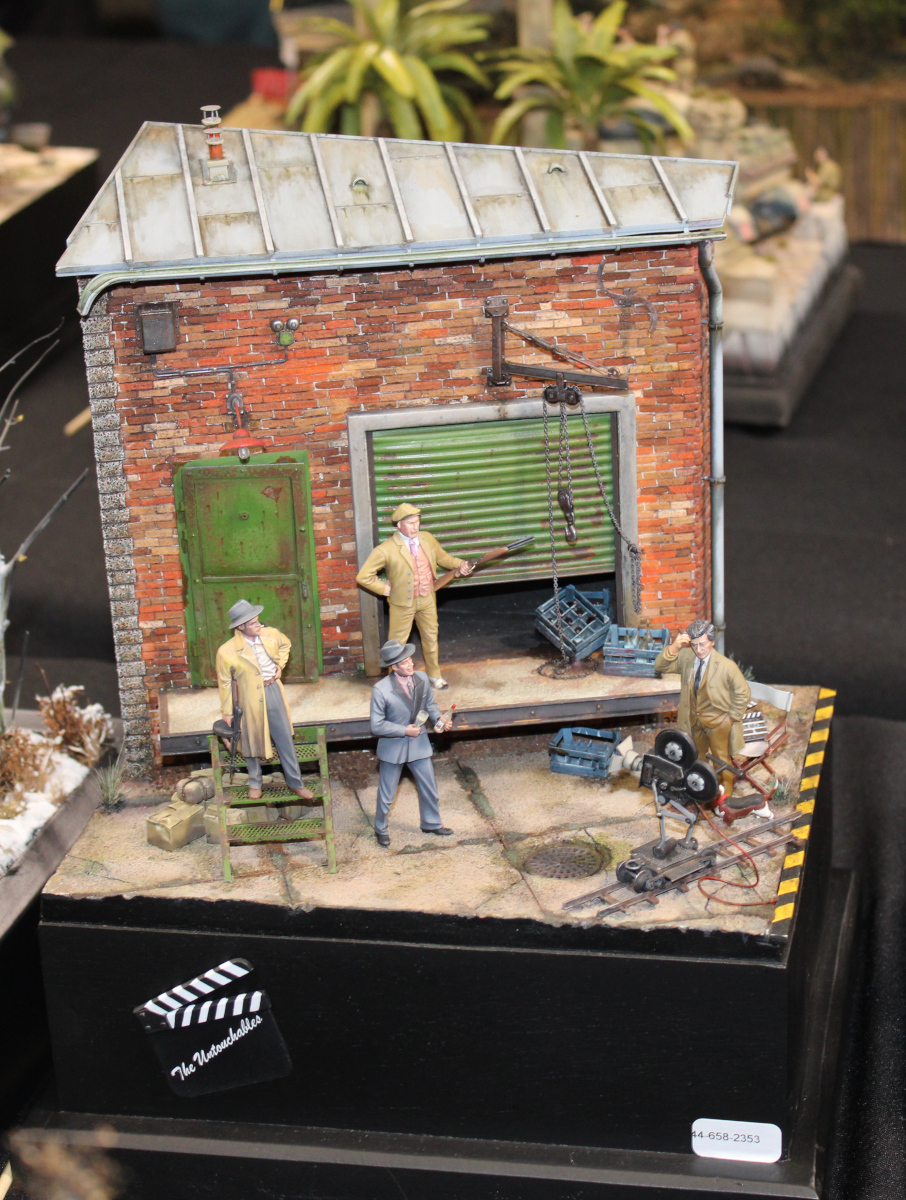
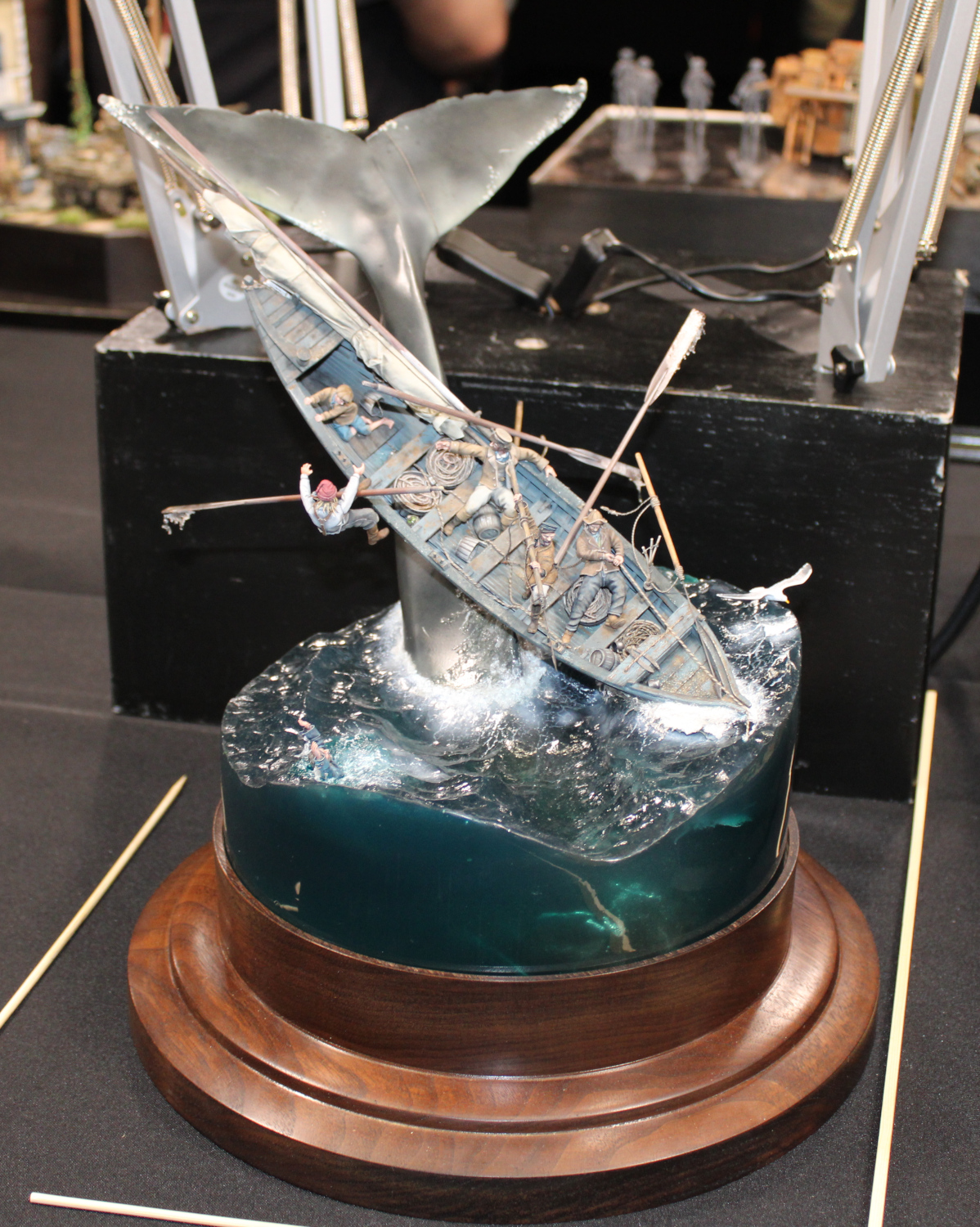
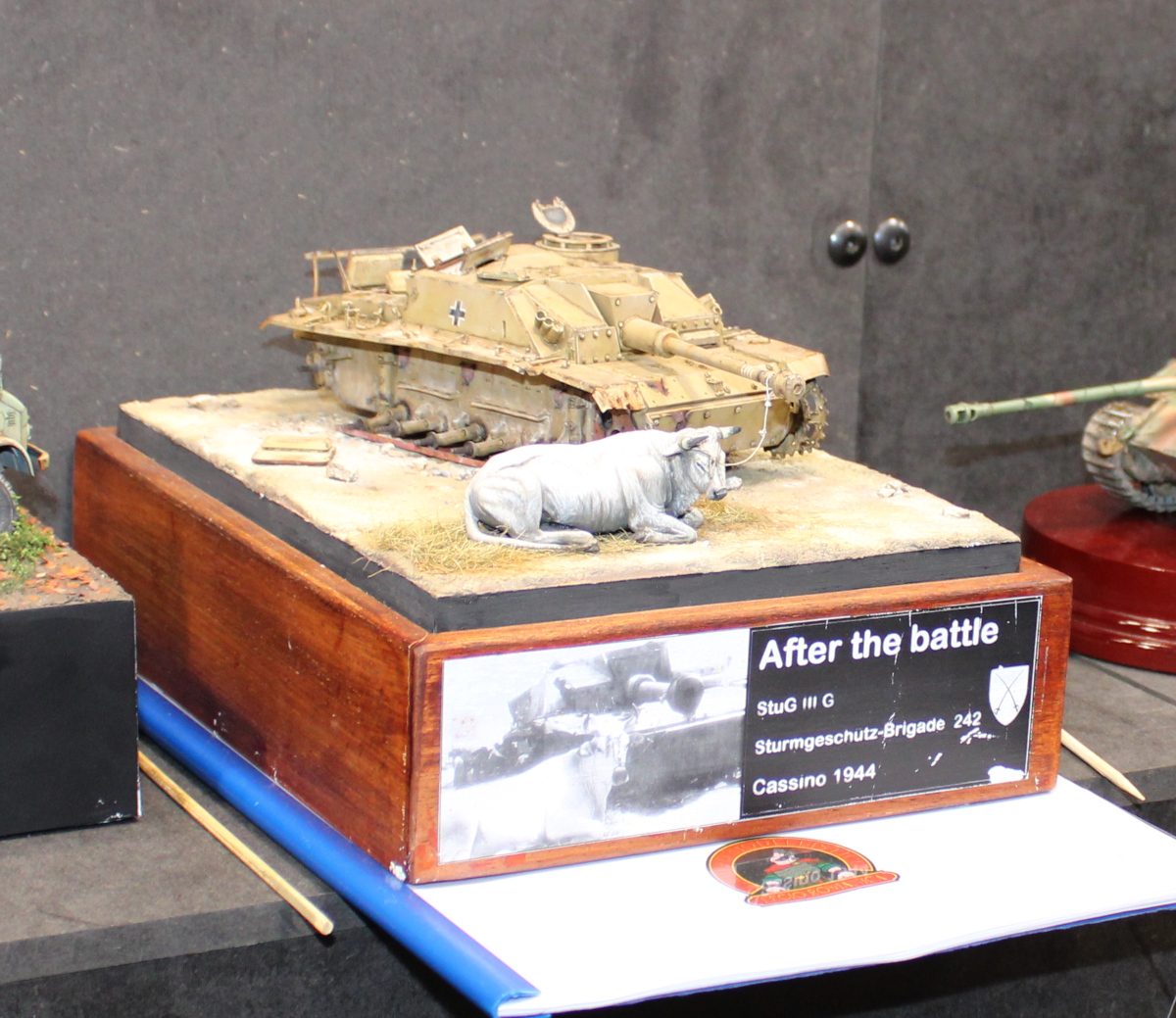
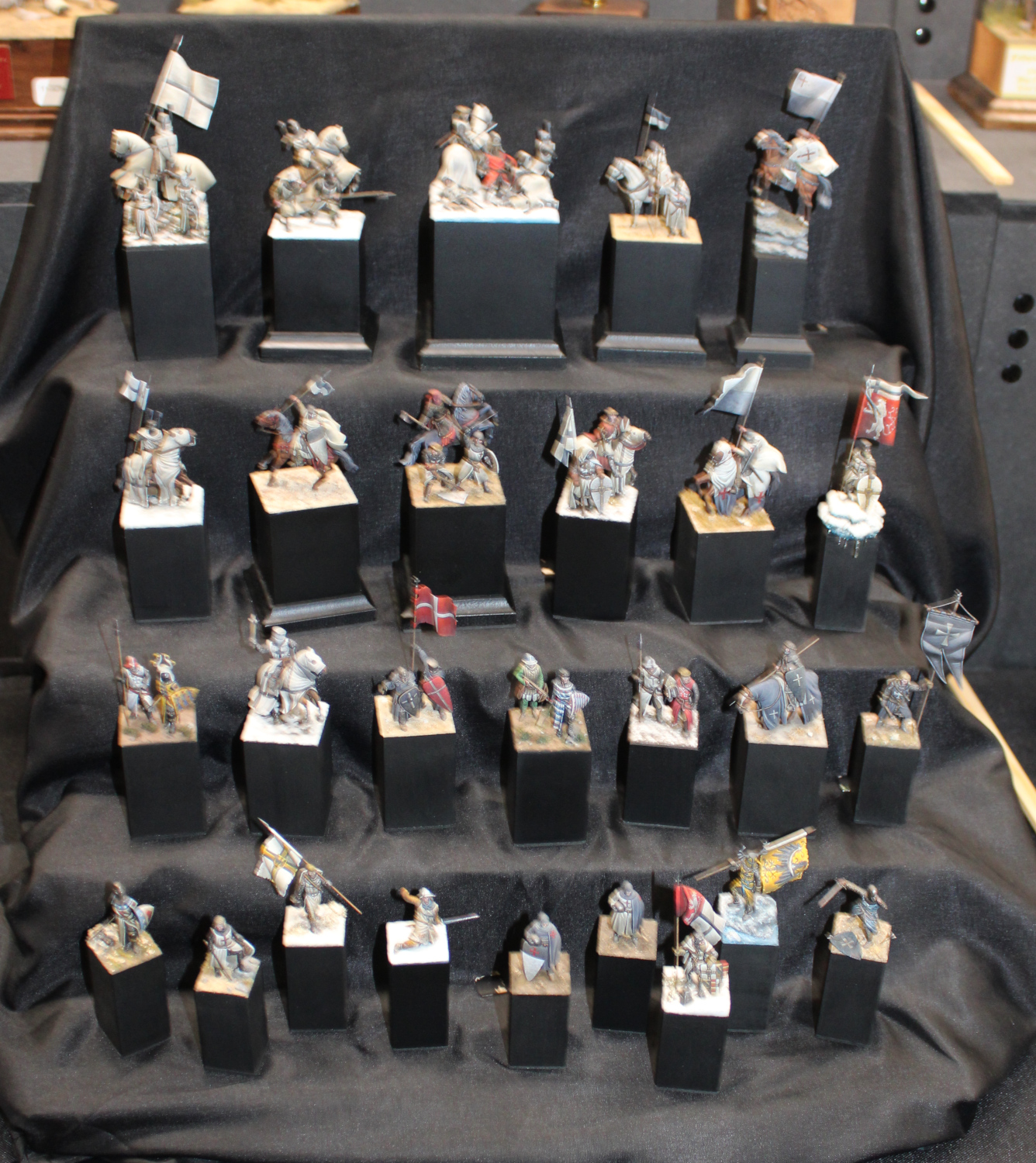
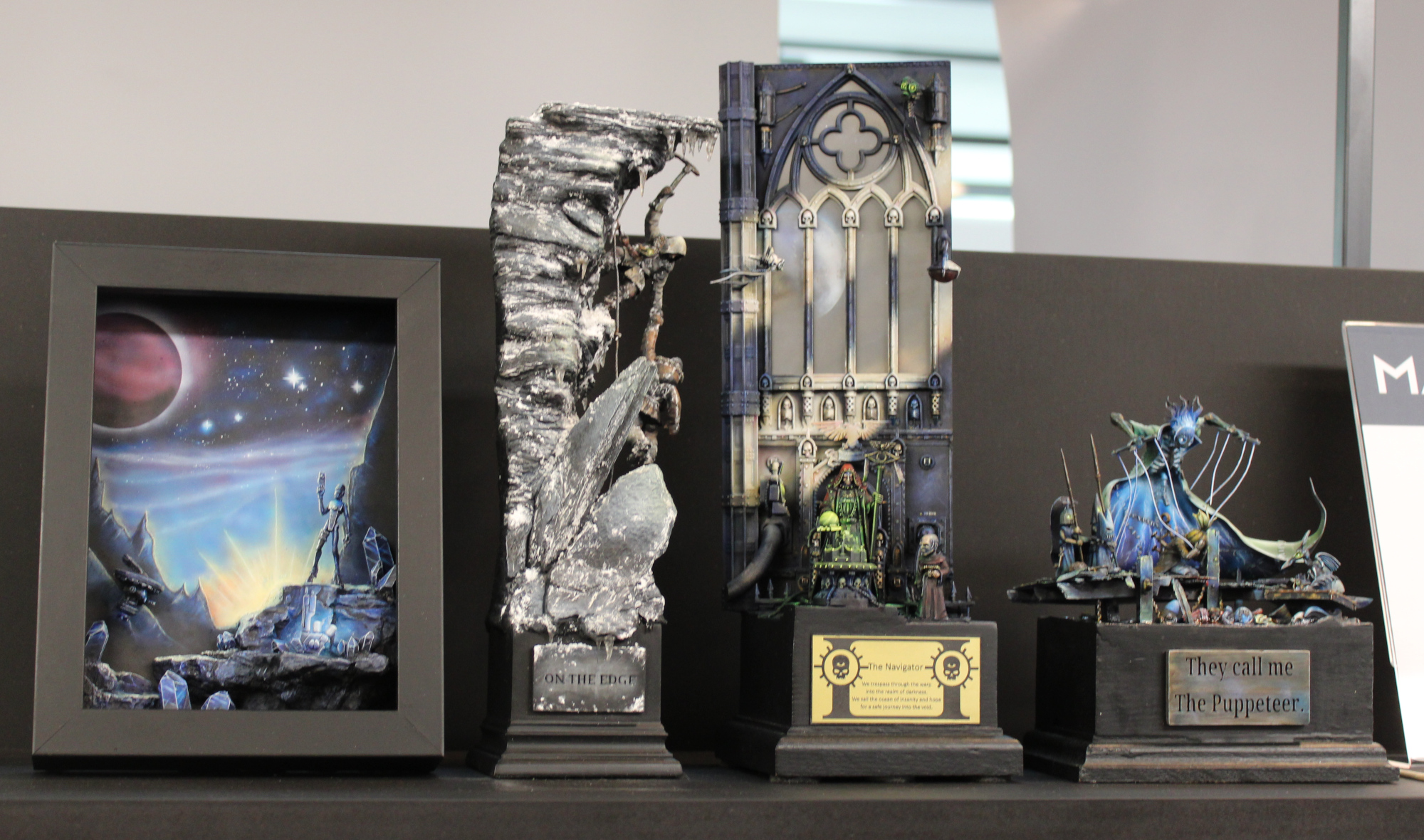
DiddyCon/SWMO 2023

To start with, I should note that on our journey back from this show, we decided to call it ‘DaddyCon’ because Martin managed to mispronounce it and clearly has some deep-seated issues that he needs to work through. For the purposes of this review, I shall continue calling it DaddyCon.

Anyway, on with the context.

This is a new show that first appeared on our radars about a year earlier – Dave, the organiser, was keen to establish another show in the UK and, quite rightly, one closer to where he lives. He immediately set out making bold claims to do something new with competitions, which naturally made us curious. He’s also a mate who has made the considerable effort to come to the Fen Model Show twice, so it’s only fair we return the favour and trek over to Wales for DaddyCon.

This is where Martin’s Good Ideas come in. We live in Ely (or thereabouts), which is in East Anglia; the show was in Cardiff. According to Google, that’s a drive of 215 miles, taking around 4 hours. Martin thought it was a great idea to drive there and back on the same day. You might gather I wasn’t a fan of this plan. It minimises time for show beers, after all. It also meant getting up and out the door around 5am and home around 9pm. On the plus side, I wasn’t driving.

For those of you planning to attend DaddyCon 2024 from this part of the country: just get a hotel. I suspect we’ll do the same, as 8 hours of driving for 5/6 hours of model show isn’t a great trade.

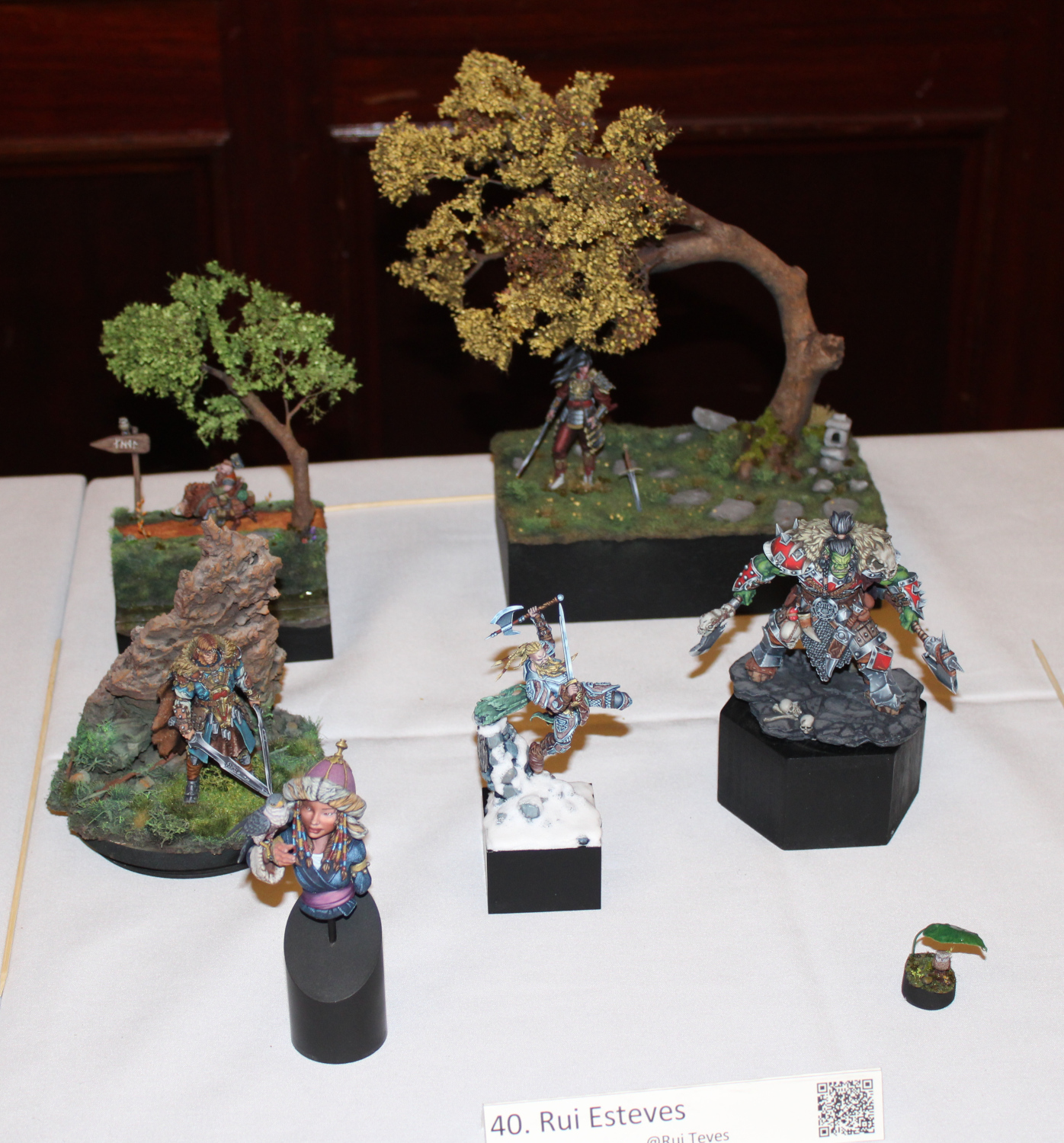
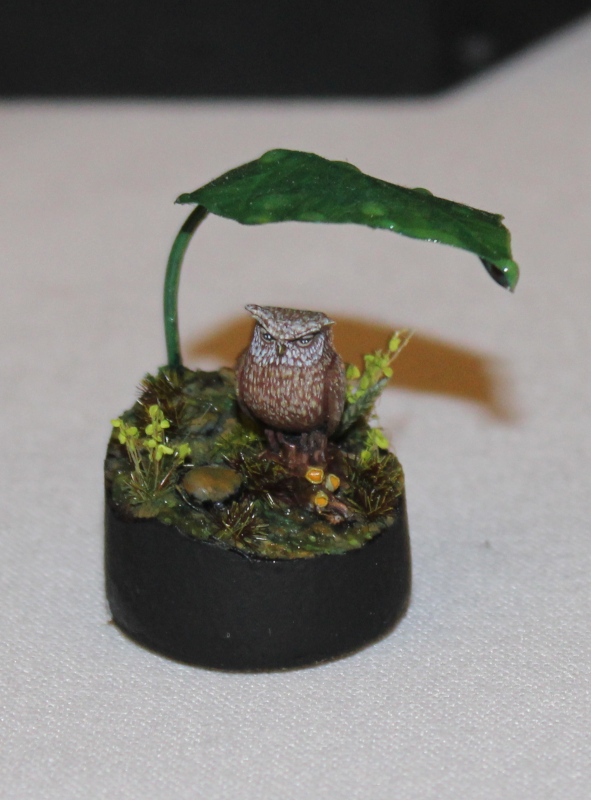
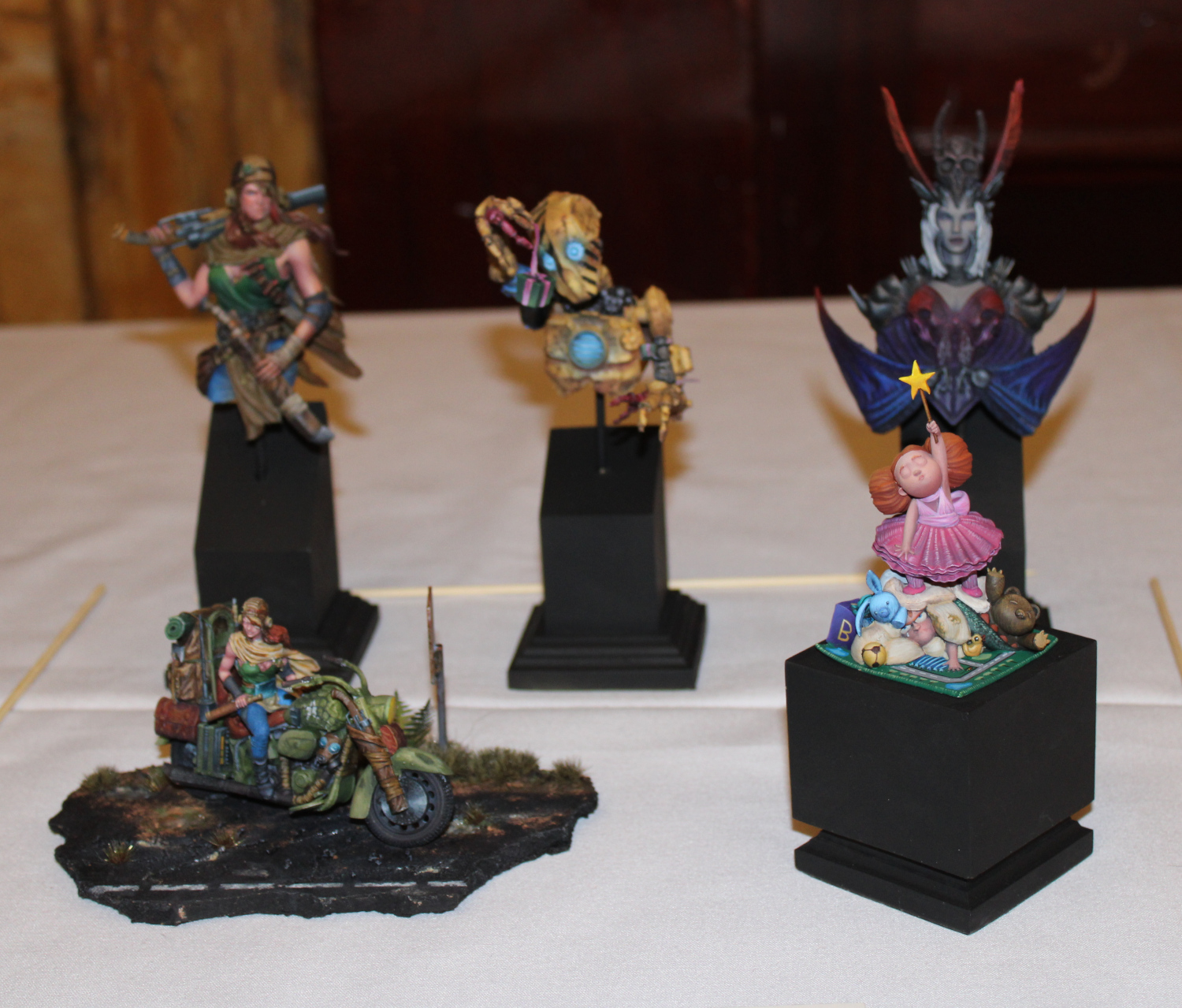
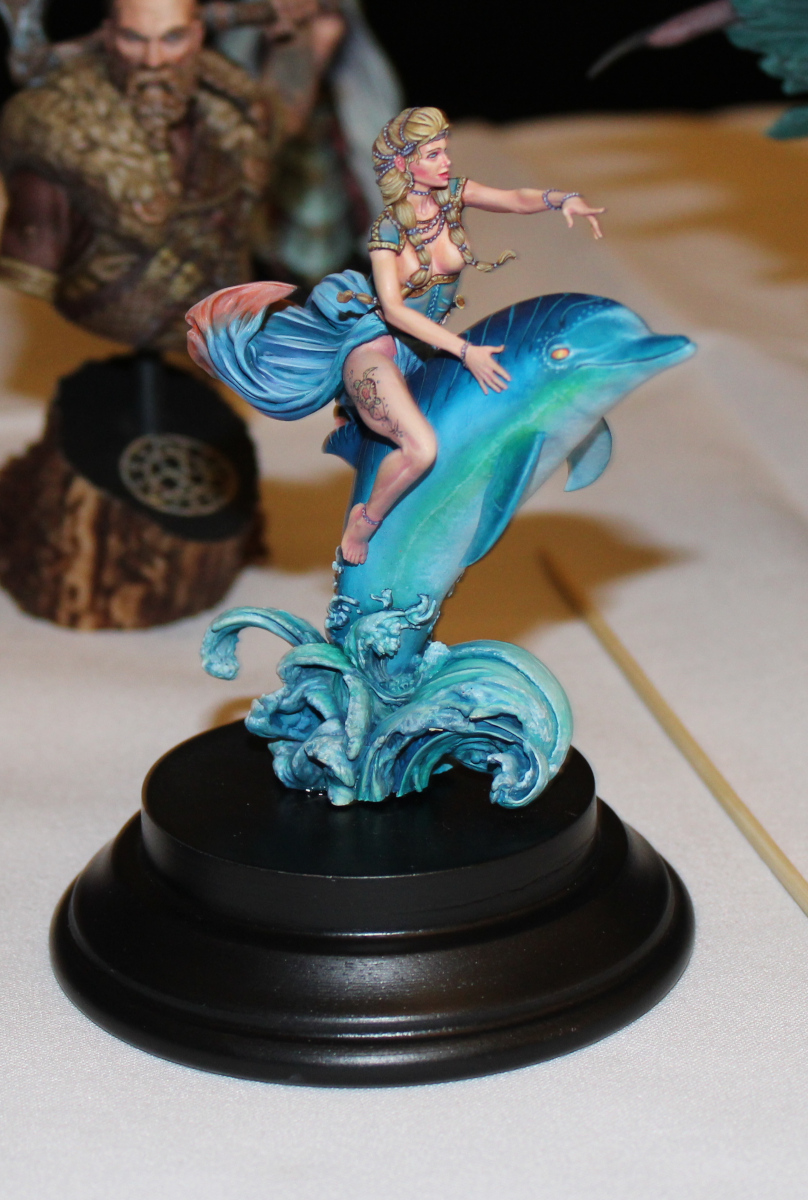
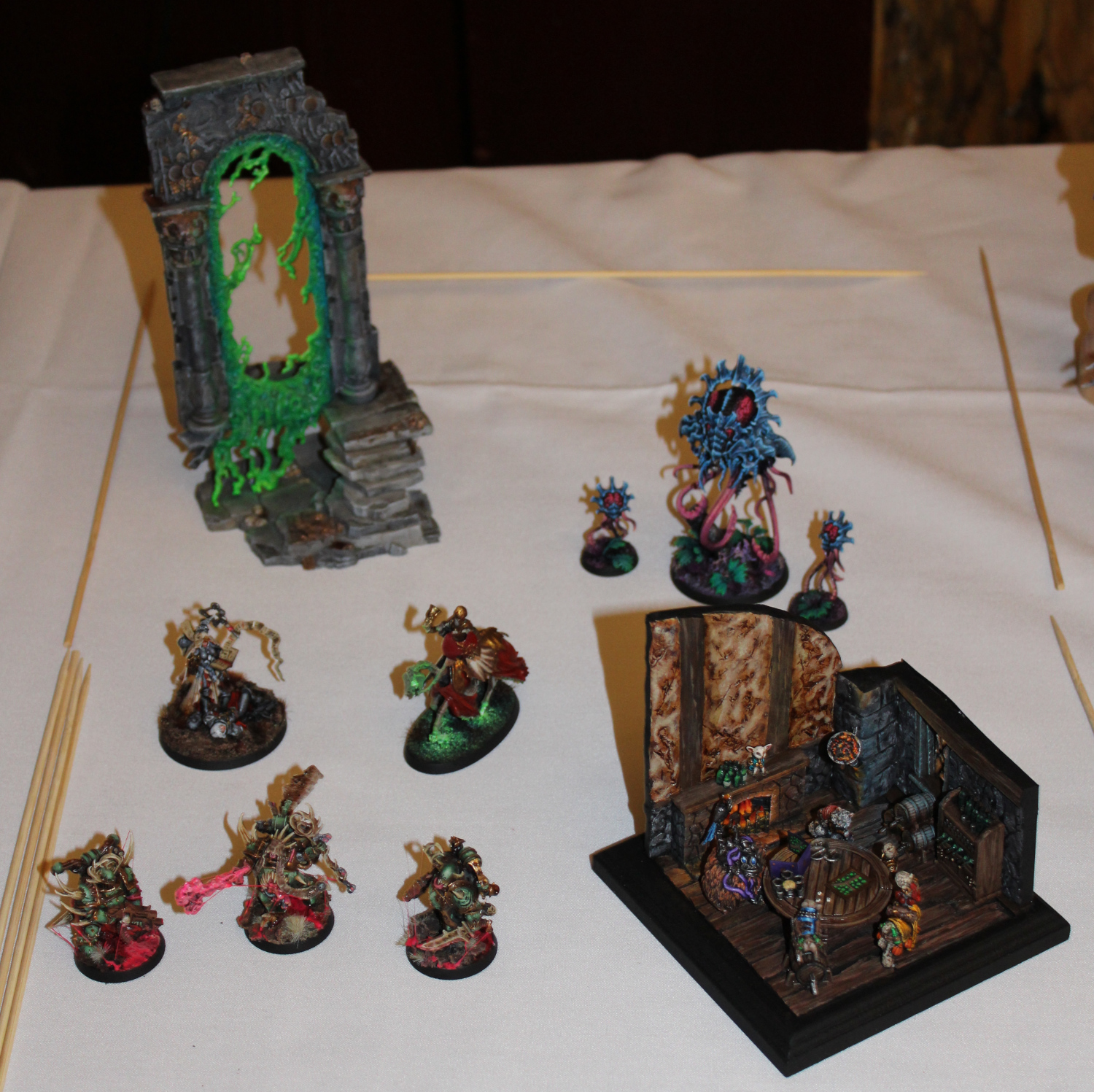
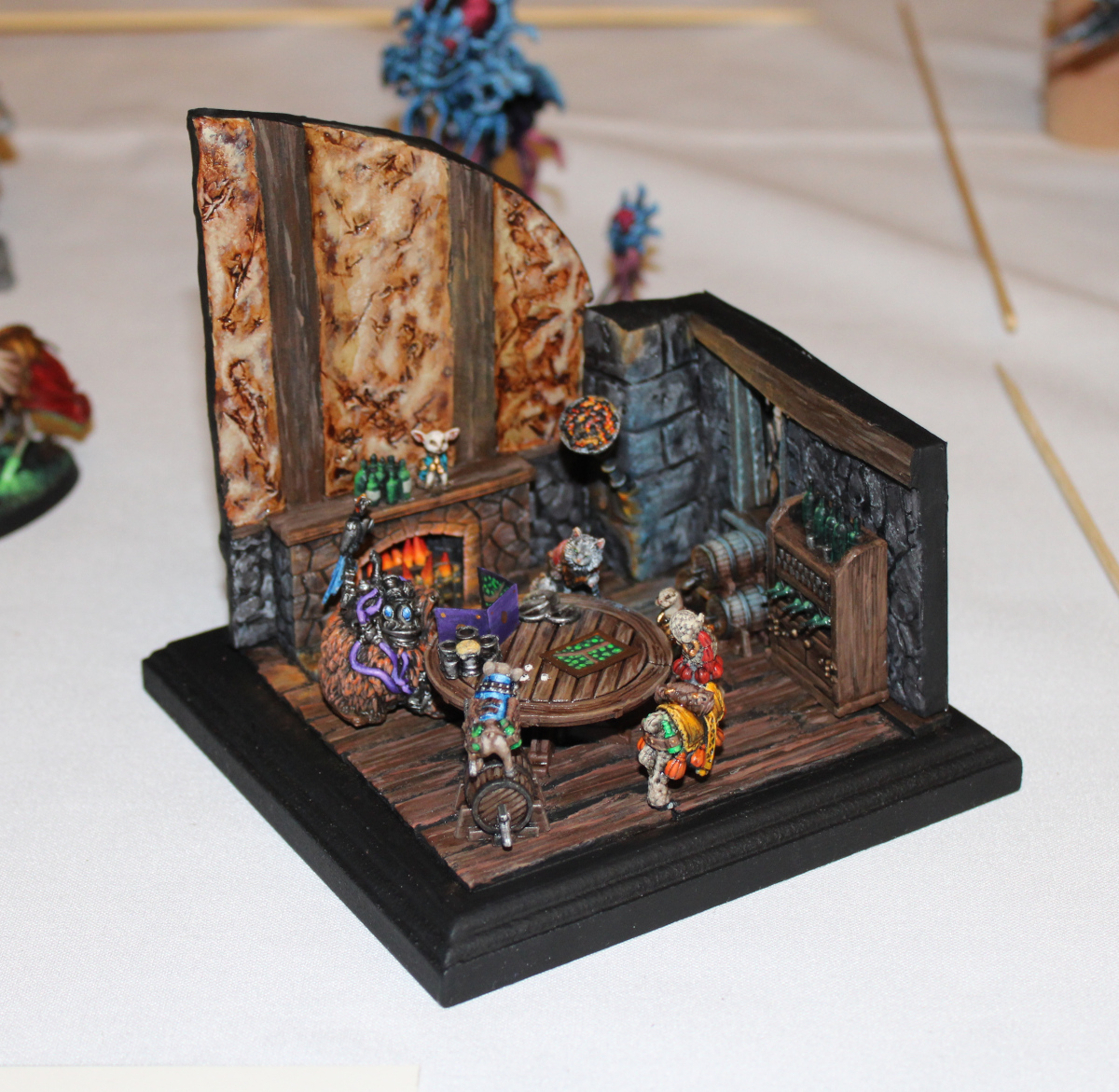
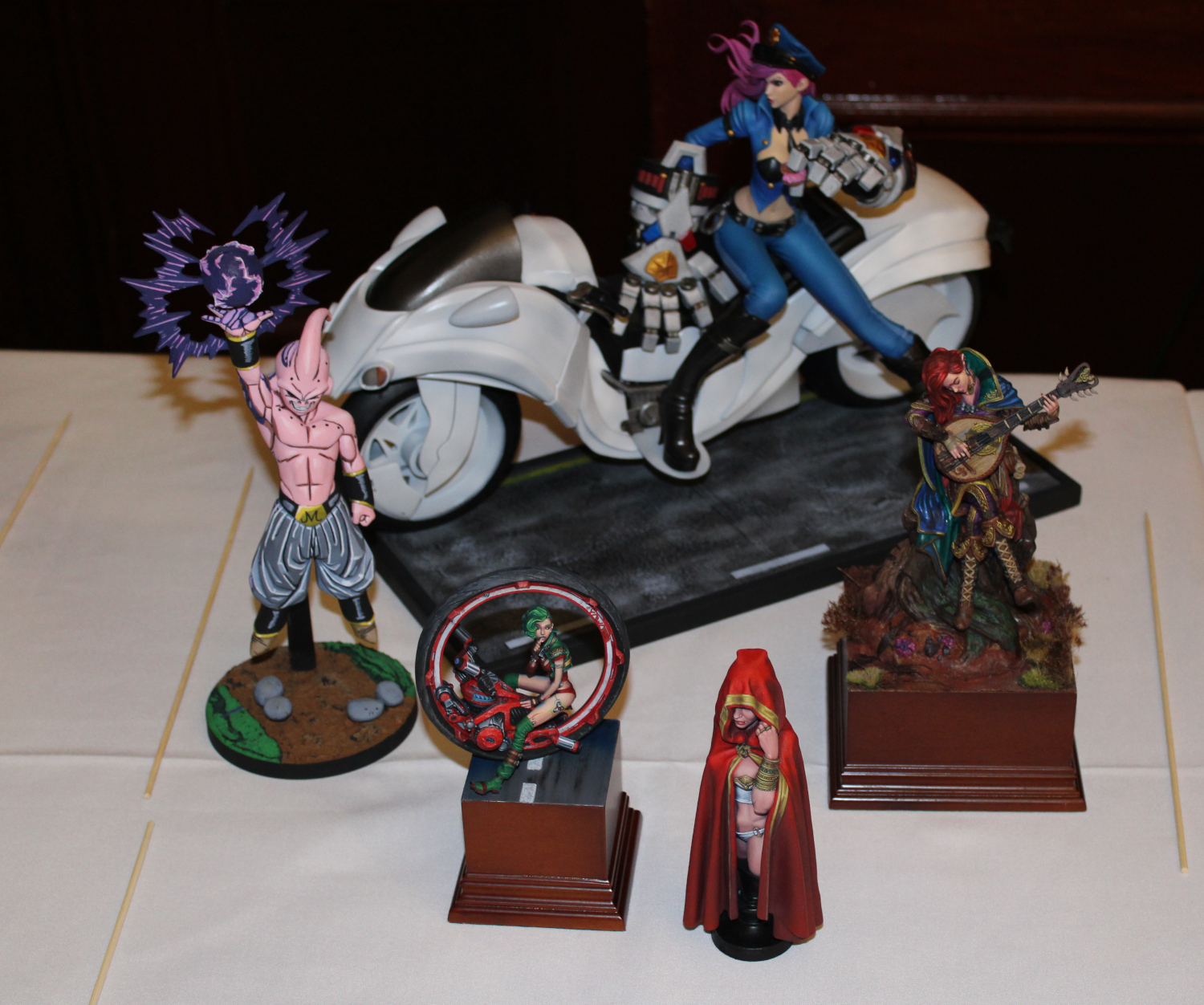
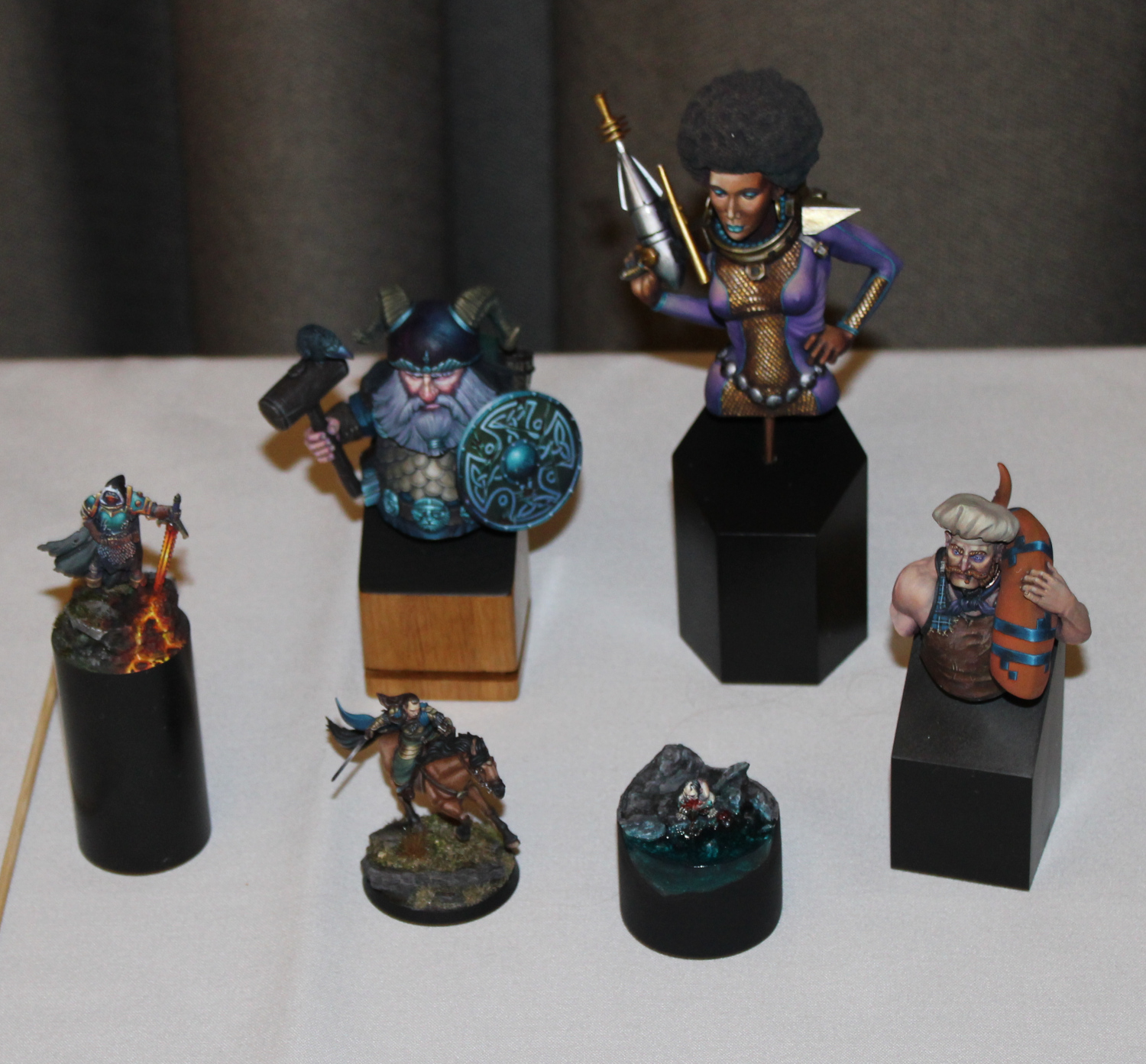
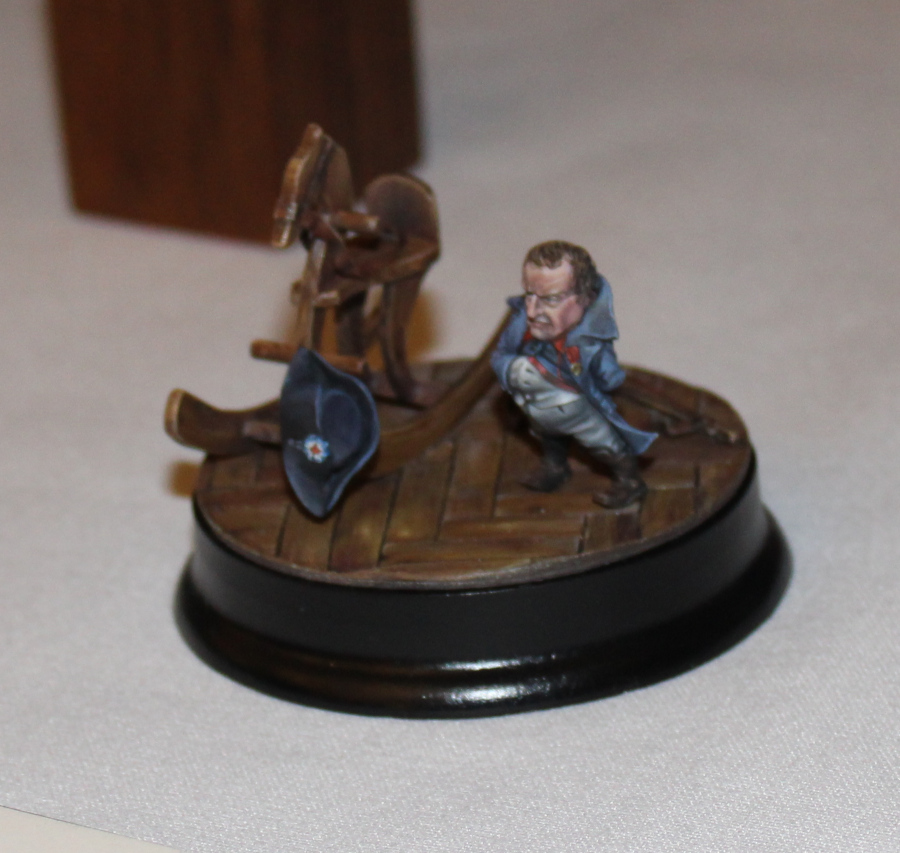
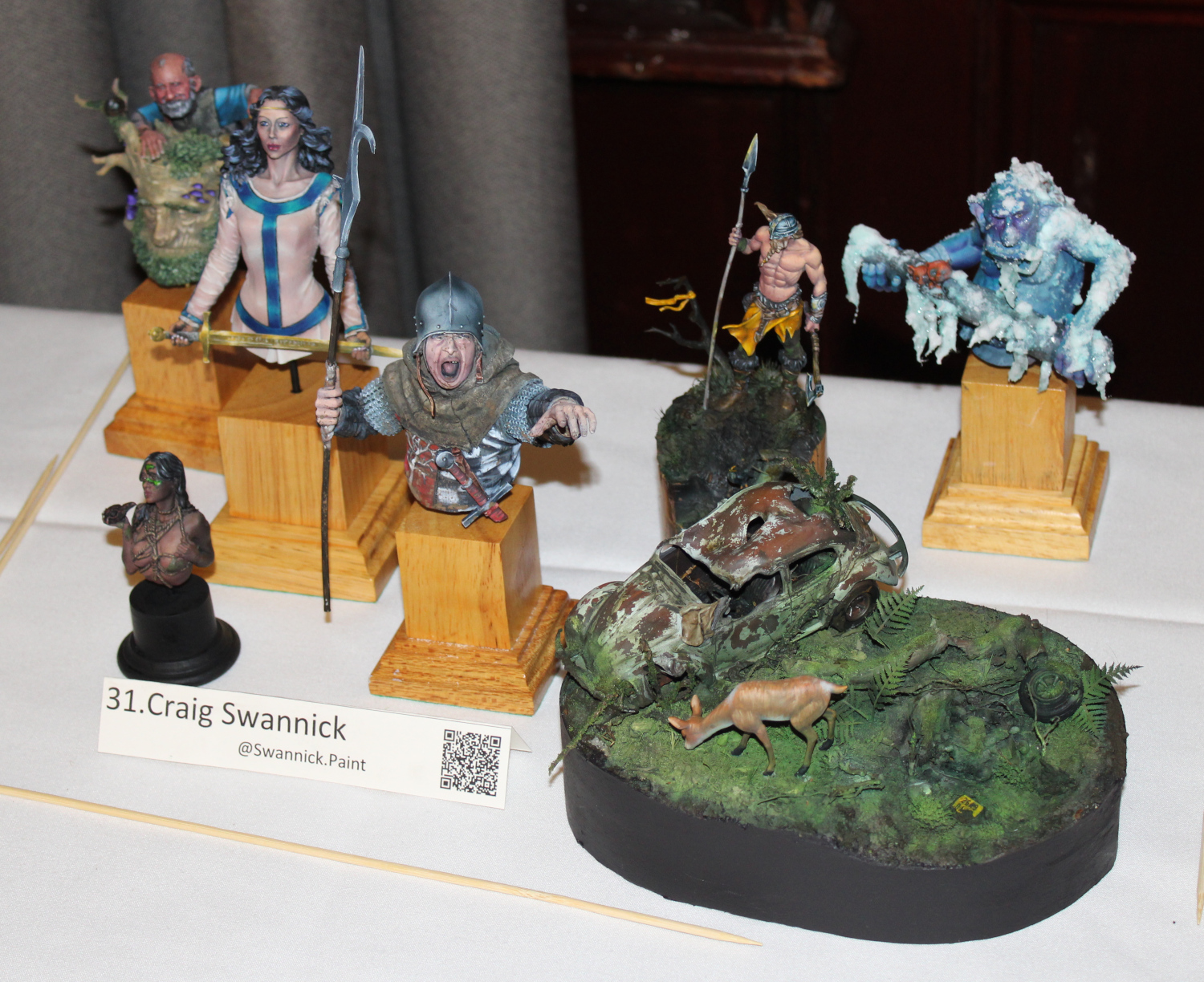
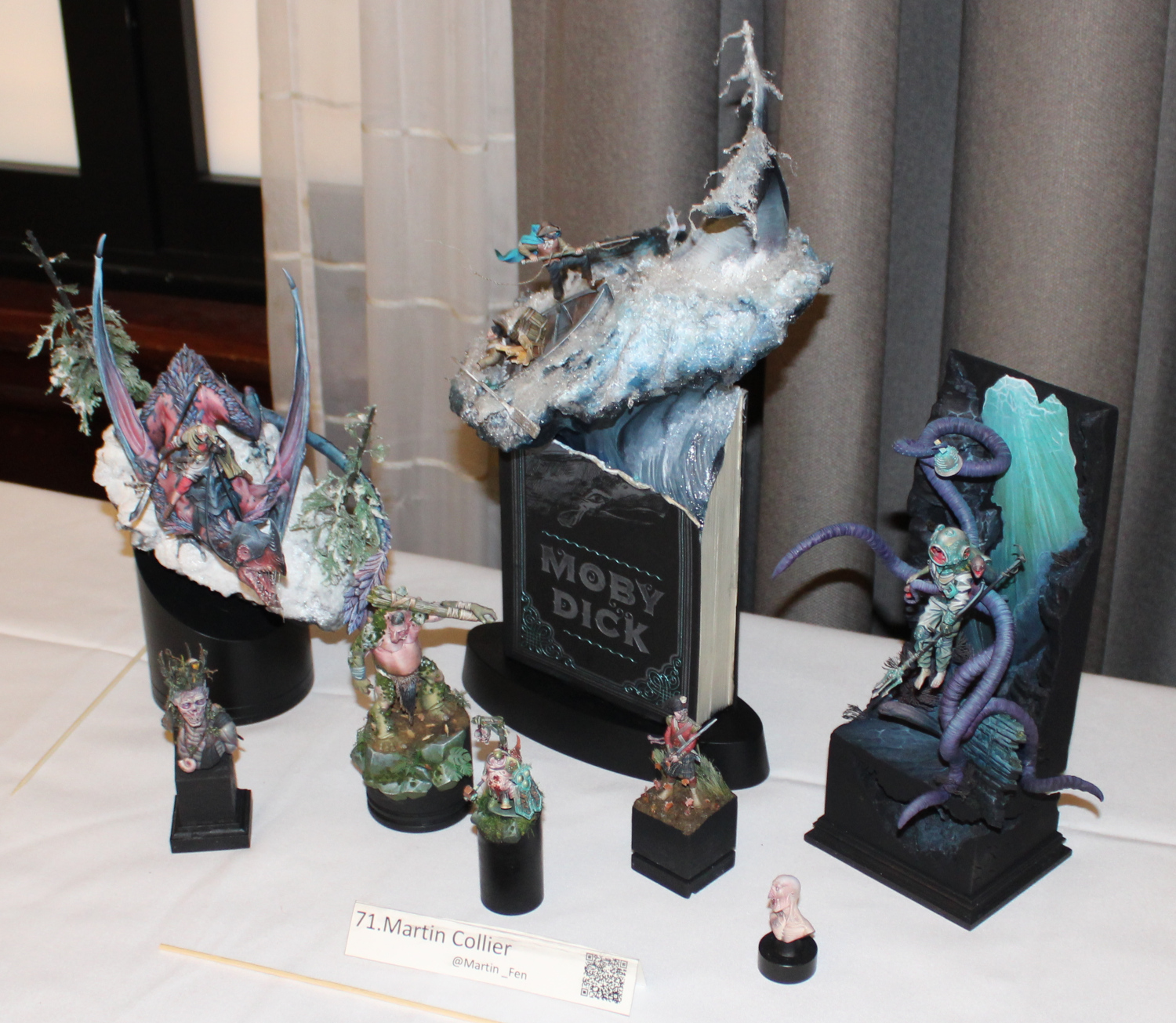
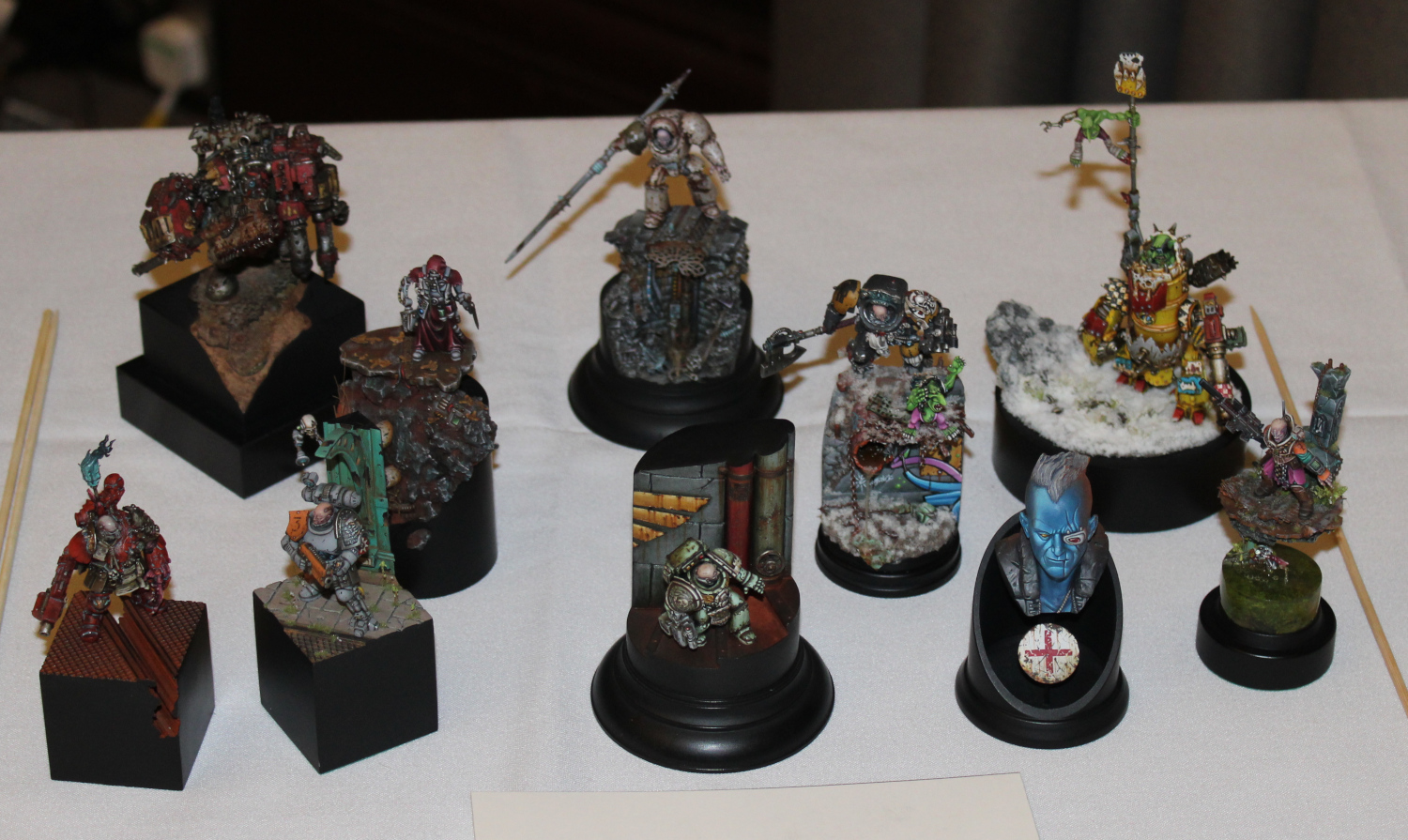
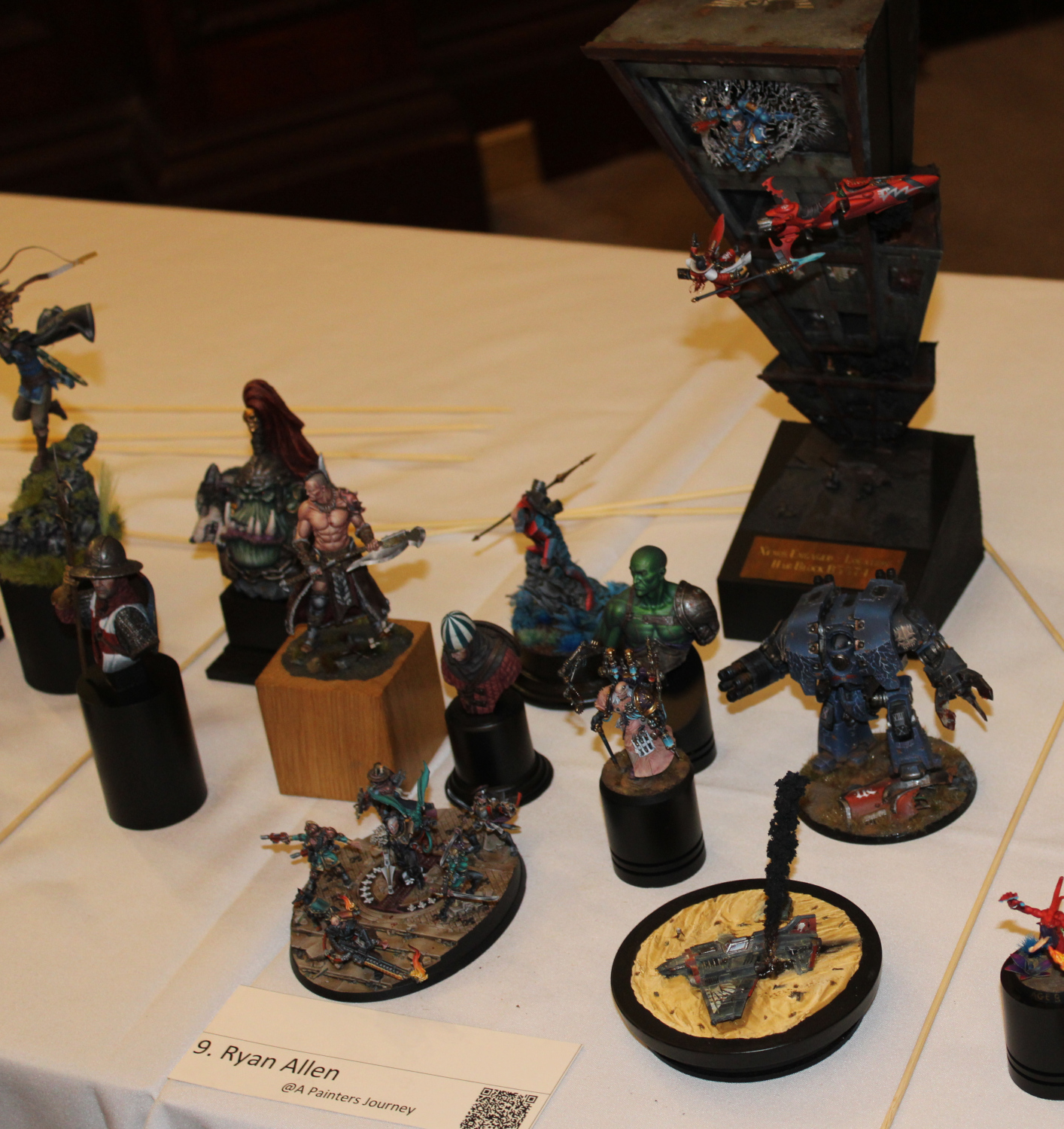
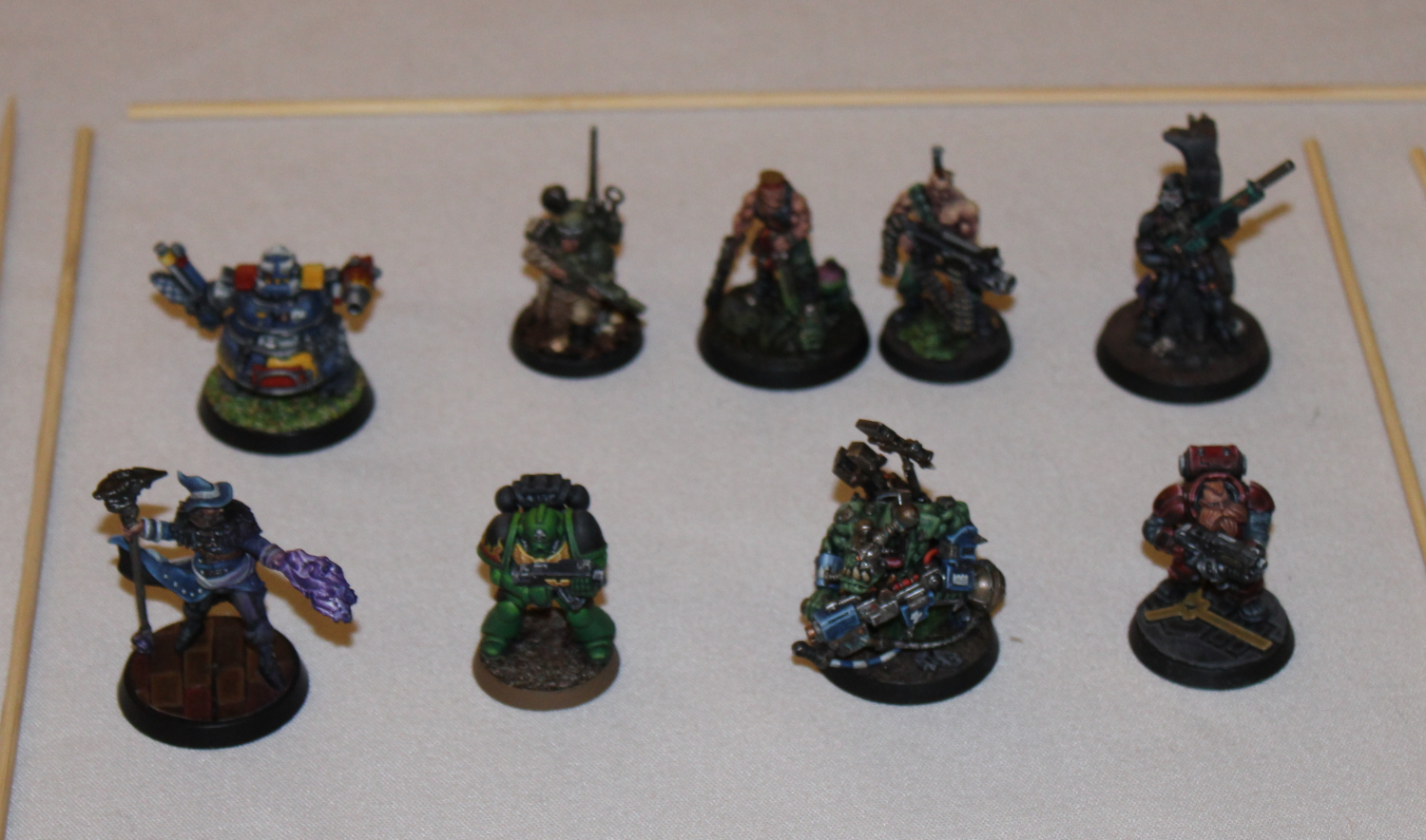
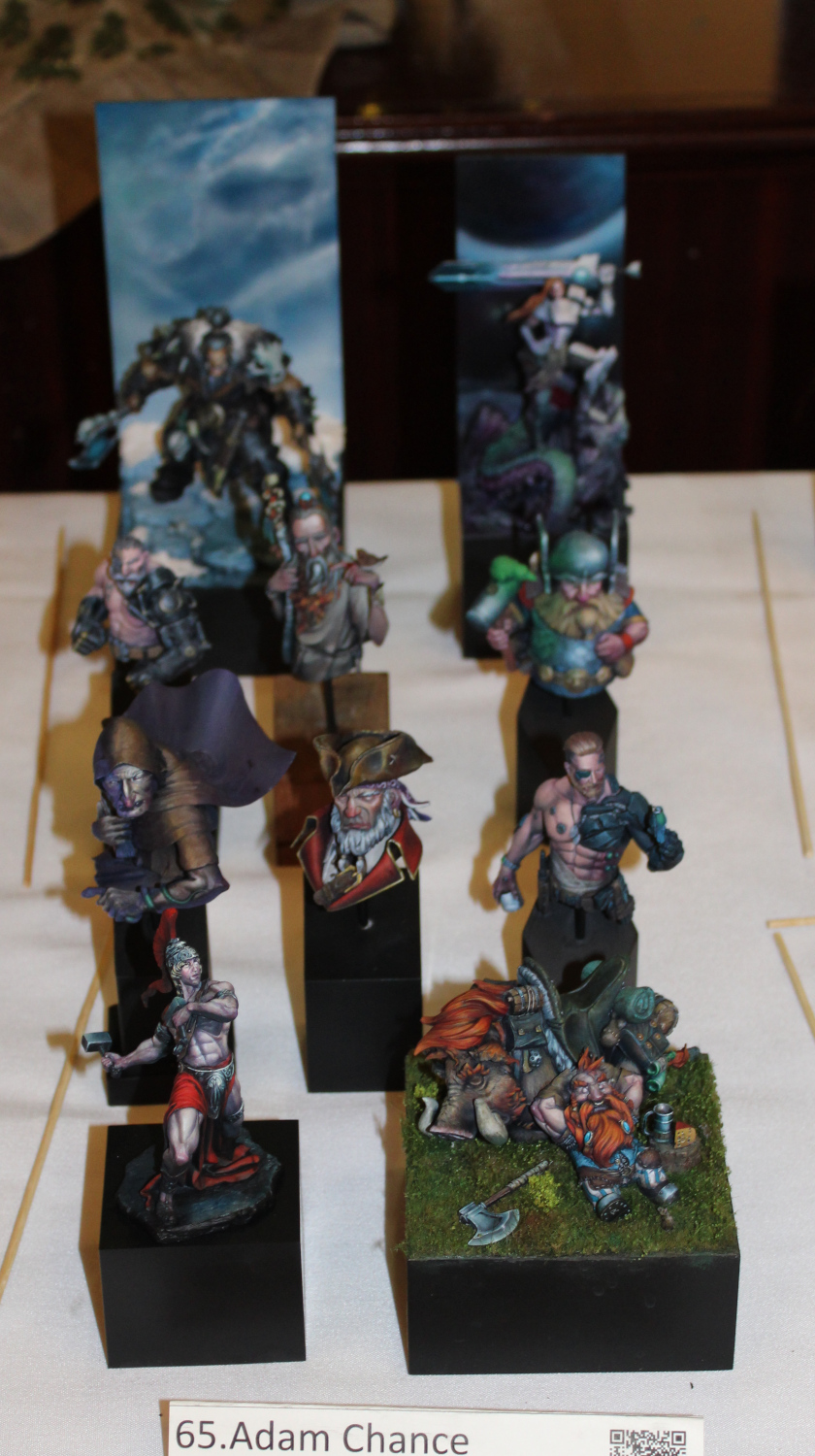
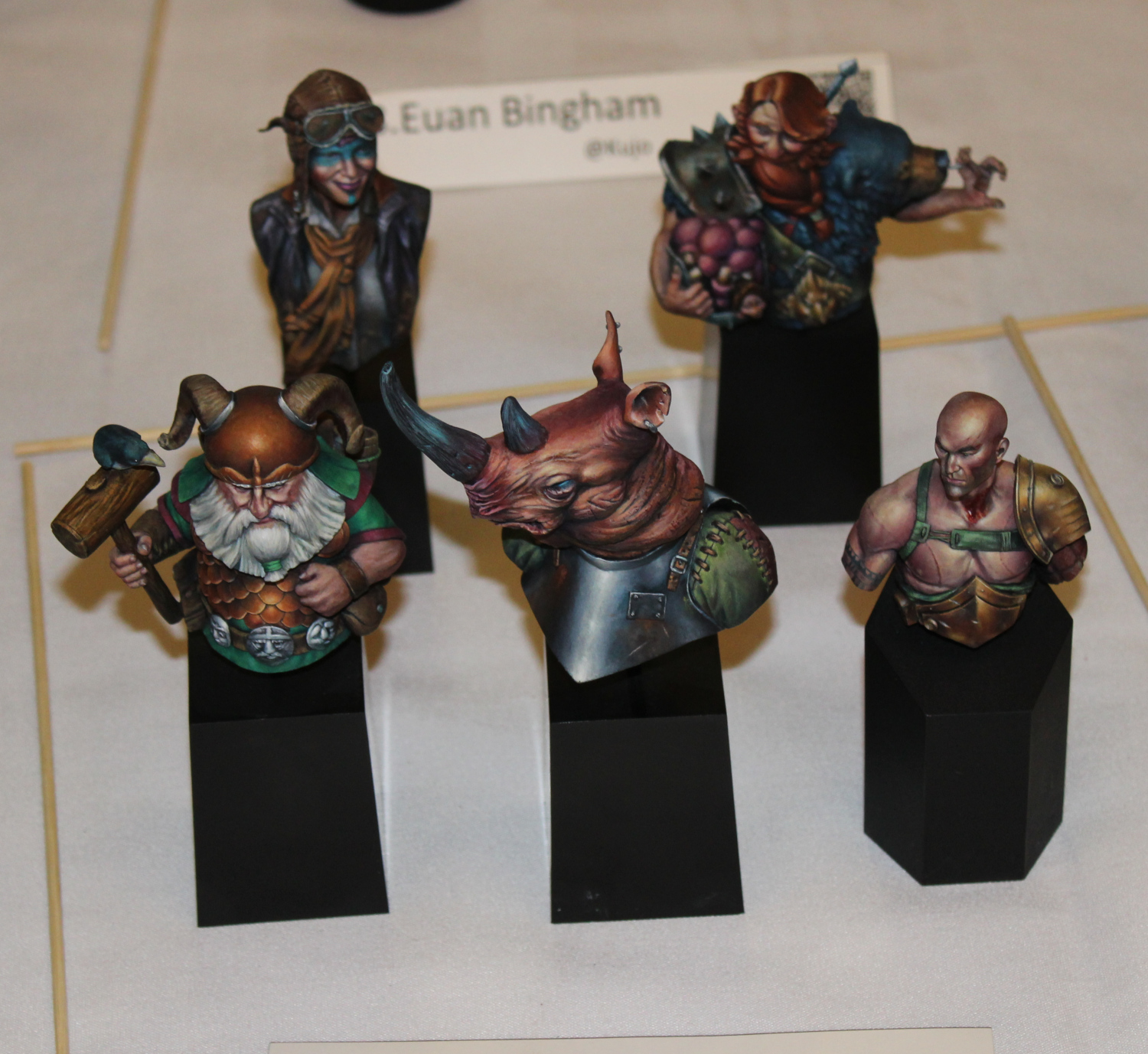
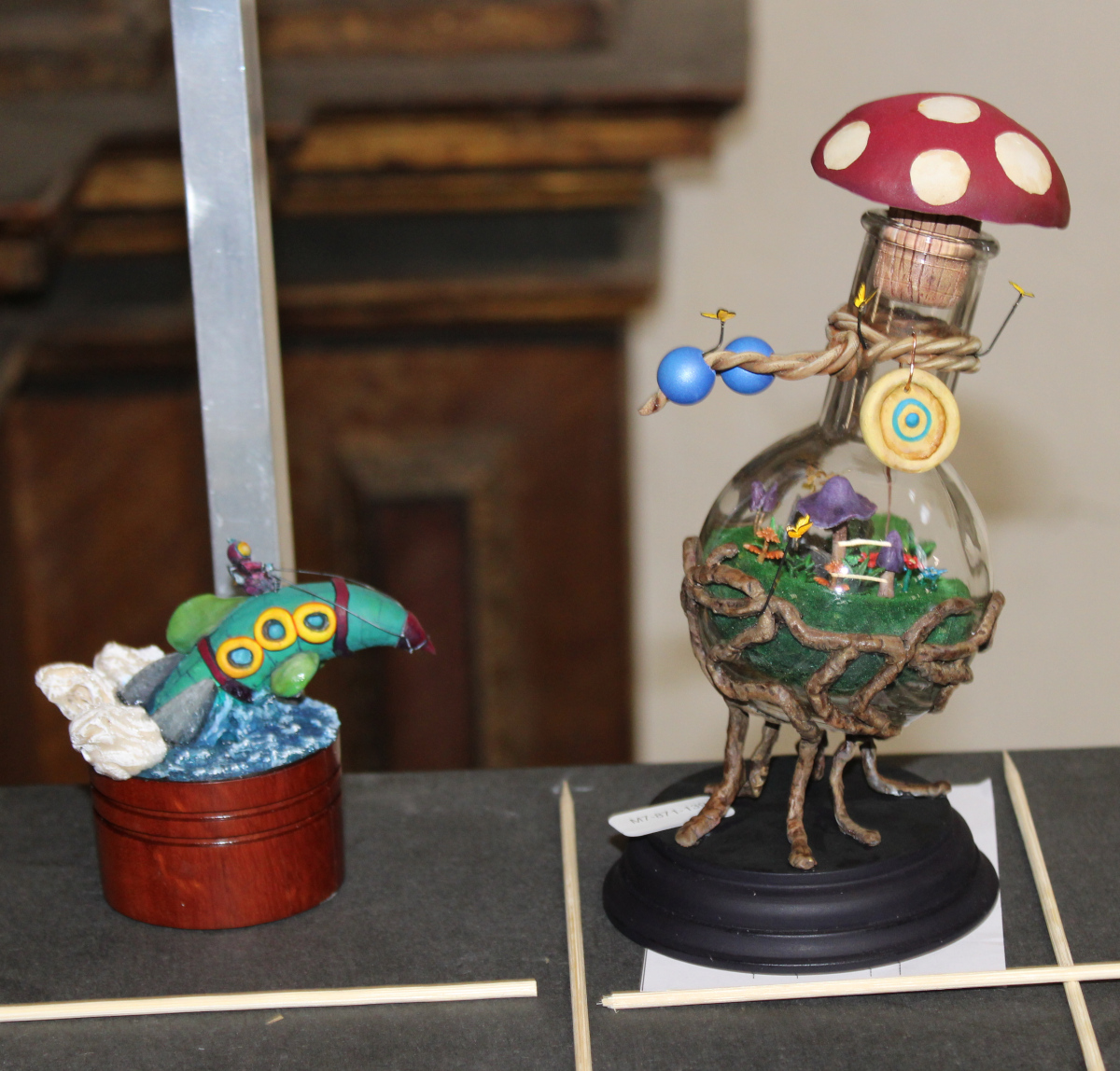
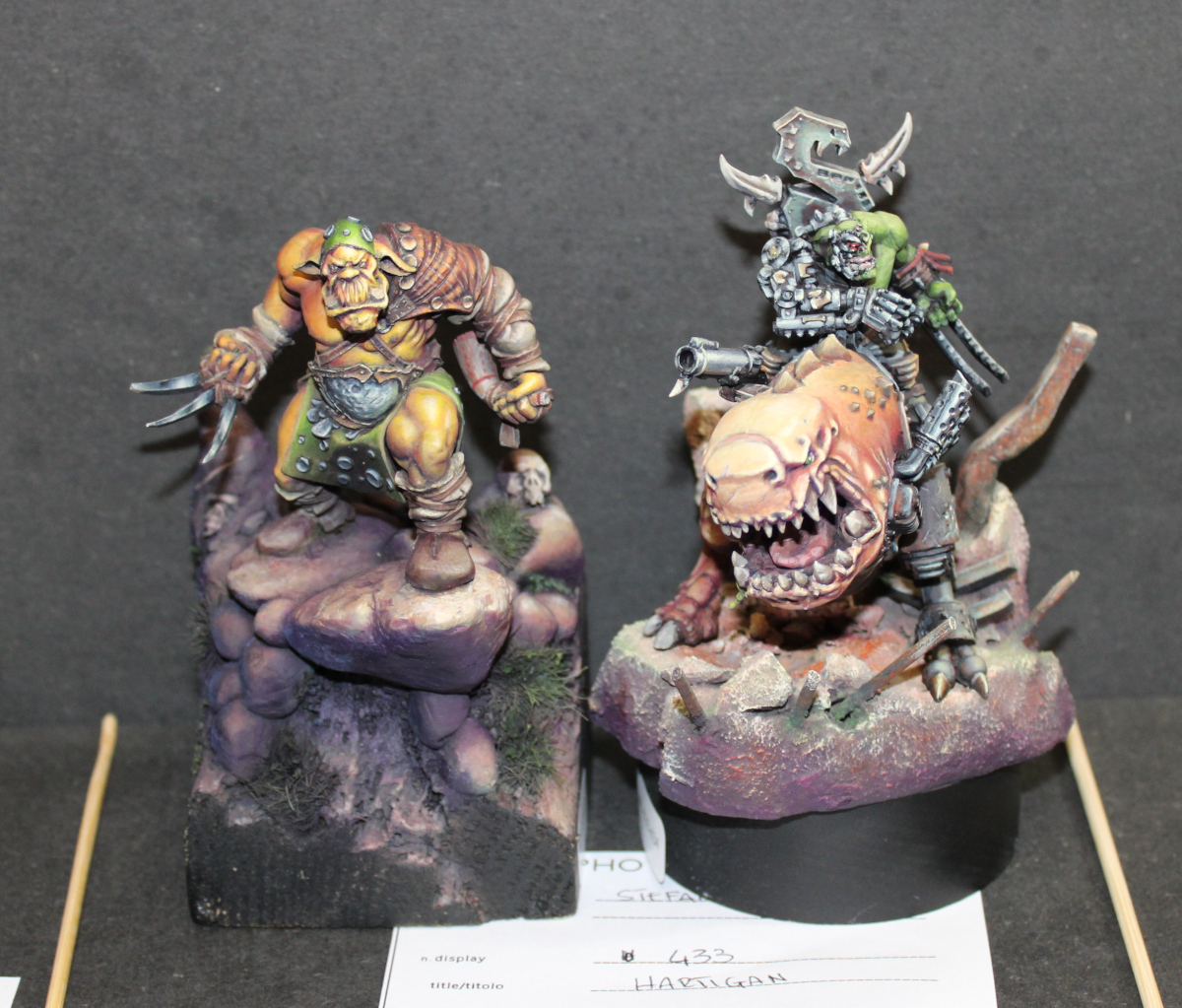
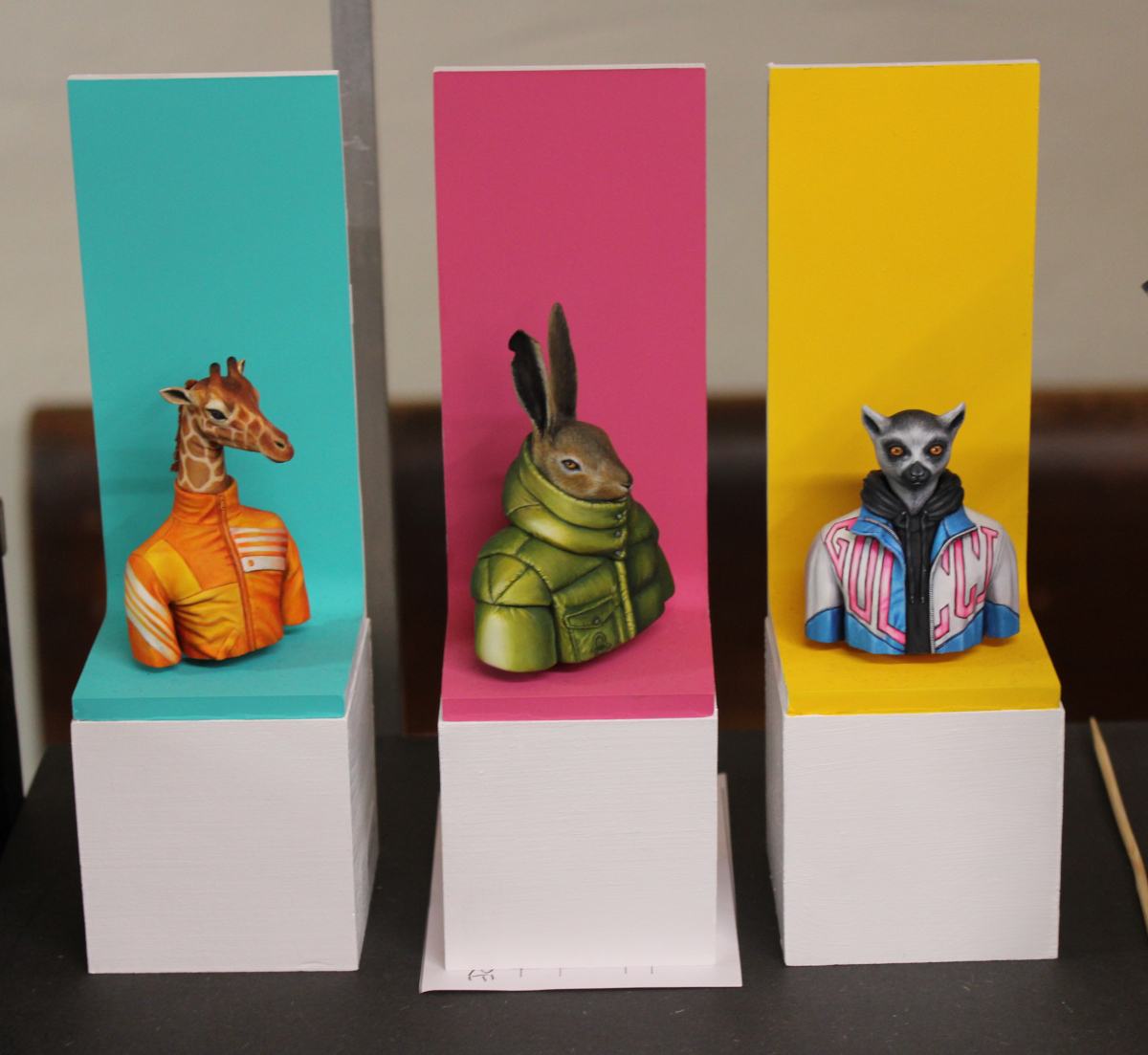
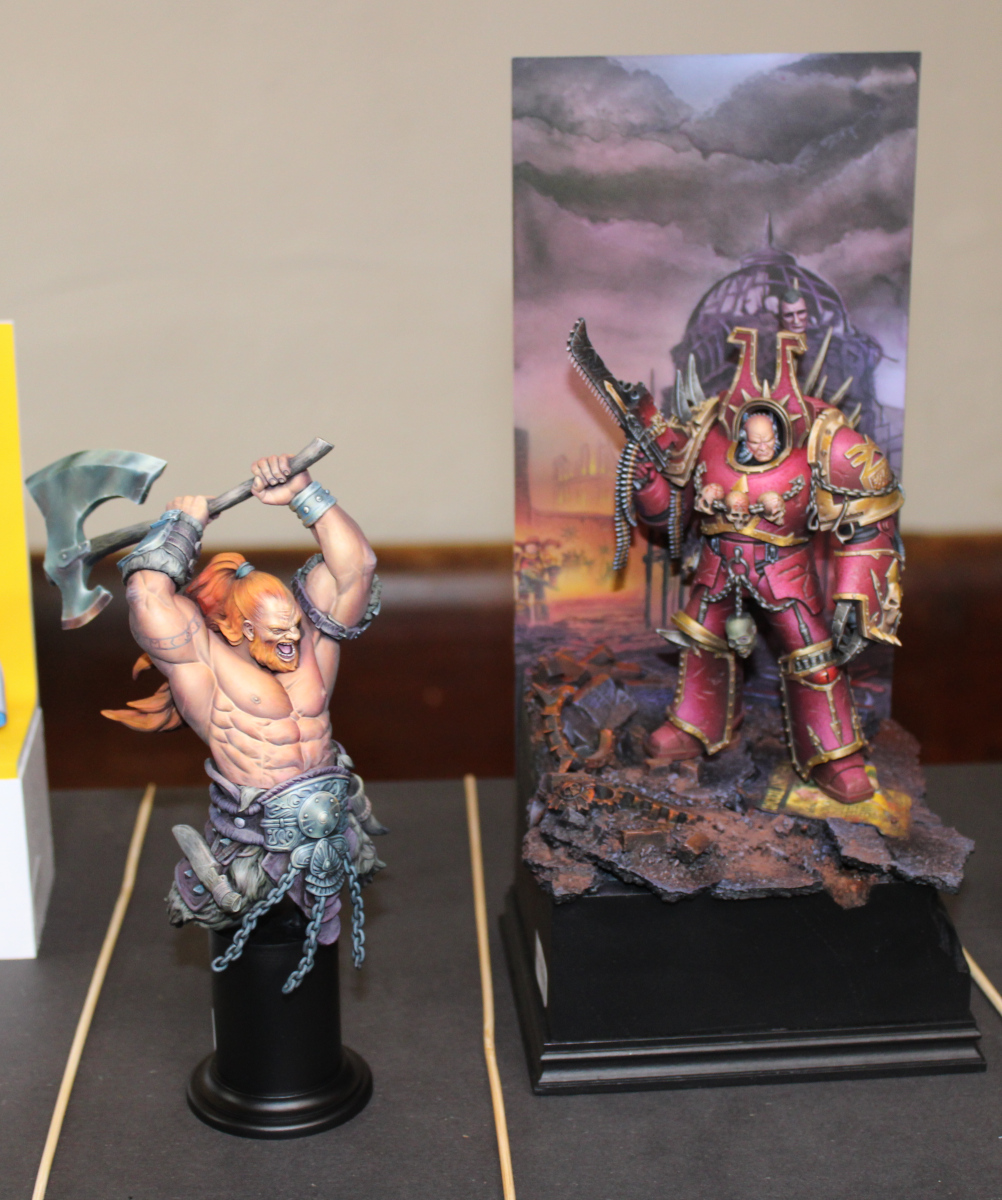
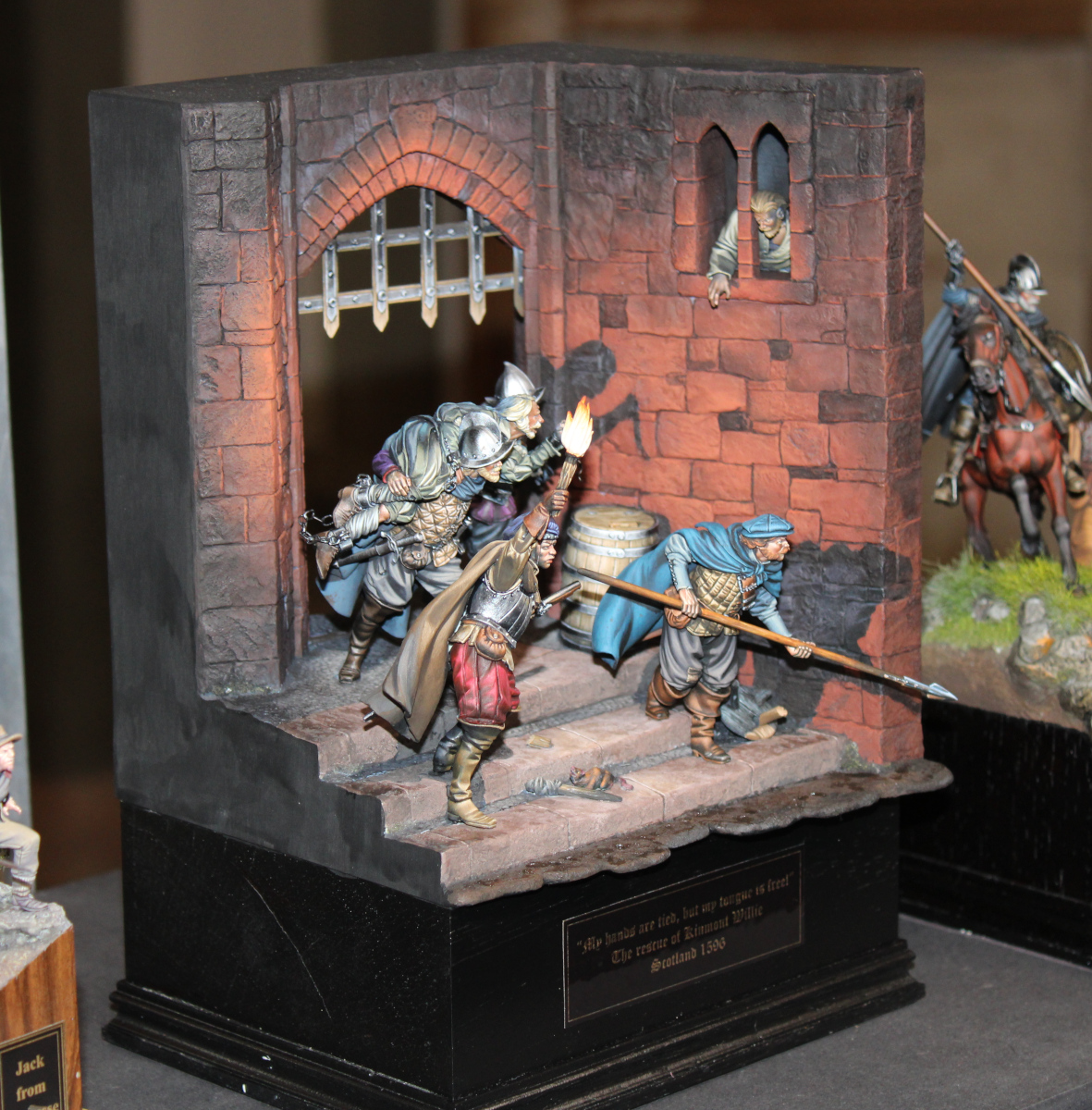
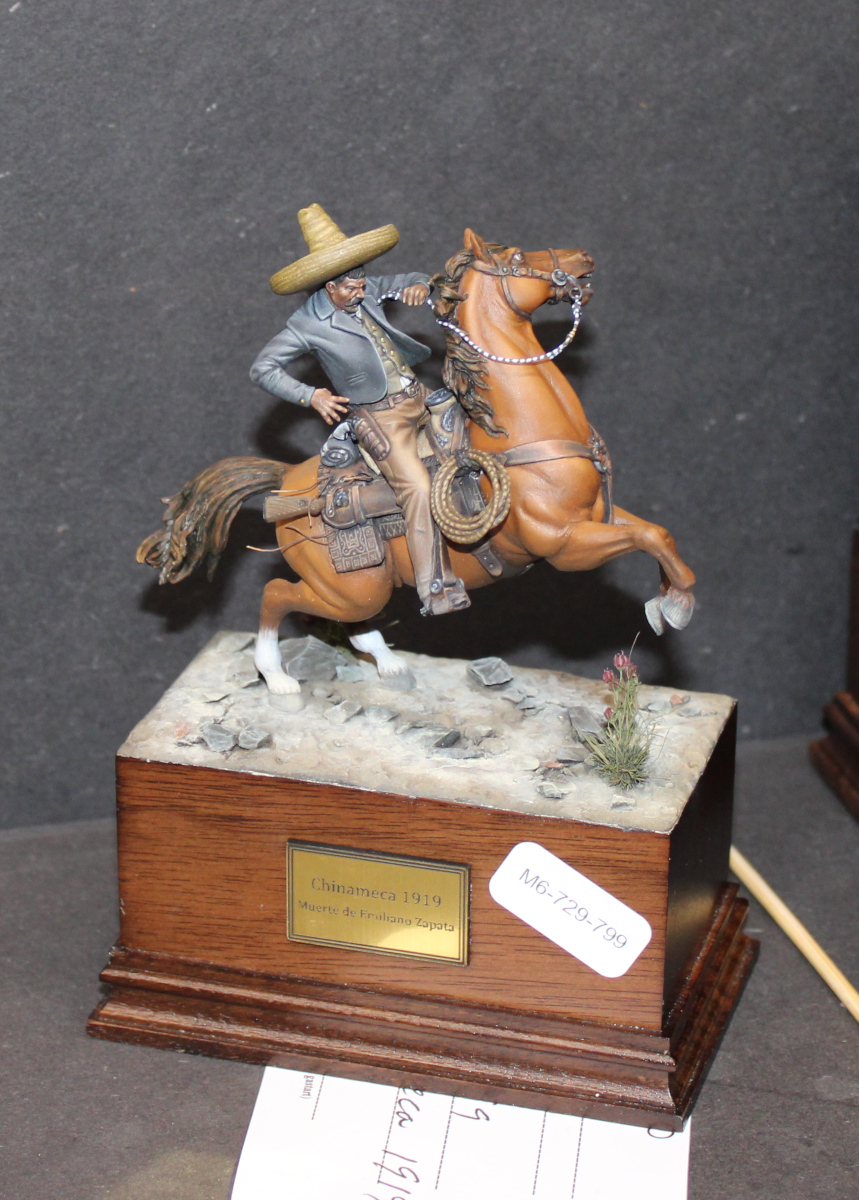
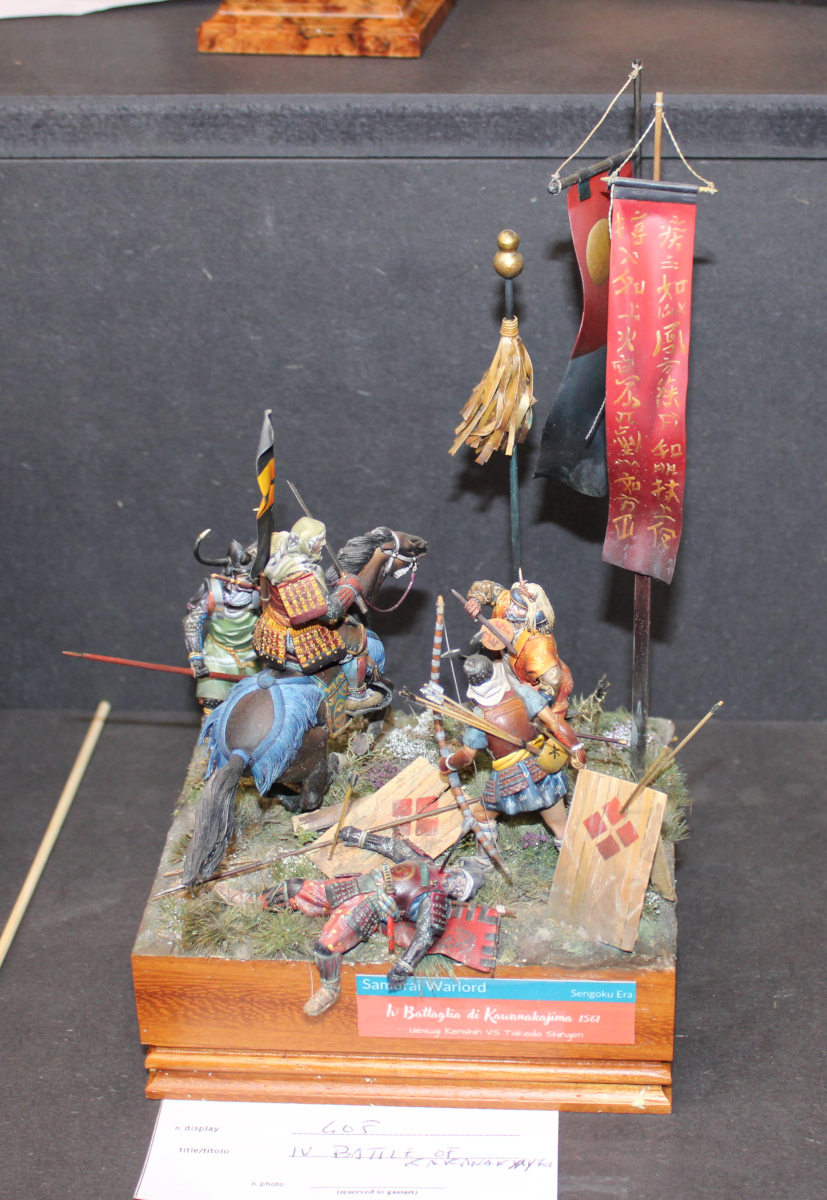
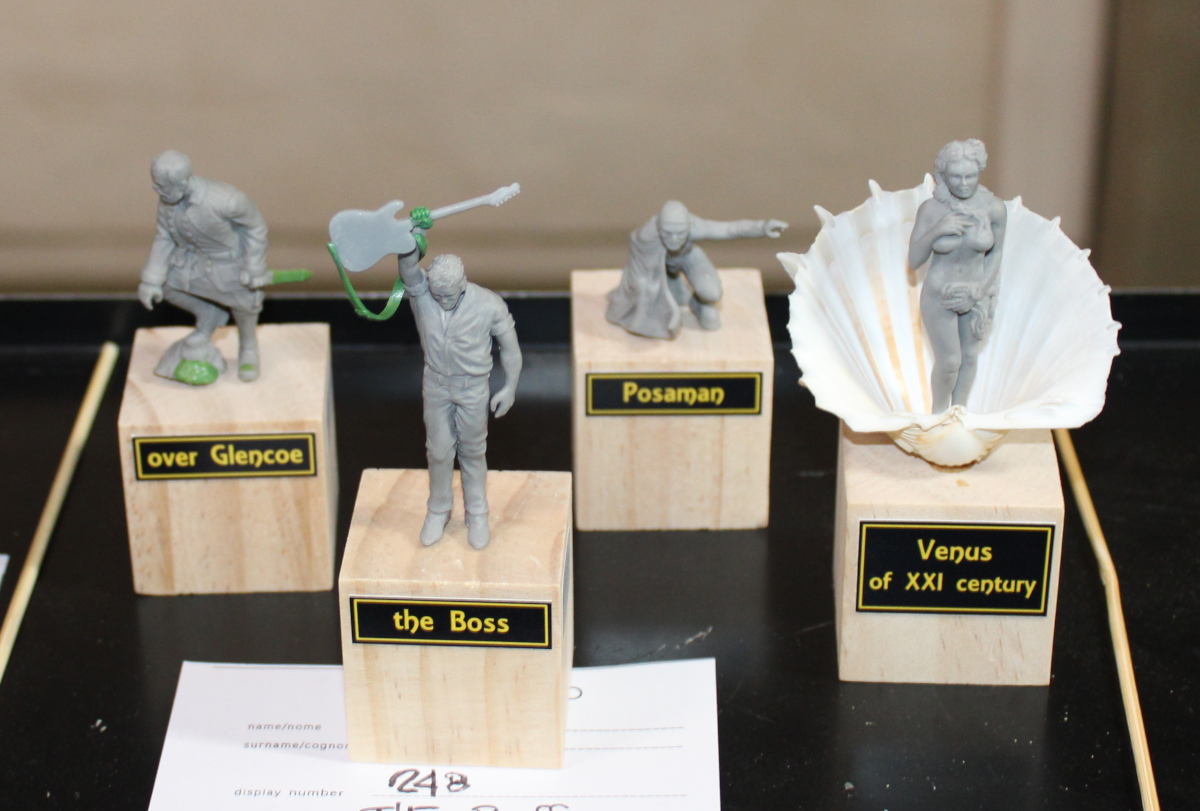
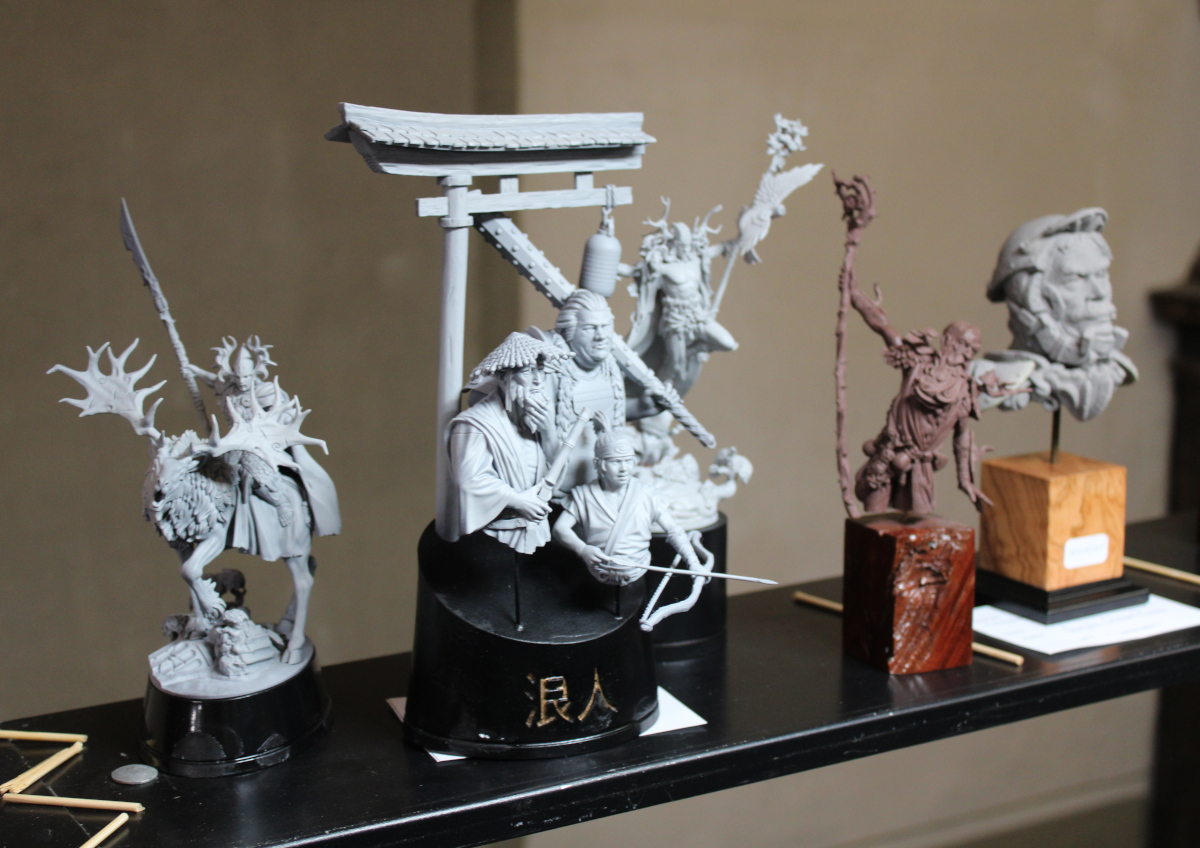
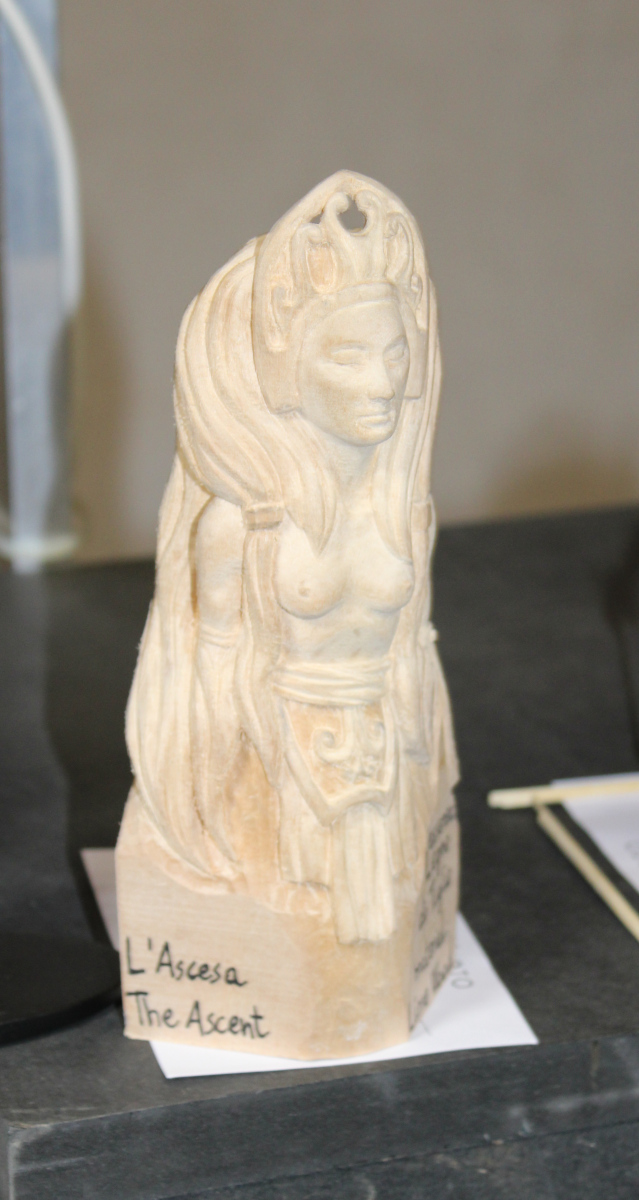
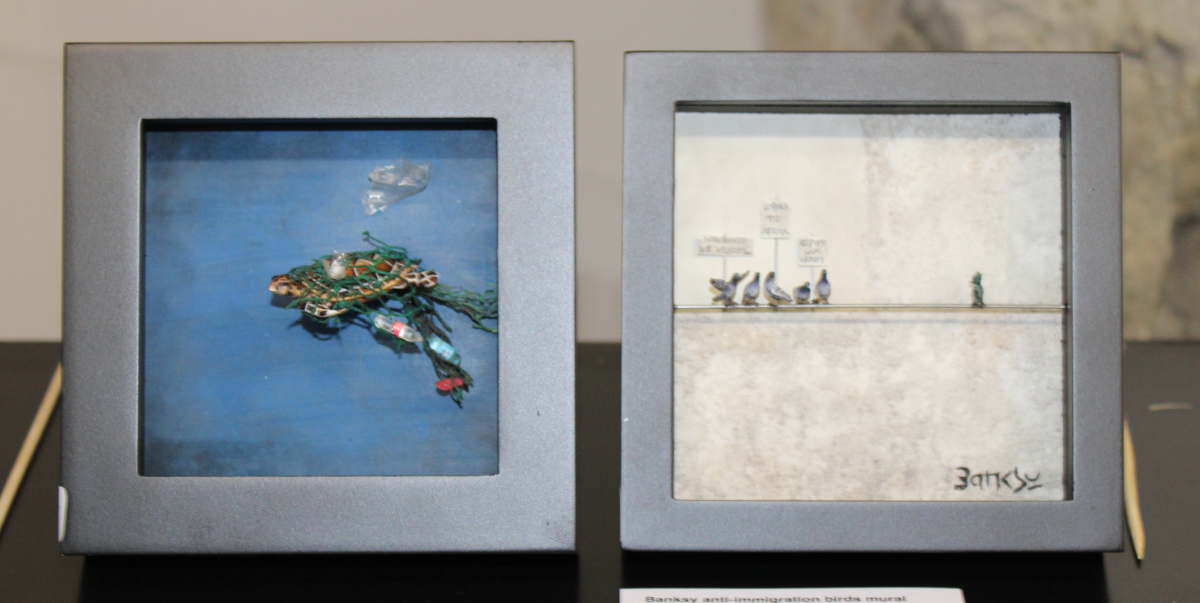
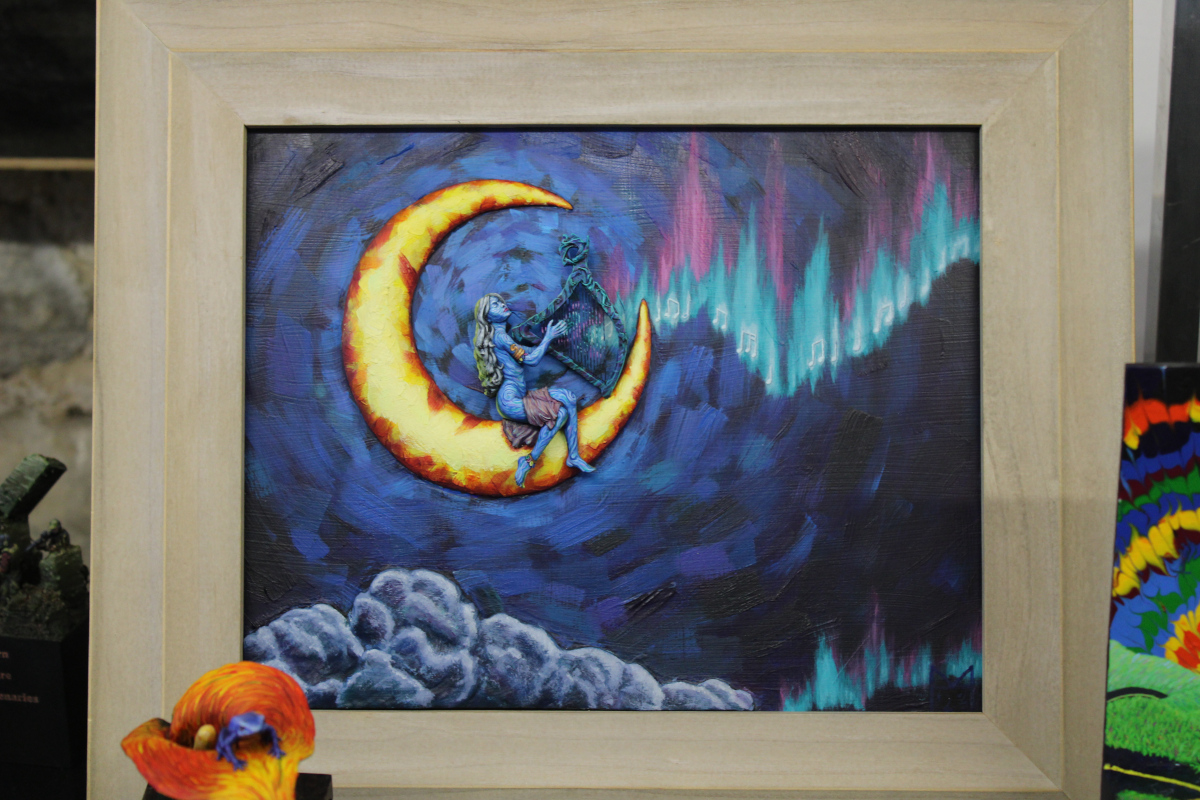
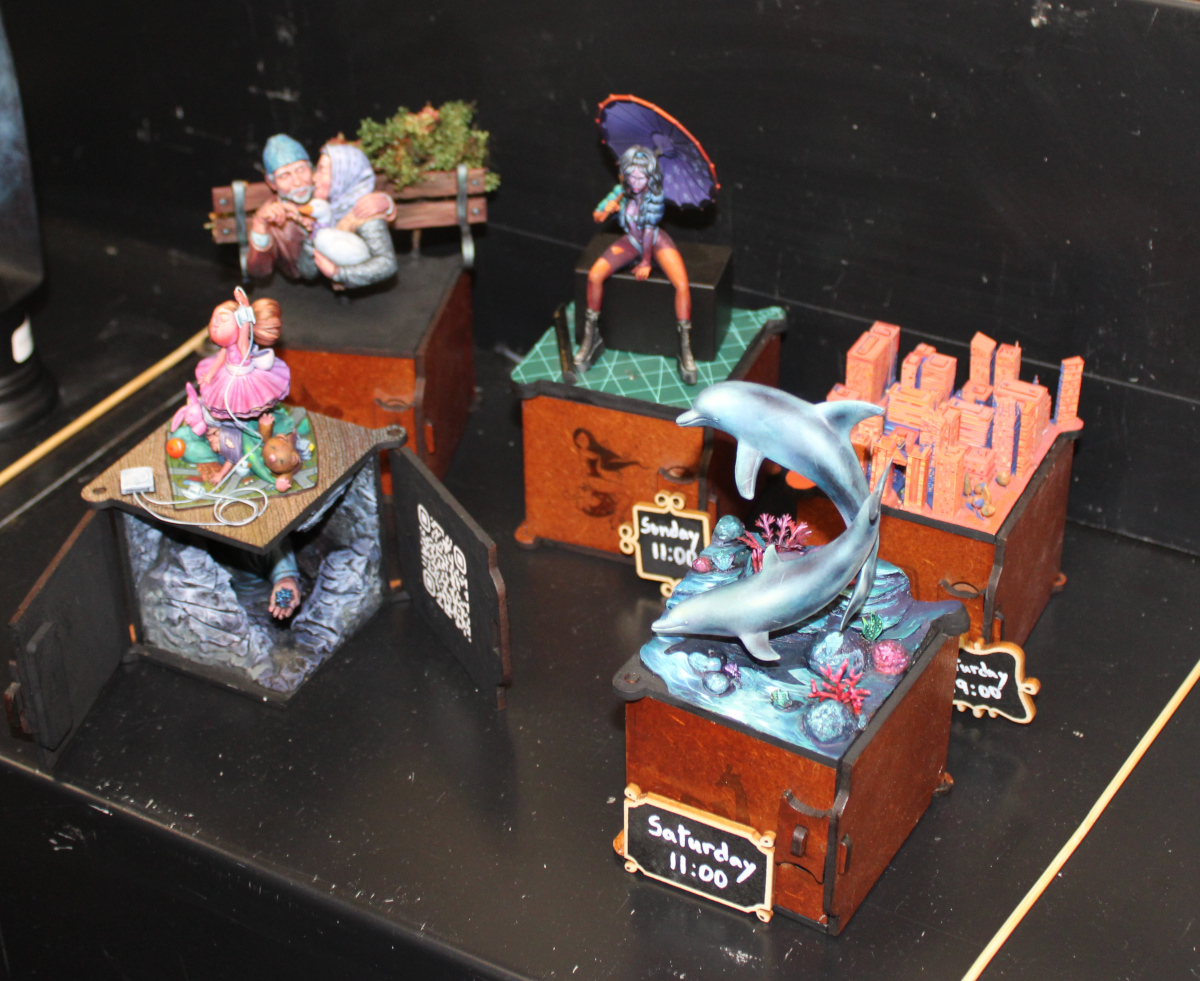
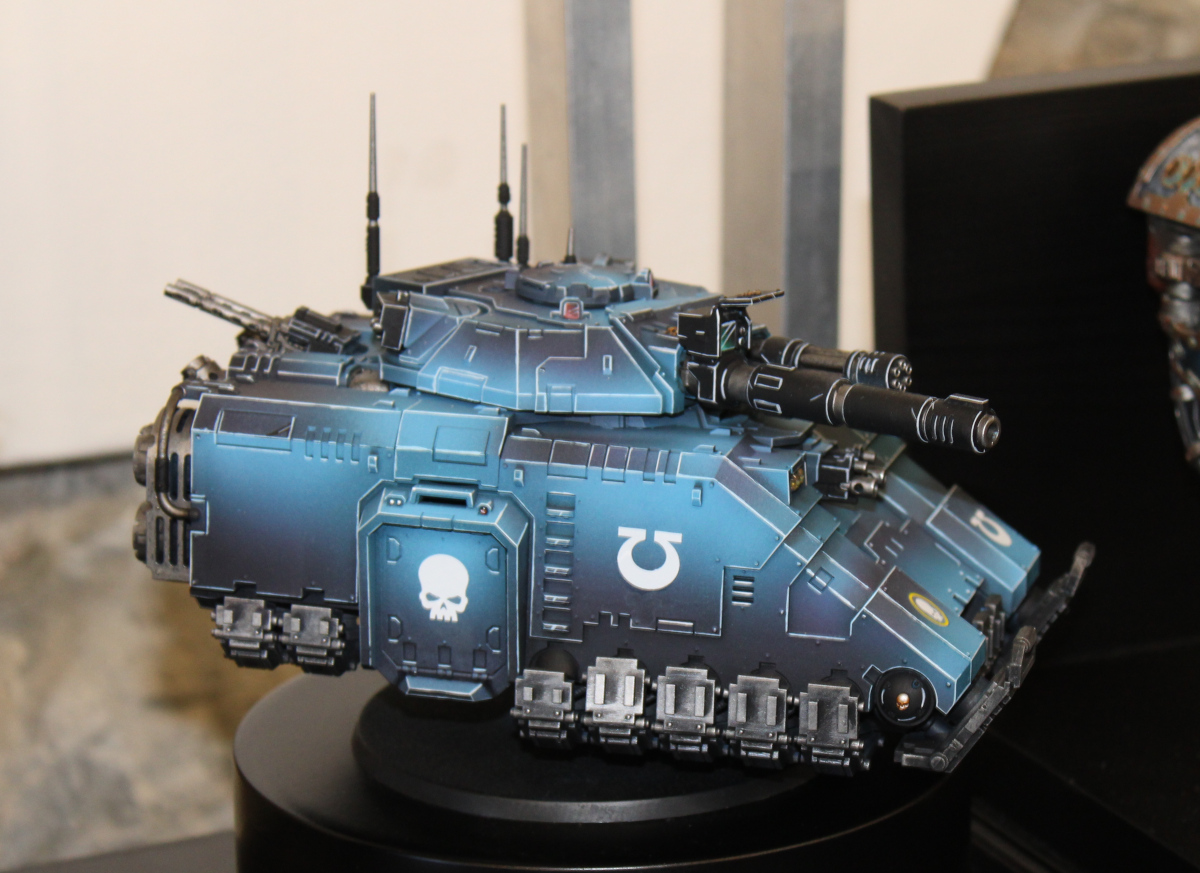
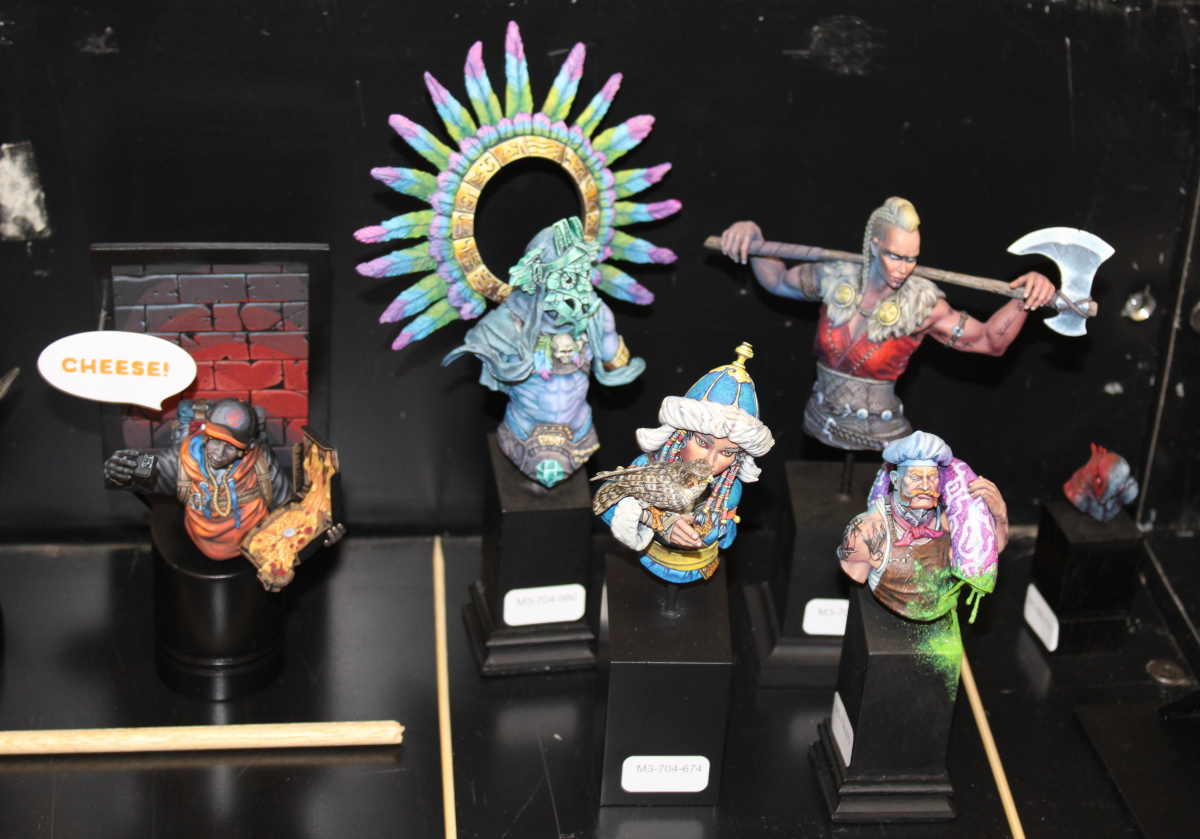
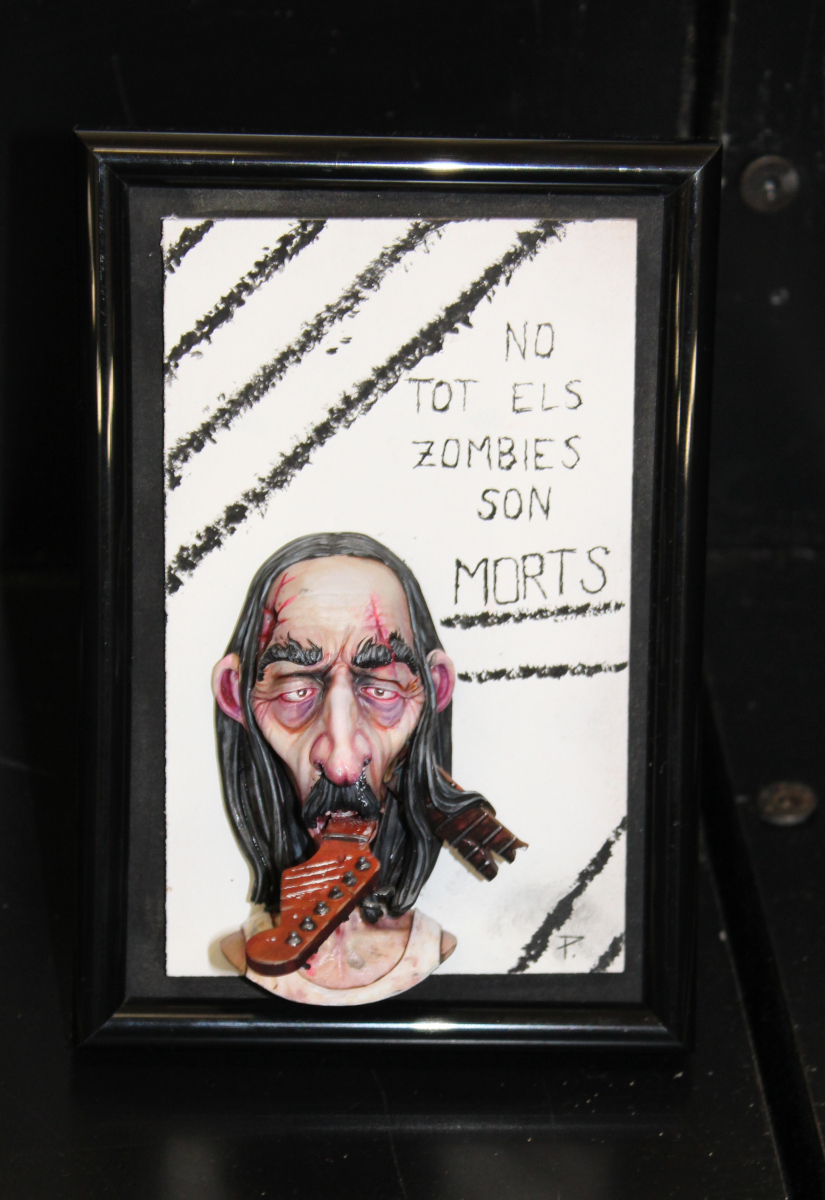
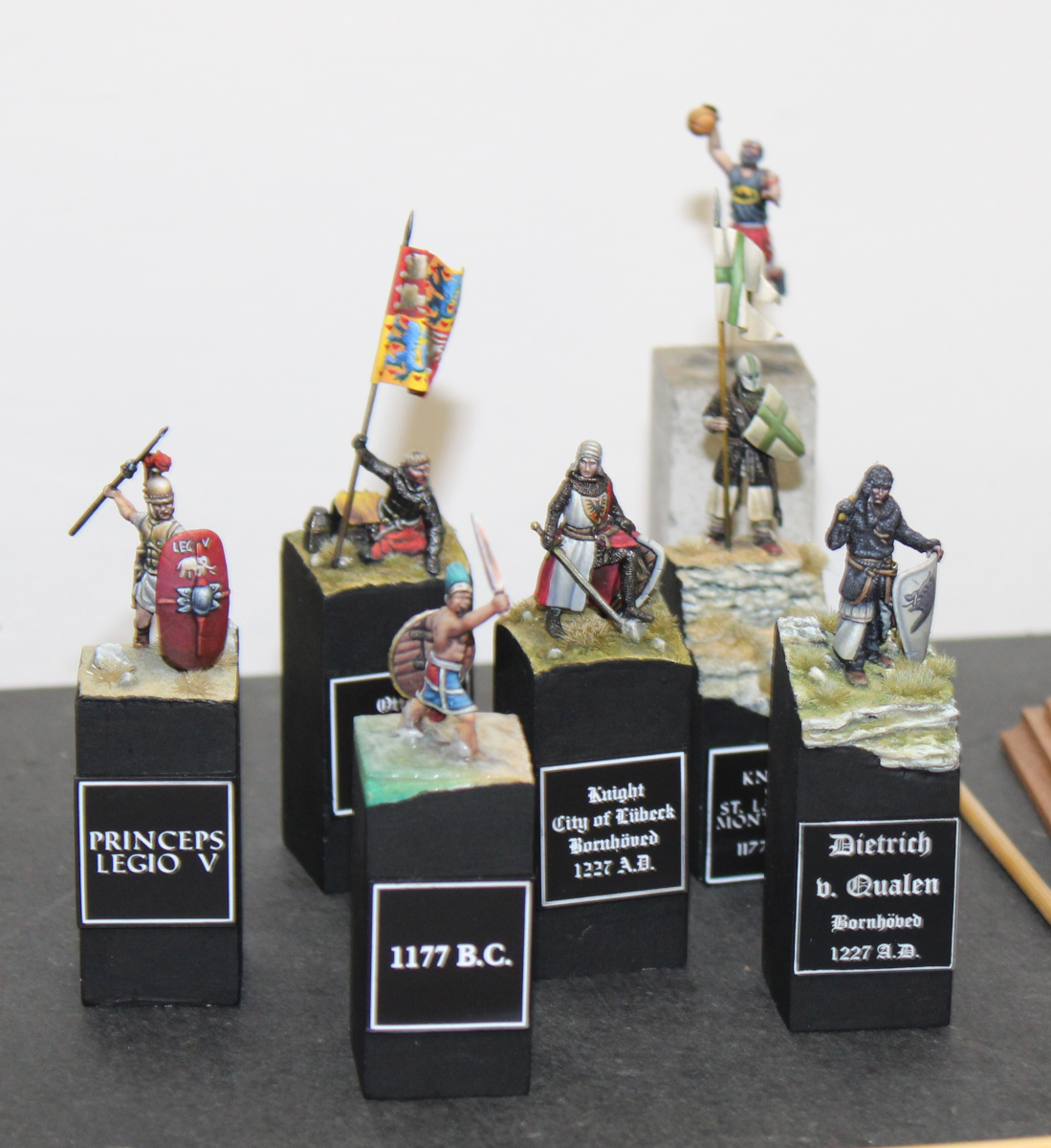
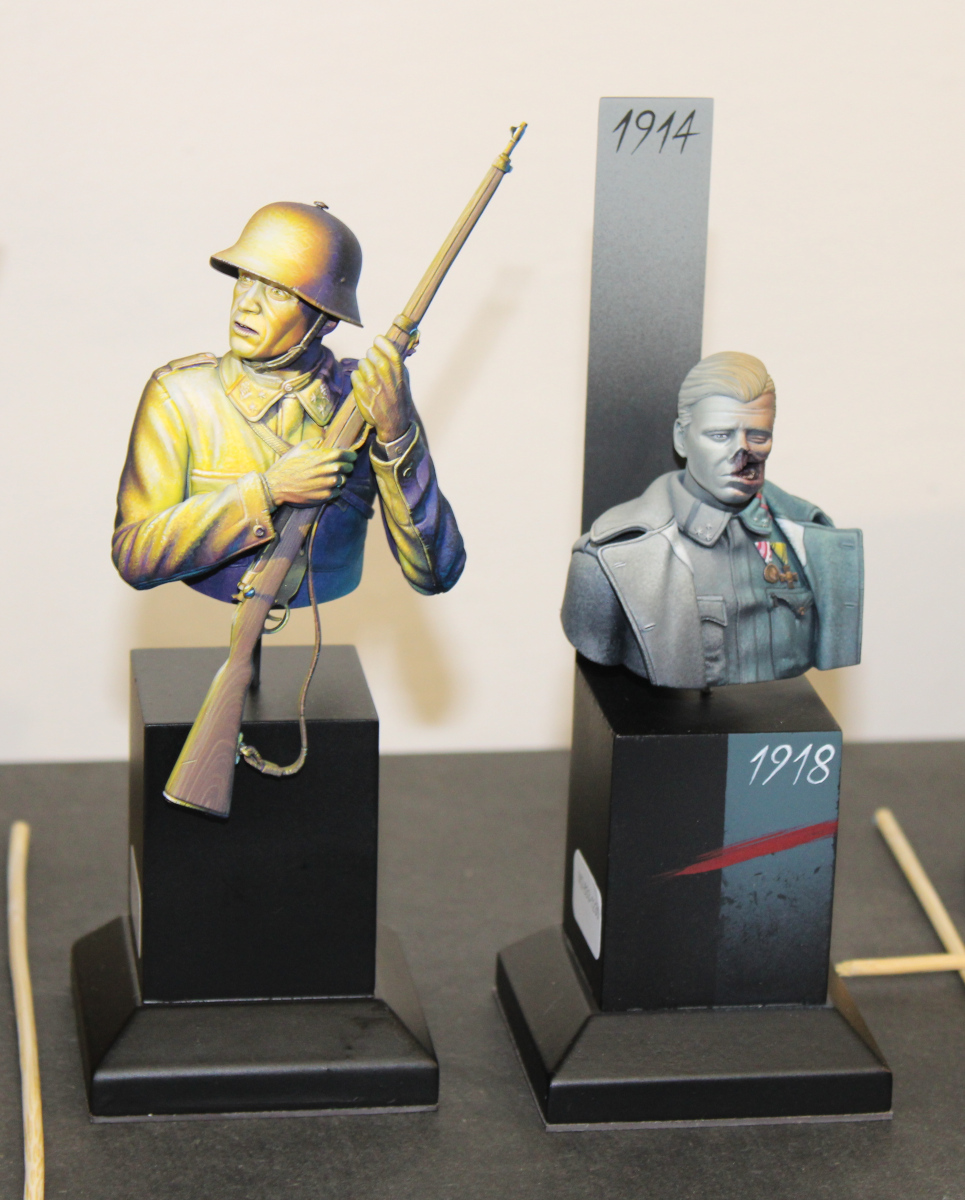
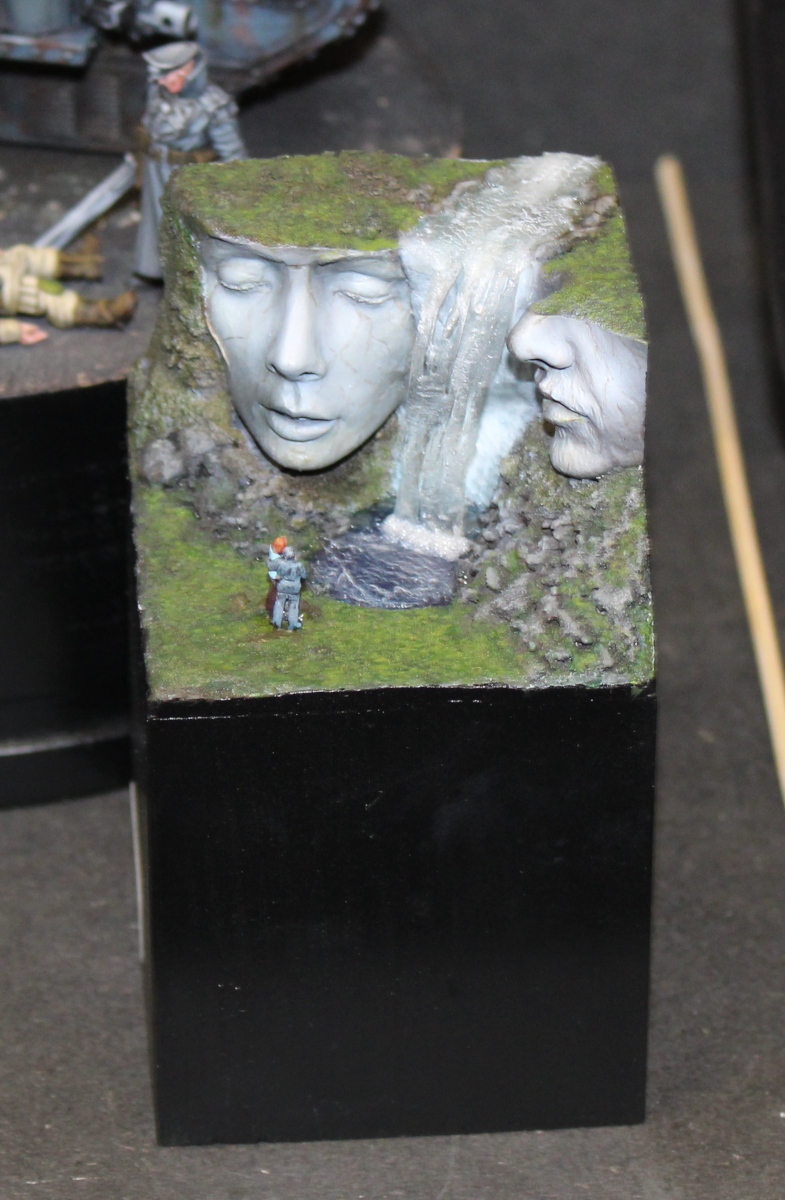
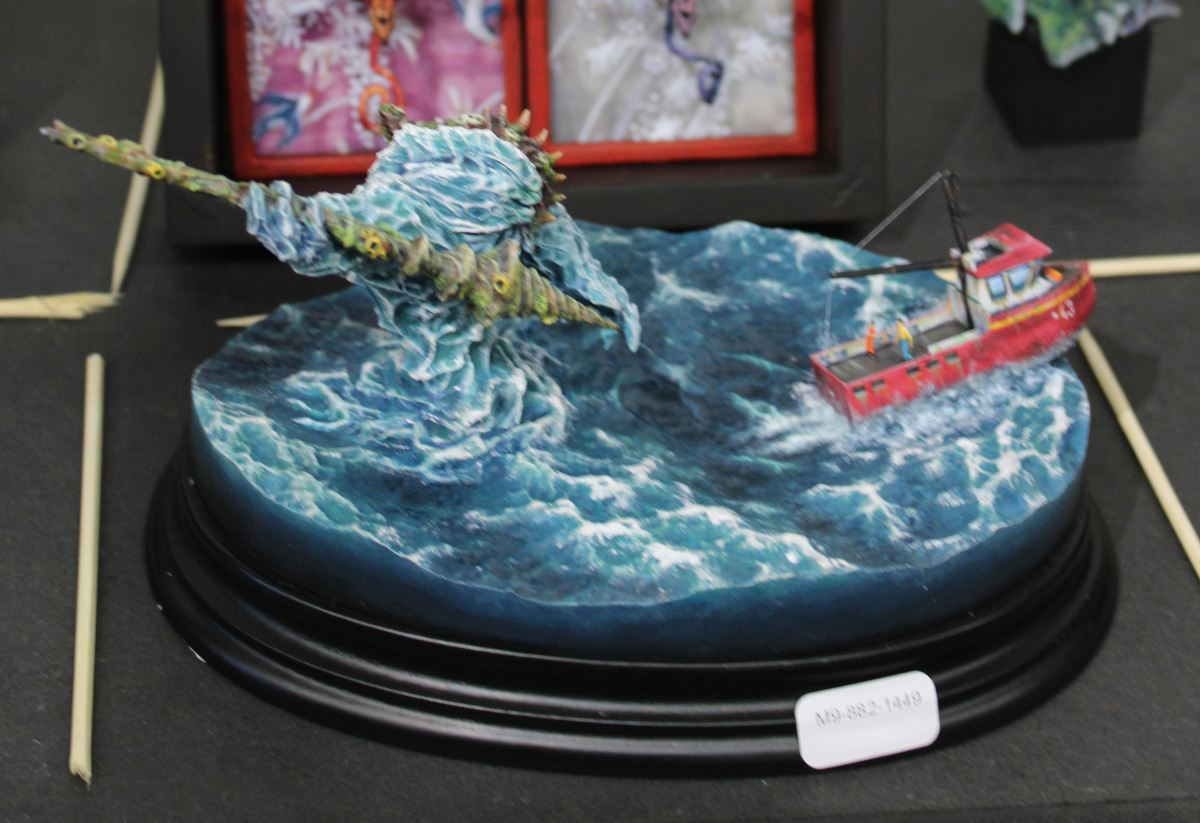
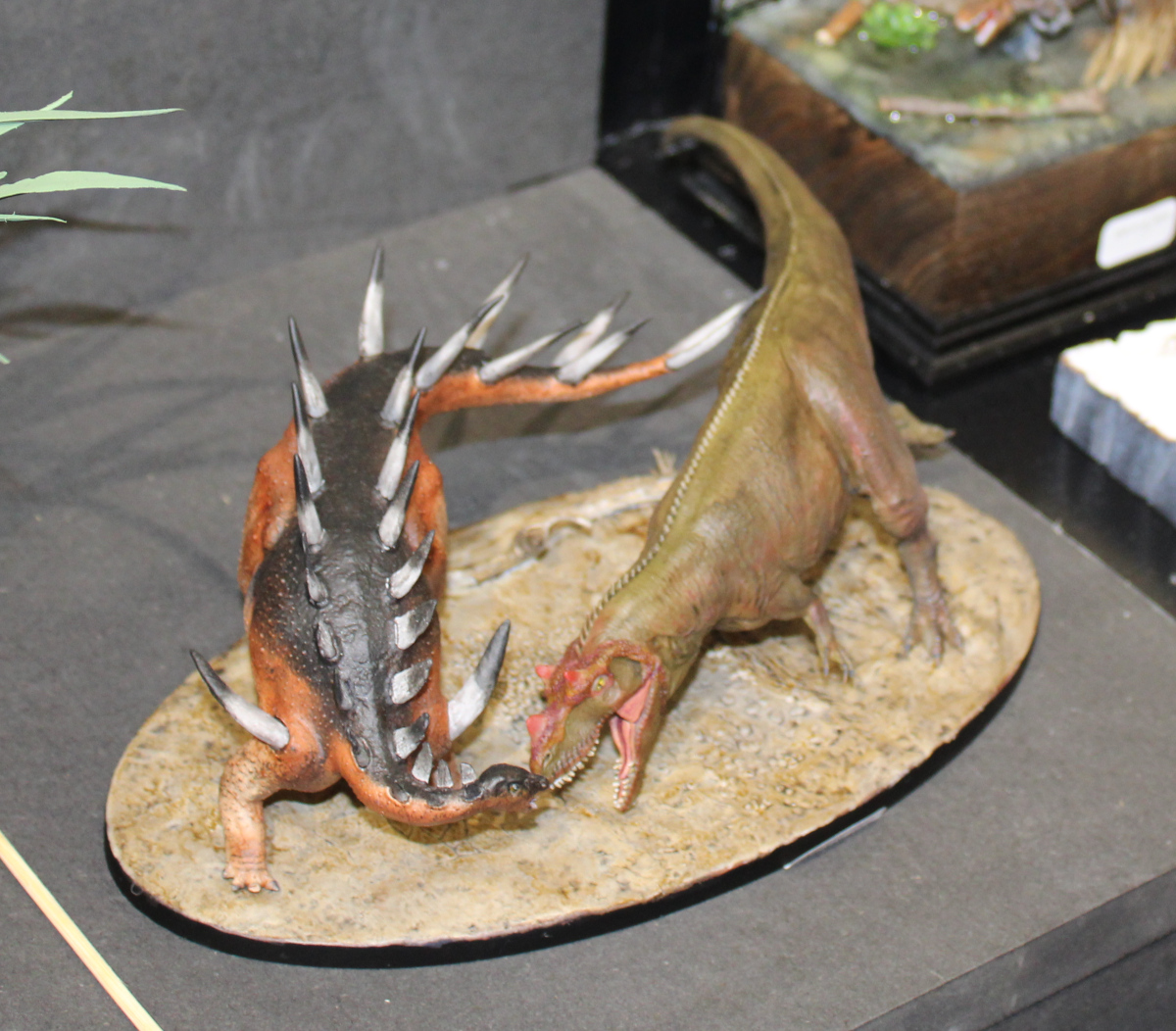
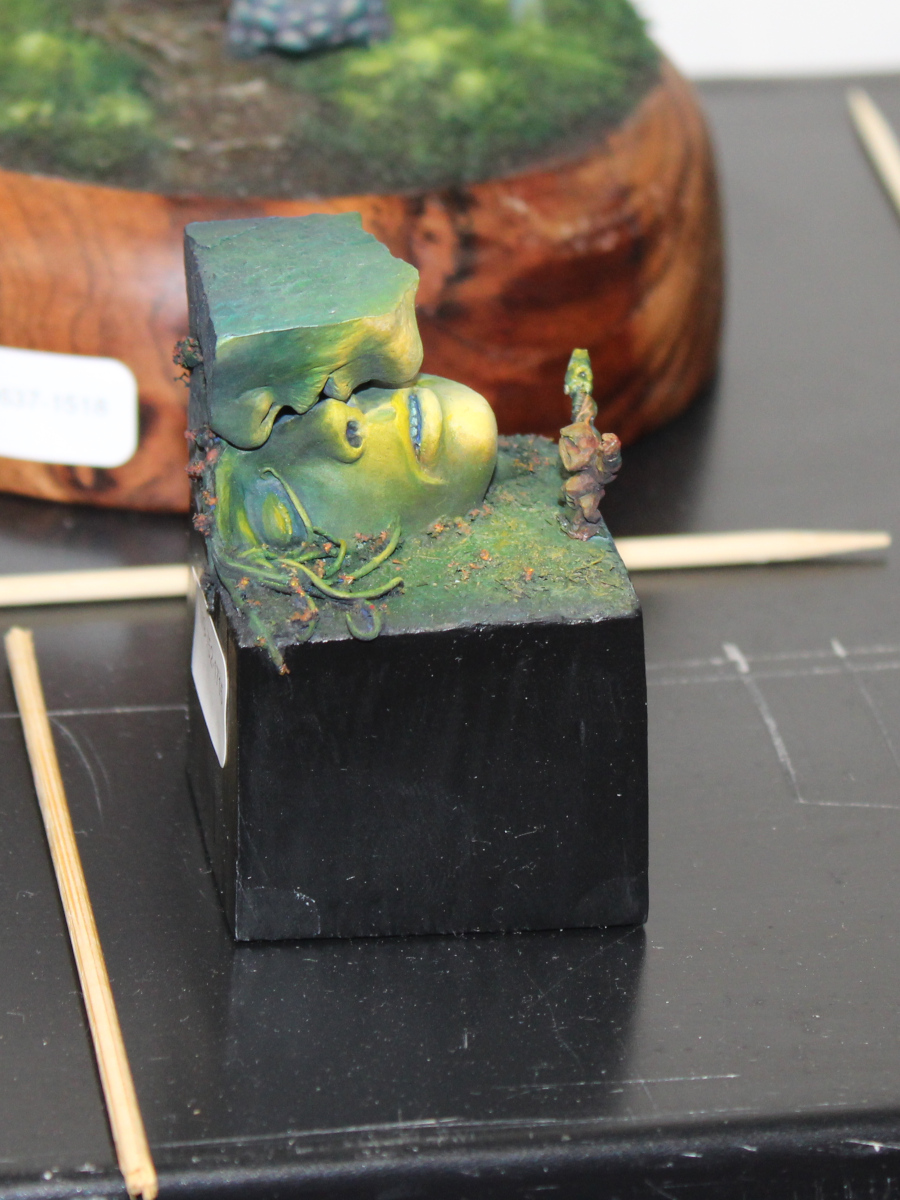
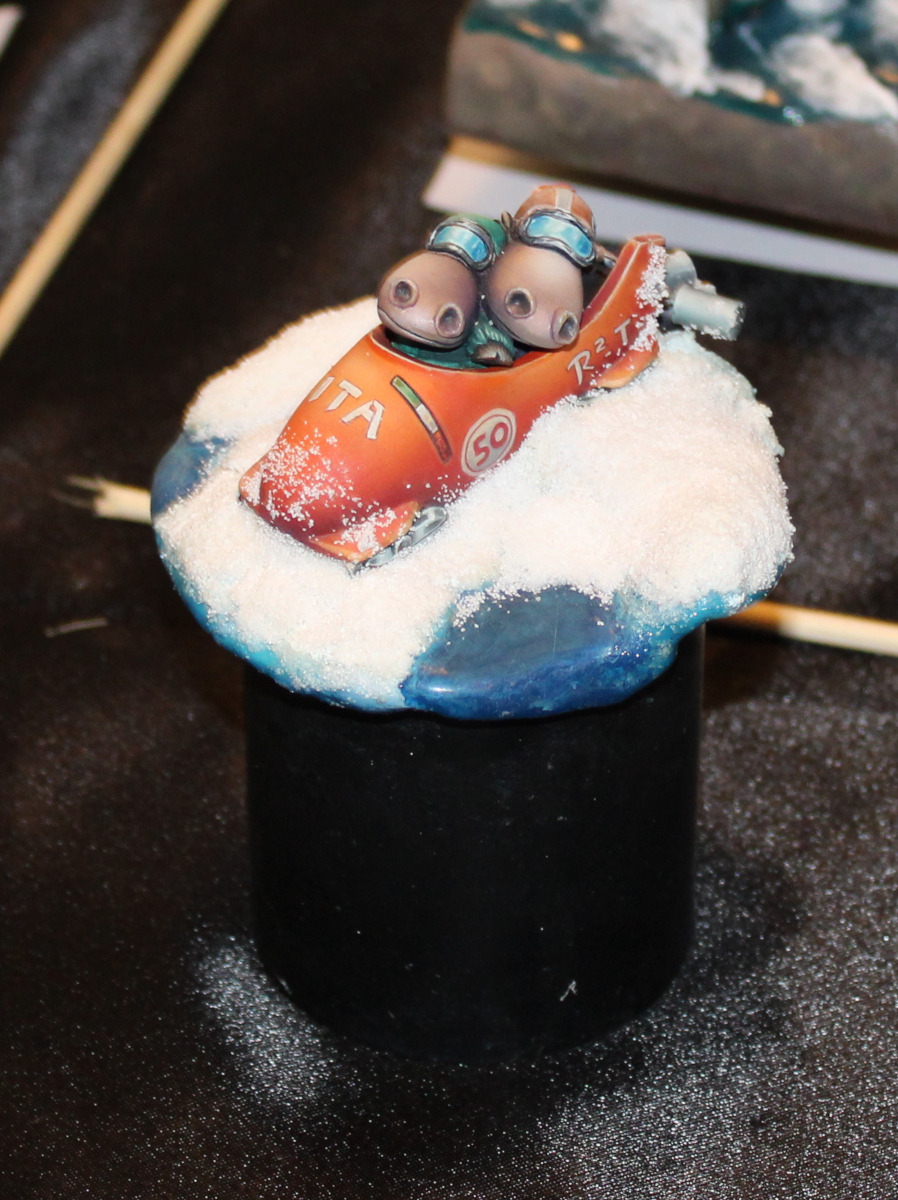
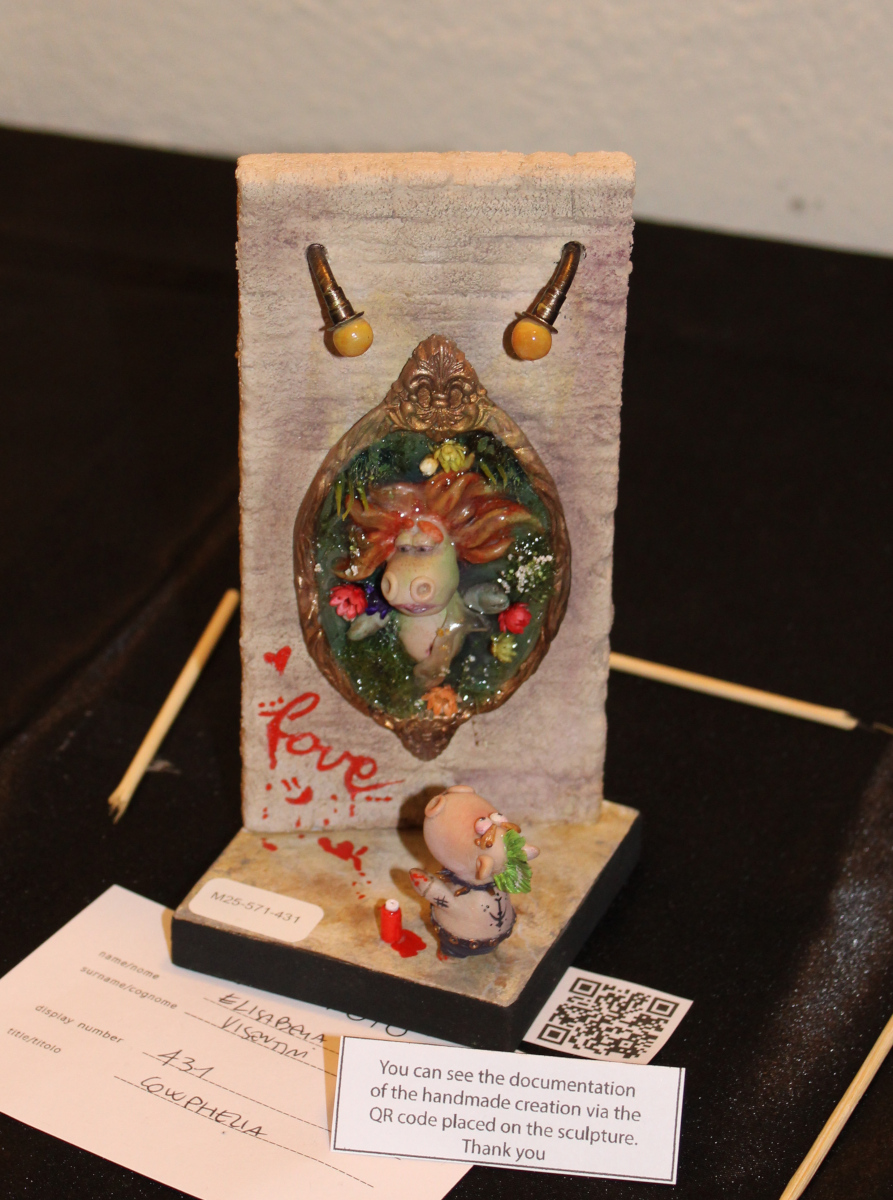
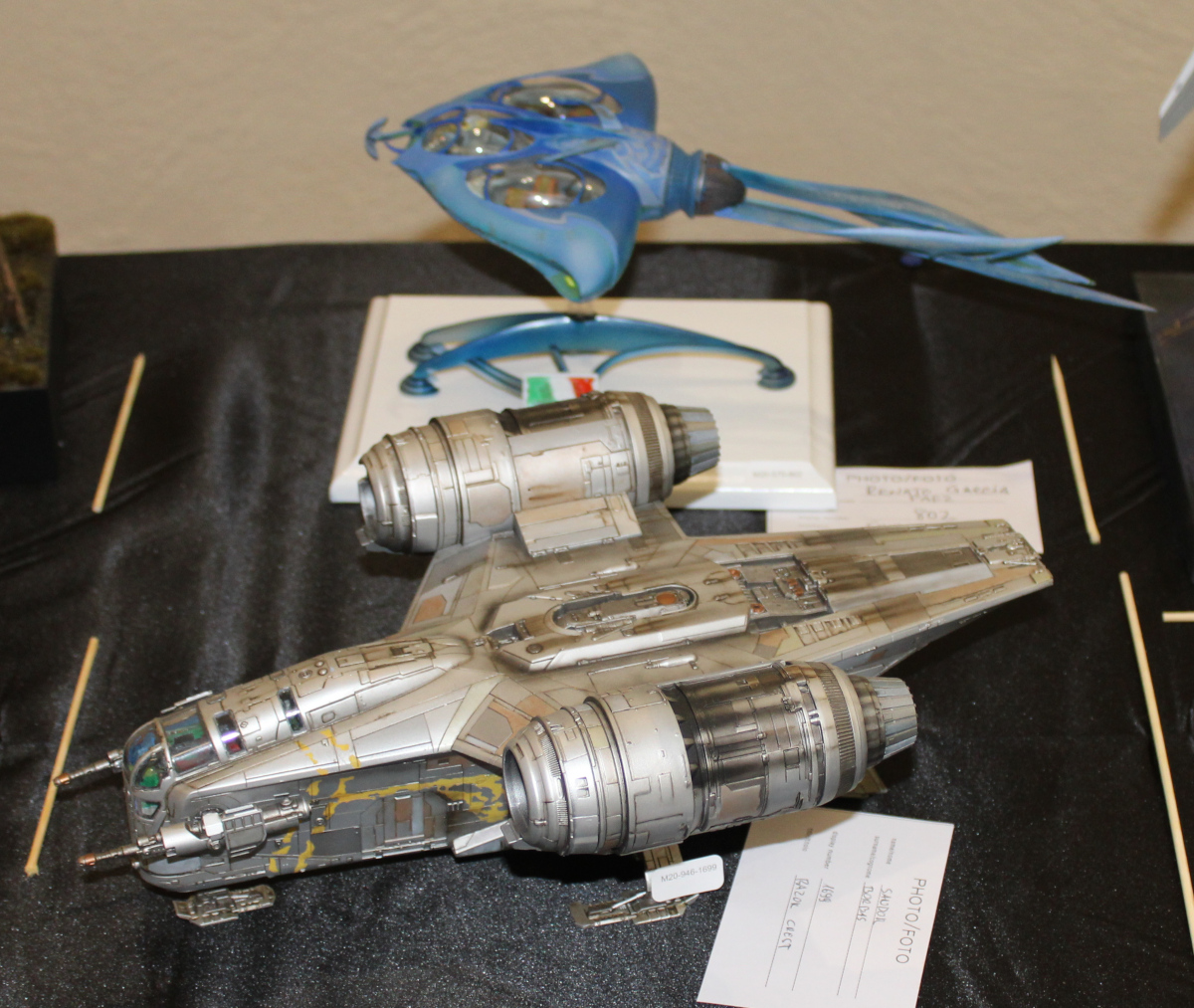
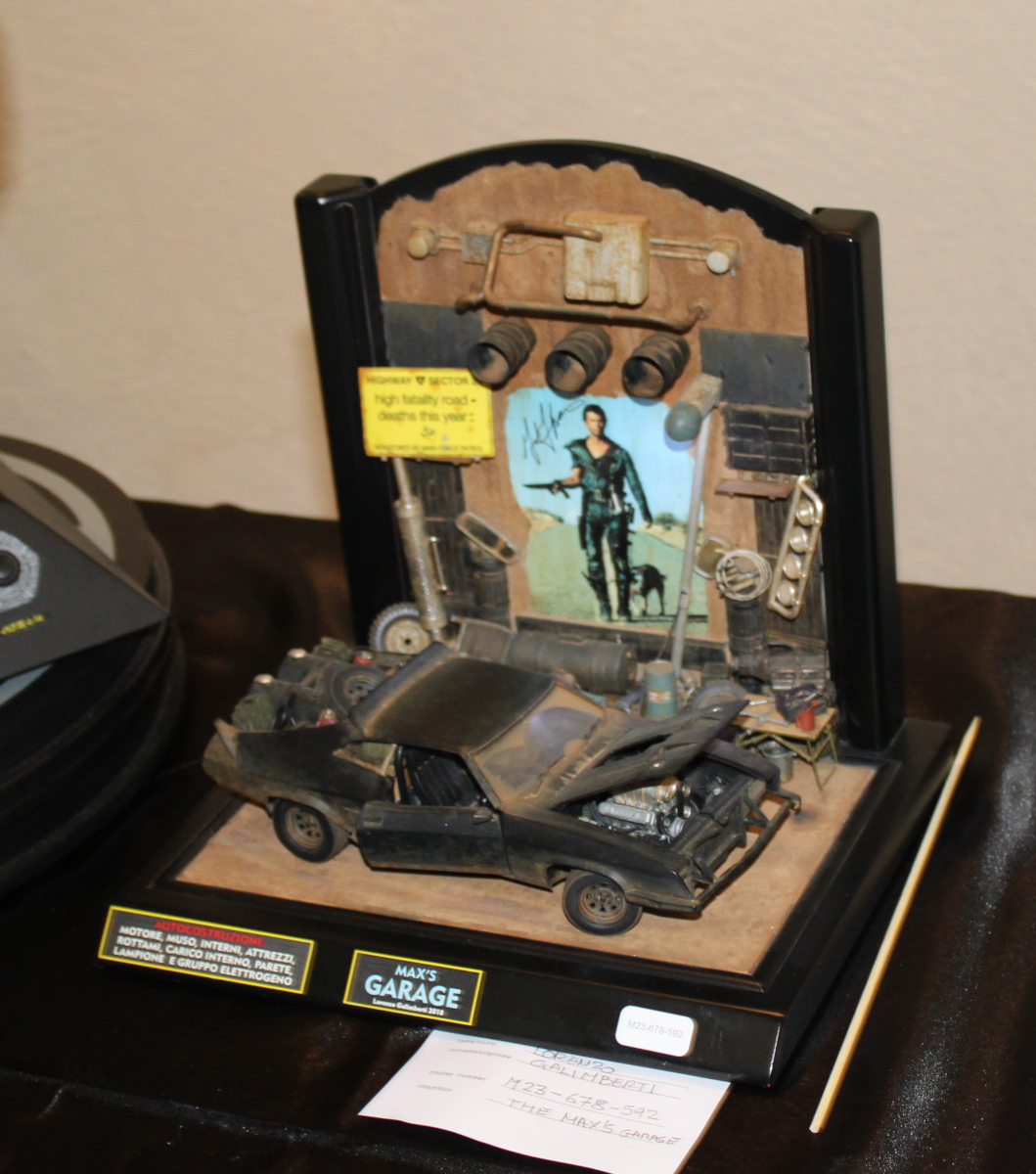
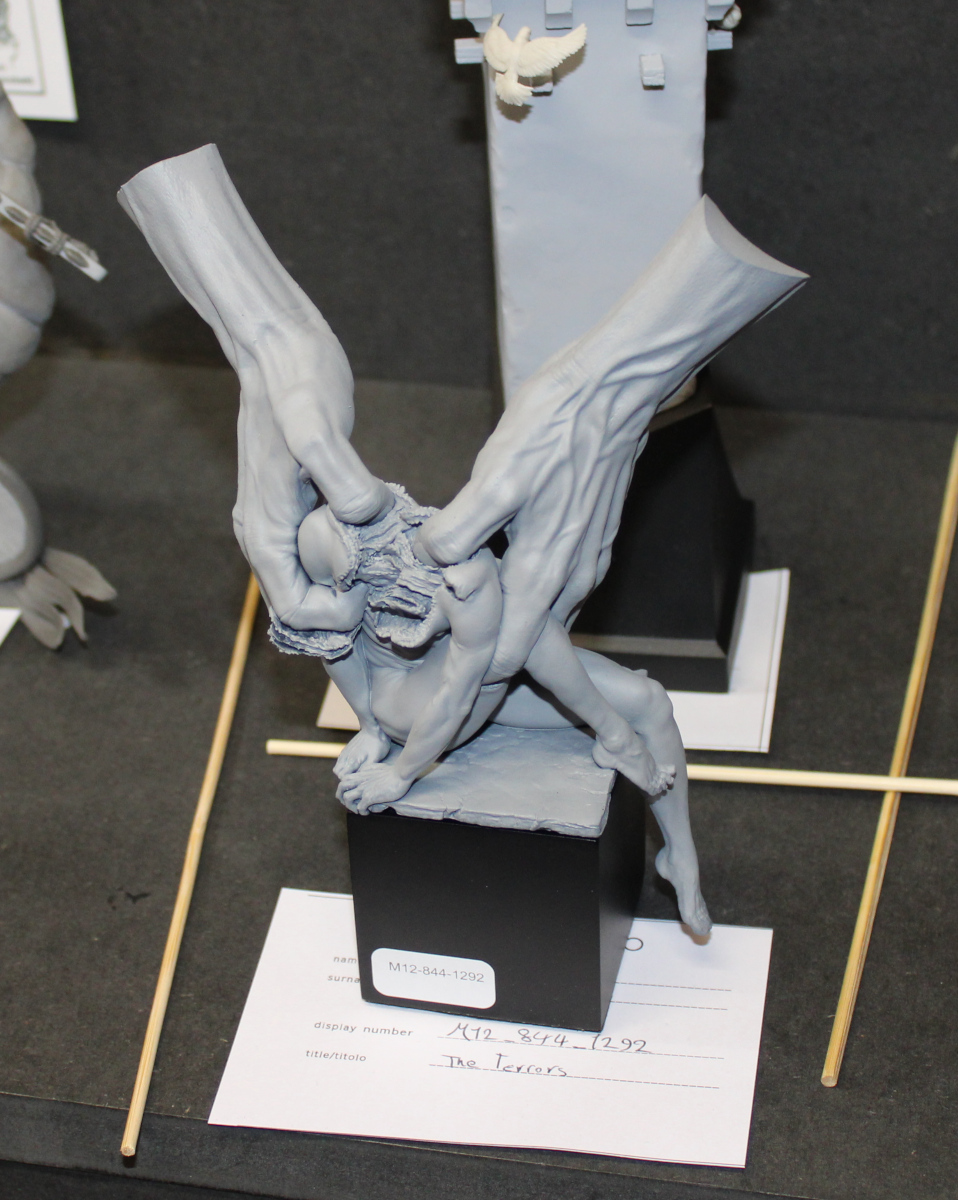
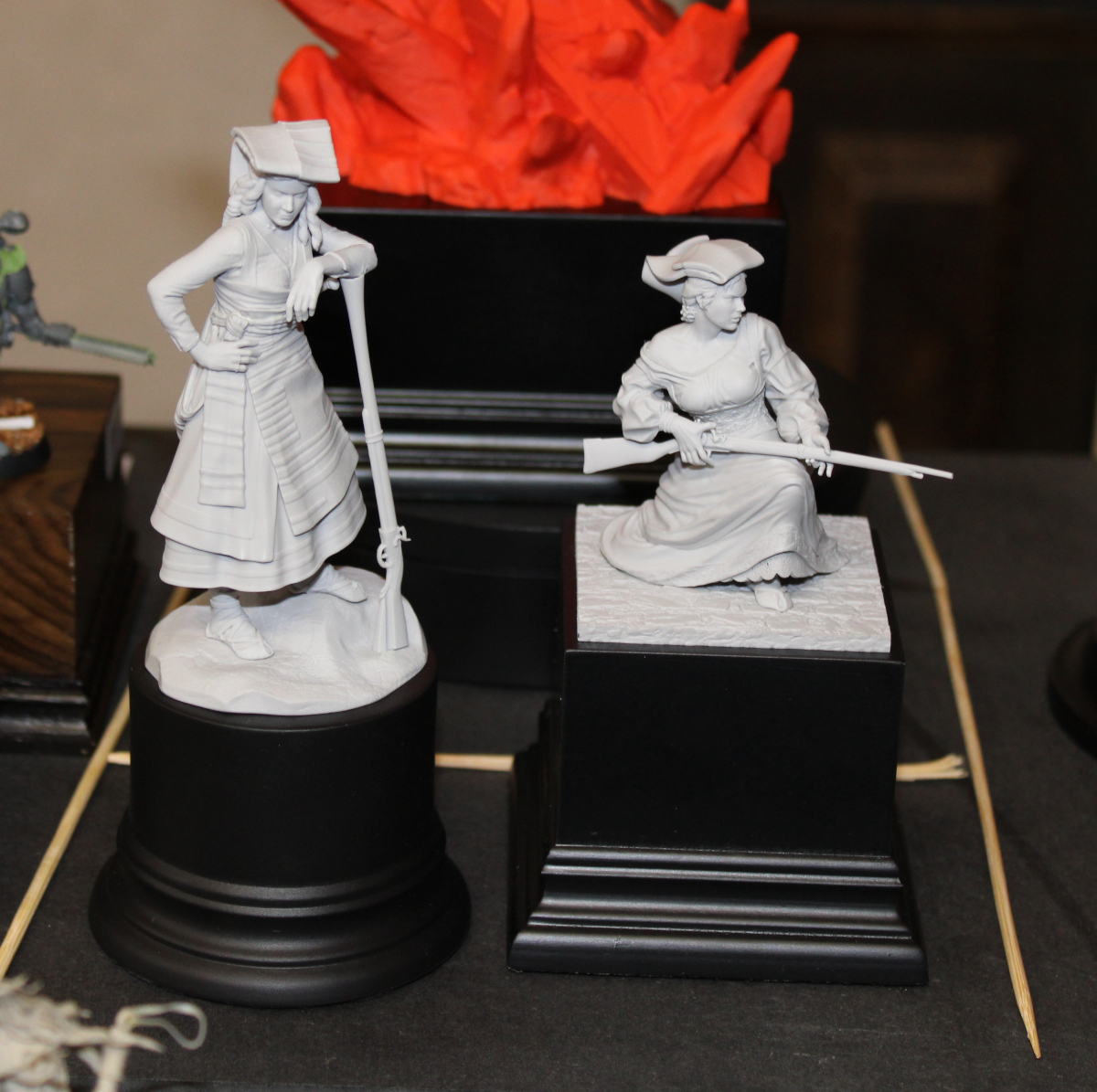
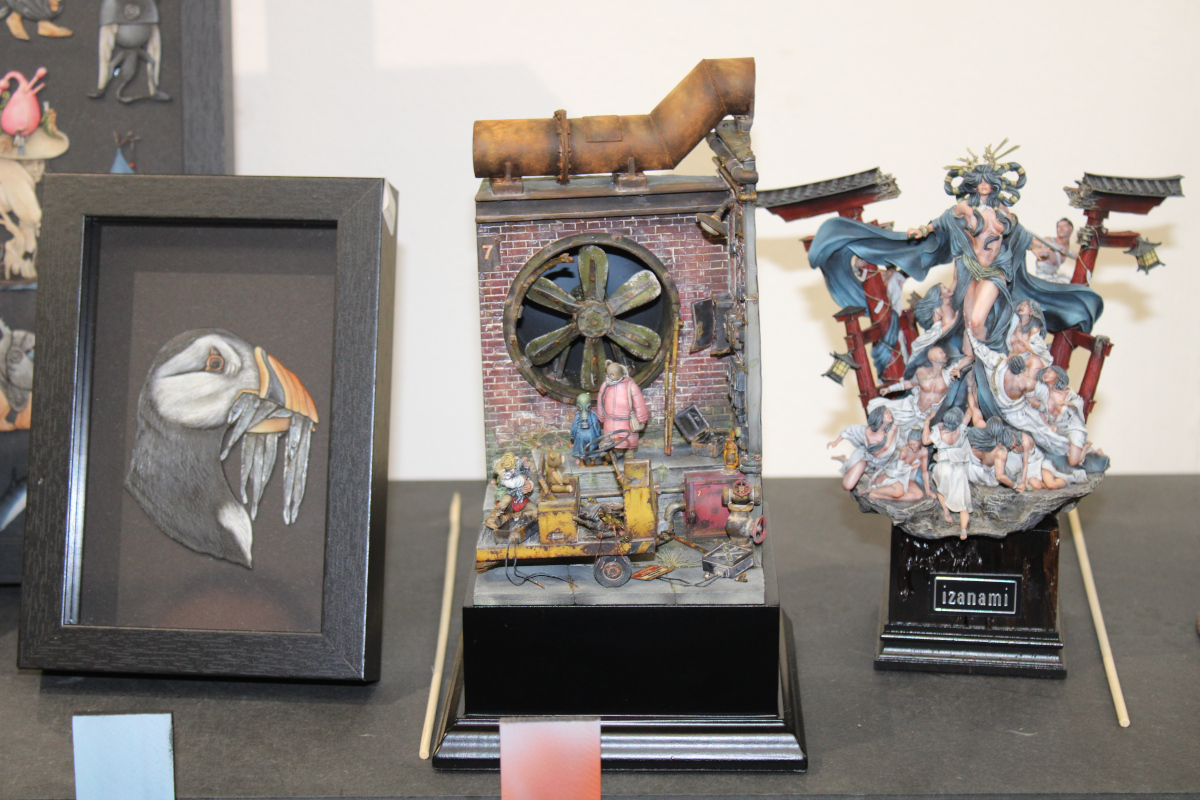
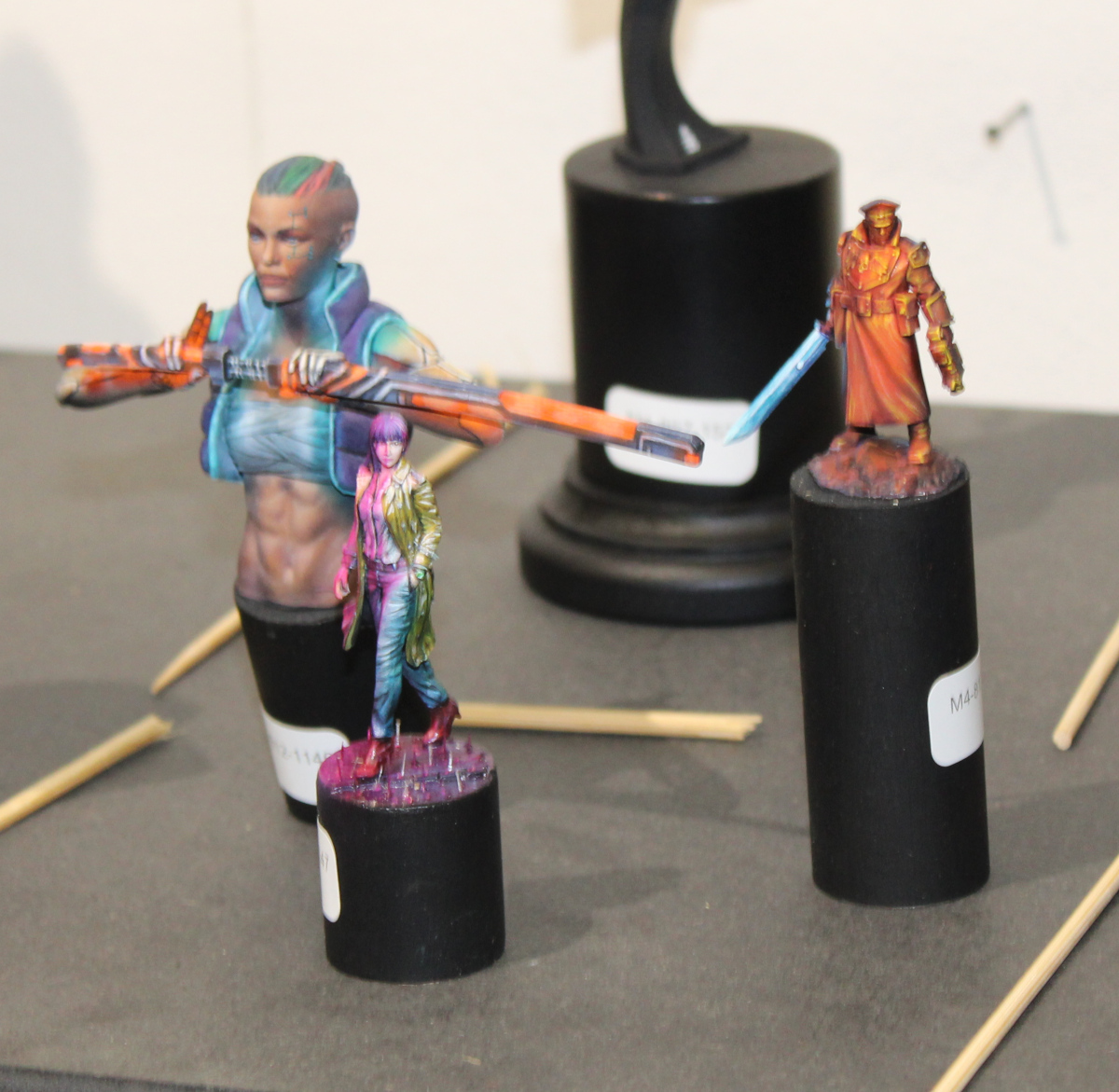
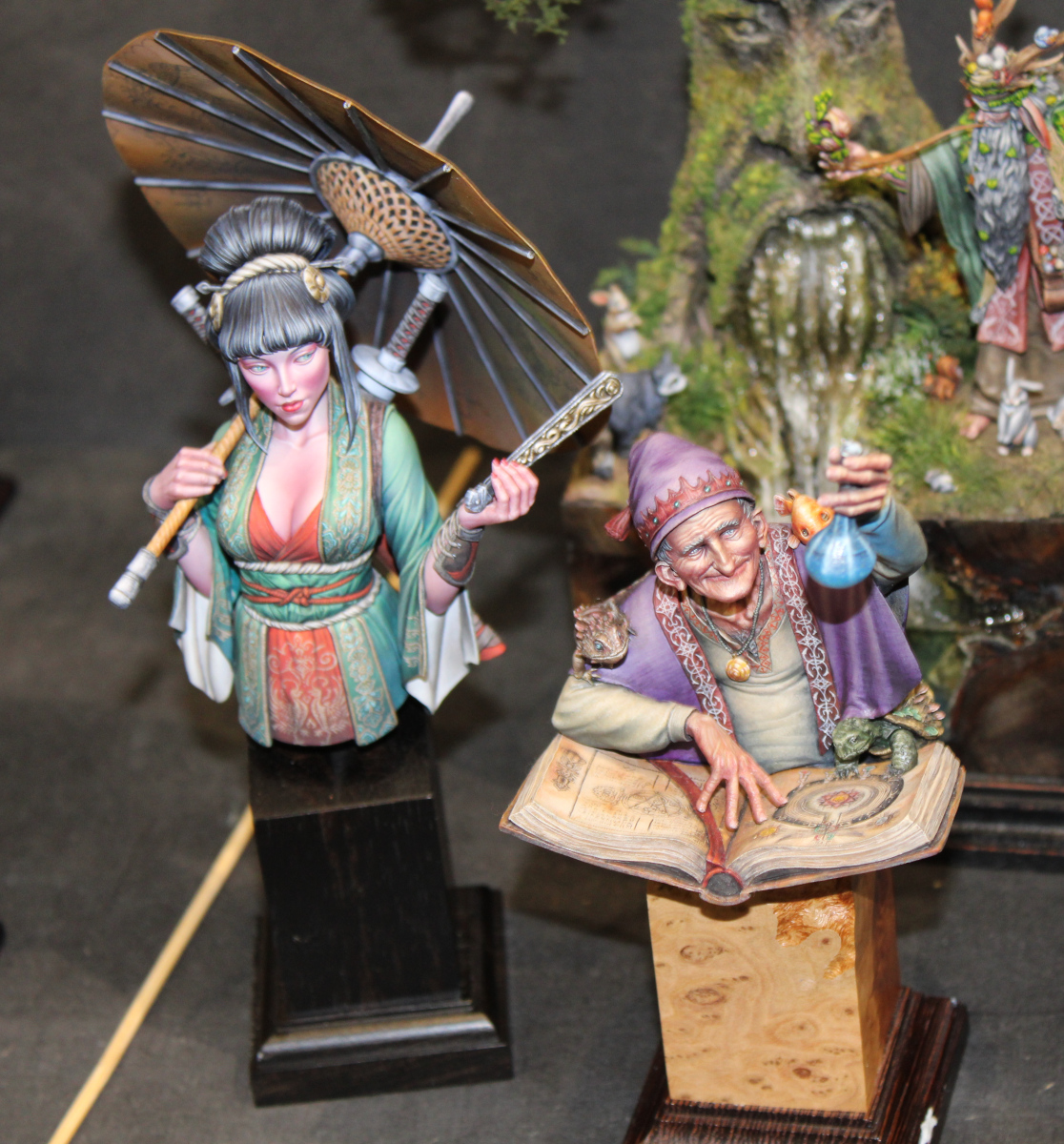
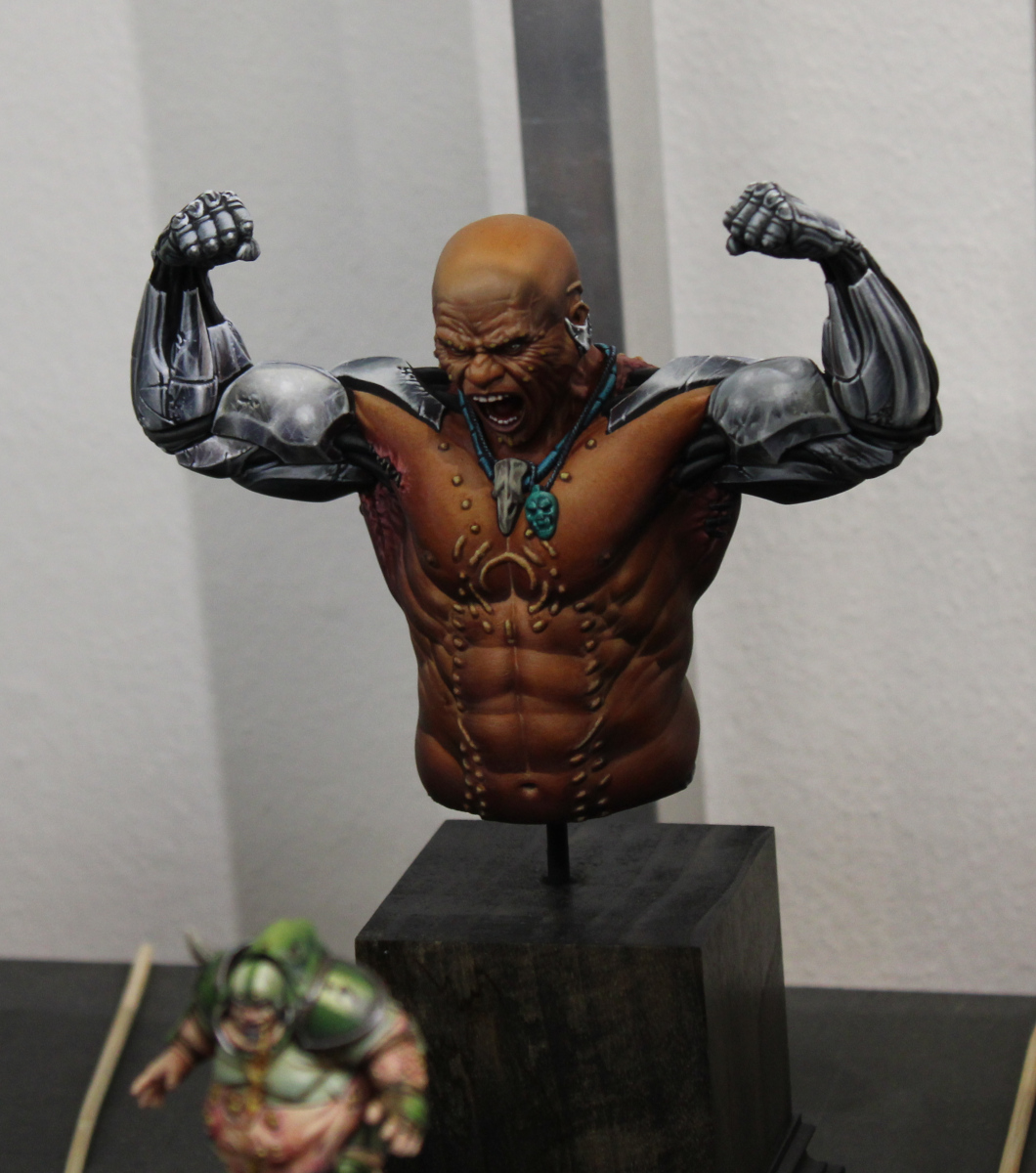
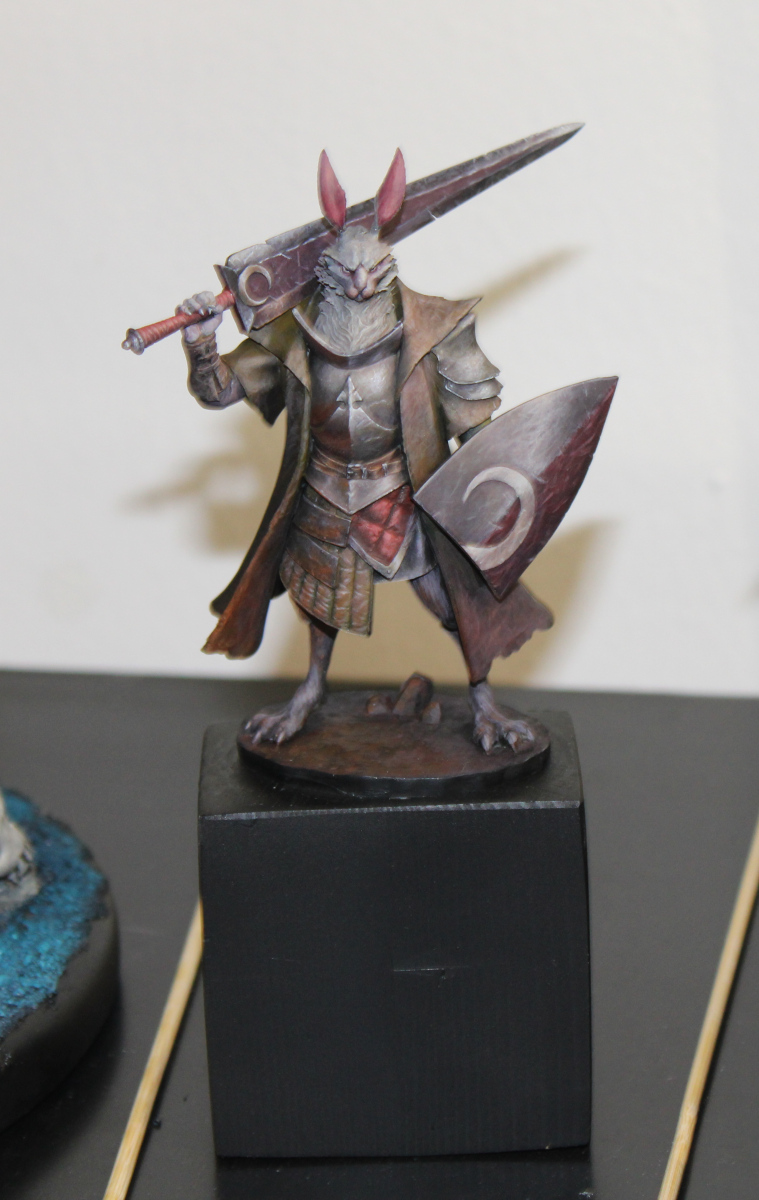
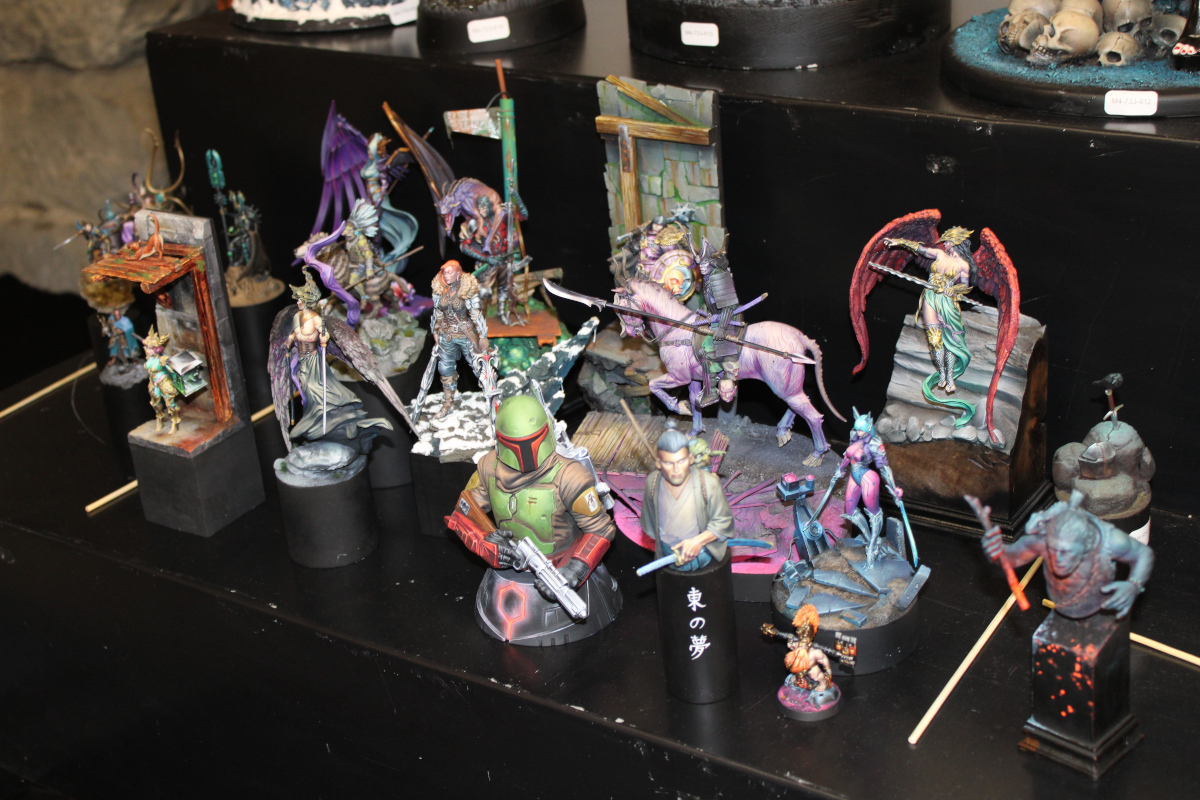
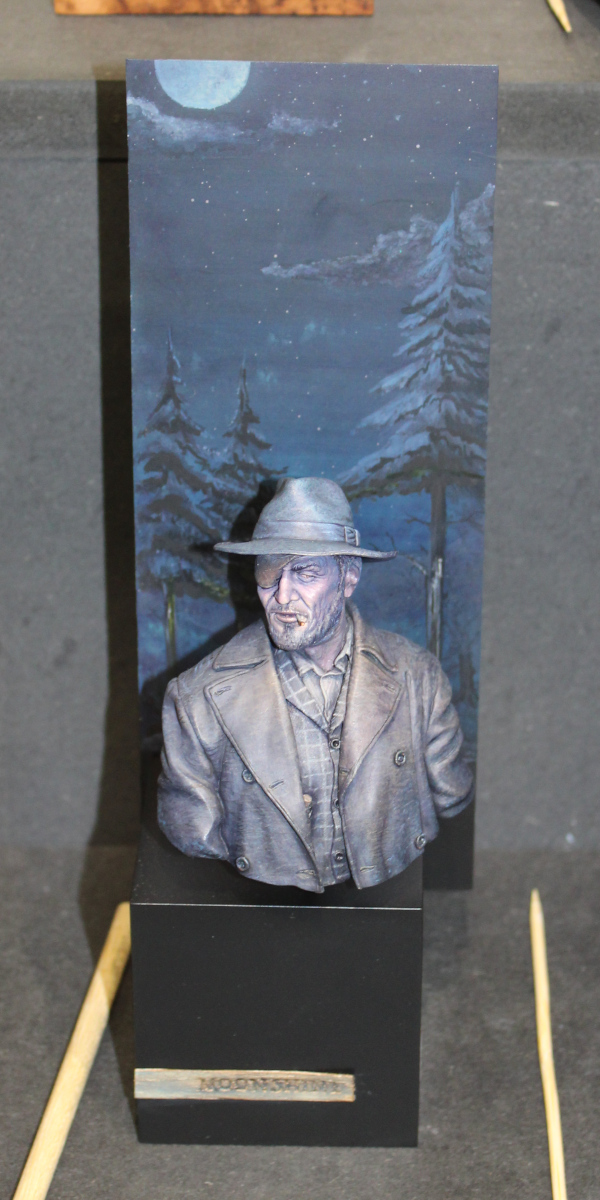
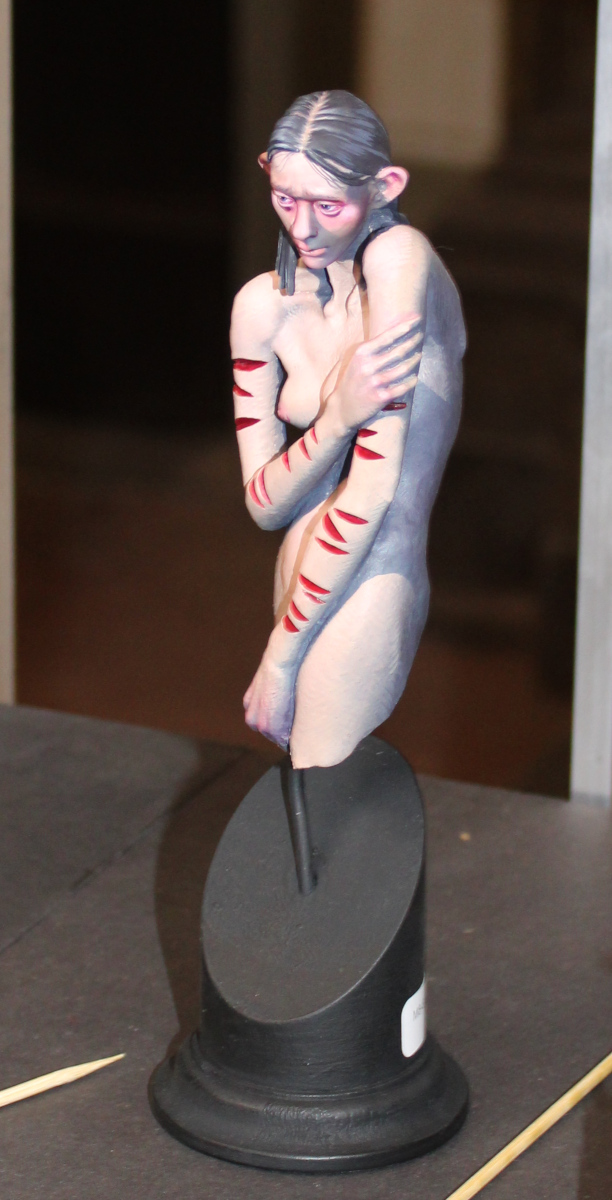
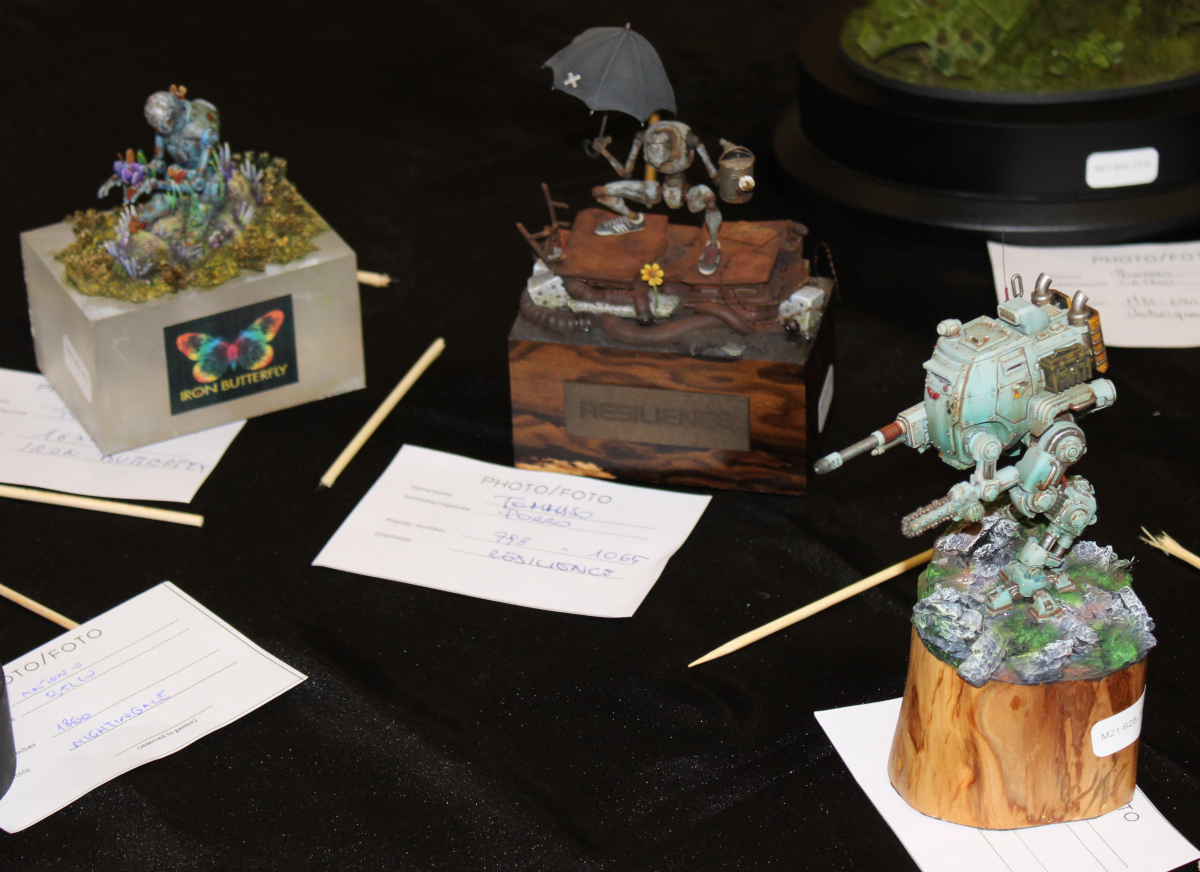
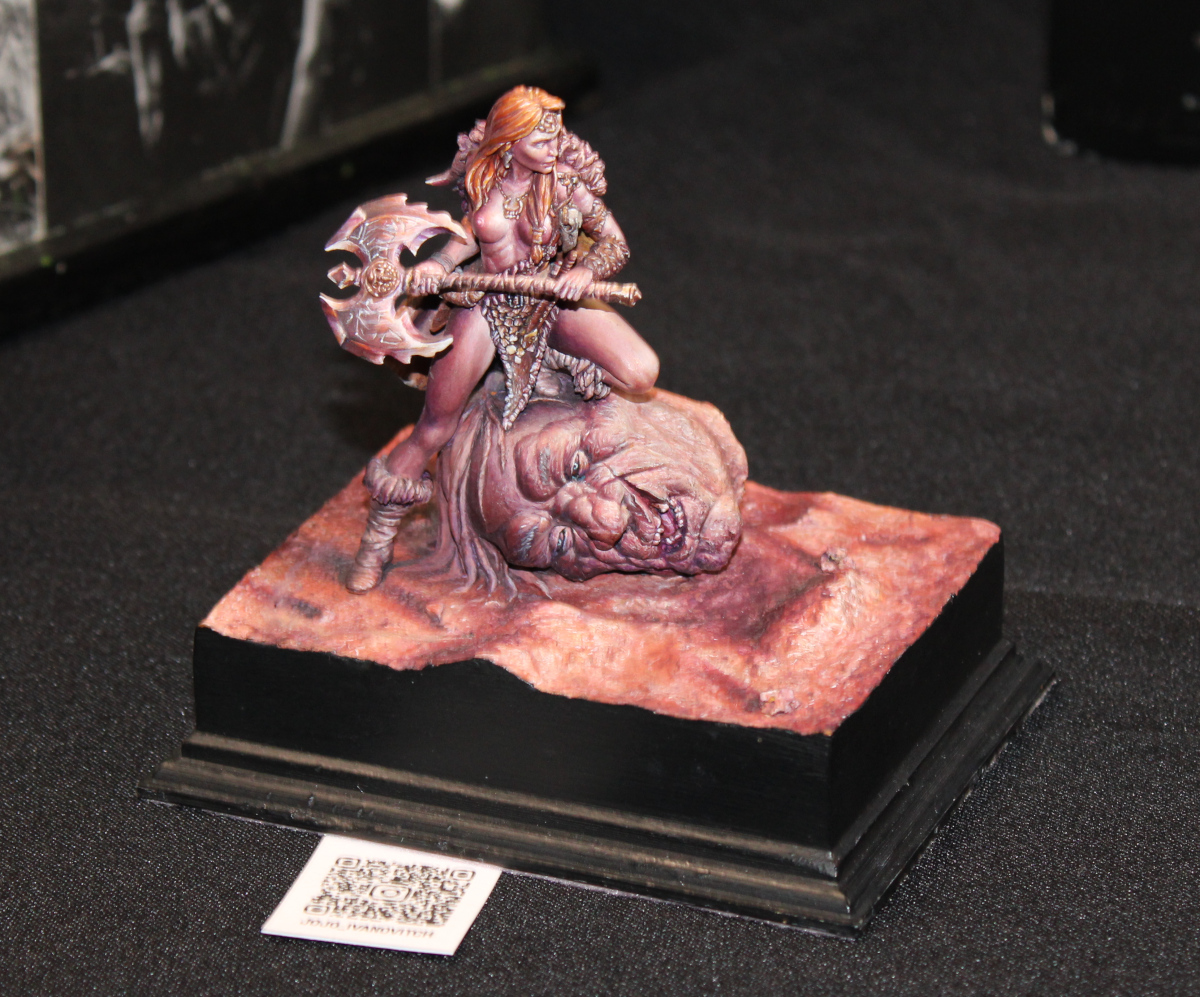
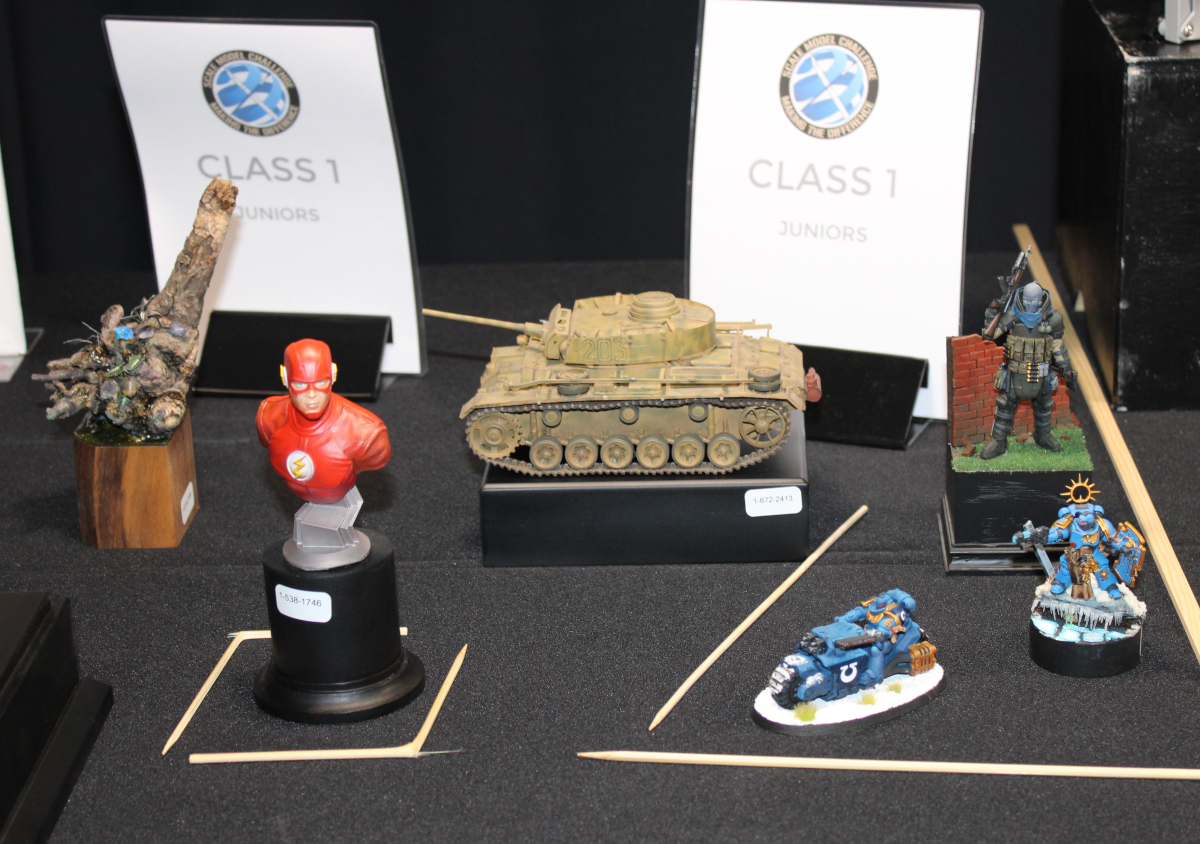
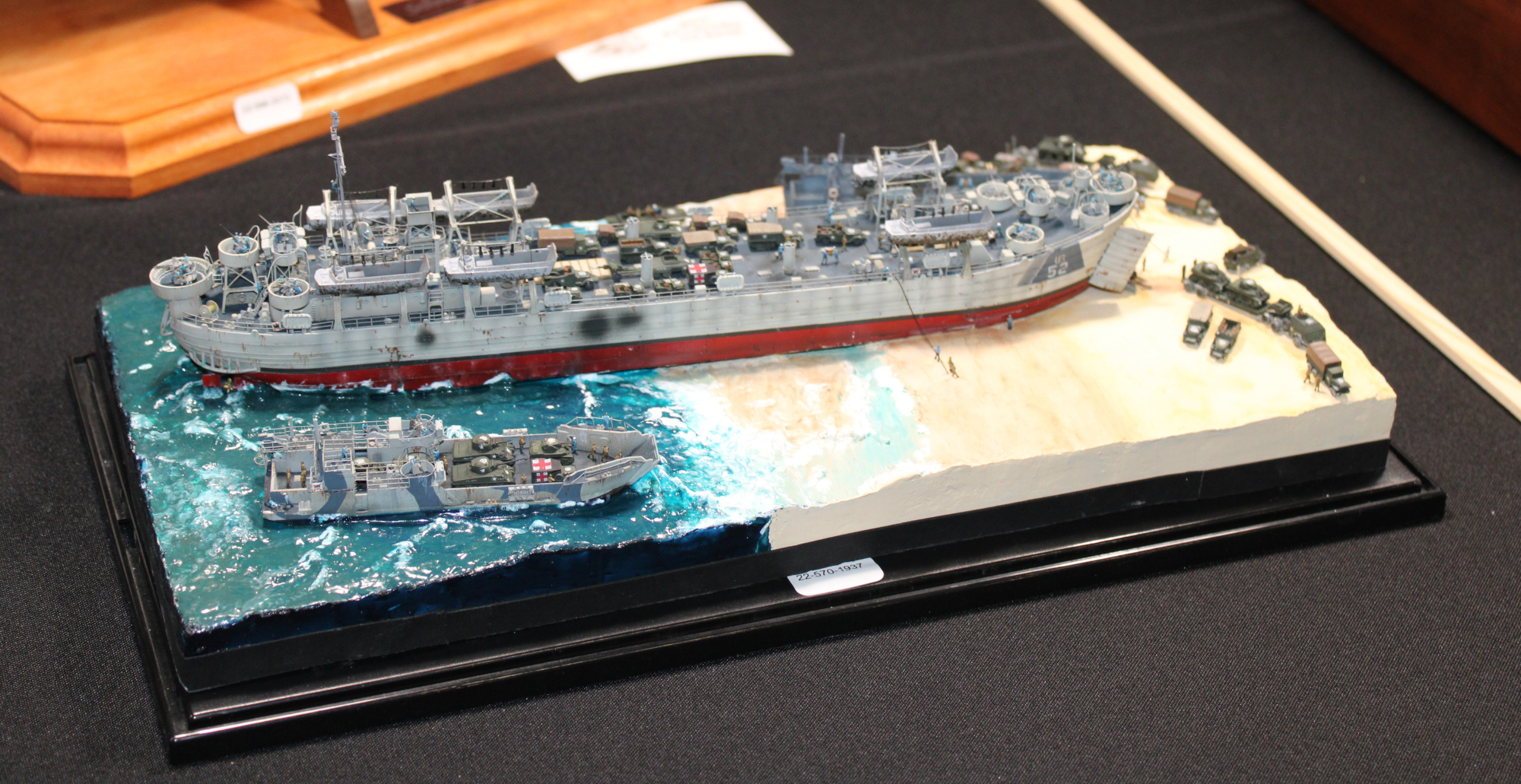
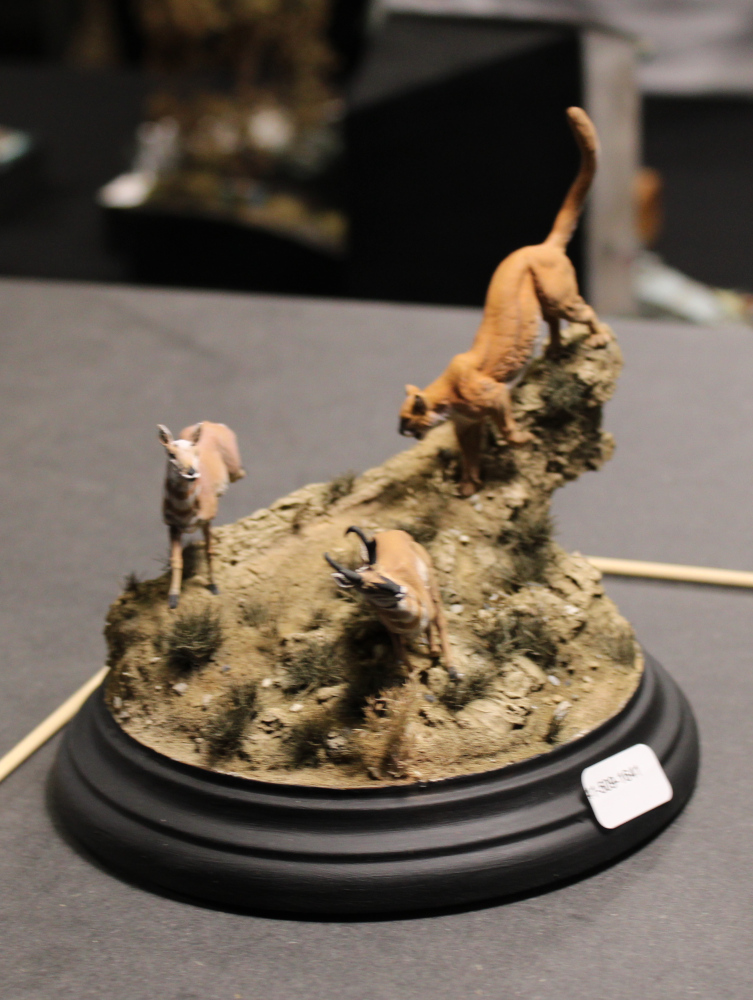
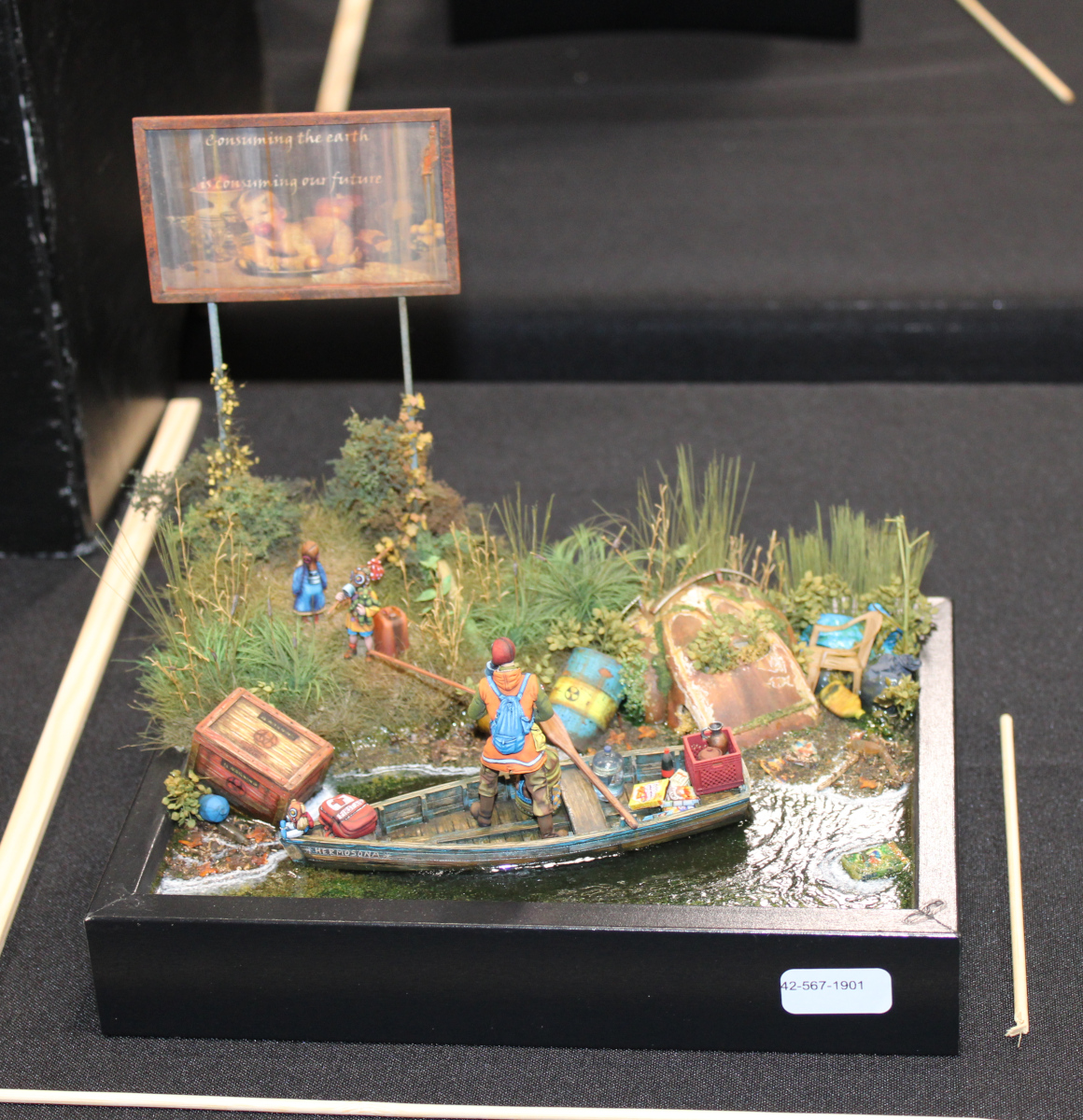
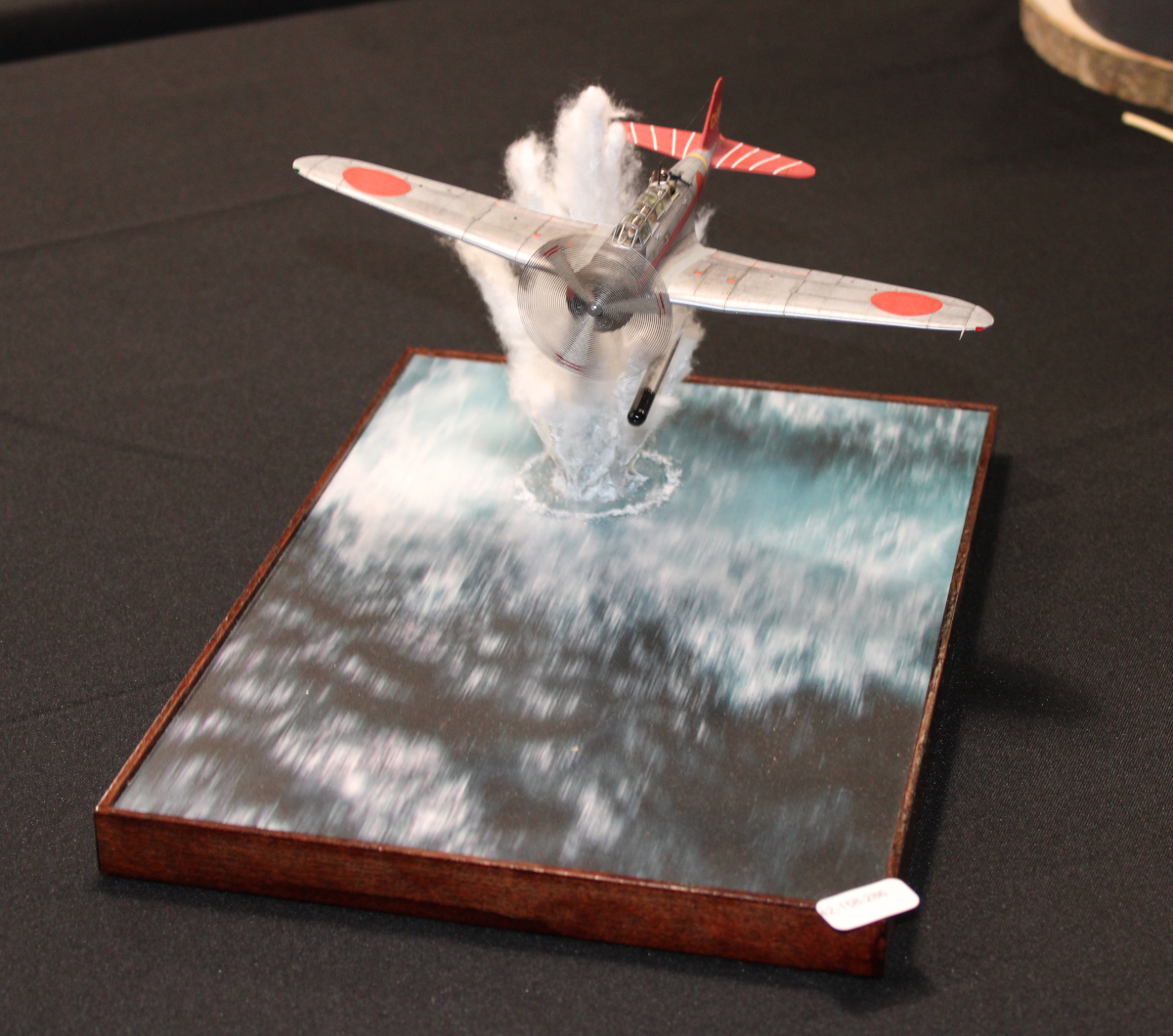
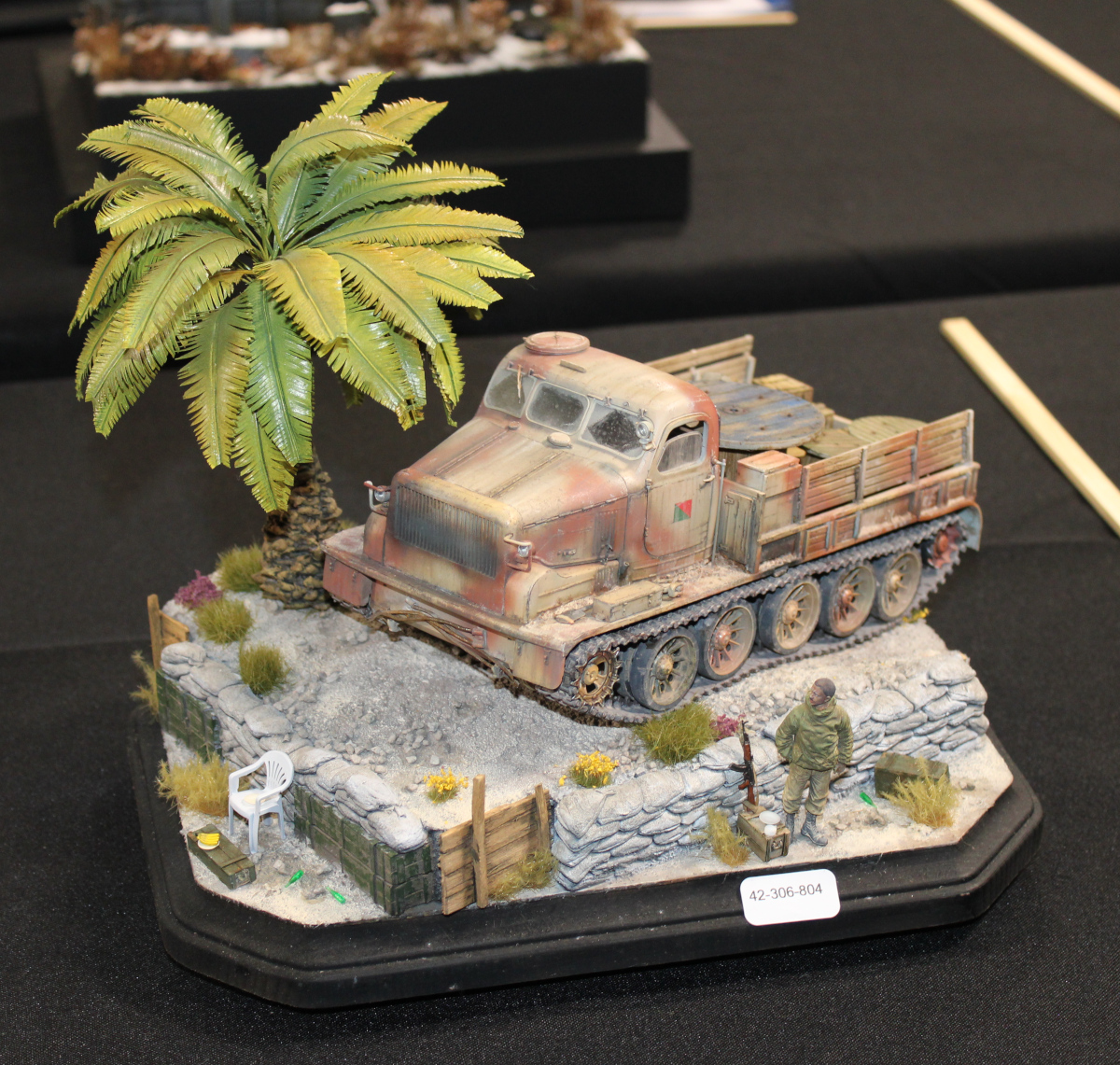
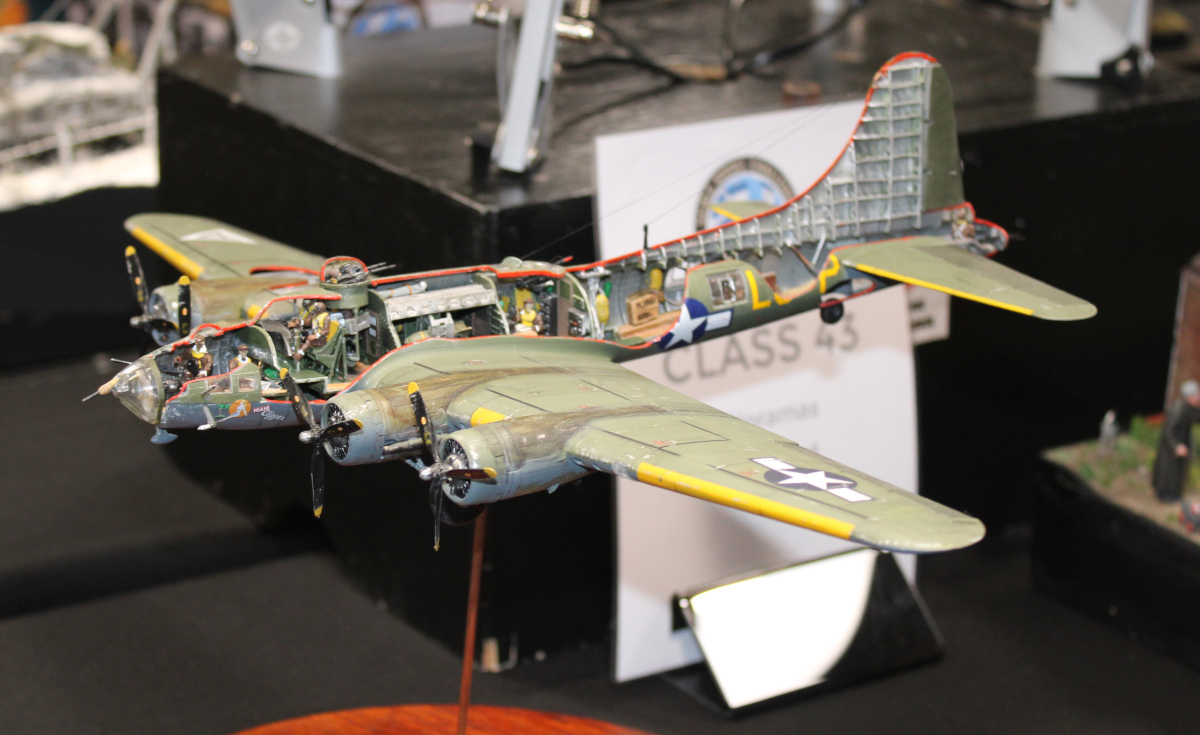
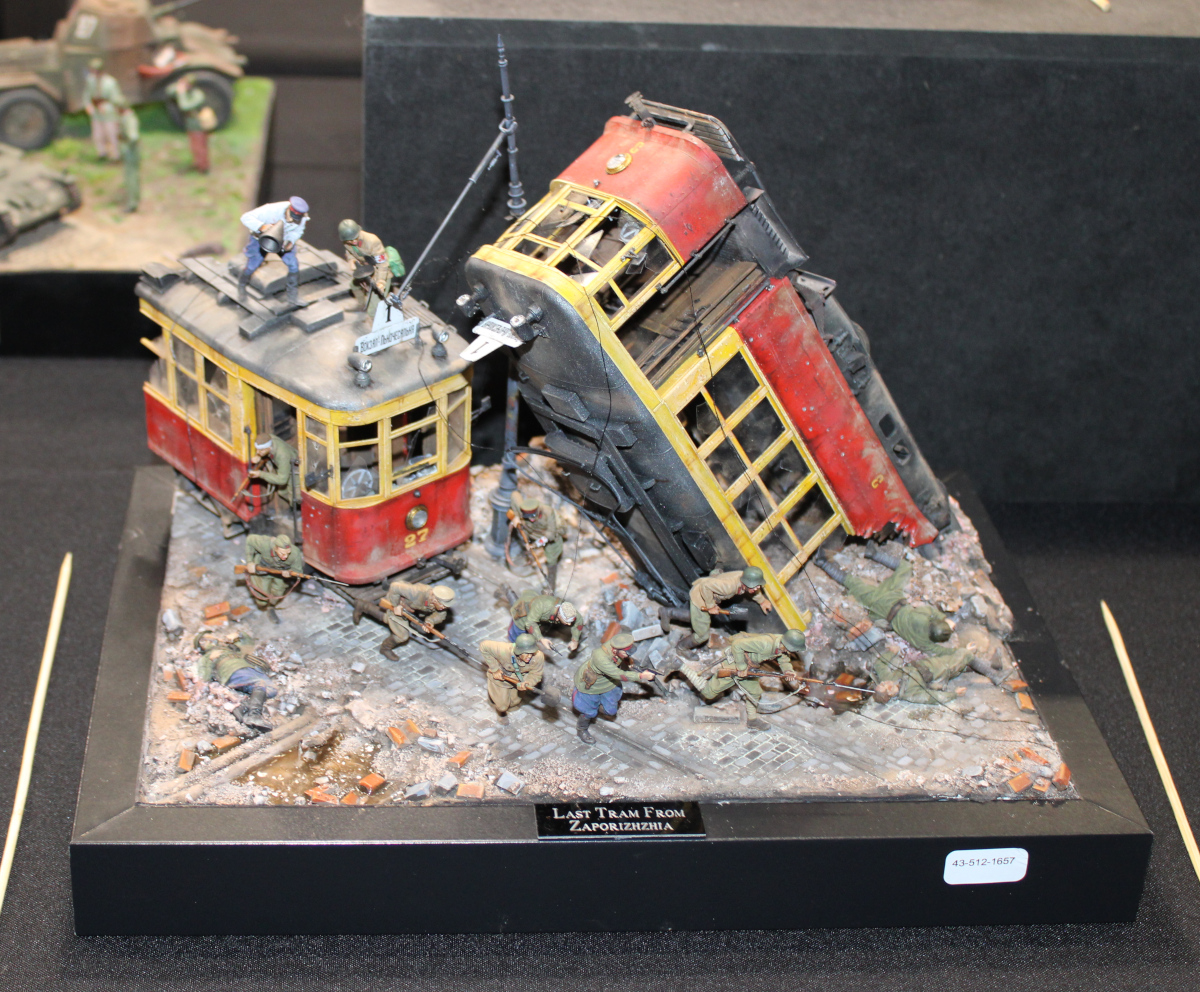
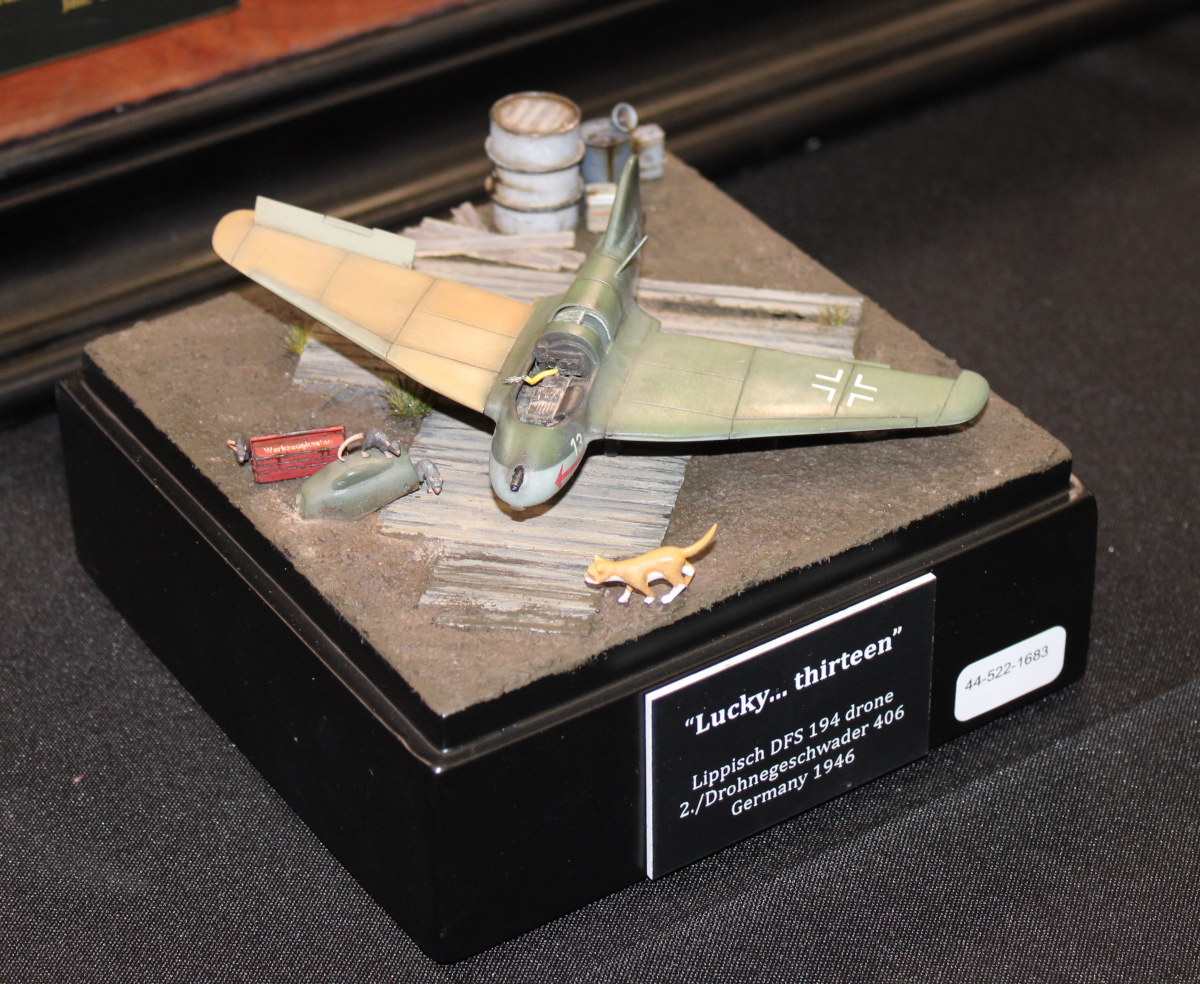
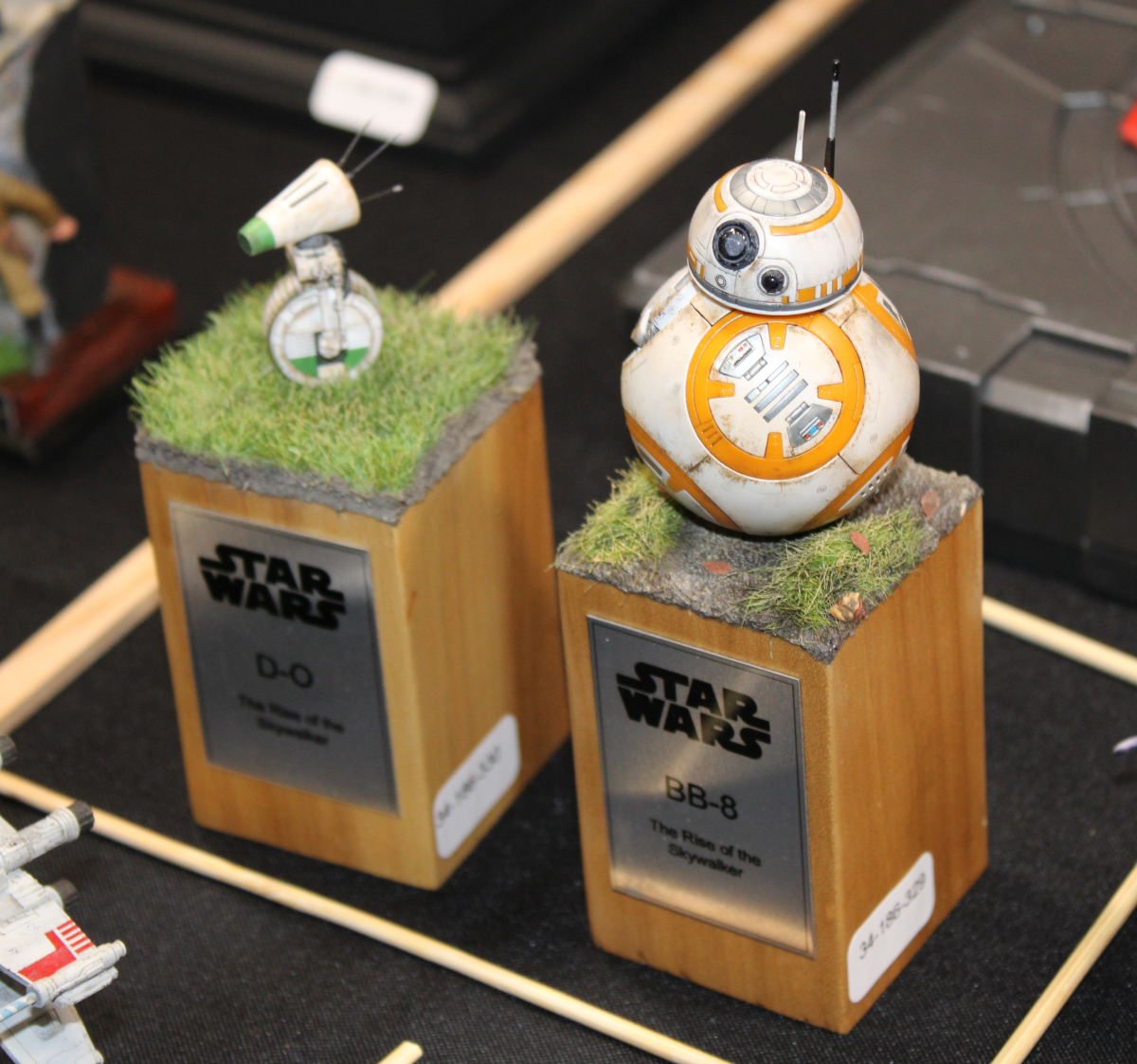
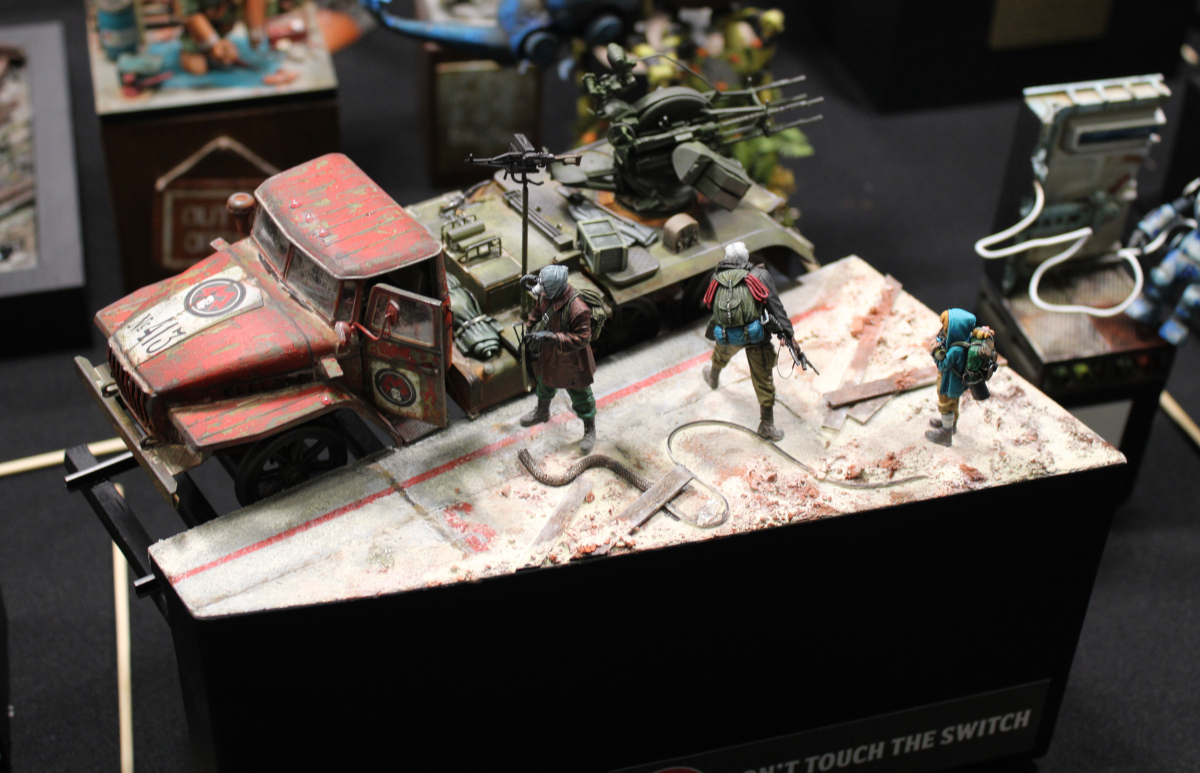
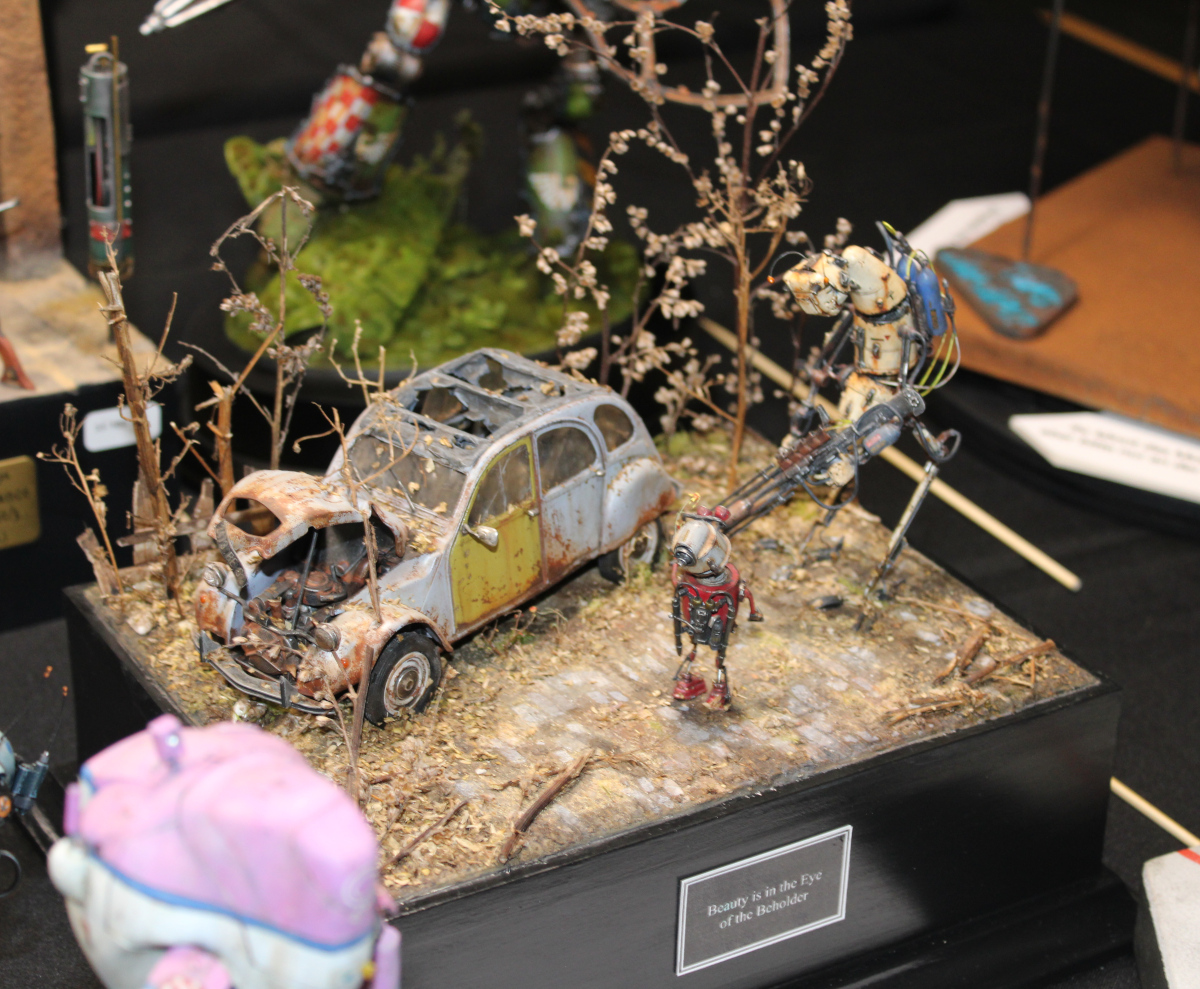
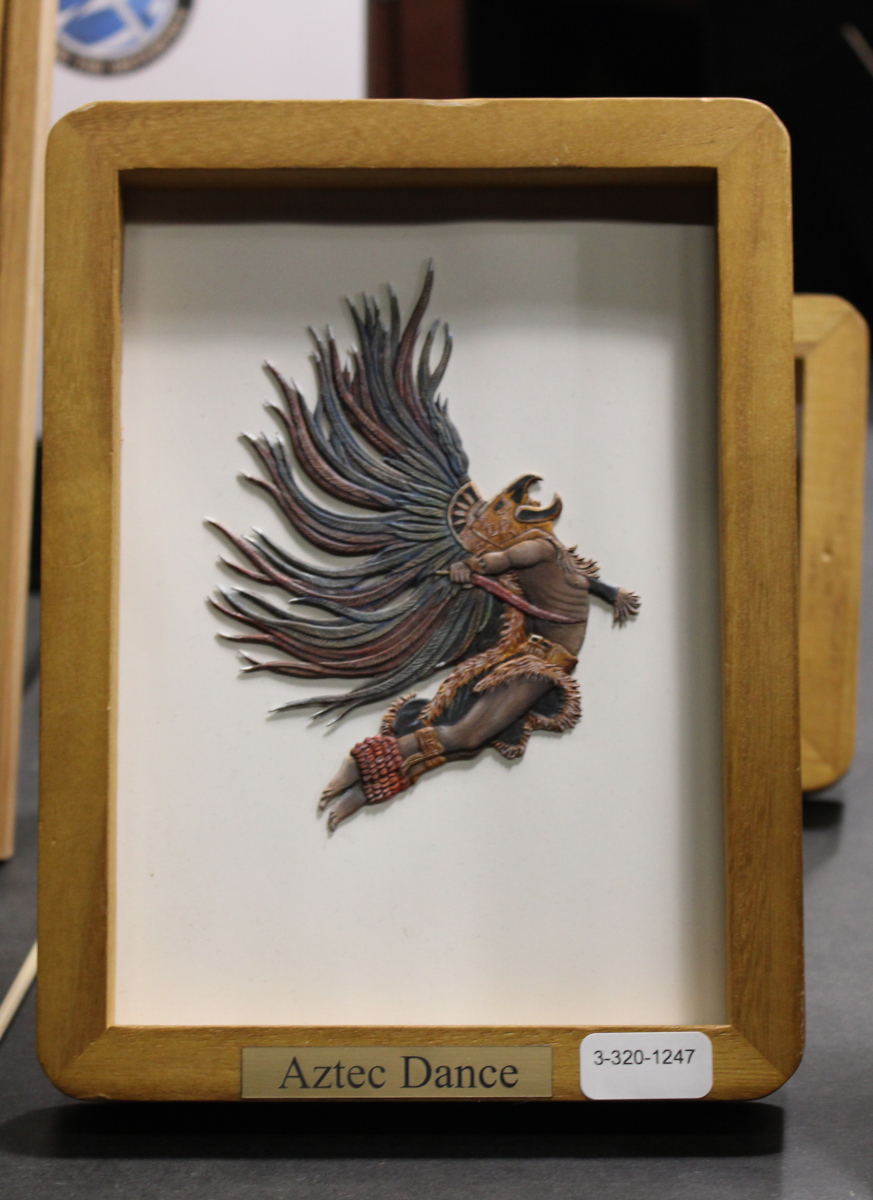
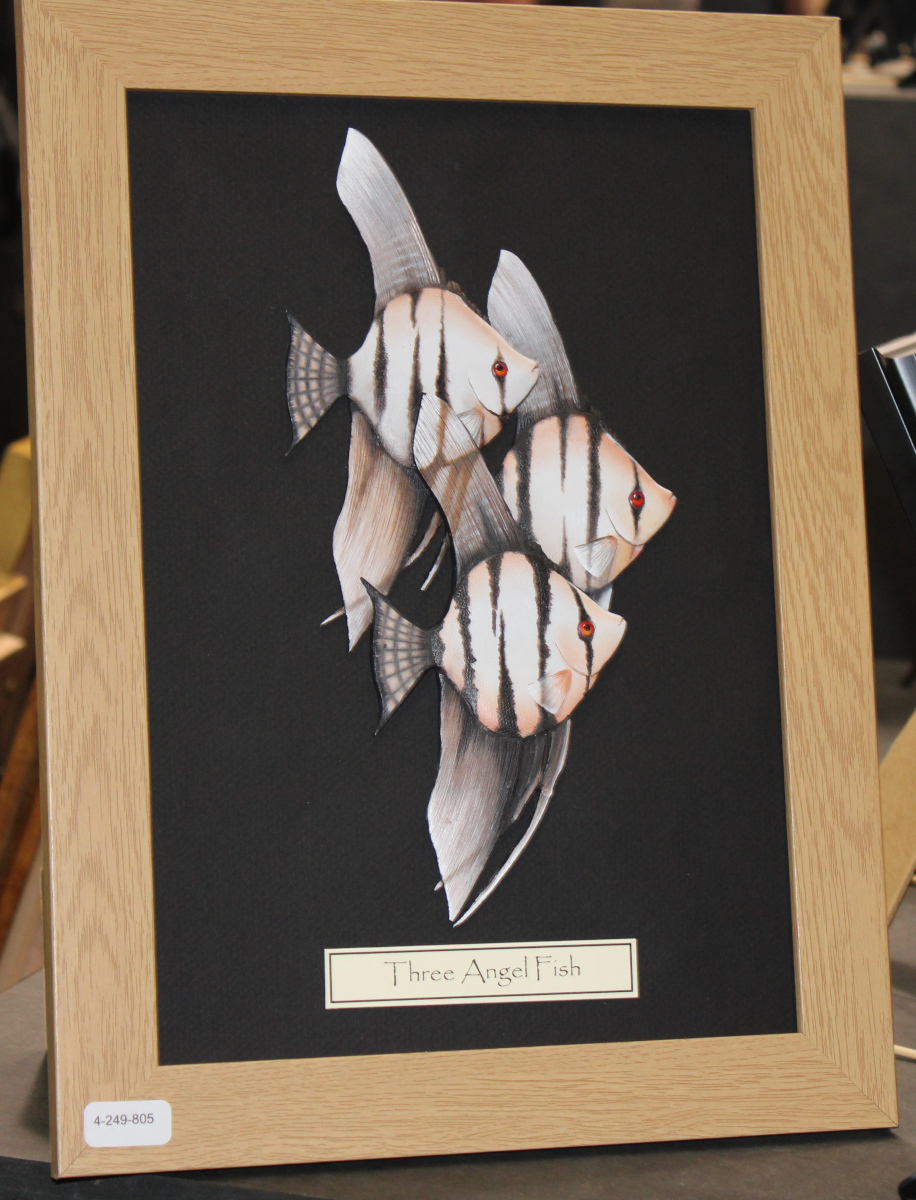
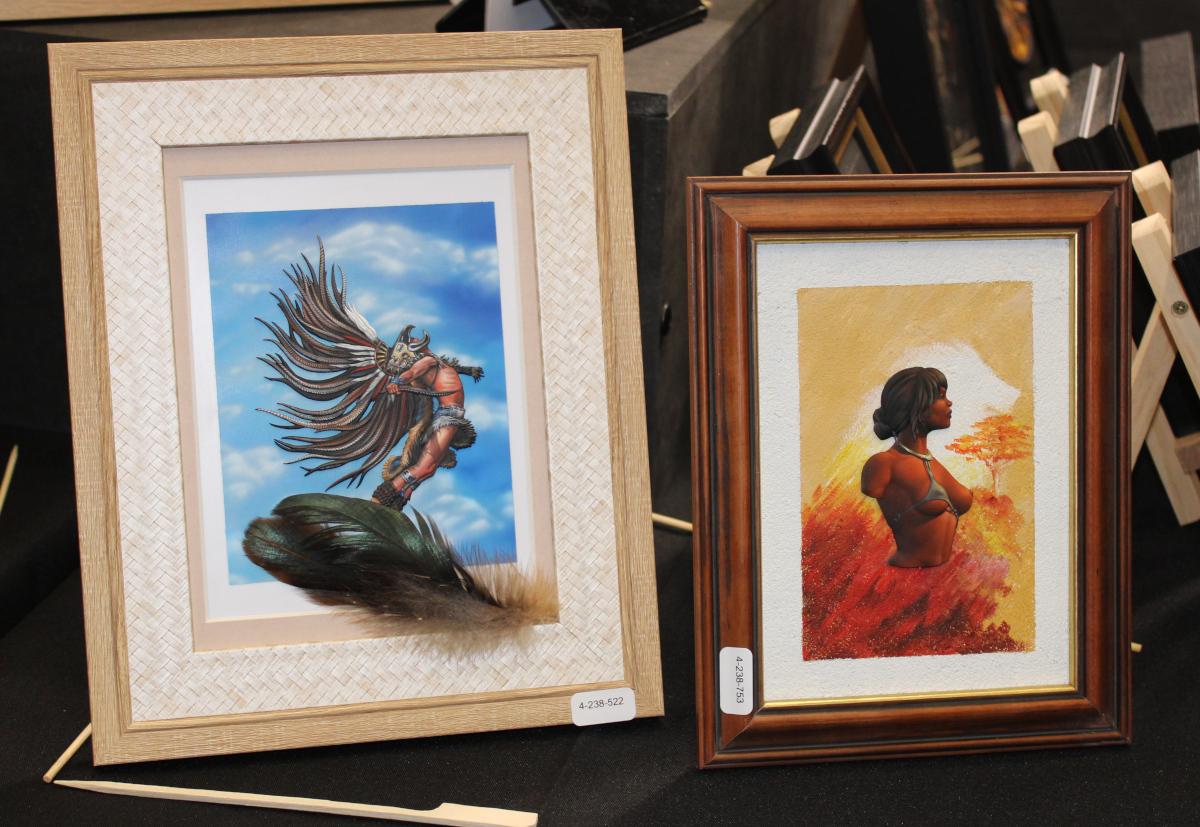
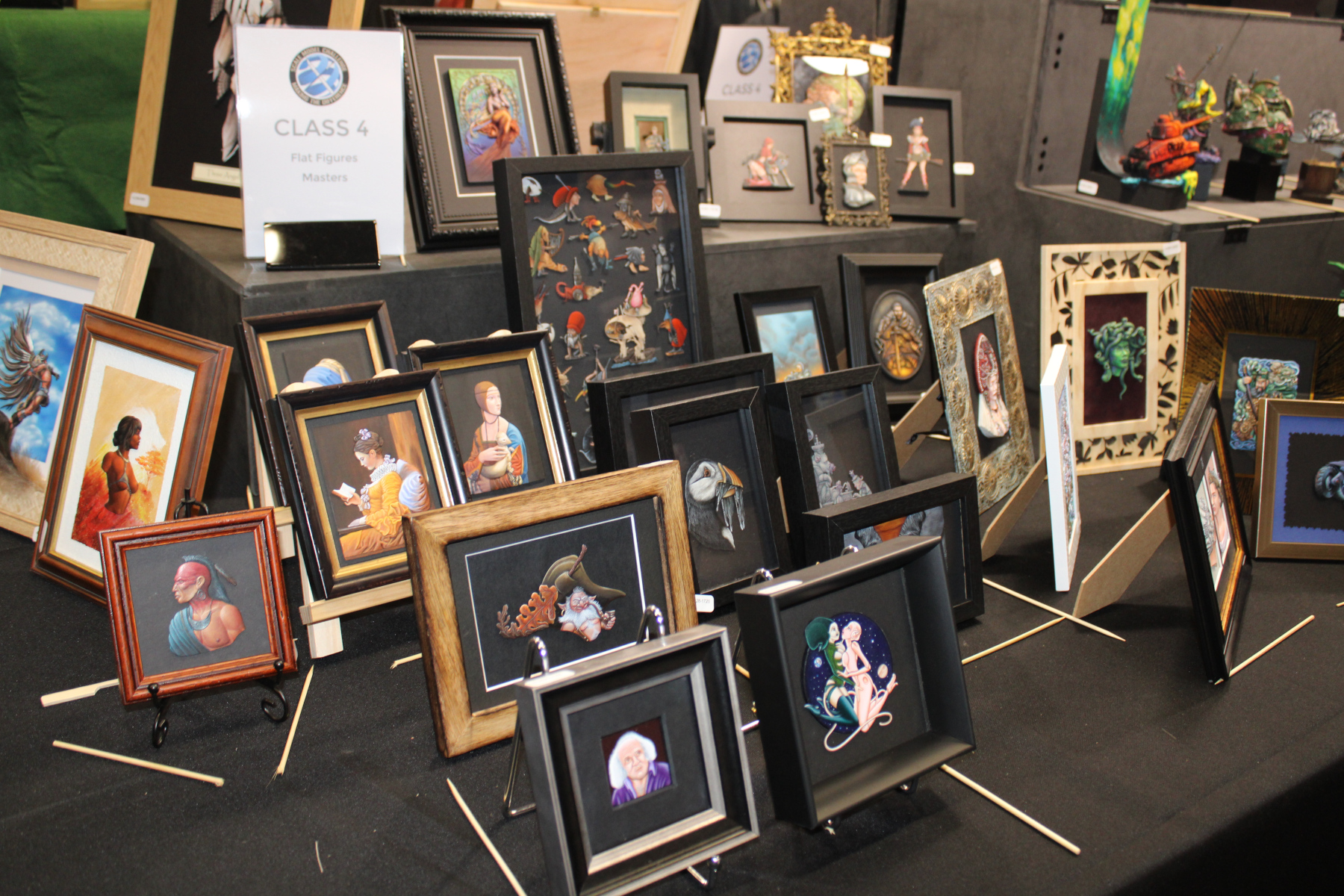
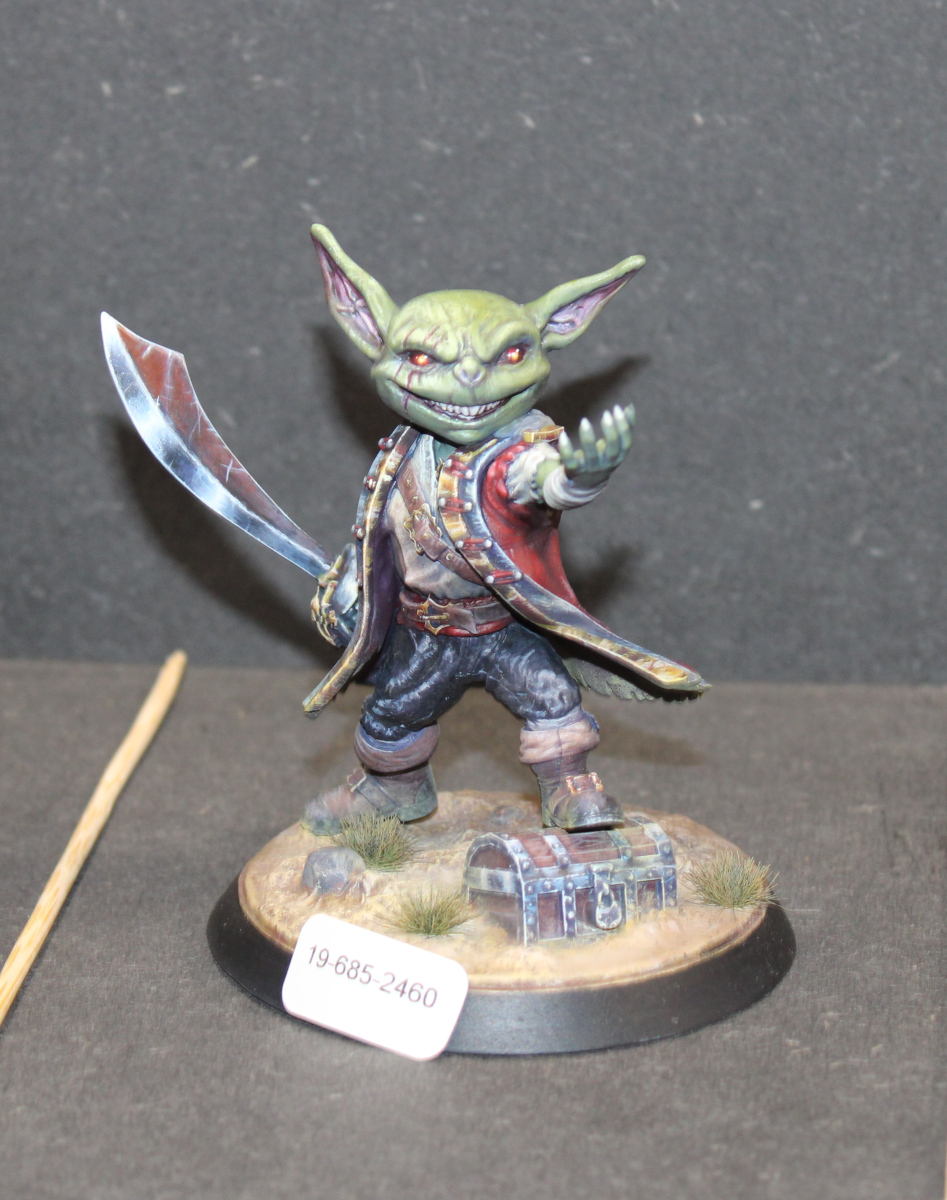
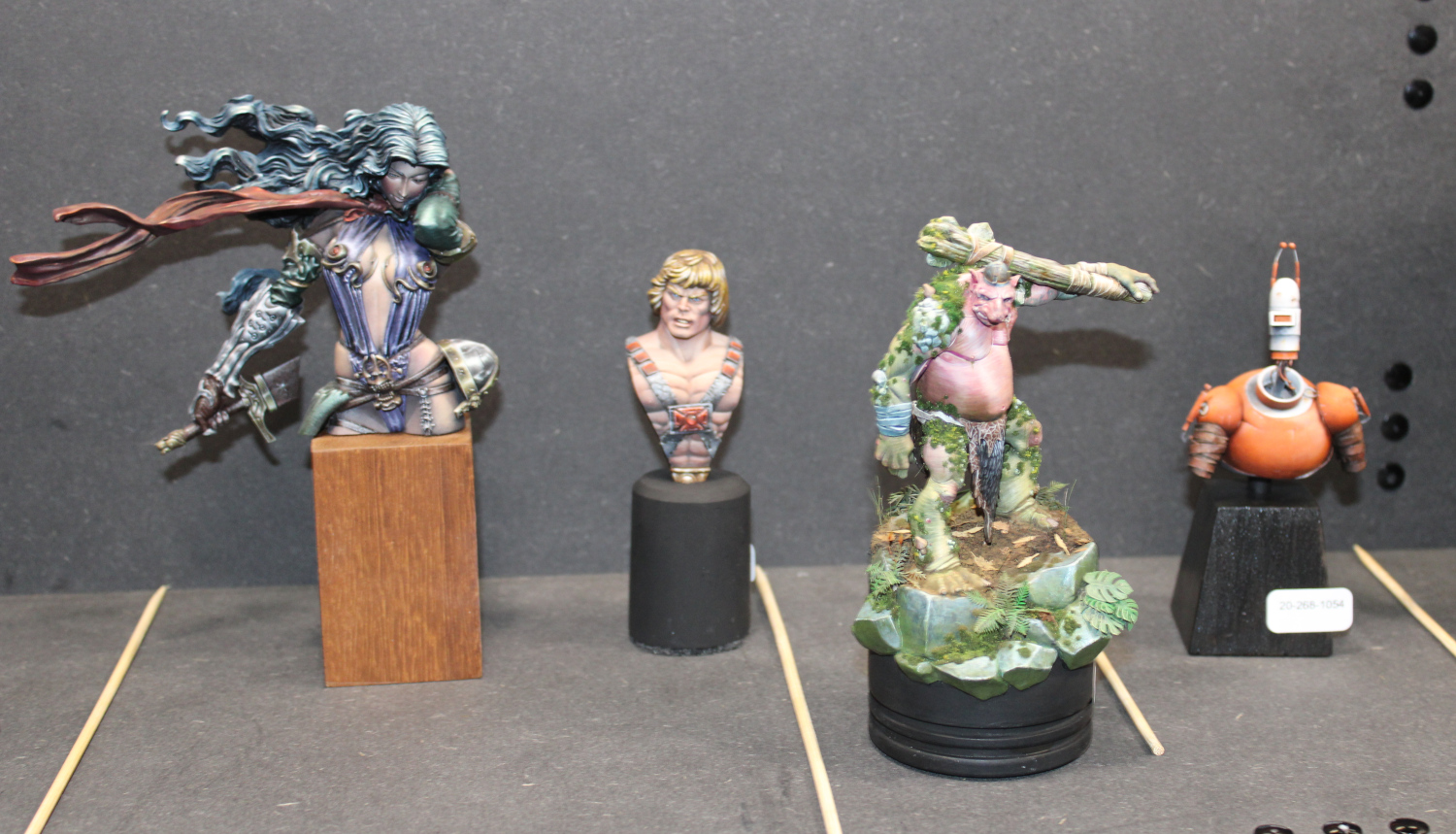
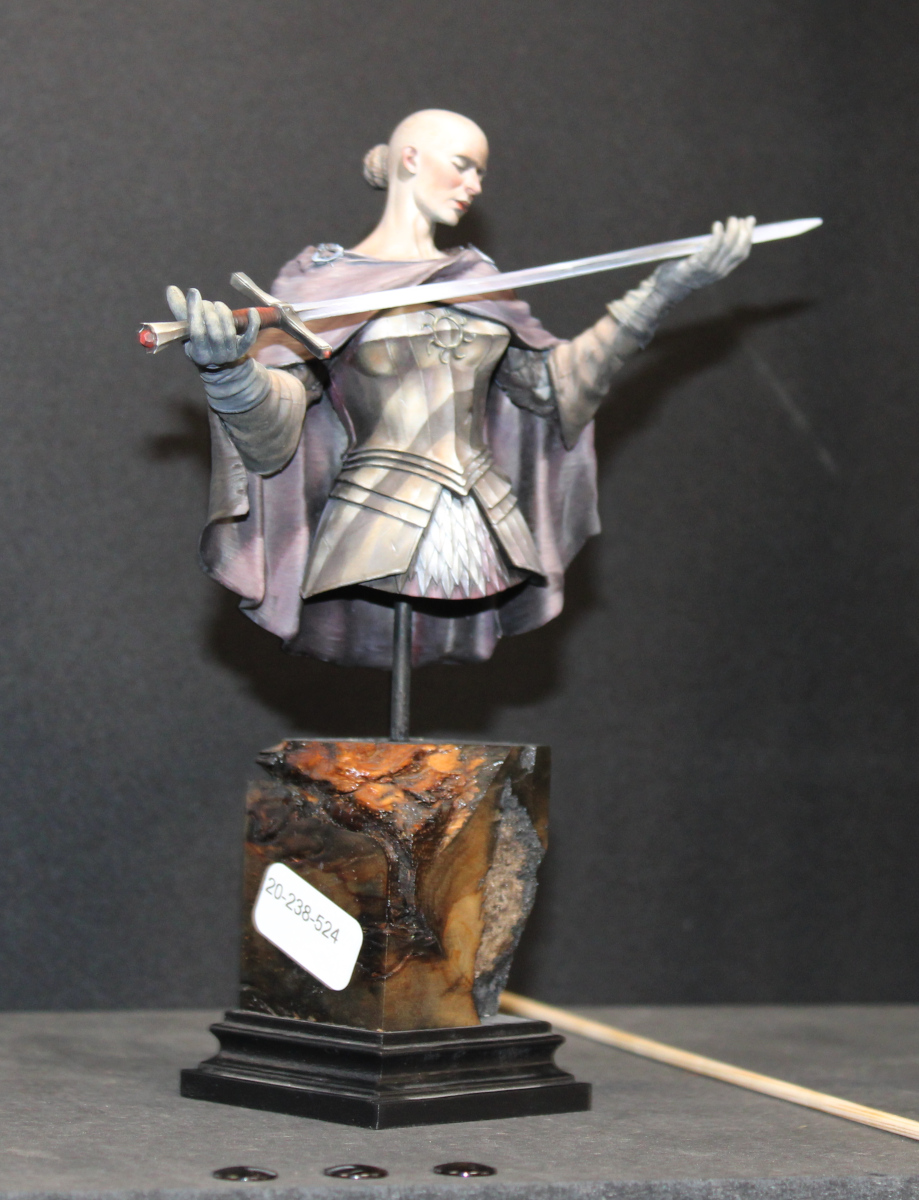
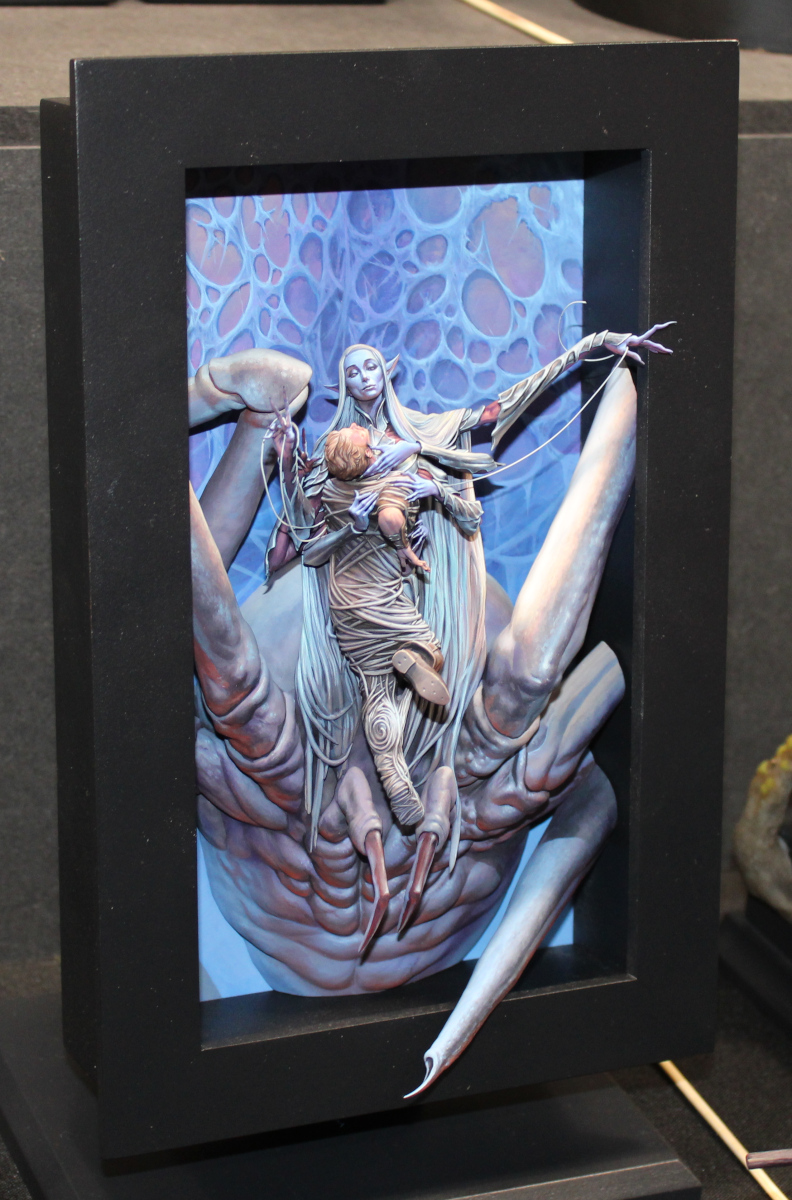
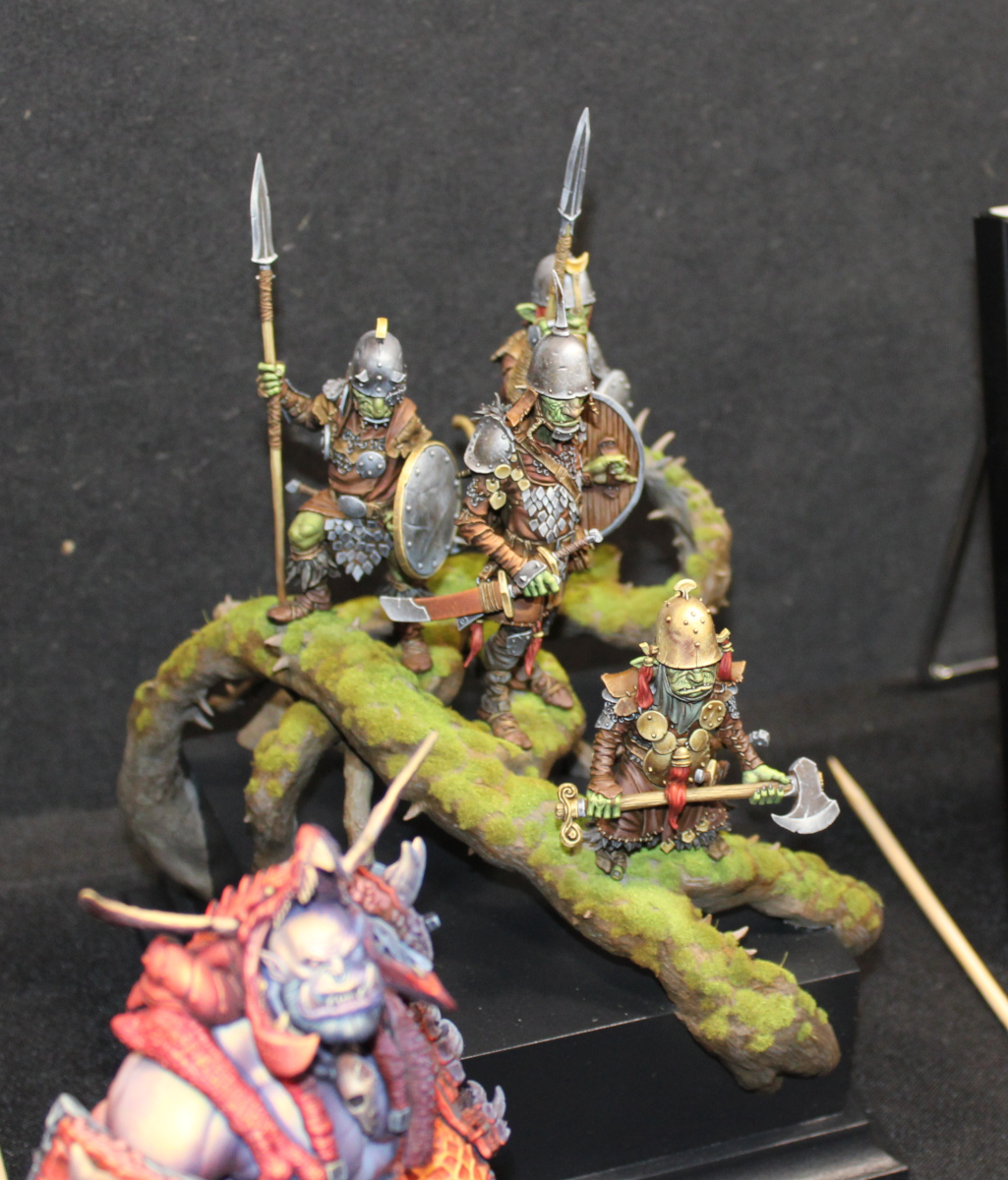
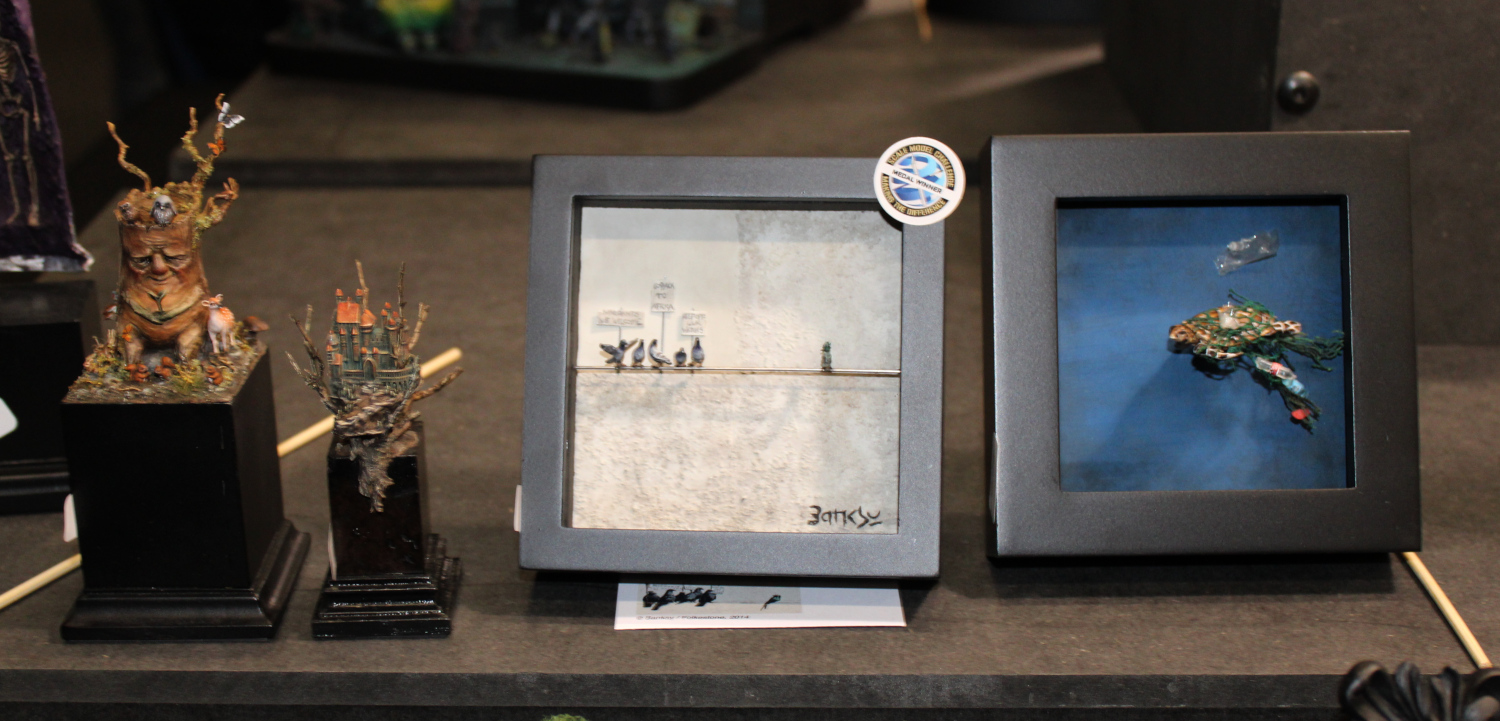
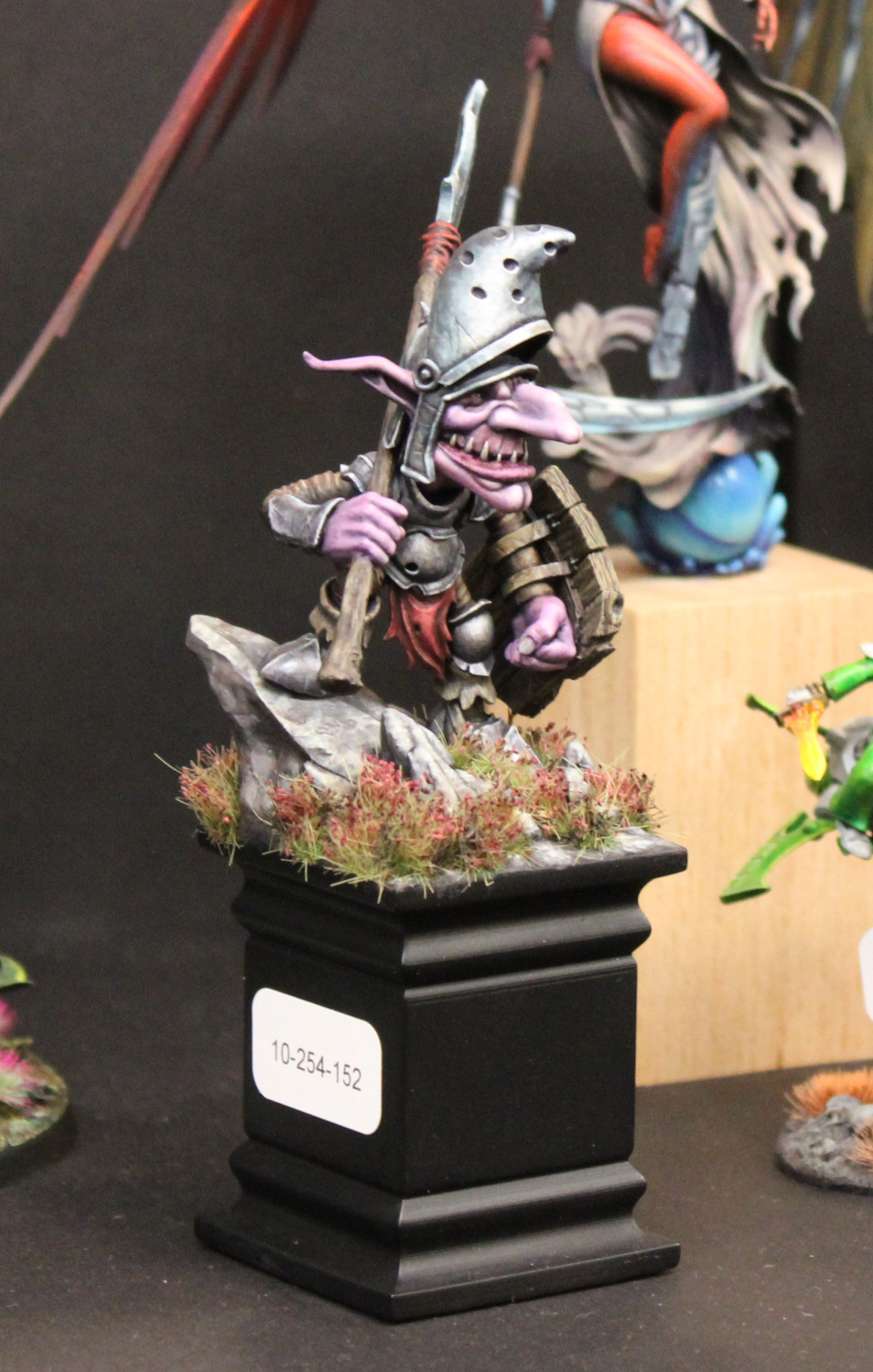
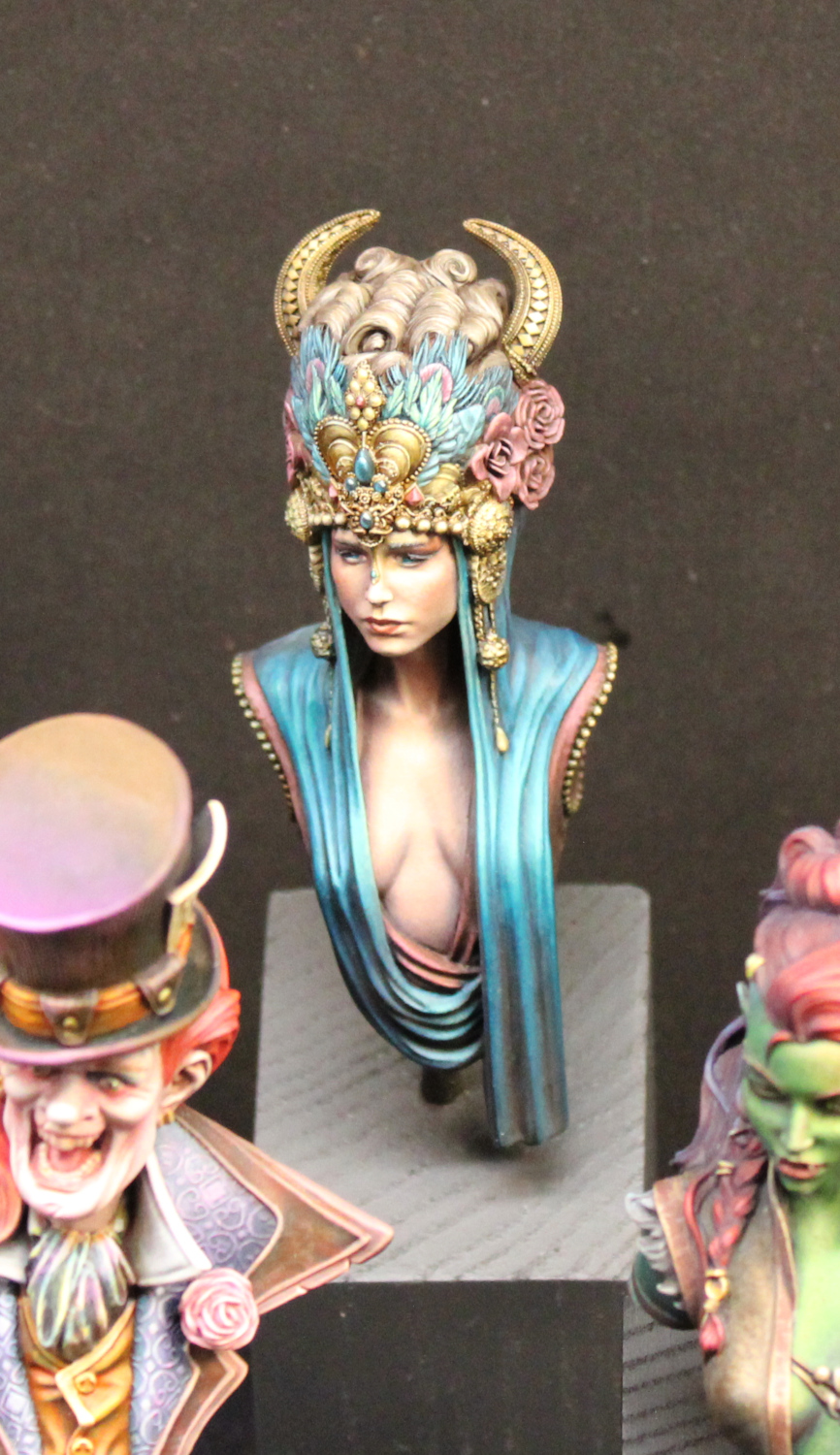
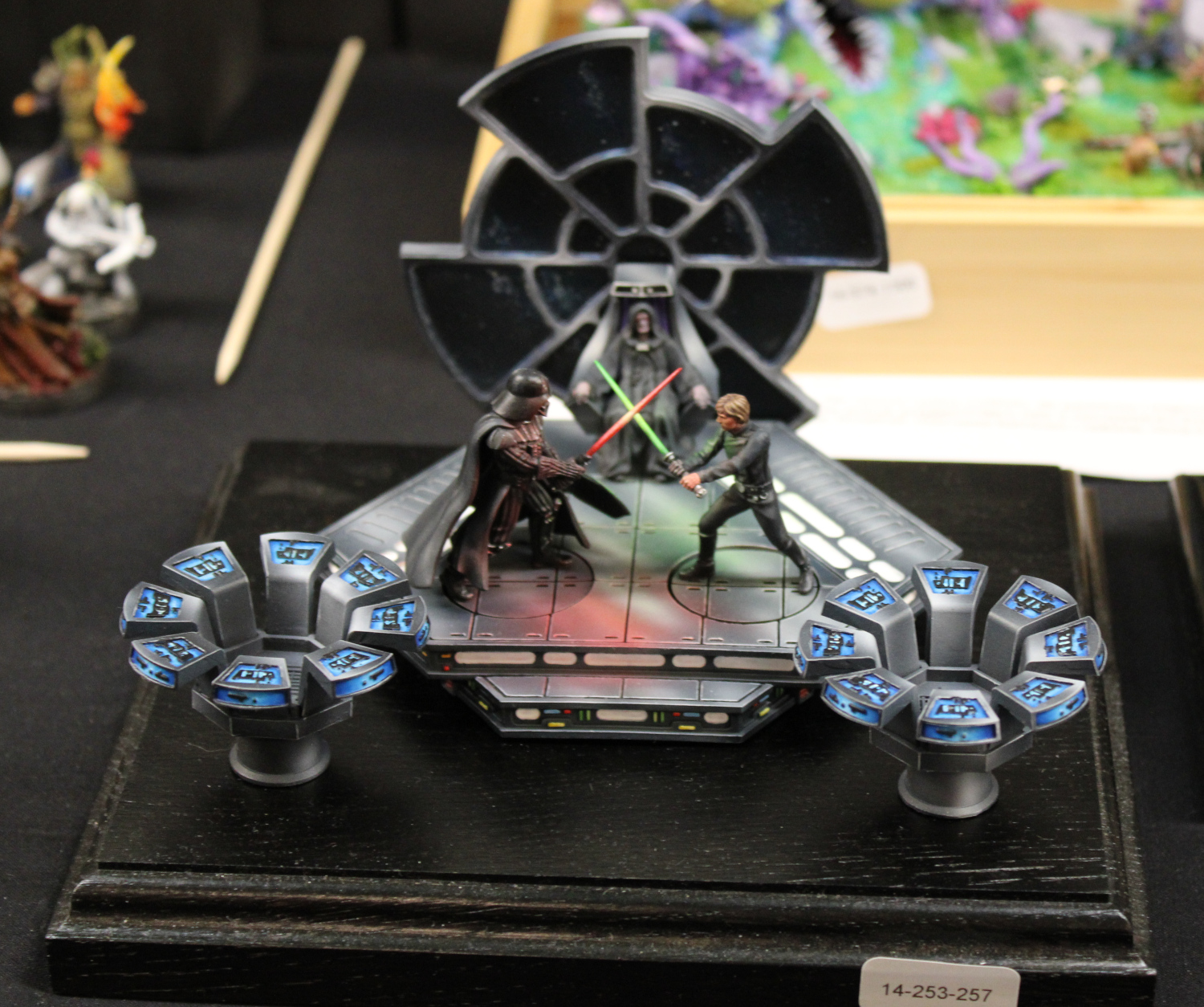
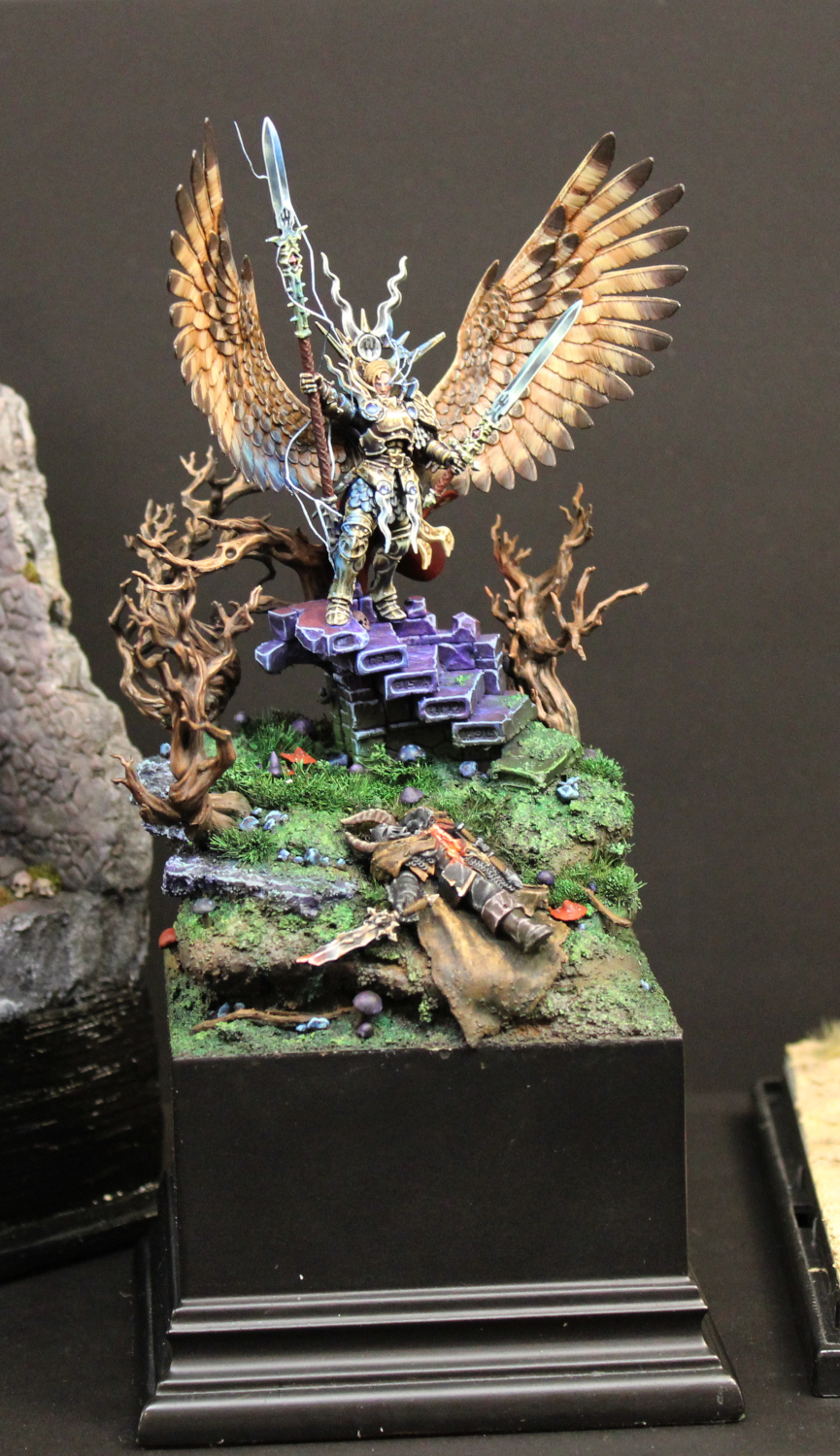
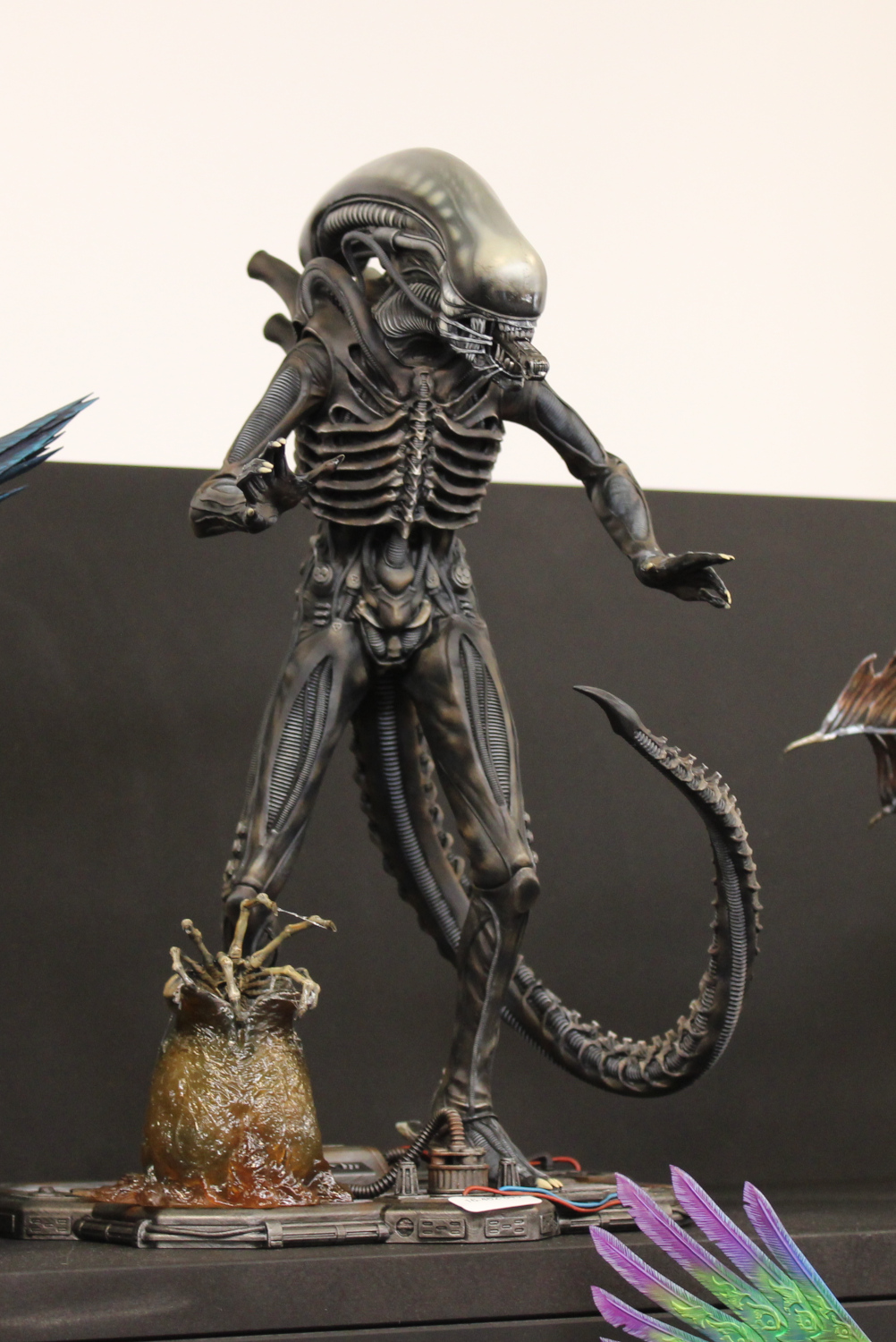
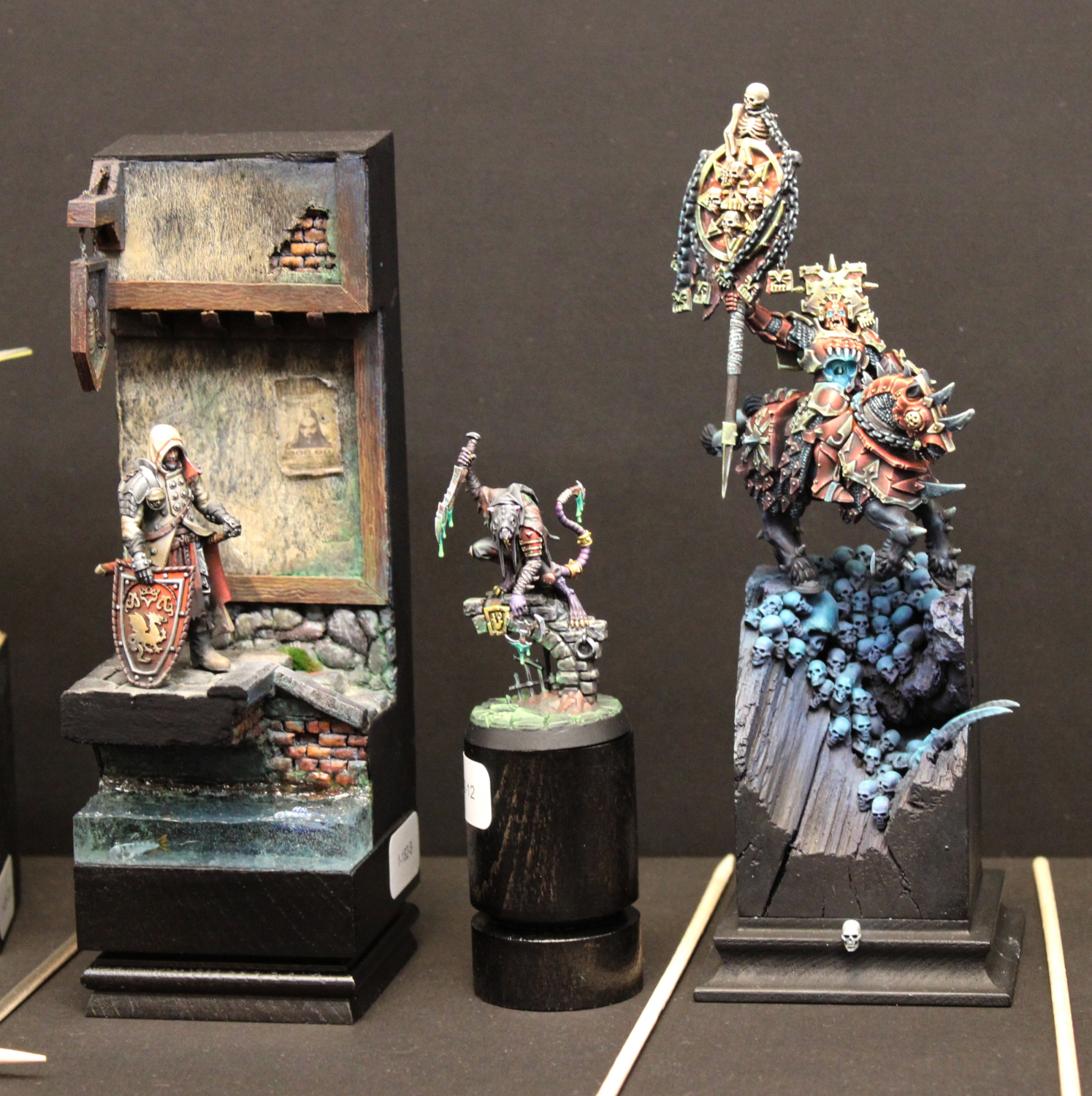
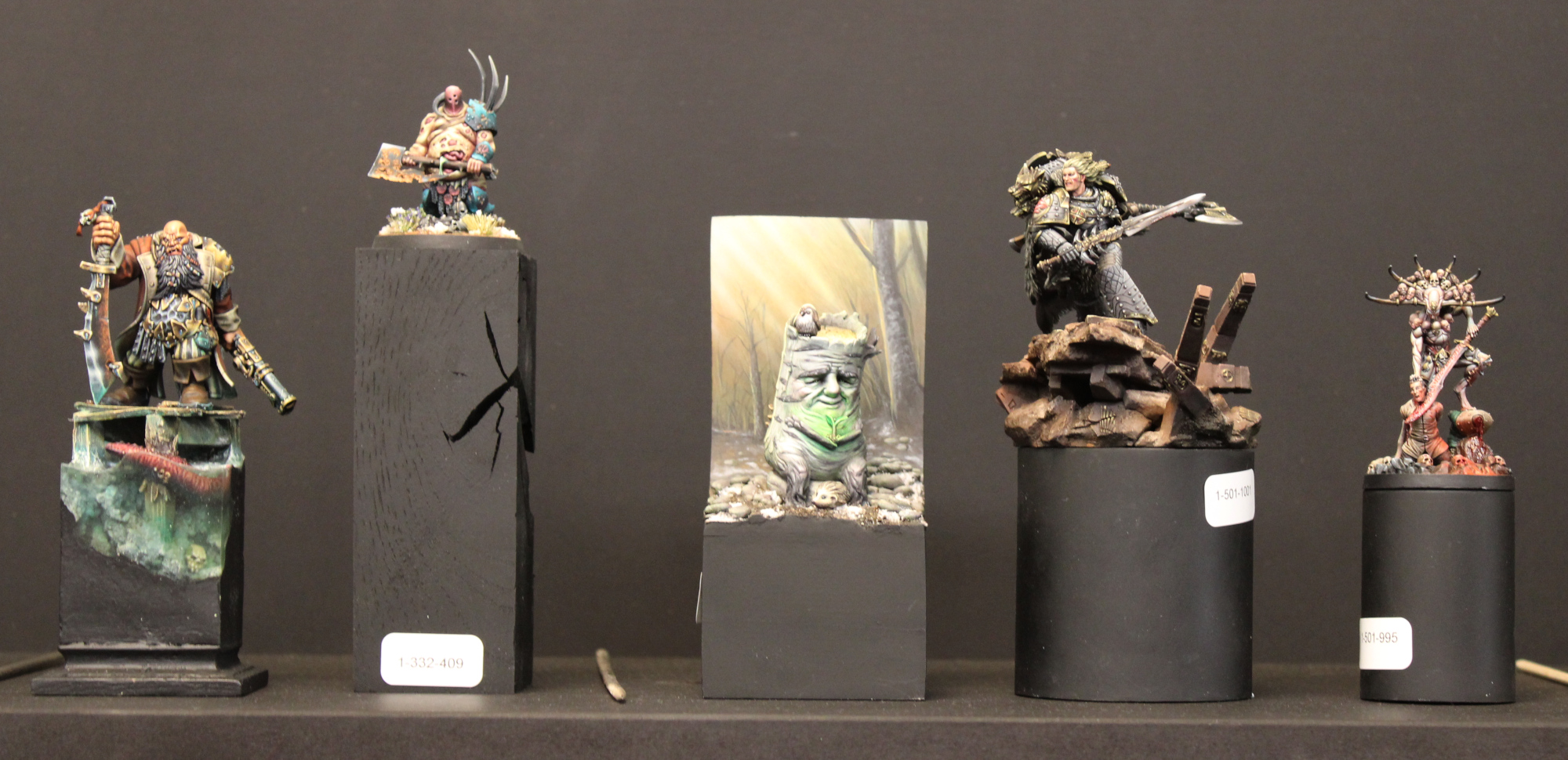
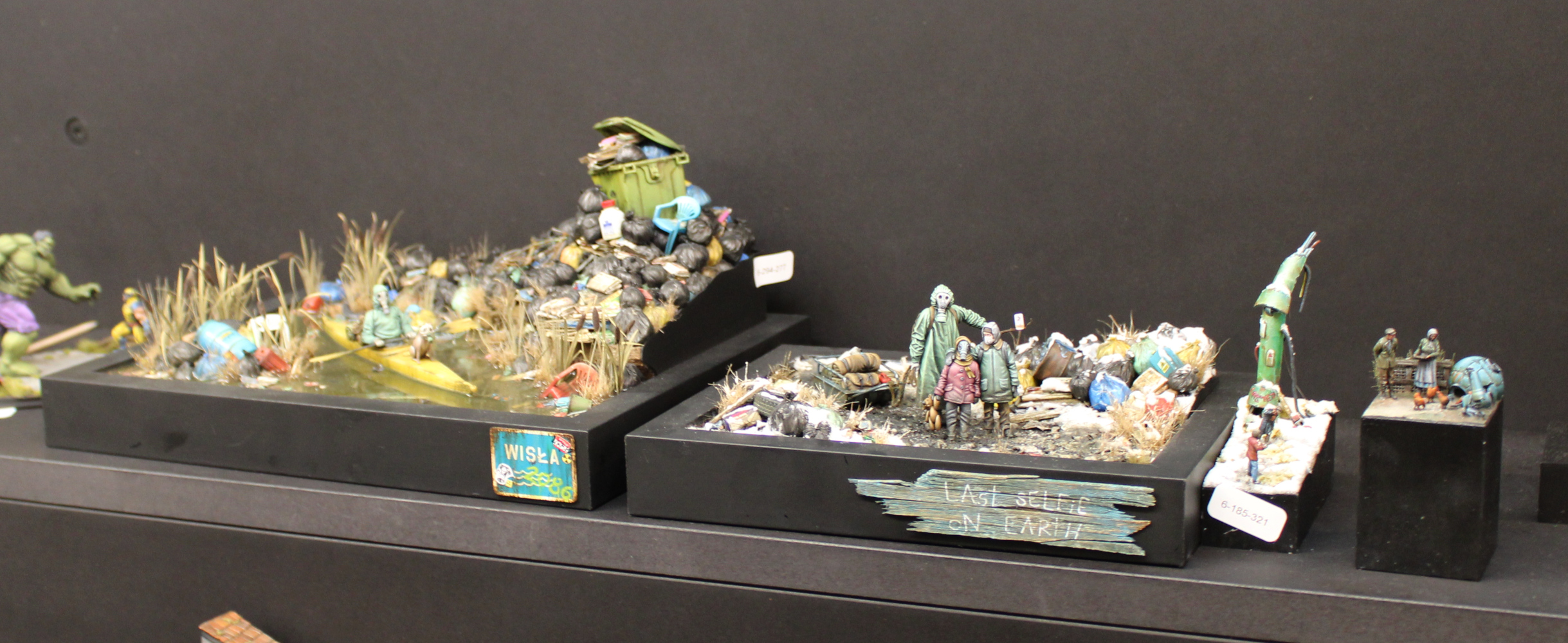
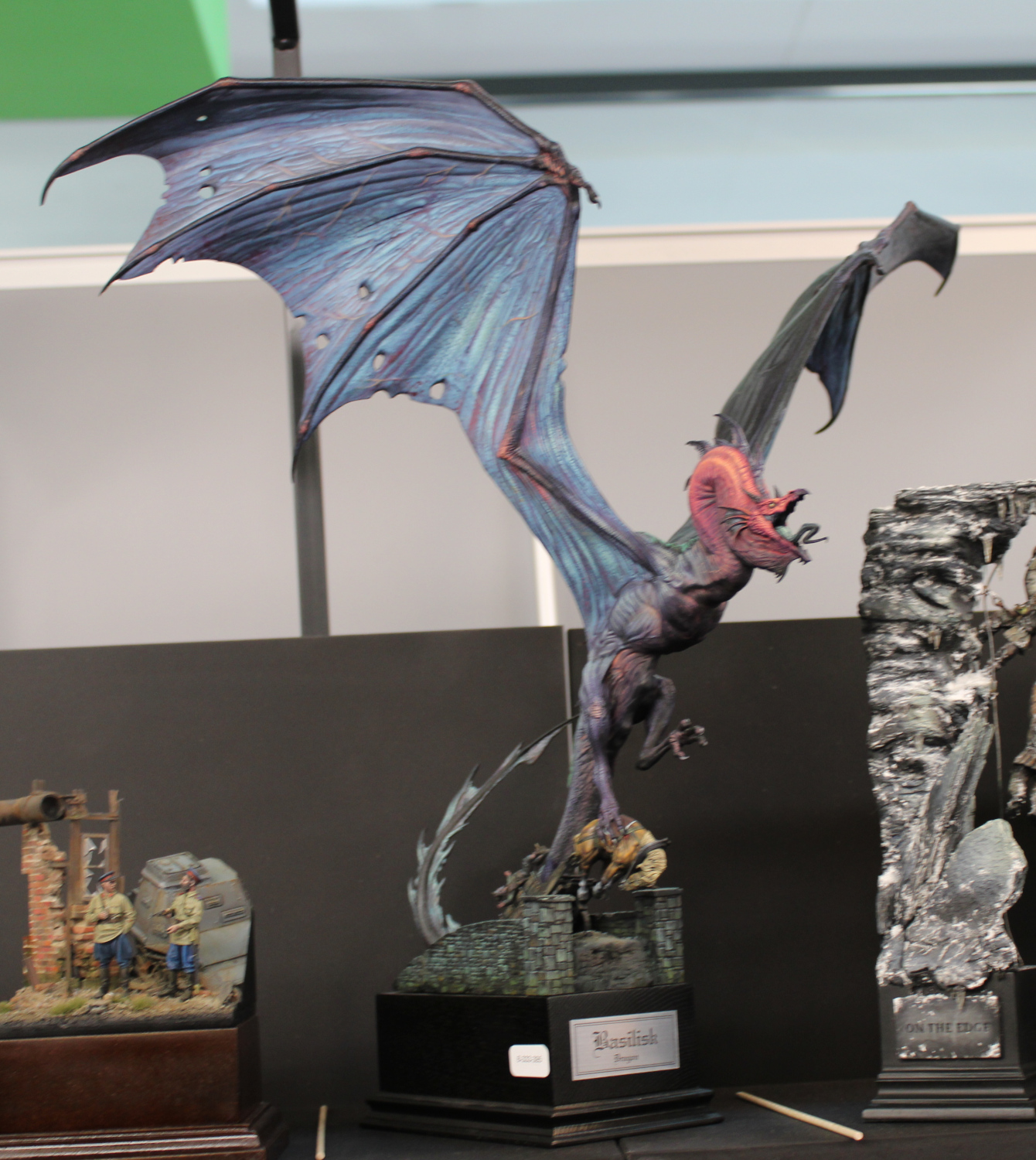
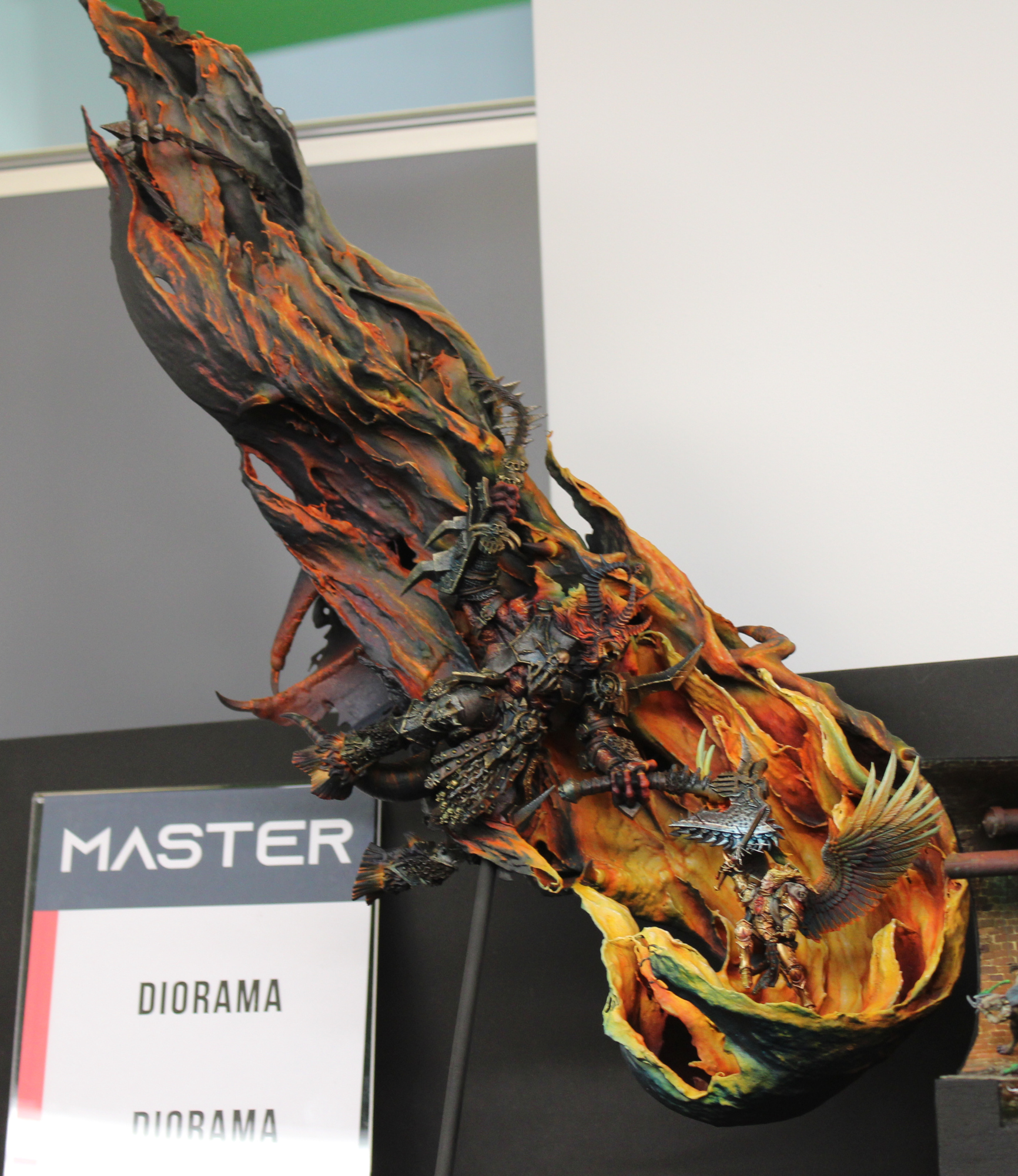
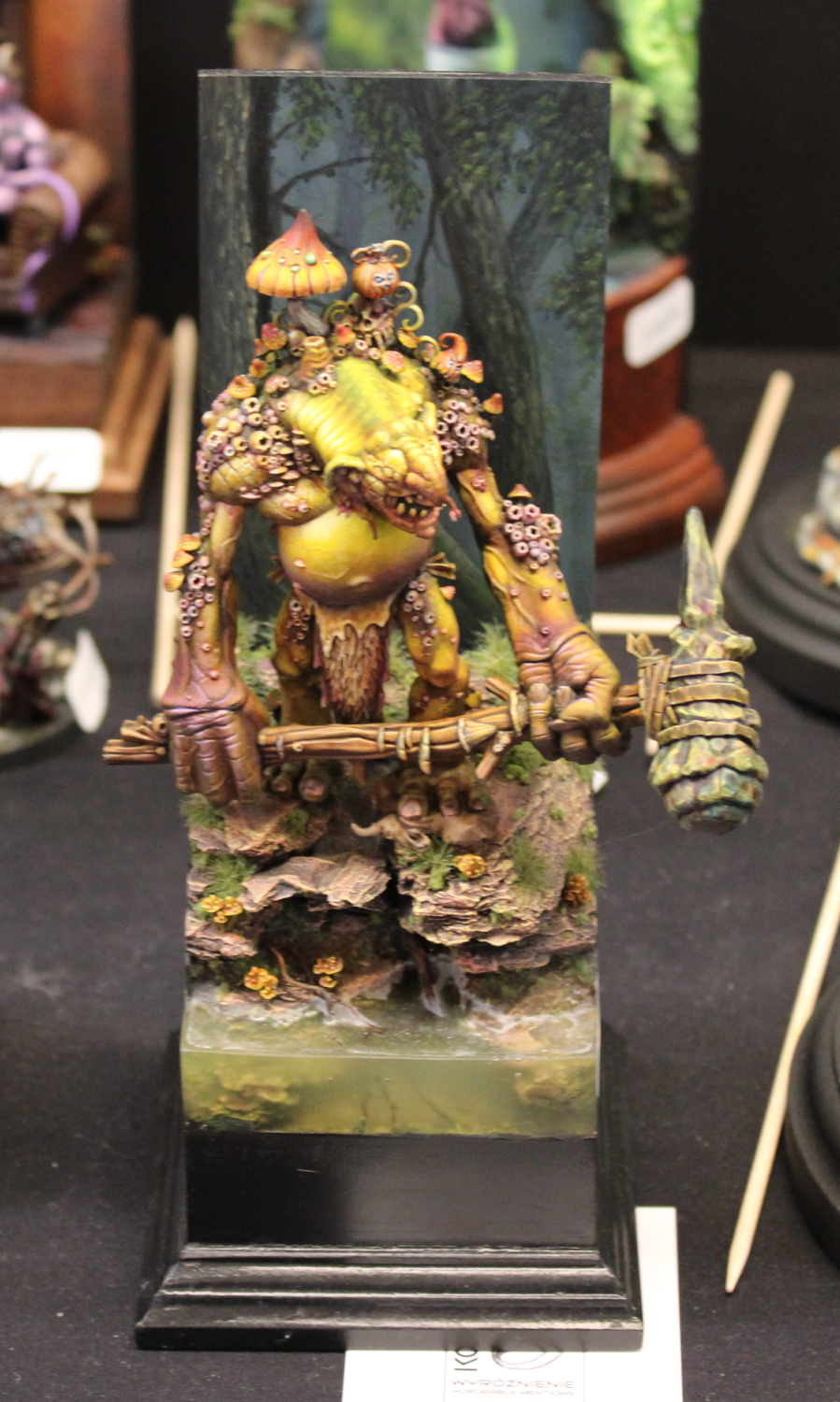
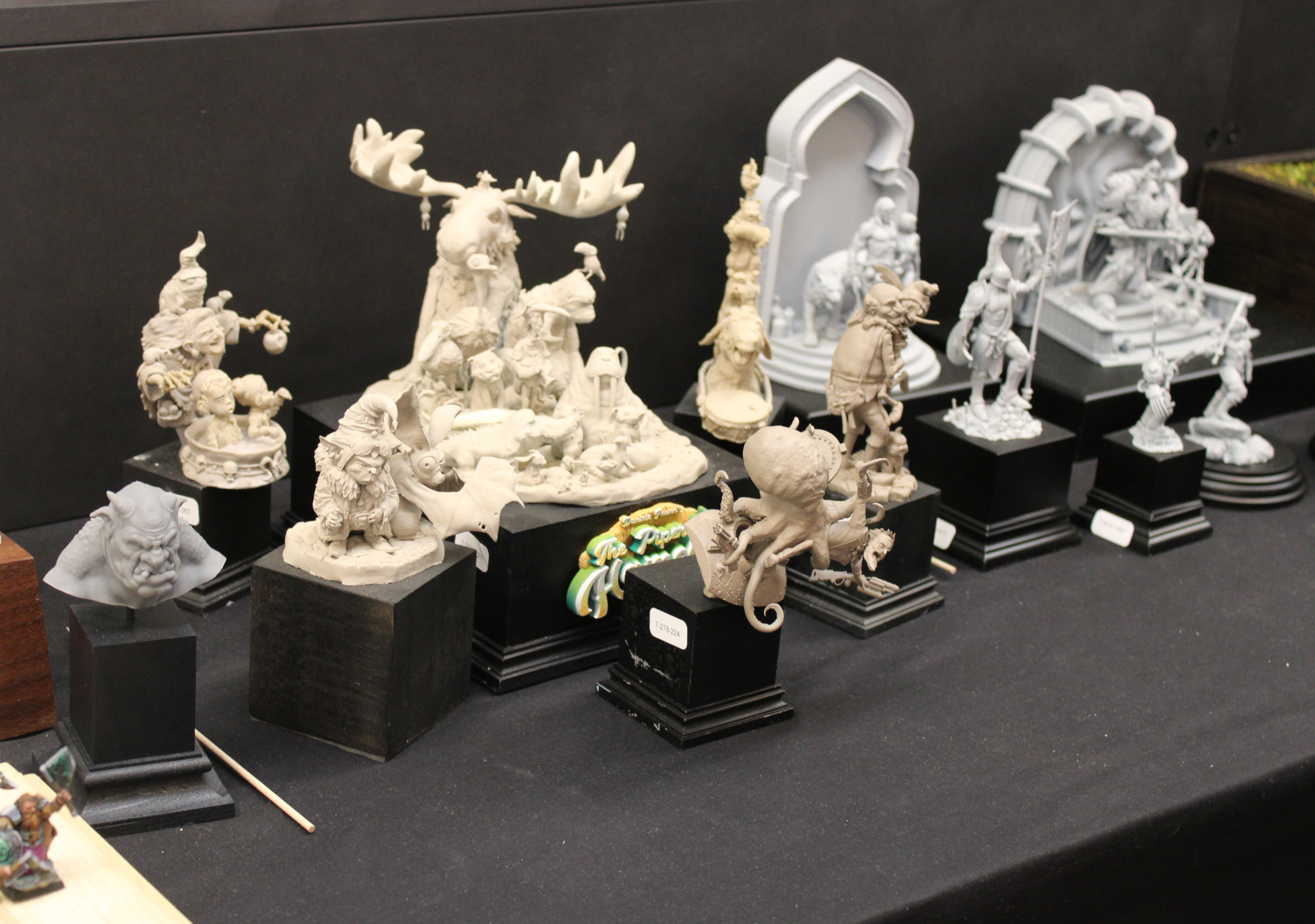
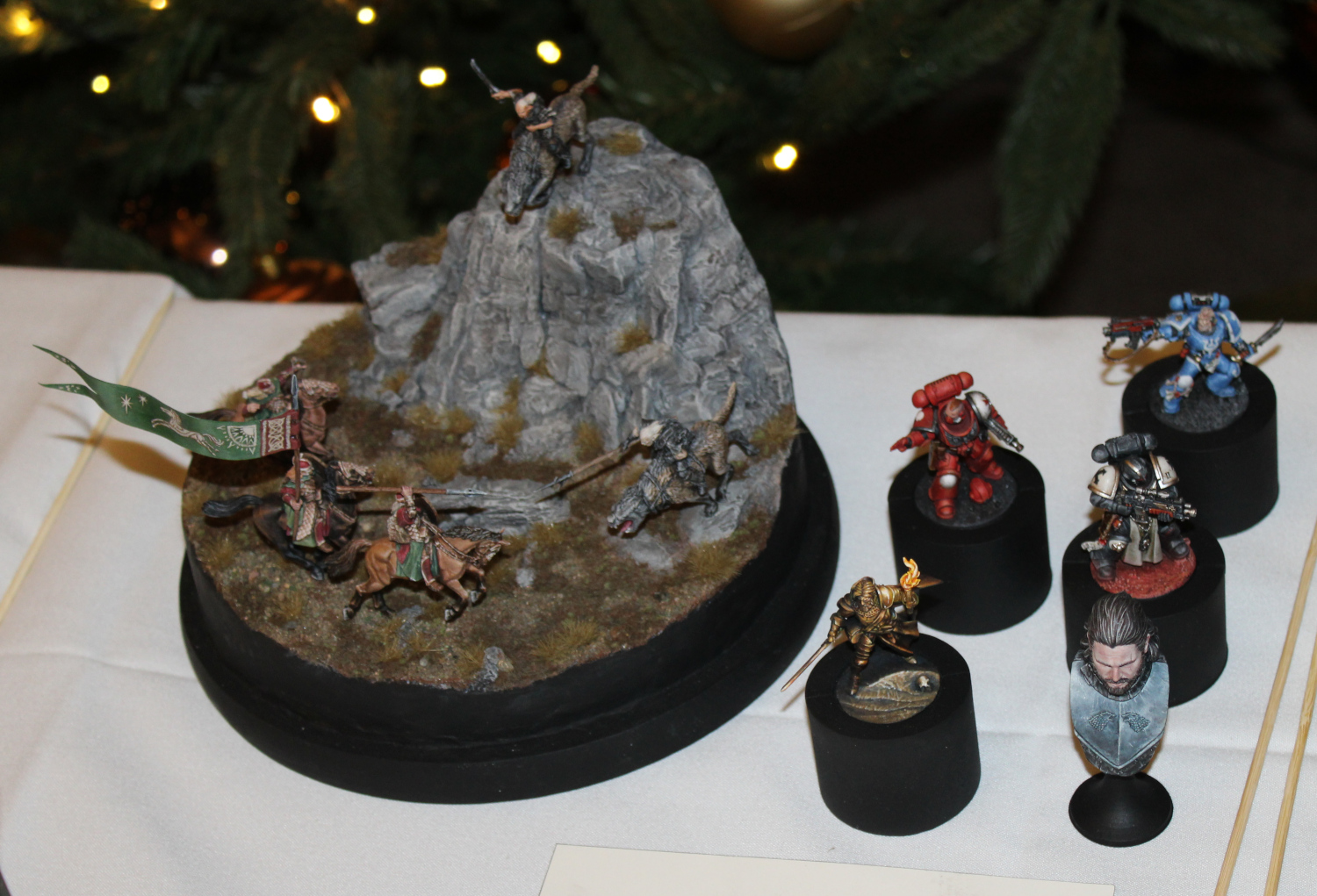
So, on with the parade of terrible photography:
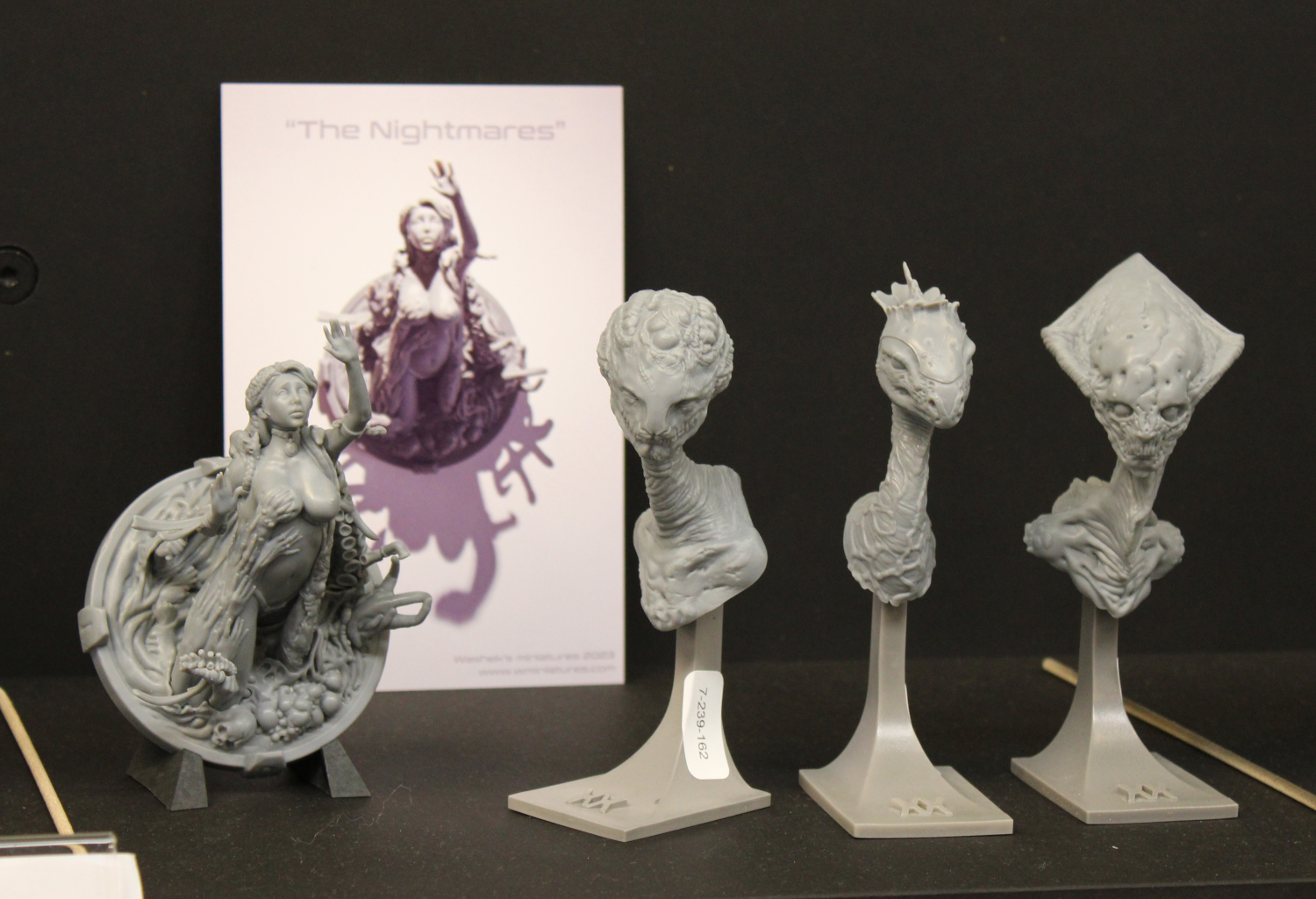
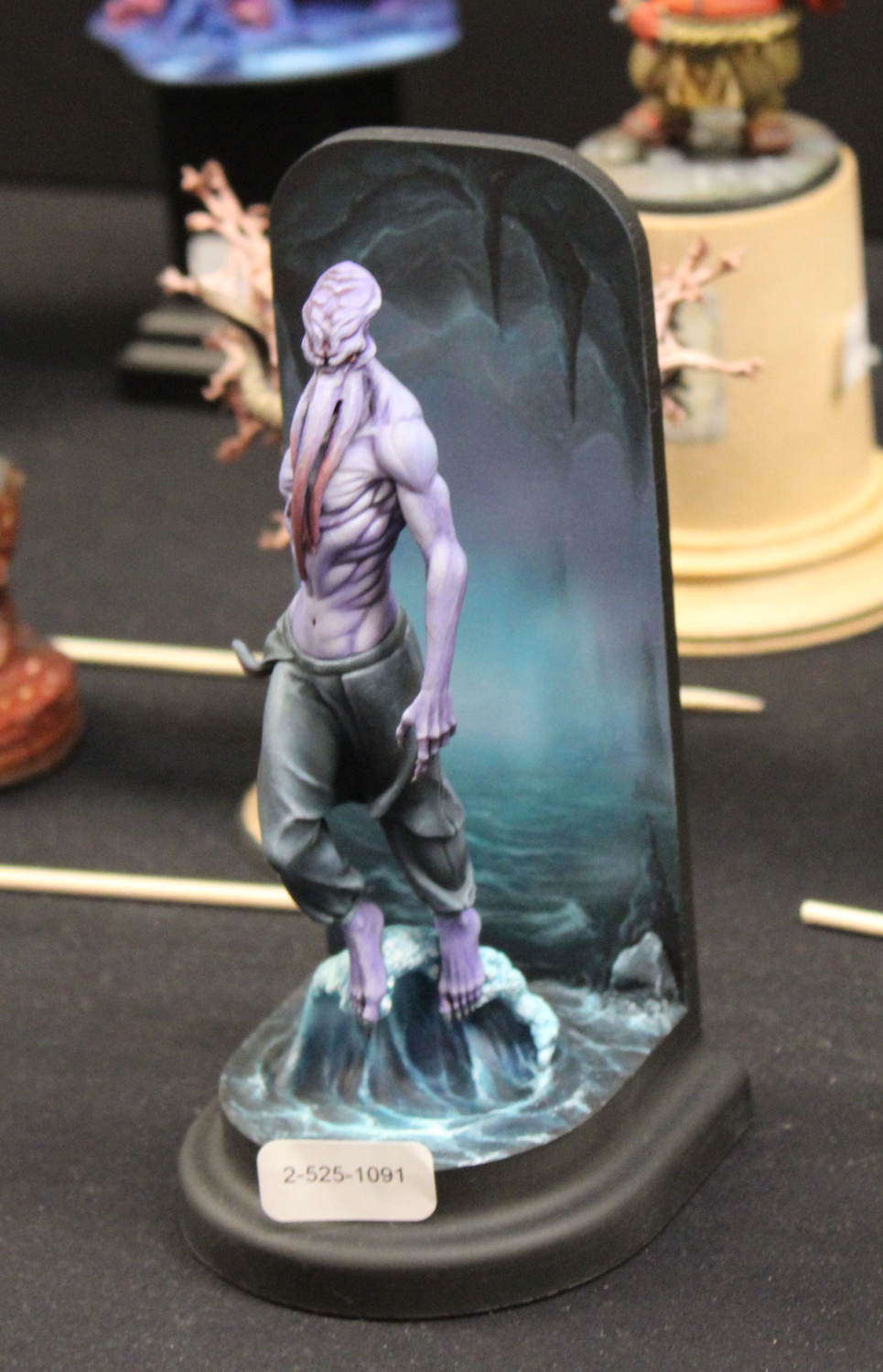
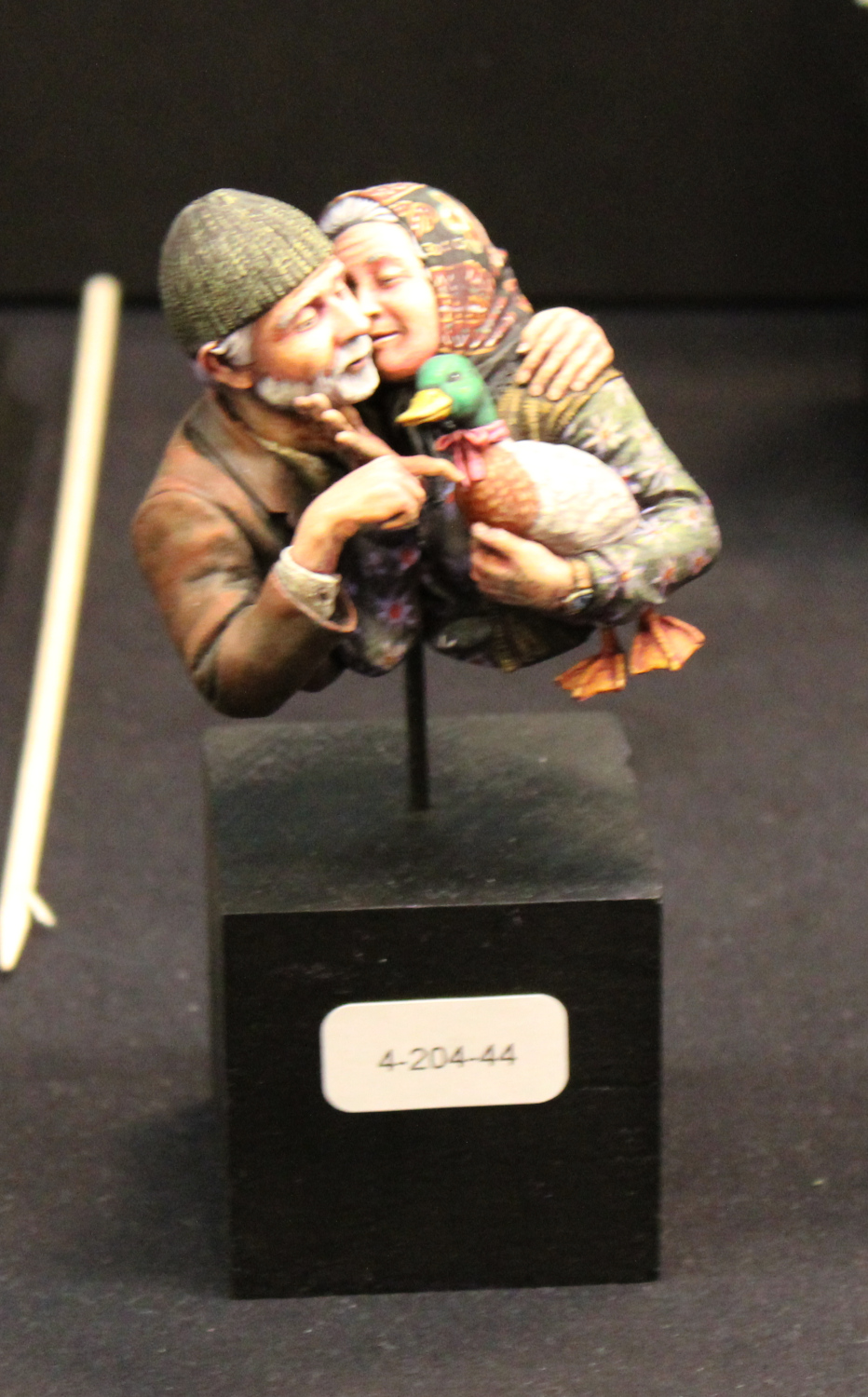
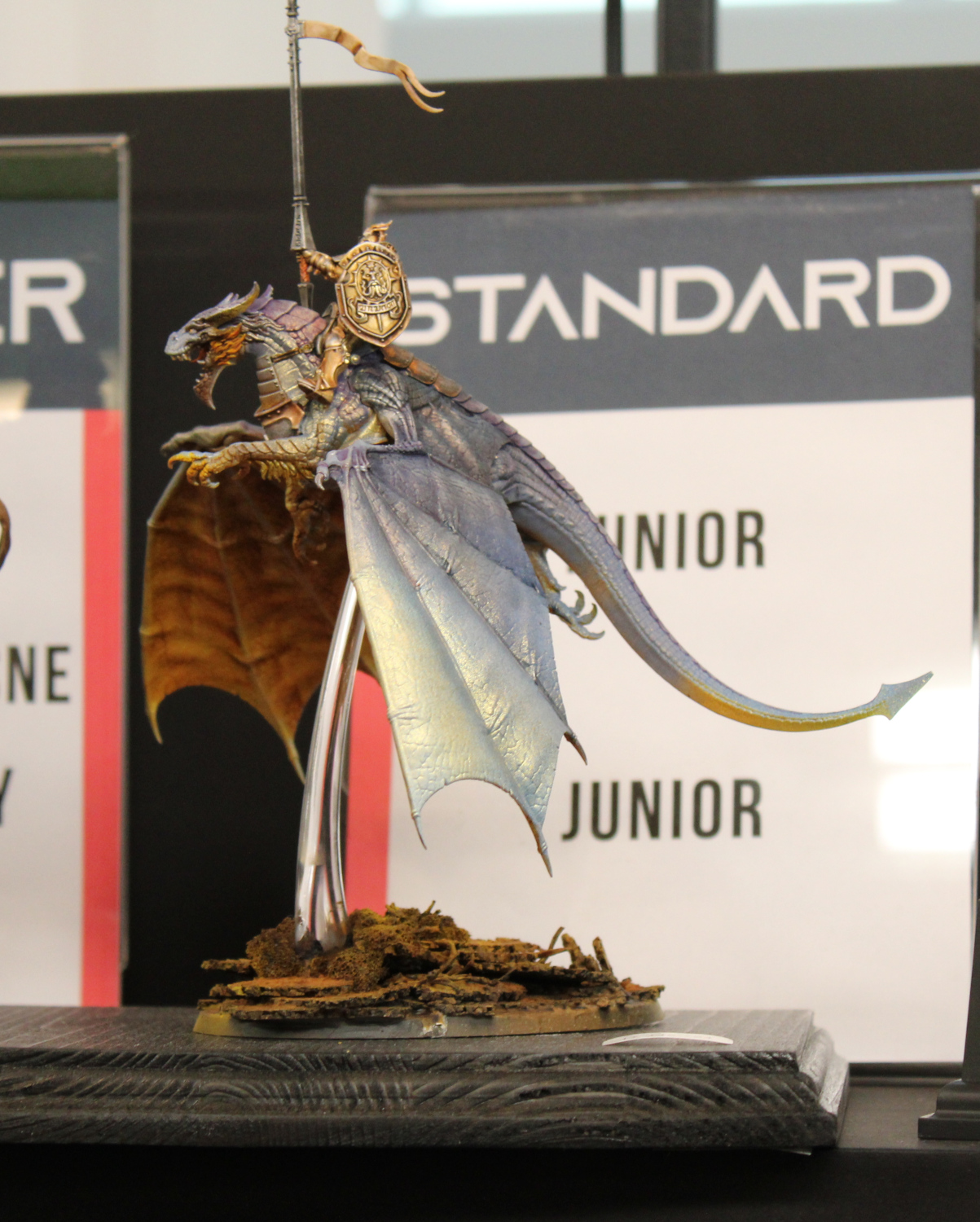
It was a surprisingly good turnout, as you can see – I think Dave said there were around 500 models on display, which is frankly impressive. The show was, after all, competing with the fact that it was December and people usually have other plans that month, and with the fact that Cardiff had put on its Christmas fair, which made the city pretty busy. (Full disclosure: I’ve only been to Cardiff a couple of times before, so I can’t fairly gauge whether it was actually very busy. It seemed very busy for someone from one of the smallest cities in the UK.)

Going into the show, we weren’t certain how the community would actually respond to a show so late in the year, especially hot on the heels of SMC and Monte. It turns out there’s still a hunger for good shows in the UK. We have no shortage of IPMS shows and the like, but they’re increasingly stale events and often limit how much you can take part if you’re not an IPMS member. Having more model shows in the local calendar that break free from that template can only be a good thing.

Having said that, the show did commit the cardinal sin: no dedicated lighting. You can get away with this if the space has good natural light, but that’s always going to be a challenge in December. Having spoken to Dave about this, it’s high on his list to sort out for next year, and that’s really the key thing: if a show has issues – even tiny things that probably don’t make a significant difference – it should be willing to sort them out and adapt. I have a particular focus on lighting as a key issue for model shows because I believe that shows are just as much (if not more) about giving the painter the opportunity to show off their work to the community as they are about having the models judged.

Anyway, as long as that gets sorted out, I think DaddyCon is in a good place to build up into a great feature of the calendar. There might be some difficulty attracting the painters who regularly attend SMC and Monte (simply because they could well be burnt out by then), but that’s not the whole community of painters. There are a hundred times more painters who never go to shows on the continent but do want local shows that aim for the same vibe and level of prestige.

In terms of other important features of shows, I was pleased to see that there was a bar literally right next to the show hall, so show beers were accessible. This was actually much more important than usual because, while Cardiff does have a huge number of pubs and bars, including many within easy walking distance from the show, the city was, as mentioned, heaving. I didn’t want to have to wander off to find a pub that had seats (because I’m old enough for that to be important). The best show beers are the ones provided on site (usually.)

This leads into our discovery of what seemed to be some kind cultural relic that Britain was pretending never actually happened: Pillars.

When it was time for lunch, a few of us got together to see if we could find somewhere to eat. We prefer a sit-down meal to take up some time because the judging was happening and standing around staring at the judges is just a bit weird. Unfortunately, everywhere seemed to be full – except Pillars.

Pillars is a surreal place. It wouldn’t have felt out of place as the set for a scene in purgatory filmed in the 60s. The food on offer certainly aligned with that. The clientele – to be fair, probably including us – also looked like they belonged there, waiting for the inevitably nothingness of purgatory. The whole model of ordering and receiving food was inconsistent and so inconvenient that it felt like the processes were deliberately designed to get you to reconsider every decision that brought you there… and then the food would confirm it, over and over again as you relentlessly chew your way through food that has somehow distilled the colour ‘grey’ into a flavour.

But you can’t leave. It feels rude, somehow, like you’re judging them (and you are – but it would be rude to make it so obvious). You can’t stay because the queue of people coming in keeps getting longer (where do they come from? Why do they keep coming?). You’re caught in a dully horrifying manifestation of the universe’s entropy, except everyone is Welsh.


In the end, we managed to escape Pillars and returned to the show to do more catching up with painter friends and for the prizegiving. The Ely crew did pretty well:

  • Fet: Gold.
  • Martin: Gold and Best of Show.

I’m always a bit suspicious of shows that award me gold – like it’s a mark against them for clearly setting their standards too low. I can only assume it’s a bit of imposter syndrome crossed with the fact that, obviously, I know every flaw in everything I do, and perhaps focus on them too heavily. I still thought there was better stuff than mine in silver and bronze.

So, for a first outing, how was DaddyCon? It was surprisingly good. As mentioned earlier, we were a bit curious/apprehensive as to how the time of year would affect it and whether Dave’s bold claims of innovation would really bear out. And while I don’t think it was as innovative as he thought, I do think it made for a great community experience. Curiously, I think the time of year really helped with that and could be something for the show to lean into – I don’t particularly like Christmas, but for a lot of people it’s about family and mushy stuff like that, and the painting scene is, in a lot of ways, like an extended family. Because of this, I think the show has potential to act as a good ‘closing’ event for the year.

Monte San Savino 2023

Last year was my first trip to the Mecca of model shows in Tuscany, but I’d managed to injure my shoulder a couple of days before going over, so I was dosing myself on pain killers while simultaneously coming down with a case of COVID that I caught on the flight over. It diminished my ability to really enjoy the show or, indeed, to have much of an idea what was going on most of the time. I came out of MSS last year uncertain whether I’d really enjoyed the show, although I probably did.

We’d also made the terrible error of staying in a villa about a mile from the town. That doesn’t sound like a long way, but roads up to ancient walled towns in Italy don’t tend to go in straight lines. They also don’t expect people to walk up them, so footpaths are only occasionally provided. This is one of the common mistakes you make the first time you go to Monte.

This year, with the benefit of some experience, we booked a villa much closer to the town and at roughly the same altitude. It was expensive, but once we filled all the beds it was actually quite a reasonable price. Monte isn’t a cheap model show to attend, especially once you factor in flights, car hire, etc. On the plus side, flights mean airport beers, which are almost as good as show beers, and there are plenty of show beers at Monte.

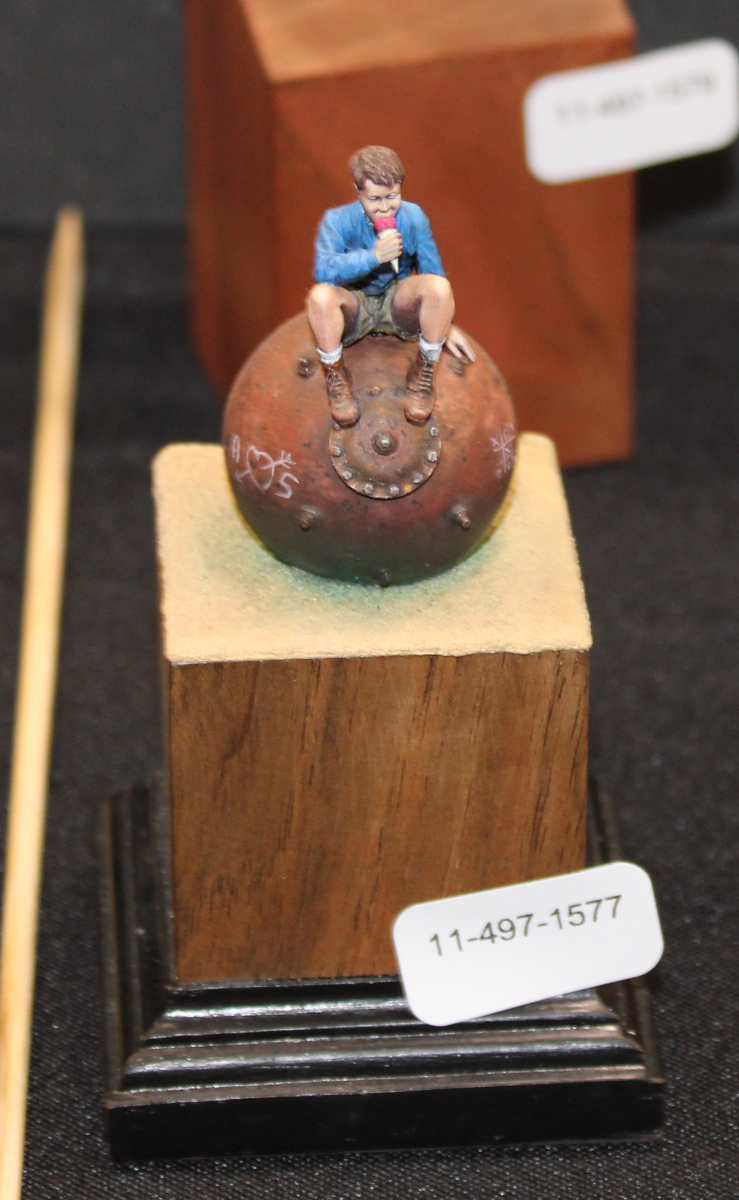
So, with the preamble out of the way, here’s some traditionally shoddy photography:
So, with the benefit of my health and a noticeable lack of pain killers, I can say that the show is bloody marvellous. It’s a real festival of the hobby and the community. There’s very little actually on other than the show – there are a couple of classes you can book places on, and a small number of traders, and, other than that, it’s really just a lovely town that gets completely taken over by paint nerds for about a week, and that means lots of socialising with other paint nerds.

Obviously, the models on display are some of the best in the world, both in terms of technical proficiency and creativity. It’s really the place to go to see what painters can achieve at the pinnacle of the craft.

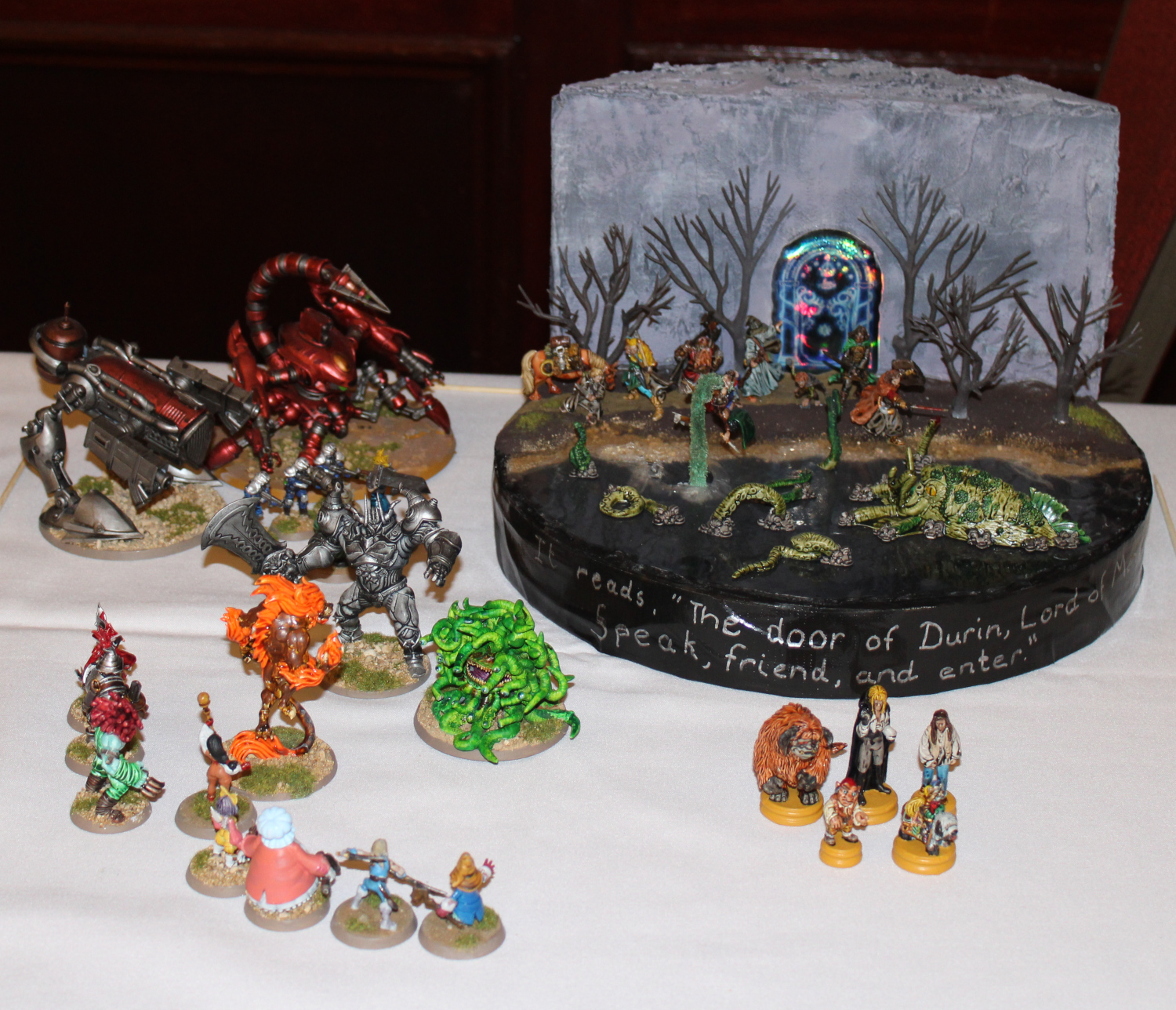
And actually, the key point I want to make about this year’s show is just how much creativity was on display. Last year, the ambient category was relatively quiet – maybe thirty displays in masters and perhaps the same again in standard. This year, ‘ambient’ became ‘storytelling’. I mentioned in my blog on SMC that there is the problem with ‘ambient’ being perhaps too open to interpretation, and it seemed that MSS had made an effort to really distil what they want to see both by renaming the category and by providing some clearer information about it.

And, without any doubt, the painters responded. I was really pleased to see how much more engaged painters were with the category, not just in volume but in the scale and scope of creativity, and the ambitious narrative work they brought. My bagworms went home without a medal in the category, but I’m not sad at all about that because I was so astounded to see such a display.

Of course, because of the incredible response, I want to discuss narrative and storytelling. Not because I think most people there needed a particular lesson in it, but because I really like talking about this stuff. It also links in a bit with some of the blogs I saw after SMC about armour modellers struggling with the concept of narrative.

First up, there are different levels of challenge when you’re trying to tell a story. A story set in a universe that’s already well understood is easy to put together because it’s easy for the viewer to understand. For instance, if you want to create a story in the Warhammer or 40K universes, you have a whole host of resources at your disposal, and not just in terms of models. You have access to a whole visual language that the majority of viewers will have some understanding of. Scripture on space marines, spiky runes on dark eldar, chequers on orks, and so on. If you’re telling a story from the real world, you similarly have this done for you. These are tools that help provide the little details that explain the narrative to the viewer.

If you want to tell a story outside an established universe, you have access to the common language of the visual arts (composition, colour, shape, etc.) and whatever language elements might otherwise exist (if you’re doing something in a well-known genre, such as steampunk or gothic horror) – but people working within established universes have those tools, too. You have to work for the rest. You need to provide contextual clues that, you hope, will sell the story to the viewer who knows nothing about the narrative universe you have created for your models.

These are the building blocks you have to start with.

Story is just pulling these building blocks together to convey an idea or an emotion. A story isn’t just a sequence of events – I would actually say that’s the weakest part of any story.

You might remember reading books for English class and your teacher didn’t ask you to explain what happened in the story – they already know the plot. They wanted you to demonstrate that you understood the story by explaining how the story is developed through other means: what does the setting contribute? What are the symbols and metaphors? How are the characters developed? What is the tension that drives the narrative? These are all, by far, much more important than the sequence of events.

(Way back, centuries ago, folklorists had already figured this out. In the 20th century, they had it down to a fine art – stories are fundamentally sets of variables interacting in a limited number of ways. See Vladimir Propp’s Morphology of the Folktale for a really good explanation.)

The fact that plot is the weakest part of constructing a narrative is actually a great benefit to modellers. We don’t have moving scenes (well, not often, anyway), so we can’t really show one event following another without doing multiple pieces. A model or diorama is, by definition, a moment in time, and the viewer must infer what has happened and what may be about to happen from what’s there in that moment. This also means that every model has a story, even if the modeller didn’t think about it. Most of the time, it’s a pretty boring story, sadly. It’s some dude standing on a battlefield in a weirdly pristine uniform. Or a couple of dudes moving across a battlefield in meticulously muddied uniforms. Or maybe even a whole host of dudes on a battlefield hitting each other.

(You might gather that I’m not generally excited by battlefield scenes.)

Historical modellers are quite prone to this, and while I’m sure lots of those scenes have historical interest for people, I’m not a historian and a lot of other viewers also won’t be. If I don’t know the history of a scene, I need that spelled out for me through the model or scene itself. And this doesn’t mean putting a plaque on it. Sure, a plaque can tell me where and when something happened. It might tell me who the person on the plinth is. It doesn’t tell me a story unless I already know it. A plaque can help if it ties into the narrative in a creative way (this is one of the many reasons why books have titles: they can provide context to help you interpret the narrative – see Joyce’s Ulysses).

This leads into one thing I saw at Monte that I wasn’t particularly a fan of: QR codes to explain the stories. I feel like this was a missed opportunity. A QR code leading to a webpage that tells you what the story is just tells me that the artist isn’t confident in their storytelling. They don’t trust the viewer to understand what they’ve done. I’m actually – and this surprises me – in favour of using QR codes to create a multimedia artwork. Link to an animation that precedes the story you’ve modelled. Or link to a journal written by someone in the scene. A story exists in a whole world. Make your stories BIGGER. Trust in the narrative you’ve already made and run with it instead of spelling it out.

I had a discussion after the show about whether a story is good if it’s not easy to understand, and I think that’s an argument that really depends on the work. It’s clearly the case that a story that’s easy to understand will be simple for a casual viewer to appreciate, but it’s not true that a story has to be easy to follow. Some stories are tough to engage with because they’re set in unfamiliar narrative universes, while others can be difficult because the modeller is simultaneously experimenting with the methods of presenting narrative – such as through bold use of colour or framing.

Personally, I like stories that you have to work at – I especially like stories that force me to engage with them. I like stories that carry an emotional weight or bring an intellectual puzzle. I like stories that are open to interpretation and, in a sense, are made by the viewer’s interpretation.

Anyway, that’s probably enough about narrative, etc. The storytelling categories at Monte were exceptional and left me thoroughly inspired and optimistic about the future of the hobby, because it shows that we’re moving past the decades-long overwhelming focus on the technical application of paint.

In the end, the Ely crew did really well:

  • Fet: SMC special gold medal.
  • Martin: Silver in masters storytelling and bronze in masters fantasy painting.
  • Joey: Silver in standard sci-fi vehicle, historical and storytelling, and bronze in standard fantasy painting.
  • Kev: Bronze in standard historical.
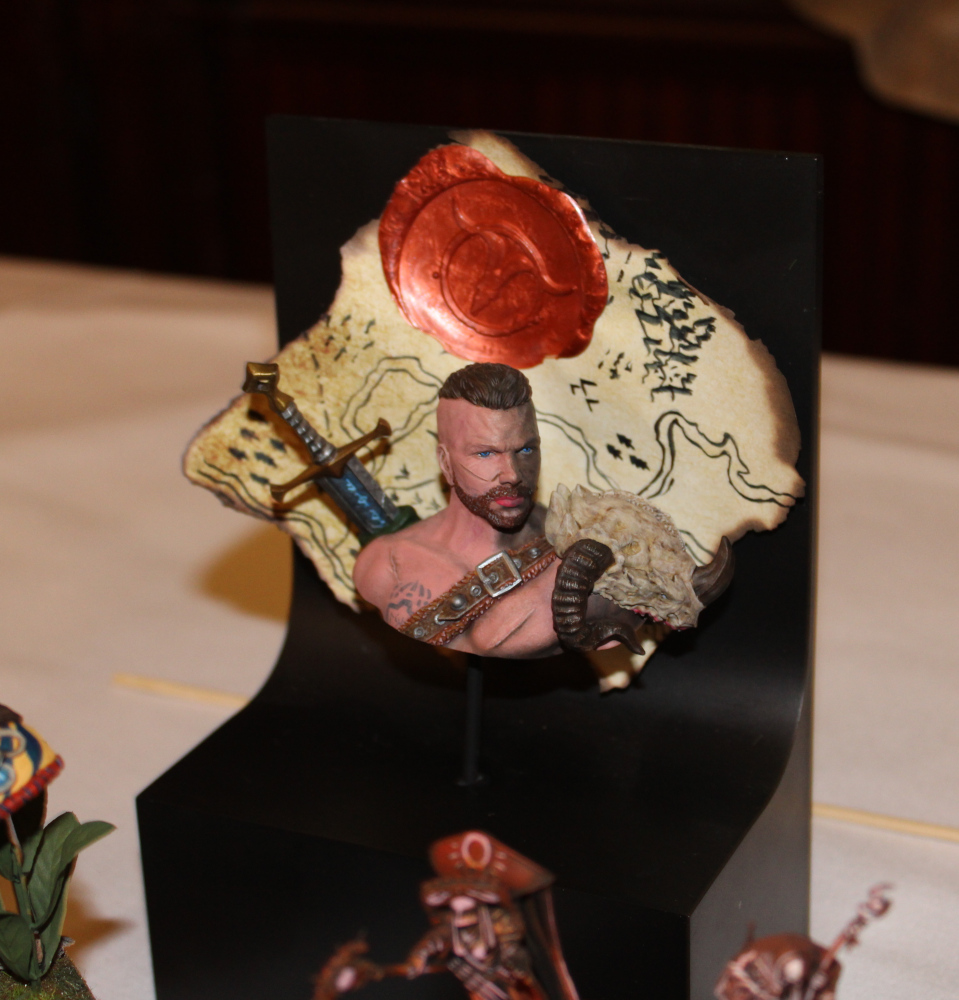
I should also mention the burgers. Last year, I was nearly poisoned by the local pizza slice shop (mushroom allergy, for those who don’t know), which put me off wanting to go there ever again. One of the small problems with Monte, however, is that there’s a pretty limited number of restaurants and they fill up fast during the show. This year, we basically ran out of places to eat and the only spot left was the pizza slice place. It turns out that what looks like a takeaway place actually has a proper restaurant attached and we’d heard a couple of good things about it, so I figured I could order something that has no chance of there being mushrooms anywhere near it. Safer bets, and all that.

This is where we discovered what may well be the best burgers on the whole damn planet. Now, I’m not a hamburger connoisseur, but I do know good food. I like to try interesting flavours and different takes on classic dishes, and the restaurant’s range of burgers looked really interesting – even the basic cheeseburger seemed to have more thought in it than I’d seen before. There were even vegetarian burgers, which isn’t something you expect to see in Monte – the town takes a great deal of pride in the quality of its meats. I ordered a burger made with French sausage and it was incredible. Easily the best burger I’ve ever had in my life. We’ll be booking a table next year.

This, of course, means we’ll also be returning to the show next year – I already have a number of plans to bring my storytelling A game, and I’m excited to see what everyone else brings. Shows that provide that sort of inspiration are a very special – and very rare – thing.

Scale Model Challenge 2023

A few weeks back, the whole Ely crew travelled over to Eindhoven for the first Scale Model Challenge in four years. Normally, we fly, because the airport is only an hour away from Ely, it’s a short flight and whole ordeal is over quickly. This year, Martin wanted to drive. “It’ll be cheaper,” he said. “It’s just as quick,” he said. Martin had never encountered French traffic jams or the unholy alliance of urban planning and Belgian governance that created the roads around Ghent (or was it Antwerp?).

11 hours later, we made it Eindhoven and our favourite hotel.

On the plus side, while I was denied airport beers, I did get to have ferry beers. I think I prefer airport beers.

And in Martin’s defence, it was very convenient to have the car for getting to and from the show.

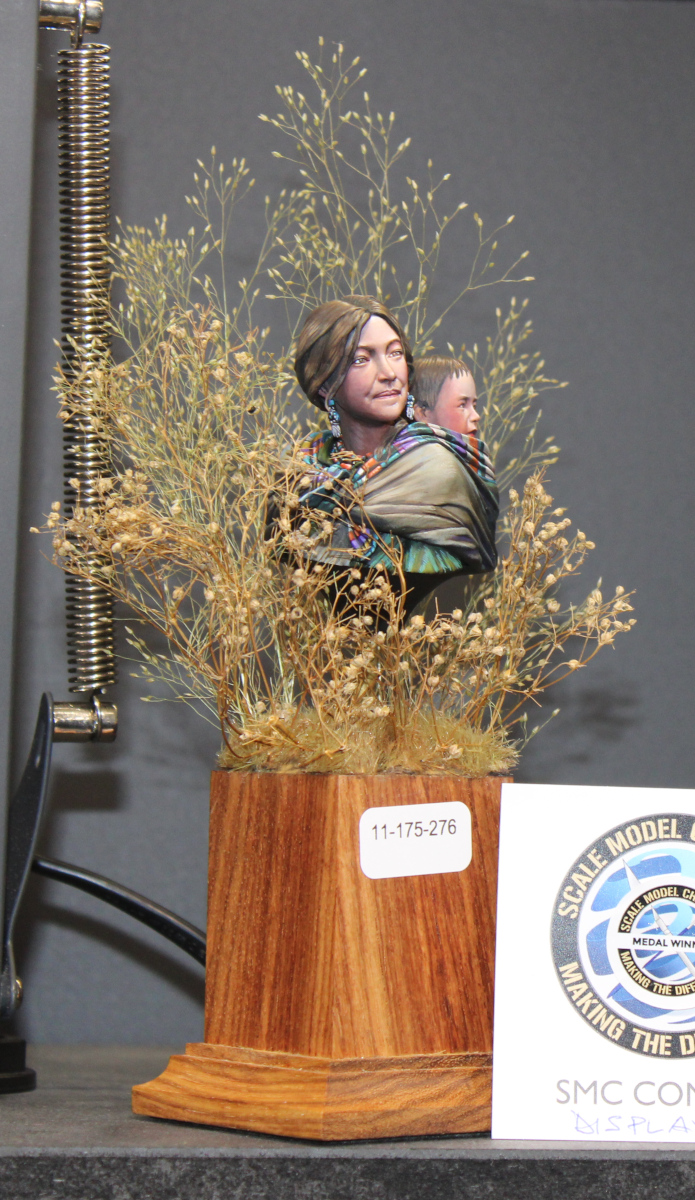
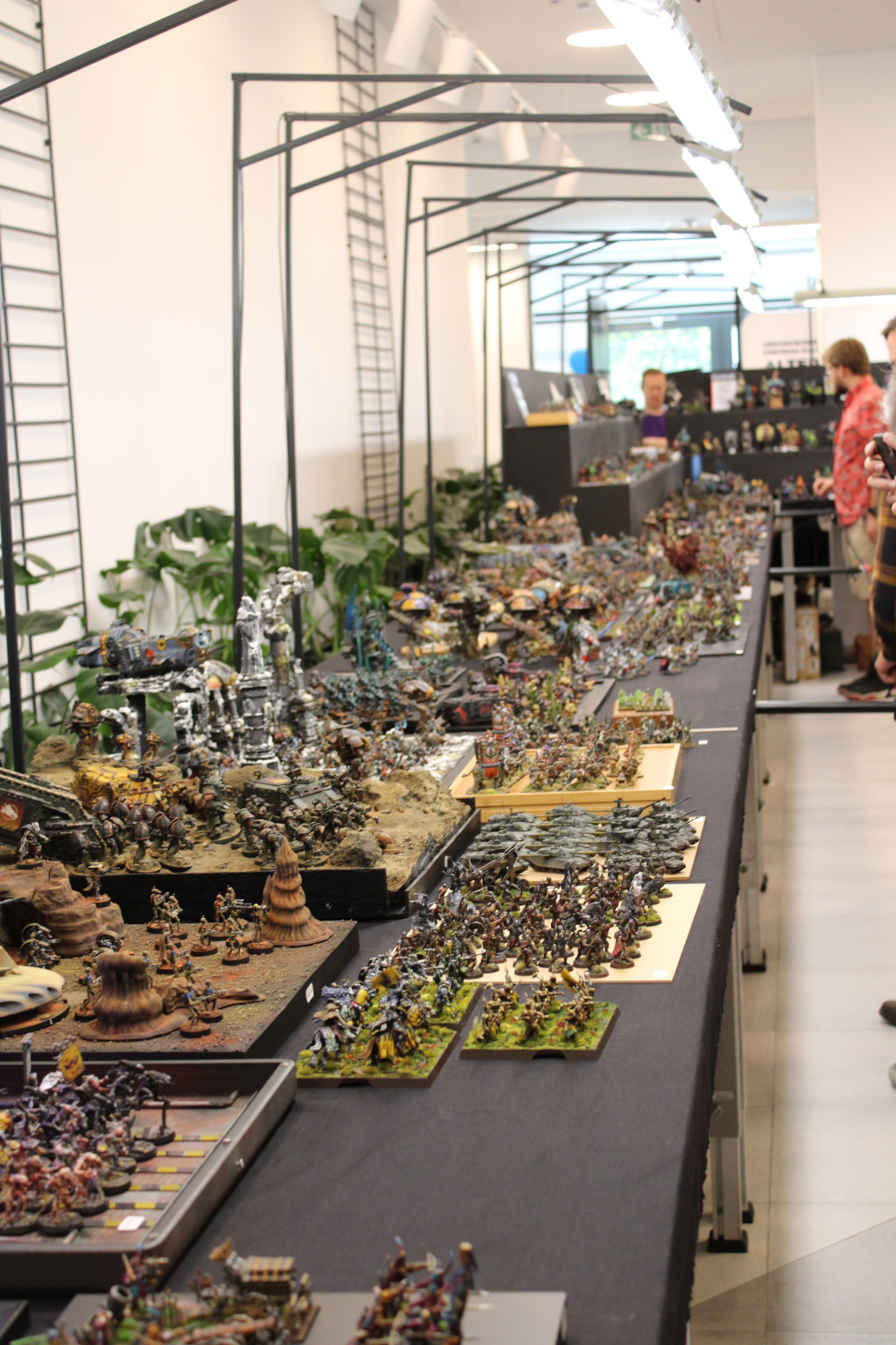
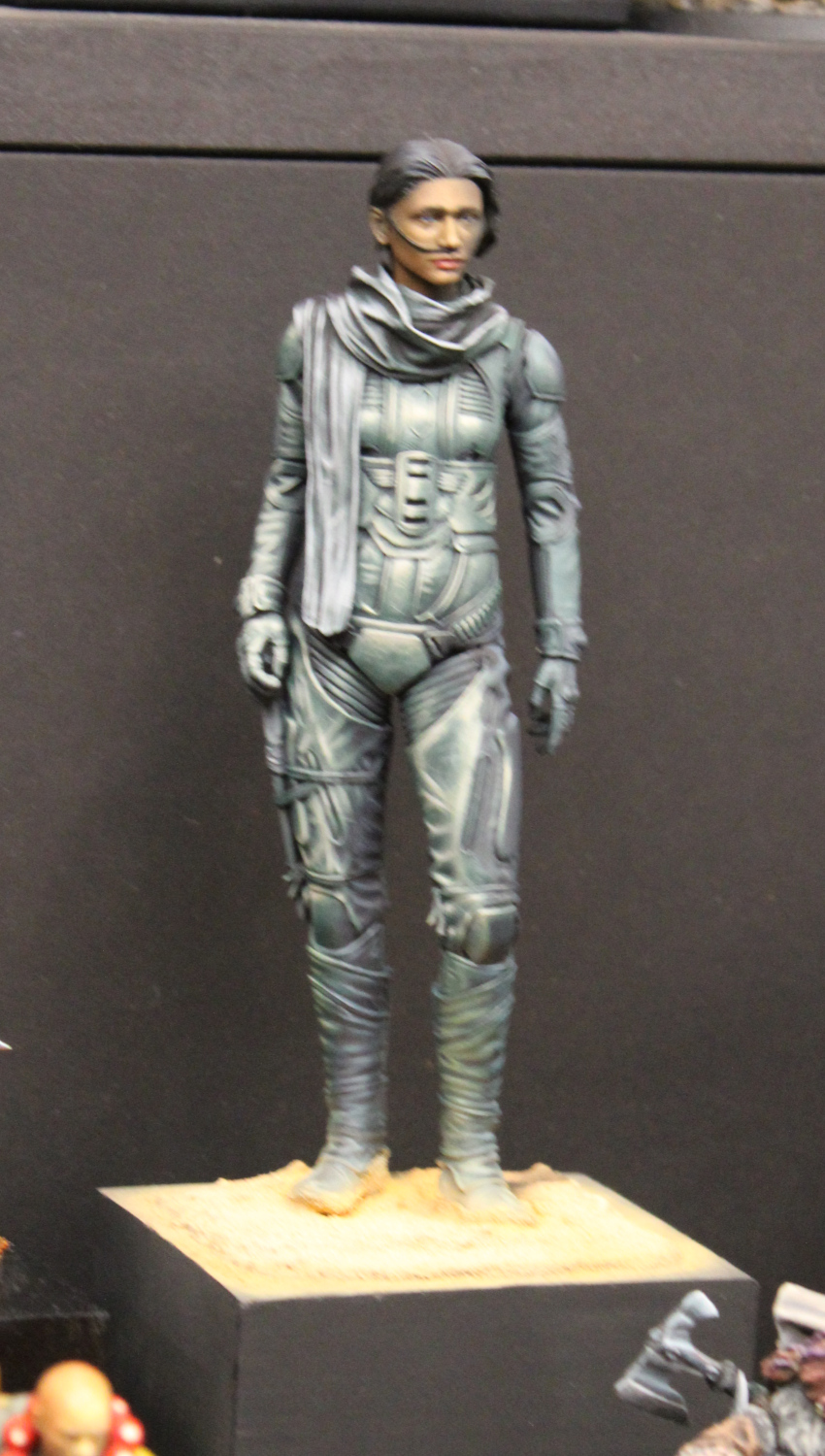
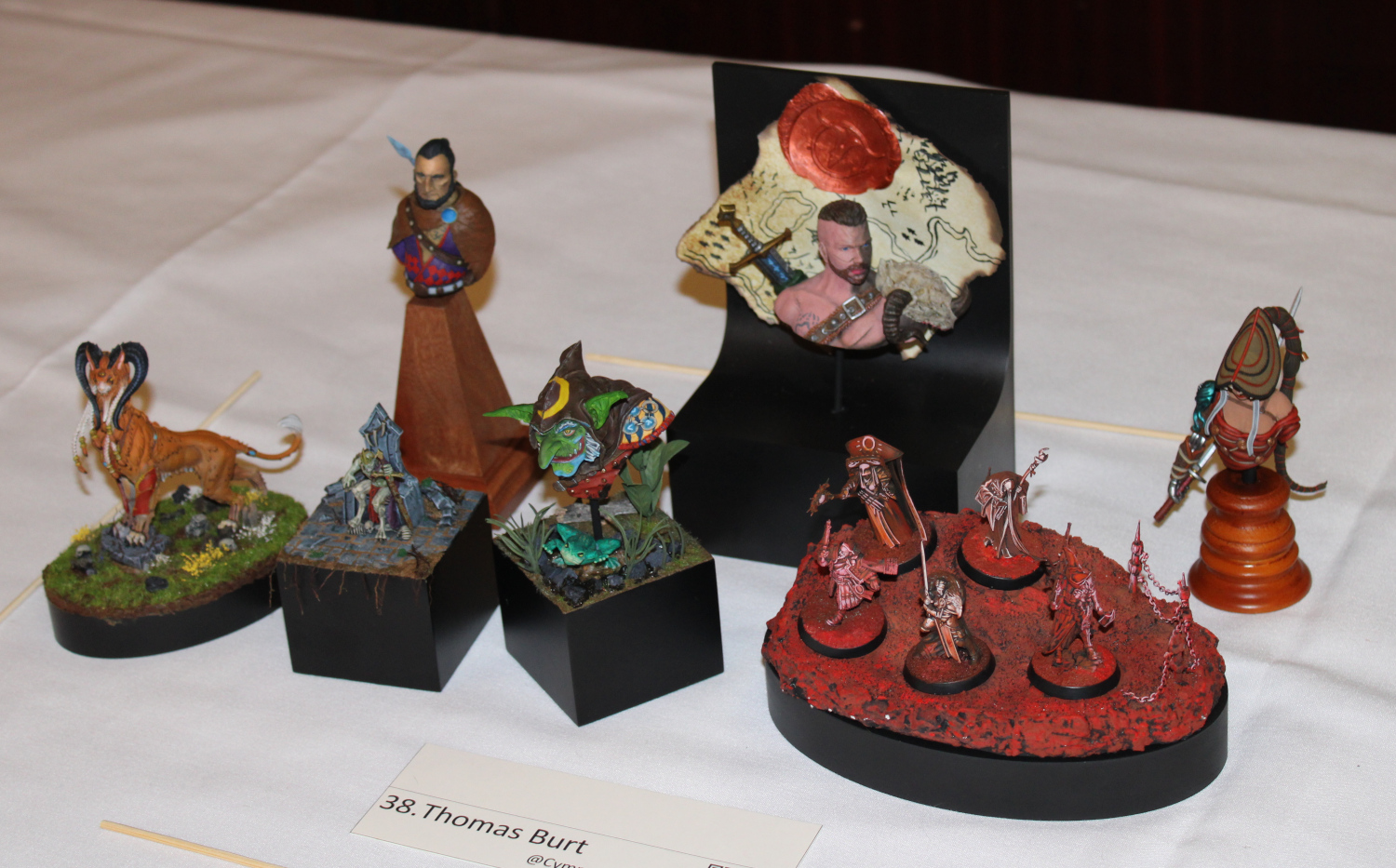
Back on topic, we made it to the show and I took many terrible pictures, which I shall now subject you to:

You might notice that there’s not a lot of stuff from the masters’ fantasy and historical categories, which I blame squarely on people being far too eager to cramp those aisles, with a little dash of extra blame on my anxiety around crowds. I’m not a huge fan of crowds and mostly get enormously frustrated and angry, so instead of dealing with them, I found a table outside and had a beer.

Anyway, that actually lets me focus on some of the models and displays that don’t get as much attention, which I think is important.

So, the show this year introduced a few new categories. Notably, small scale (gaming scale, really), historical figure dioramas and ambient.

The small scale category went off really well. I was a bit dubious as to the necessity of splitting out smaller figures from all the large scale stuff and busts that make up most of the painting categories, but seeing it at the show really did a good job of highlighting that there’s a different set of skills involved, and letting the viewers focus on pieces that might get drowned out otherwise.

The historical figures diorama category also seemed pretty well attended and had some interesting pieces.

Ambient, however, suffered from a couple of issues, and these are issues that I think ambient was suffering from at Monte San Savino last year to some degree. Warning: I have opinions coming up in the next few paragraphs, but they’re not coming from sourness at my own results, as I got exactly what I expected/hoped for. My opinions also don’t mean I didn’t enjoy the show – it was great, as always!

For those who don’t know, ‘ambient’ is a new category classification that’s started appearing here and there for models or dioramas that are creating a scene, telling a story, doing something creative and so on. The point, as I see it, is that they do things that aren’t recognised as valuable in other categories. For instance, if you do a little vignette and enter it into a normal painting category, any storytelling or world building you’re doing in that will have negligible impact on how the piece is judged according to the judging criteria. Dioramas and the like used to end up in the ‘open’ categories, where they were often overwhelmed by the ridiculous collaborations that are in the running for best of show. So creating a category like this gives somewhere for people to go if they want to have their work assessed under different criteria.

The first problem with the category is that it’s not well understood by a lot of painters. You’ll see people entering something that just has a focused light source, for instance. This isn’t necessarily wrong: lighting plays an important part in setting a scene, adding drama, etc. However, light alone is not a story, nor is it necessarily a terribly creative decision (every second model in the fantasy categories at the World Expo last year seemed to have been painted as if there was a neon bulb right next to it). Equally, there’s a risk that people treat categories like this as a sort of ‘overflow’ category – it’s the chance to win another medal. I’m not sure if anyone actually did treat the category this way, but there were pieces that made me wonder.

The second problem is directing the judging to recognise that this is not just another painting category. (Note that I use the word ‘directing’ – judges can and should only judge according to the criteria they’re given – no matter how much they may disagree with them, they’d risk the validity of the show by going against the prescribed criteria.) While, obviously, this is a show about painting models and painting will always be an important part of any category (other than the sculpting category), I think it’s absolutely critical that painting alone should not be enough to reach the top of the podium in a category like this. There’s already a category for that.

Arguably, if the category is meant to focus on storytelling, creativity, etc., then a model should exhibit something beyond just technical excellence in order to get any medal – if not, then what’s the point of the category? I understand that having the public understand this when they see the results could be challenging – I suspect the majority of the audience doesn’t really appreciate or fully understand that side of things, so if they see a beautifully painted model get nothing, what are they going to think? That’s potentially a good opportunity to educate via discussion.

In the end, there were some absolutely fantastic entries that were properly recognised, some pieces that were perhaps over-recognised and some really great work that was under-recognised, but that happens in most categories. The relatively small size of the category simply amplifies that. I’m not going to moan about the results because that’s just silly and, overall, they were about right. Stuff balances out.

Of interest is that Monte San Savino, presumably learning from experience, has changed its own ambient category, renaming it ‘storytelling’ and providing a much clearer description of the purpose of the category. I think that’s the way to go: make it much more obvious what the category is for and people will respond. It also permits both fantasy and historical (whereas ambient at SMC was clearly intended as a fantasy analogue for the historical figures diorama category), which I am massively in favour of. Down with artificial segregation!

I have more opinions on this topic, but I’ll leave them for my next report on Monte San Savino.

Anyway, to the results for the Ely crew:

  • Fet: Silver in master’s ambient.
  • Martin: Bronze in master’s ambient and a special prize from a Belgian model show.
  • Joey: Silver in standard fantasy, silver in standard historical, and a couple of special prizes from Kontrast and the IPMS.
  • Kev: Gold in beginner’s.

Overall, a really successful show for the Ely crew, and SMC was, once again, a delight to be at.

Oh, and I painted a secret duck and ducklings on a tank while no one was looking.

Kontrast 2023

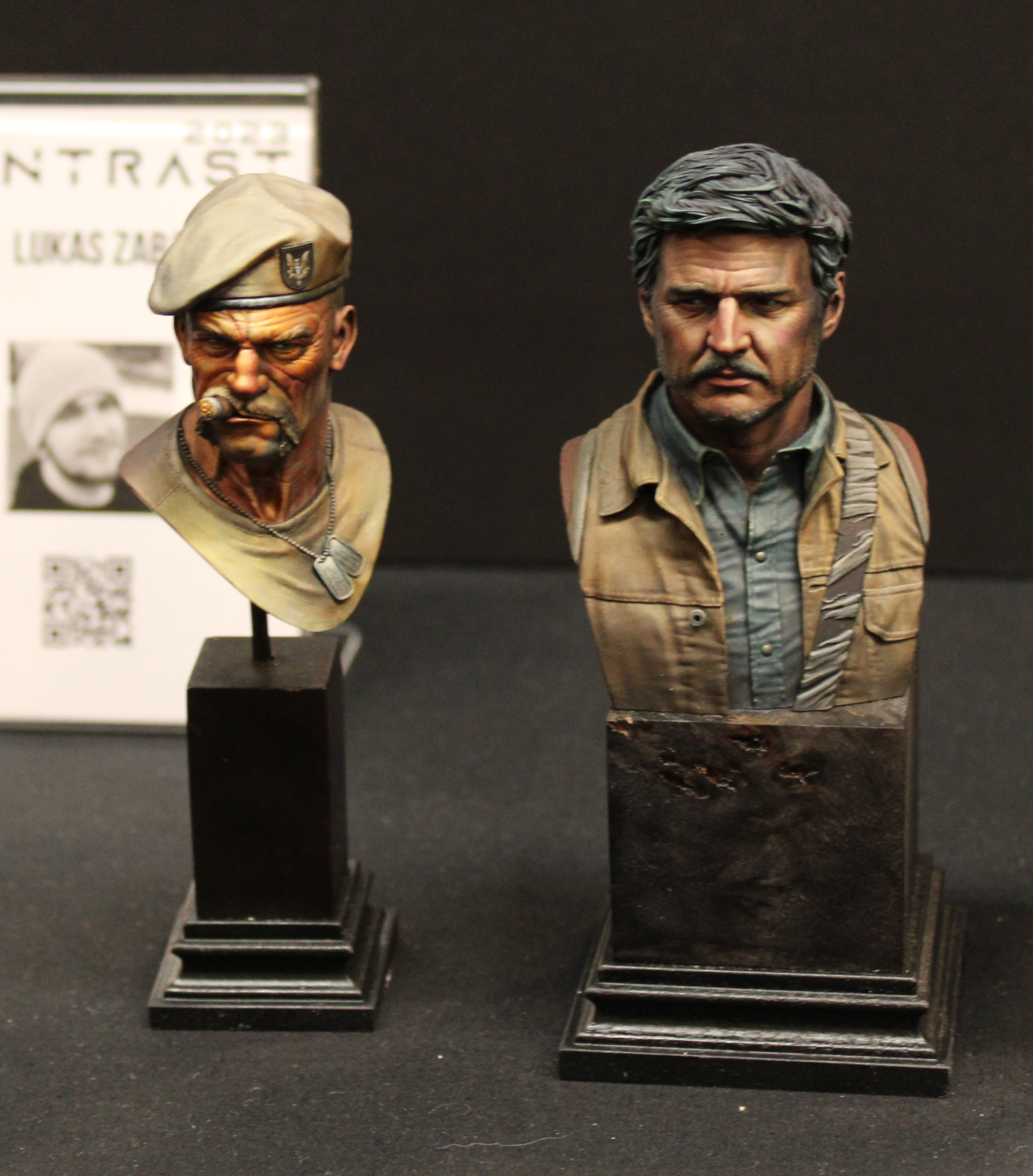
A couple of weeks back, the Ely crew took a jaunt to beautiful Poland (and I mean that sincerely – I’d never been to Poland before and was very impressed) for the Kontrast Festival. This had been on our radars since seeing coverage of it last year, and the team that runs it had clearly been putting a lot of effort into making an event that’s quite different from other shows, so we wanted to check it out.

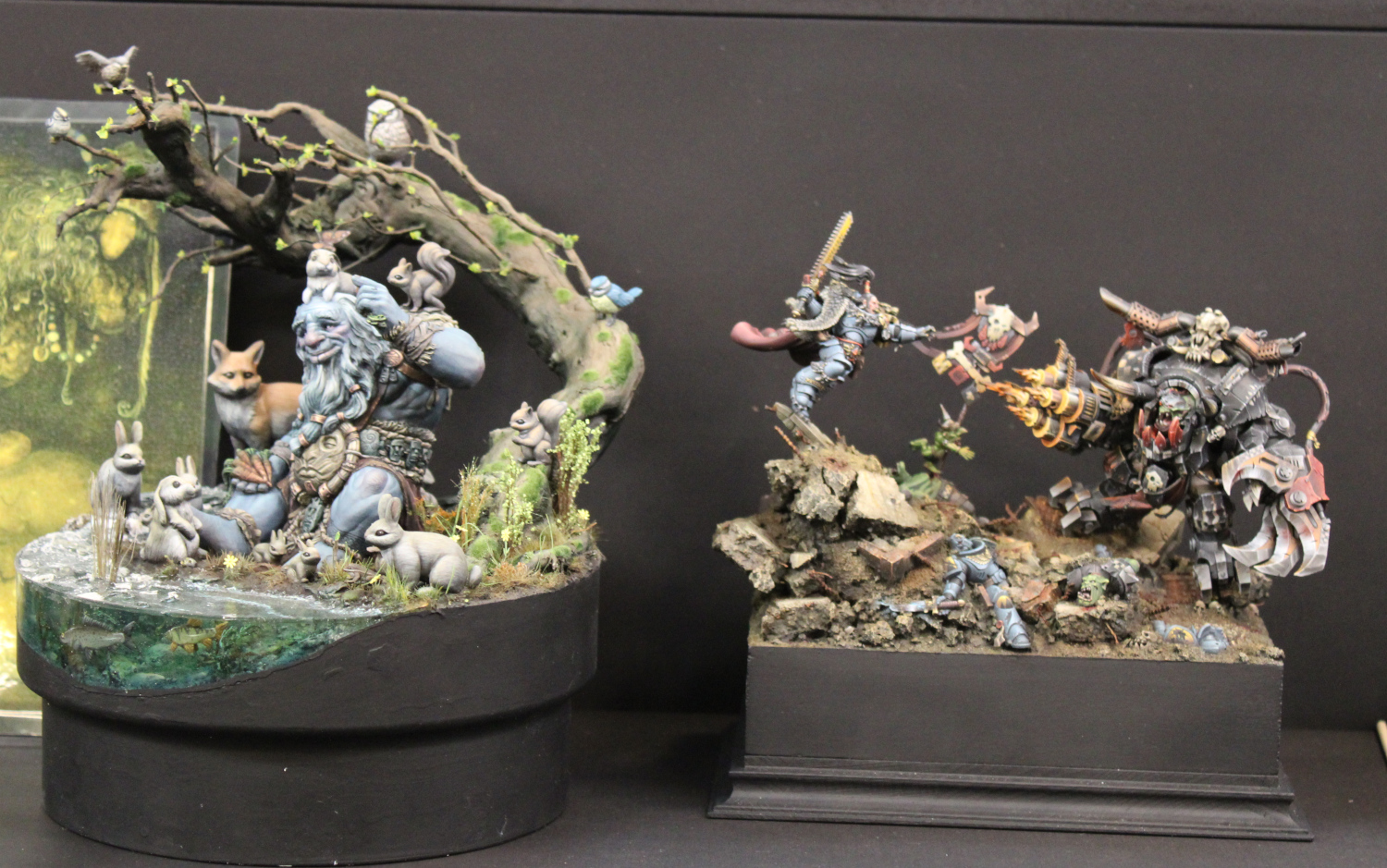
So, into the photos:

I should note that this is just a fraction of the models that were actually entered – before the show, they announced that they’d had nearly 1400 models registered and there were probably more registered on the day.

So, the usual discussion points:

  1. The quality on display was incredible. It was right up there with other top shows around Europe. This was reflected in the judging, which was probably the hardest I’ve ever seen in any competition. When a category with a couple of hundred entries only awards 16 medals, you know you’re looking at a tough competition.
  2. There was a whole set of categories for wargaming models. I’m not particularly interested in that side of the hobby and seeing a squad or an army doesn’t really do a lot for me, but I think it’s nice to provide that sort of opportunity. It encourages gamers to start looking at their models more the way painters do rather than as purely utilitarian objects that represent numbers. It also means that if they’re interested in getting into the more hardcore painting scene, they have a step where they’re not put up against a horde of people who have been painting at display level for a decade or more.
  3. There was probably the best lighting I’ve seen at any show. It was really excellent. They’d built custom light rigs that suspended good bulbs over and slightly in front of each and every table, so you never had any problems seeing any of the models. I’d say that Monte San Savino has equally good light, but that show had a section in another area that wasn’t as well lit. For me, this is the benchmark that shows should aim for (we’re discussing how we can replicate it for the Fen Model Show next year).
  4. The location was easy to get to from the centre of the city – just 20 minutes on the metro, which cost us a few quid for the whole weekend. The venue is also a nice, modern building close to a few restaurants and shops, so you have a few options for refreshments. However, it wasn’t laid out terribly well for the show this year, which I think comes down to the surprising popularity. I’ll discuss this a bit more later.
  5. There was a brilliant concert put on for Saturday night. The band was Weljar, which does dark folk, and Joey and I were over the moon. Kev and Martin are philistines and probably didn’t get as much out of it. The best way to describe it is like being in one of those scenes in Vikings when they’re up at Uppsala and you’re wondering who’s going to be the human sacrifice. So, yeah, it was right up my alley.
  6. The whole show was free. Literally no cost to enter models, go into the show, watch the concert, go into the seminars. Nada. As I understand it, the show is set up as a cultural festival, so it’s all funded by the local government, which is really refreshing to see – especially coming from the UK, where the idea of getting a grant to run a model show is completely laughable. So anyway, all we had to pay for were our flights, hotel and refreshments (and Poland is very cheap compared to the UK).

So, while overall this was an excellent show, that’s not to say that there weren’t ways it could be improved. Well, one way, really. It’s literally the only thing I could reasonably criticise.

As I mentioned above, it wasn’t prepared for the number of visitors. For much of the show, it was difficult to get in to actually see the models. There were so many people trying to get into a relatively small space, that there were often queues that went a surprisingly long way. As a result, there were some pieces that won big prizes that I didn’t even know were there because at a certain point it becomes claustrophobic and frustrating trying to get from one part of the exhibition area to another.

I think this is something that they’ll prepare for next year – I expect the show will only grow bigger. There was certainly a lot of goodwill towards it from everyone I spoke to.

So, overall, a fantastic show that I can heartily recommend. However, be prepared for some brutal judging. I think that took us all by surprise – it’s possible that was a result of the extremely large number of entries and a limited number of trophies, but there were trophies left over at the end, which suggests that the decision to only award the very best was deliberate.

So, the results:

Joey: Two silvers in standard plus a couple of special prizes (special note: one of his silvers was the only silver awarded in the category and there were no golds).

Martin: Bronze and a couple of commended in masters.

Fet: Silver and commended in masters.

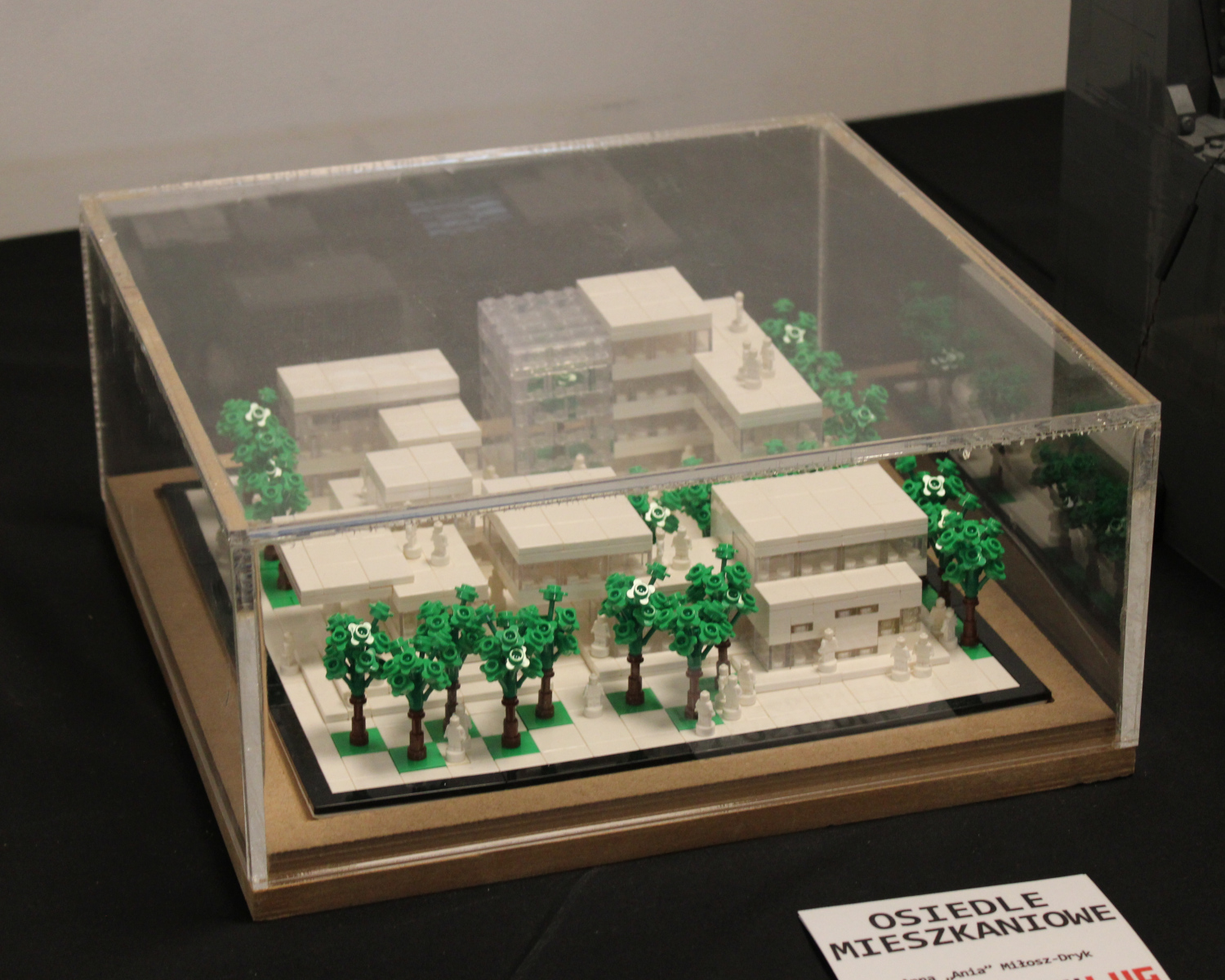
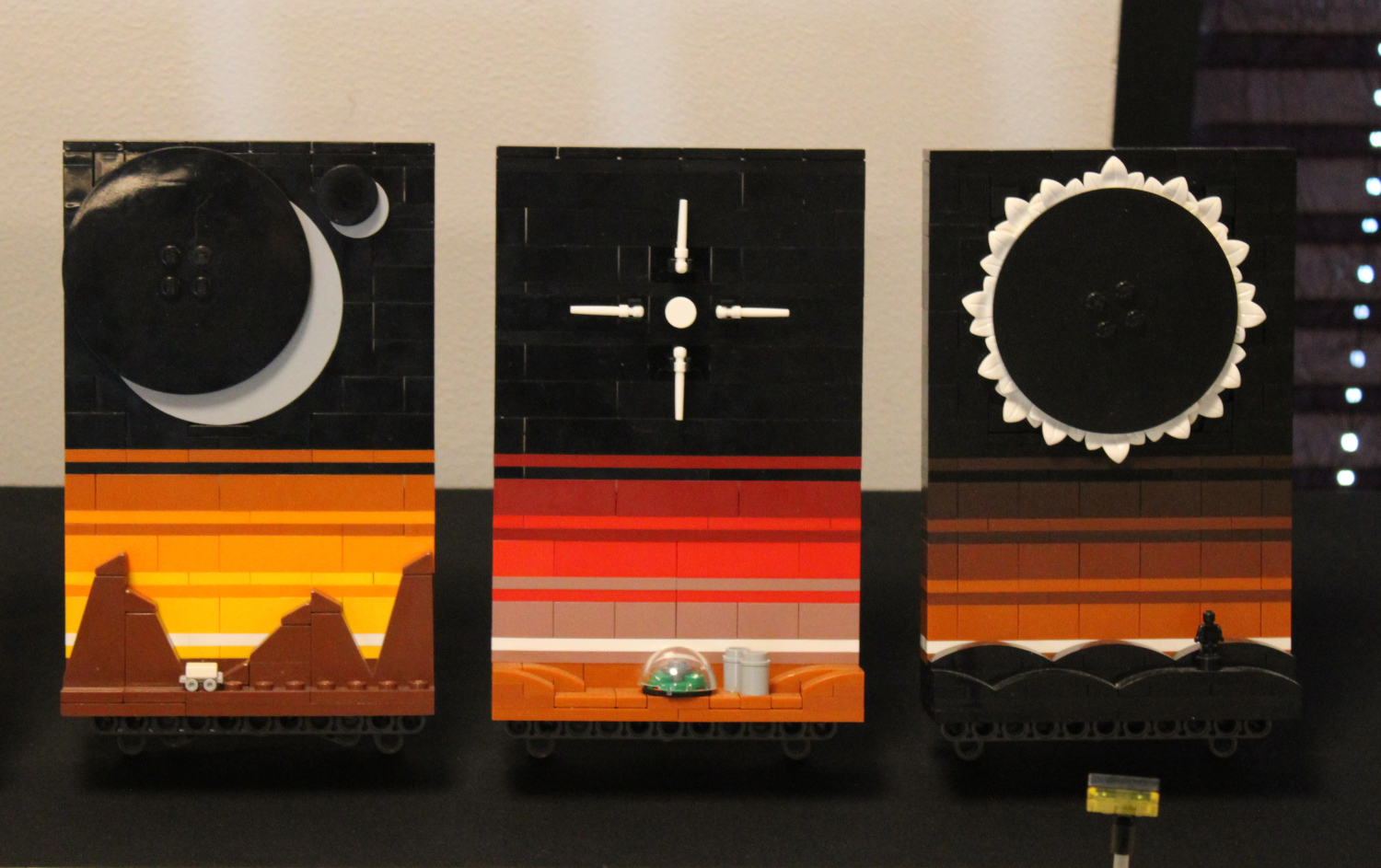
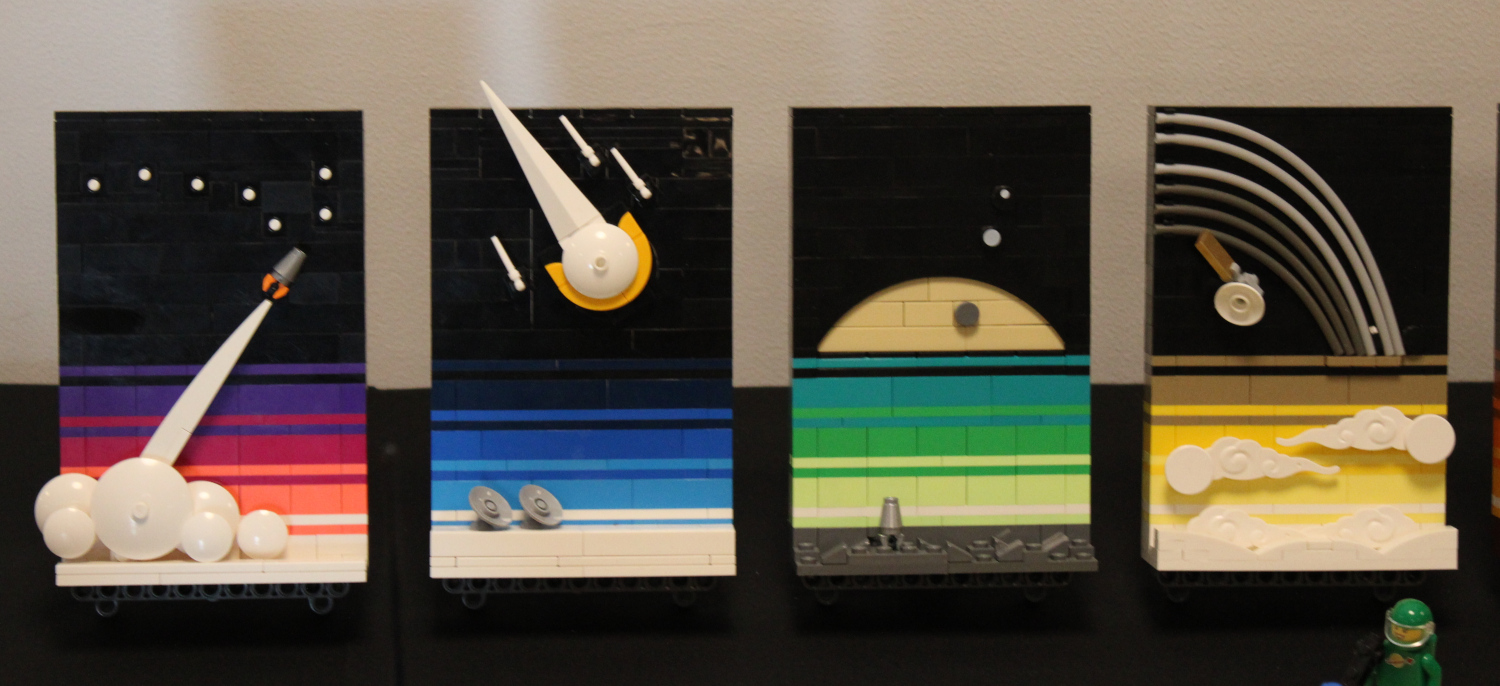
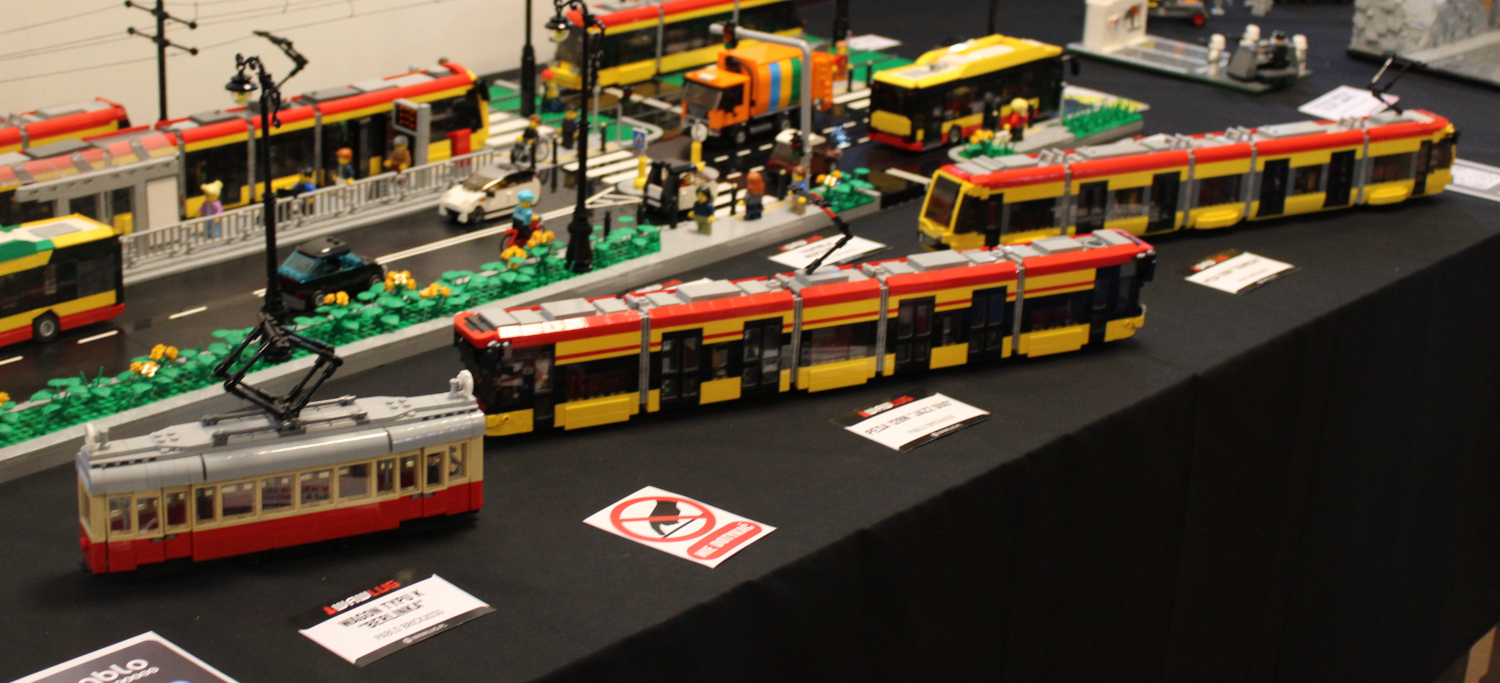
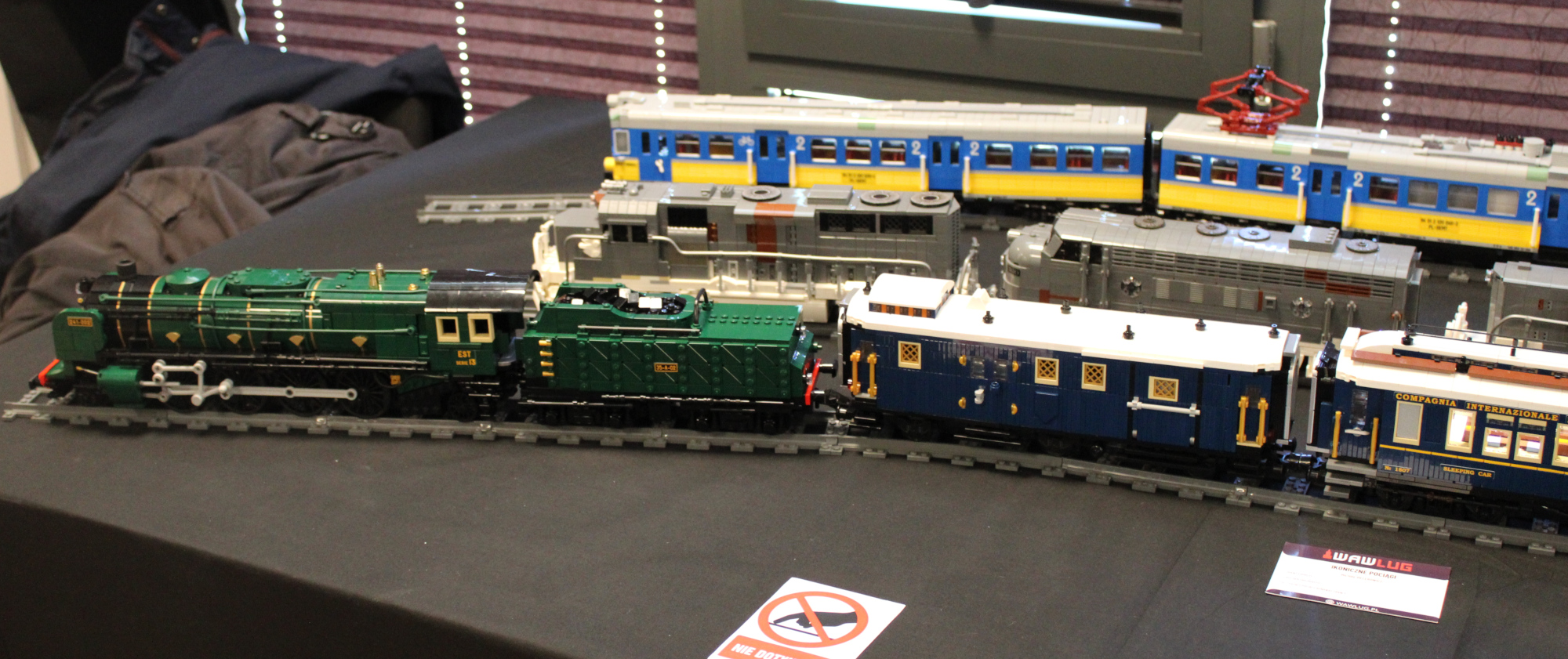
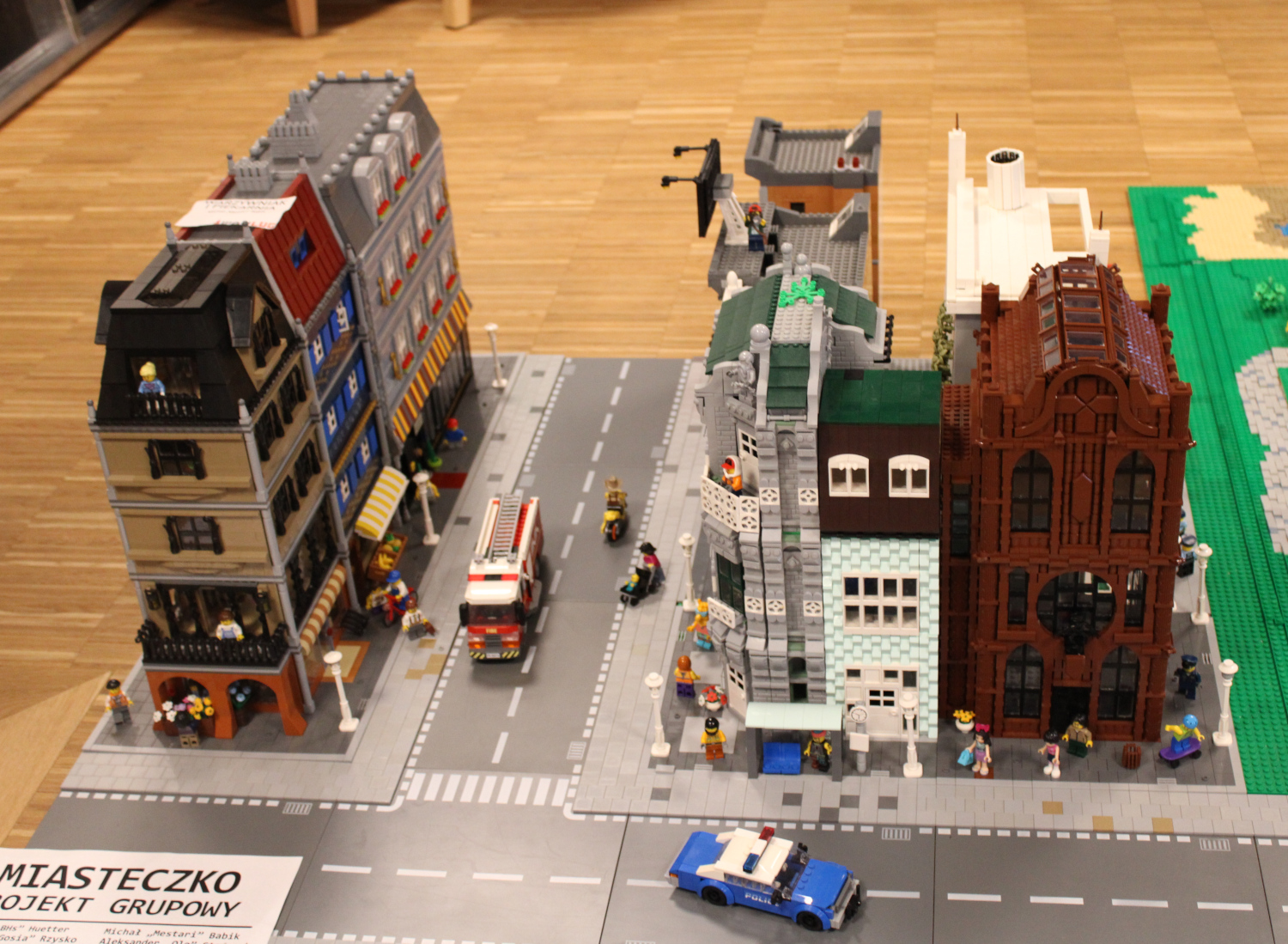
Oh, there was also a Lego exhibition upstairs as part of the show! I did hear some people complain that the space could have been used for more directly relatable stuff (although I’m not sure what – it was quite out of the way), but I really enjoyed seeing it, and some pieces in there were surprisingly creative. here are some pics:

I got a real kick out of those panel pieces. I guess they’re a bit like flats for Lego?

As a final thought: I said earlier that there was nothing else to complain about for the show, but I do have one complaint about my time in Poland: the lack of pierogi for me. I was excited like you wouldn’t believe about the opportunity to eat pierogi. I’ve had them a few times over here in the UK and they’re awesome. Where better to get some than in Warsaw? Alas, I am also allergic to mushrooms, which seem like they must be the national food of Poland. There were mushrooms in about 2/3 of the dishes on the Polish cuisine menus. The one place I saw pierogi that wouldn’t kill me, they were sold out. I am sad.

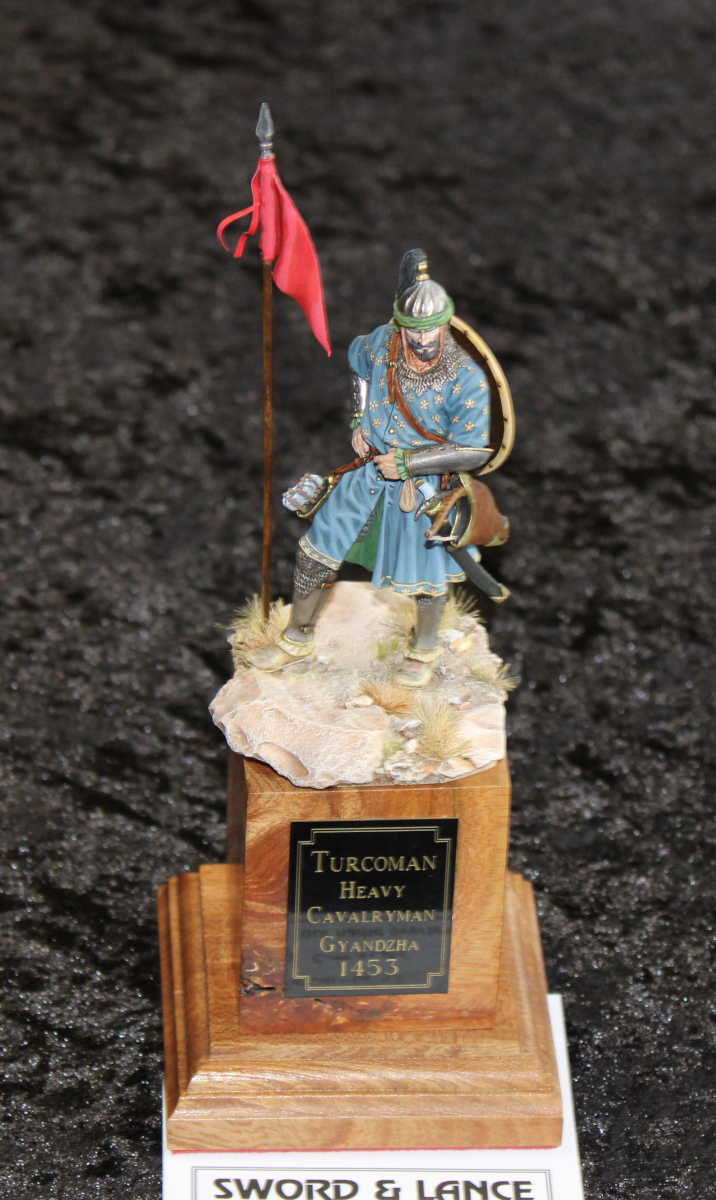
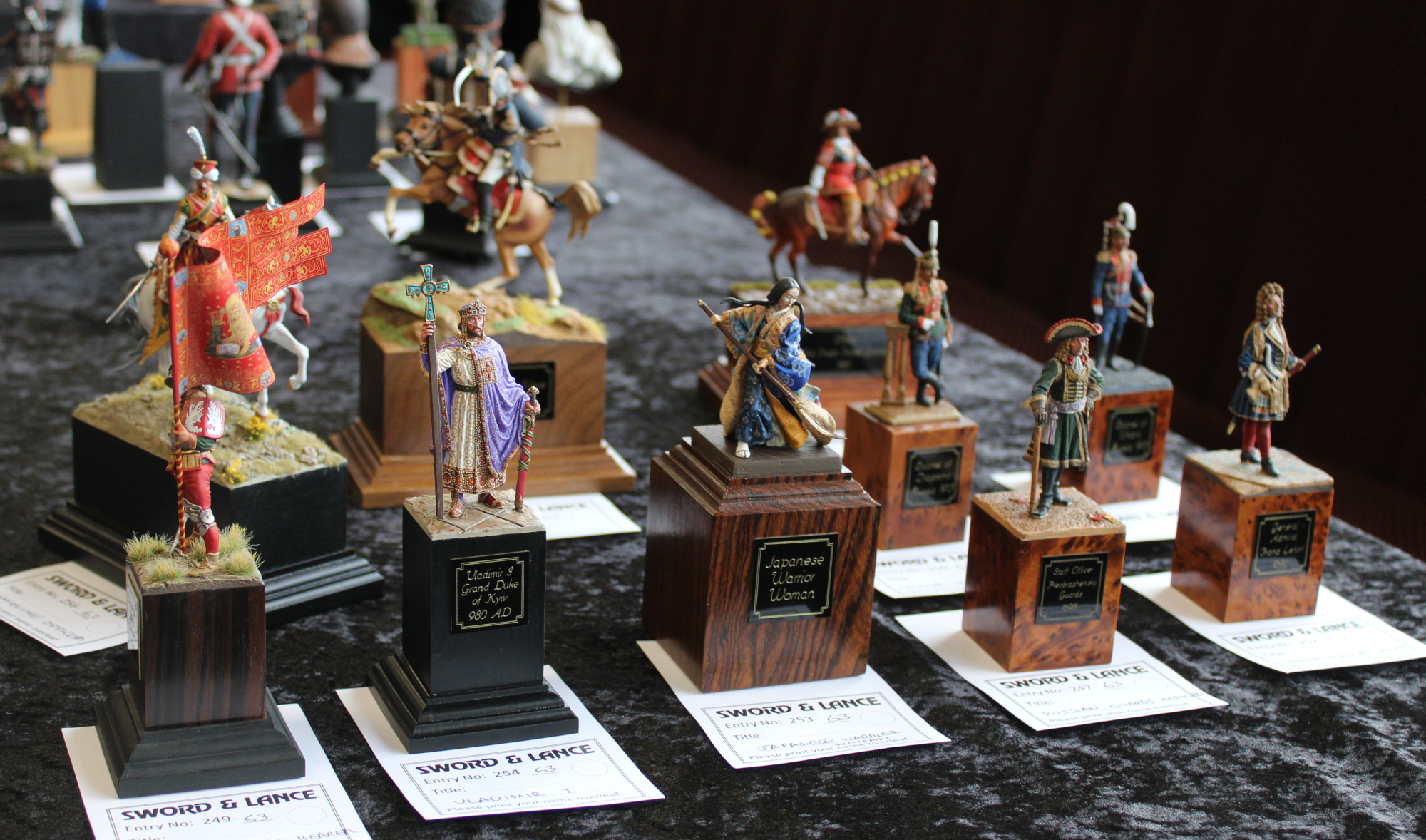
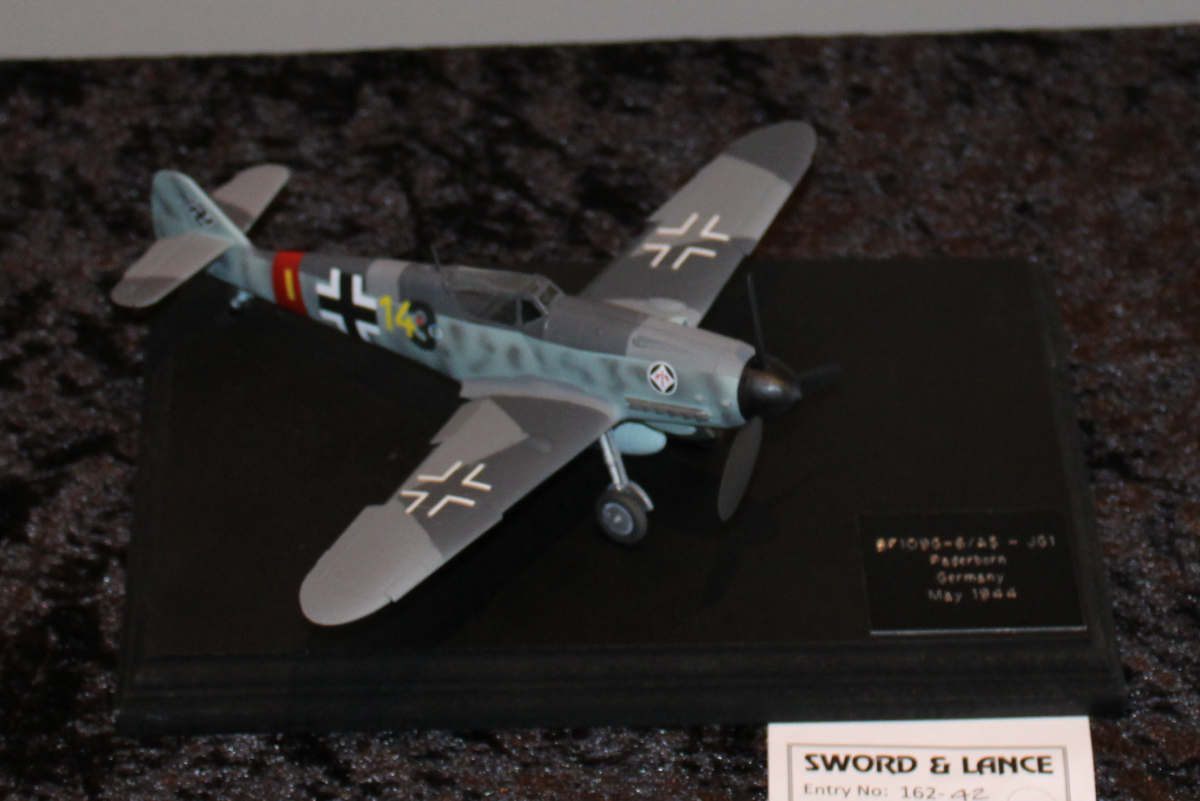
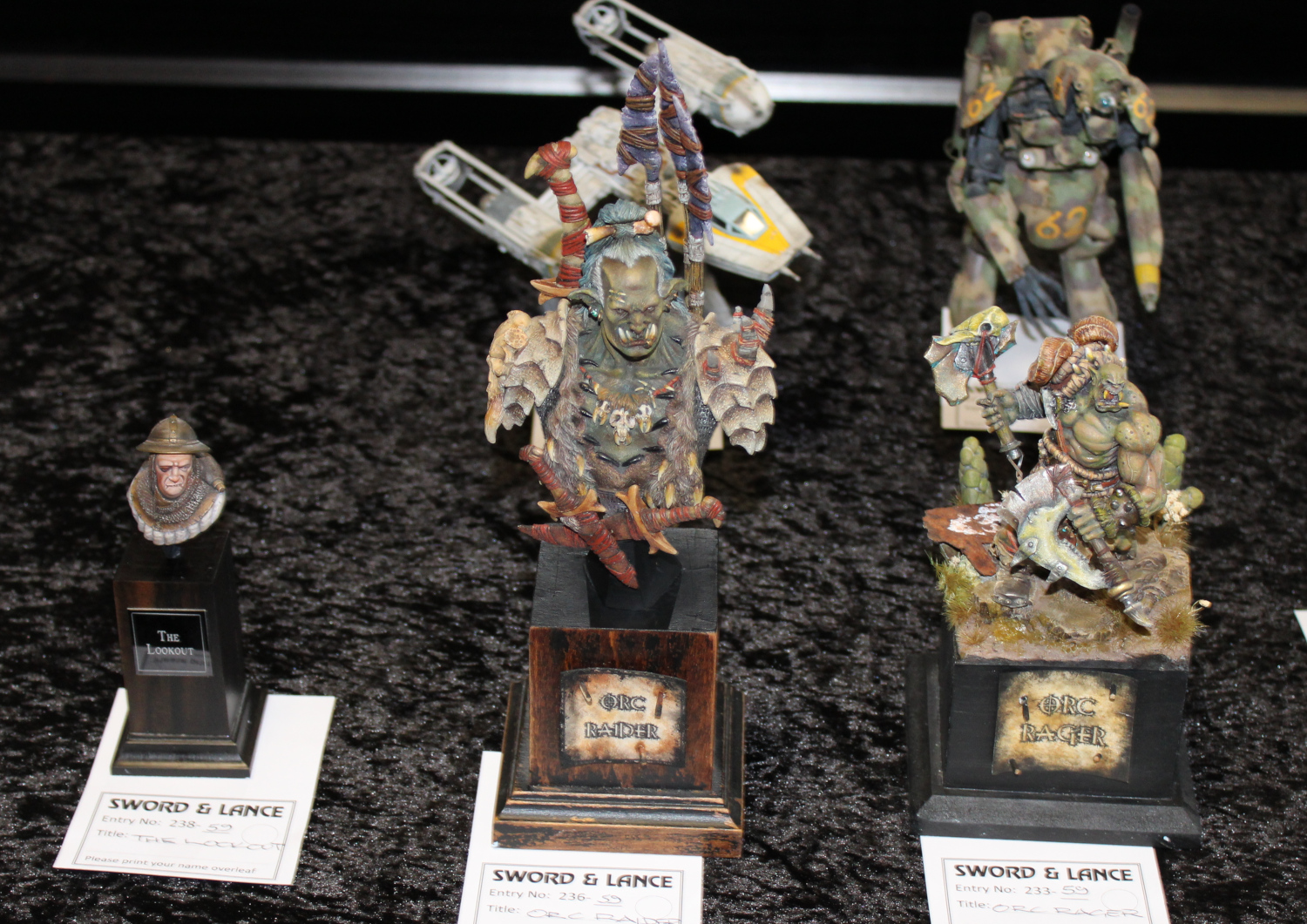
Sword and Lance 2023

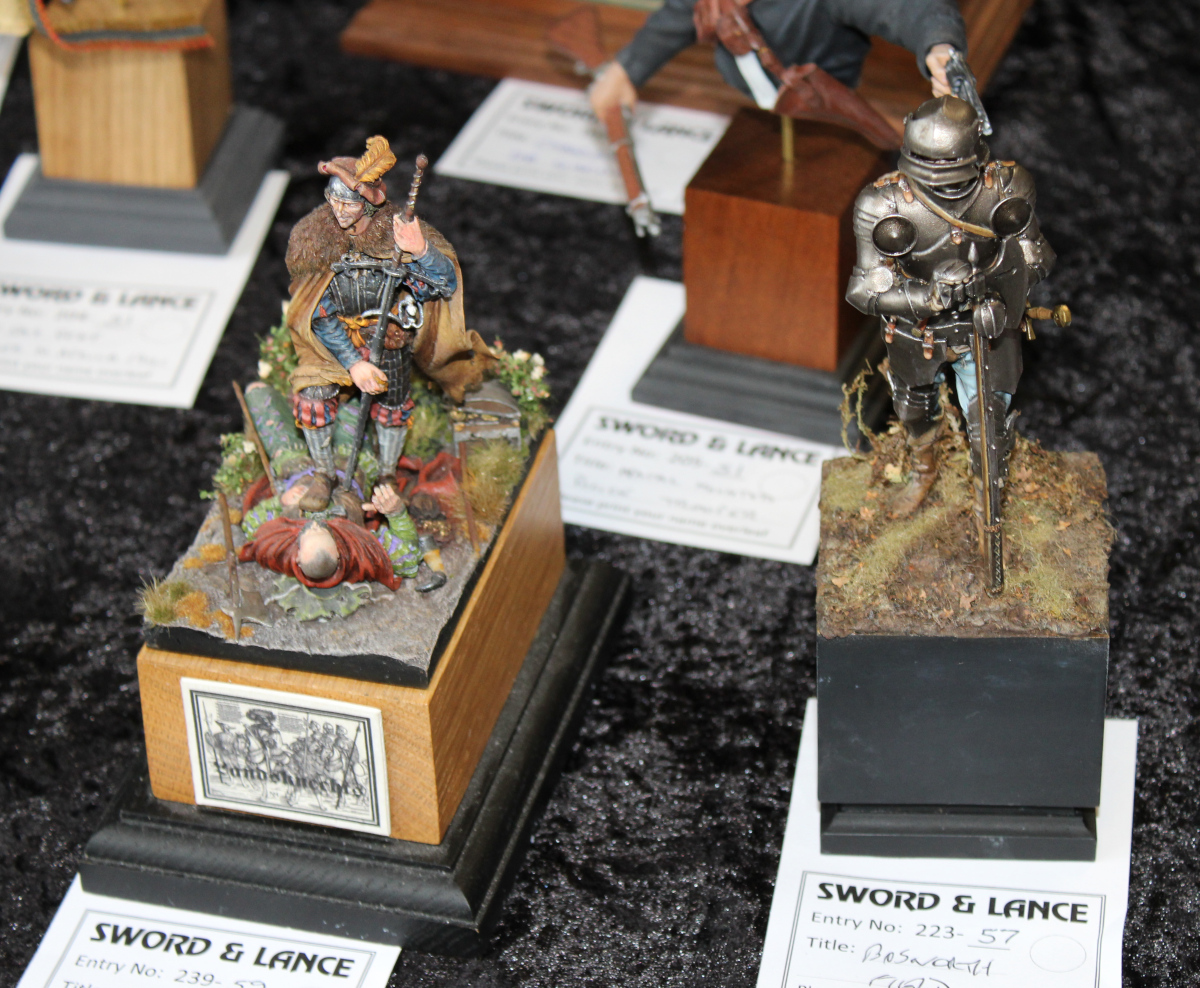
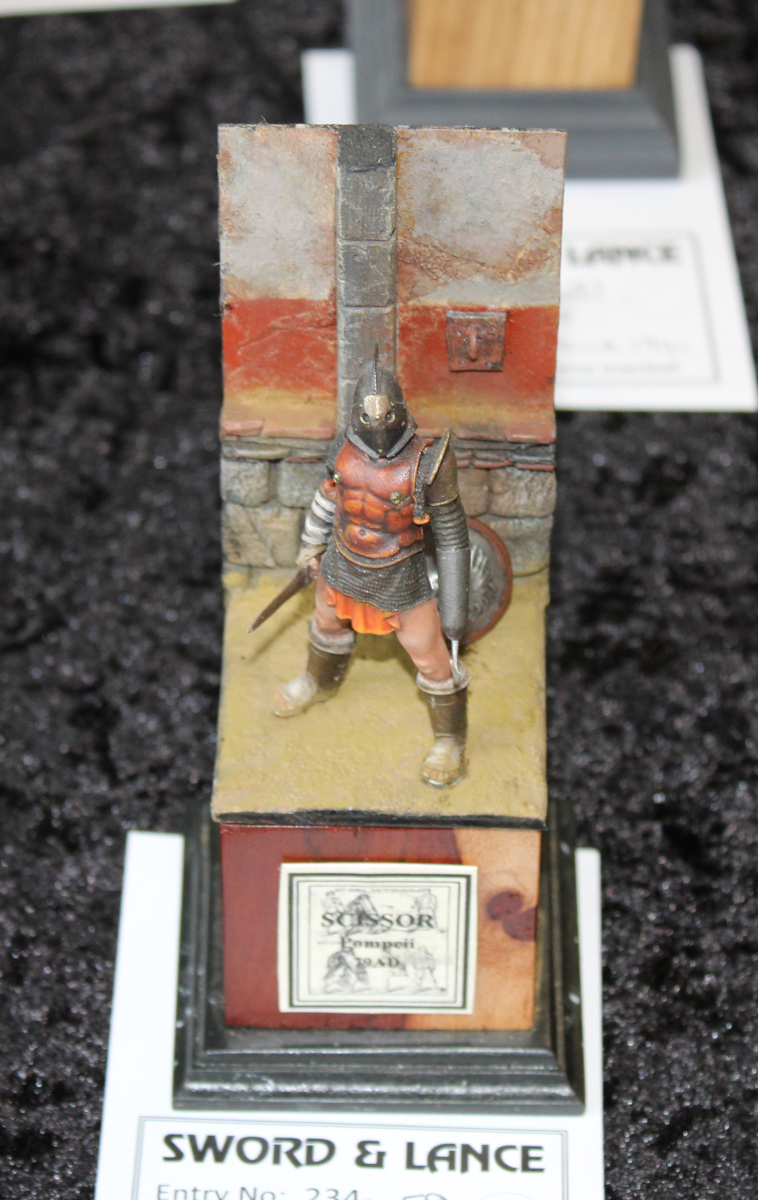
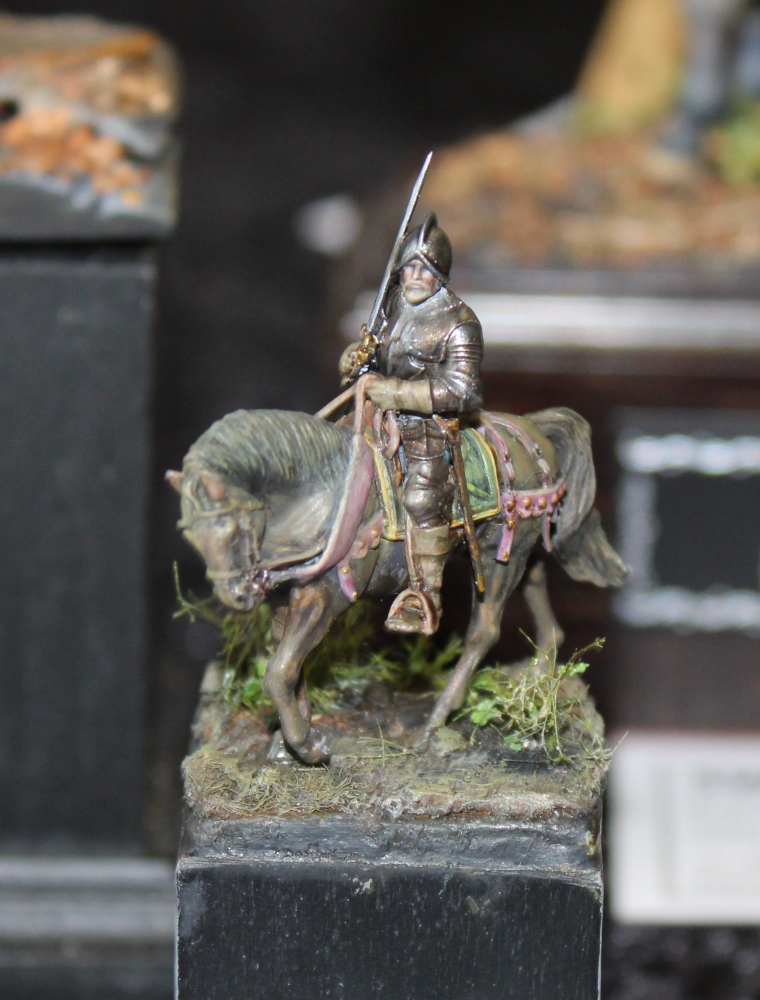
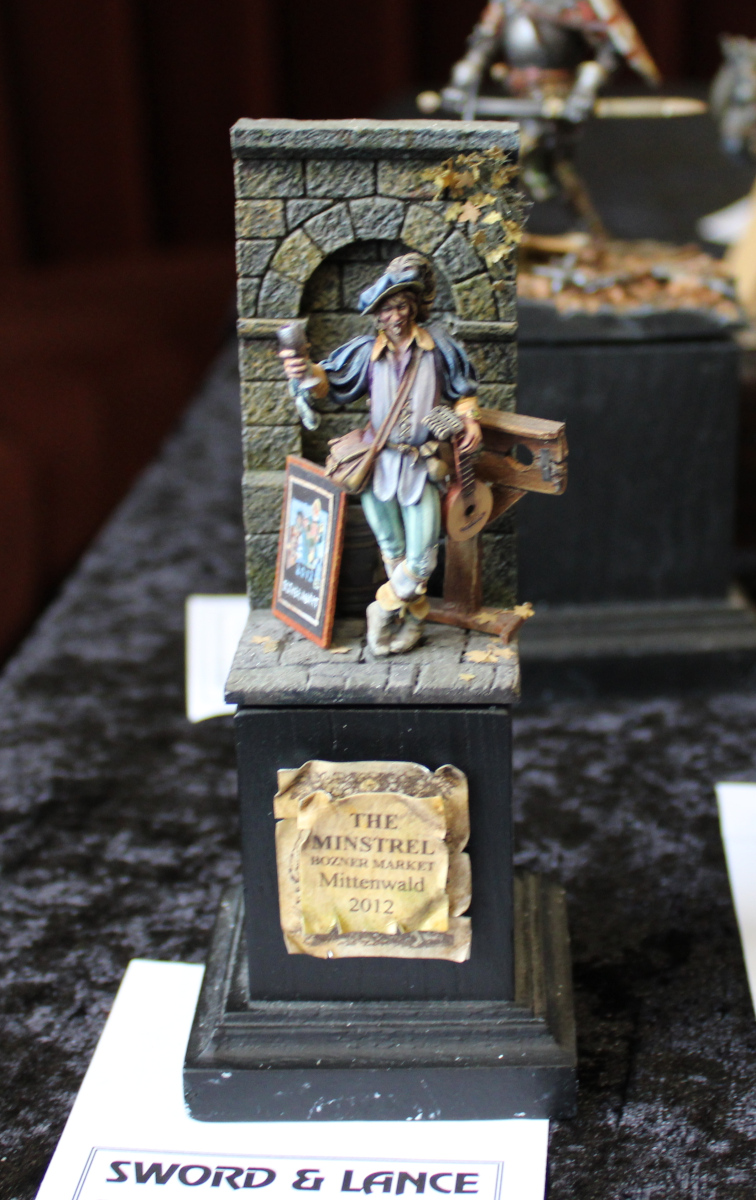
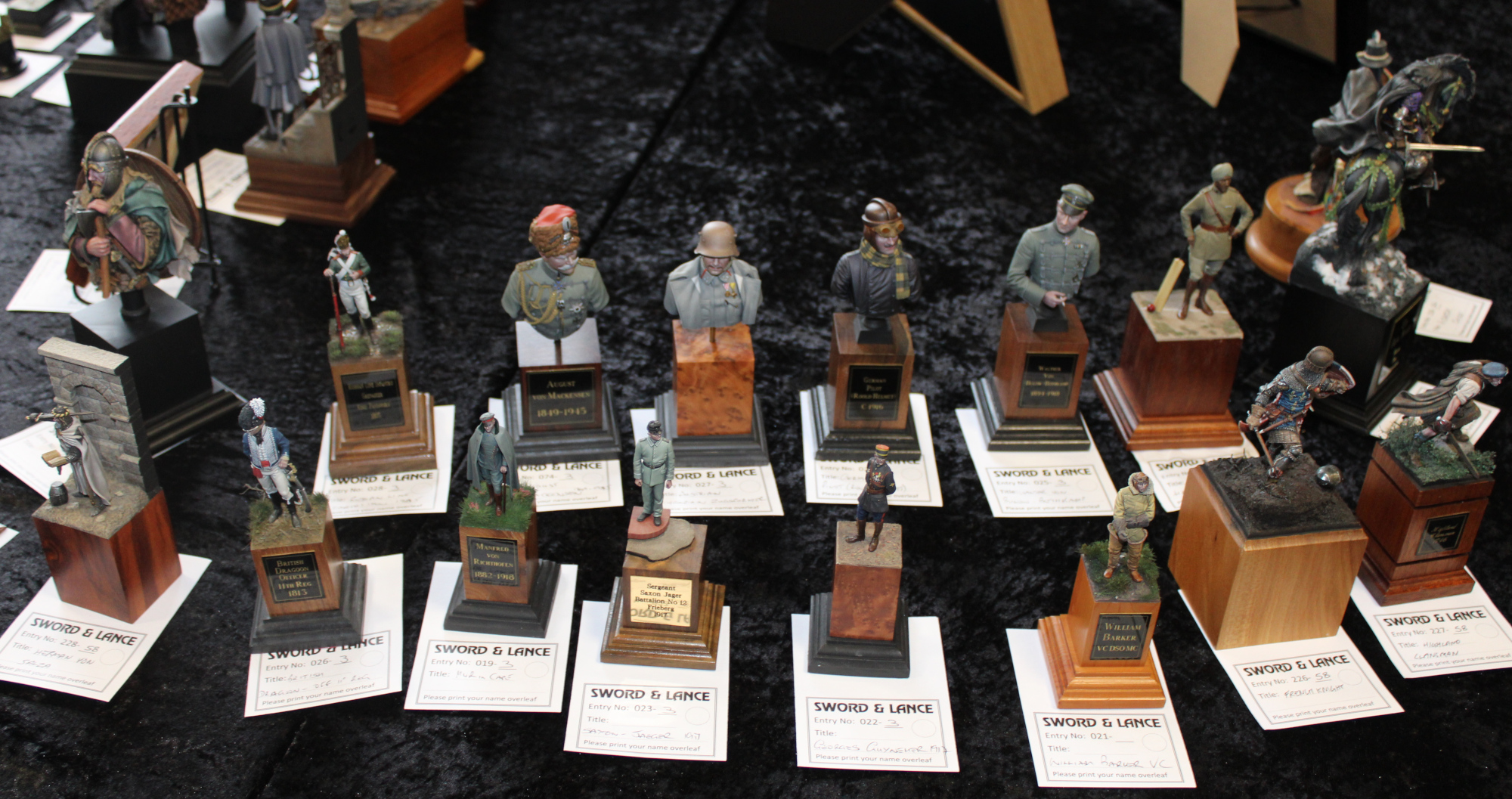
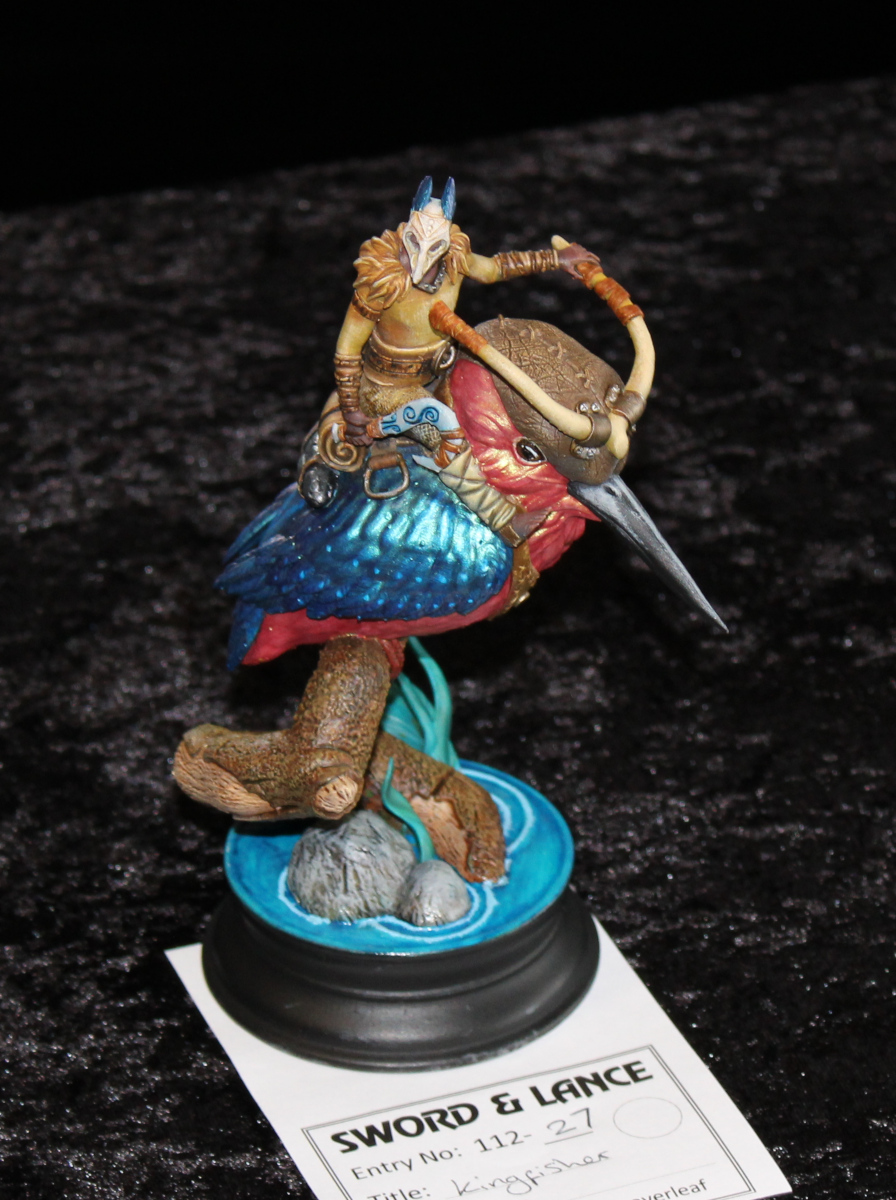
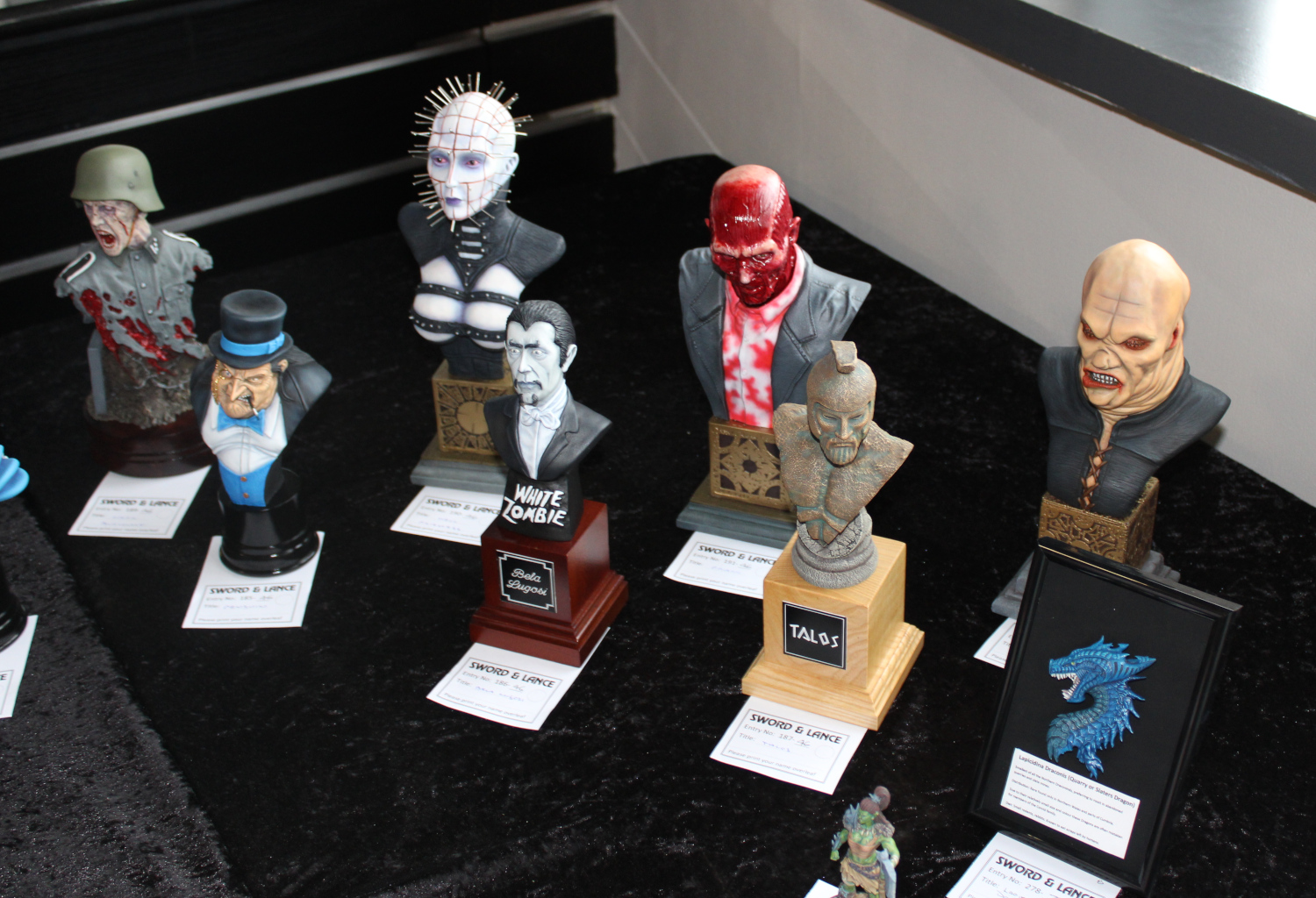
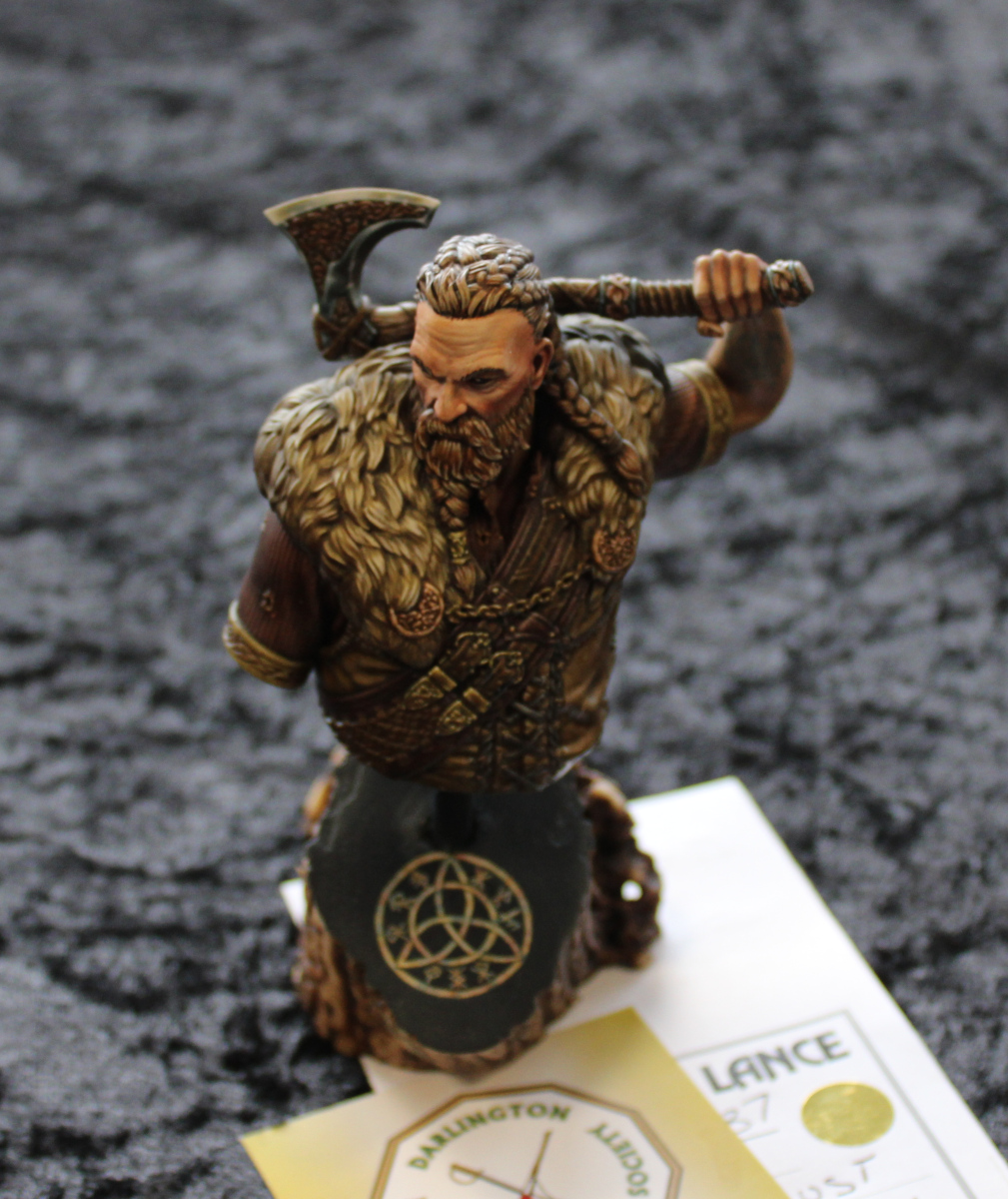
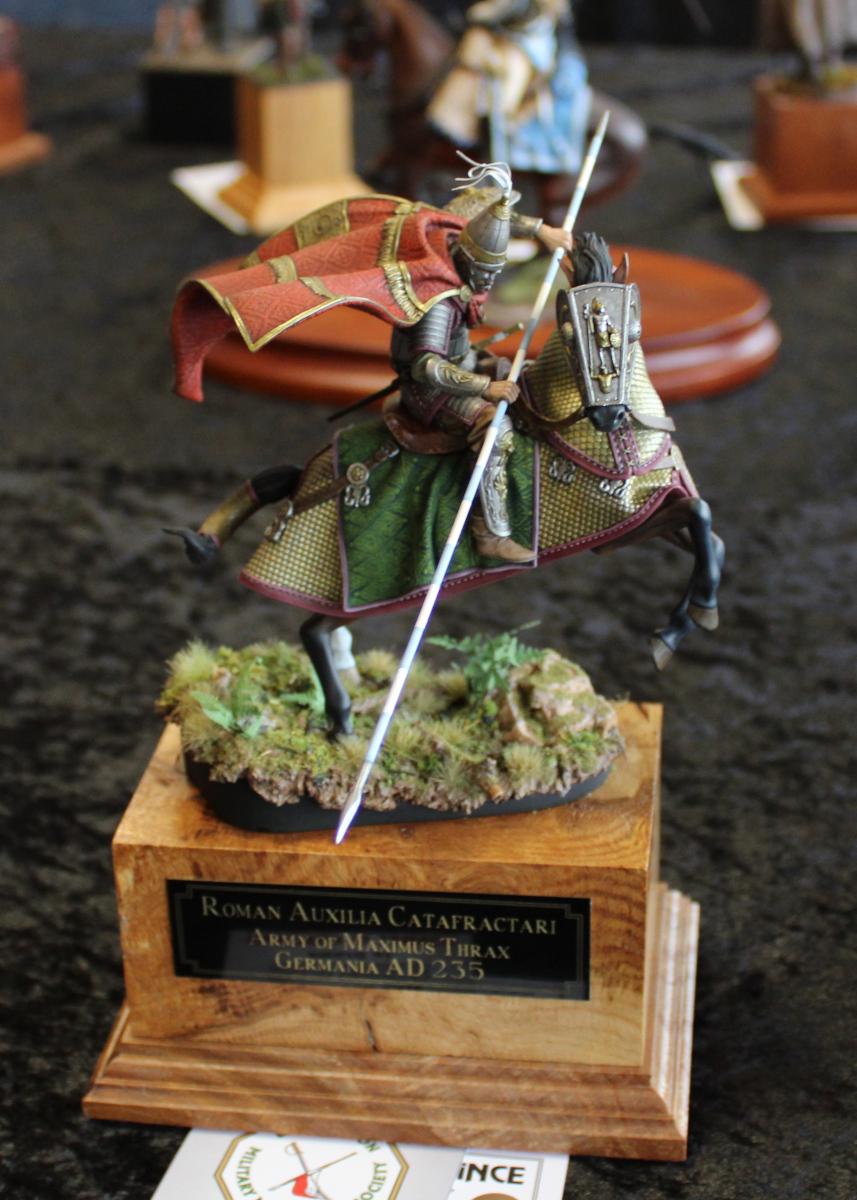
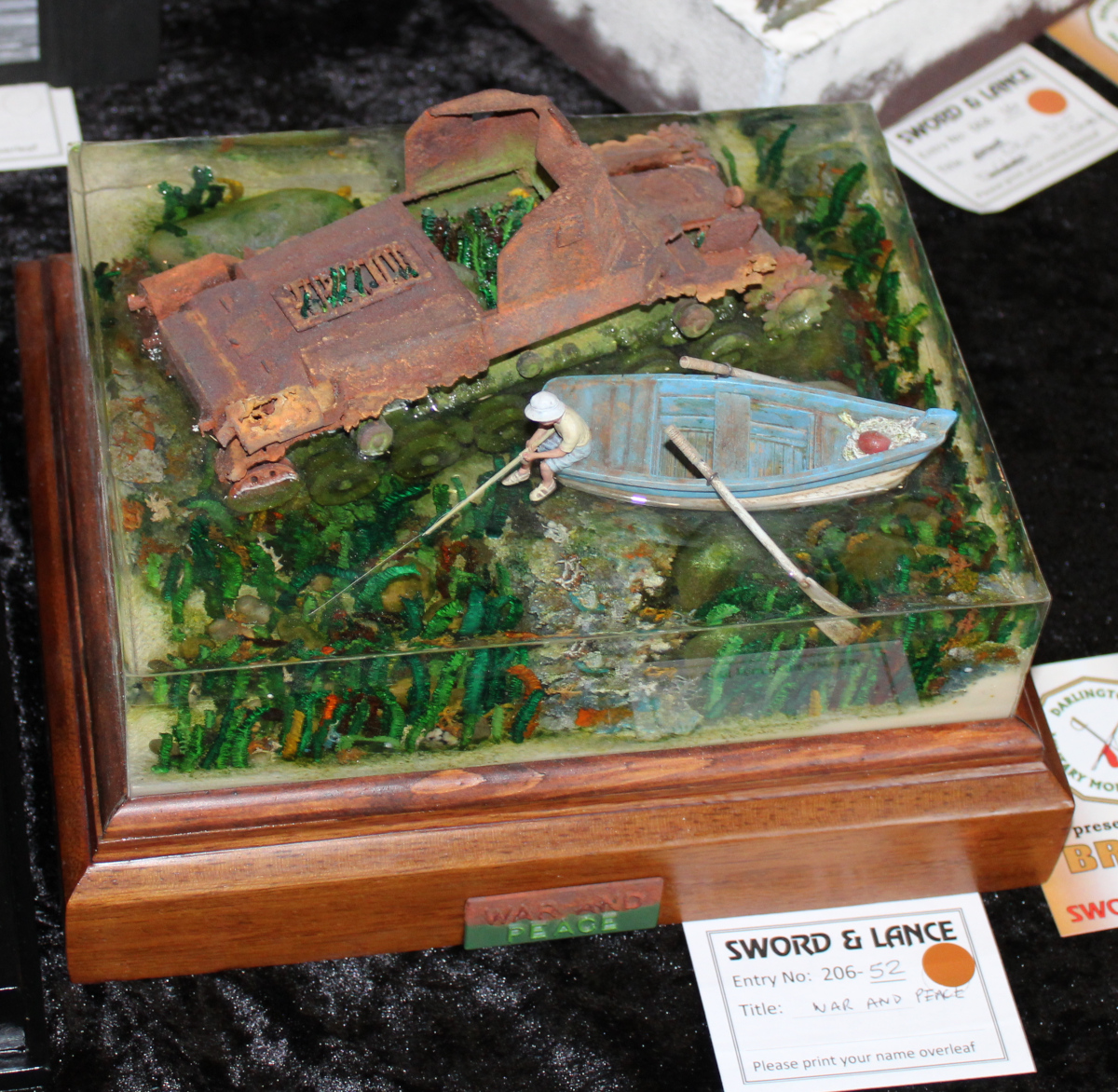
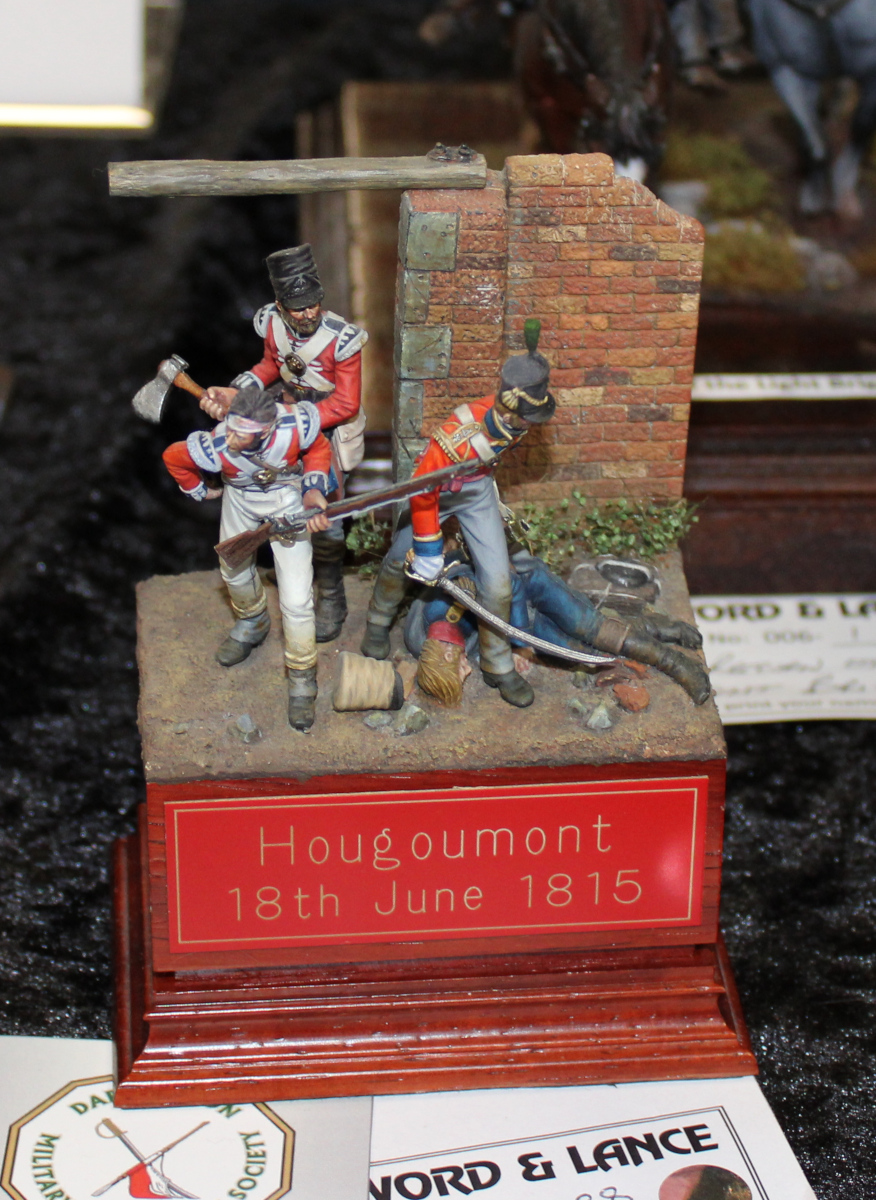
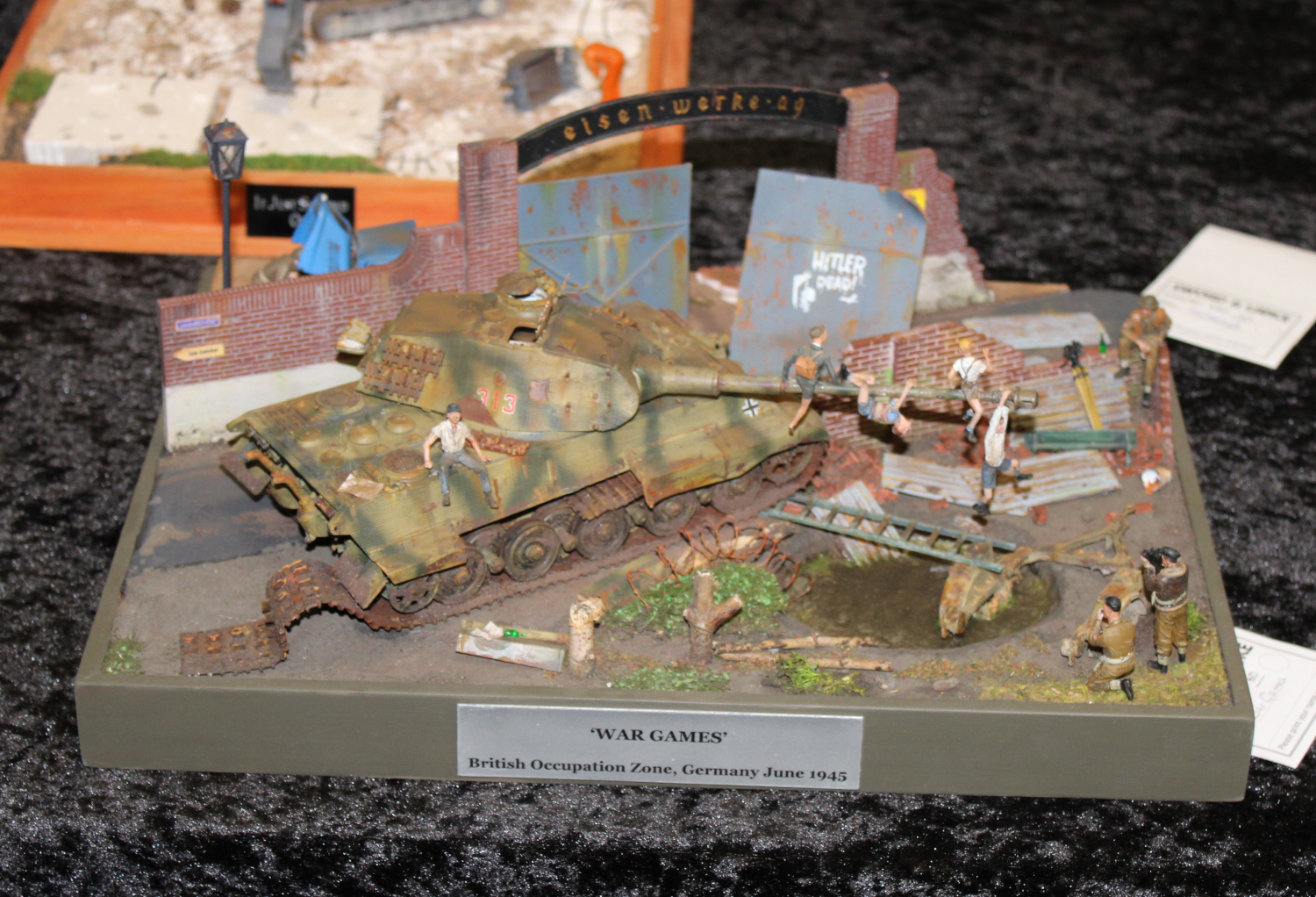
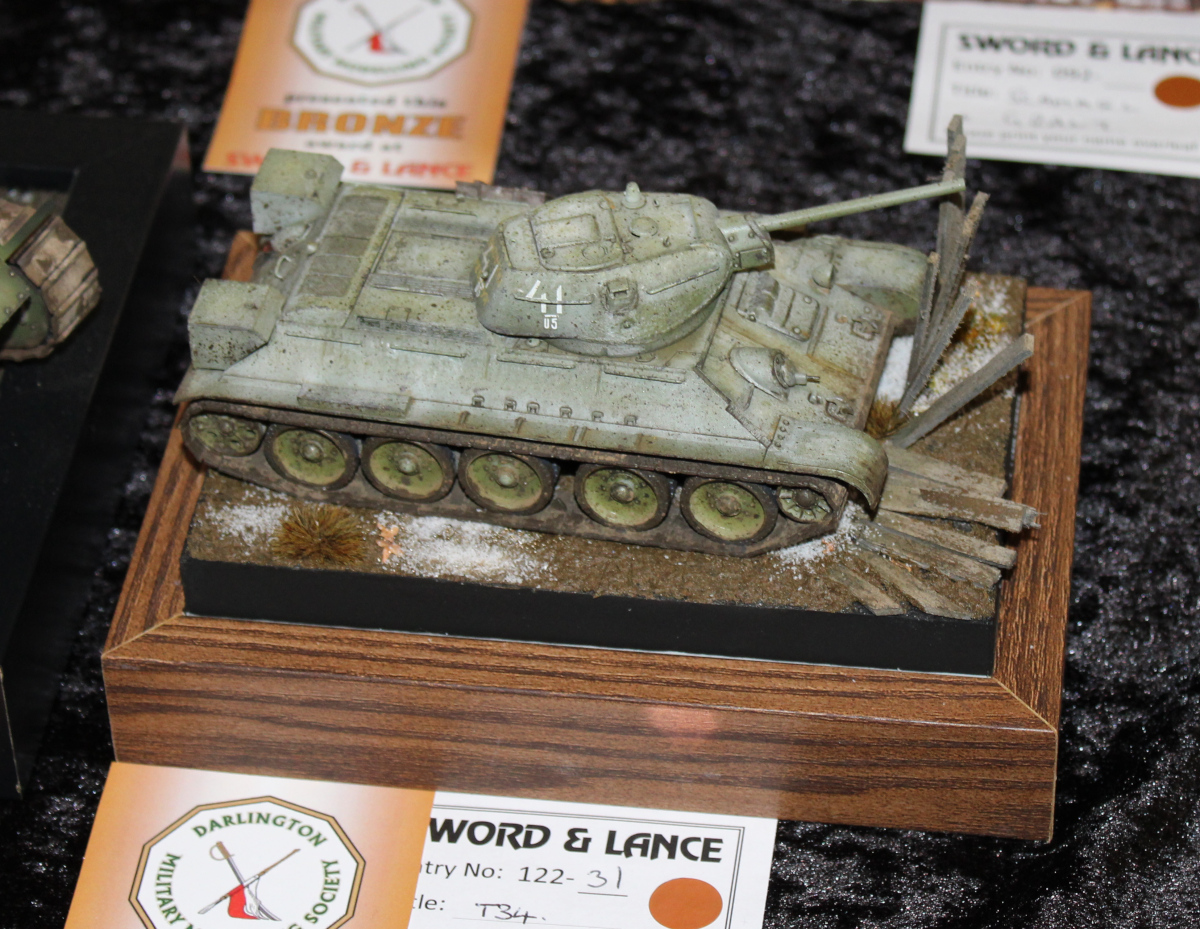
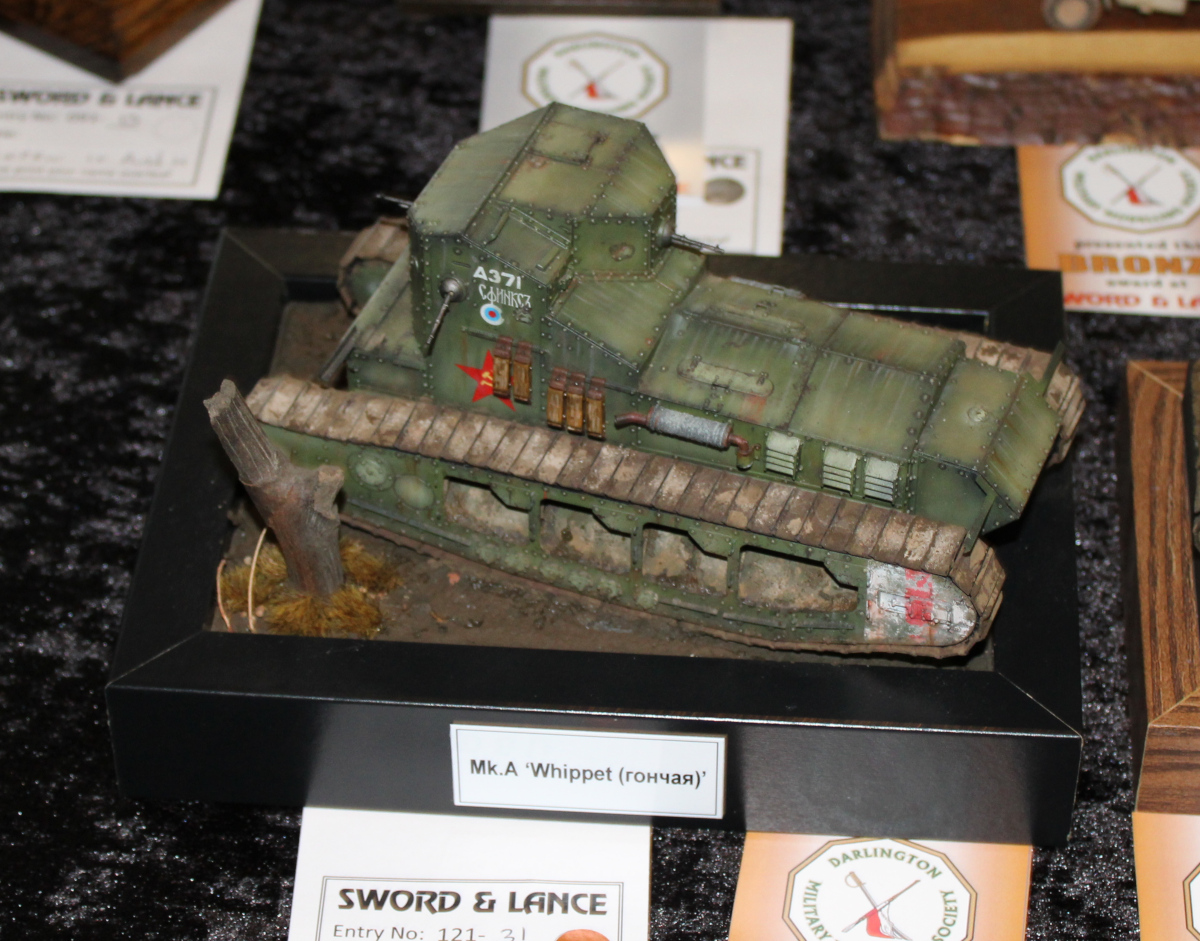
A couple of weeks back, the Ely crew took a wee jaunt into the Grim North for the resurrected Sword and Lance. Last time we came, it was just me and Martin, and we sort of cleaned up, so I was interested to see what the new iteration of the show would be like. Also, despite its reputation, the North is actually pretty great, and I do like Darlington a lot.

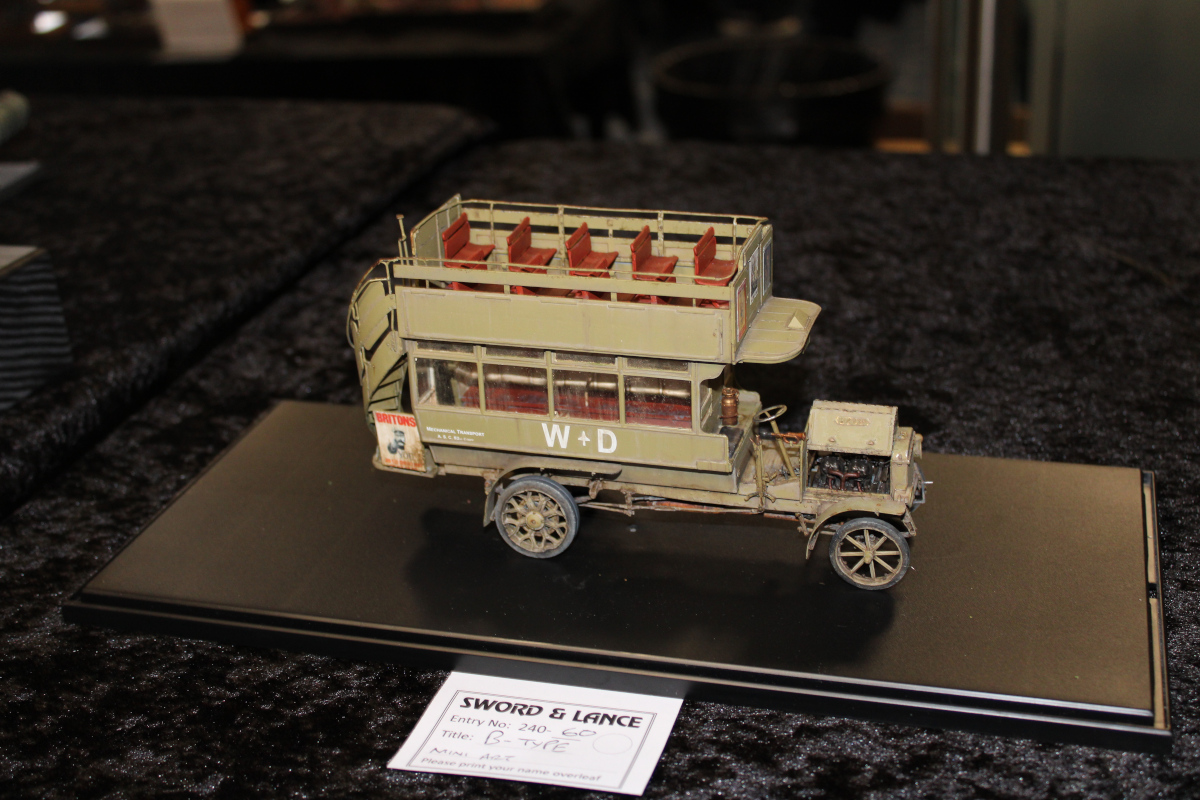
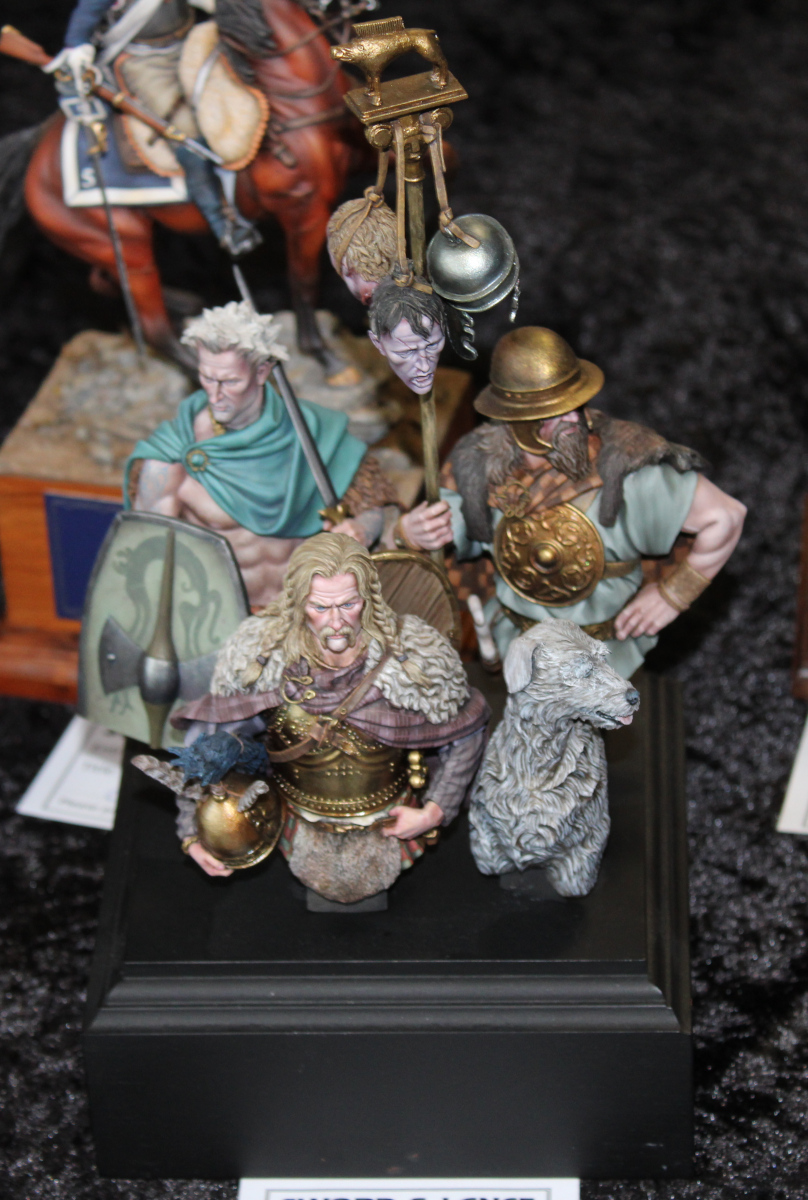
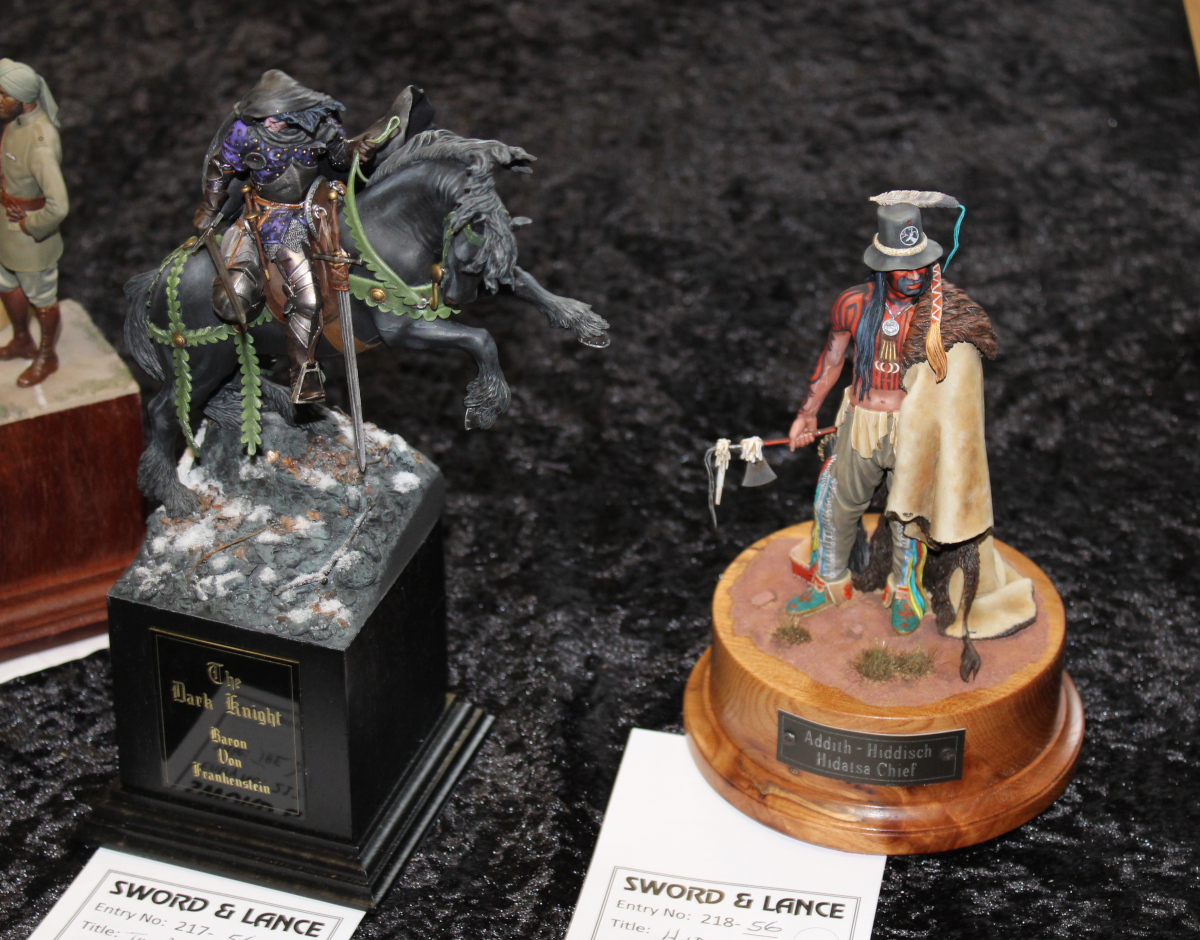
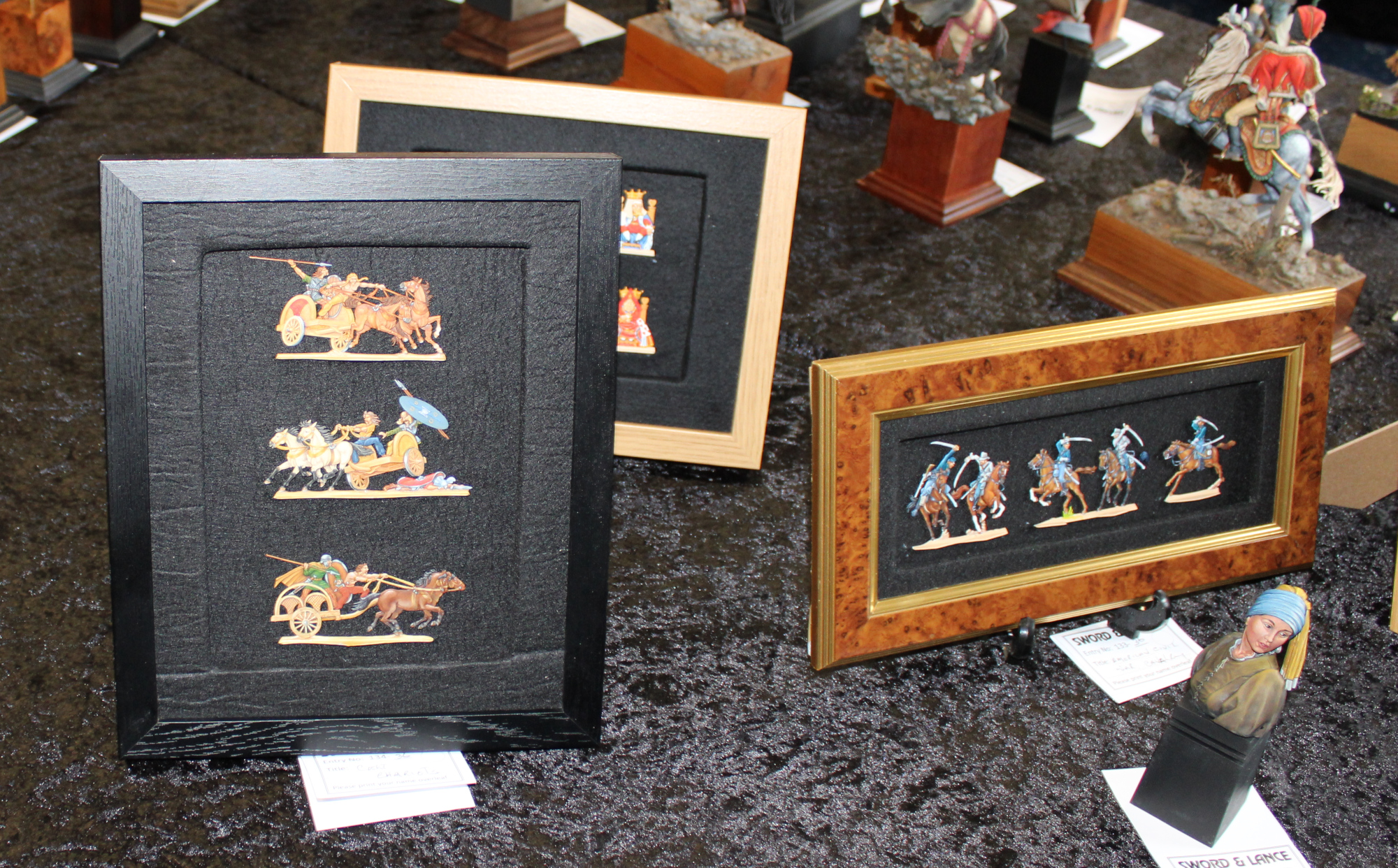
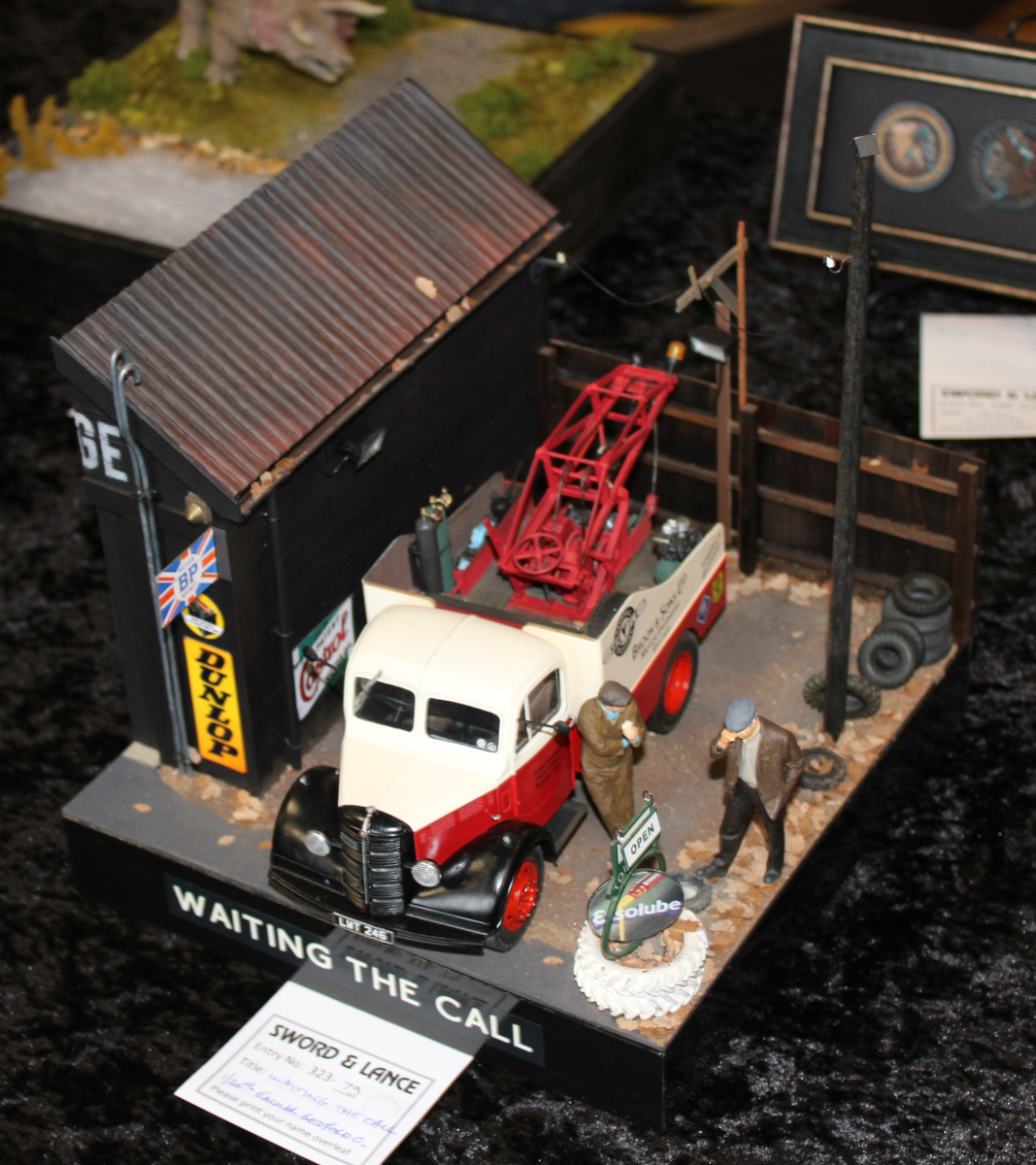
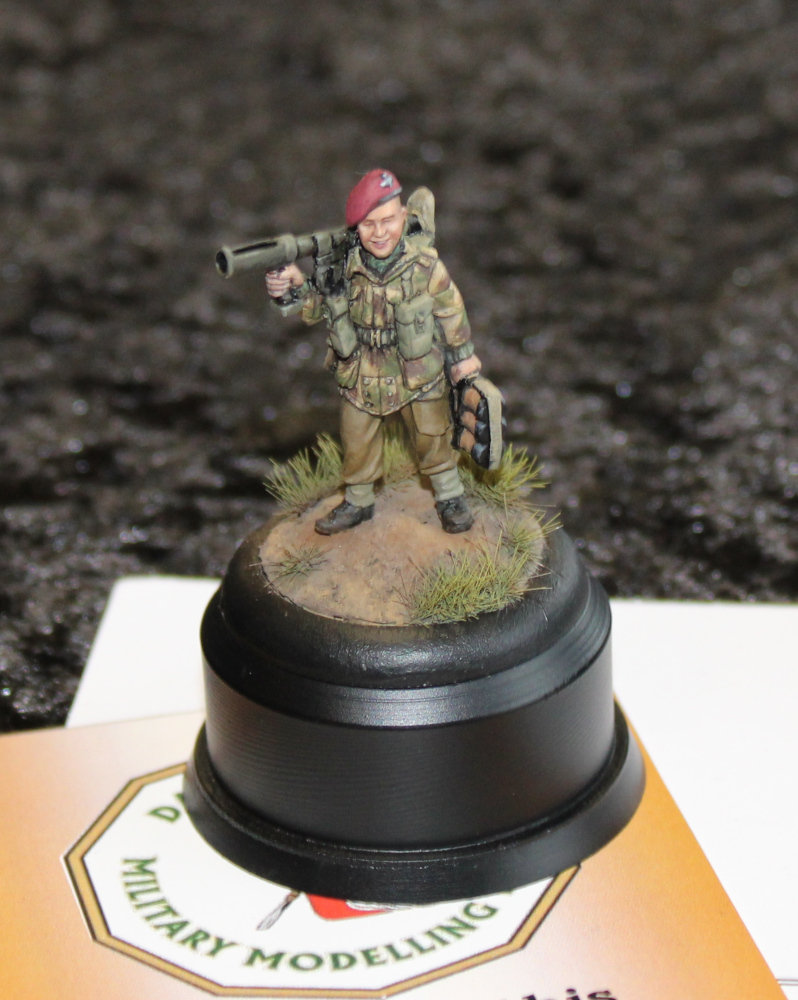
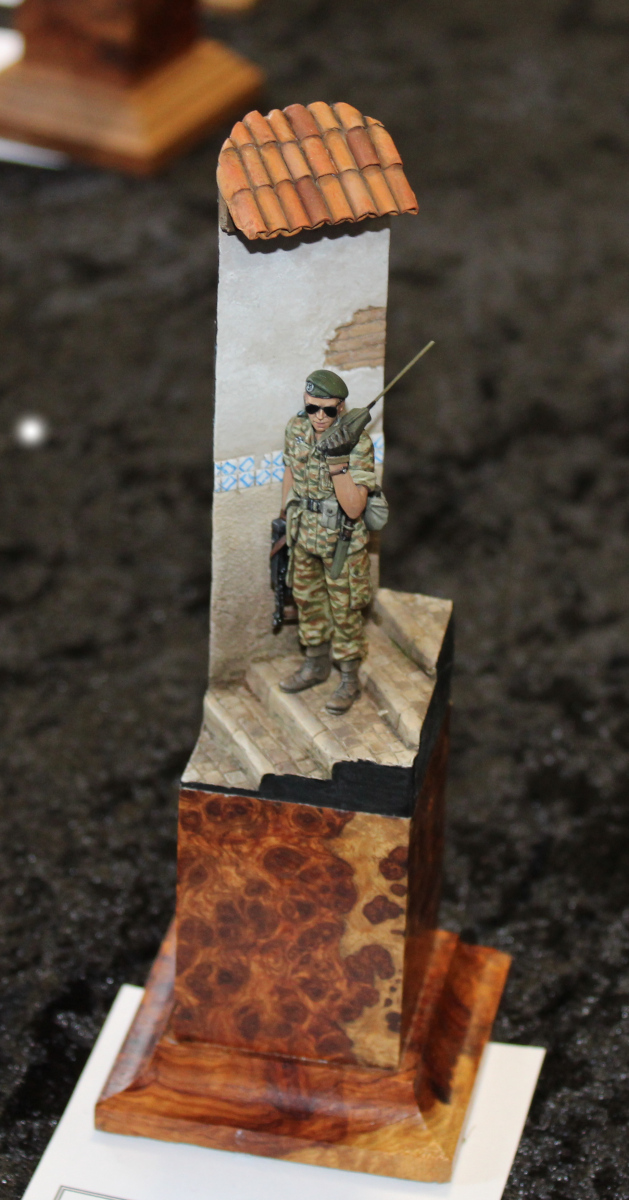
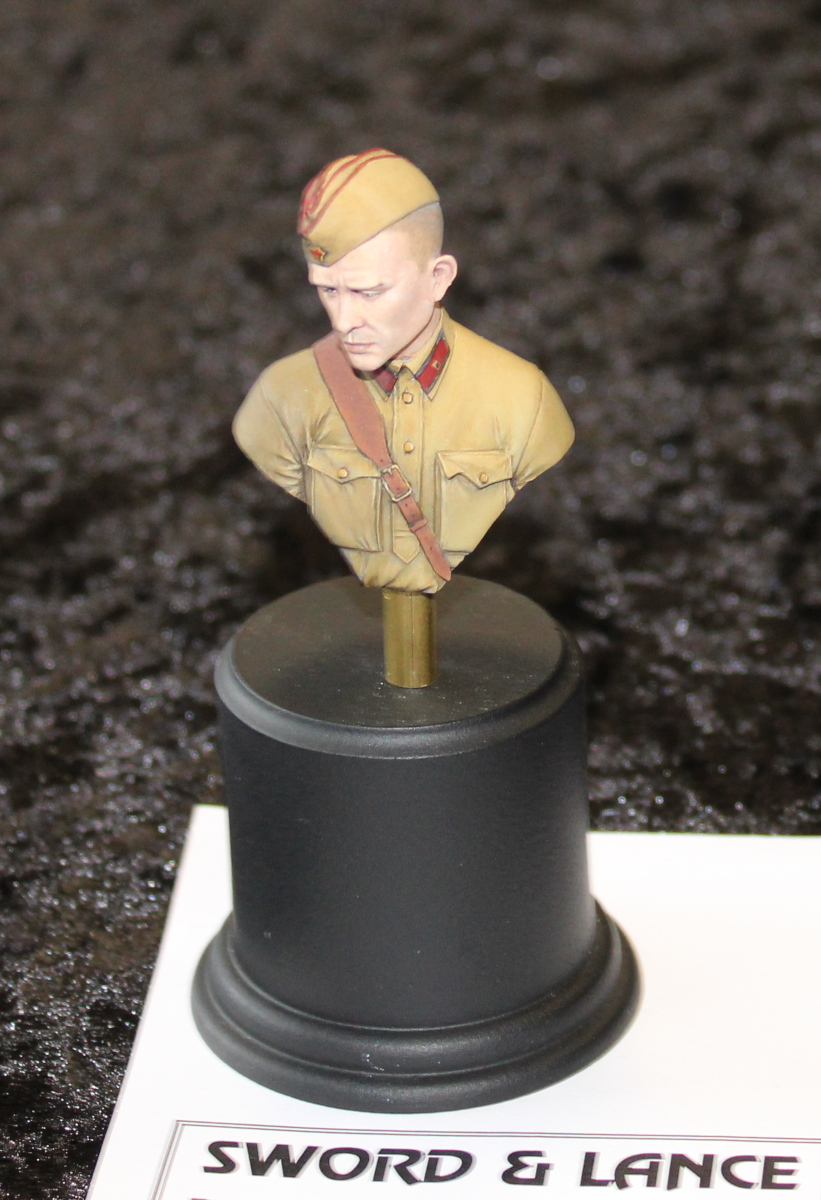
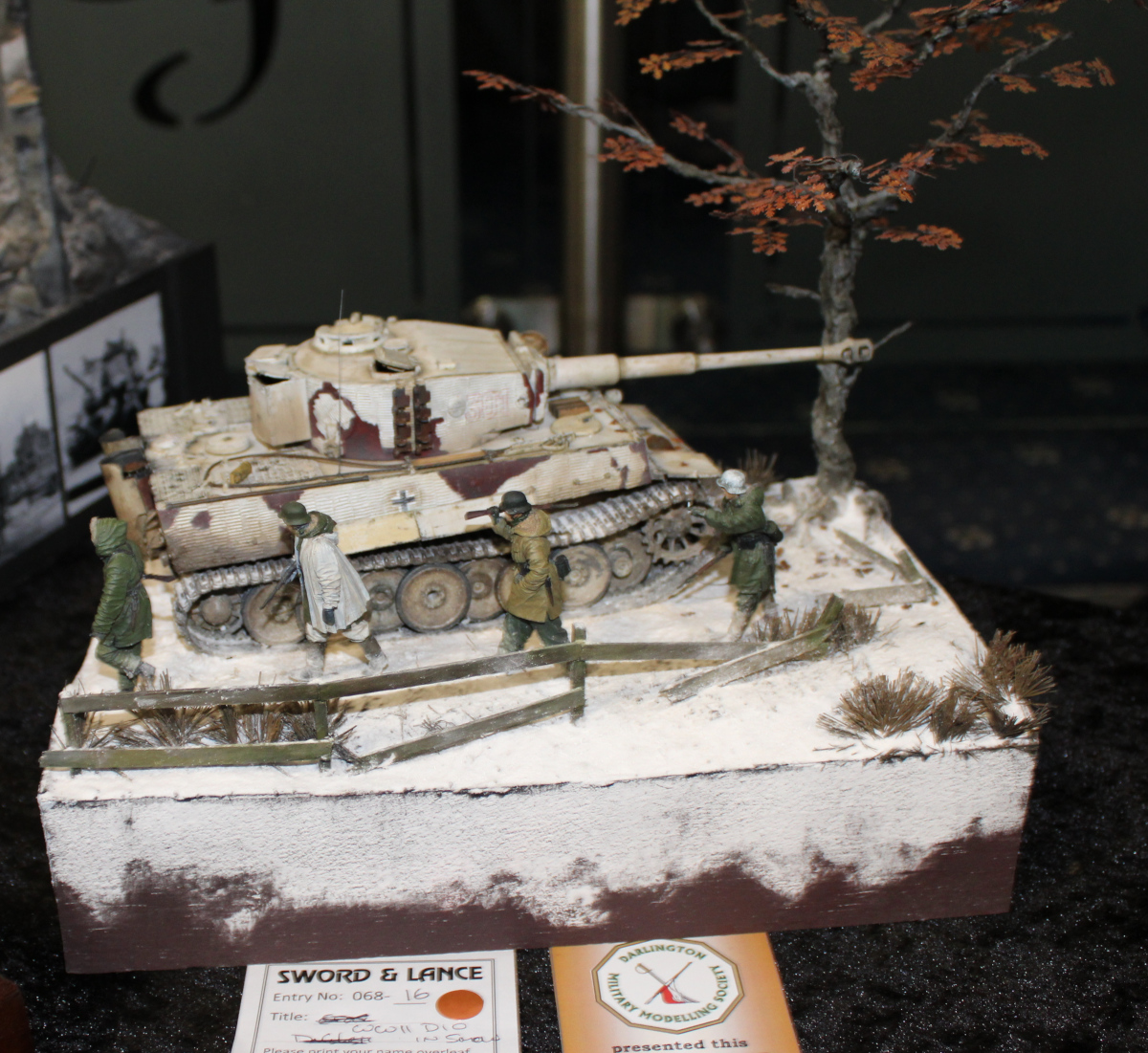
So, to kick off, the usual pictures of variable quality:

So, time for the usual commentary.

The show had a pretty incredible turnout, especially given the extremely low visibility online. I assume most of the advertising was done through clubs rather than really seeking out painters outside that sort of community, which is a little sad, but it was effective at getting numbers. All up there must have been close to a thousand models on display, which is a great result for any show in the UK at the moment.

The quality was also very high – many of the painters there would easily win medals at the major international shows (and some had!).

The canteen didn’t serve beer, but there was a pub a short way up the road for those in need of show beers.

(I had over-indulged the night before and mostly just wanted coffee. The canteen coffee was one of the worst I’ve ever had. Also, the canteen served pies. To those of you not from New Zealand, this might sound like a Good Thing. However, pies are basically the national dish of New Zealand, and we do not accept mediocrity in pies. Even pies from petrol stations have to meet a certain standard. Pies in the UK – almost entirely without exception – are terrible. Don’t even get me started on the apparent lack of emotional response to calling a stew with a pastry lid a pie. In 17 years in this country, I’ve had one good pie that I didn’t make myself. For the record, it was in Lowestoft, of all places.)

I think the judging was generally quite fair. There were some outliers here and there – some people not having their work properly recognised, some being over-rewarded – but they were relatively few and far between, and I didn’t hear anyone moaning about the results.

However, it wasn’t all peachy. In my usual fashion, I must raise some bullets:

  1. Category names
    The main historical figure category was called ‘Figure painters’. This was clarified with a note below the sign, explaining that it really meant ‘historical’ and ‘military’. This sort of linguistic silliness bothers me – it suggests that anyone who paints fantasy or civilian figures isn’t a ‘figure painter’. I doubt it’s deliberate, but having spoken to a number of painters over the years, there is still a large contingent of painters who sincerely believe that the only modelling worth doing is military history, and that everything else is just silly (and, to some, actually ‘disrespectful’). If you want a military category, just call it ‘military’ (but, if you must make distinctions, make sure you also have a category for non-military historical).
  2. Temperatures
    The trading hall was freezing, while the display hall was roasting. The extremely low temperatures in the trading hall probably affected sales, too, and I know at least a couple of the traders were quite annoyed by it all. It certainly didn’t help that the trading hall was quite a long way from the club stands and the display area.
  3. Lighting
    The display area relied solely on natural light from windows on one side of the room. It wasn’t too bad if your models were on the side with the windows (it’s still relatively early in the year, so the light wasn’t too intense), but if you were on the other, it was difficult to see much. My camera even had trouble with its autofocus because of the extremely low light.

However, to counter my previous however, I was delighted to hear them announce that they recognised the two latter issues and would be working to fix them for next year. It’s quite rare that a show recognises its issues literally on the day, but they’ve committed to sorting them out, which is absolutely magnificent. It’s an enjoyable show and I look forward to seeing it grow and improve.
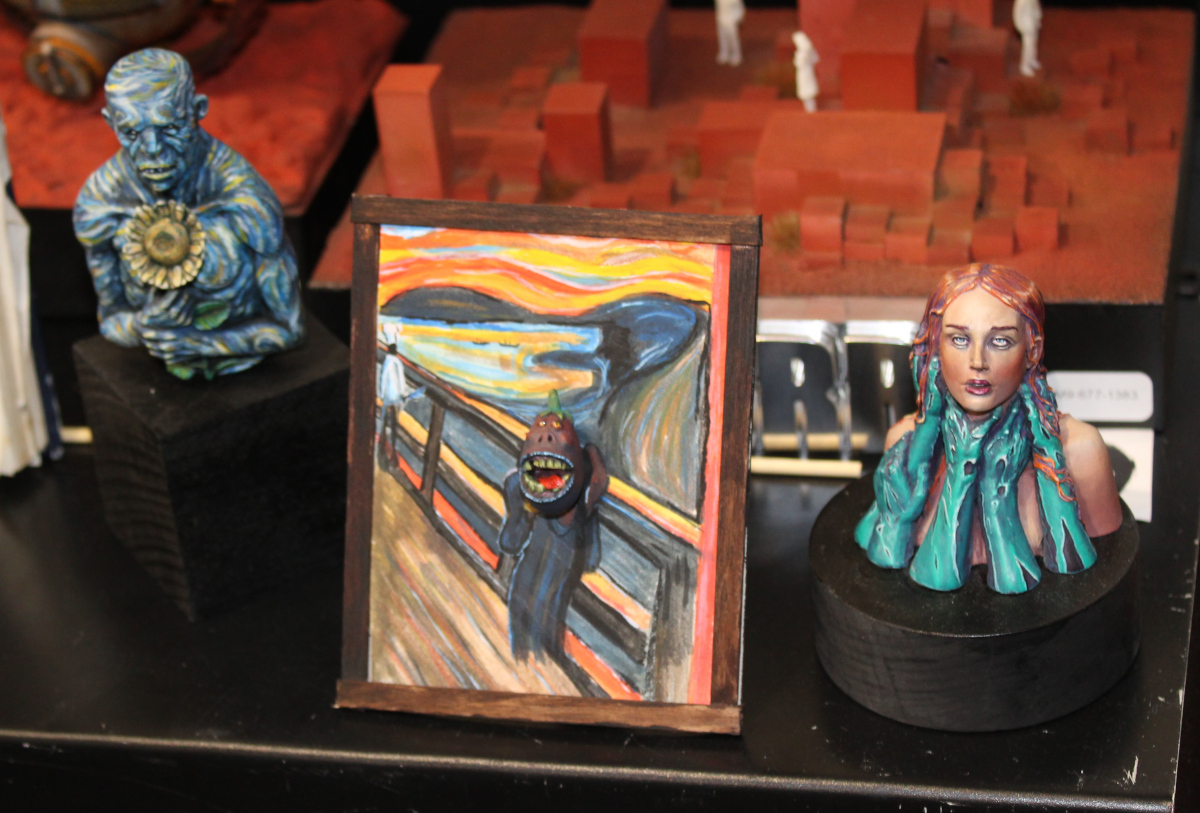
As to results, all of the Ely crew managed to get golds, which I’m pretty sure exceeded our expectations. The next show for the crew will be Salute, but, as you might recall from my post about the last one, I’ll be skipping that. The rest of the crew will be there, though, so do say hi to them and tell them Fet says they suck at painting.