Last year, as you may recall, Martin made the foolhardy decision to drive to Eindhoven for the show. I swore I wouldn’t do that again. Sure, it was handy to have the car there so we could get in and out of the show at our leisure, and take breaks on the journey whenever we wanted. We didn’t have to put up with the ridiculous security theatre at the airport, etc. But it took hours. The ferry bar is inferior to airport bars. Car seats may be marginally more comfortable than plane seats, but you’re stuck in them for hours.
So this year, we drove again.
Granted, the journey out was fine. Nothing noteworthy like getting stuck in a traffic jam in France that curiously ended at the Belgian border, or getting lost in Antwerp because the satnav in the car was massively out of date (or the Belgians were messing with everyone by uploading a fake map). However, the journey back coincided with one of the worst traffic jams in British history.
As soon as we left Dover, we were stuck in a sequence of diversions that took us through horrifyingly posh villages perched next to suburban hellholes populated by the worst dregs of British society (probably – I mostly noticed that all the houses had weirdly narrow doors. Is this a Kentish thing?). For four and half hours, we crept along, watching the red line on Google Maps get longer and longer ahead of us.
At one point, Martin decided to get out and take a look ahead to see if the traffic was clearing. He took the keys with him, like a prize idiot, so when there was the tiniest bit of space, Kev could only let off the handbrake and roll forward in a straight line. I’m sure the (probably) drug dealers in the cars around us thought this was hilarious.
Anyway, never again. (We’ll probably do it again.)
Pictures:

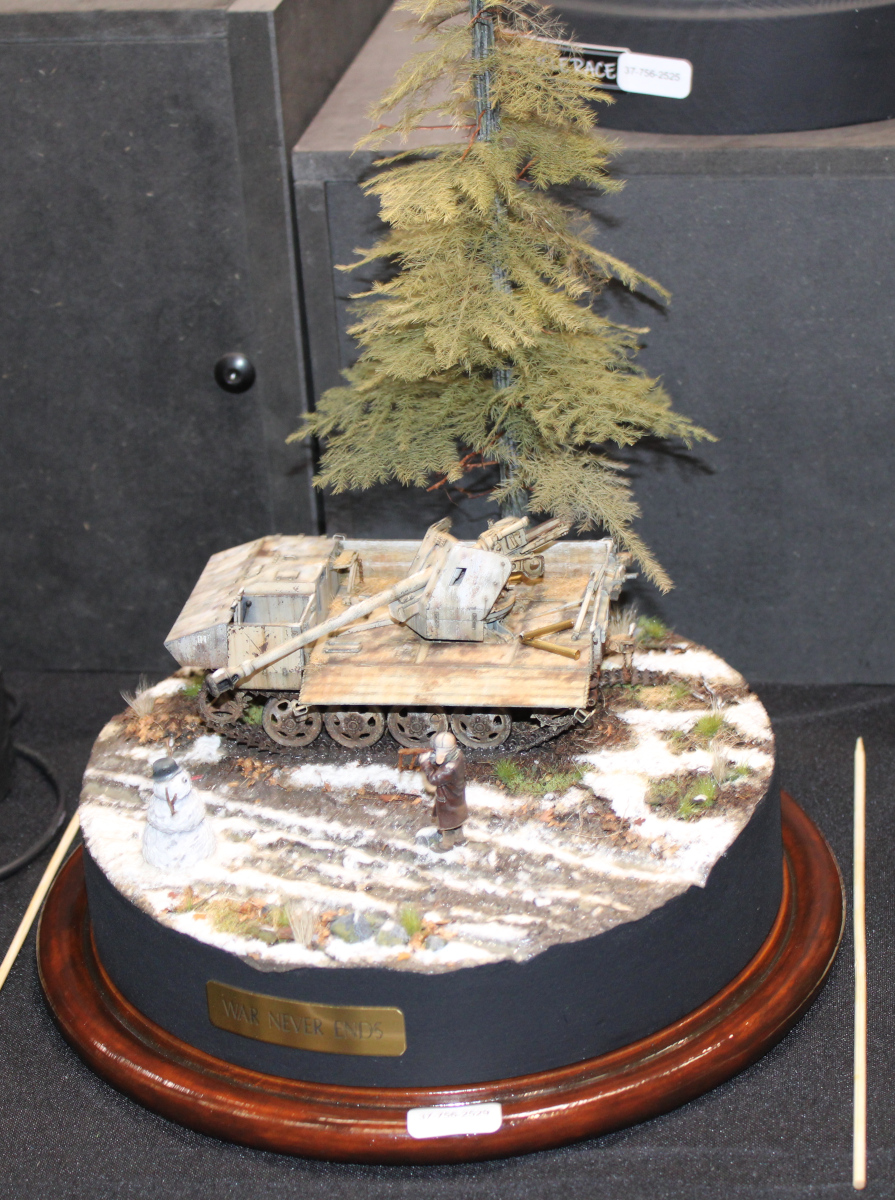
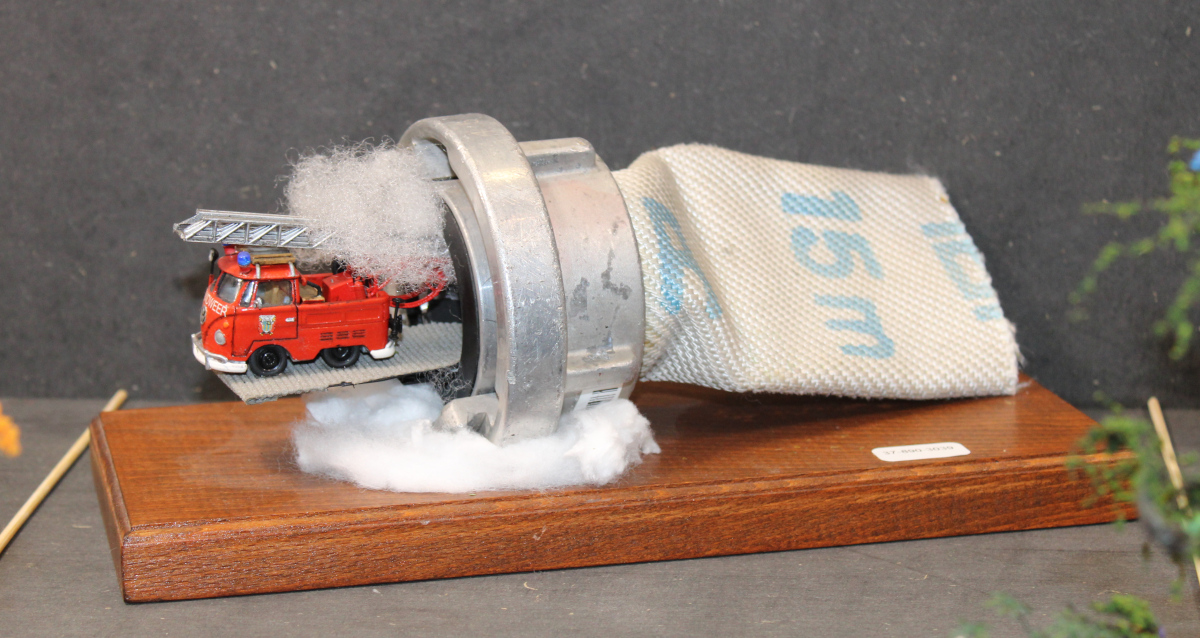

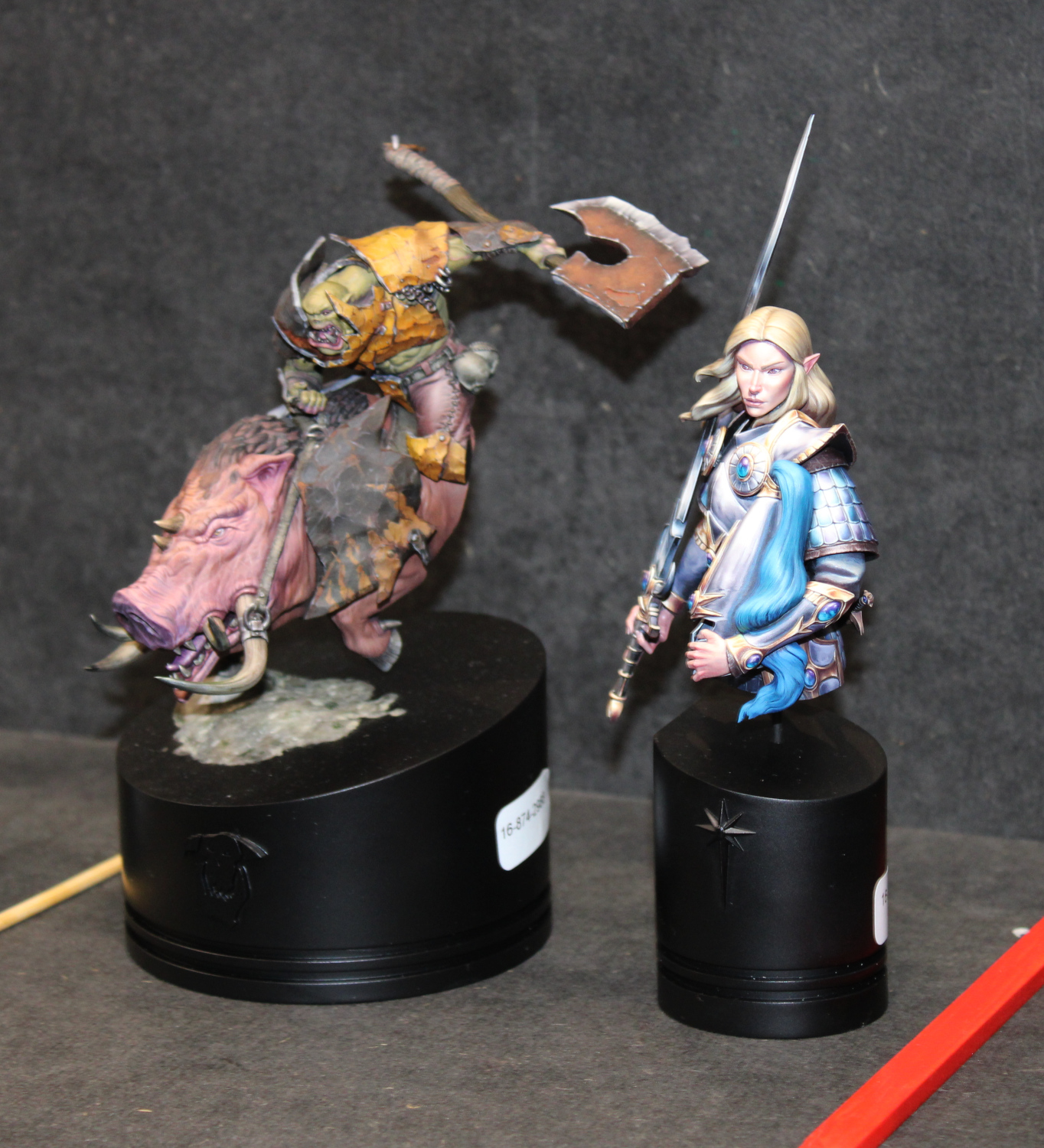

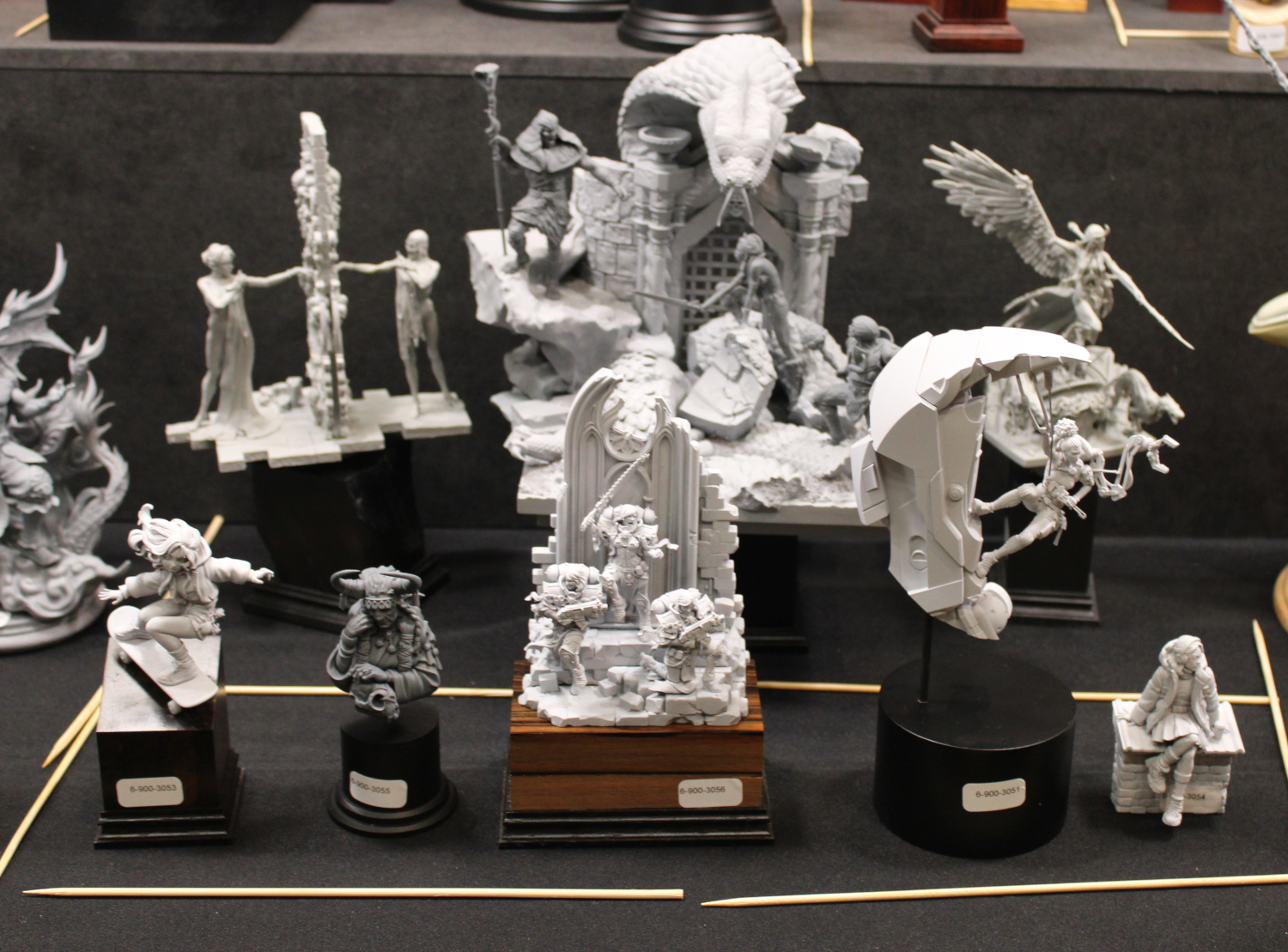
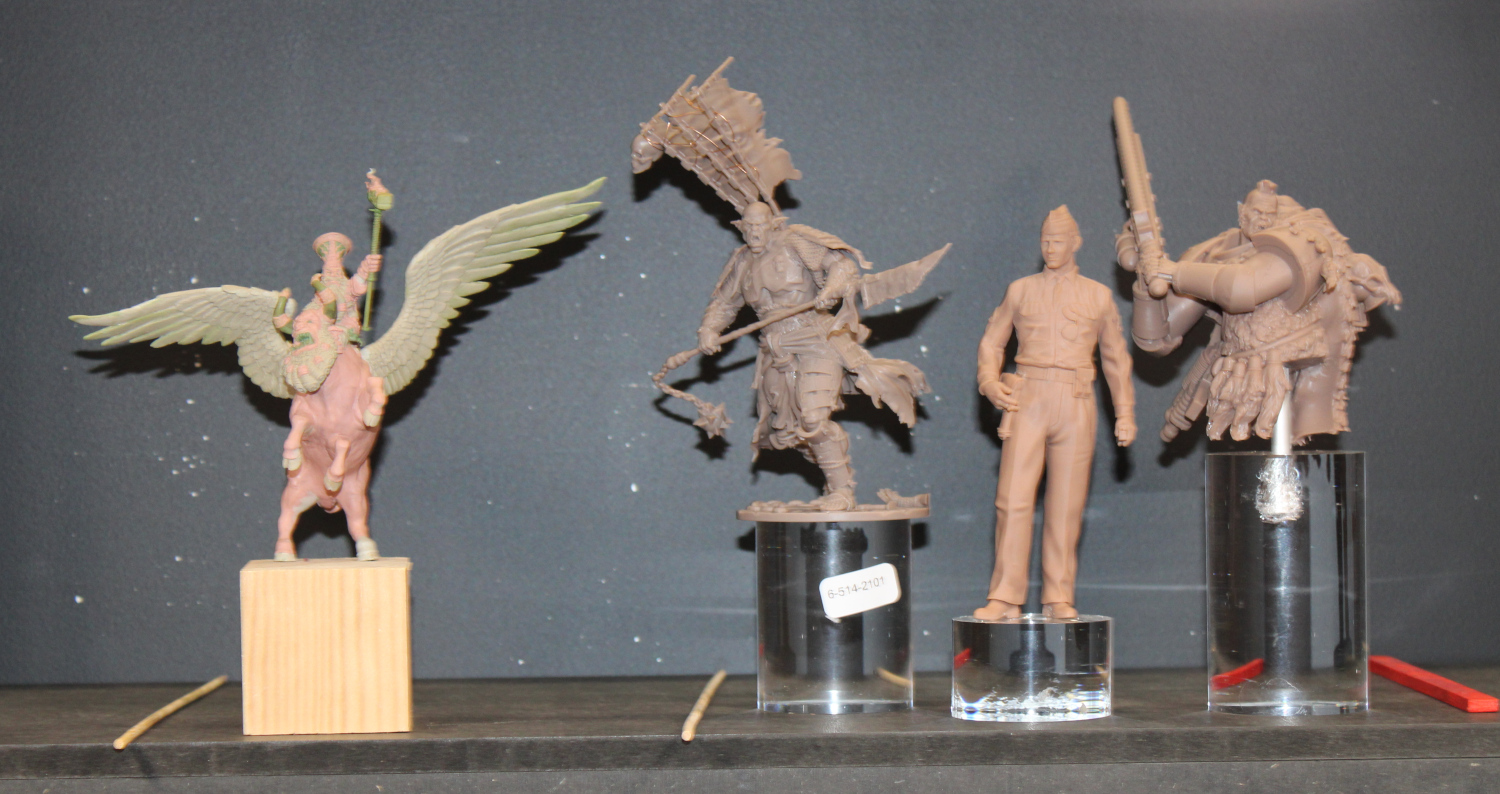
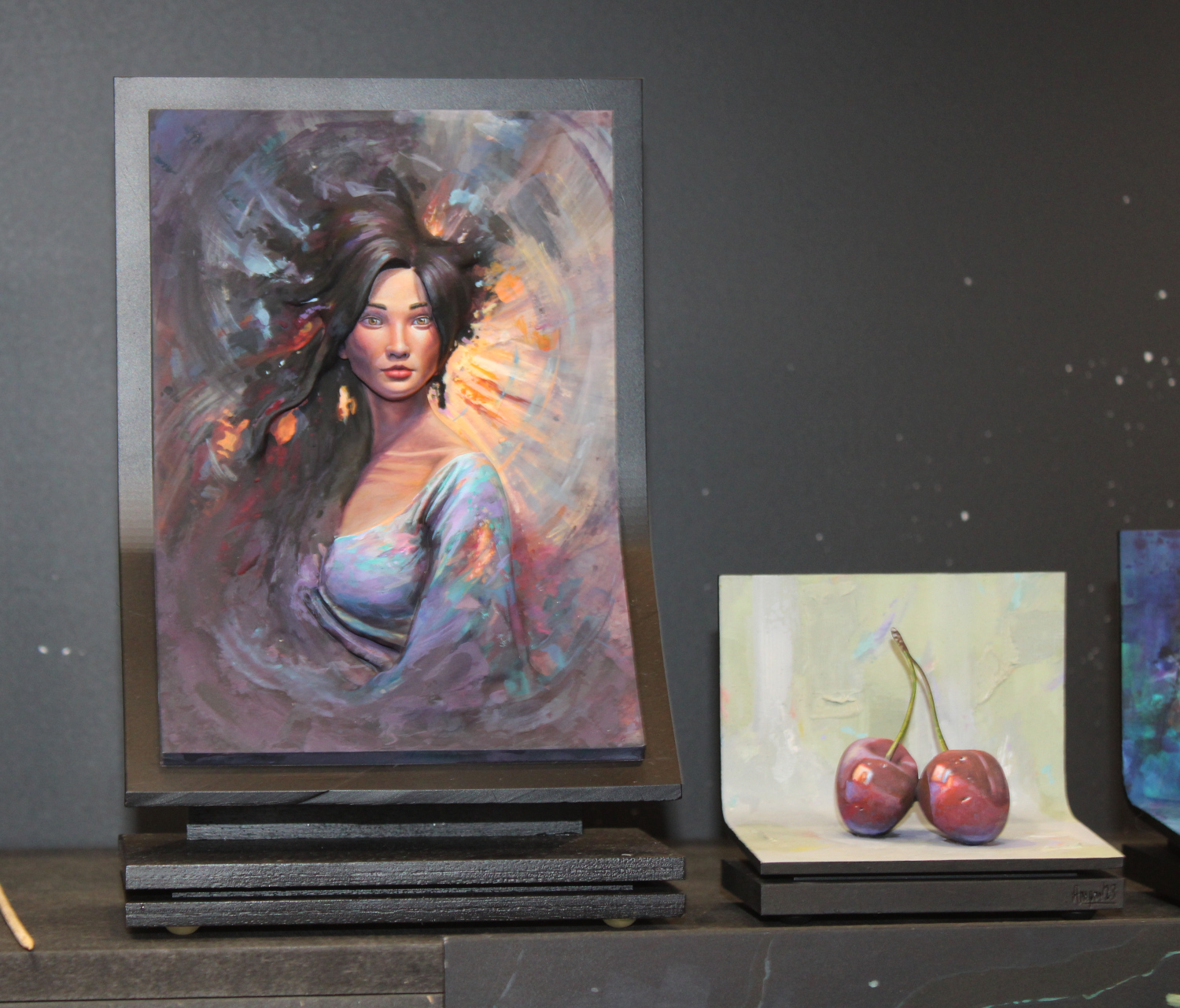

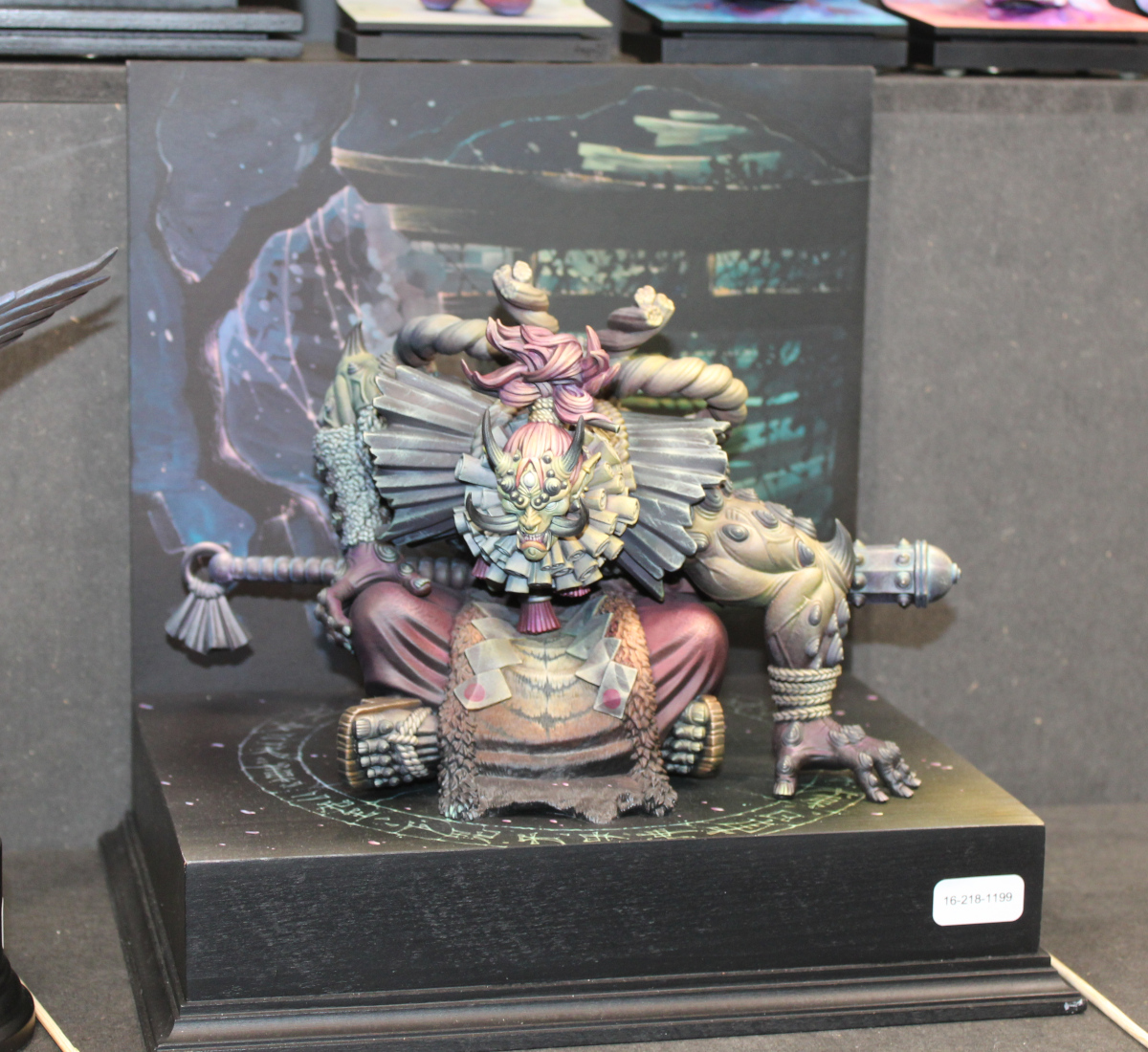
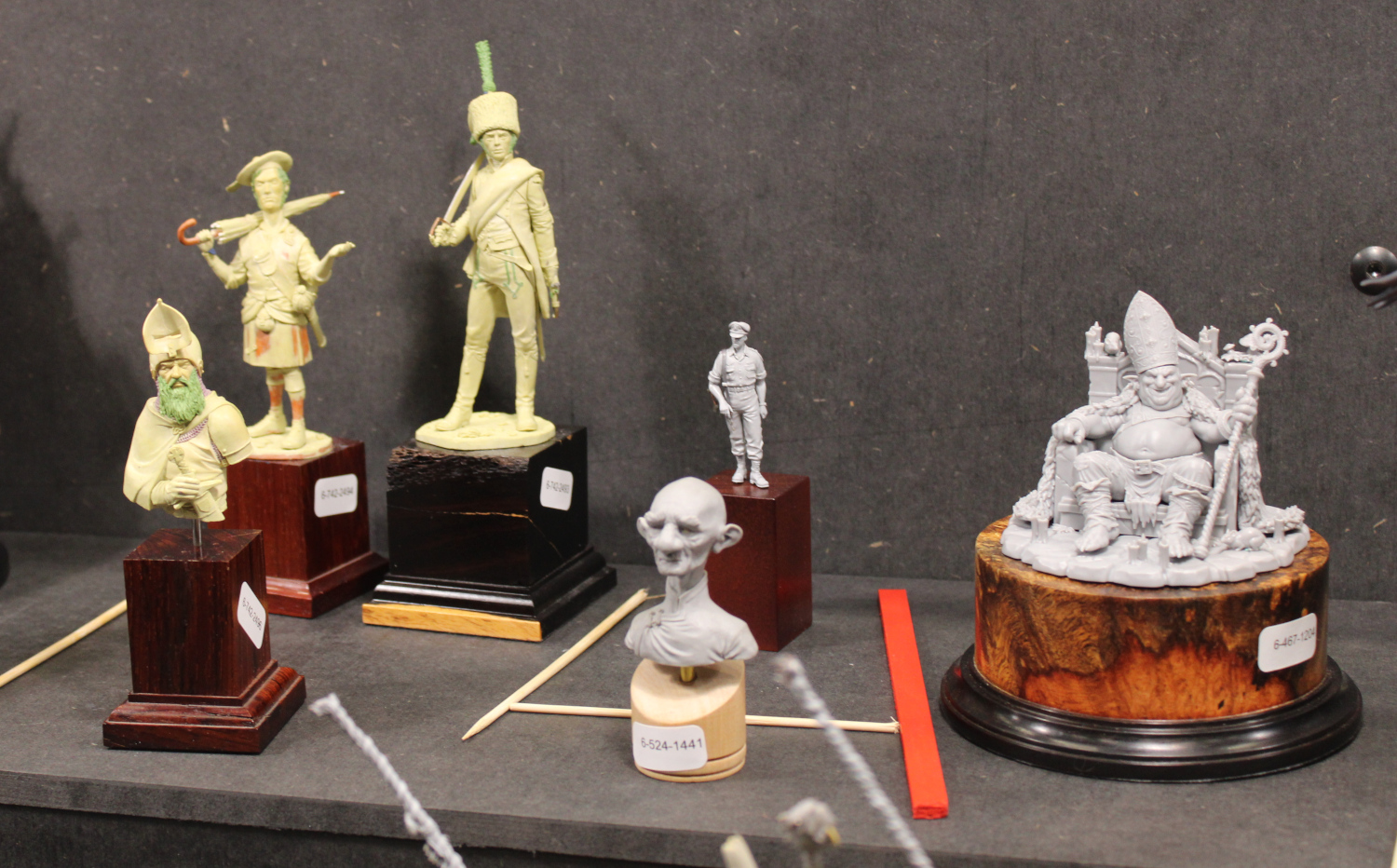


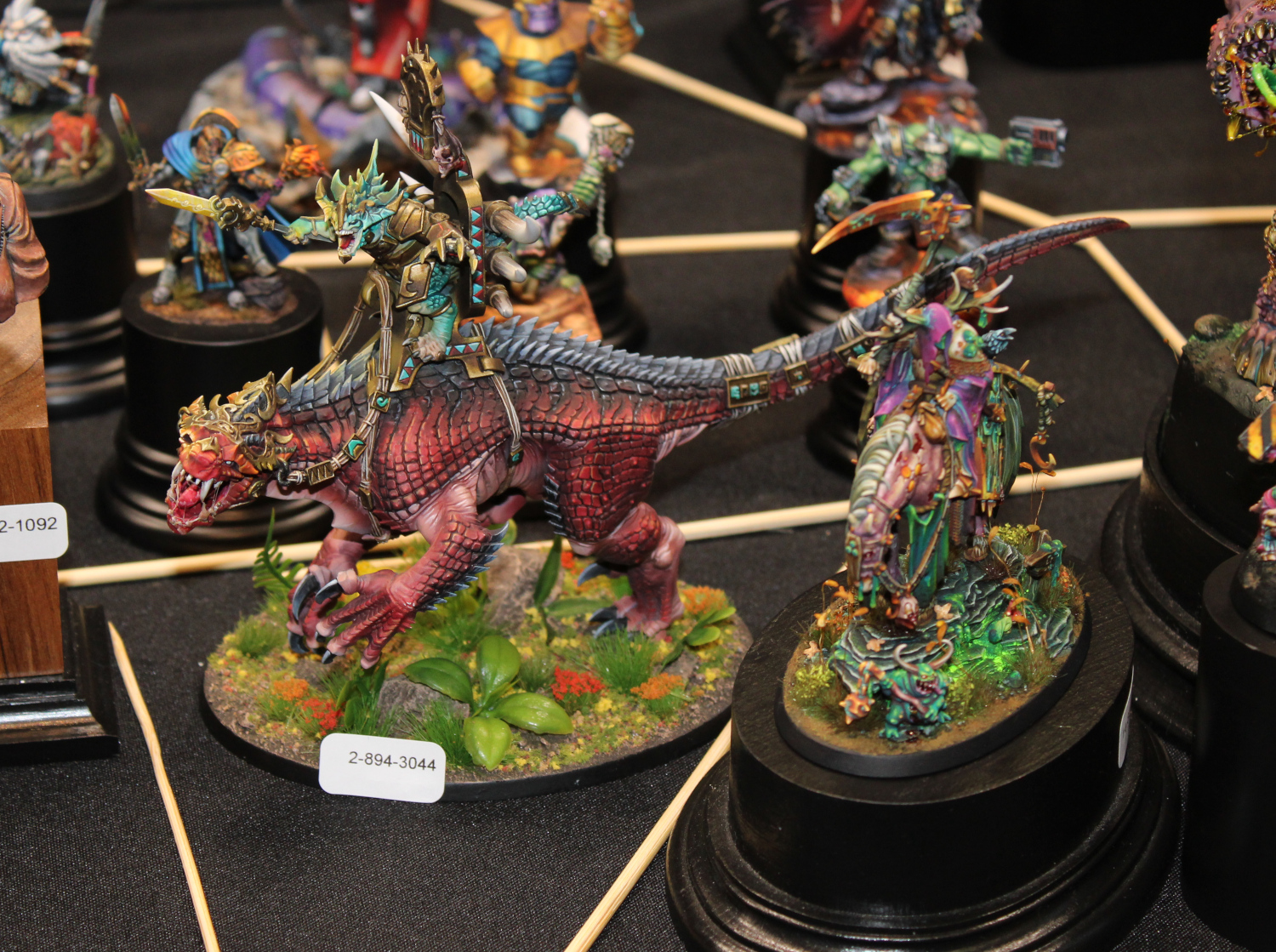


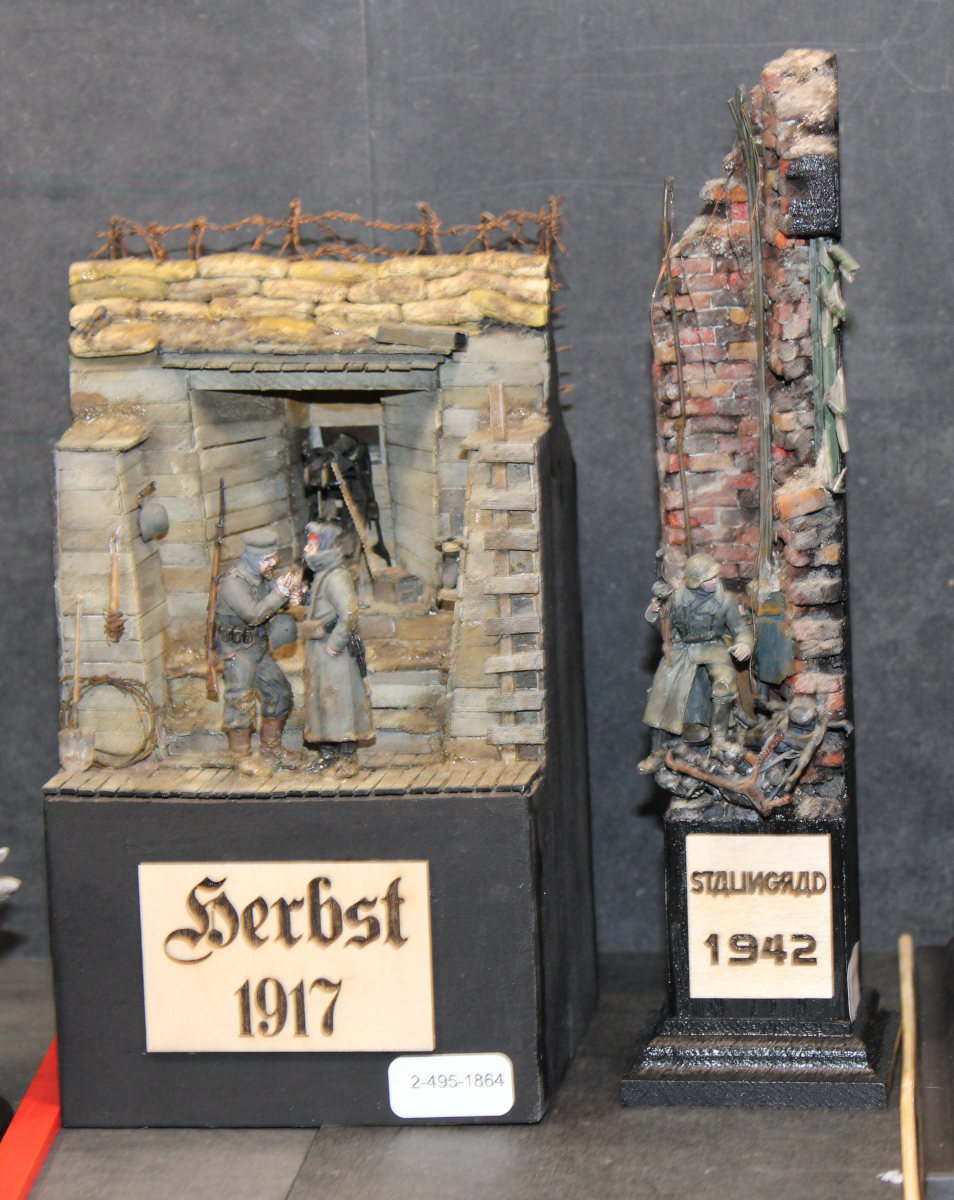
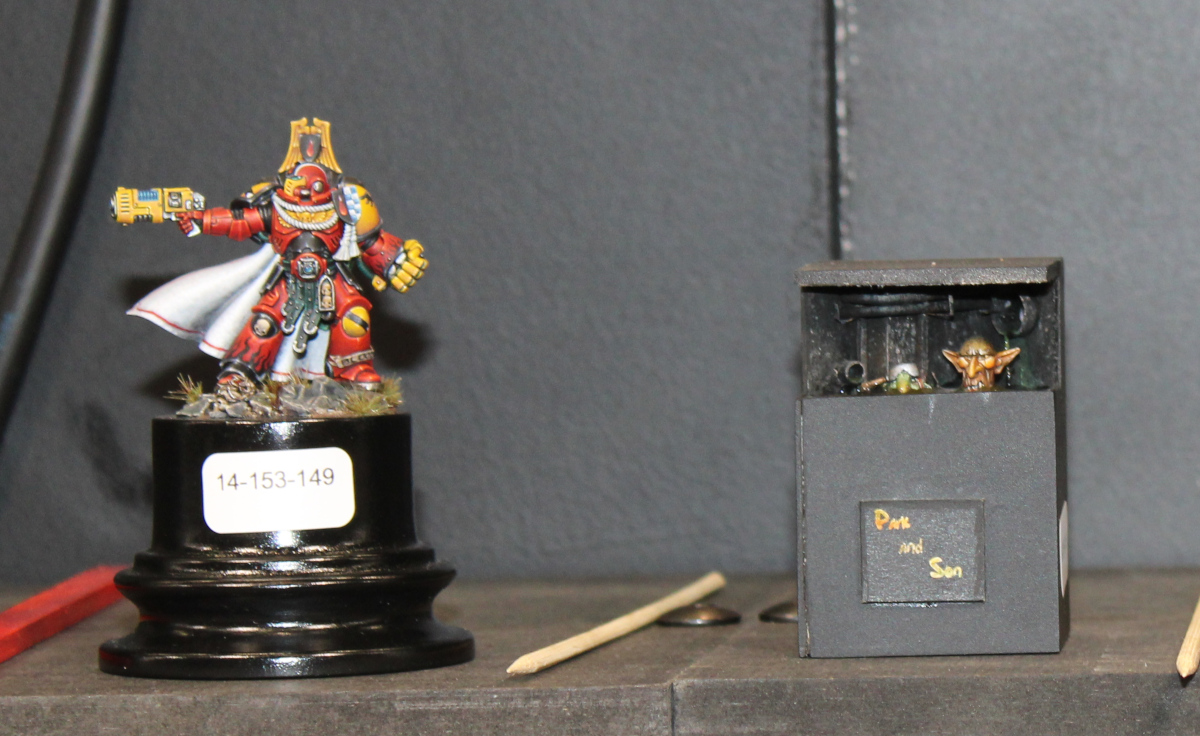
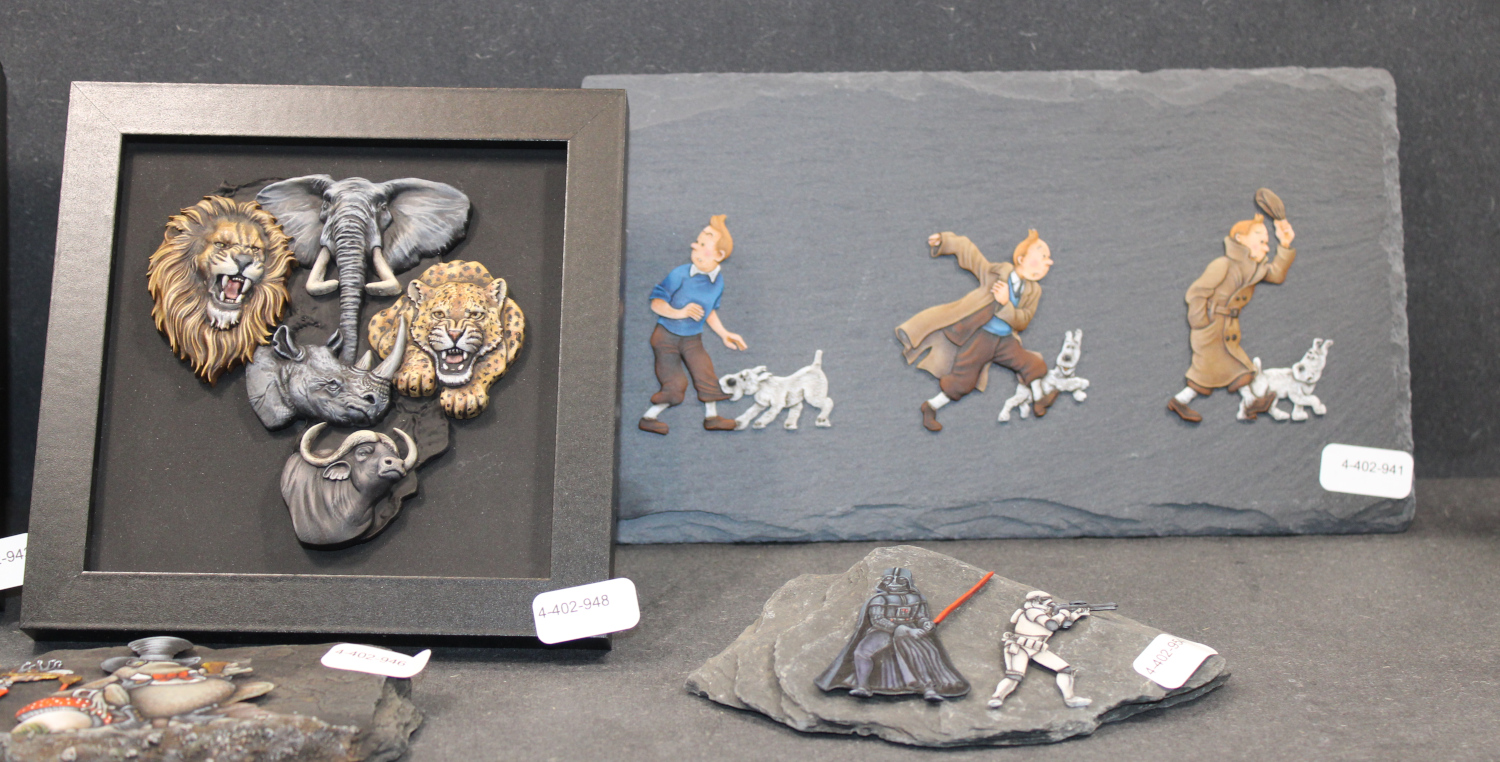
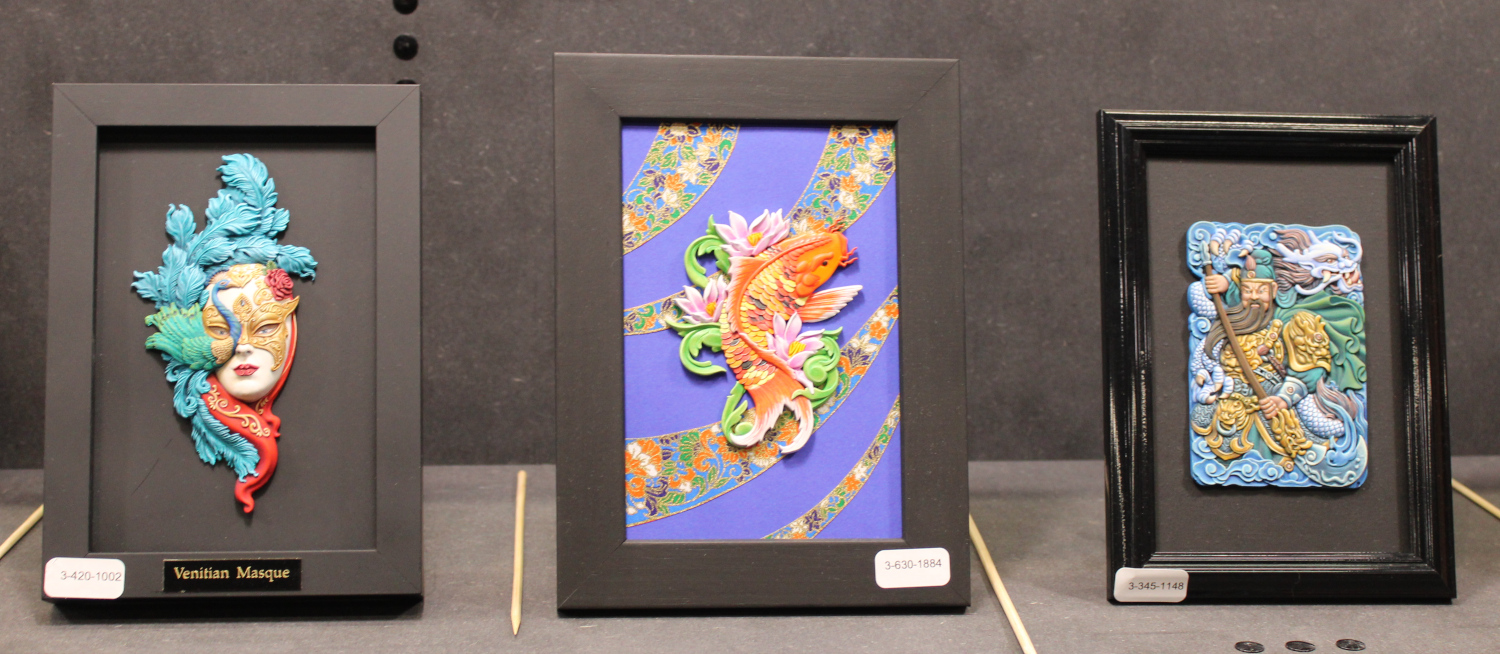


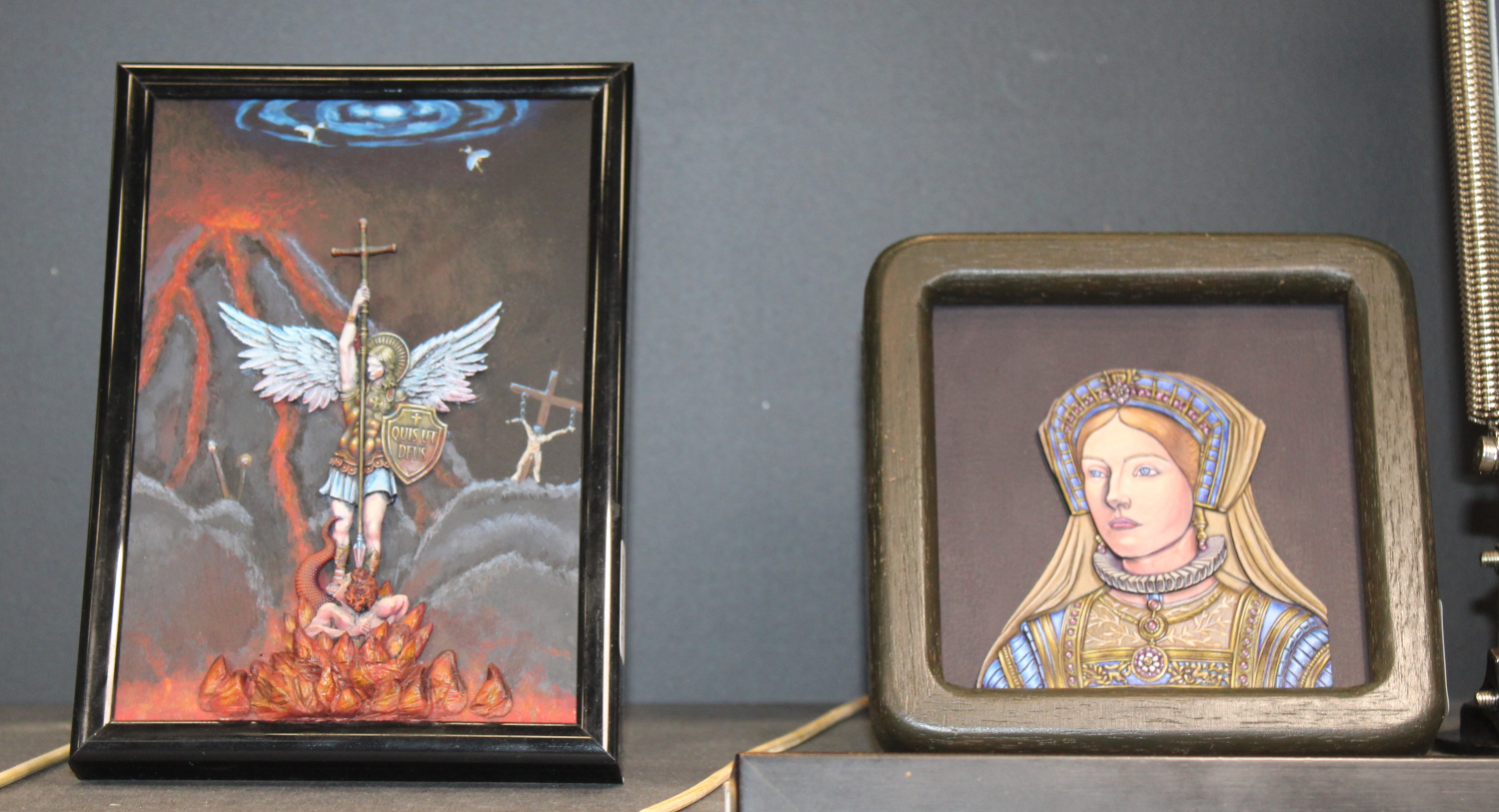


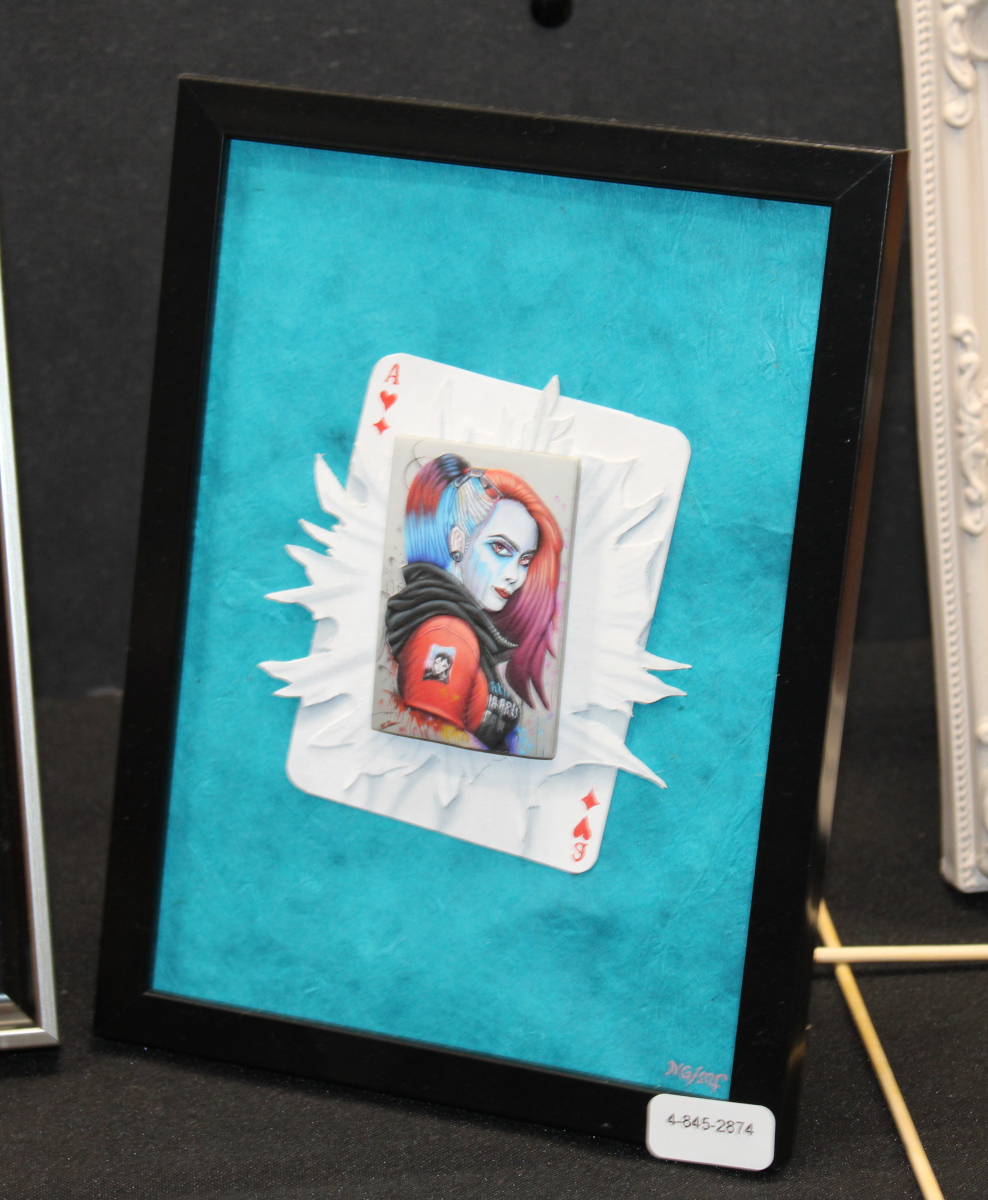


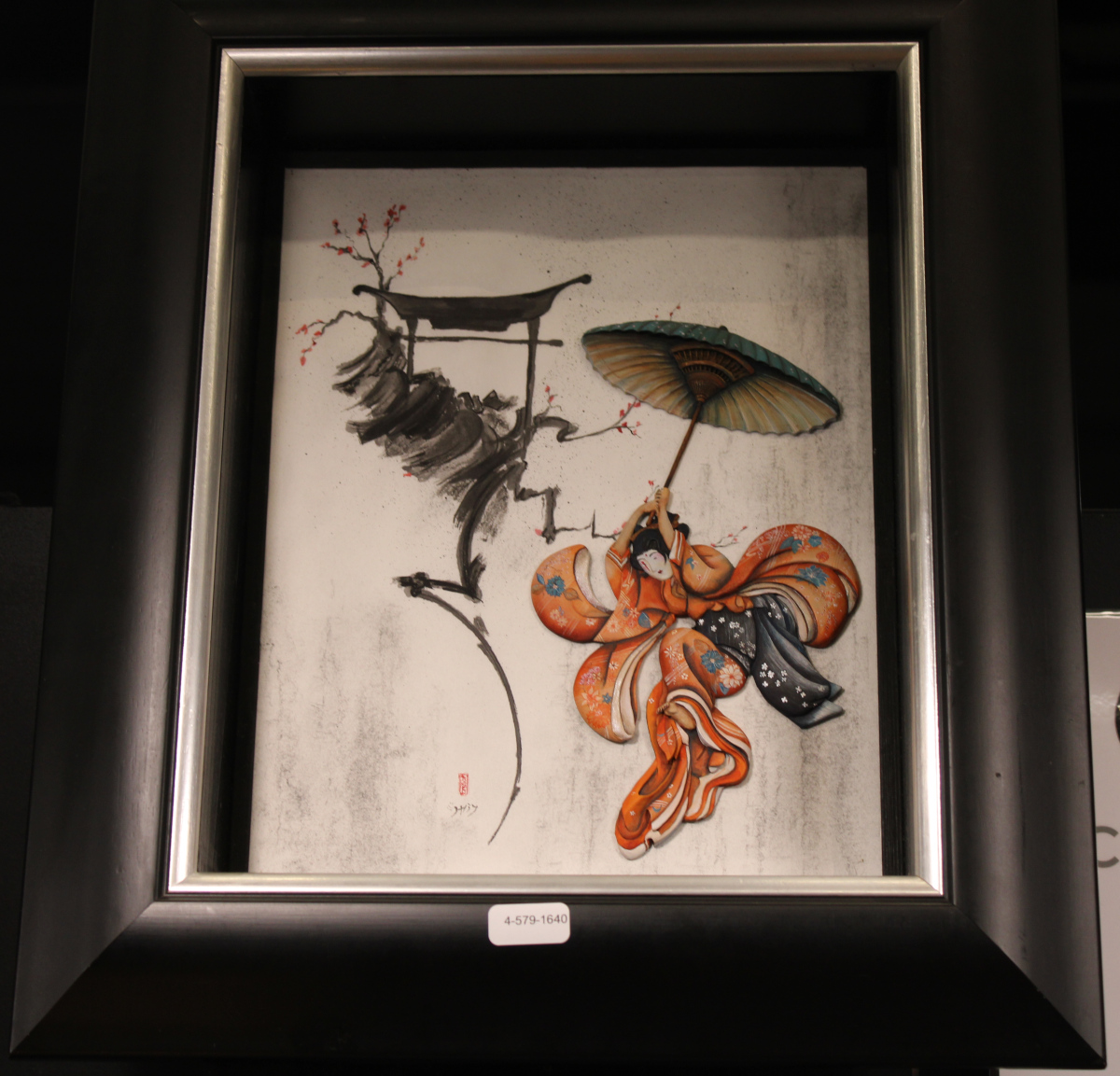


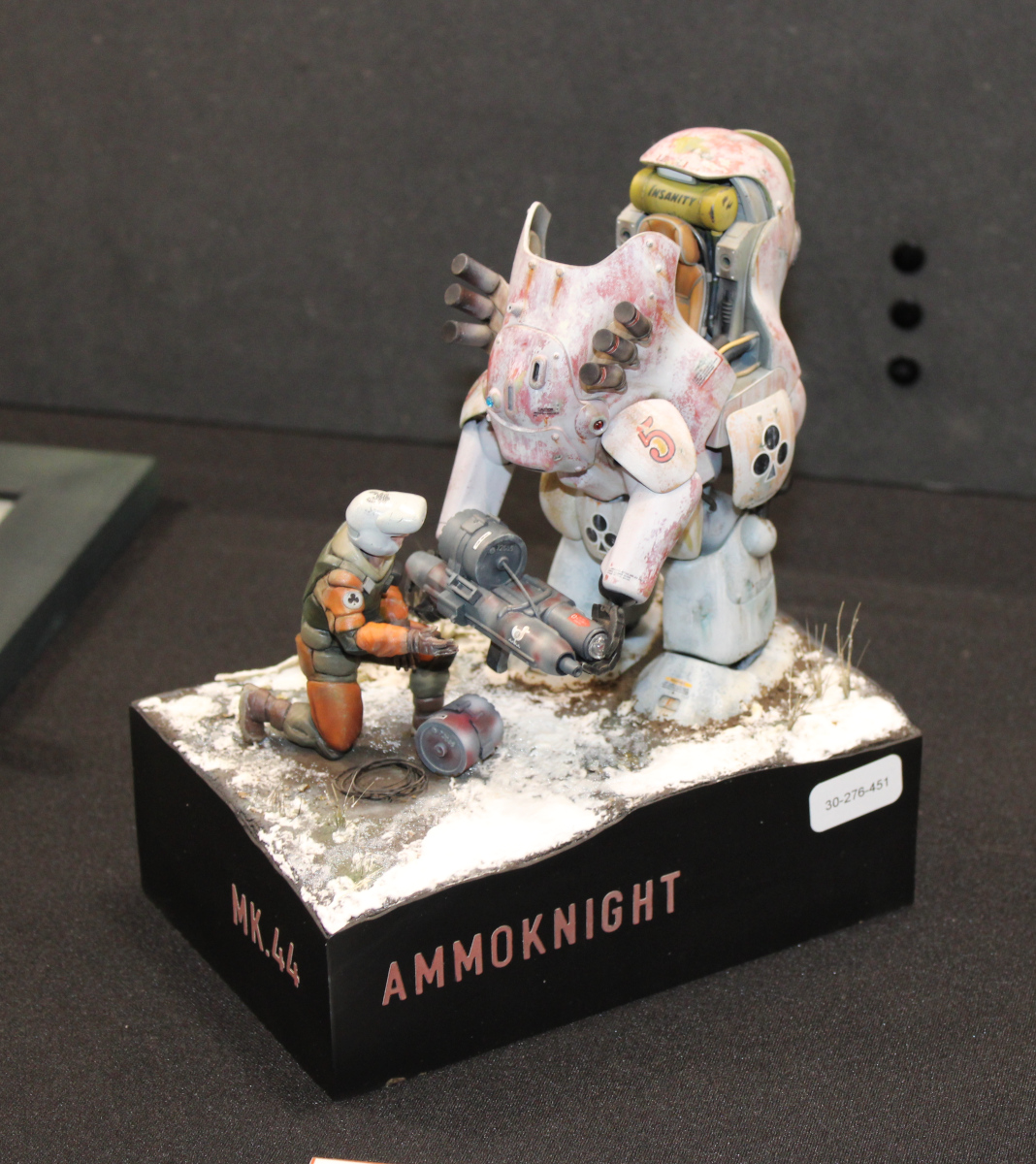

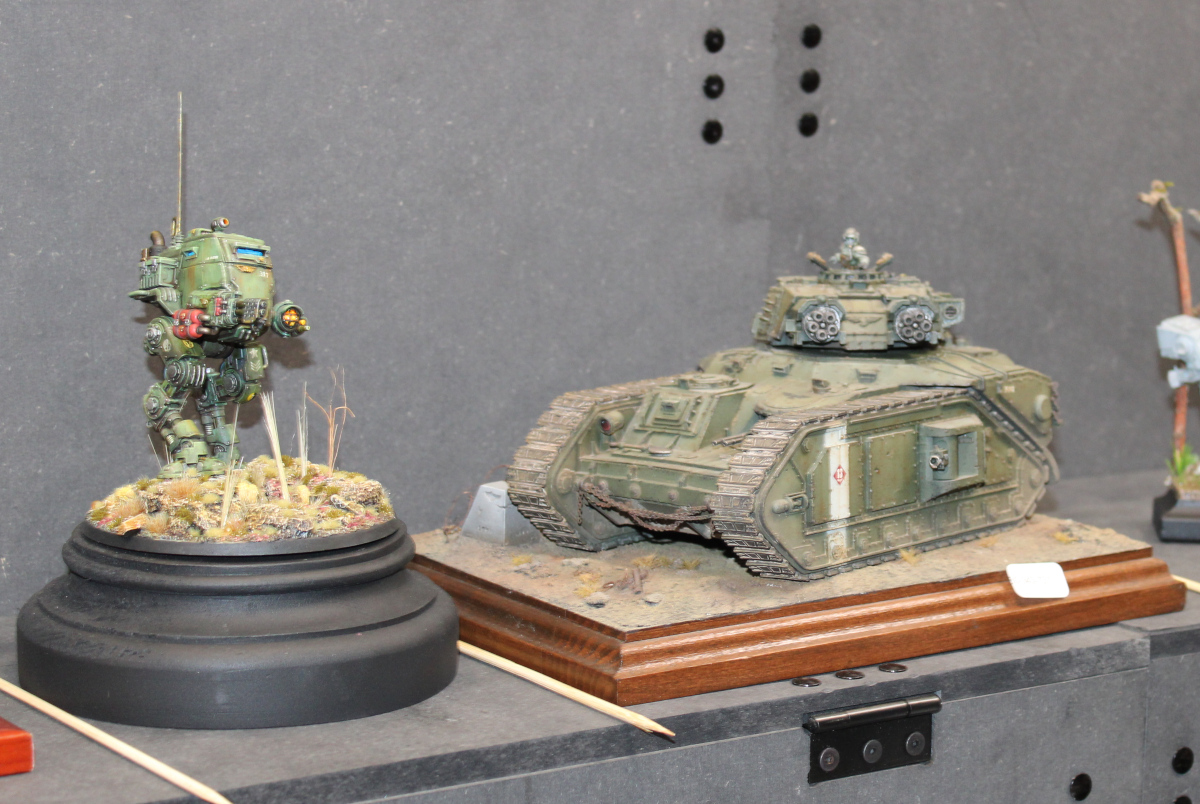
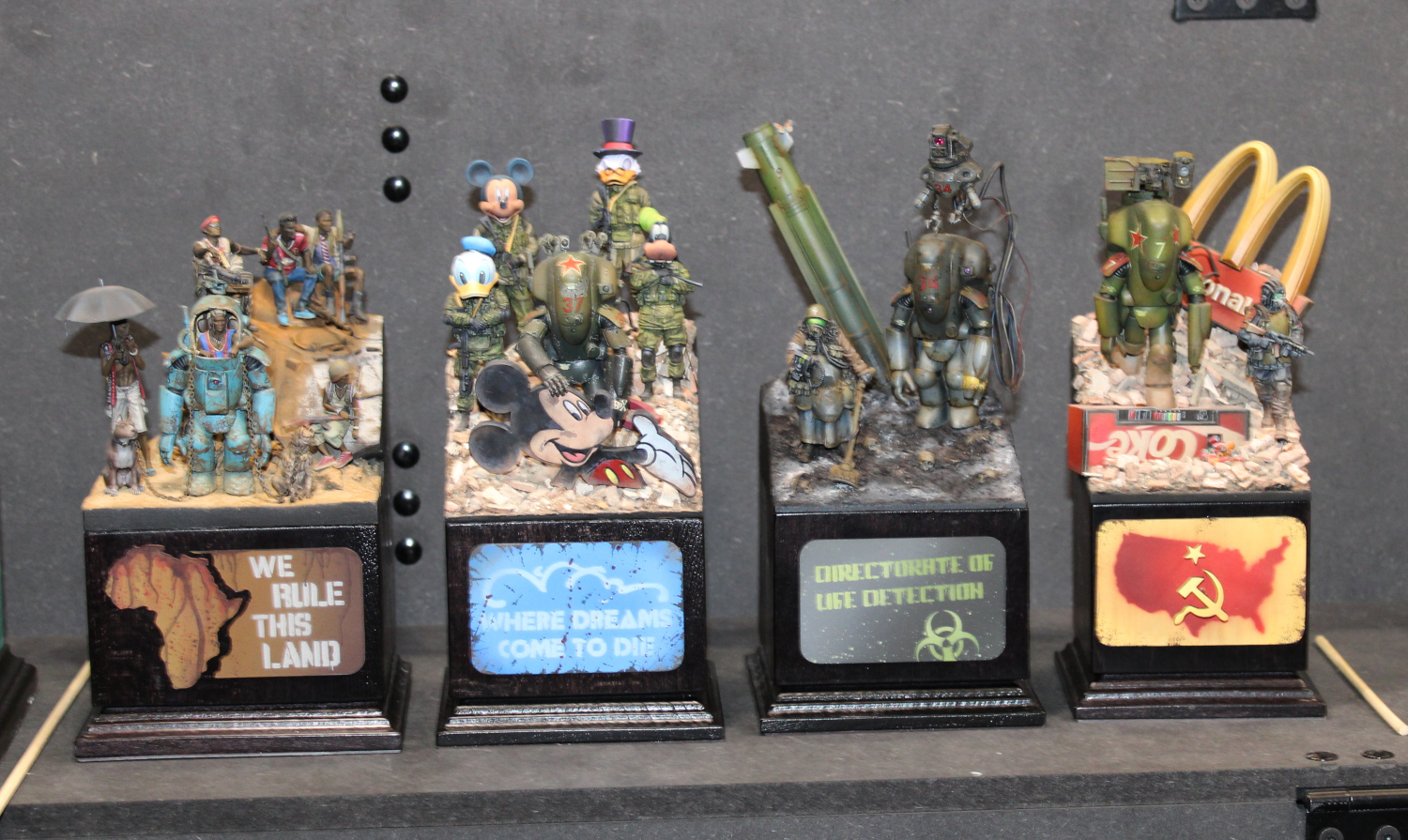
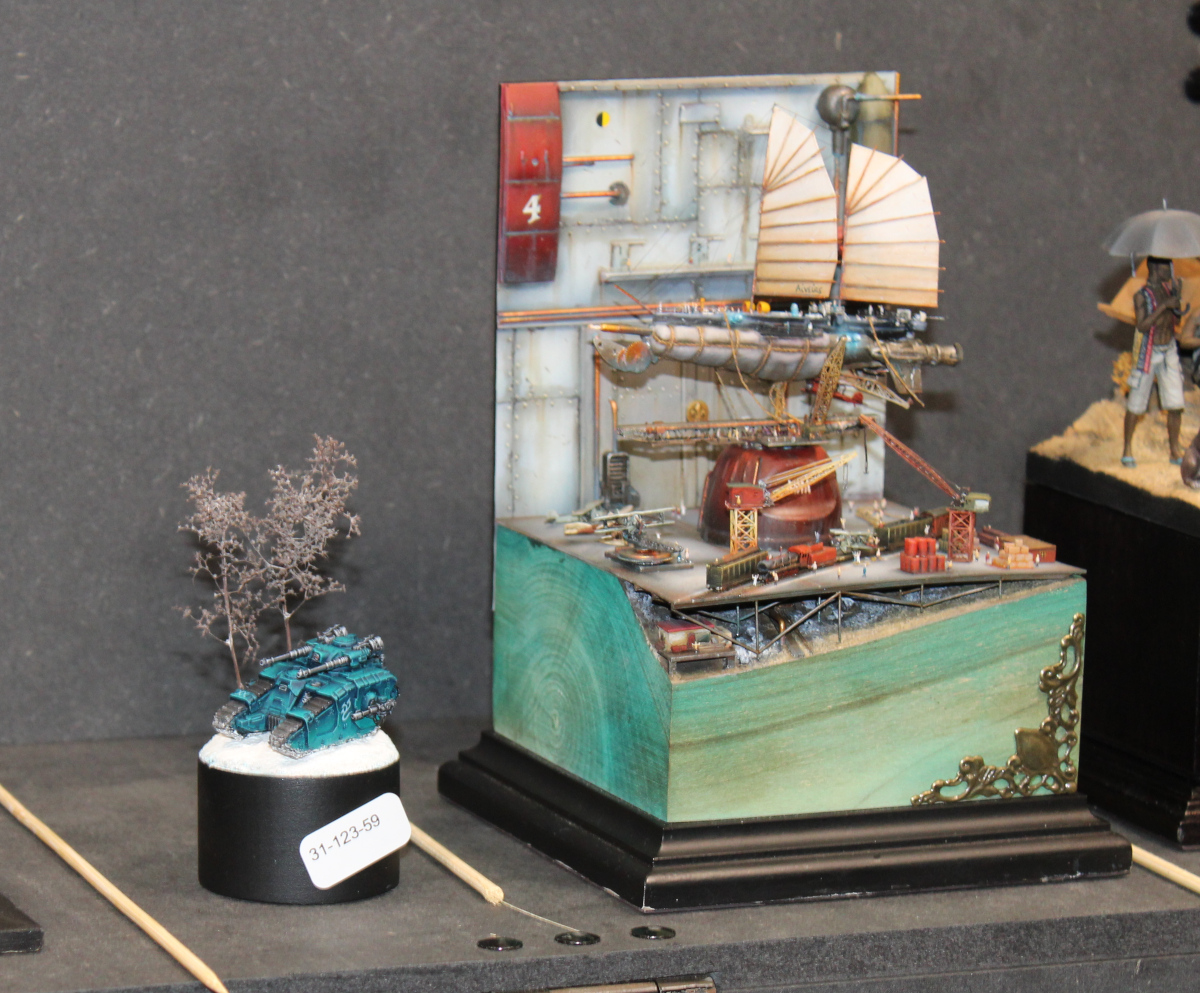


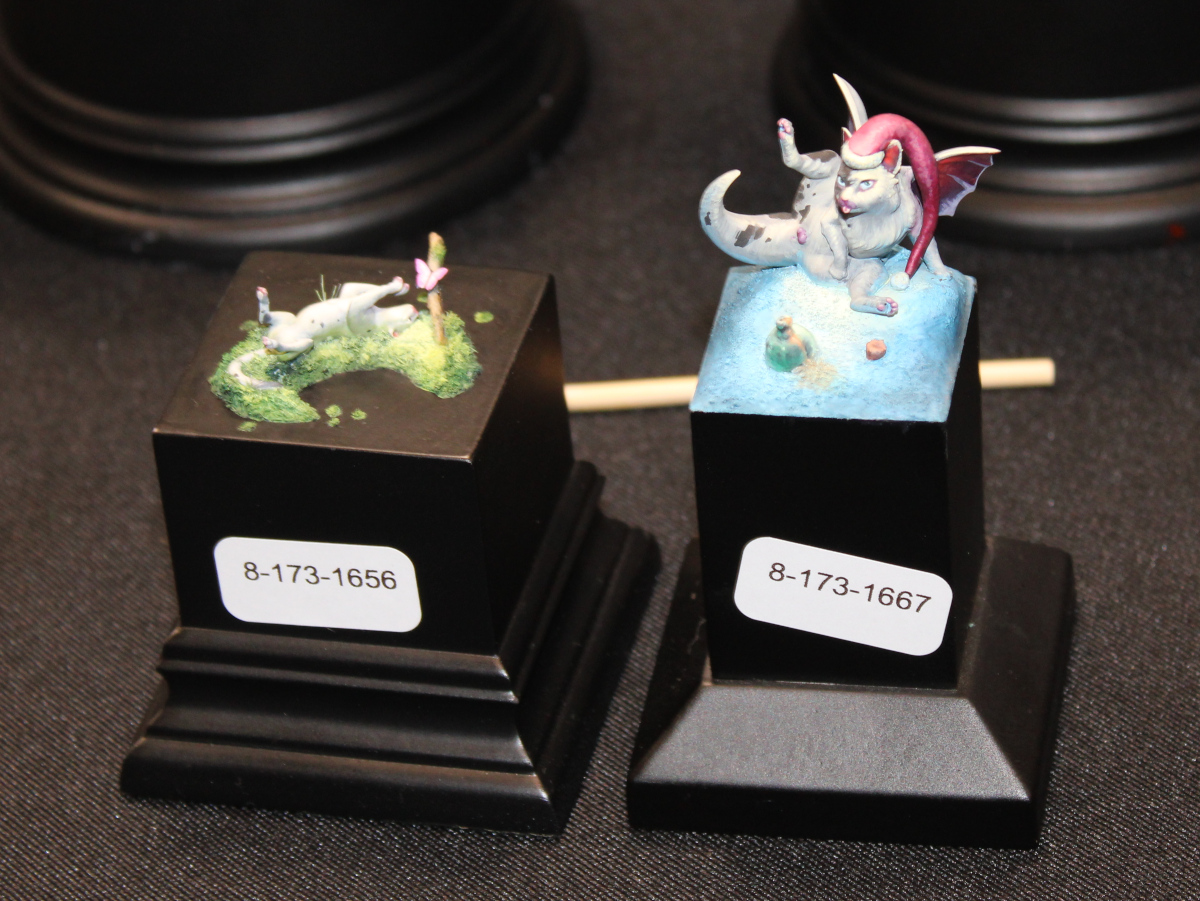
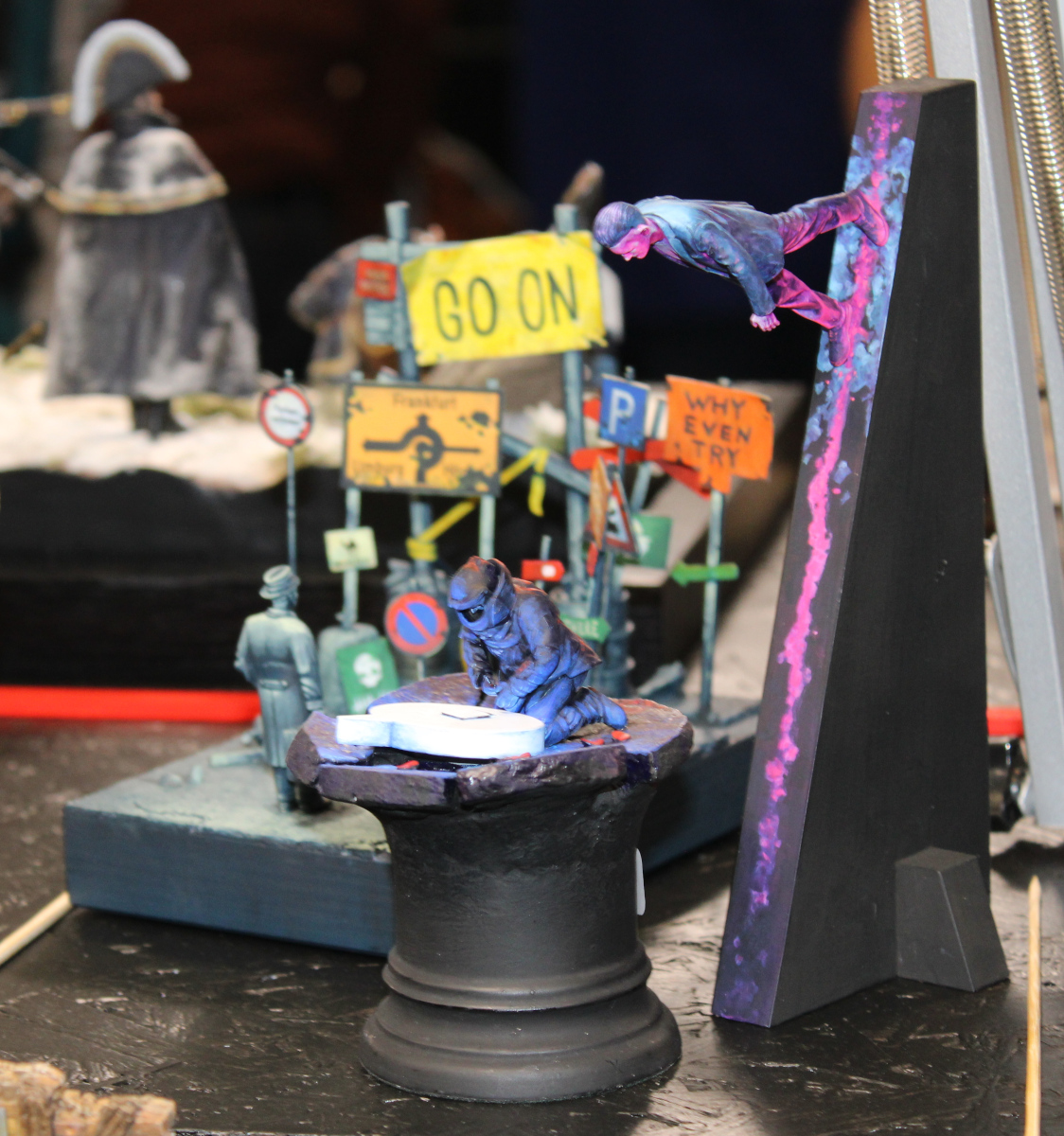


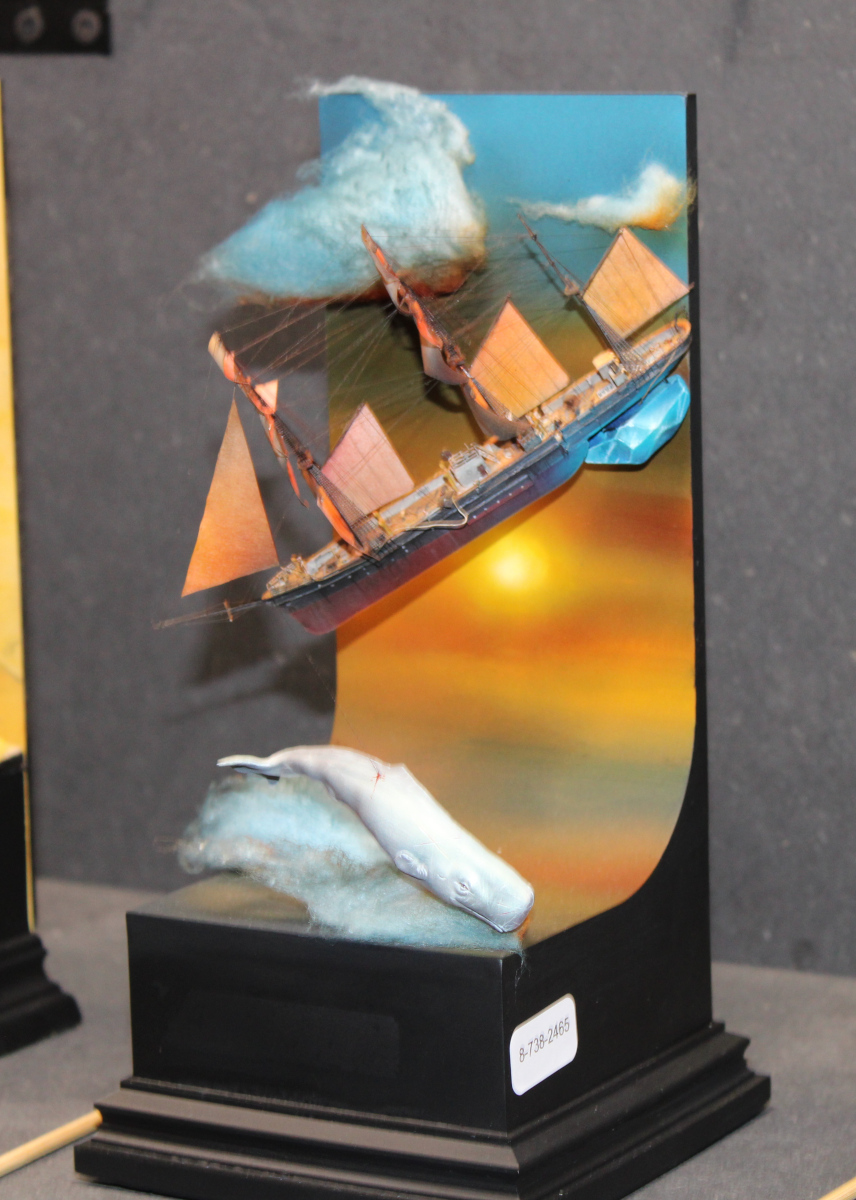
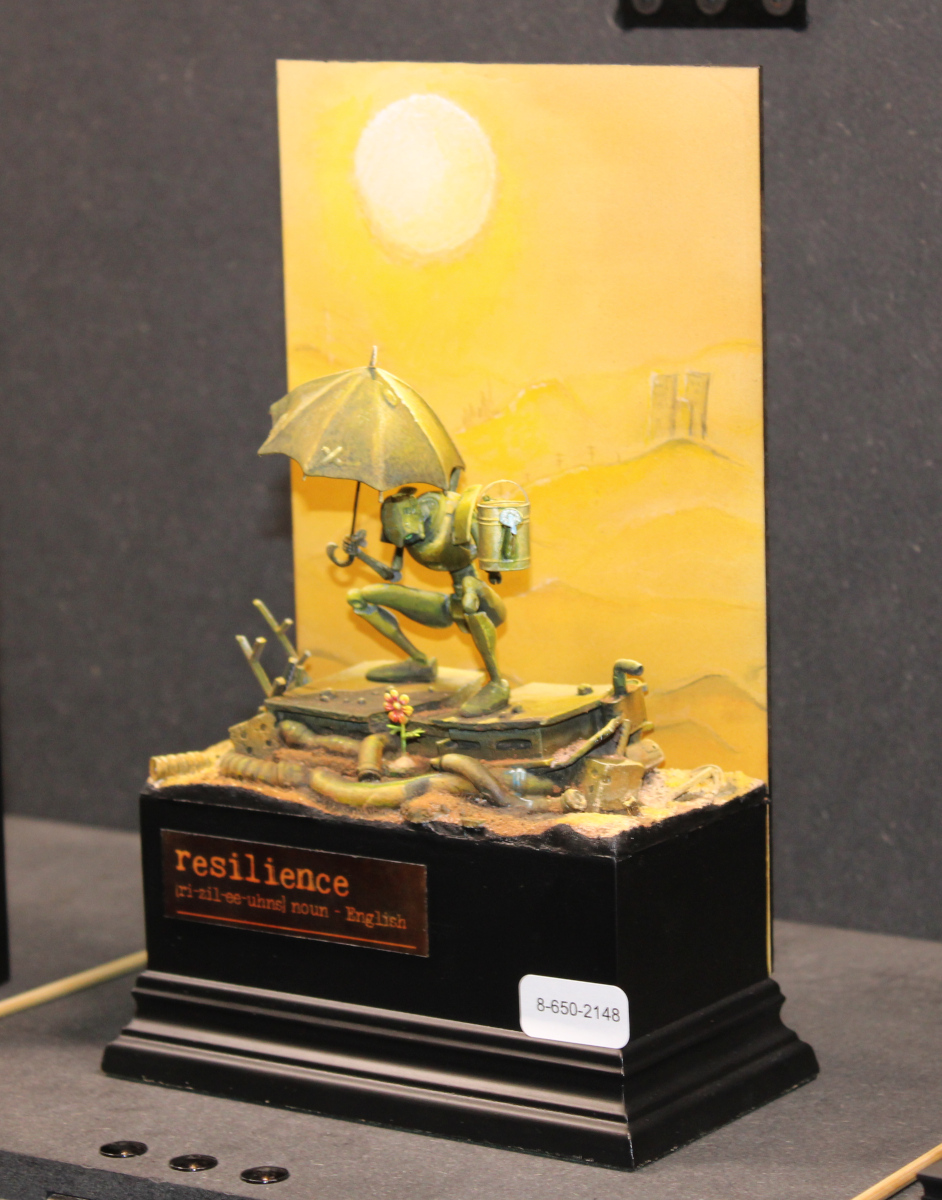


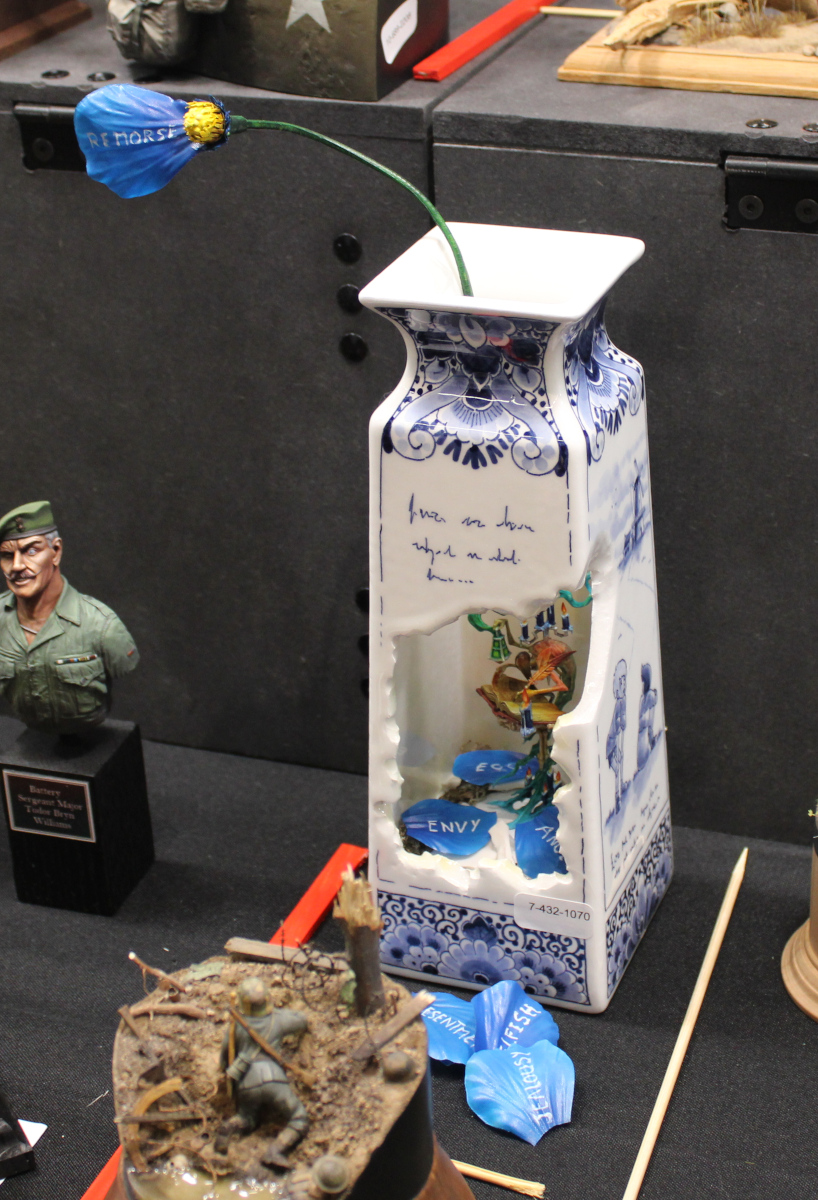
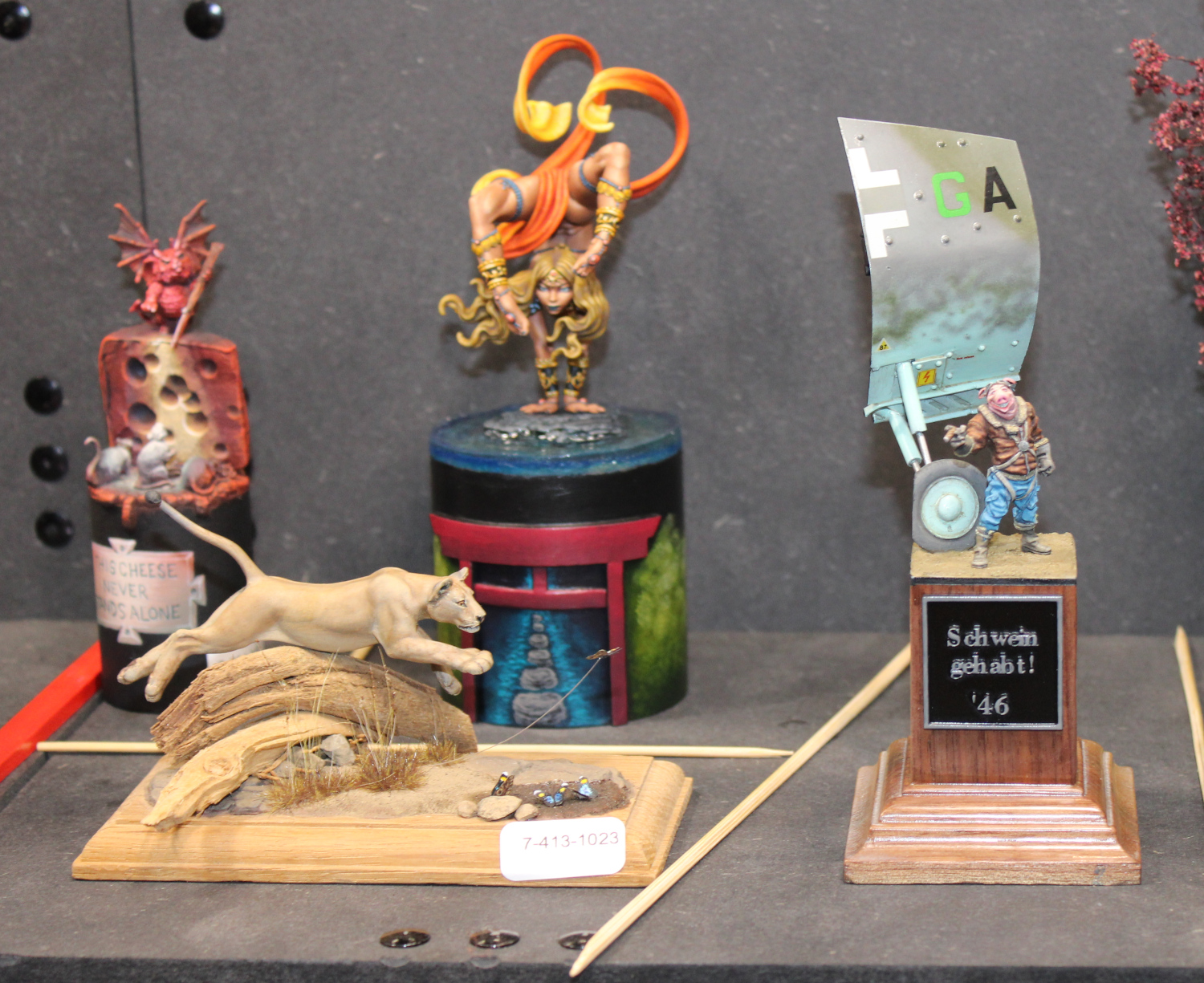
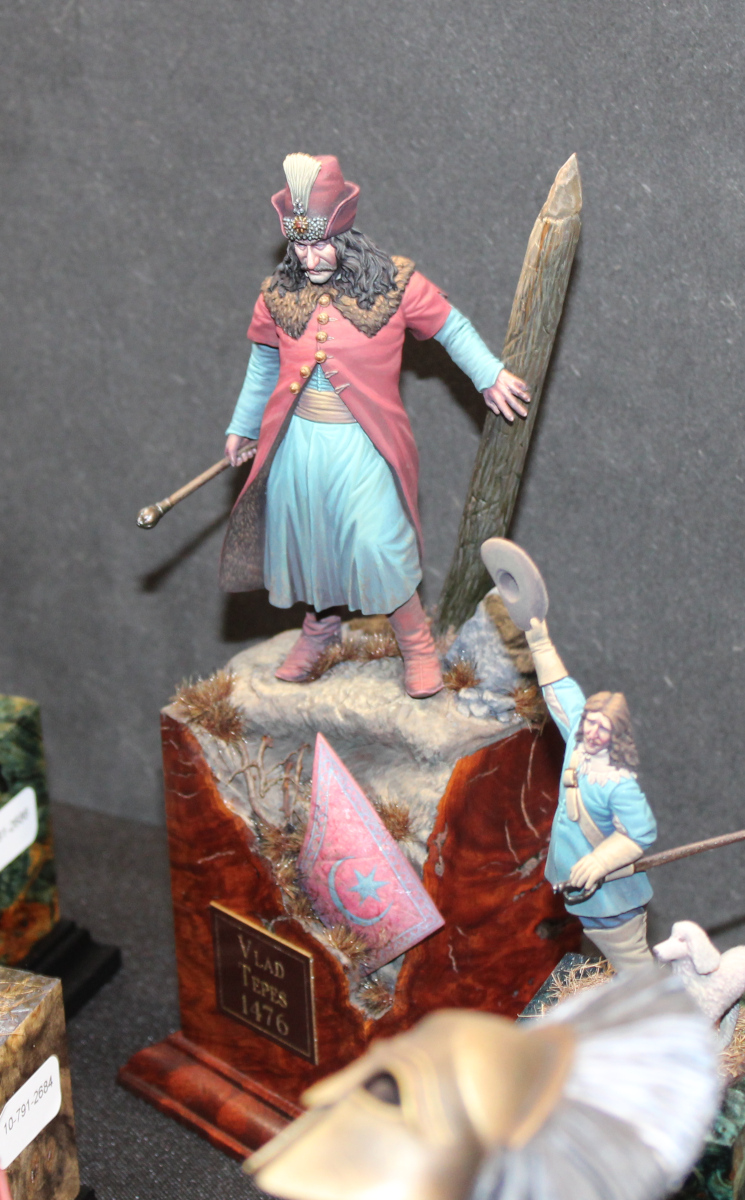
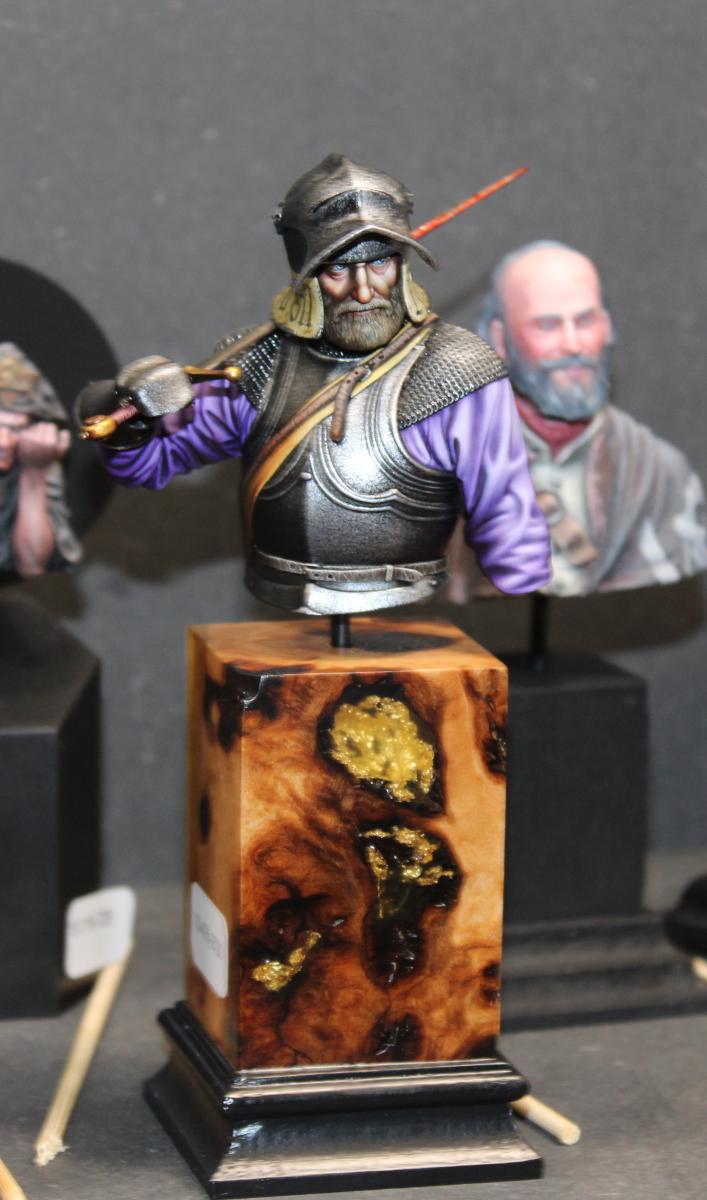

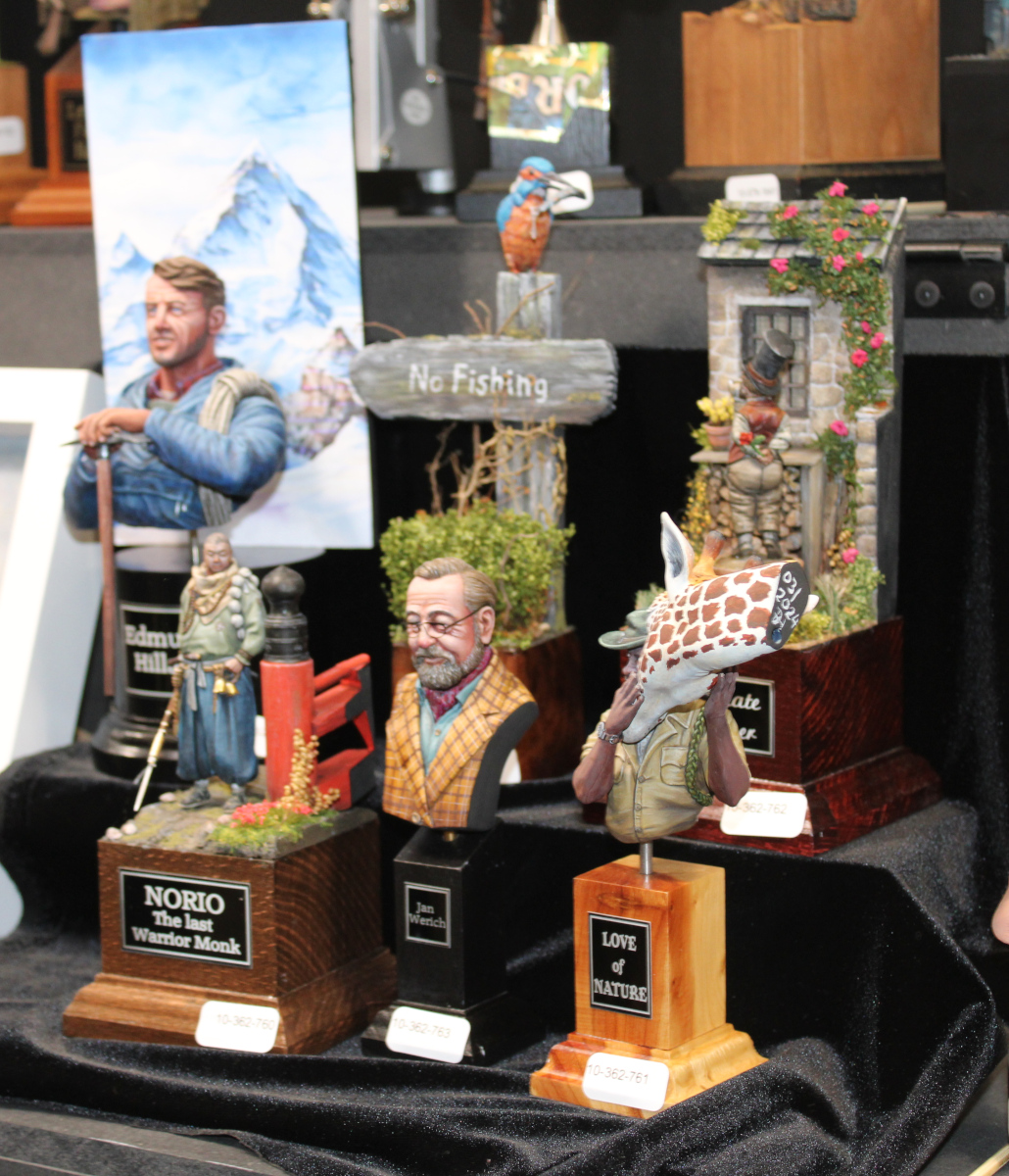
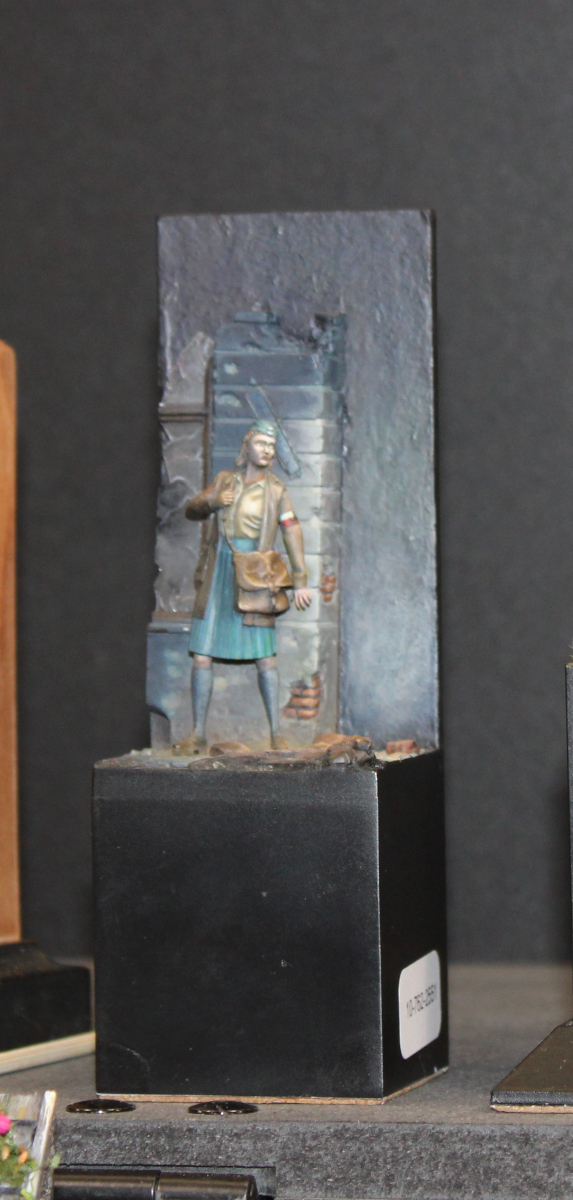


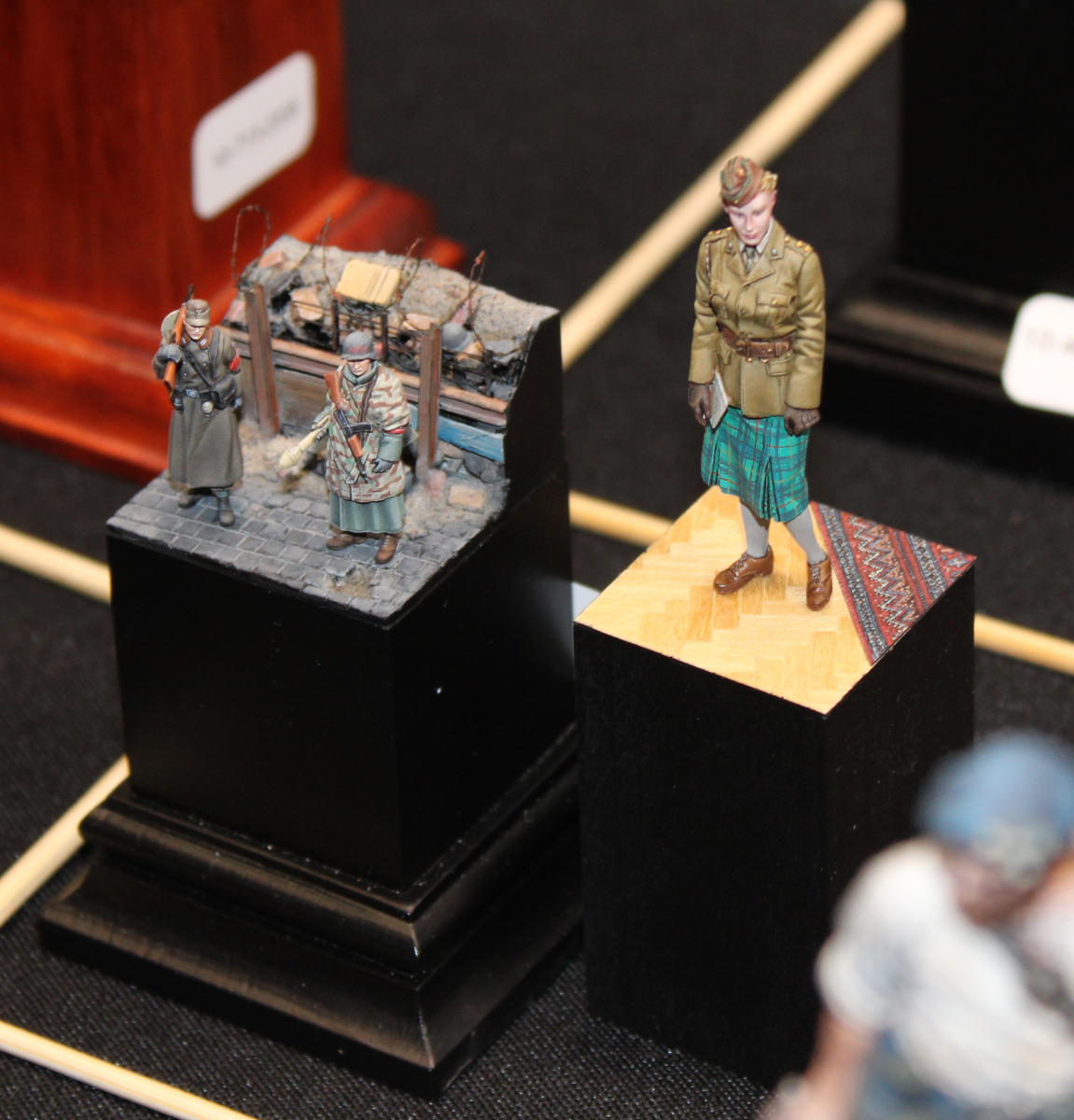

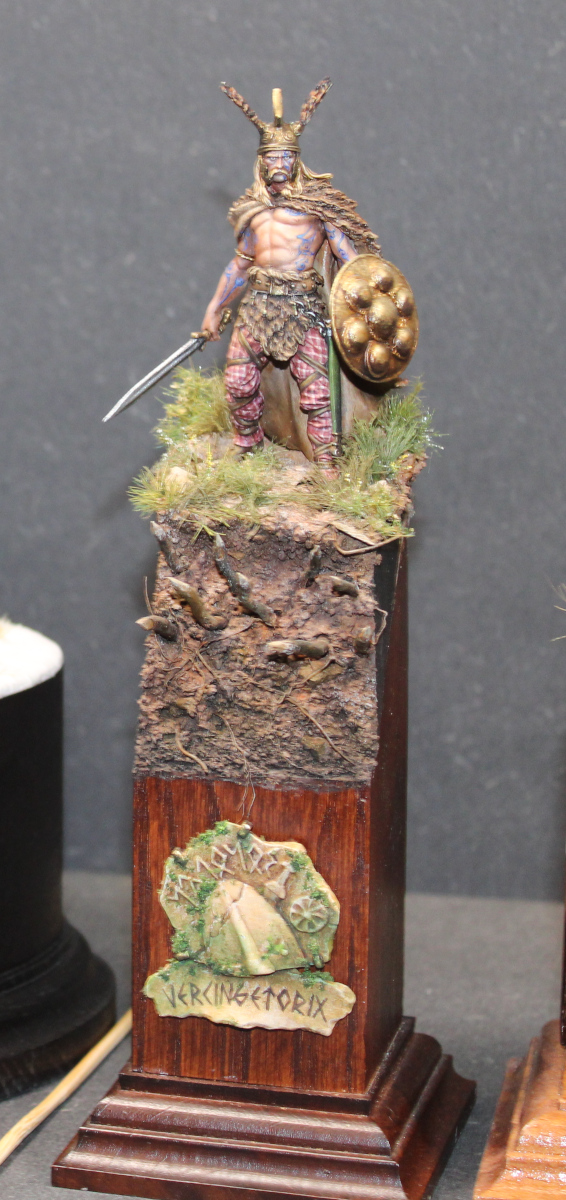
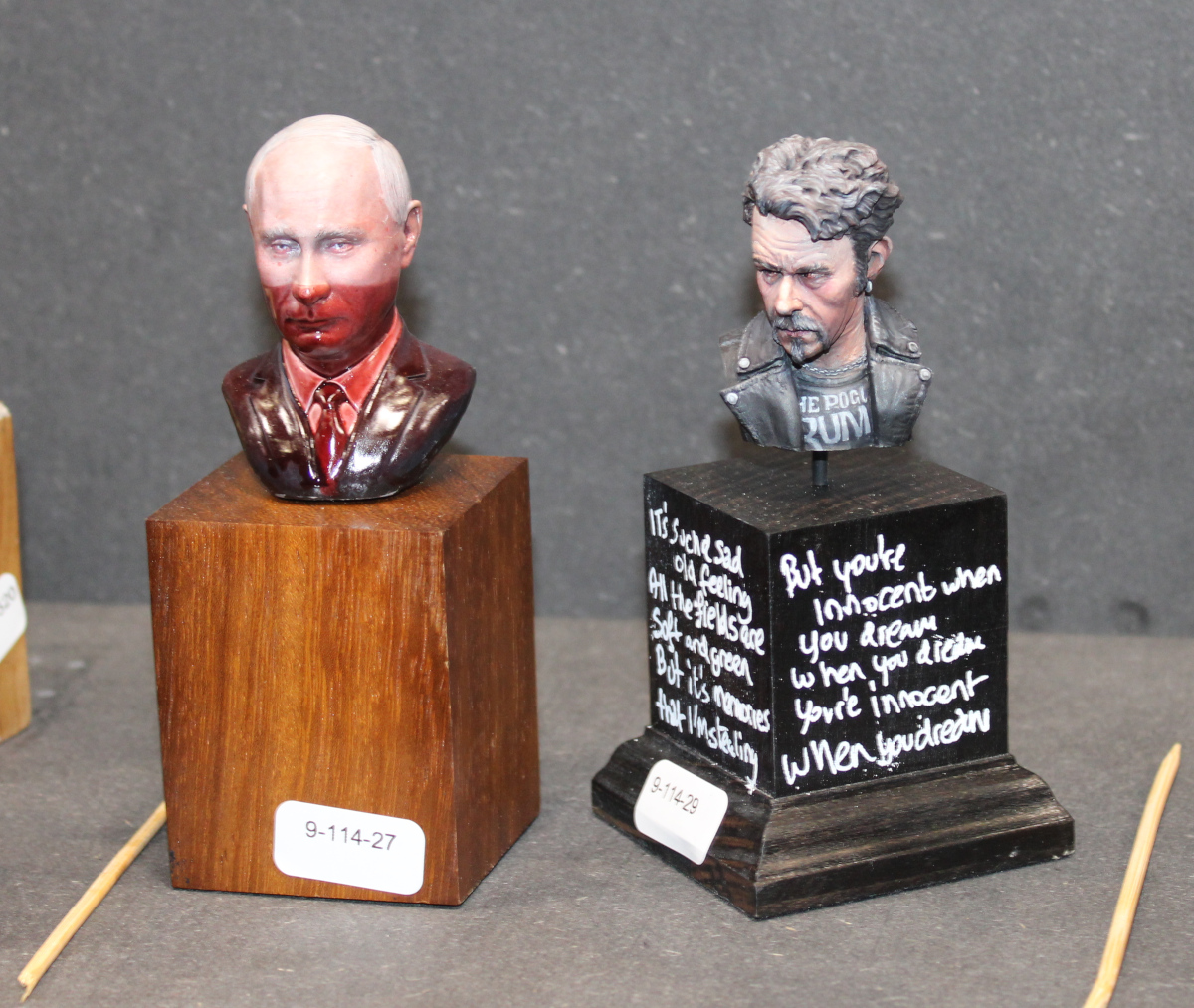


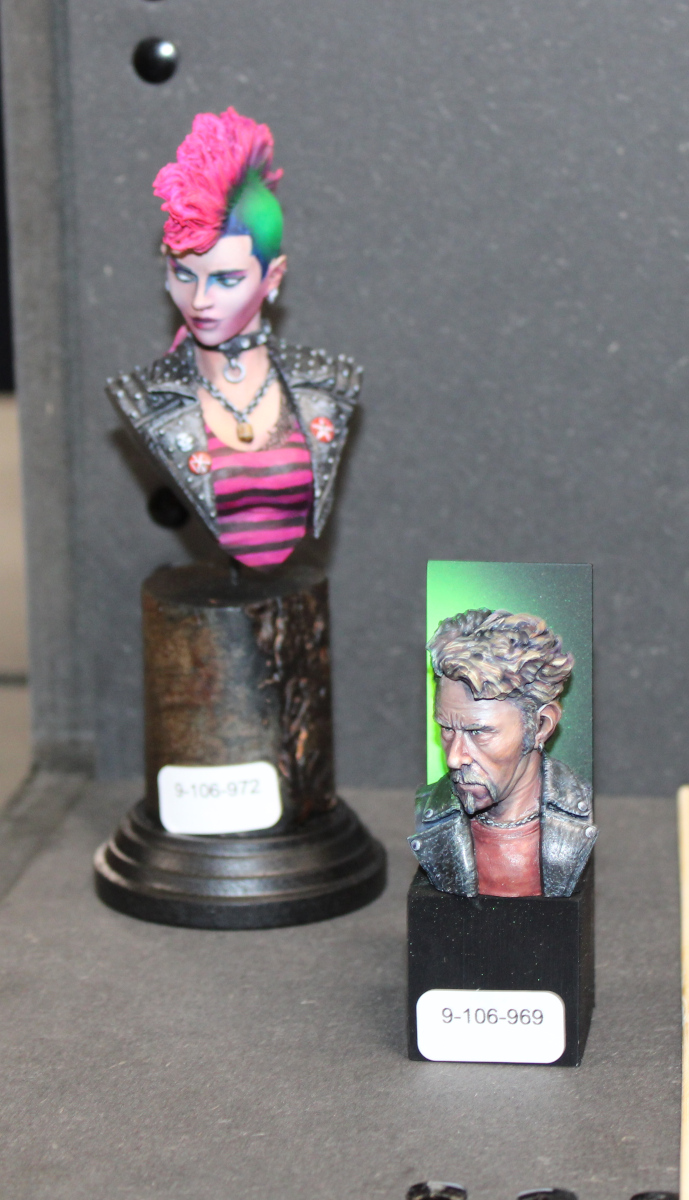
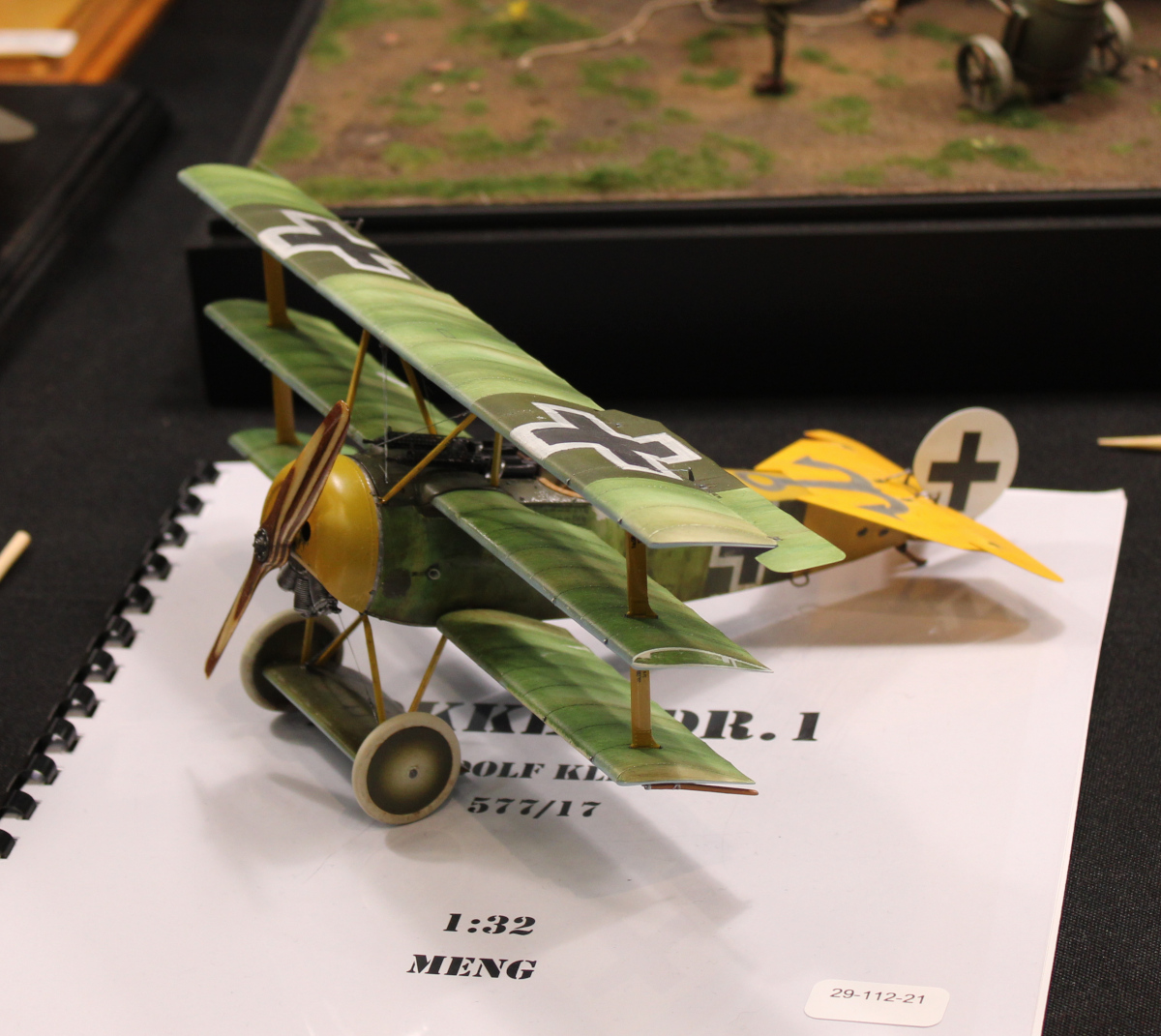


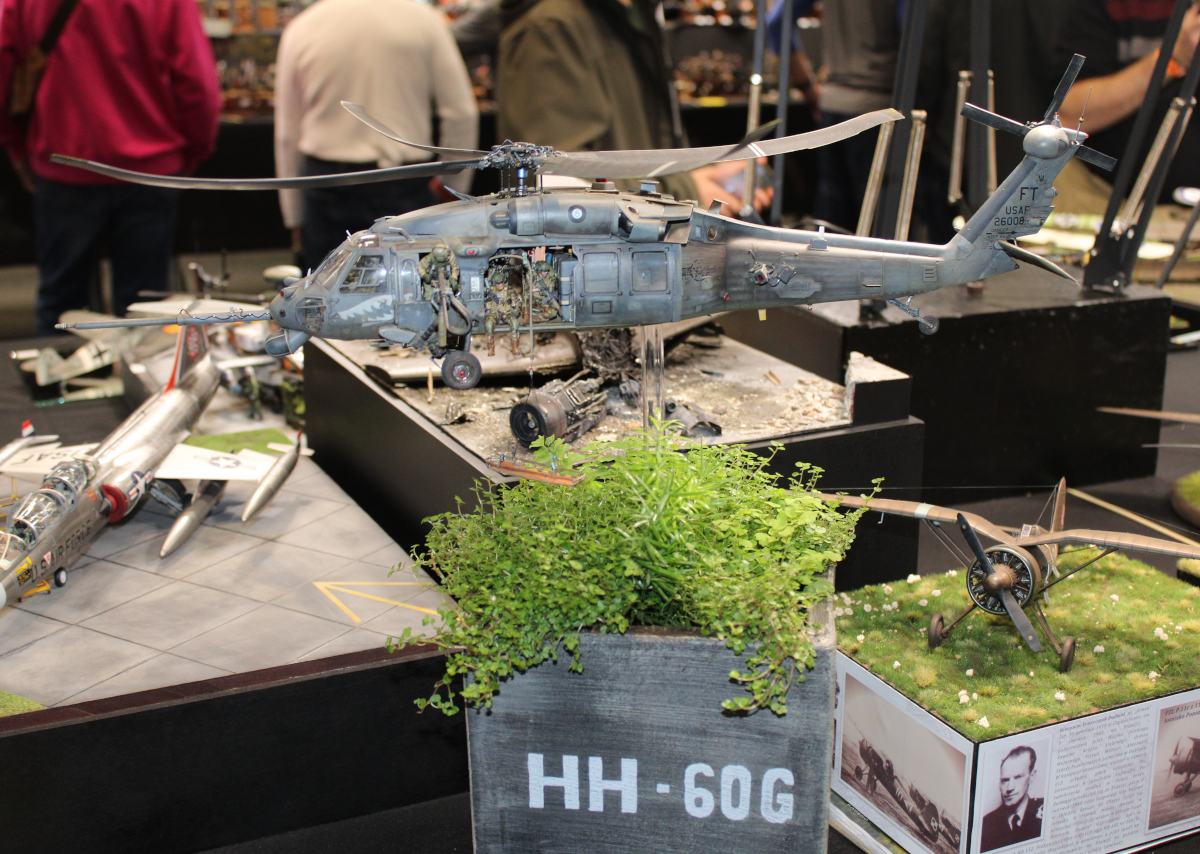


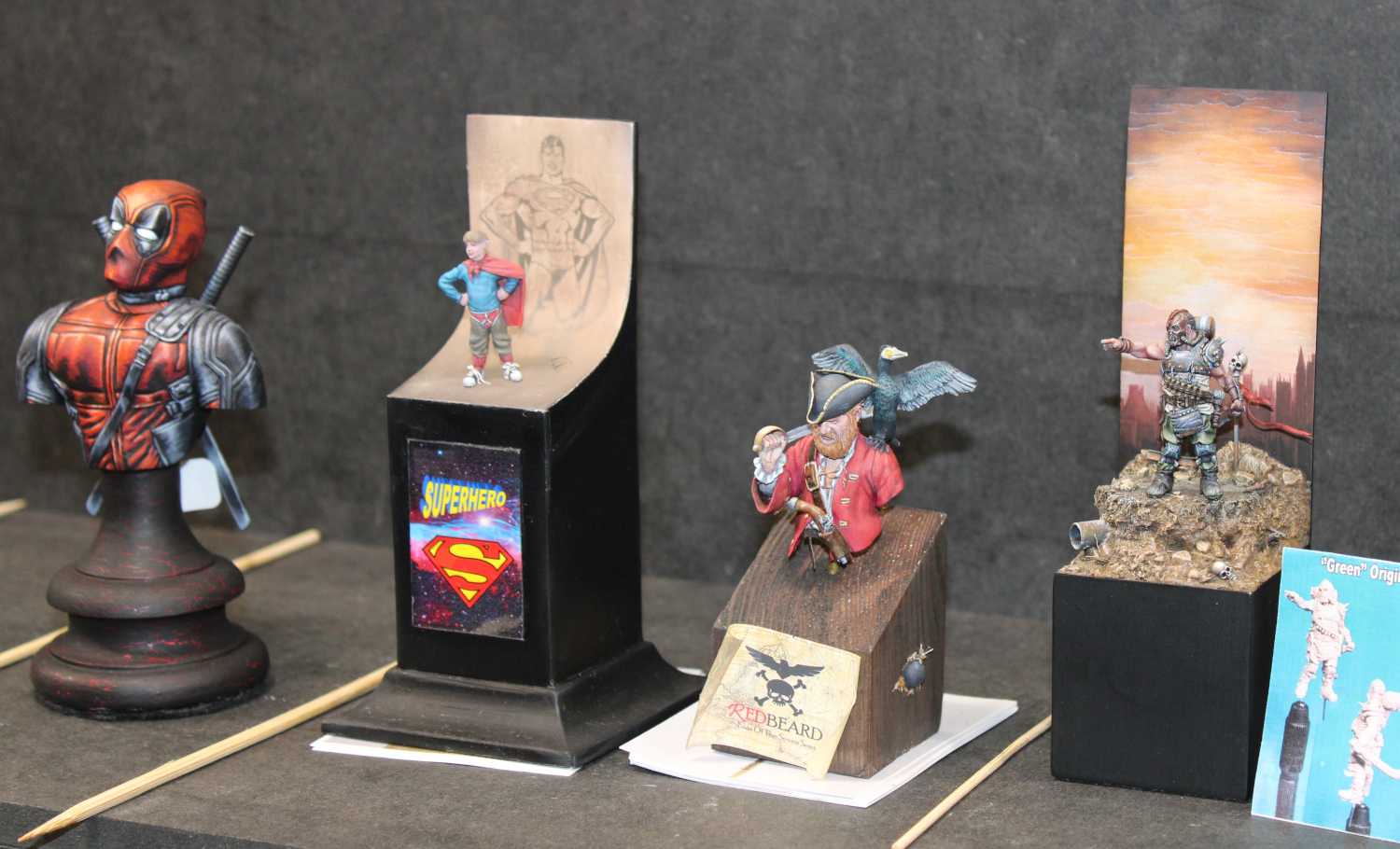
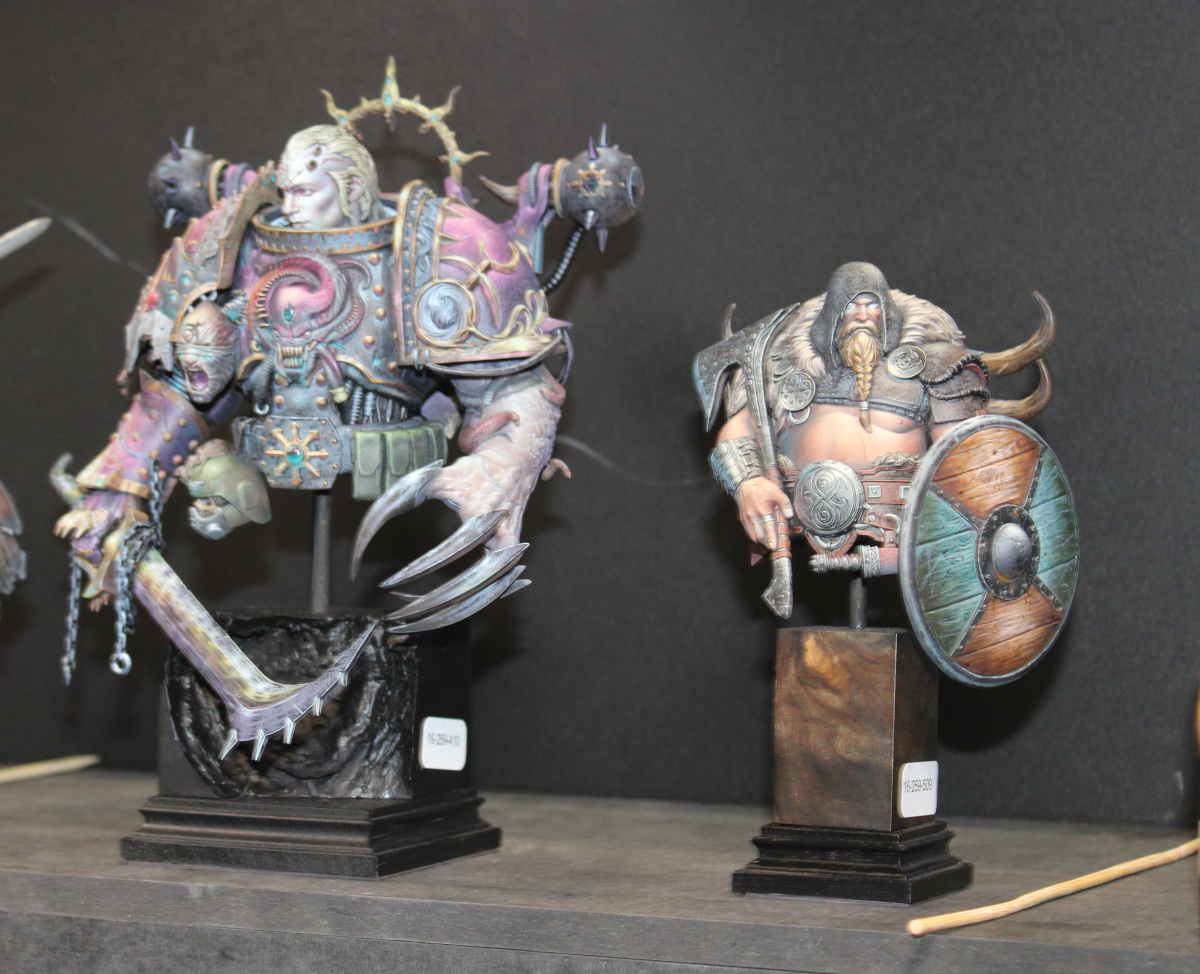
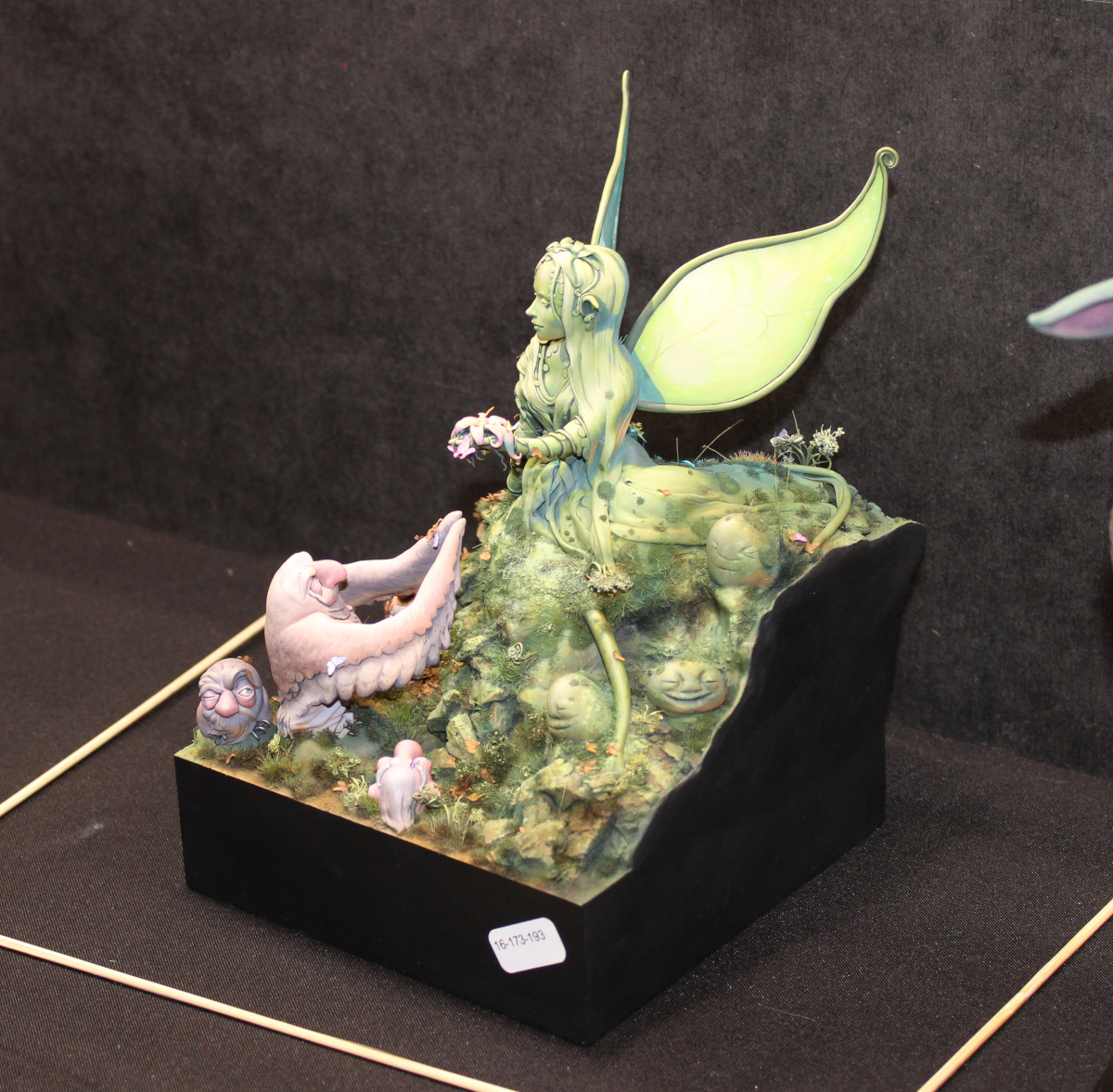


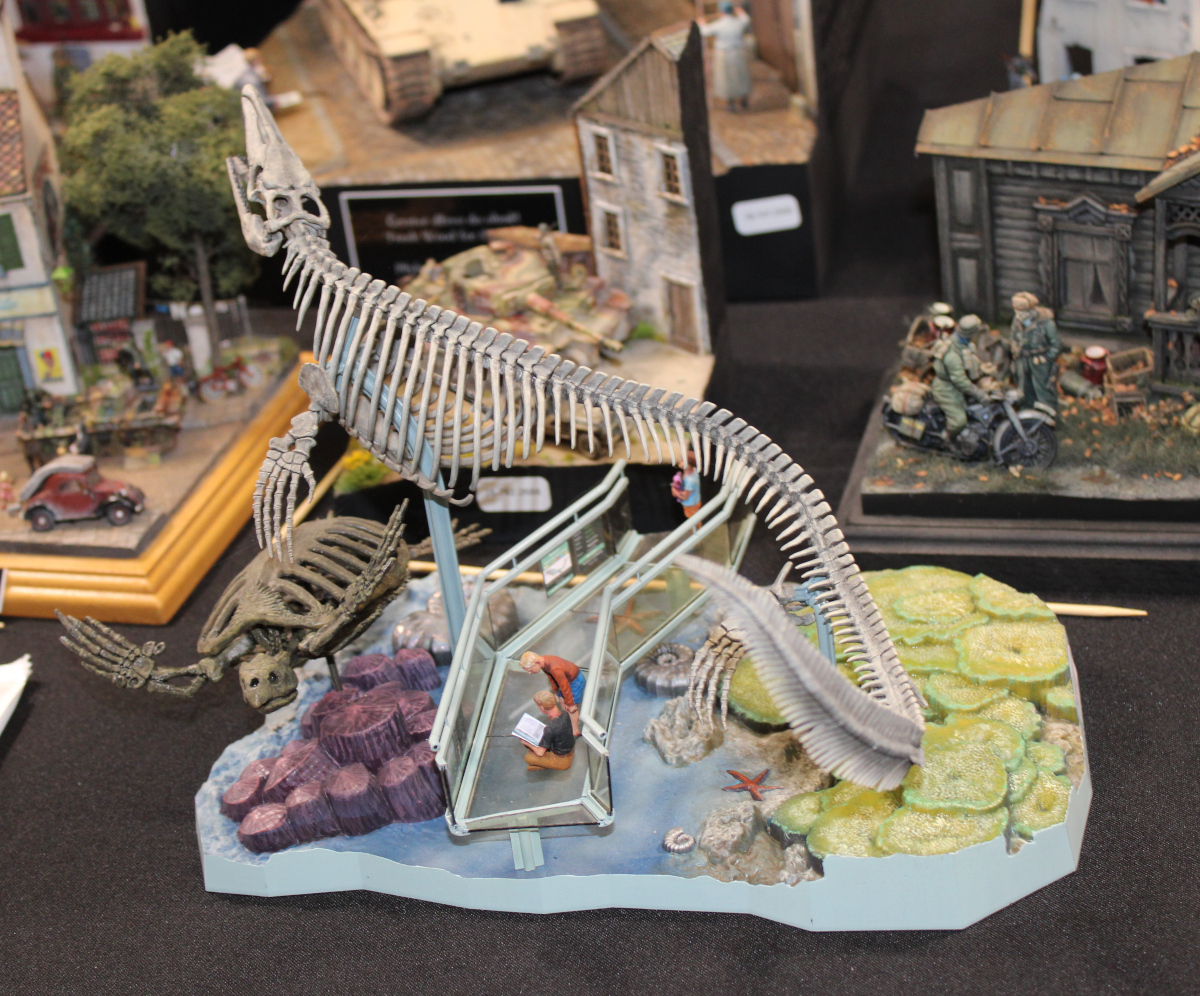
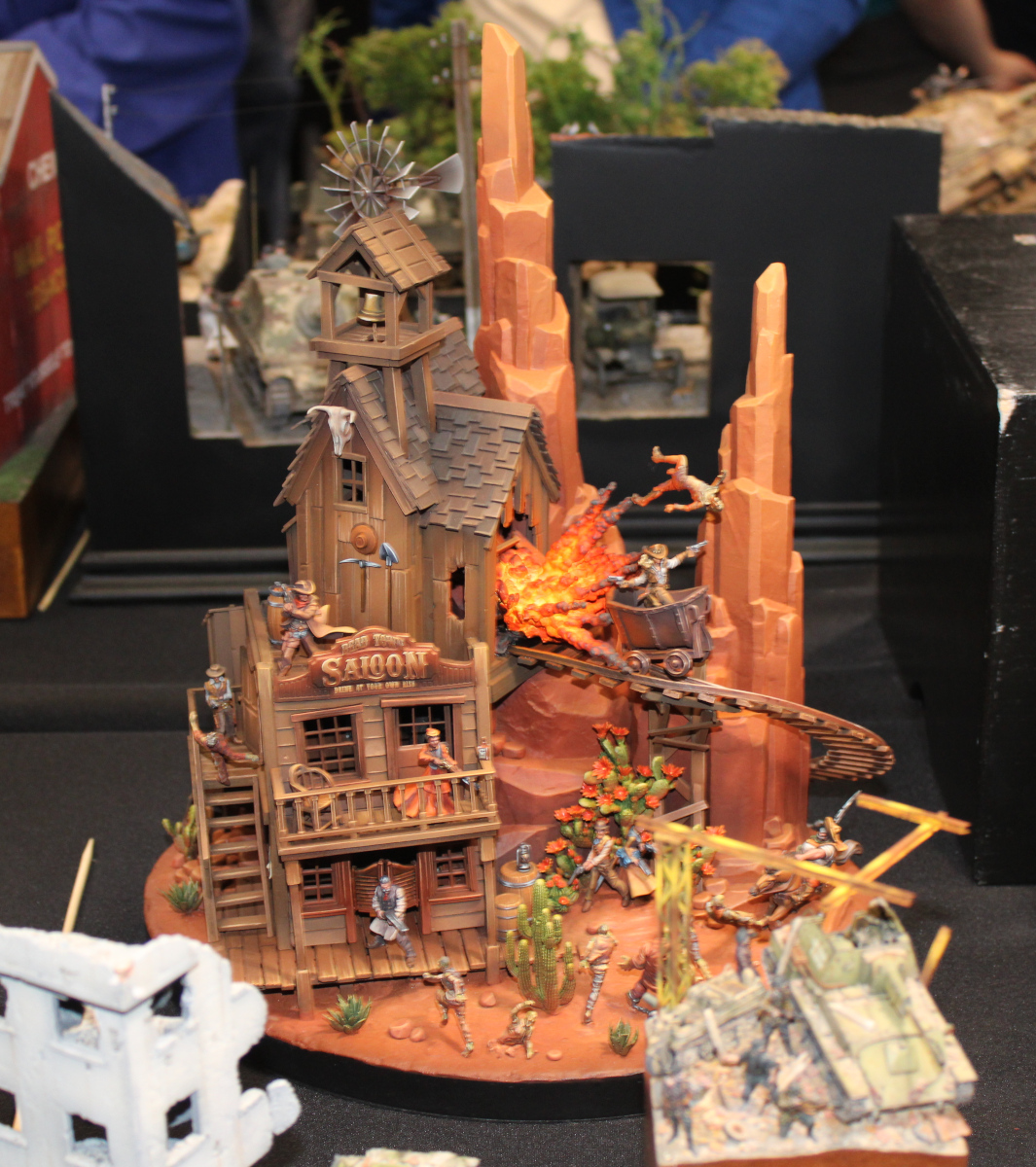
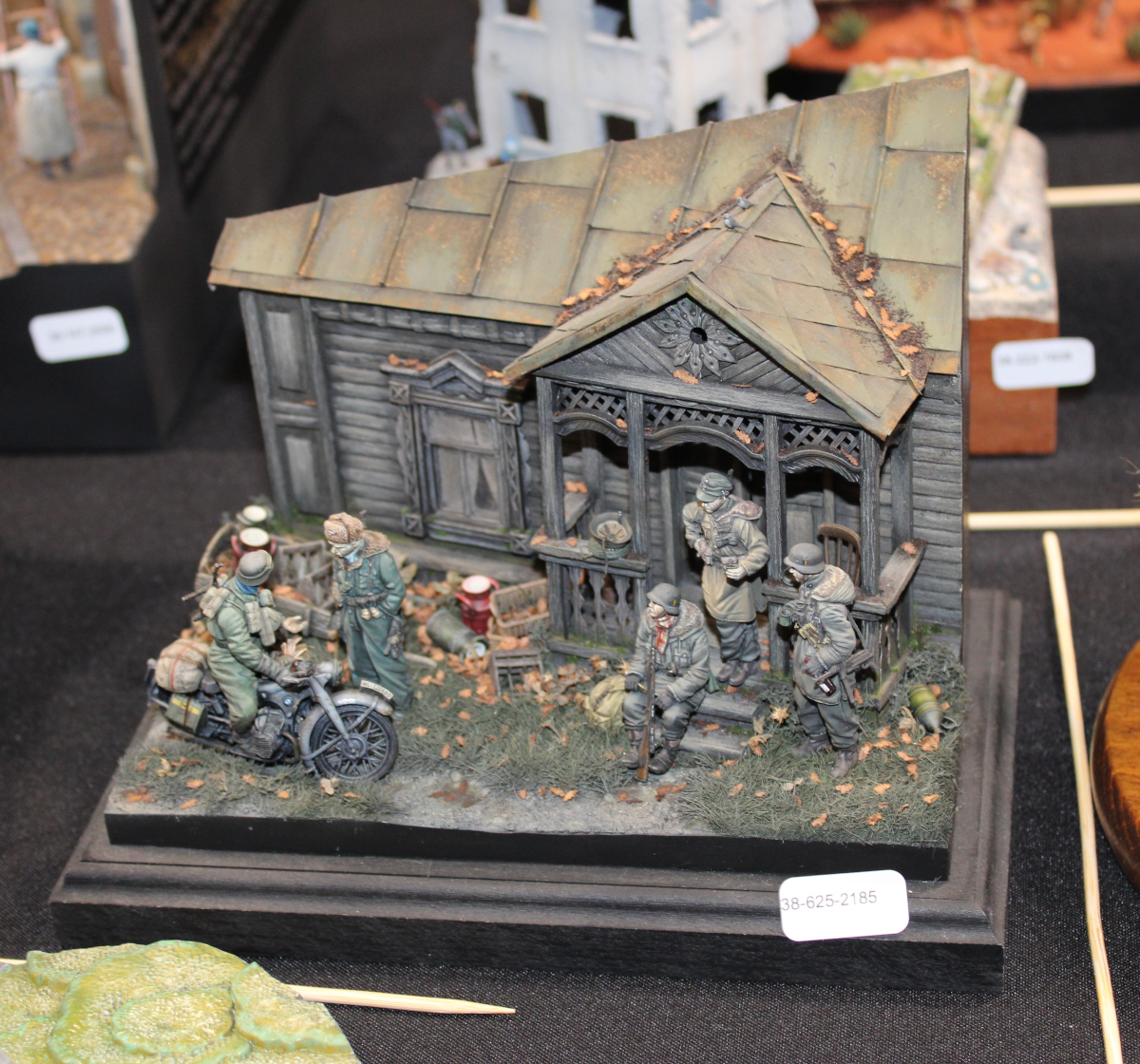

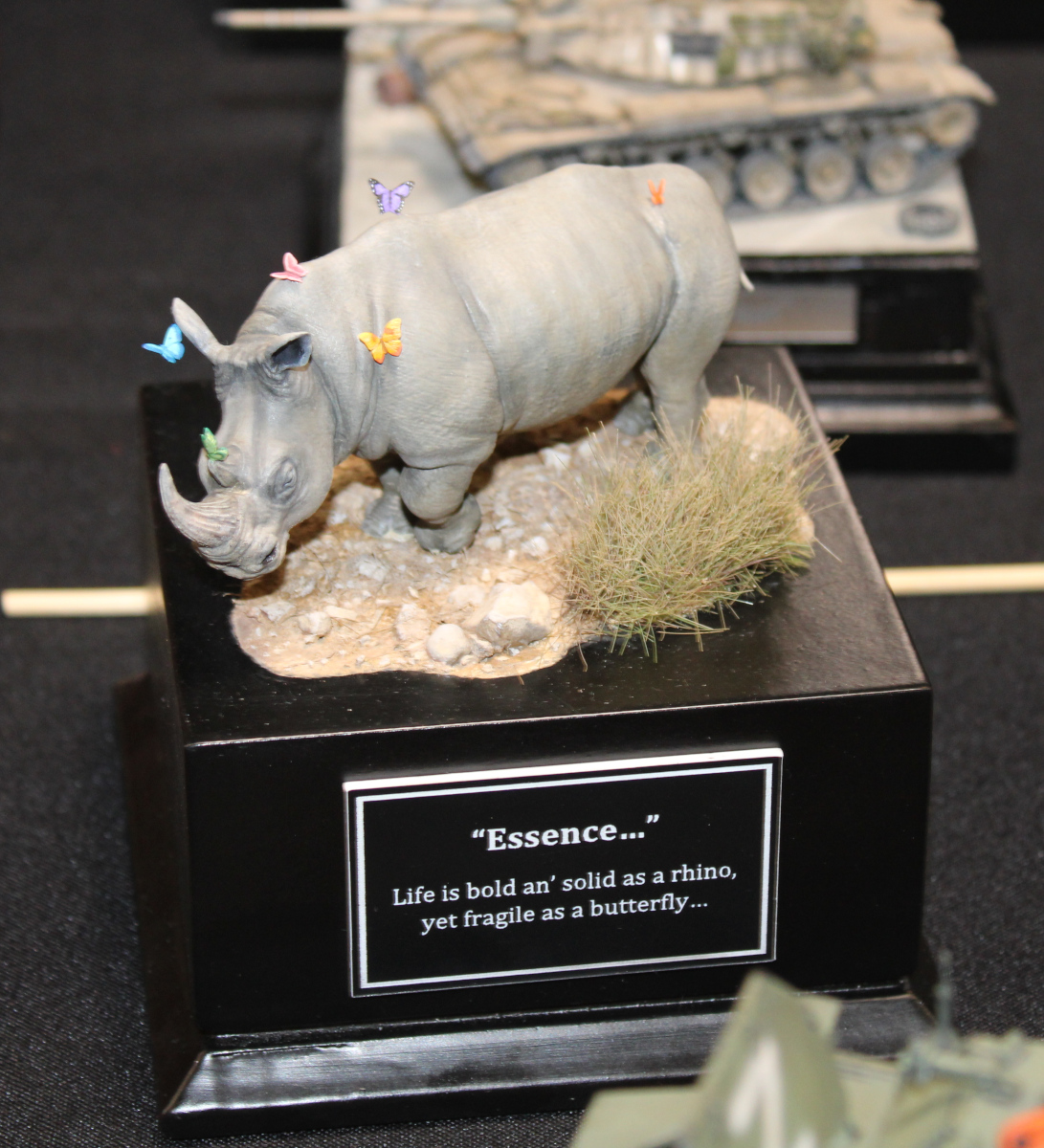


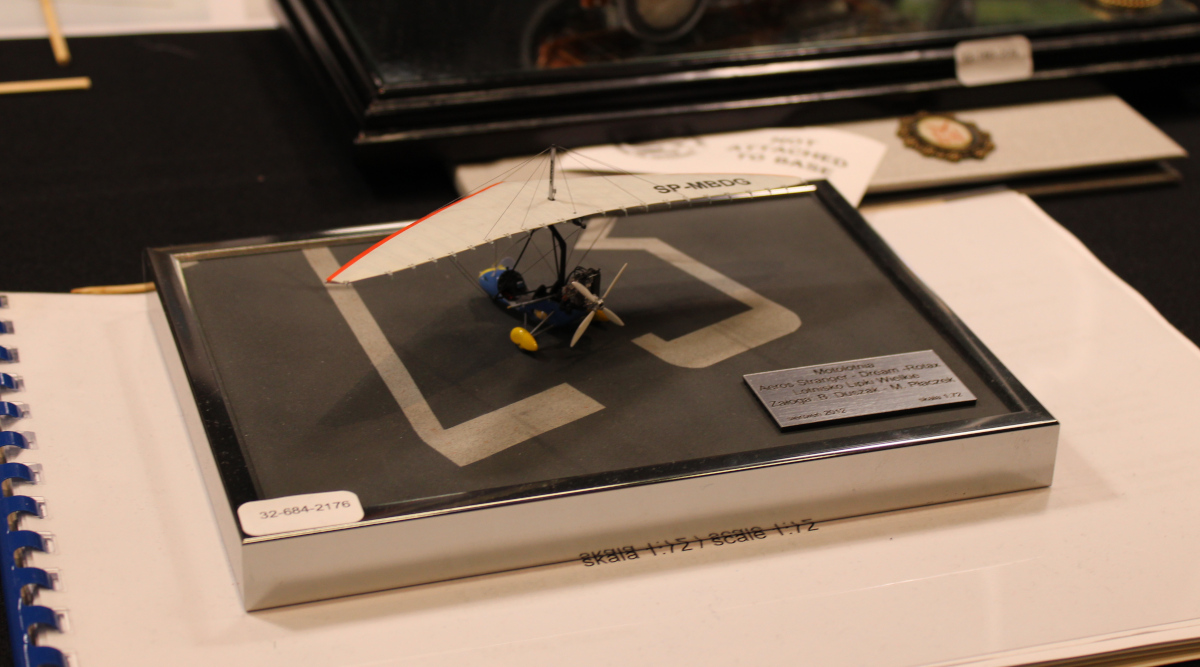
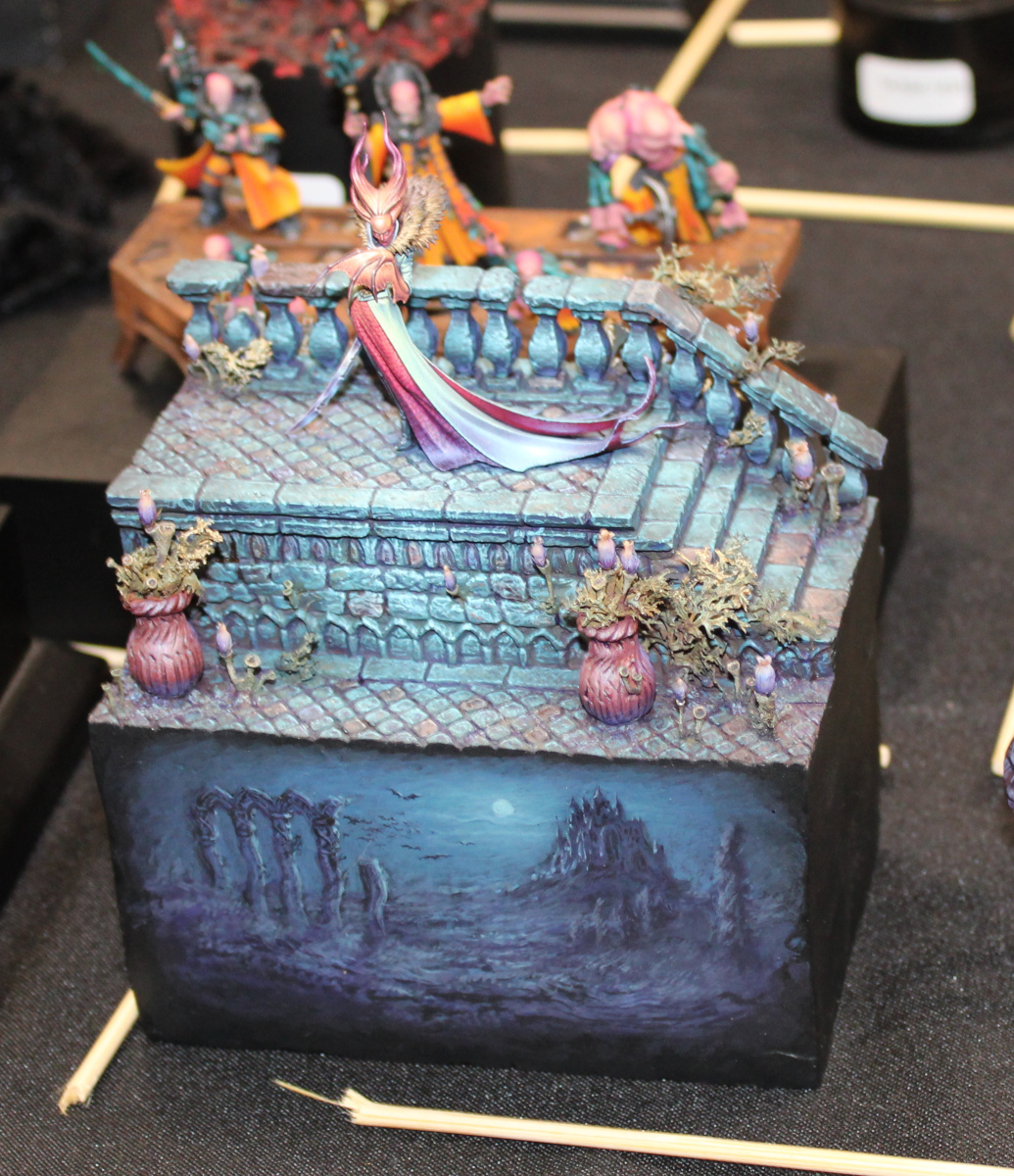
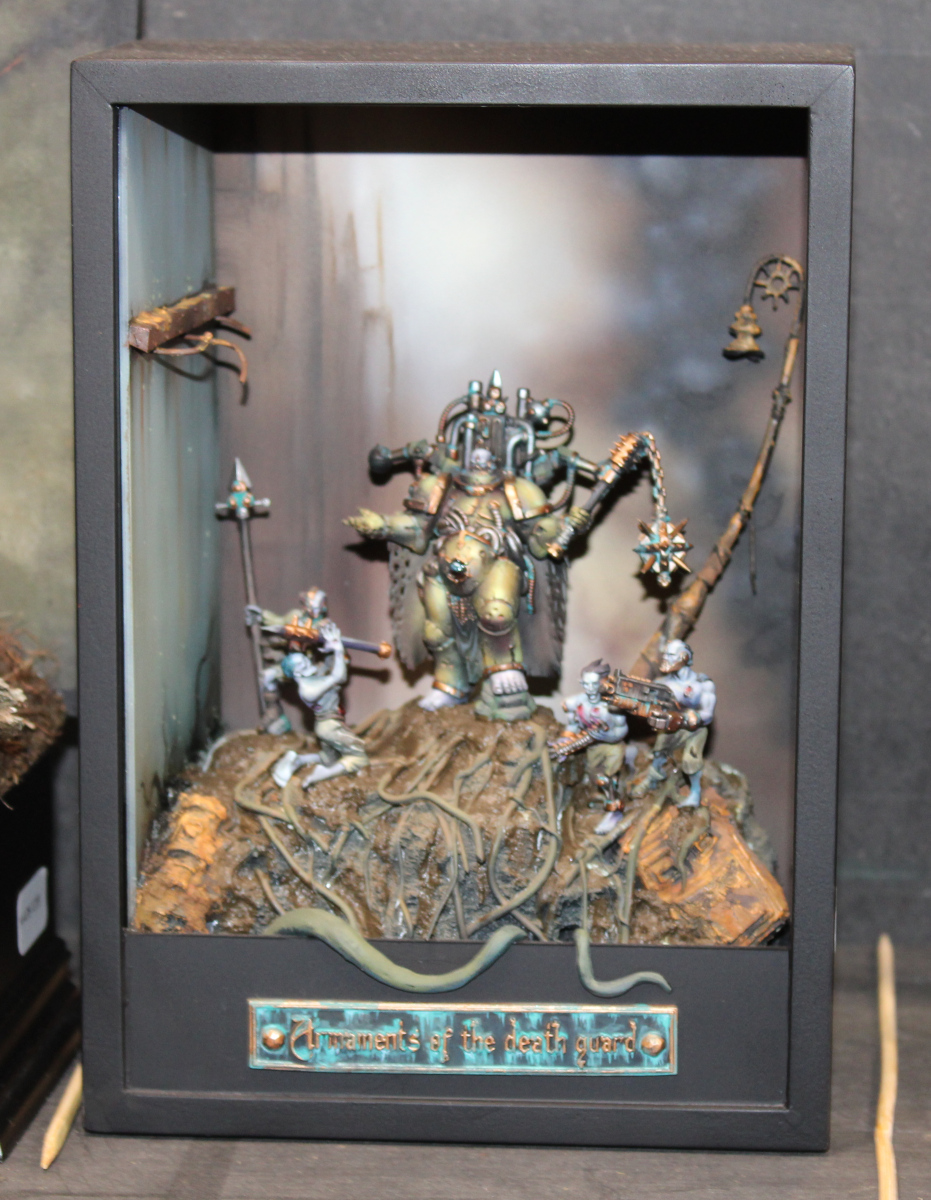
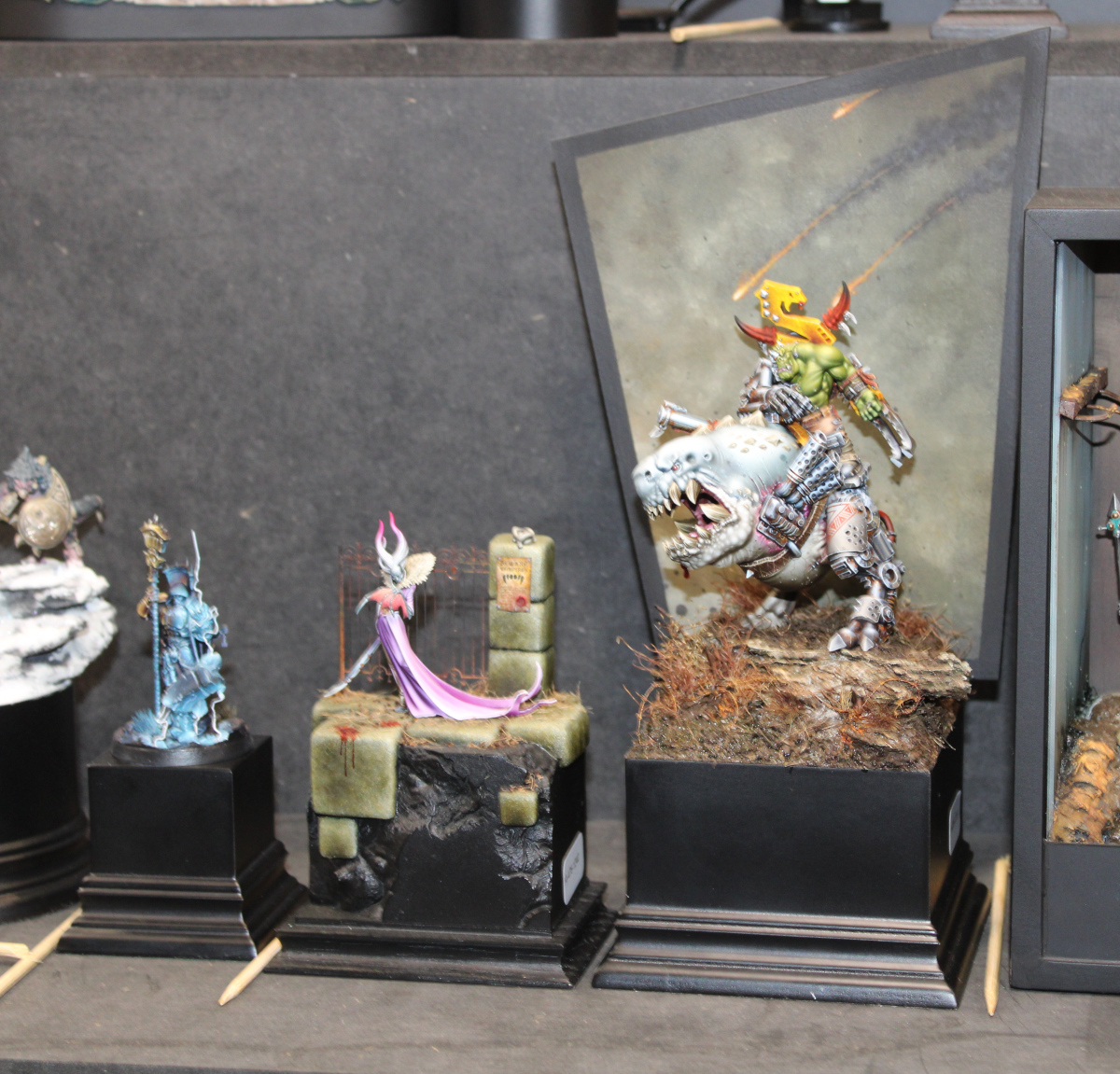


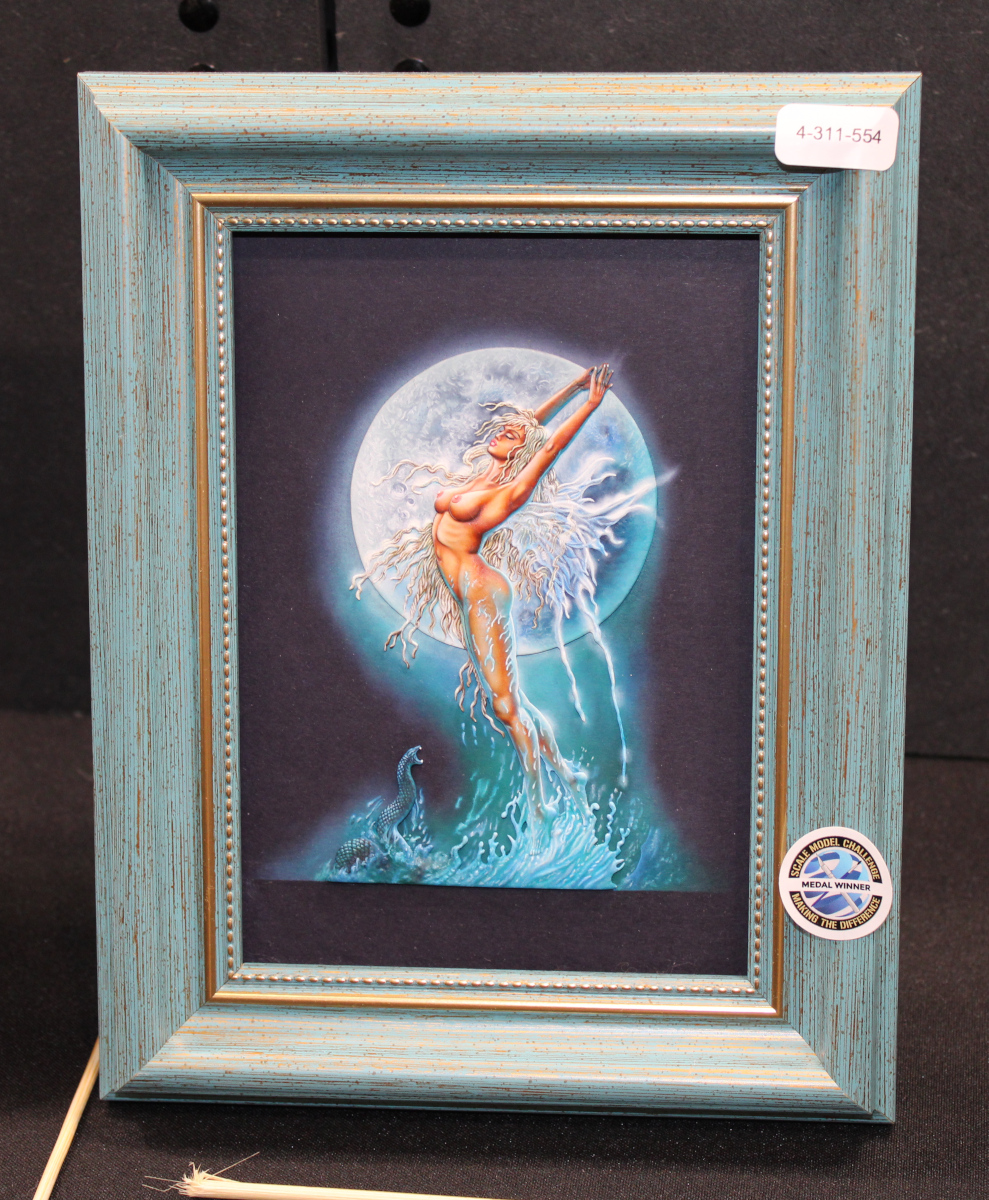


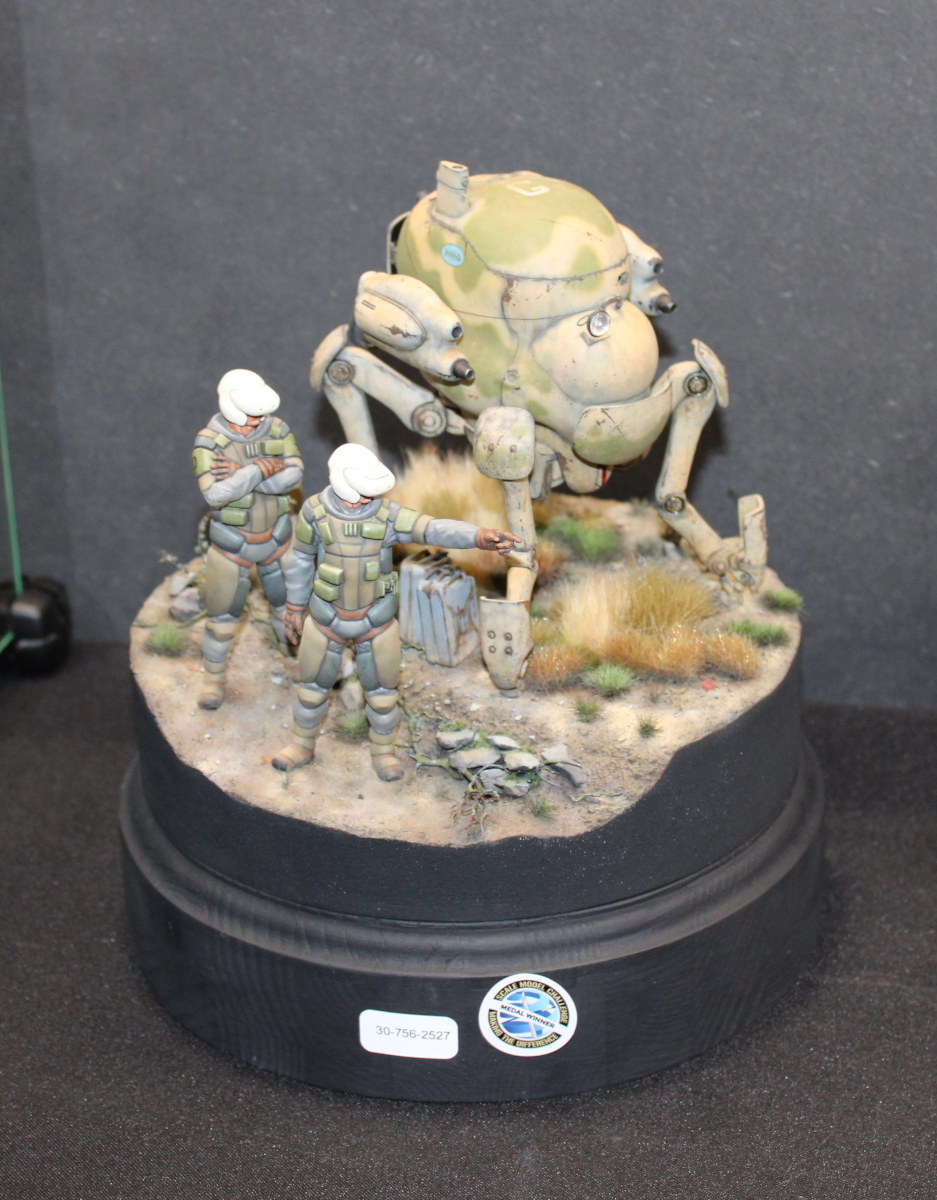
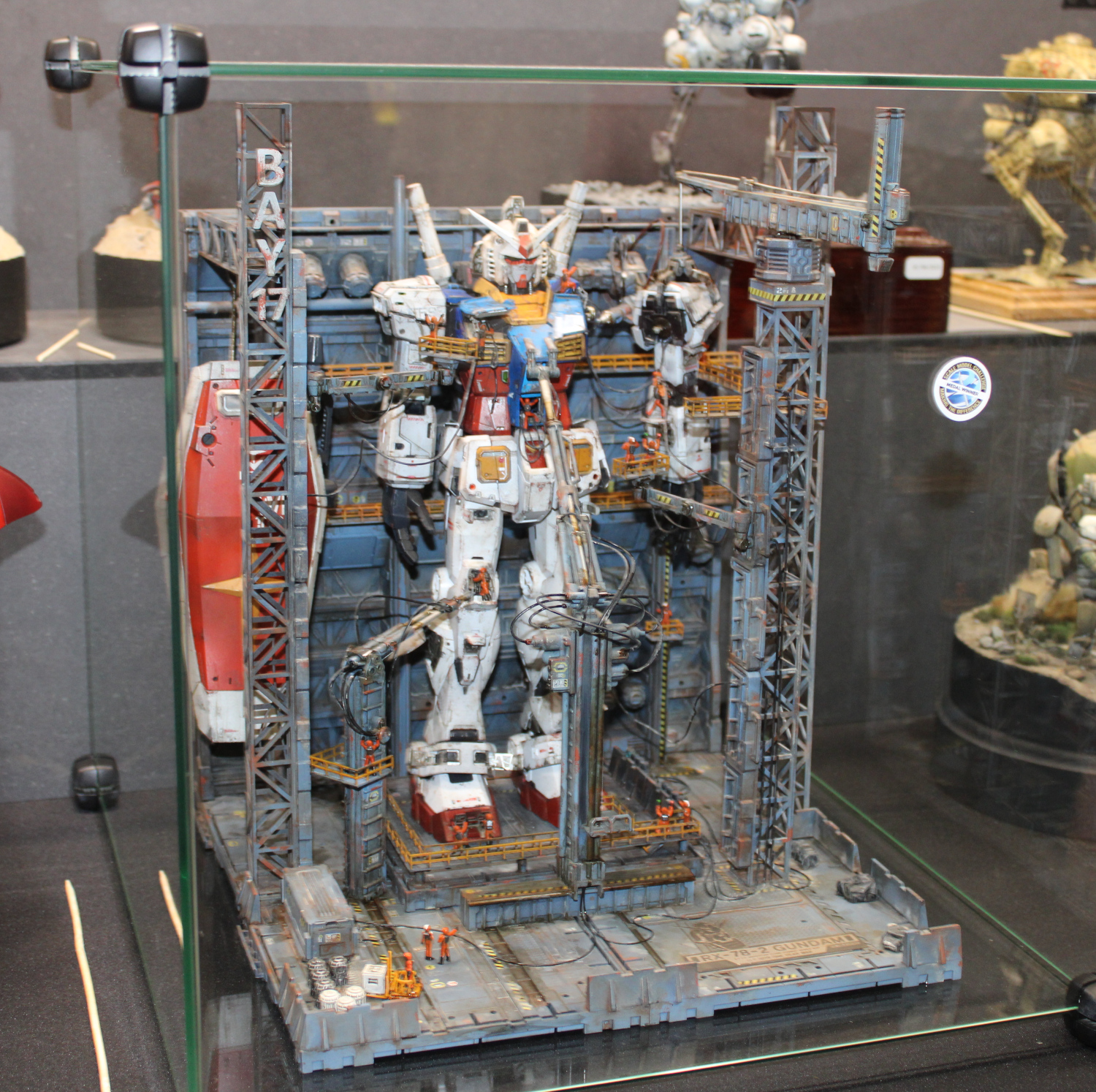
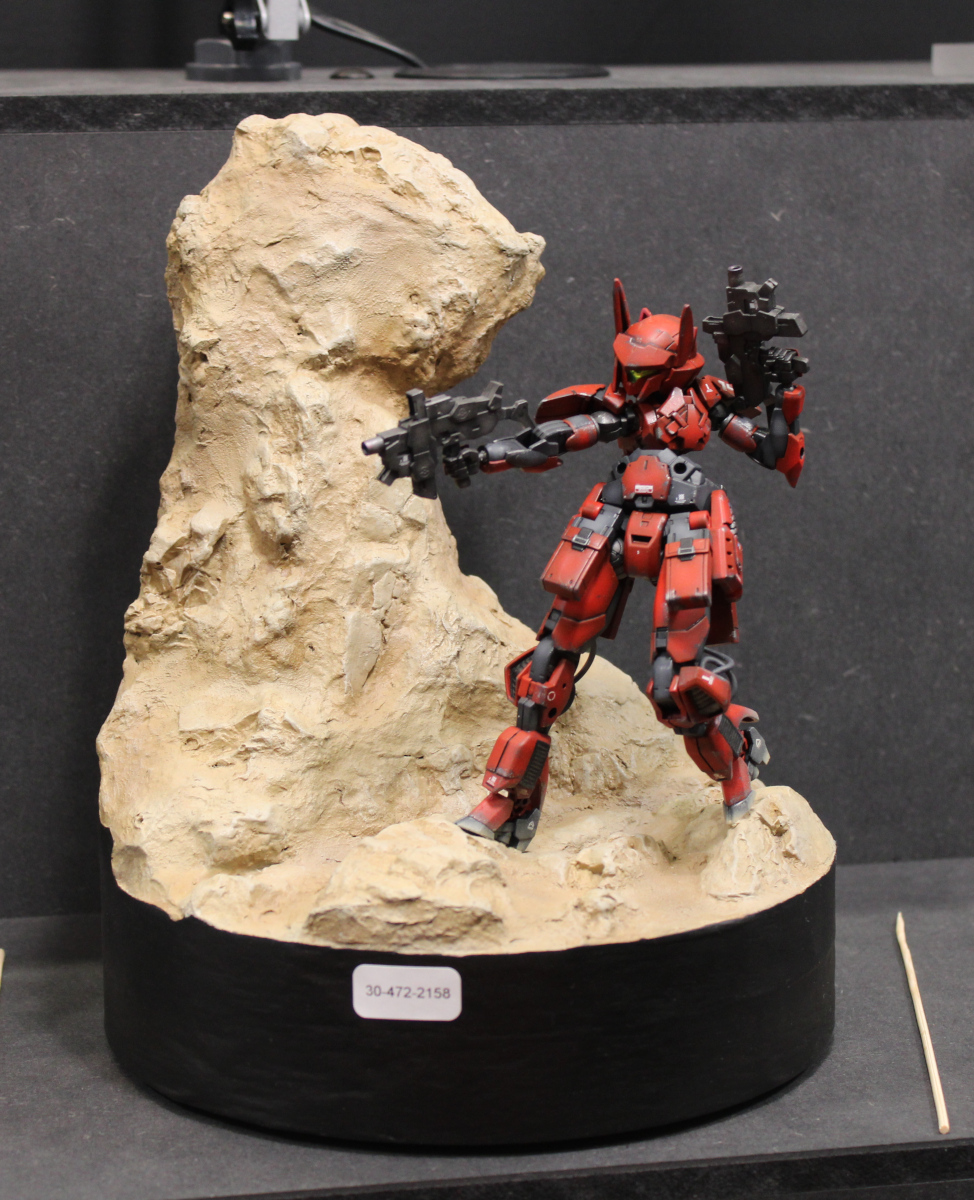
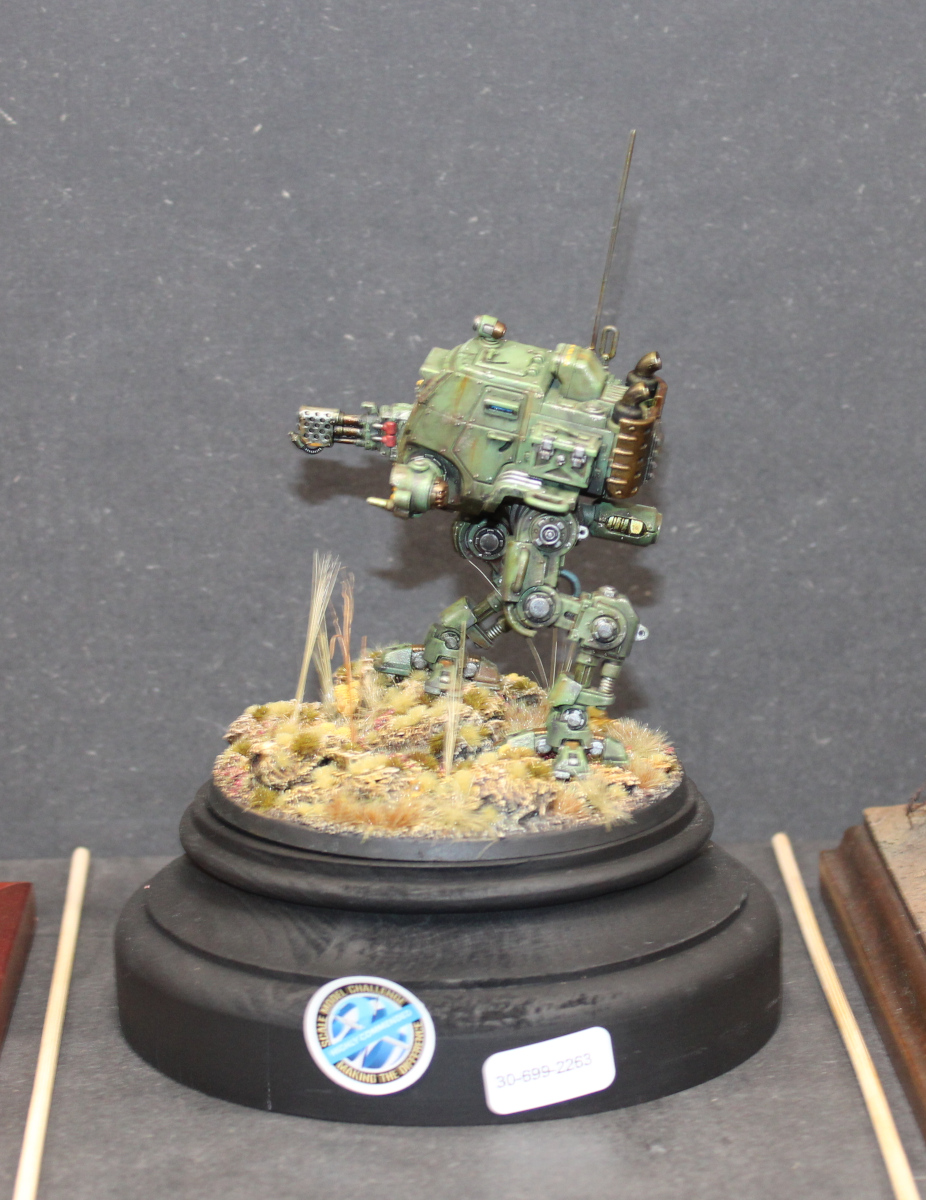


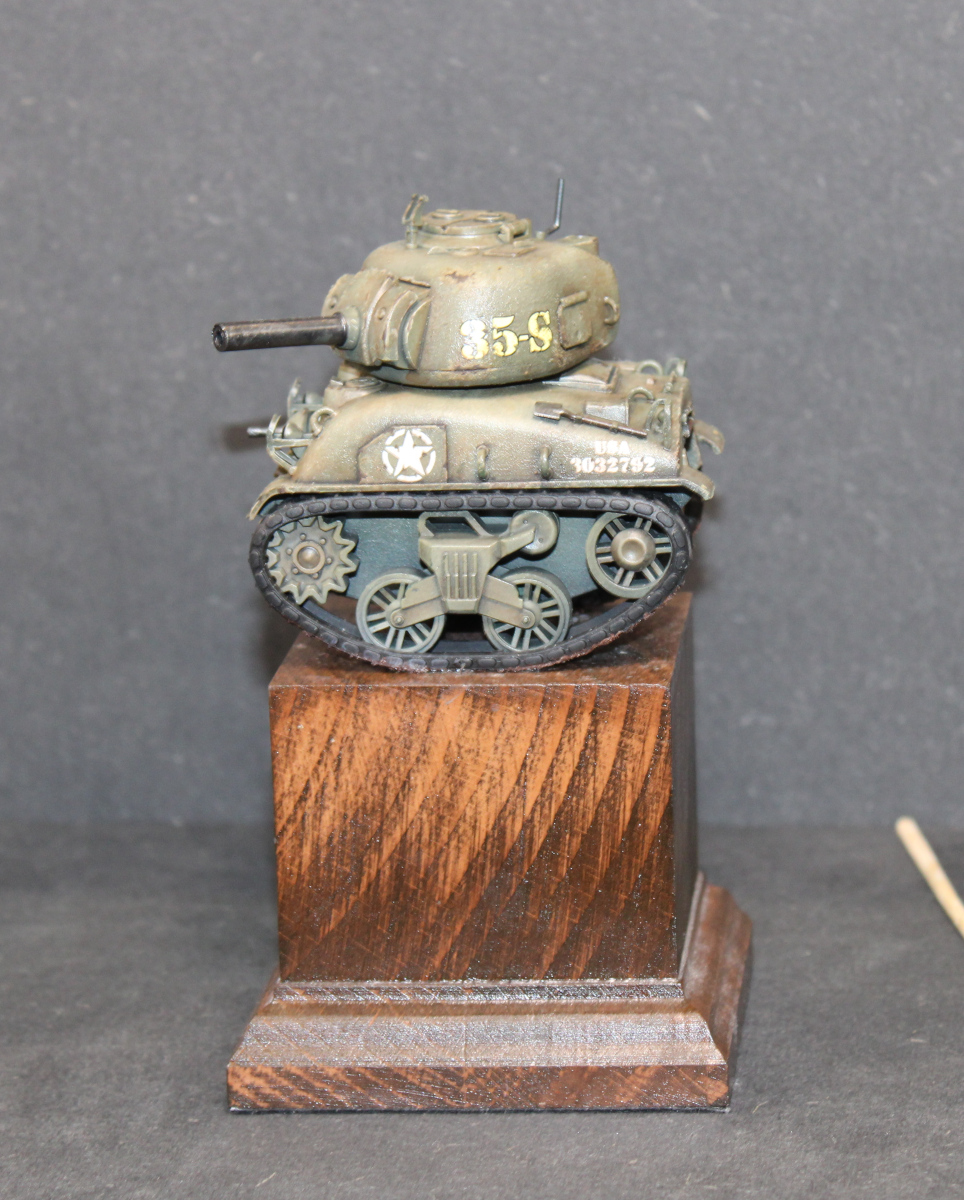
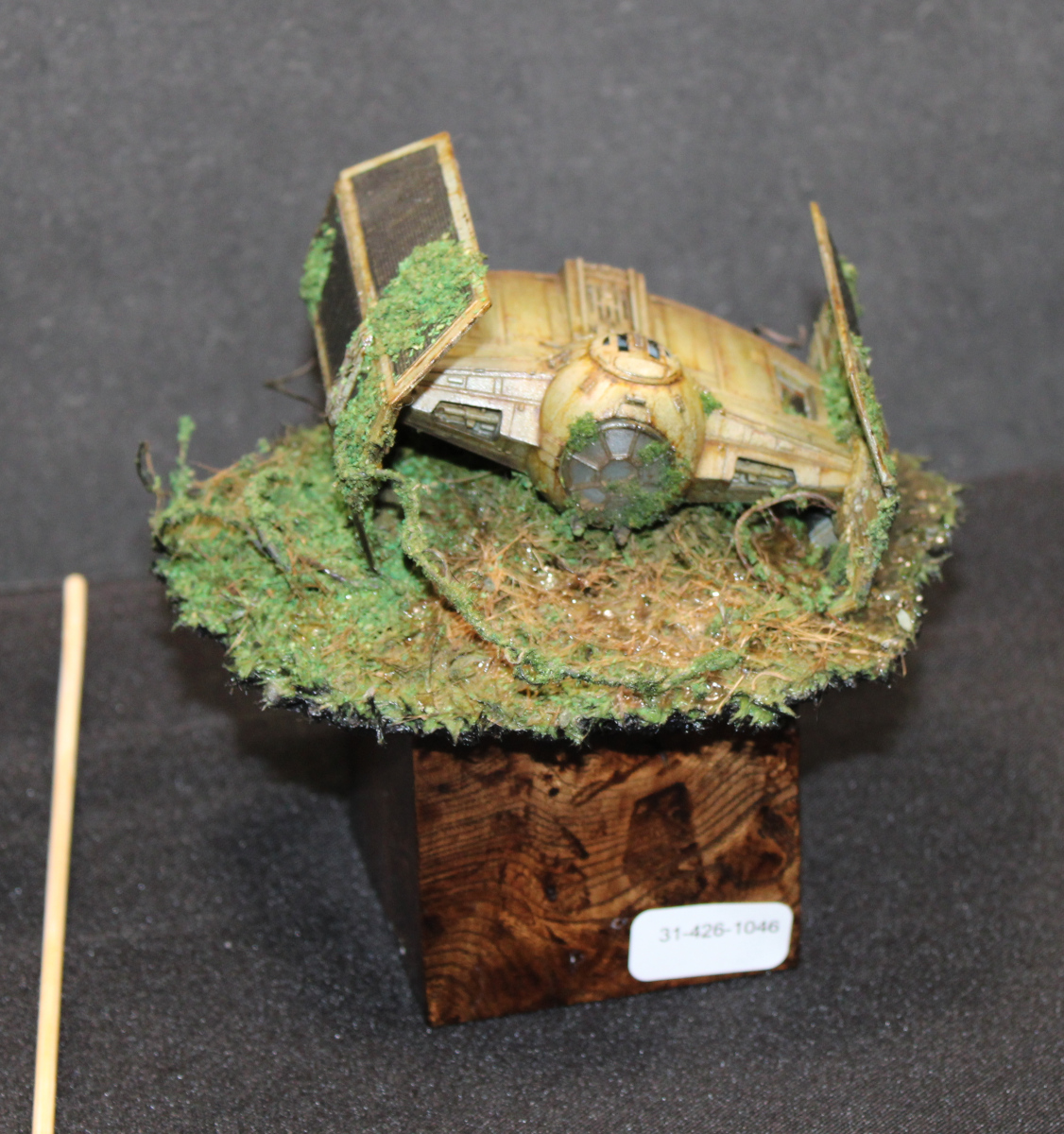


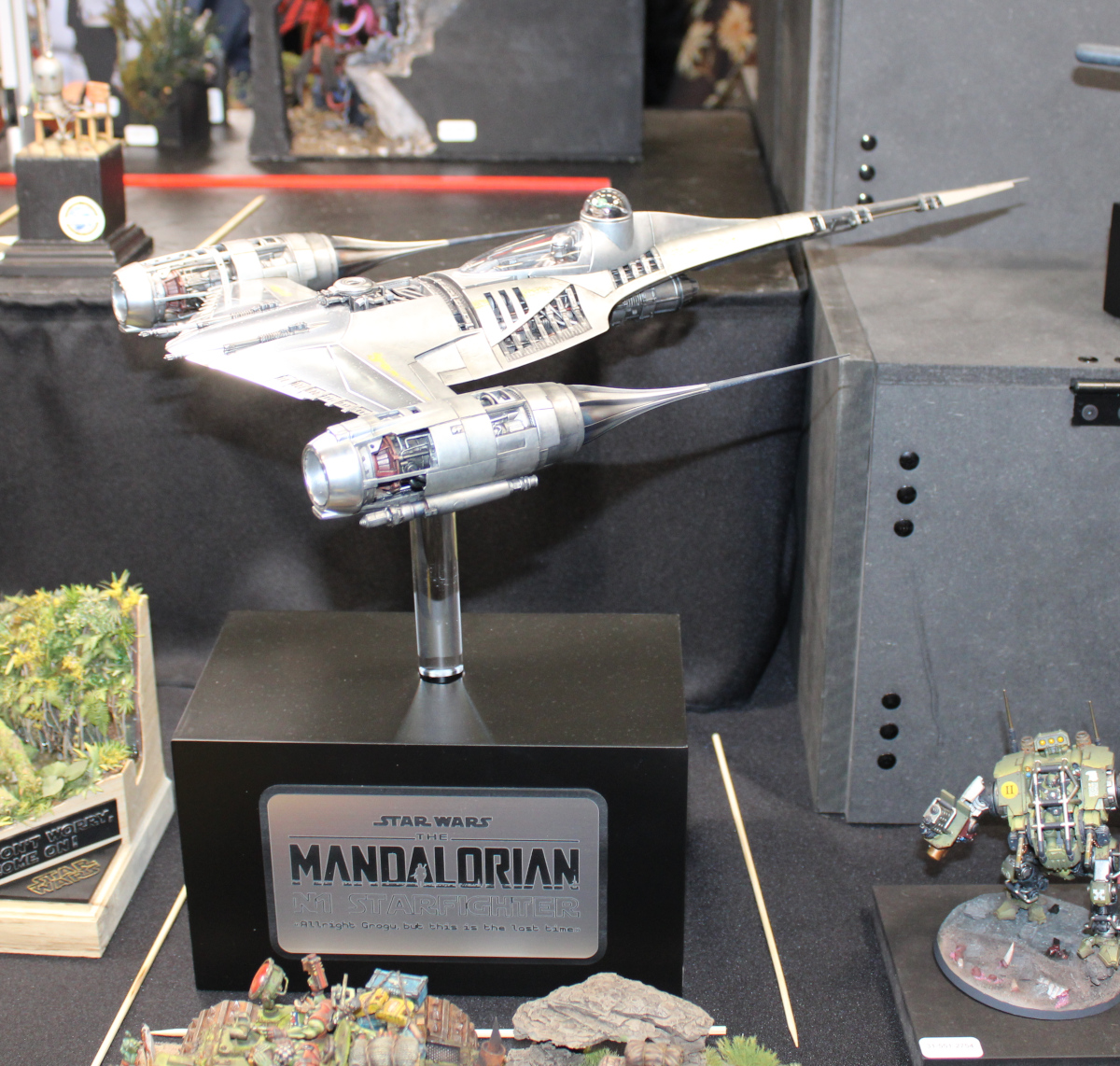
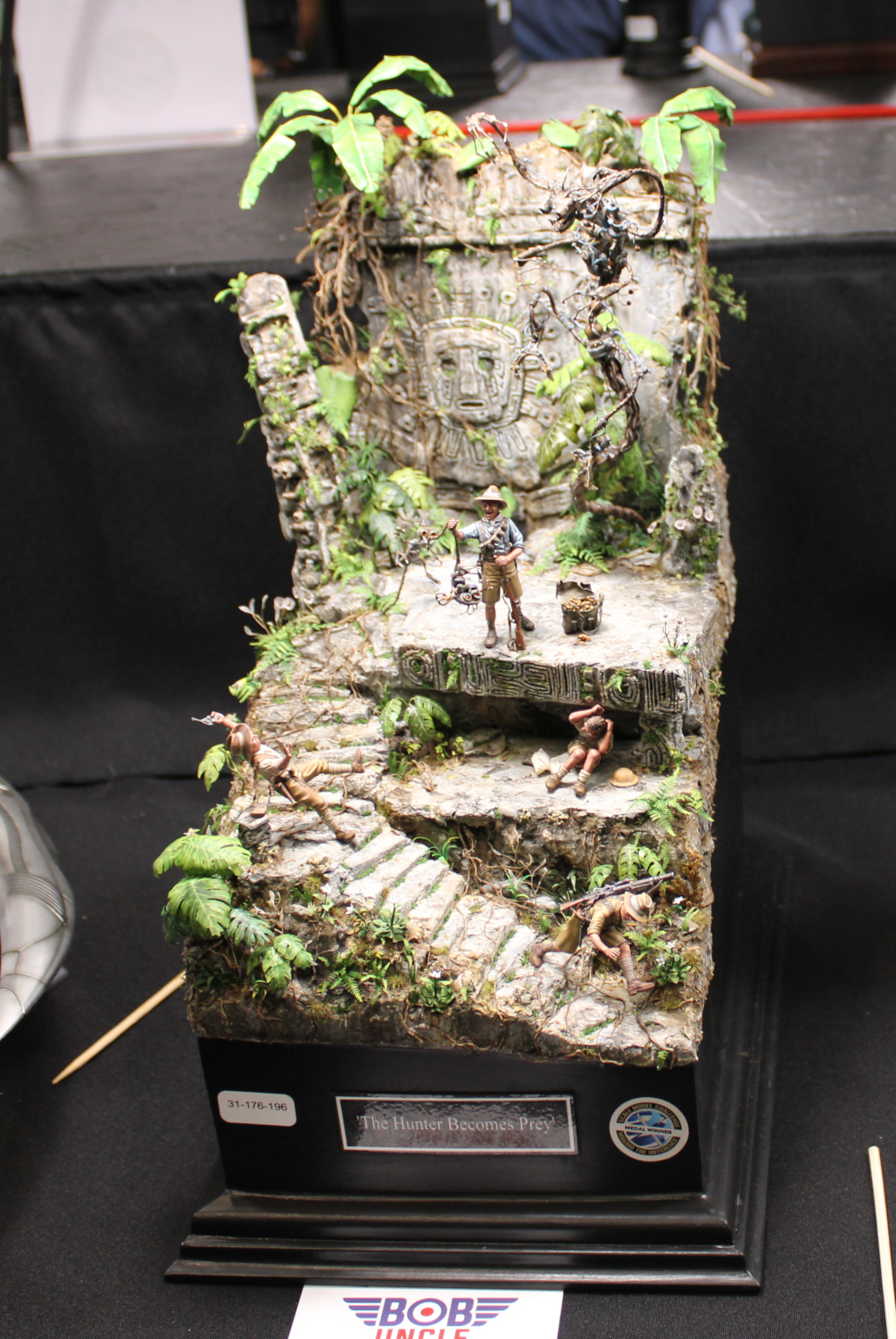

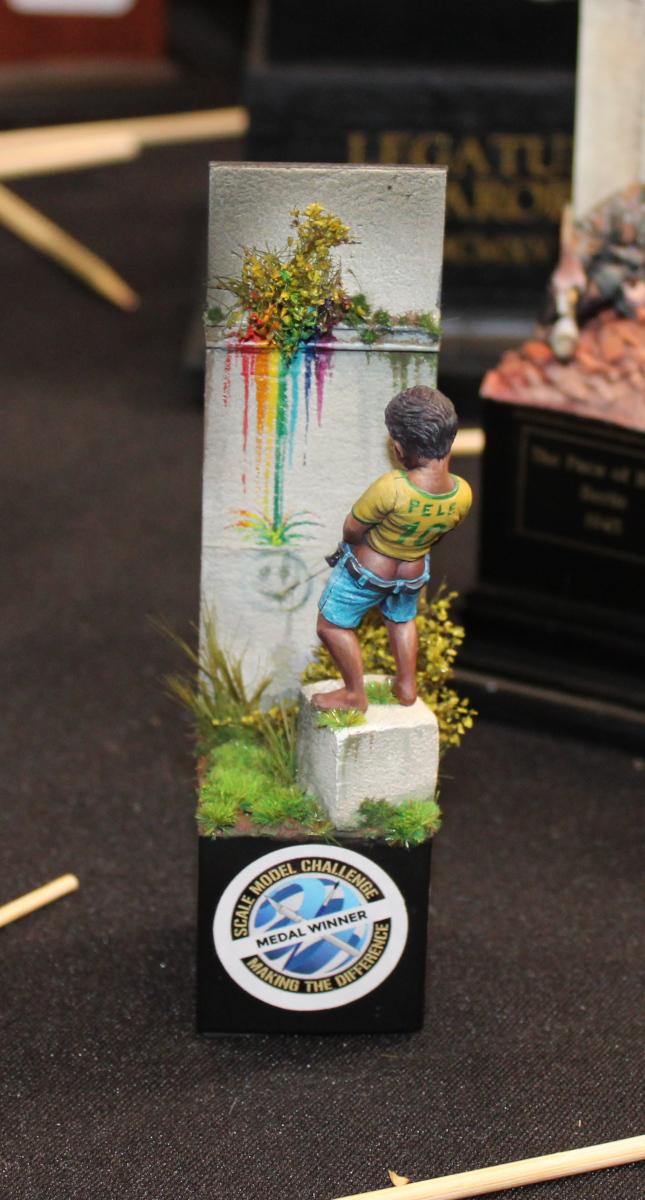
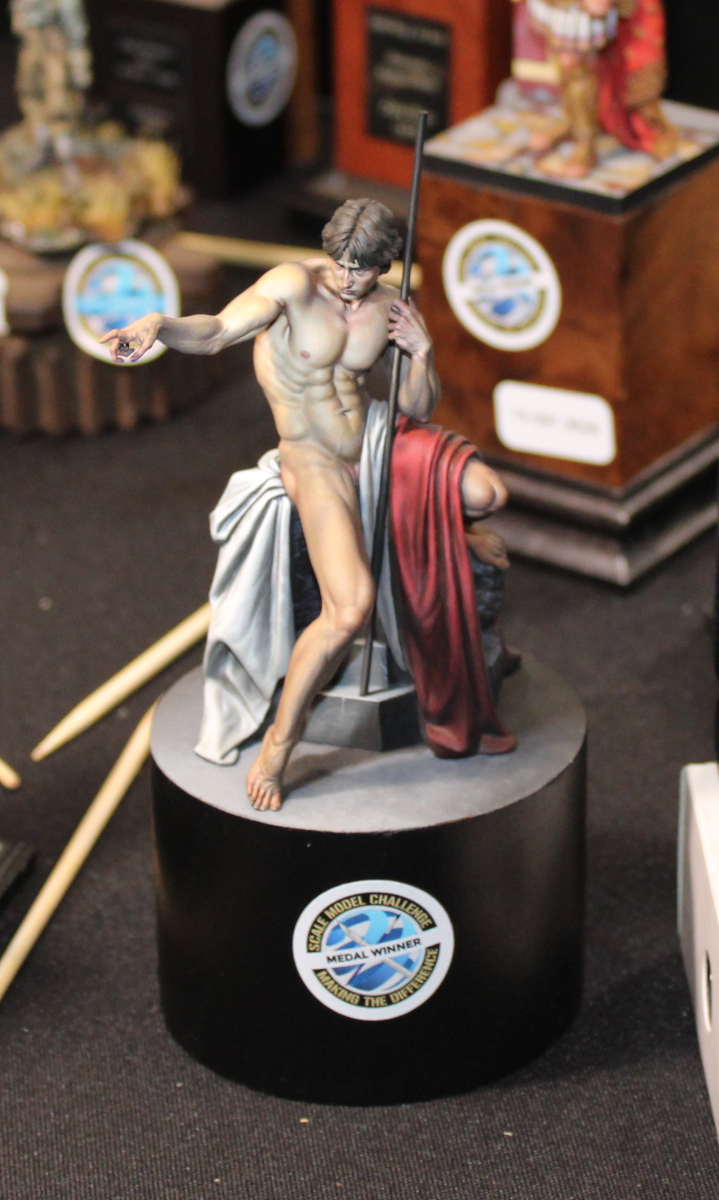

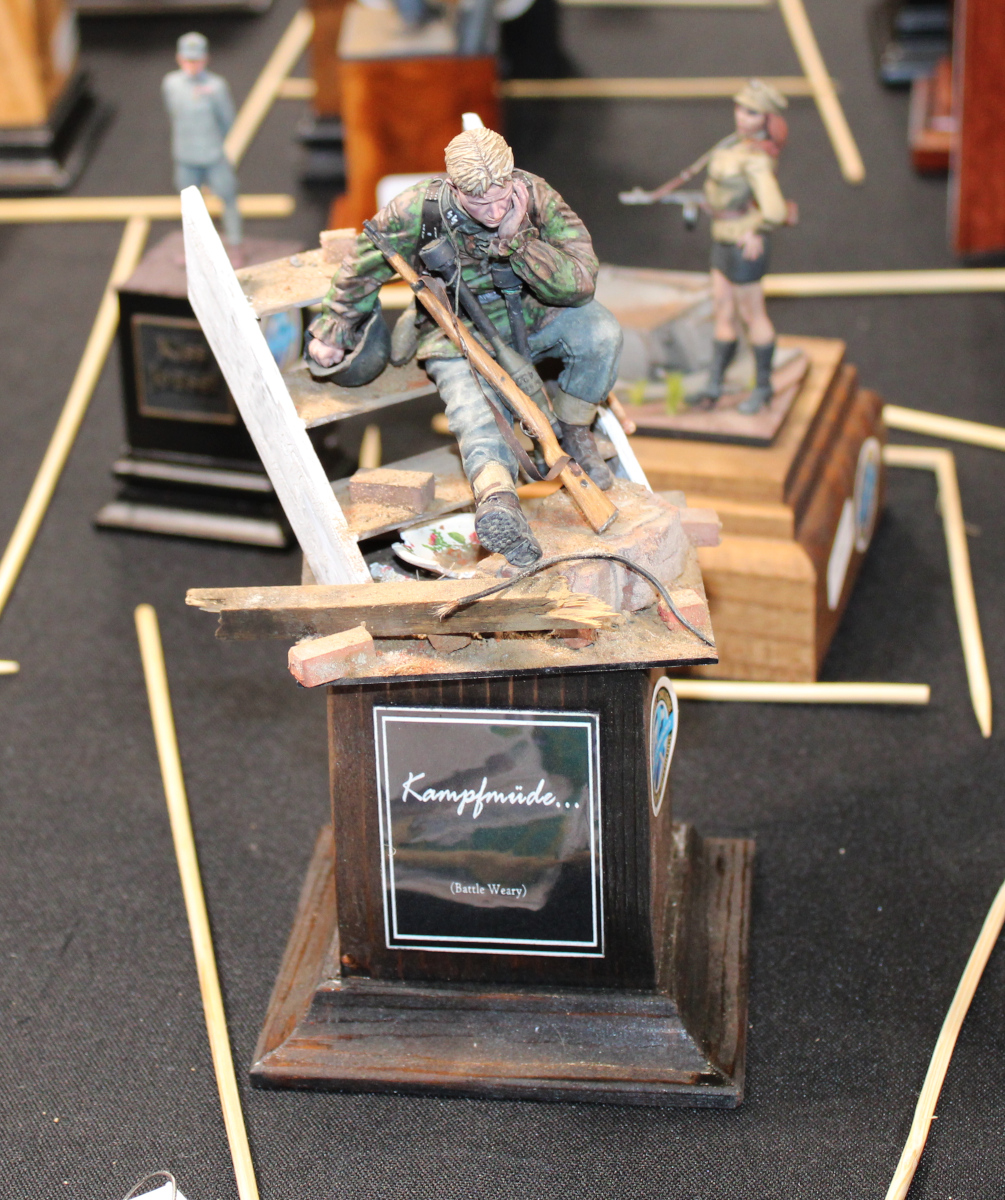

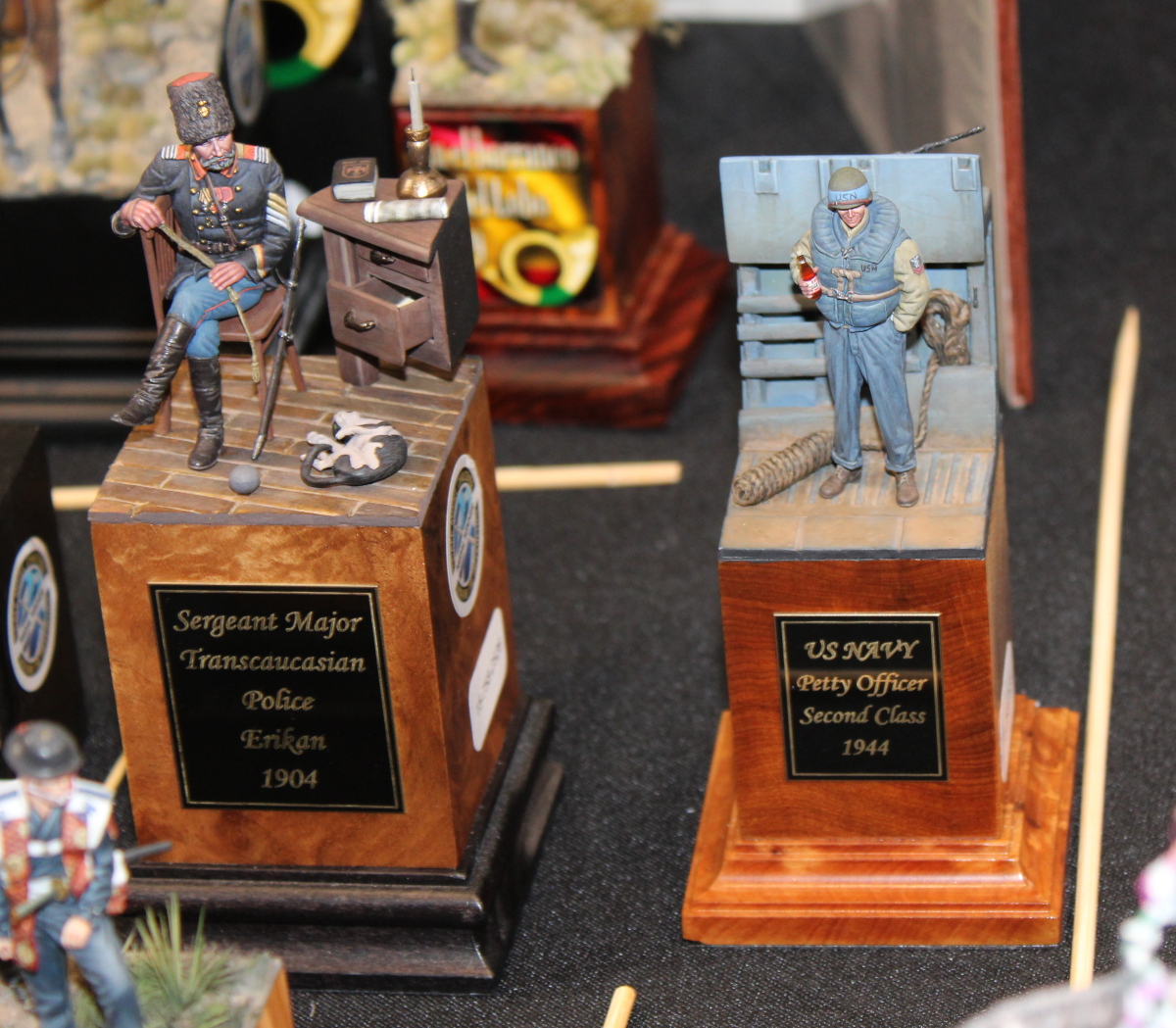
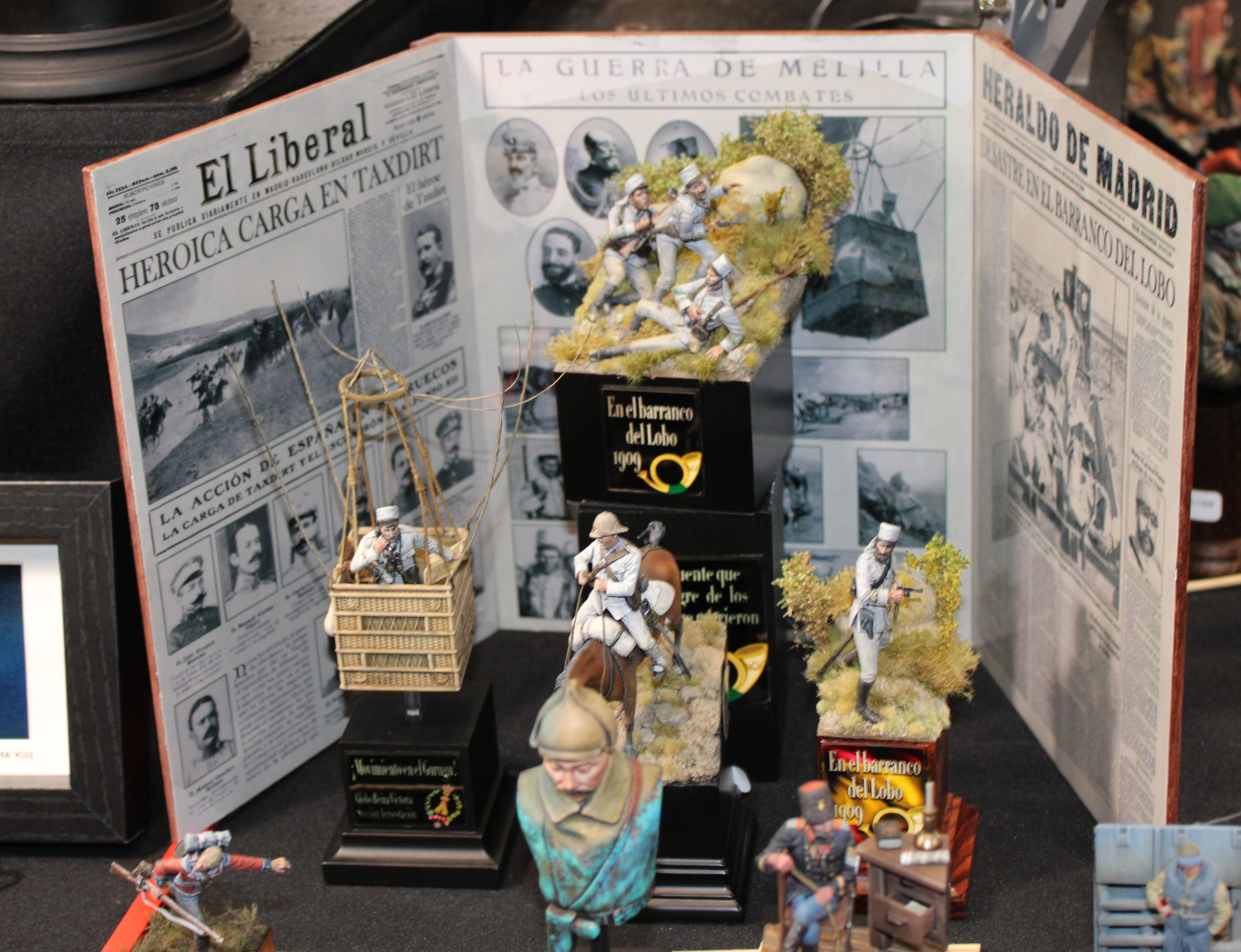


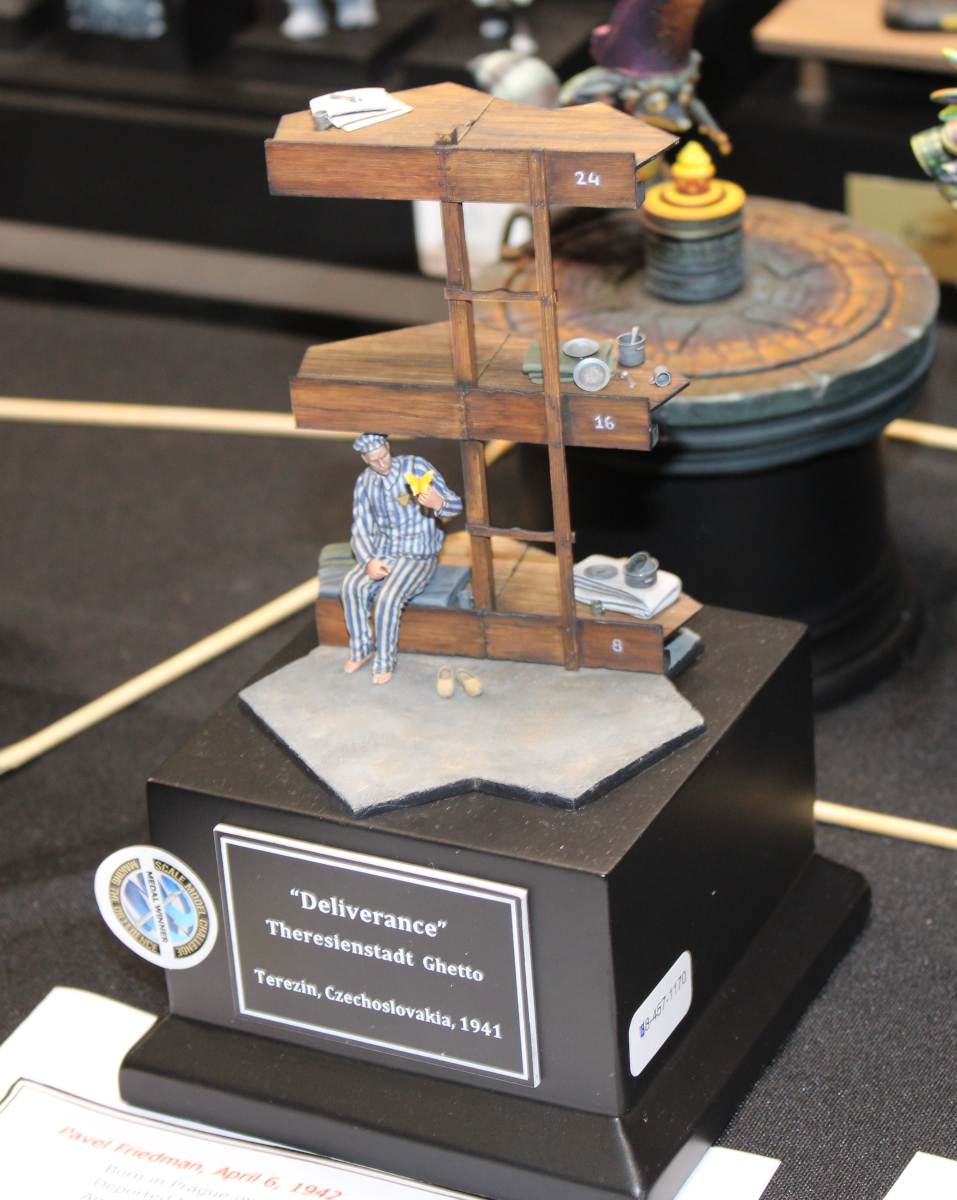


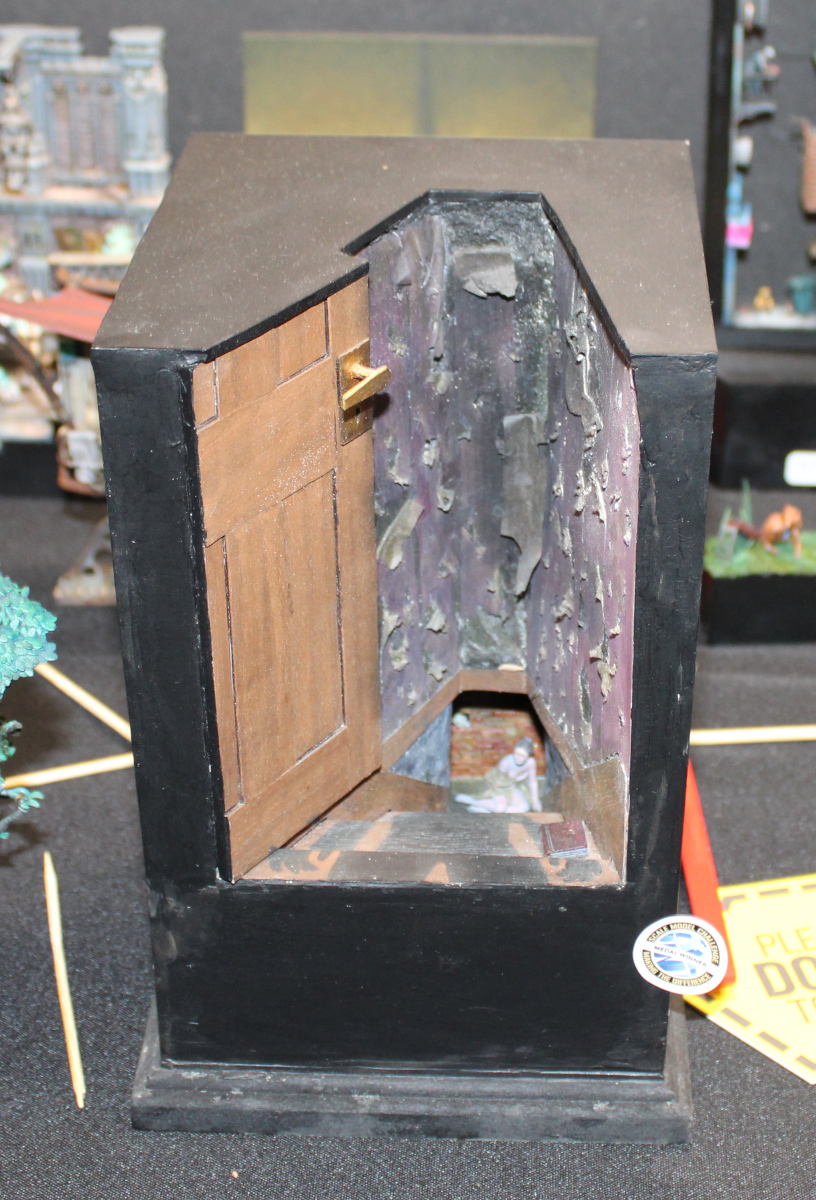
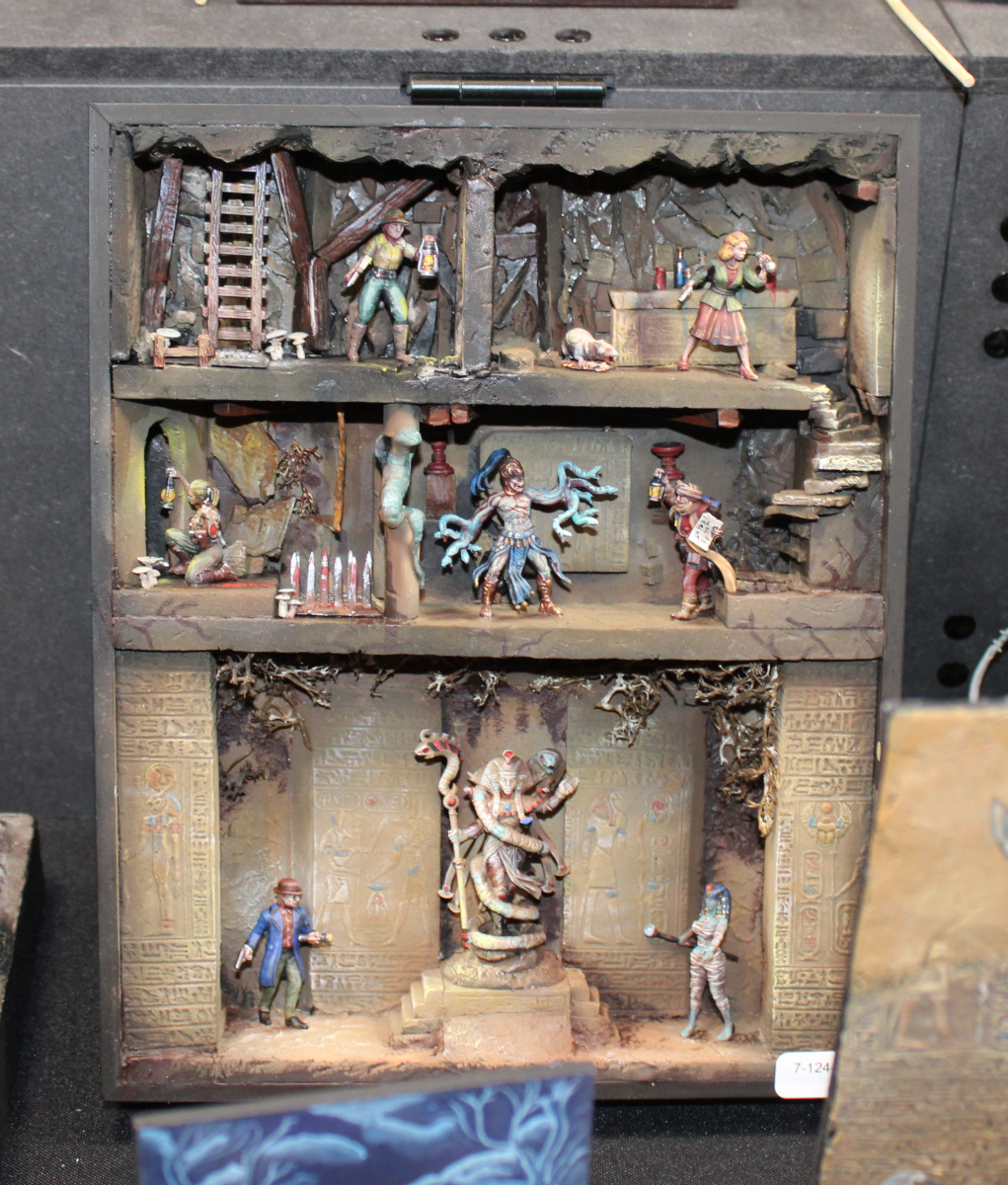


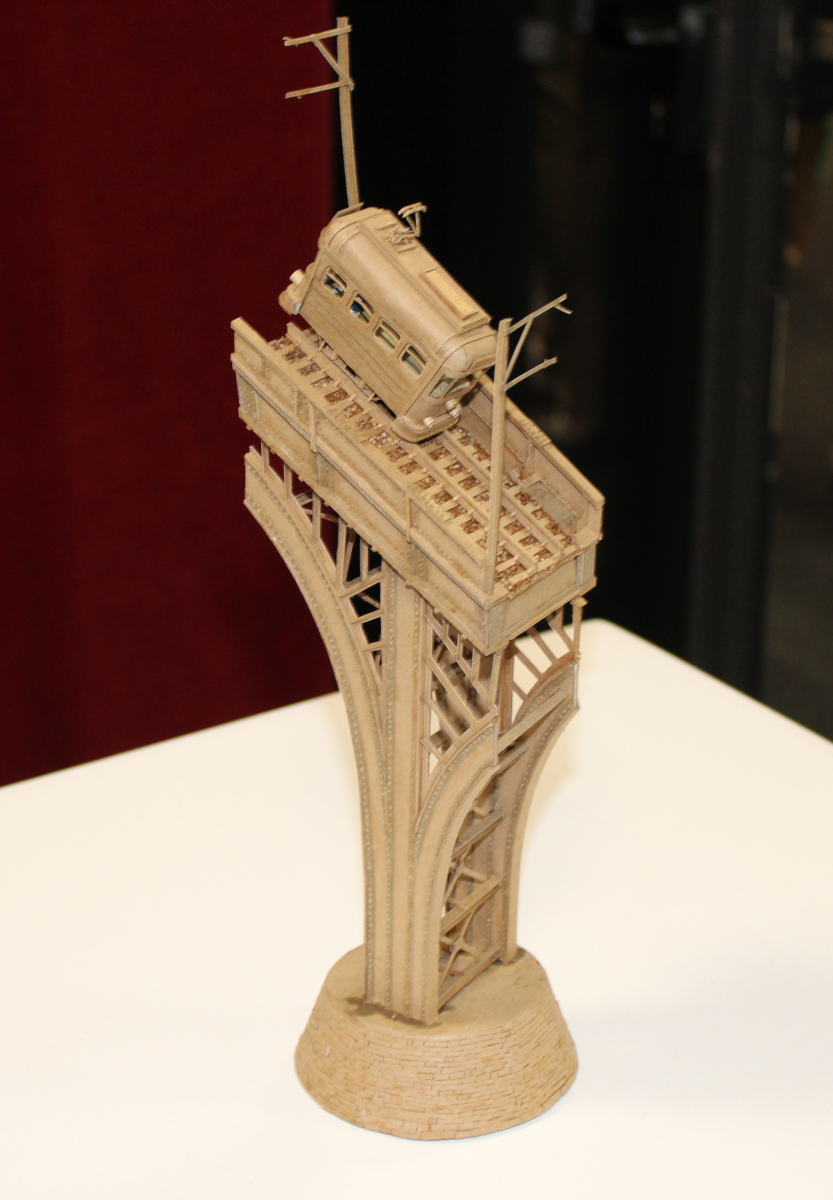


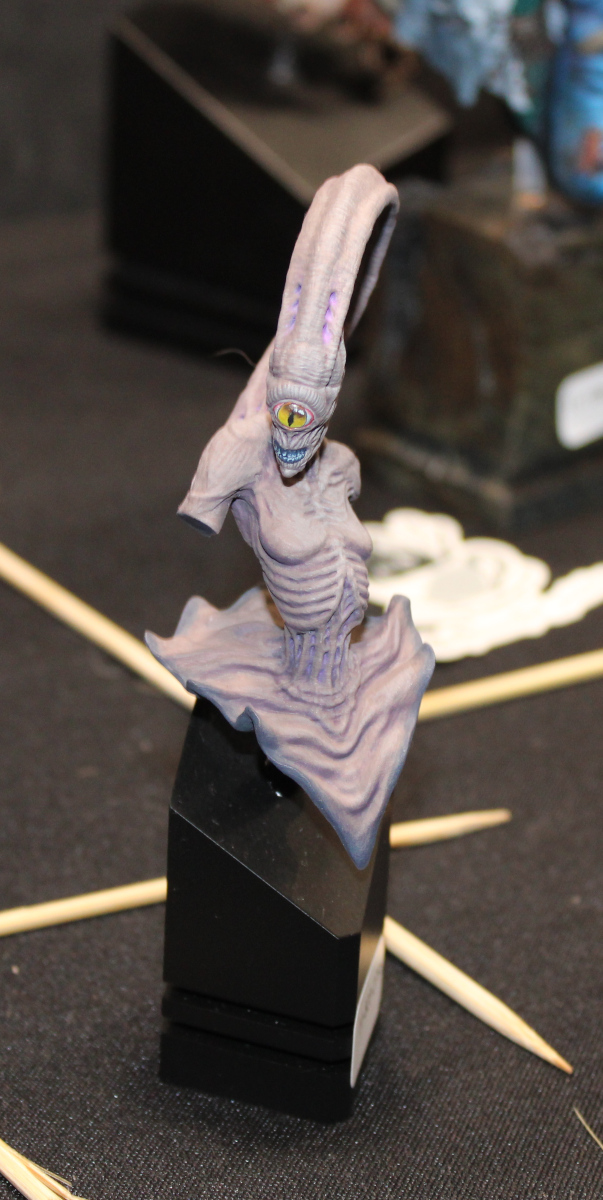


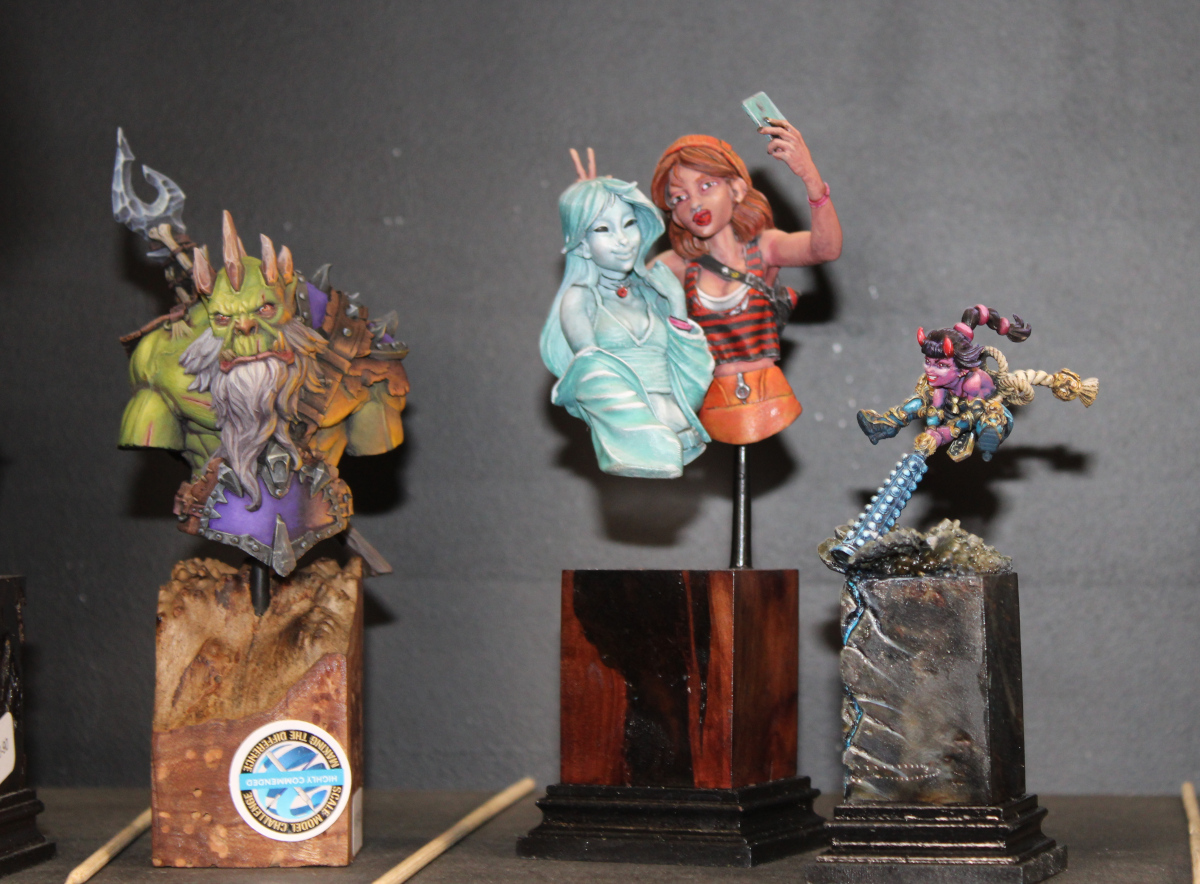

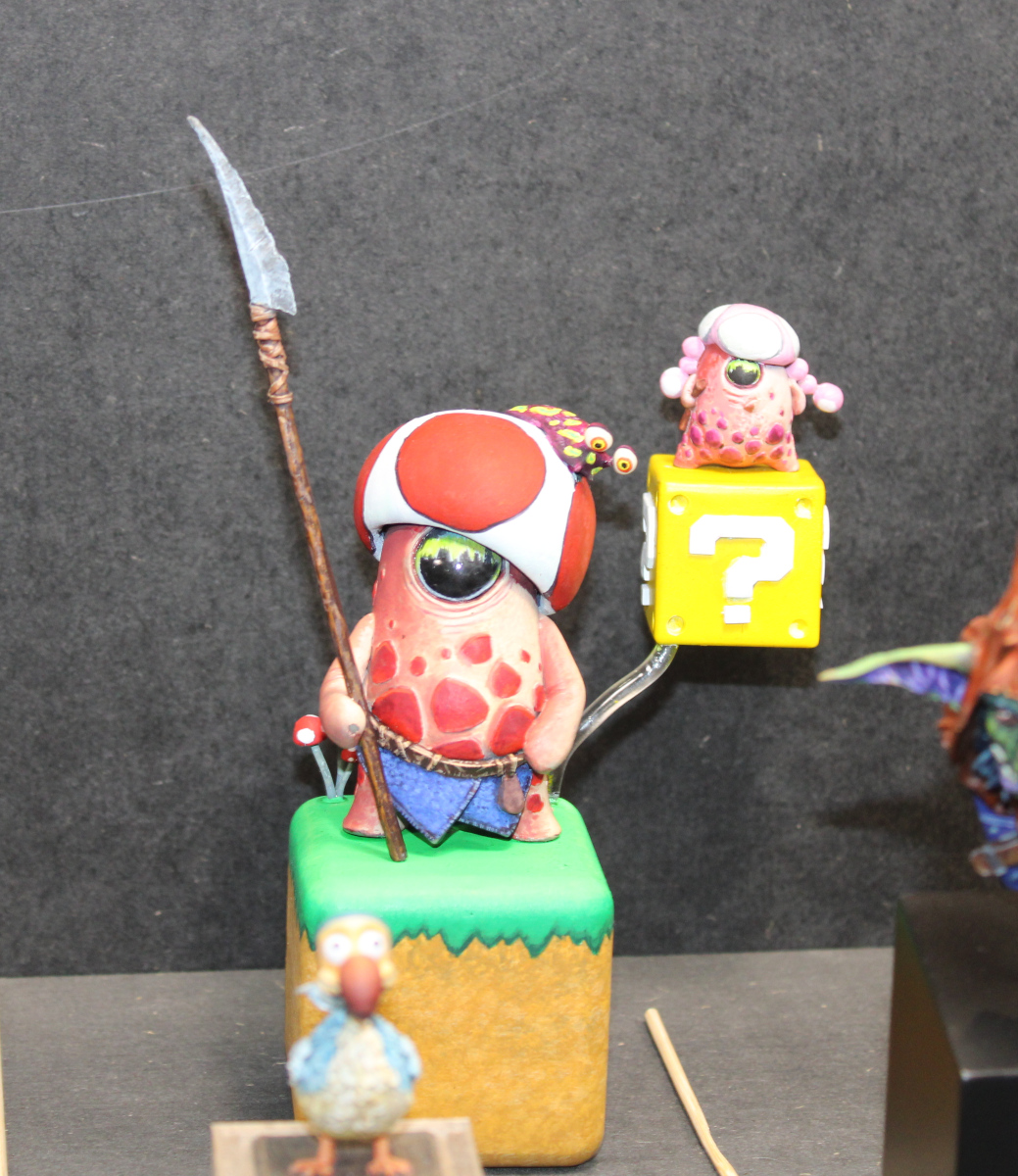


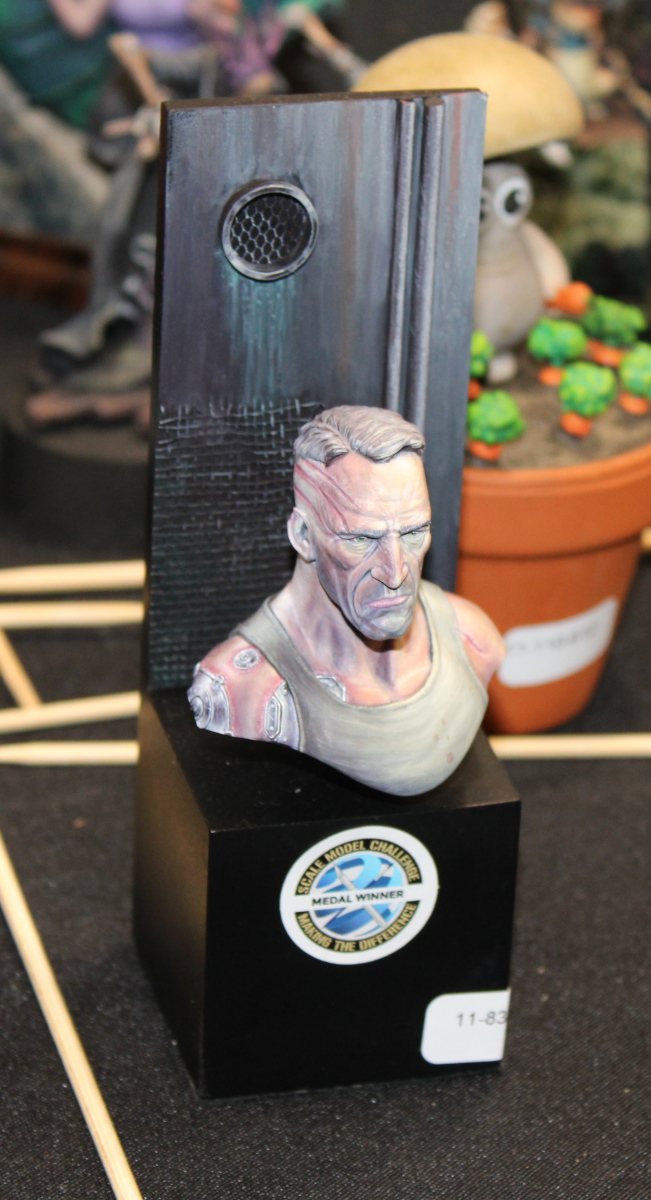

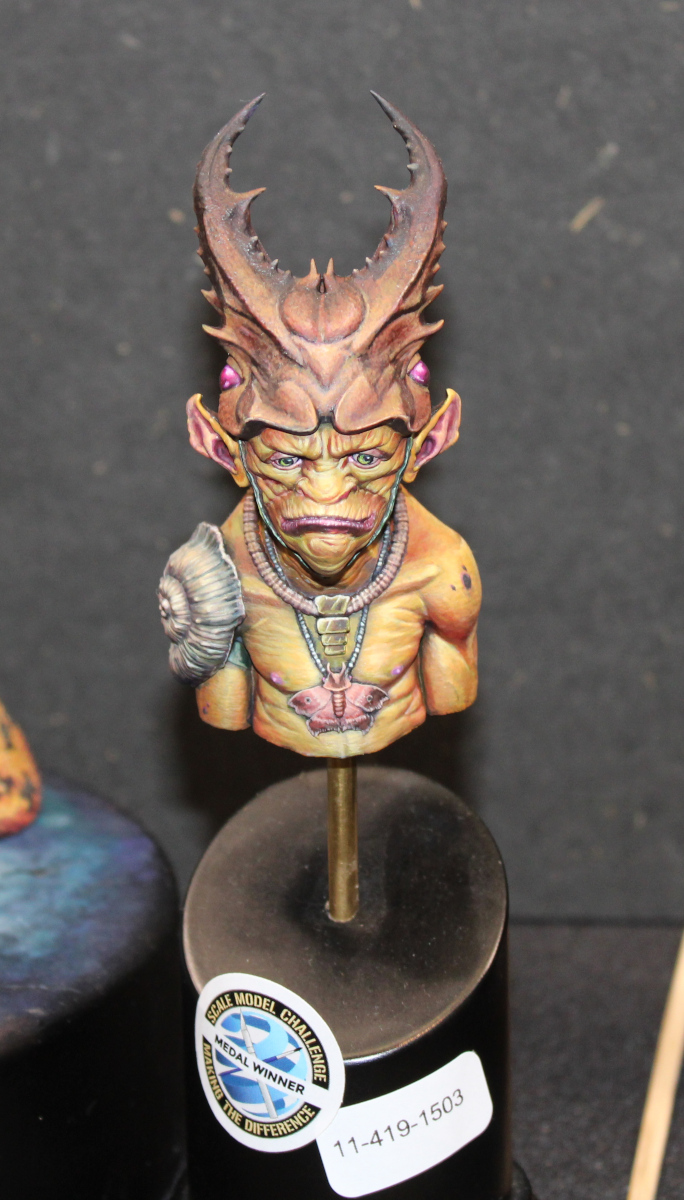
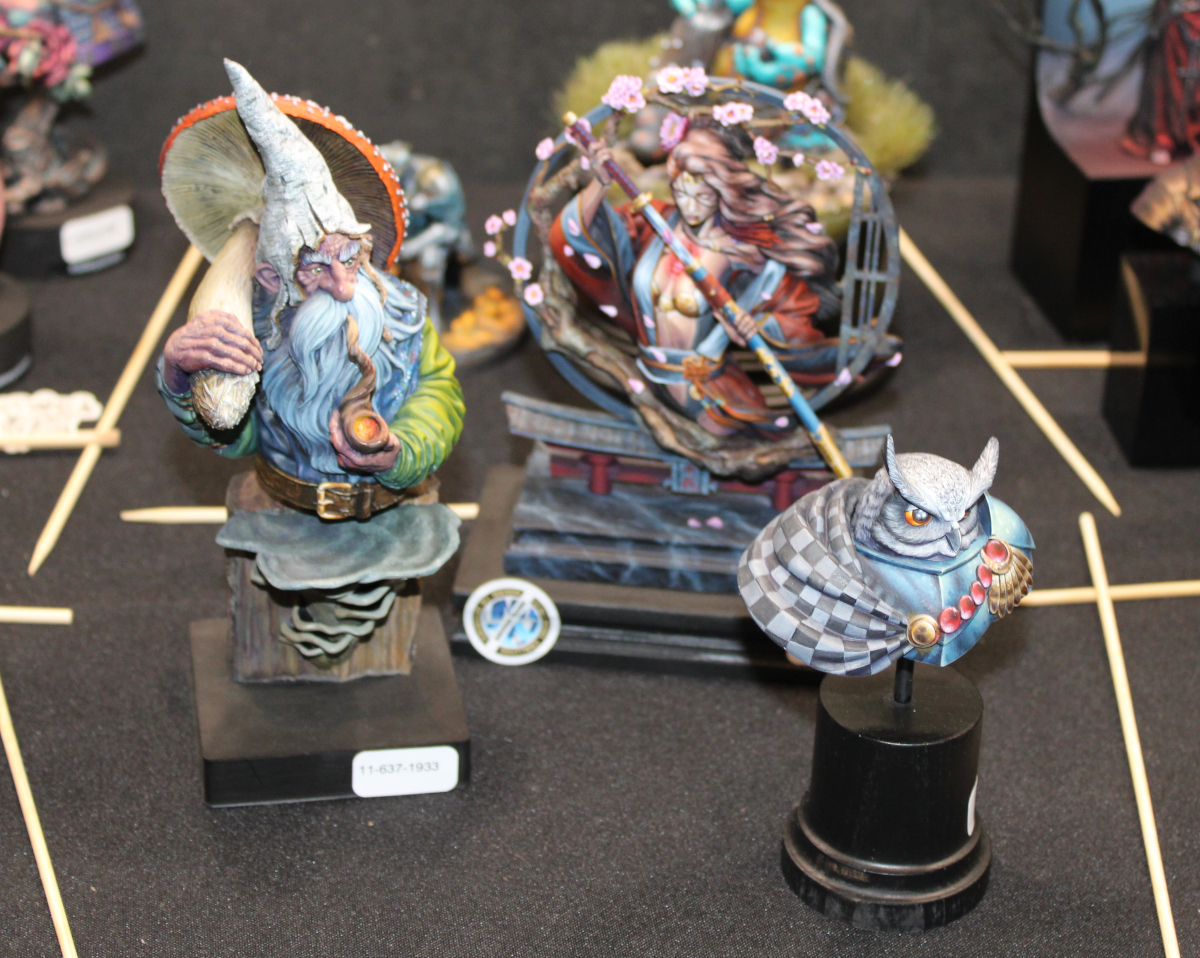
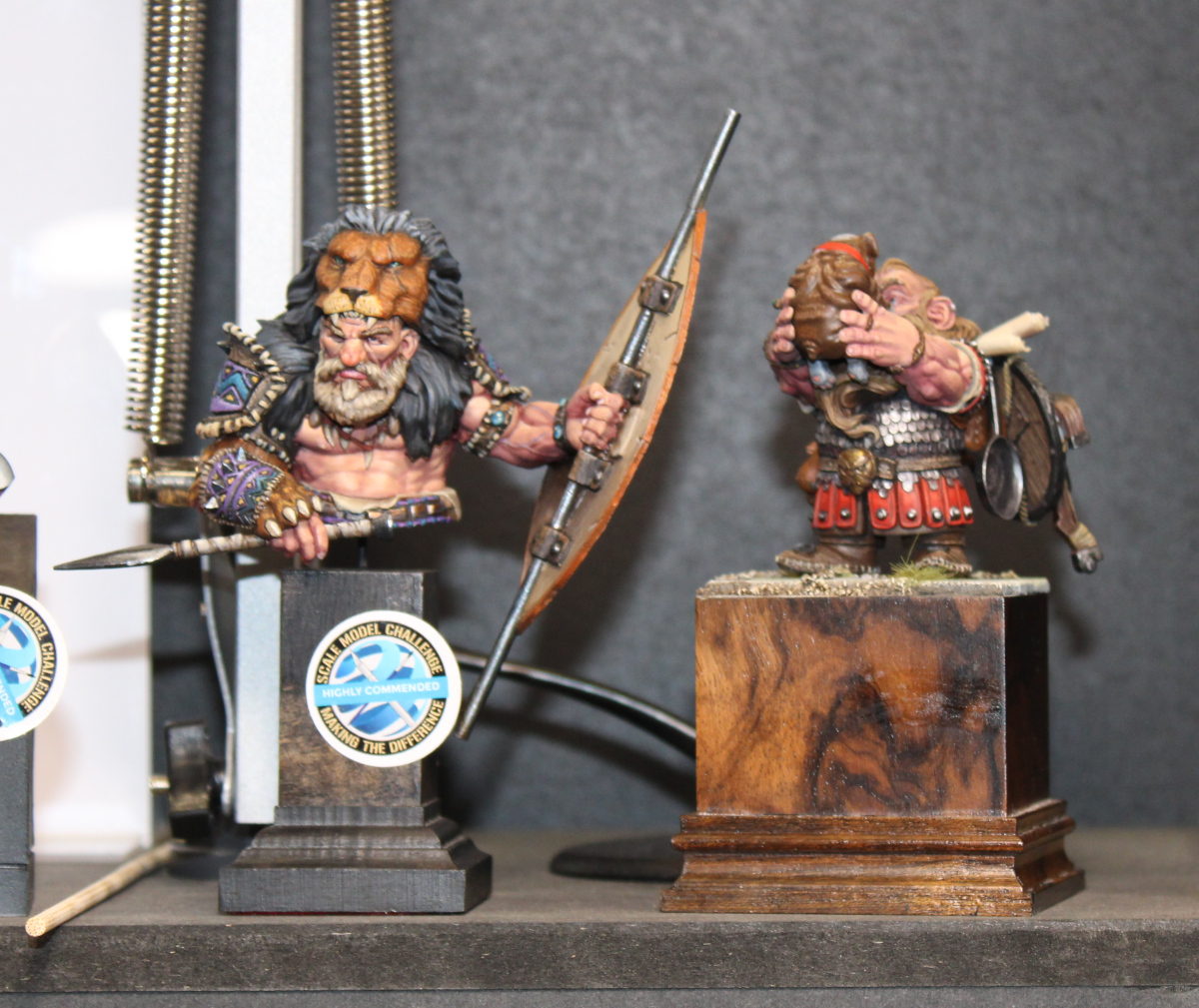
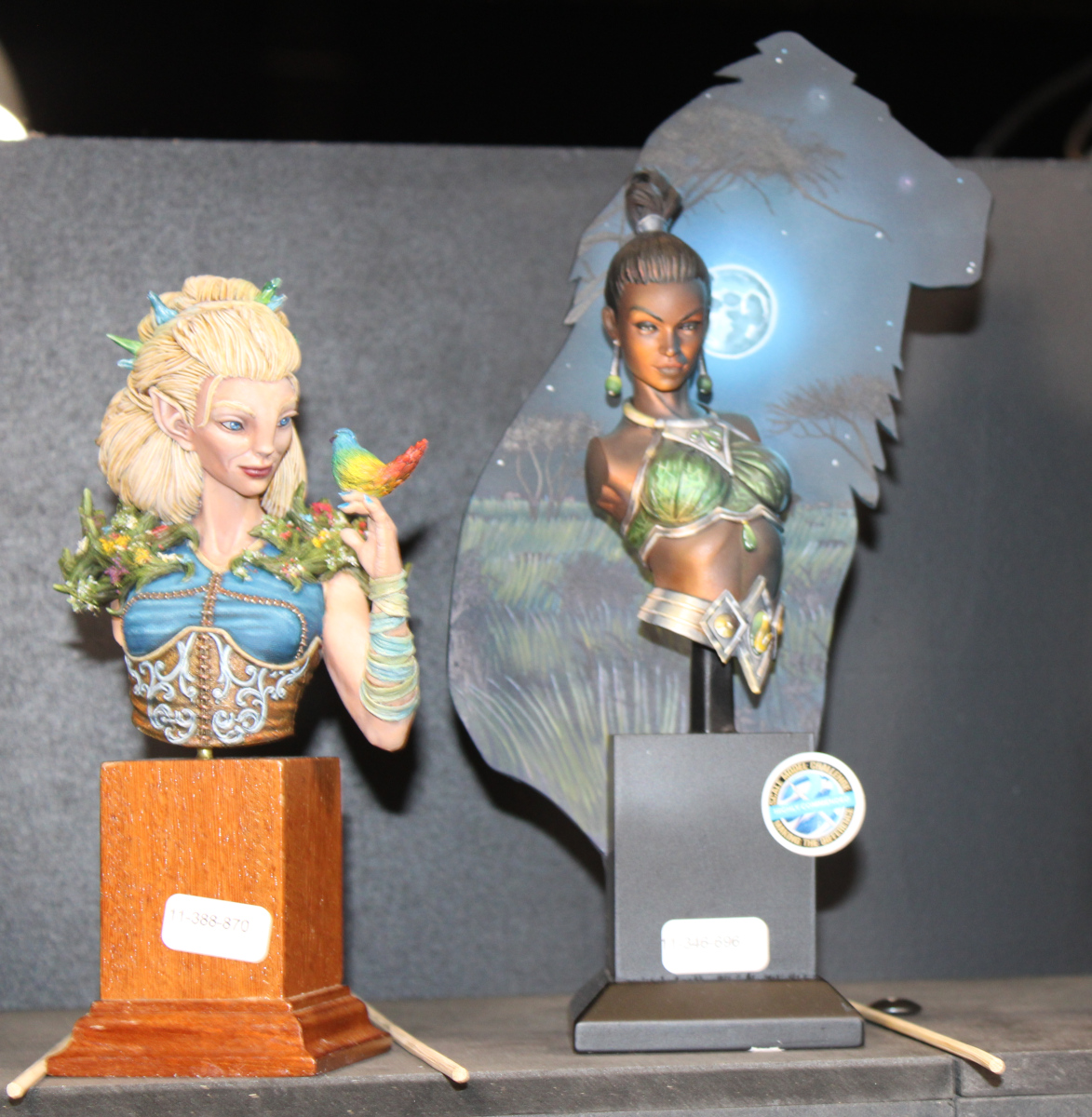

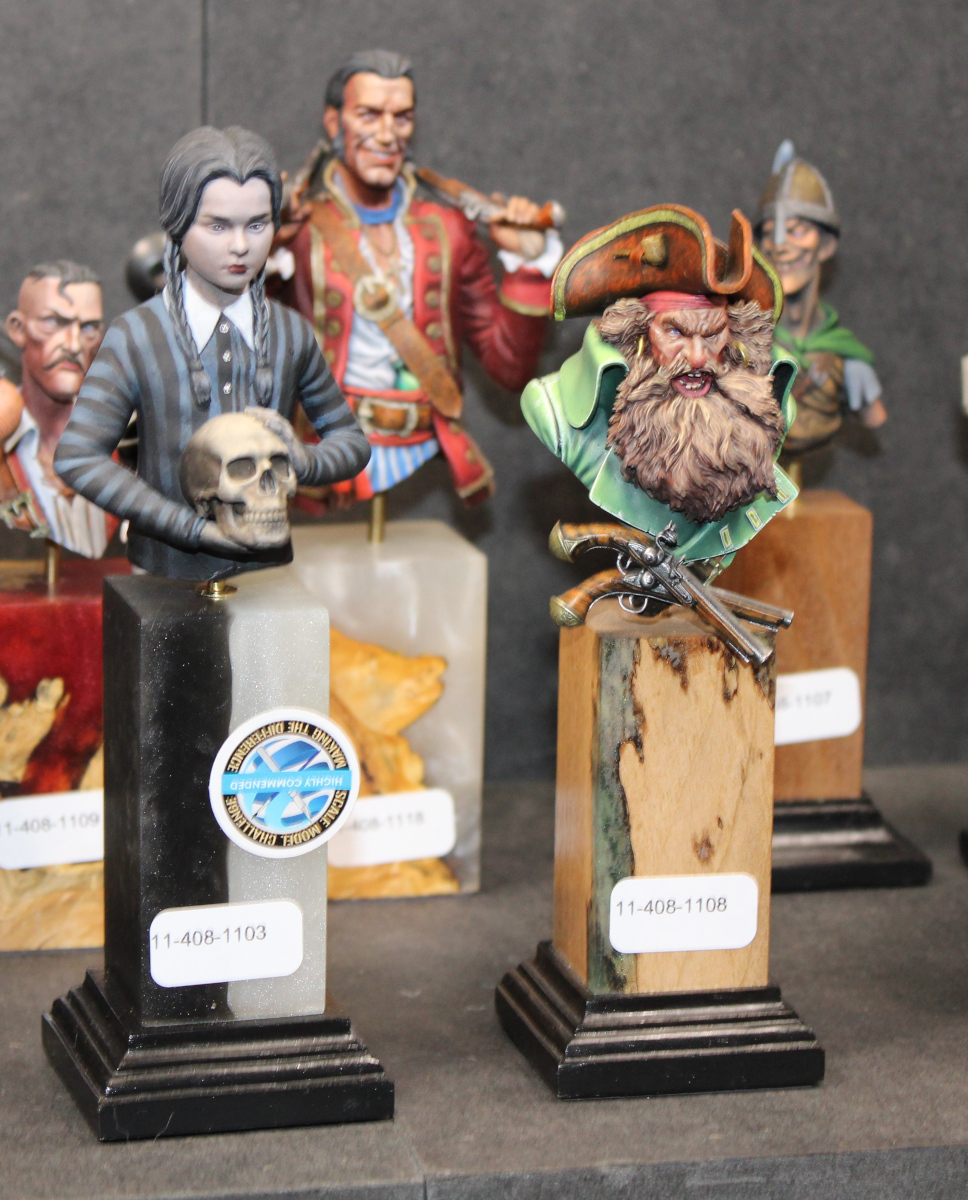
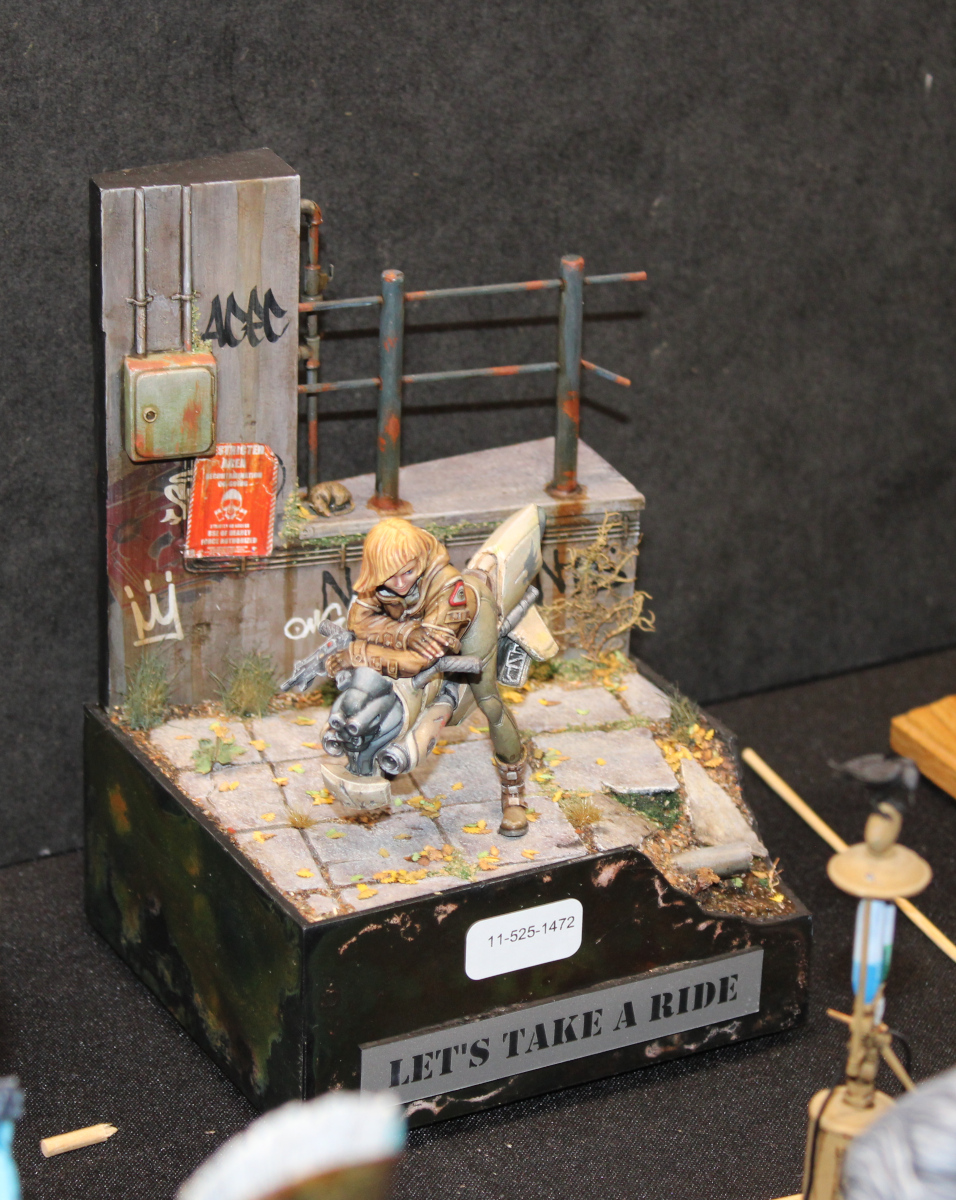
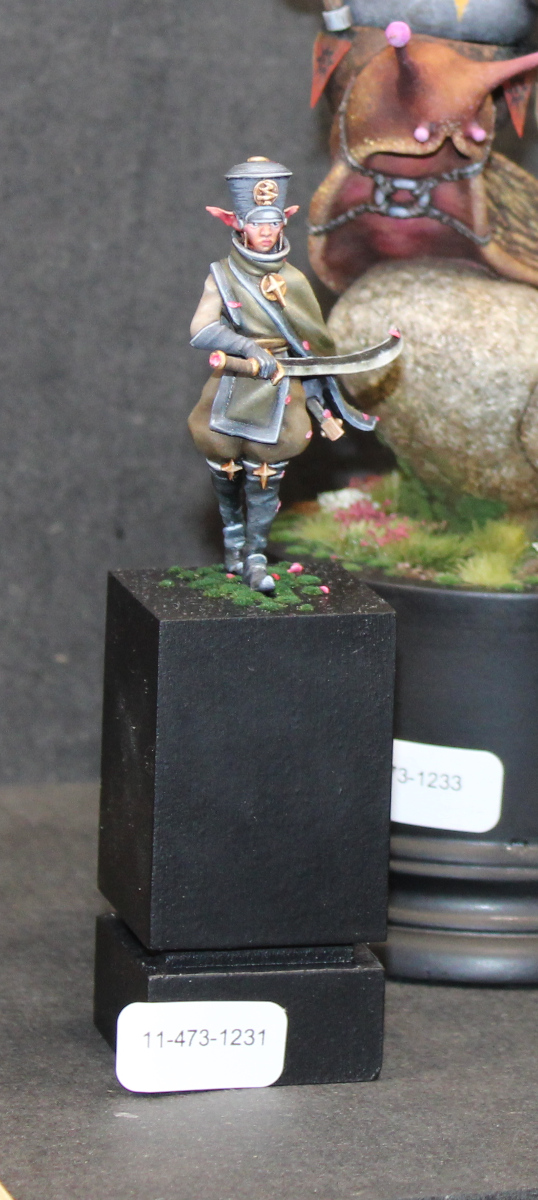
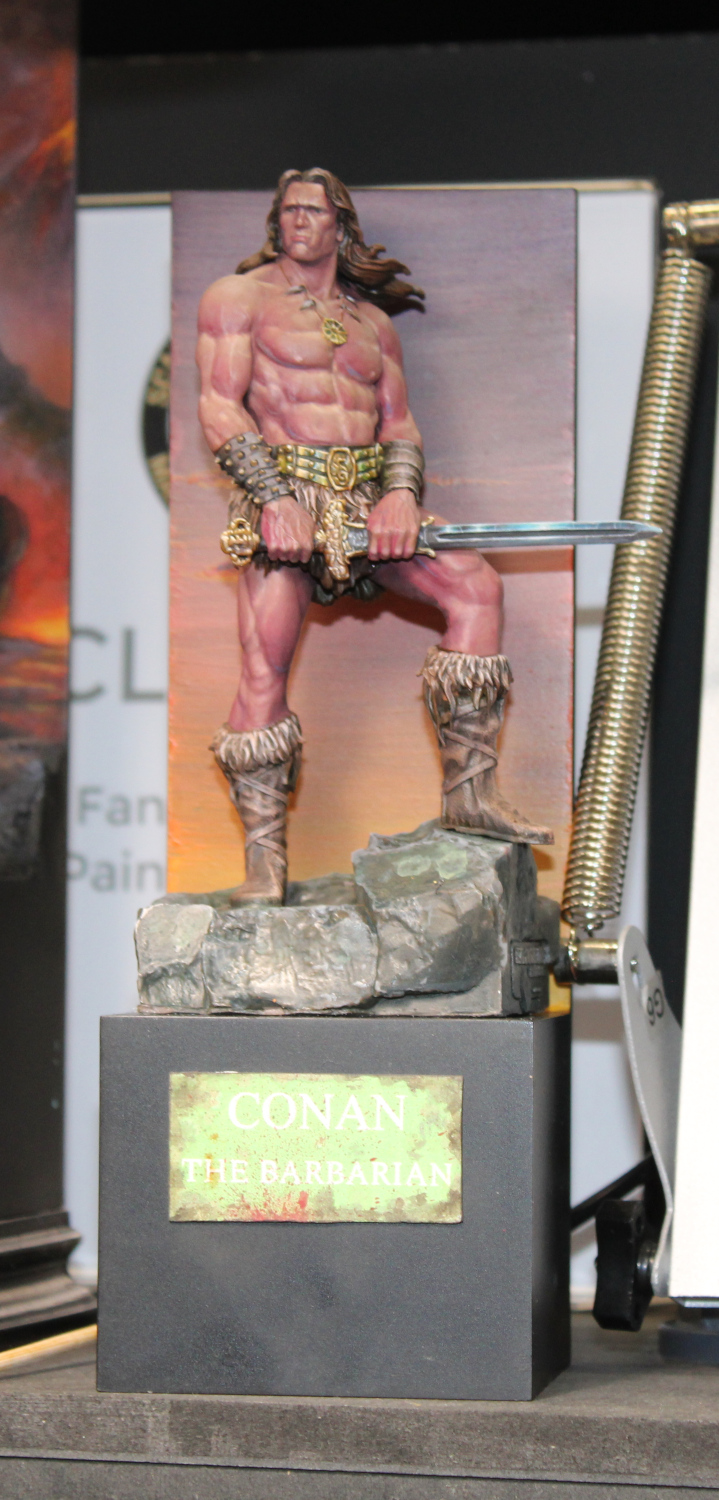
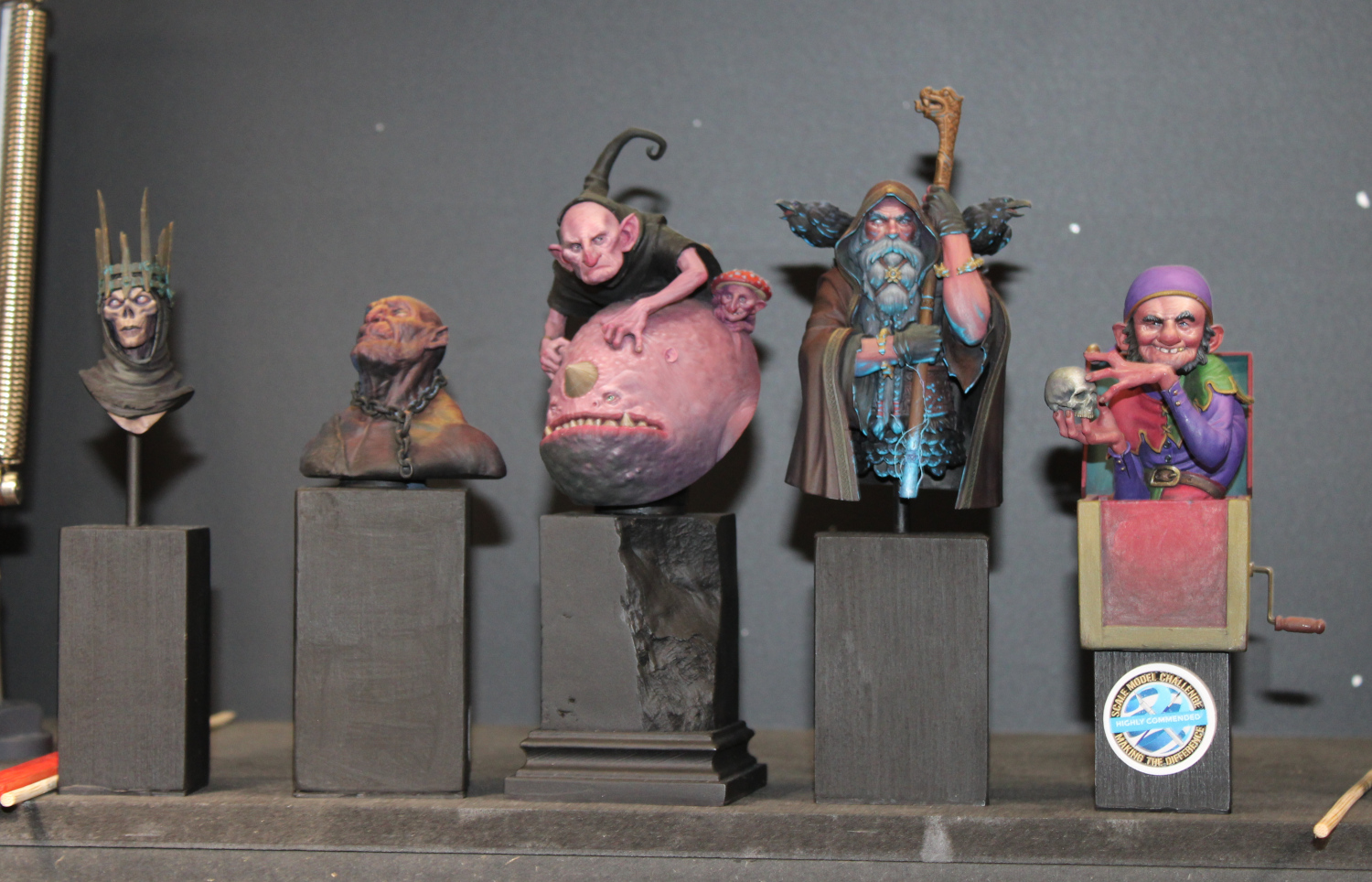

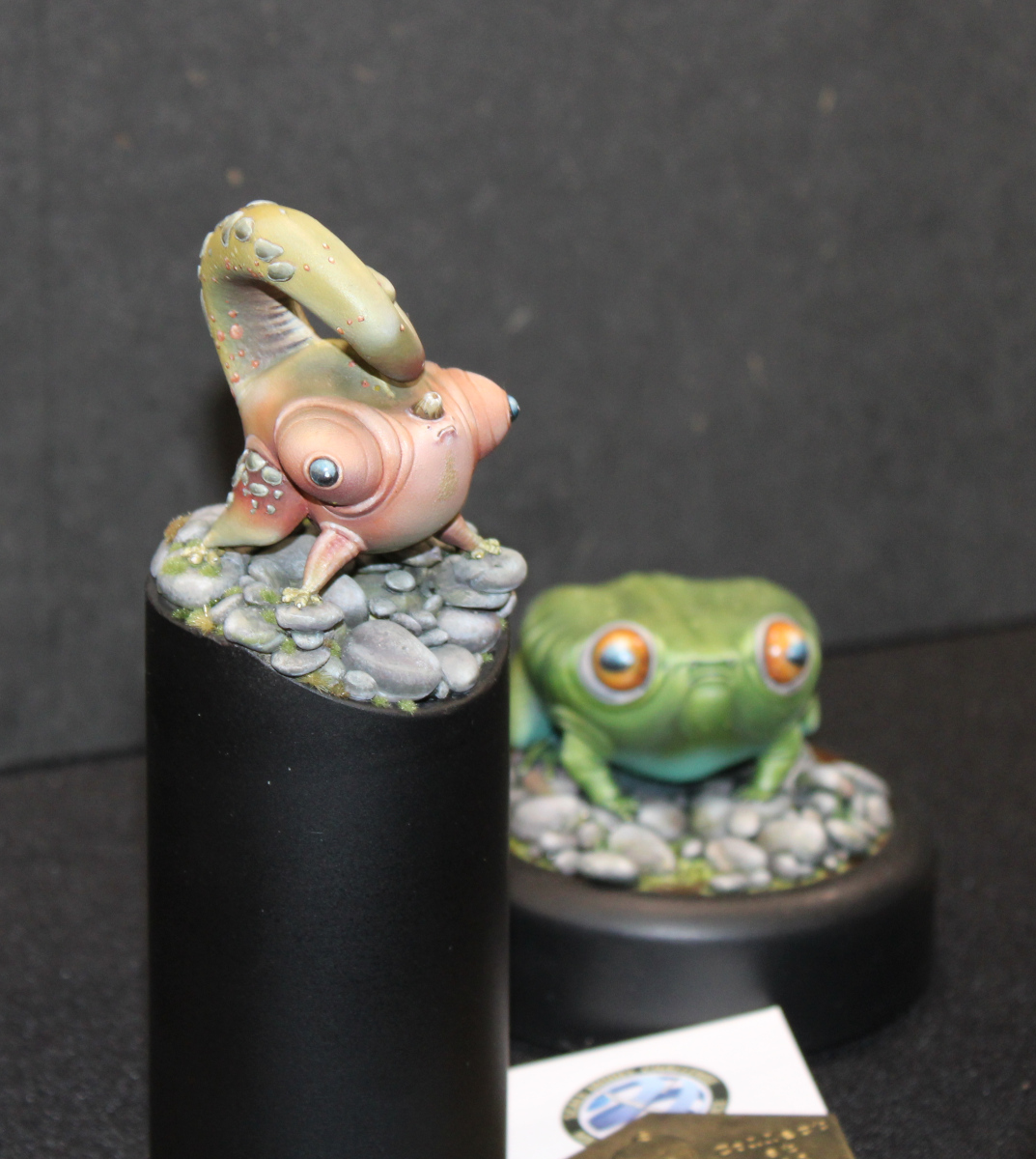


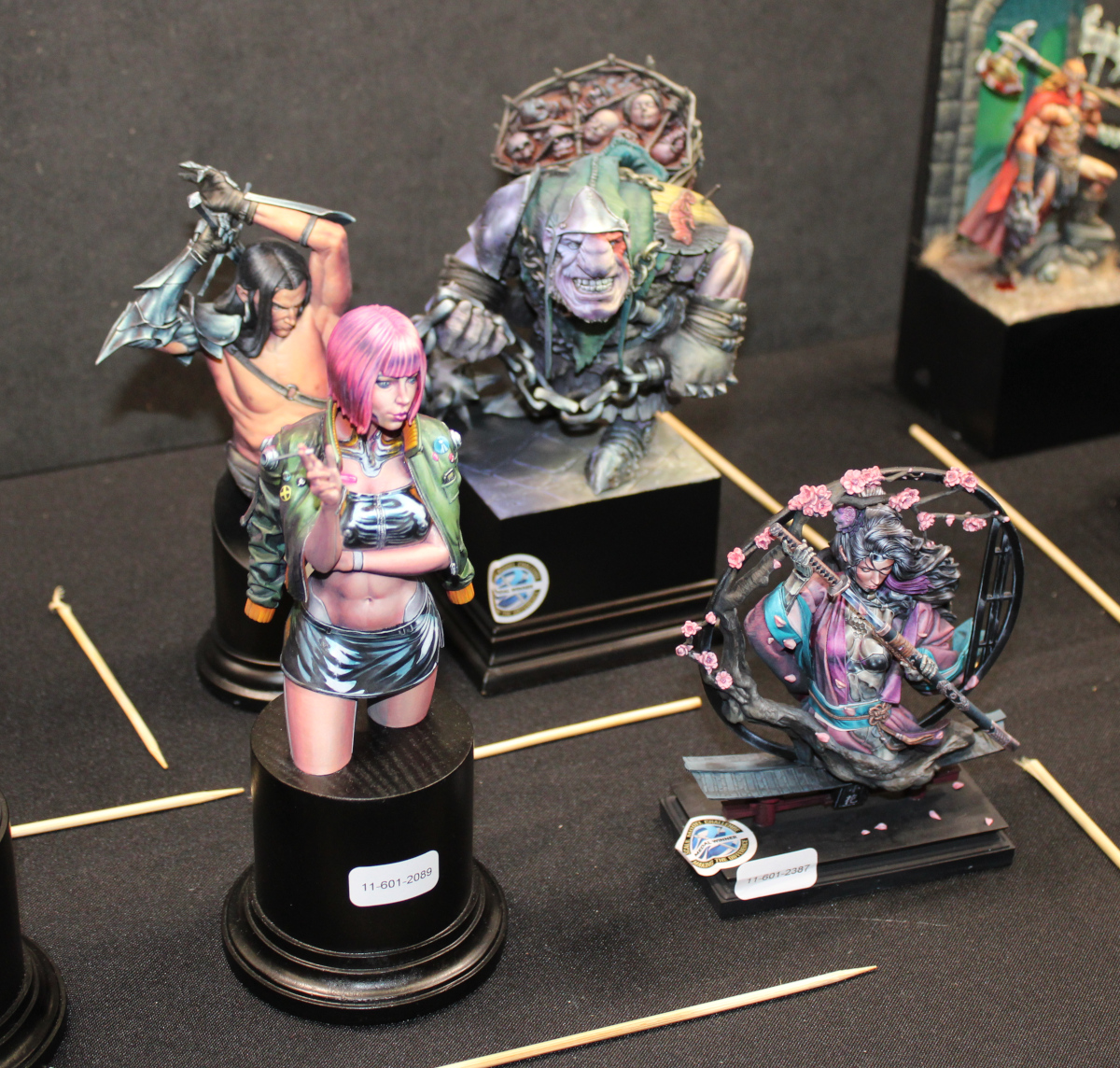

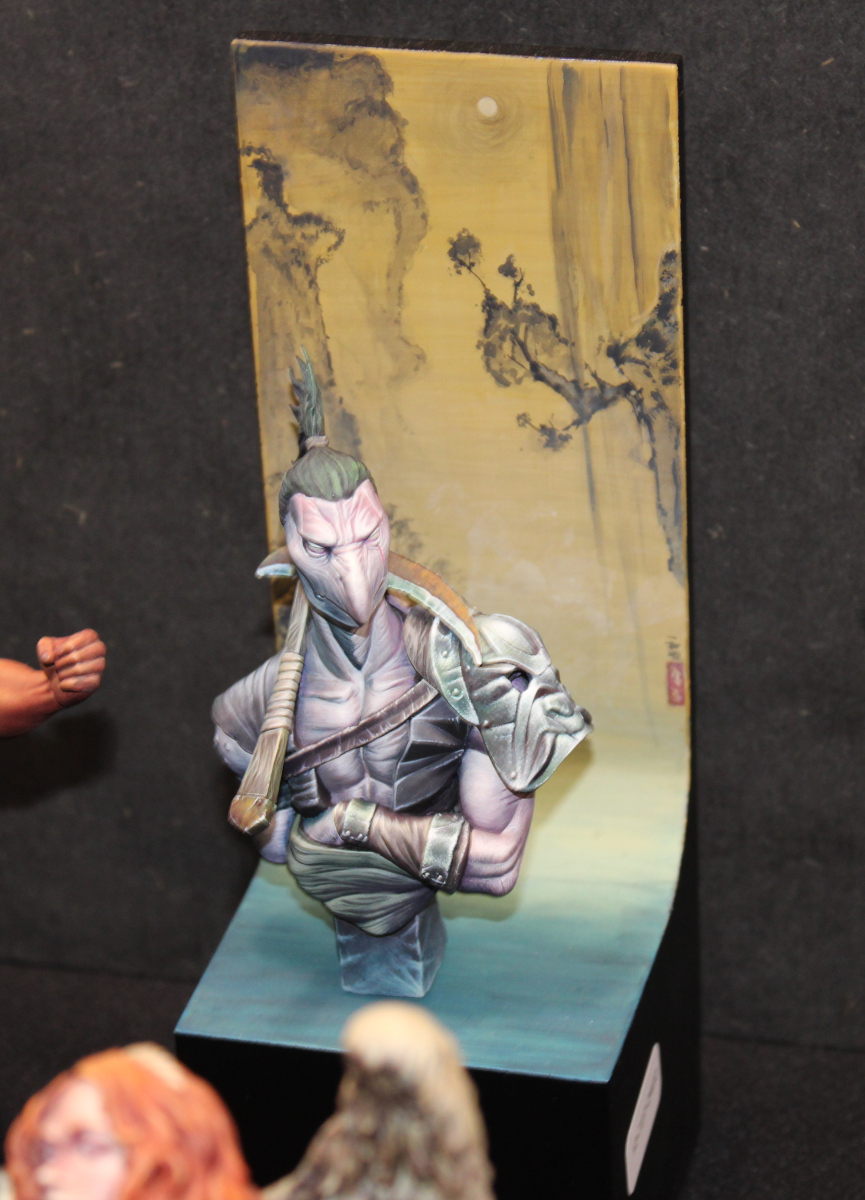


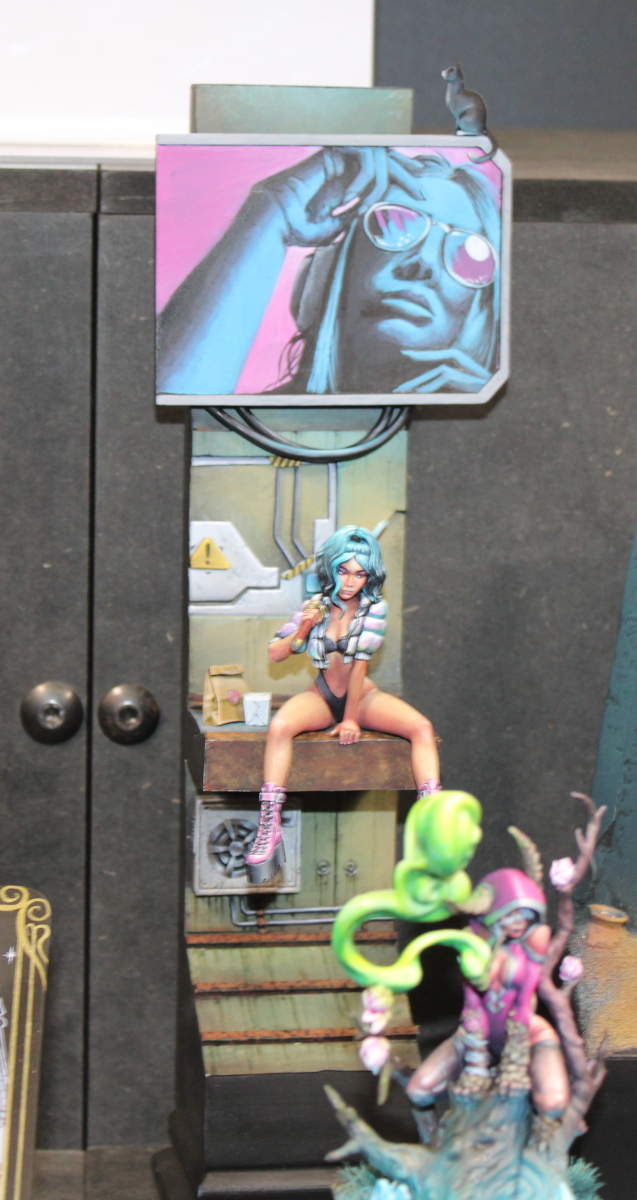


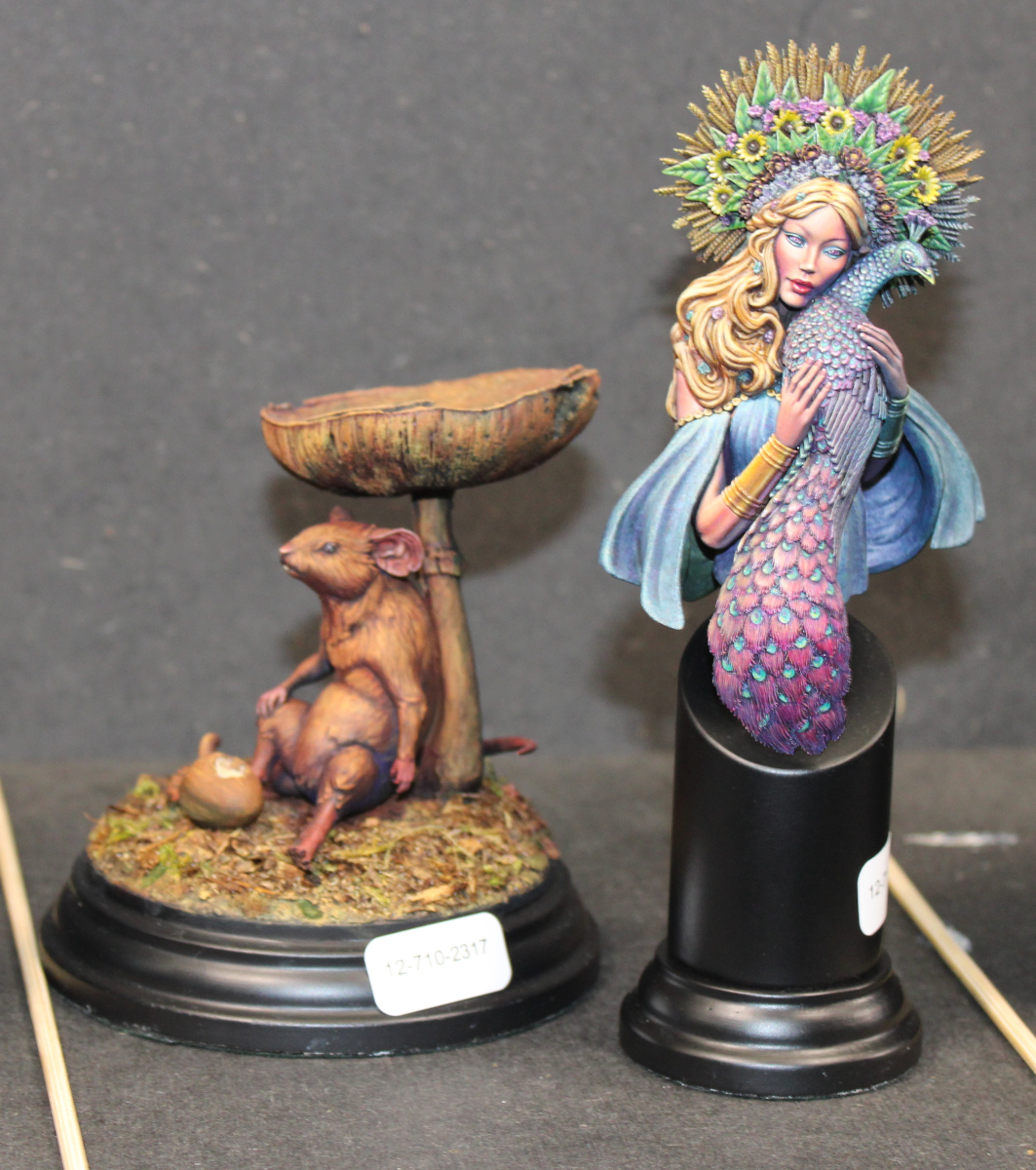
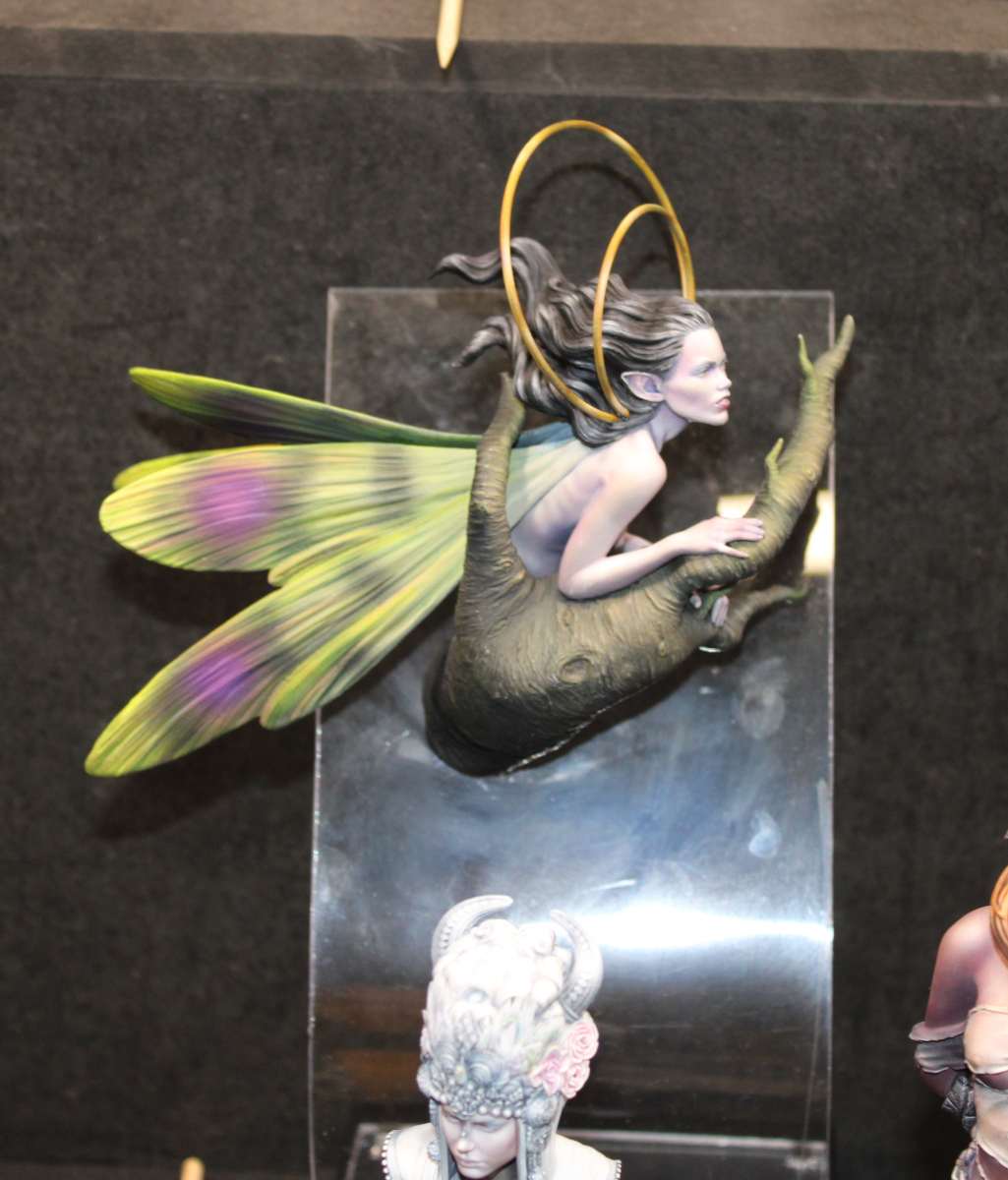
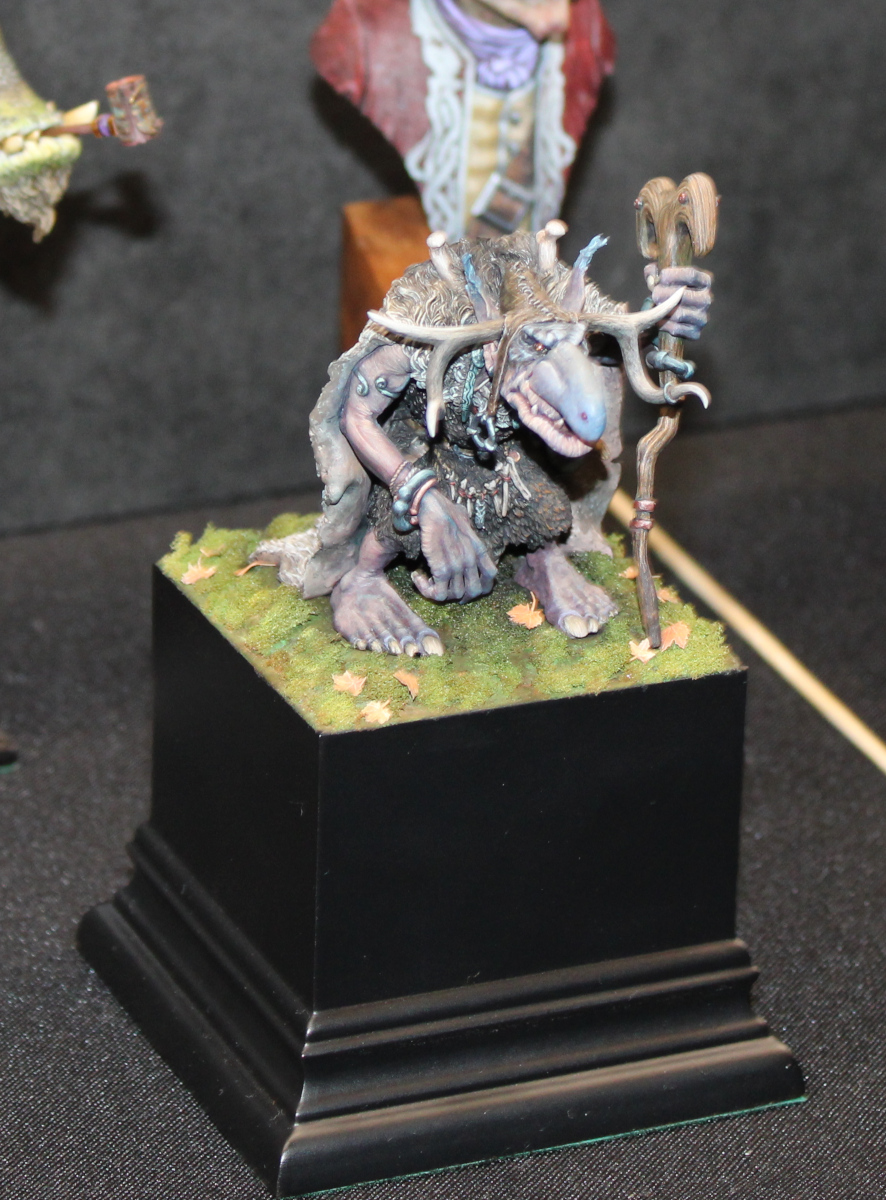


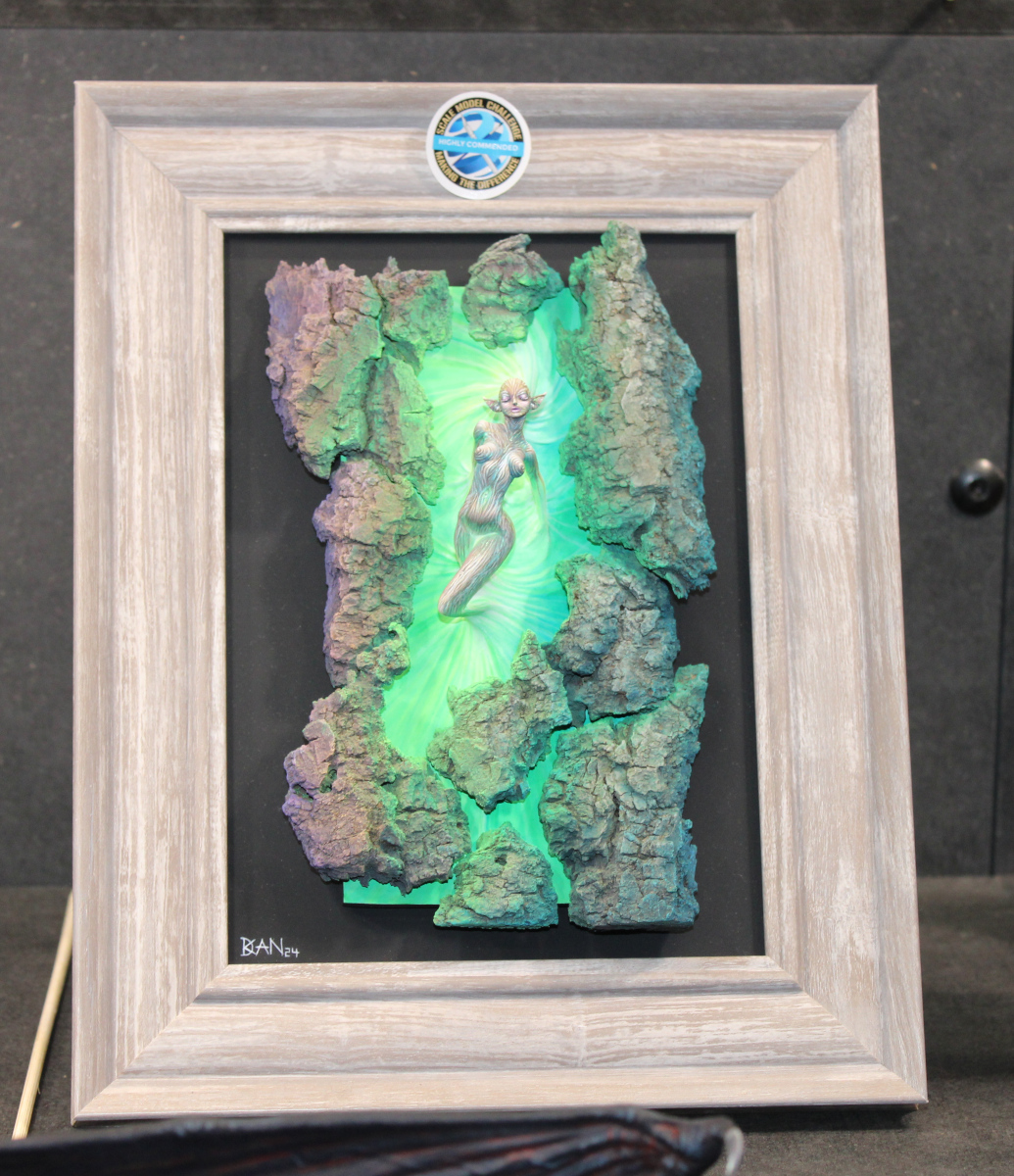
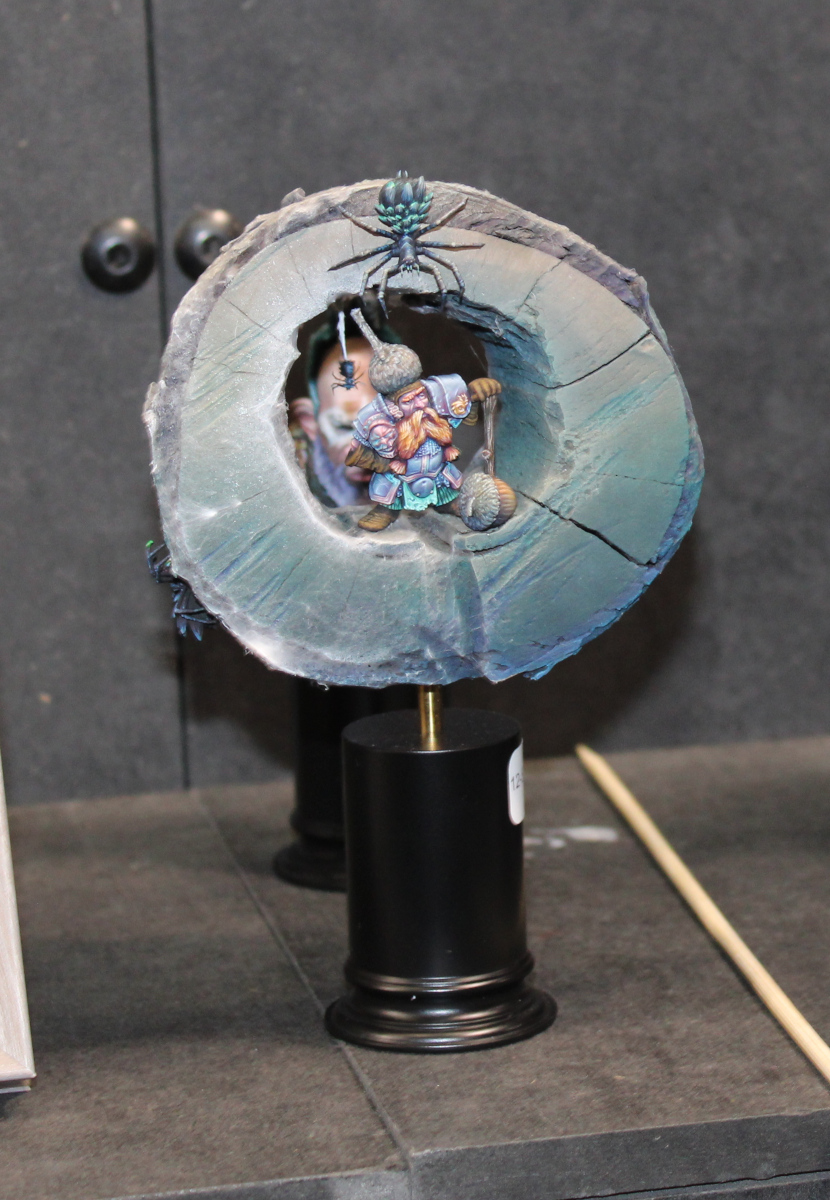

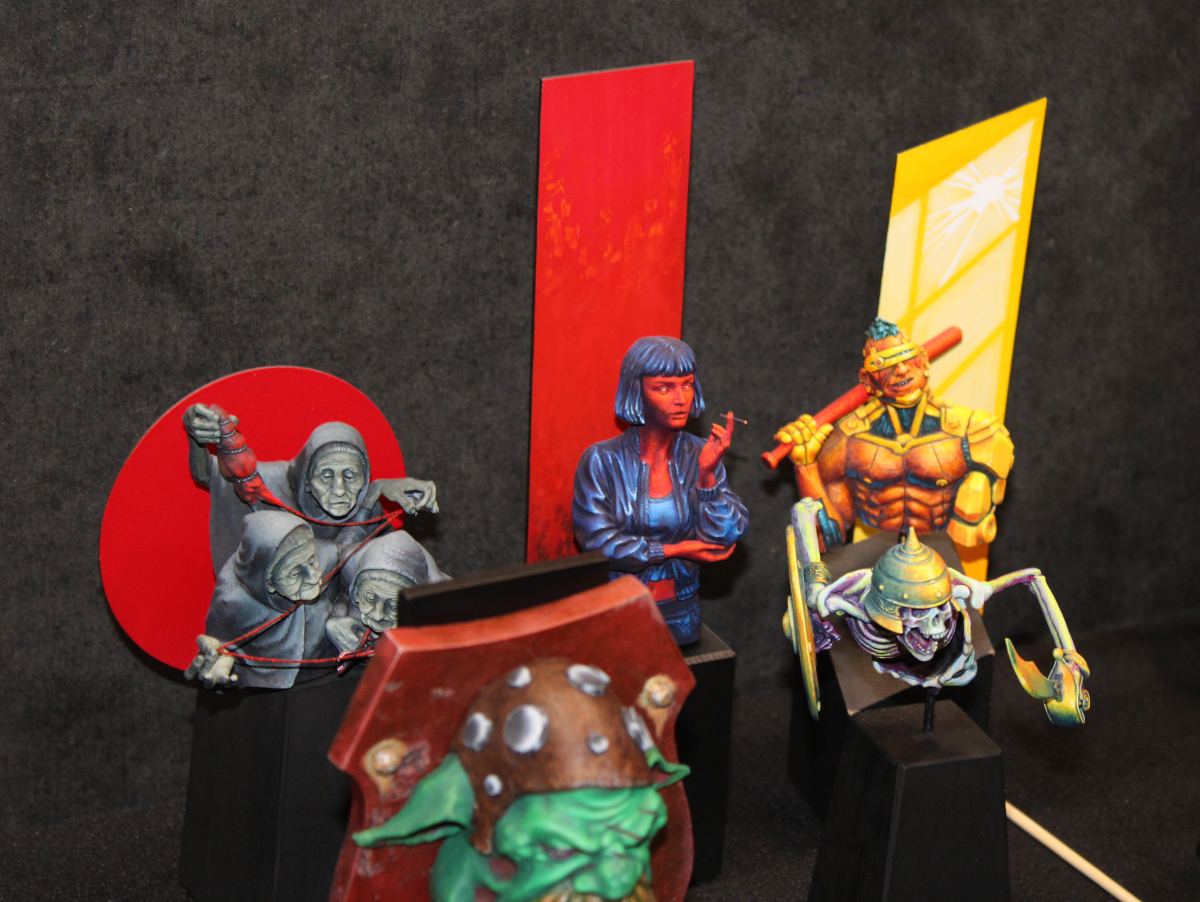


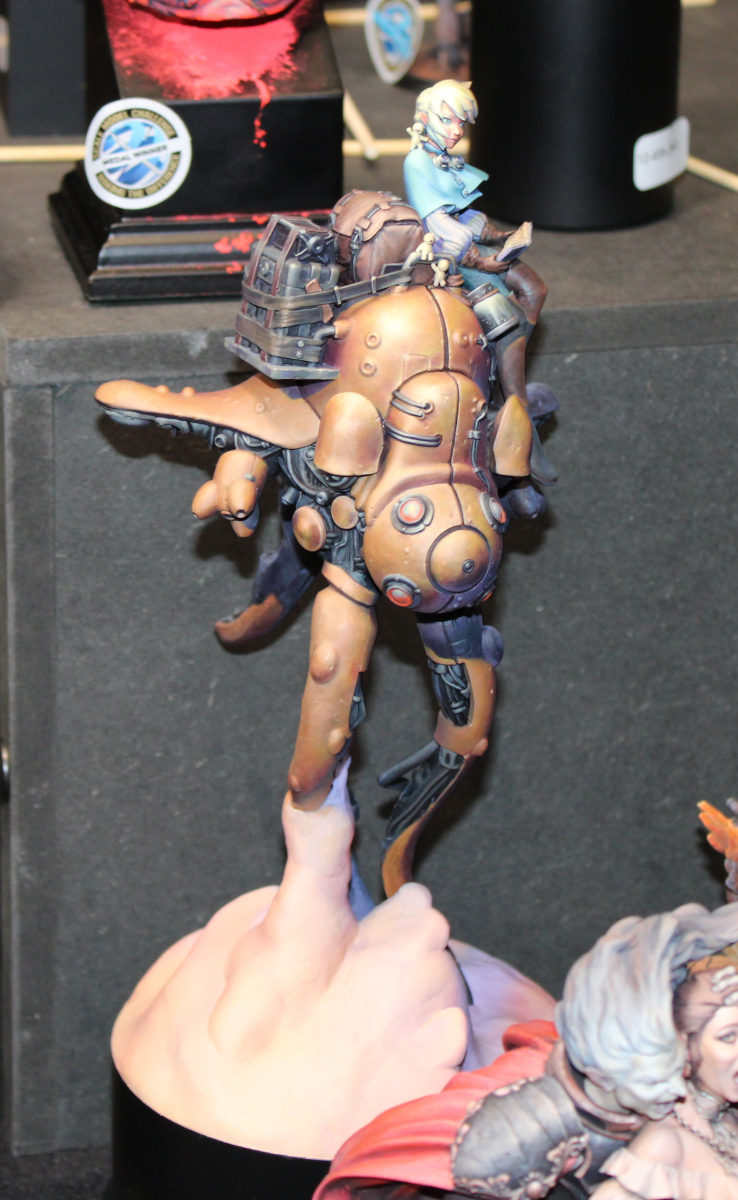
SMC this year broke all its previous records – more people, more models, etc. Initially, we actually thought the show was down on attendance, but that was mostly due to Robert doing some clever tweaks to the layout that made it feel a bit more spacious. As always, though, even a ‘quiet’ year at SMC is still a massive show – thousands of models from across the hobby spectrum.
An extra touch they added this year that I was very pleased to see was a set of ‘exhibitions’ – essentially special displays by a small number of modellers whose work deserves to be considered in isolation, rather than within the swarm of the competition tables. Unfortunately, the setting meant my camera really hated trying to take pictures of them. You’ll just have to satisfy yourself by checking out the artists’ Instagram pages:
There was also a display by Joris van Os, but he doesn’t seem to have an Instagram account.
For the first time, I also decided to sit in on a couple of discussions – one panel discussion about going to competitions and dealing with the stress of it led by Tue Kaae, and one on storytelling and dioramas by Mike Blank. In previous years, I’d never bothered with the talks because I felt like they’d take away time that could be spent looking at models or socialising with other painters. However, what I hadn’t considered was that I often need to get some space when at SMC – it’s all a bit overwhelming and a little claustrophobic for me at times. The talks, it turns out, gave me a nice break from it all. I’ll probably check them out again next year.
So, to the competition.
Regular readers may recall that last year was the first time SMC had included a ‘storytelling’ or ‘ambience’ category. The judging last year I felt was a bit incoherent – some pieces seemed to be rewarded for being really well painted, but without any sense of narrative whatsoever, while other pieces with strong stories were given bronzes or commended. I obviously take storytelling quite seriously (who would have thought a published novelist with a master’s degree in English lit and experience working as a narrative designer might have opinions on this?), so I was a bit anxious about what would be entered based on last year’s results and how they’d be judged.
Would the highly technical painters be emboldened or treat the category like an opportunity for another medal? Would the judges tighten up on a clearer set of definitions for the category? Or would there be a continuation of the storytelling category from Monte San Savino last year, which was incredibly strong?
As it turned out, sort of yes and no to all of them. It’s evolving. Early on, before all the displays were out, I was a little underwhelmed by what had been entered. There were some great stories, of course, and some interesting and creative pieces, but there were also quite a few that were little more than a fancy base and some lighting. But by the time the hall closed for judging, there was a decent array of pieces that stood out as clearly strong storytelling.
I think a lot of this is still down to there being a lack of a clear definition for storytelling and what fits in that category. For me, the clearest definition is that the painter is trying to make the model part of something larger – the model isn’t the whole focus as it is in painting categories.
This also means that ‘readymade stories’ are inherently weak. You can buy a lot of pieces that have a built-in story, but that just means you’re still only engaging with the model – you’re not extending beyond that to look for or to create something else. You can certainly build on those as a basis – that’s kind of fundamental to telling original stories – but you can’t rely on it, and you need to make sure you make the narrative your own, because everyone else looking at it is probably going to read the sculptor’s narrative first, and they might not get to yours.
I think the major limiting point has been the insistence on still referring to ‘ambience’ but without clarifying that this should mean there’s an ambience to the scene, not that there’s ambient lighting. As I believe I’ve mentioned many times, lighting can build drama and work with narrative; lighting by itself is very rarely a narrative.
The judging of the category was actually pretty coherent this year – there were a couple of pieces I thought were hard done by, but overall the displays that did well were the ones I thought had the strongest narrative work. Hopefully the show can build on the consistency and watch the entries improve as people get a better grasp on narrative.
Anyway, that’s quite enough ranting for now. Ely crew results were exceptional:
- Martin: silver and bronze in masters.
- Joey: two commendeds in masters (!).
- Kev: one of each in standard – gold, silver, bronze and commended.
- Fet: gold and silver in masters.
I should note that the silver I won was for Crowley. Somehow. I doubt I’ll ever understand that, but it was nice that he got something, weirdo that he is.
Meal of the weekend goes to the Italian place that had reinvented itself as a posh restaurant and the chef who went out of his way to make food that wouldn’t poison me. The restaurant also gave us plenty of free limoncello as a digestif. It turns out the rest of the Ely crew are uncultured swine who don’t like limoncello. Woe unto my (lemon-scented) liver.


