Miniature Painting Open 2024

I’ll be honest: I wasn’t expecting much from MPO. I’d been to three shows in about four weeks already and was knackered, and it felt a lot like it was going to be a Cult of Paint fan club get together. The run-up to the show was a bit weird, too, because of the way they’d planned it.

In essence, they booked a venue with a hard cap on attendance, which meant they could only have 250 or so people. Being Cult of Paint, of course, it’s not hard to shift that many tickets. They have a massive following and can call up some serious painting celebrities to encourage people to come. This meant that the tickets sold out almost instantly, and they had no reason to do any further advertising. This is the weird bit.

Most shows want or need people to come, so they keep talking about what the show will be like, what’s going on, why you should come, etc. When you go to a show that doesn’t have this advertising, you’re not sure what to expect. In fact, it felt kind of lazy – like we were probably going to show up and find it in a derelict warehouse, with asbestos raining down on the model displays. Well, probably not that, but it could have been just about anywhere. As I say, it was weird not knowing what to expect at all.

On the plus side, the show was genuinely impressive. The Cult of Paint guys definitely know how to organise a professional event.

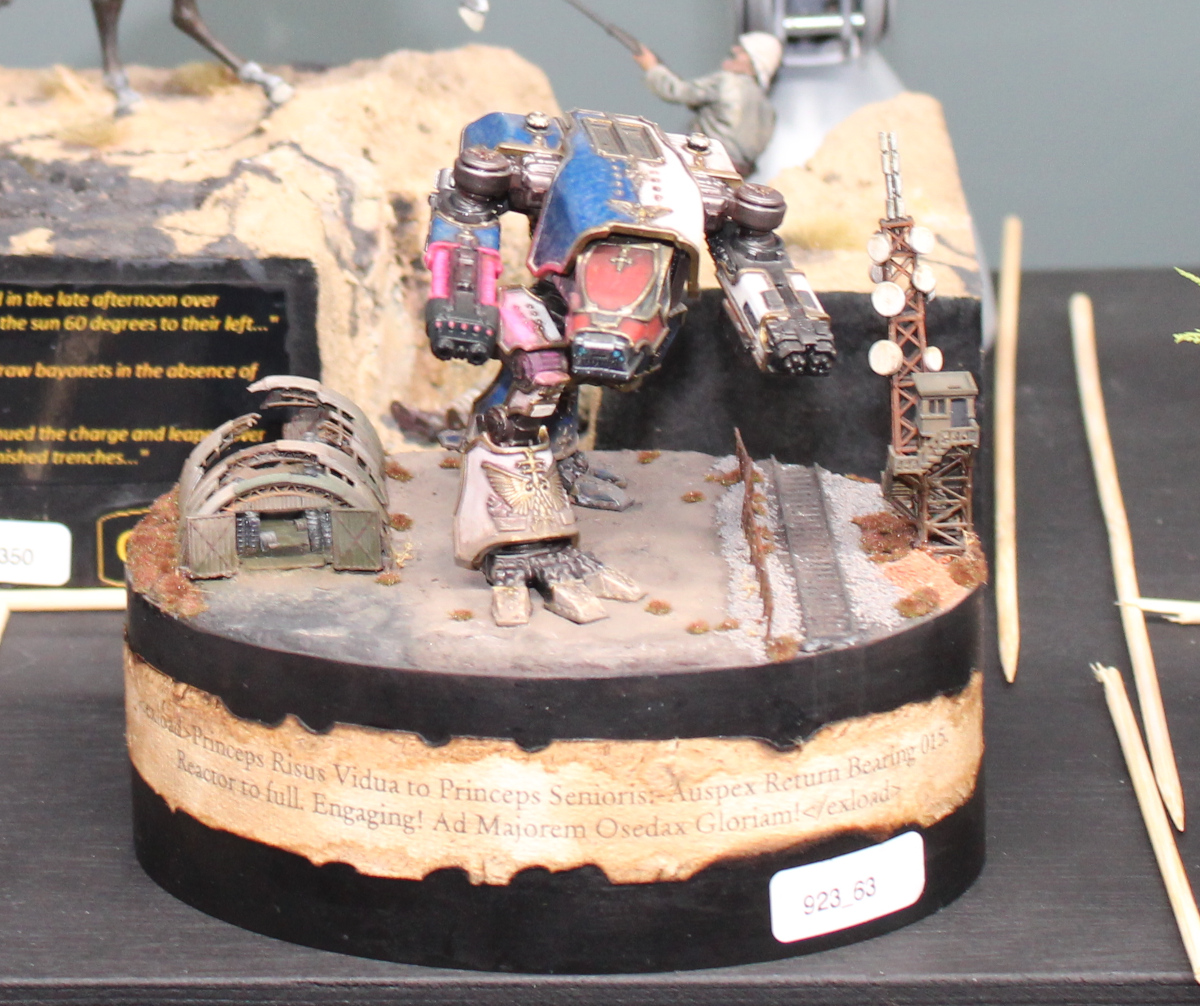
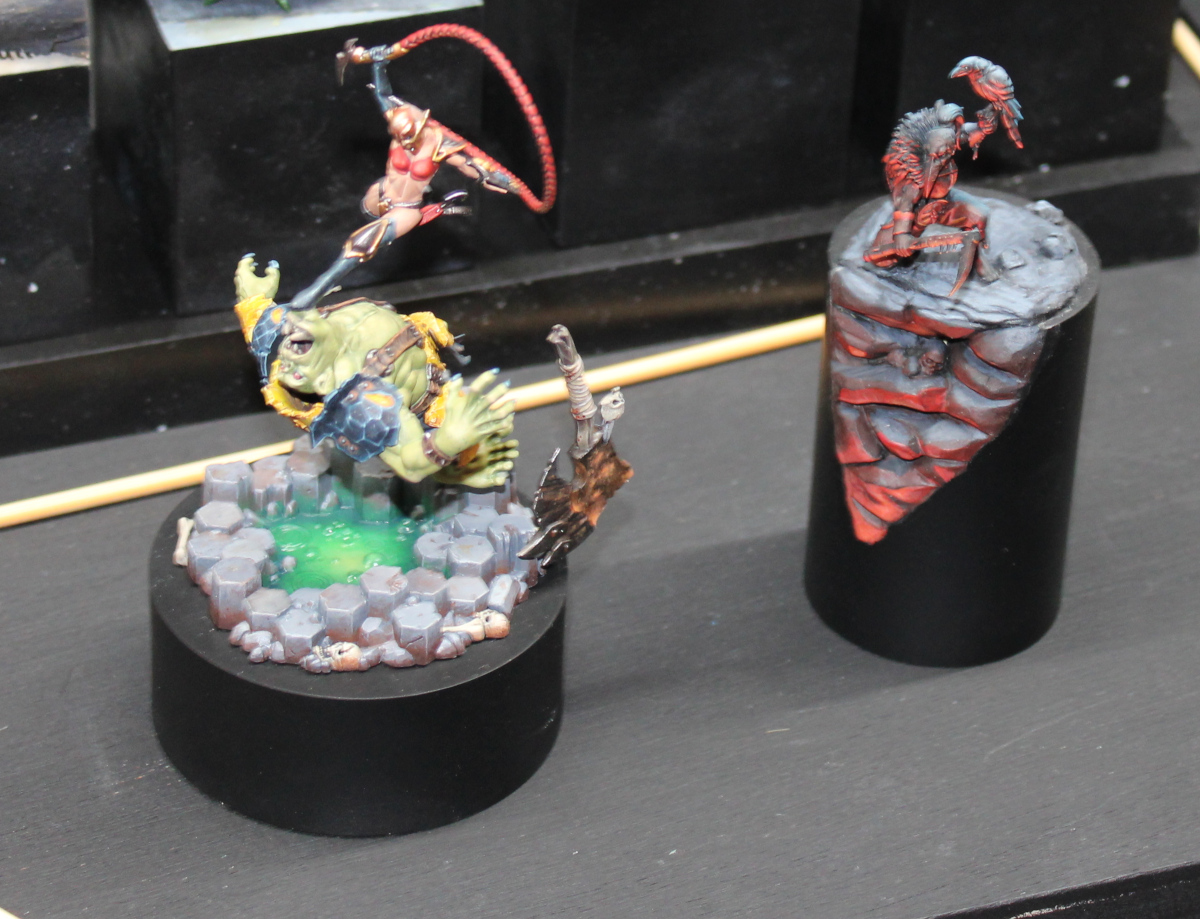
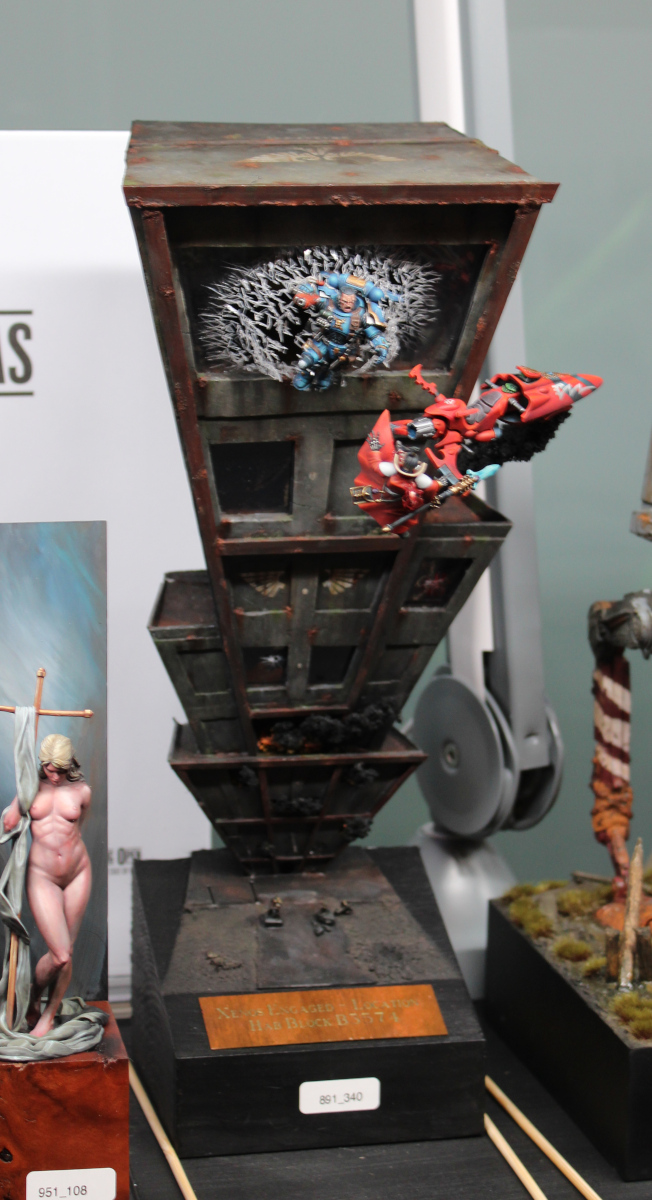
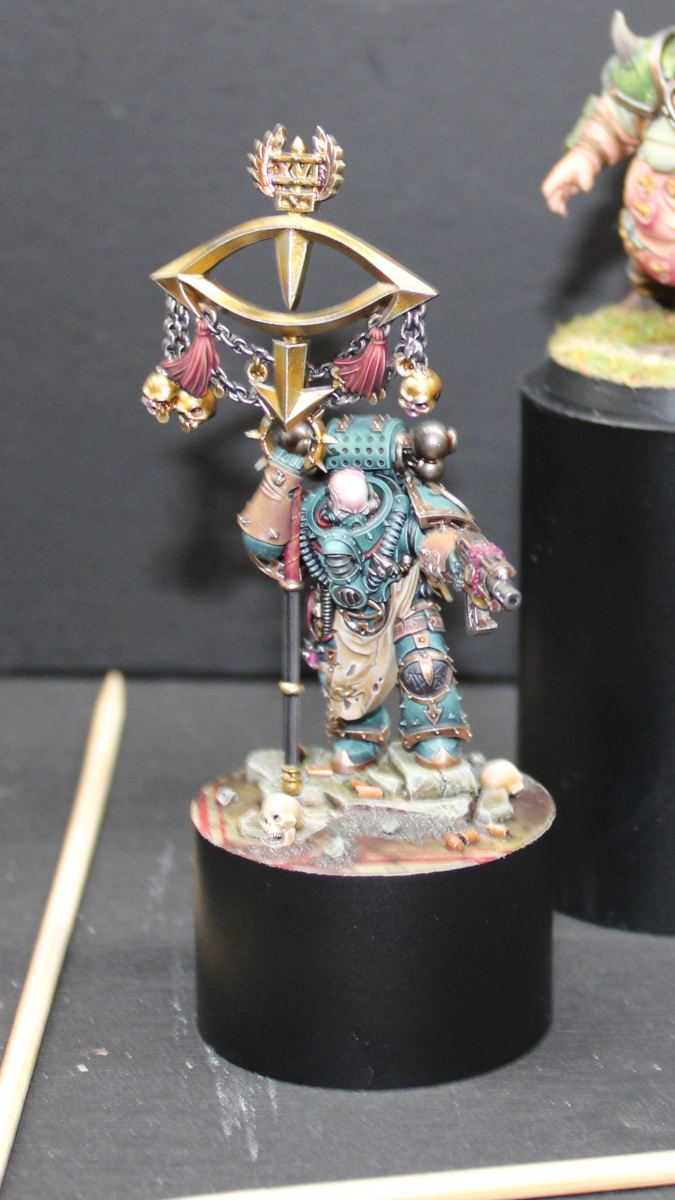
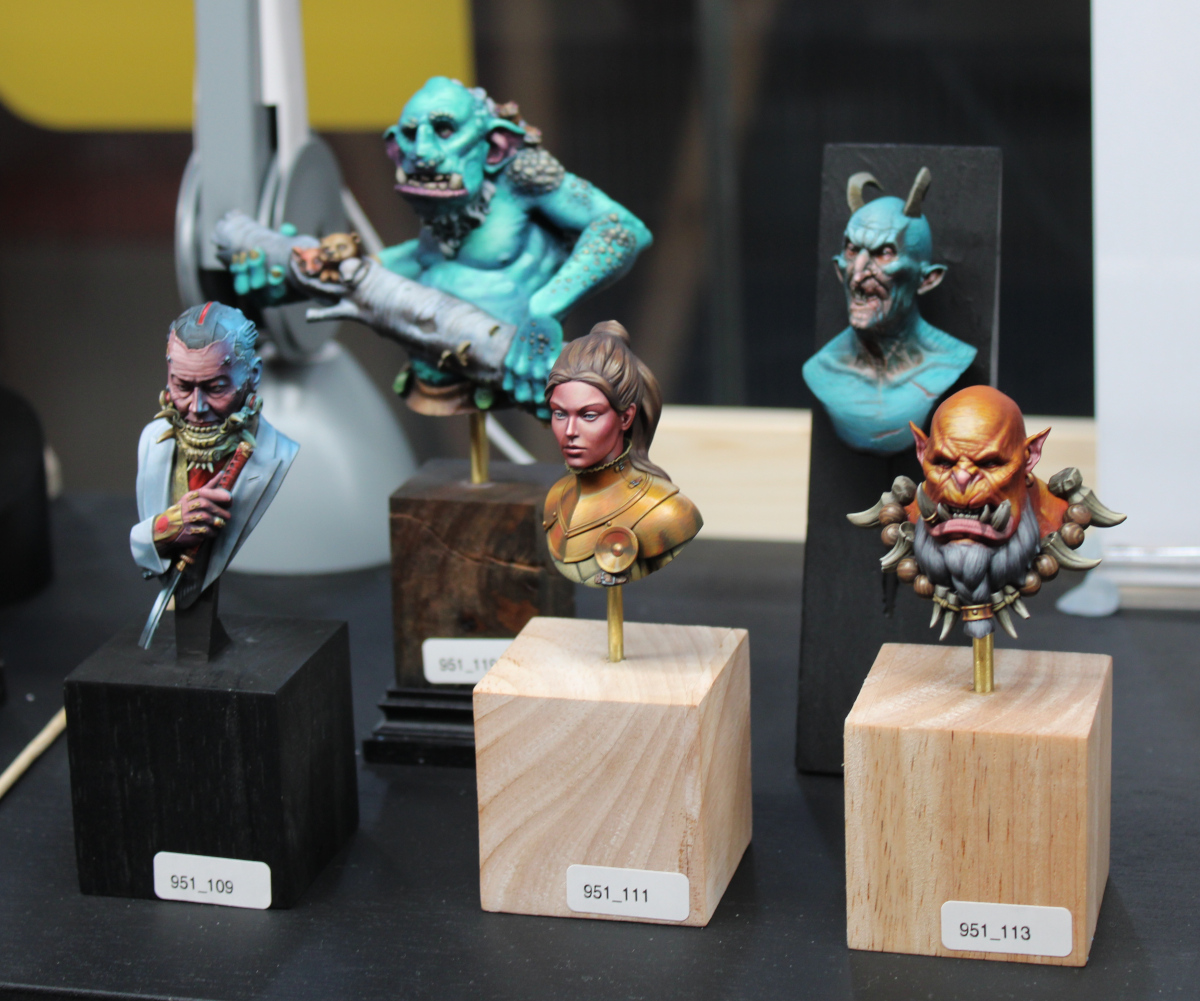
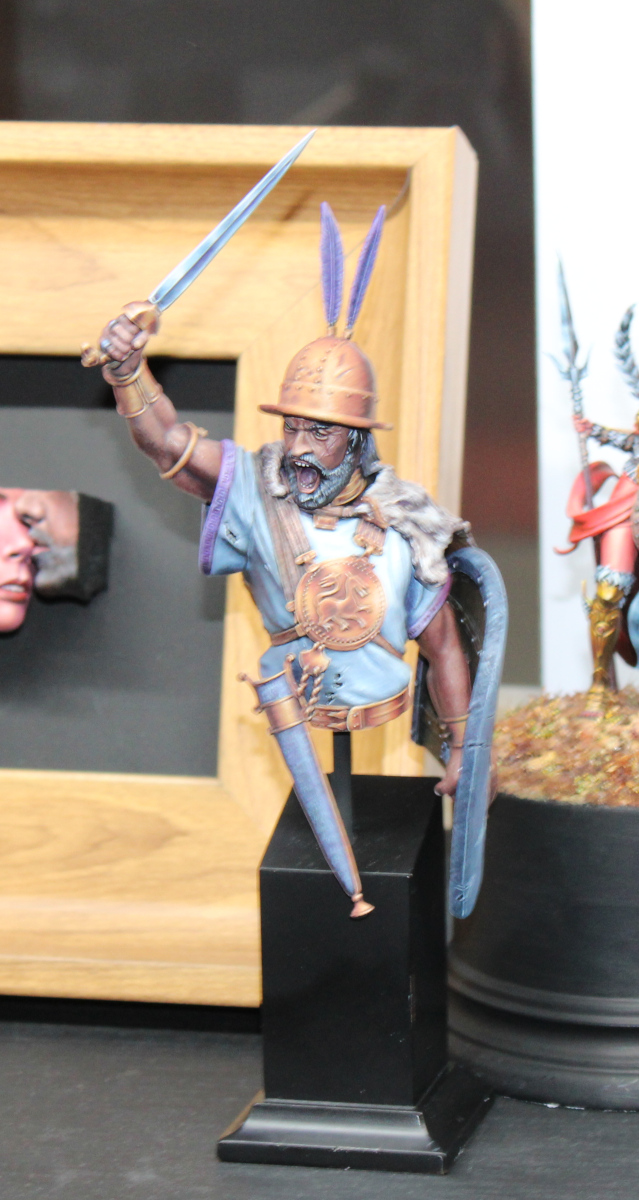
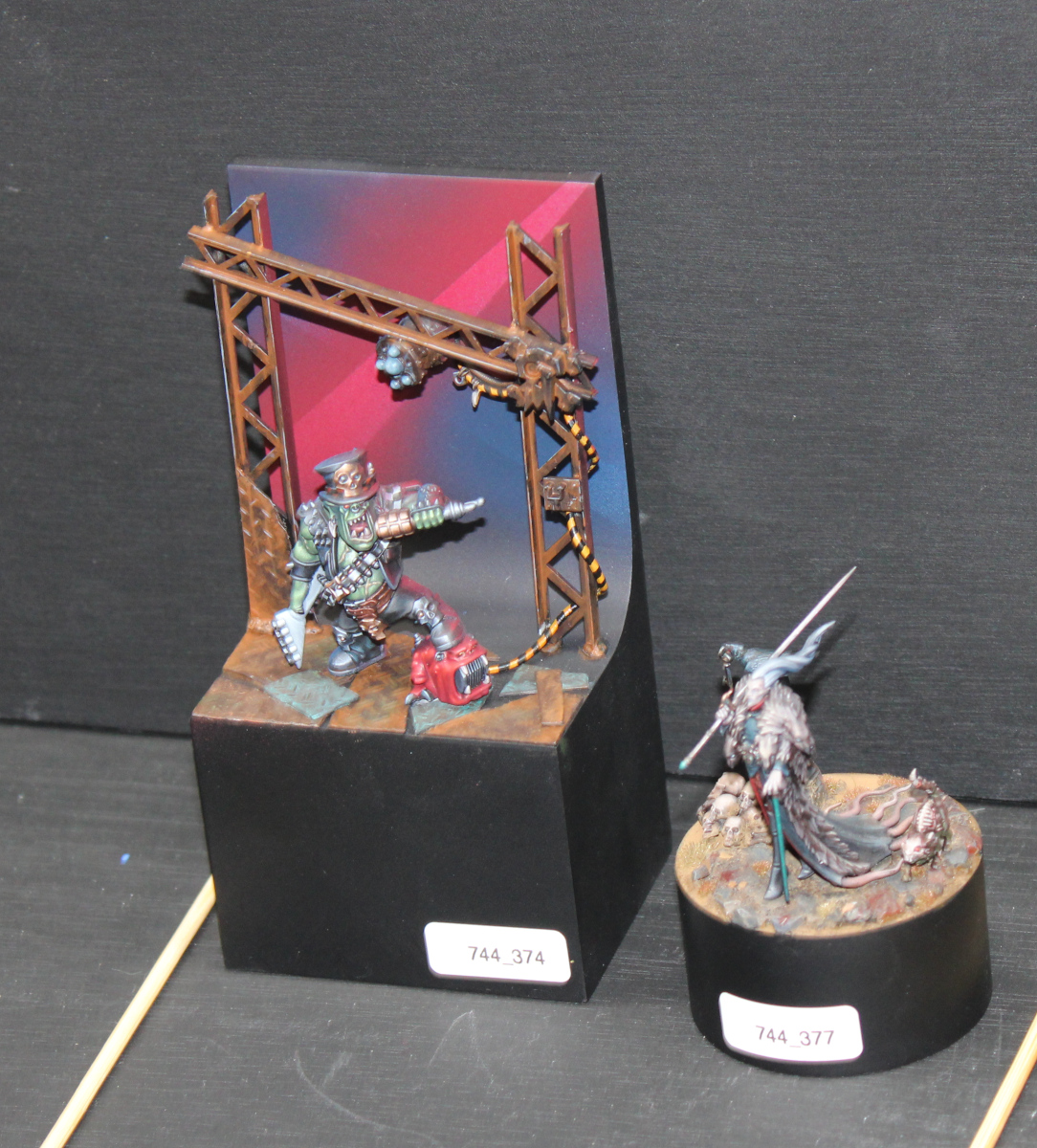
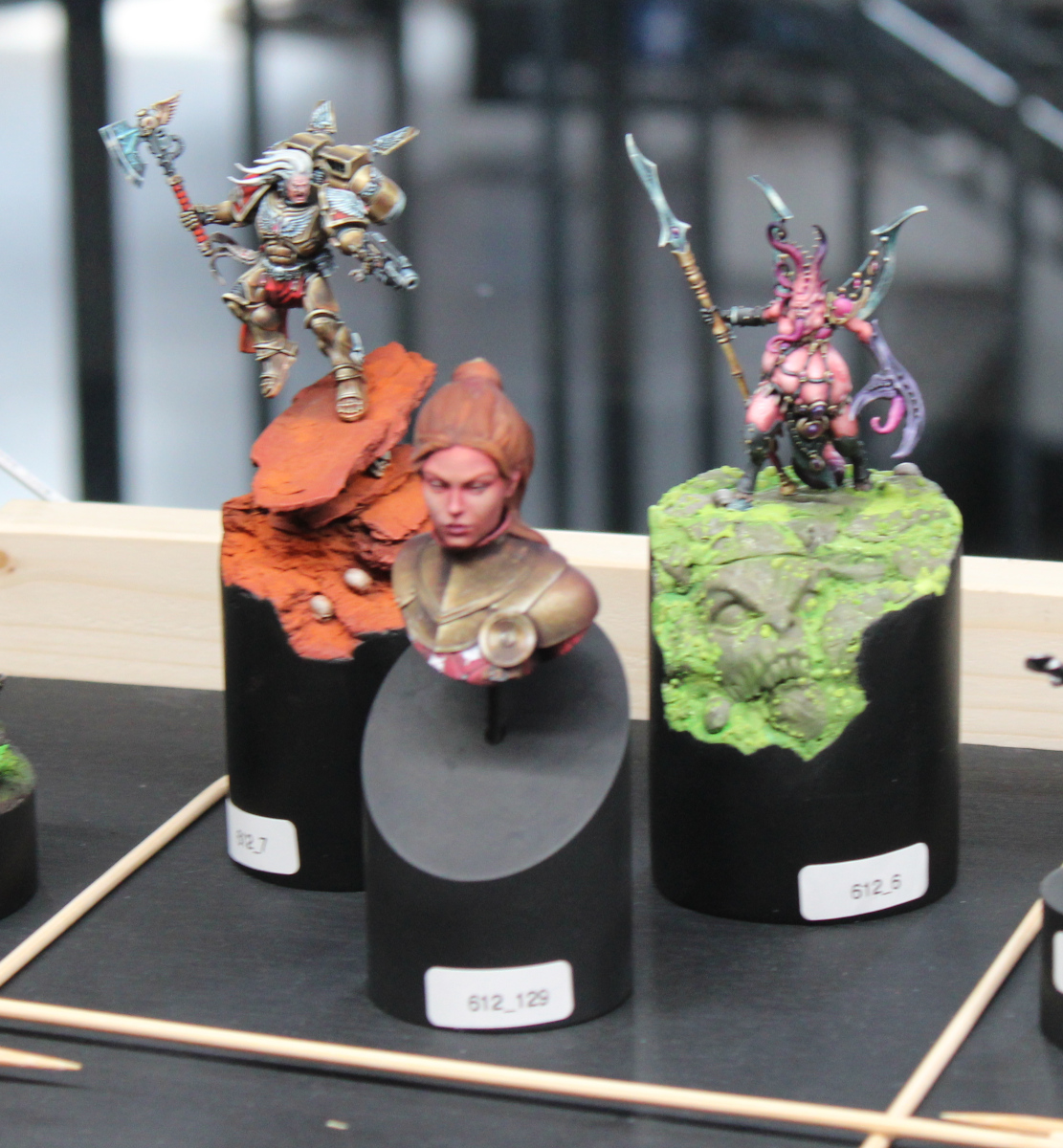
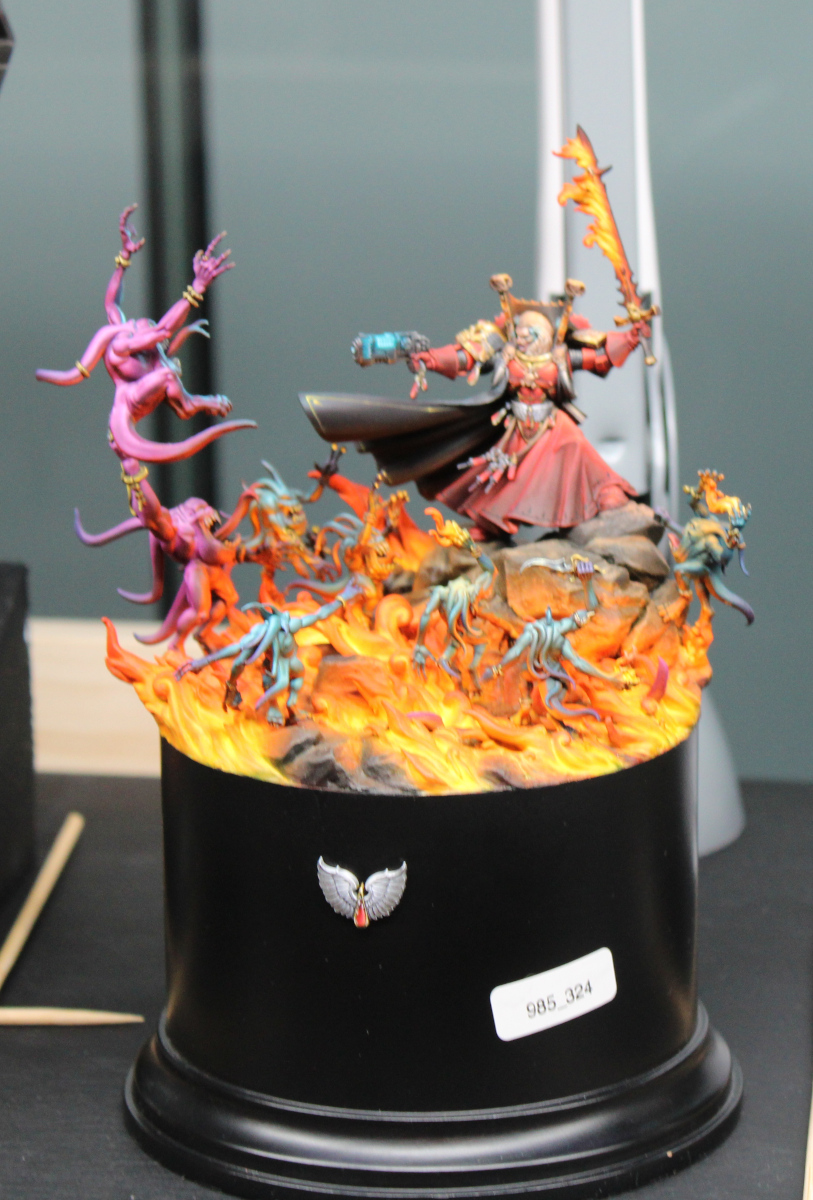
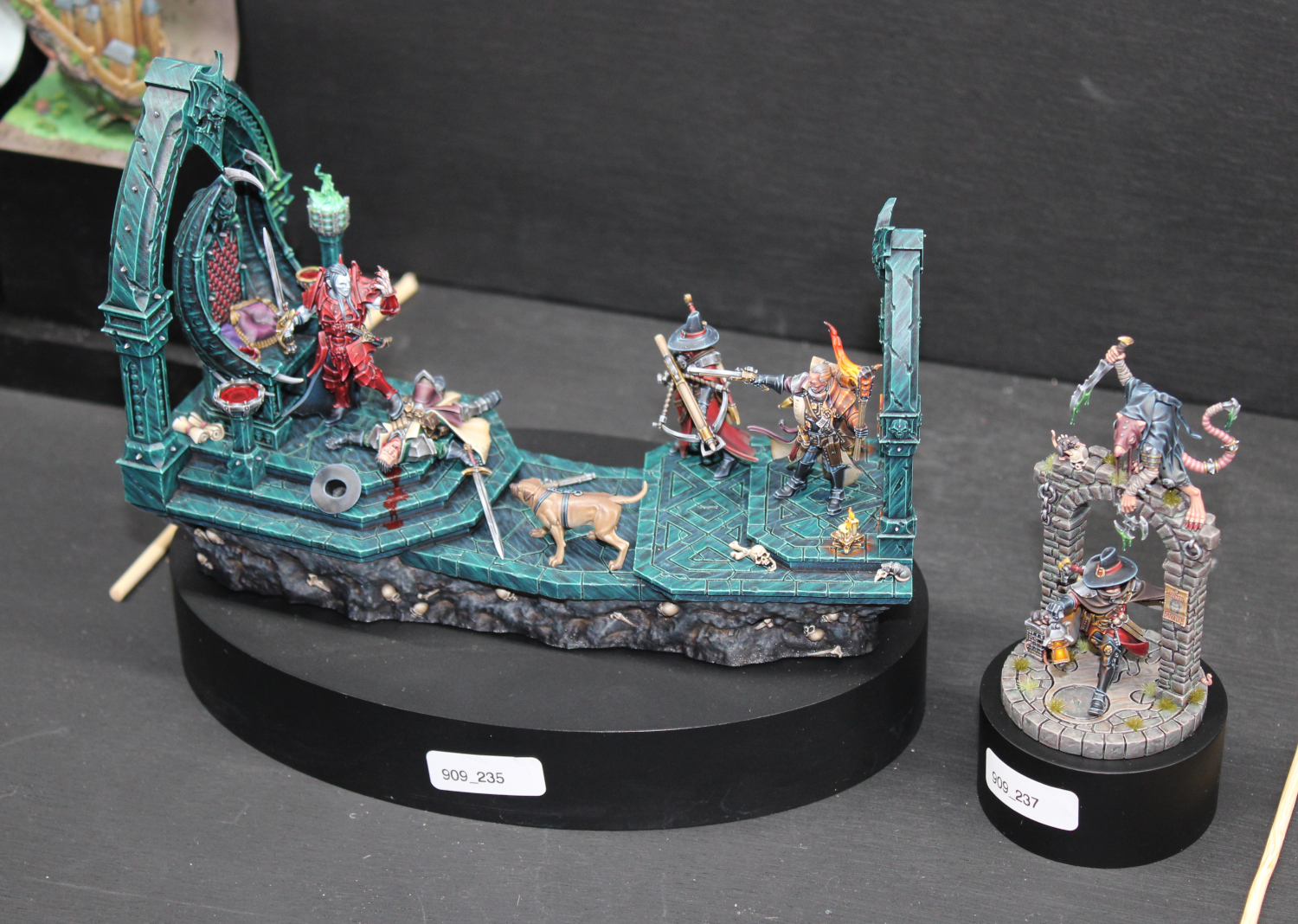
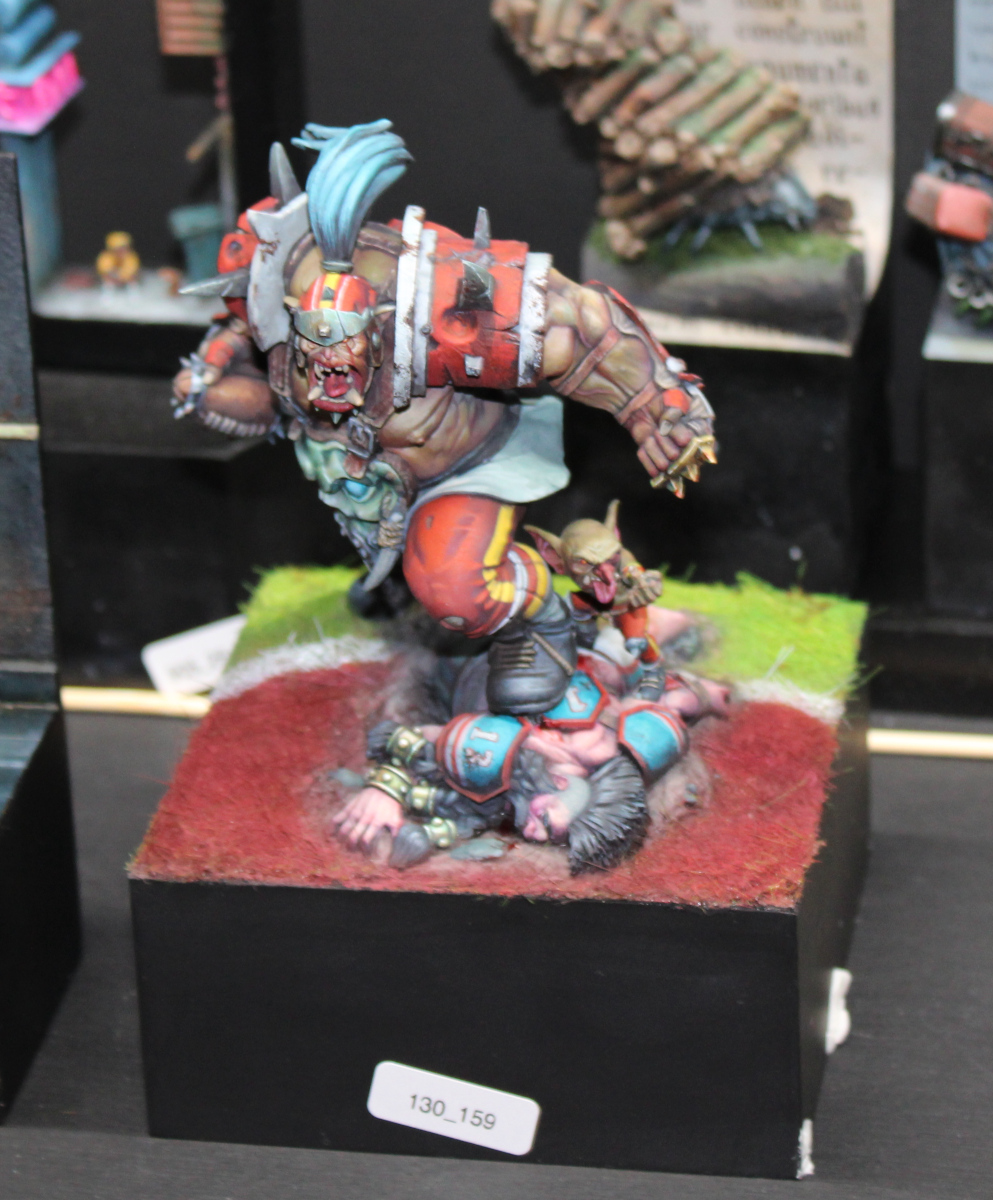
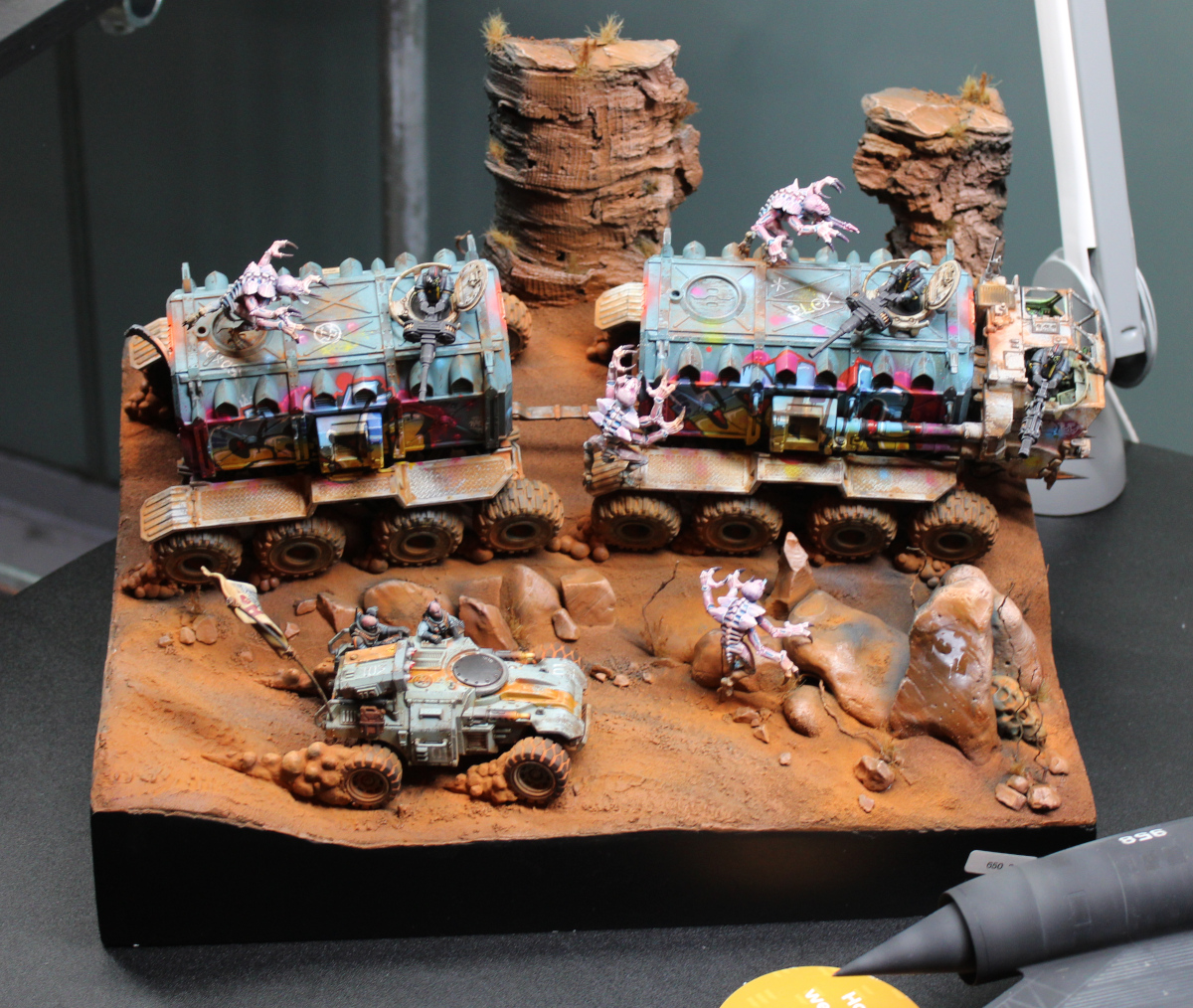
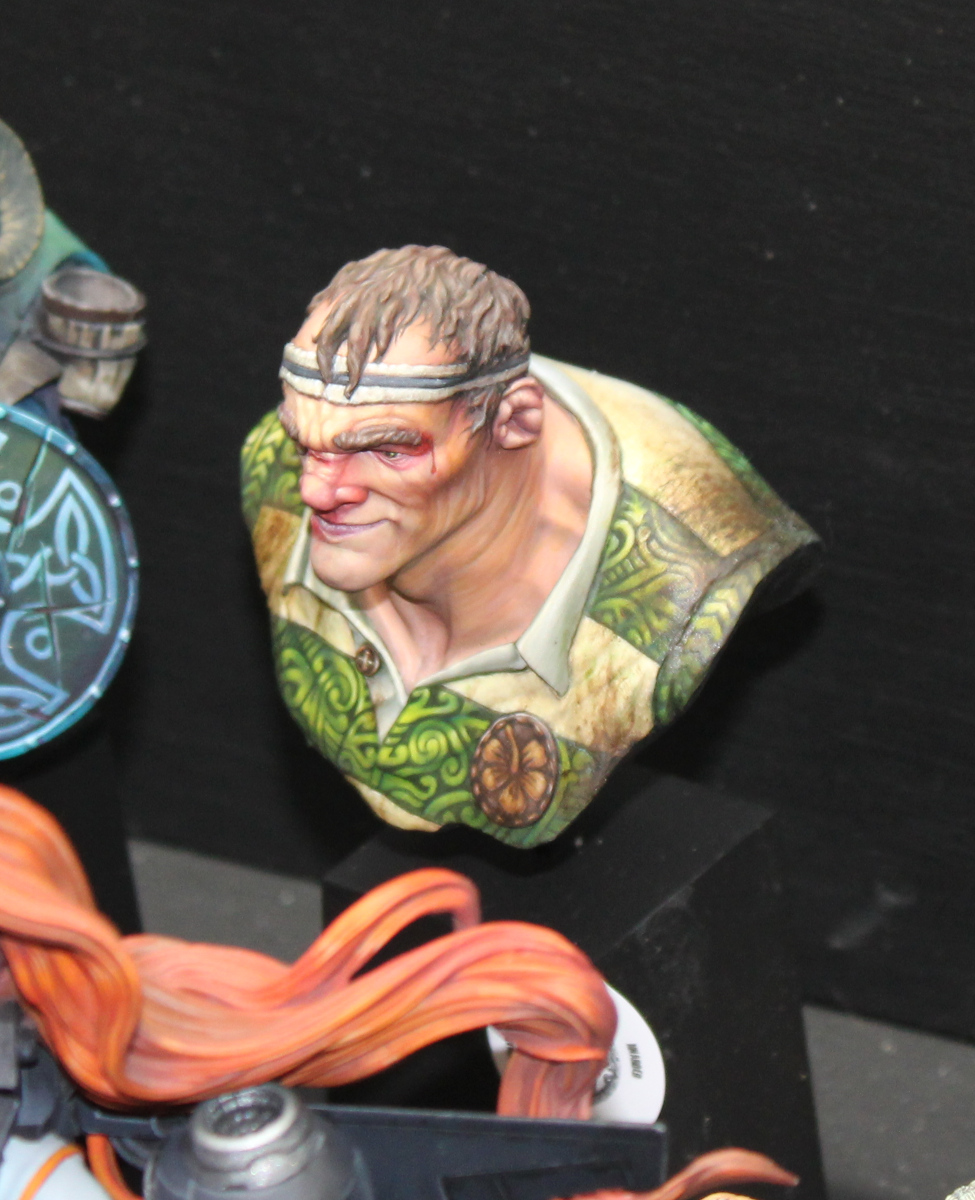
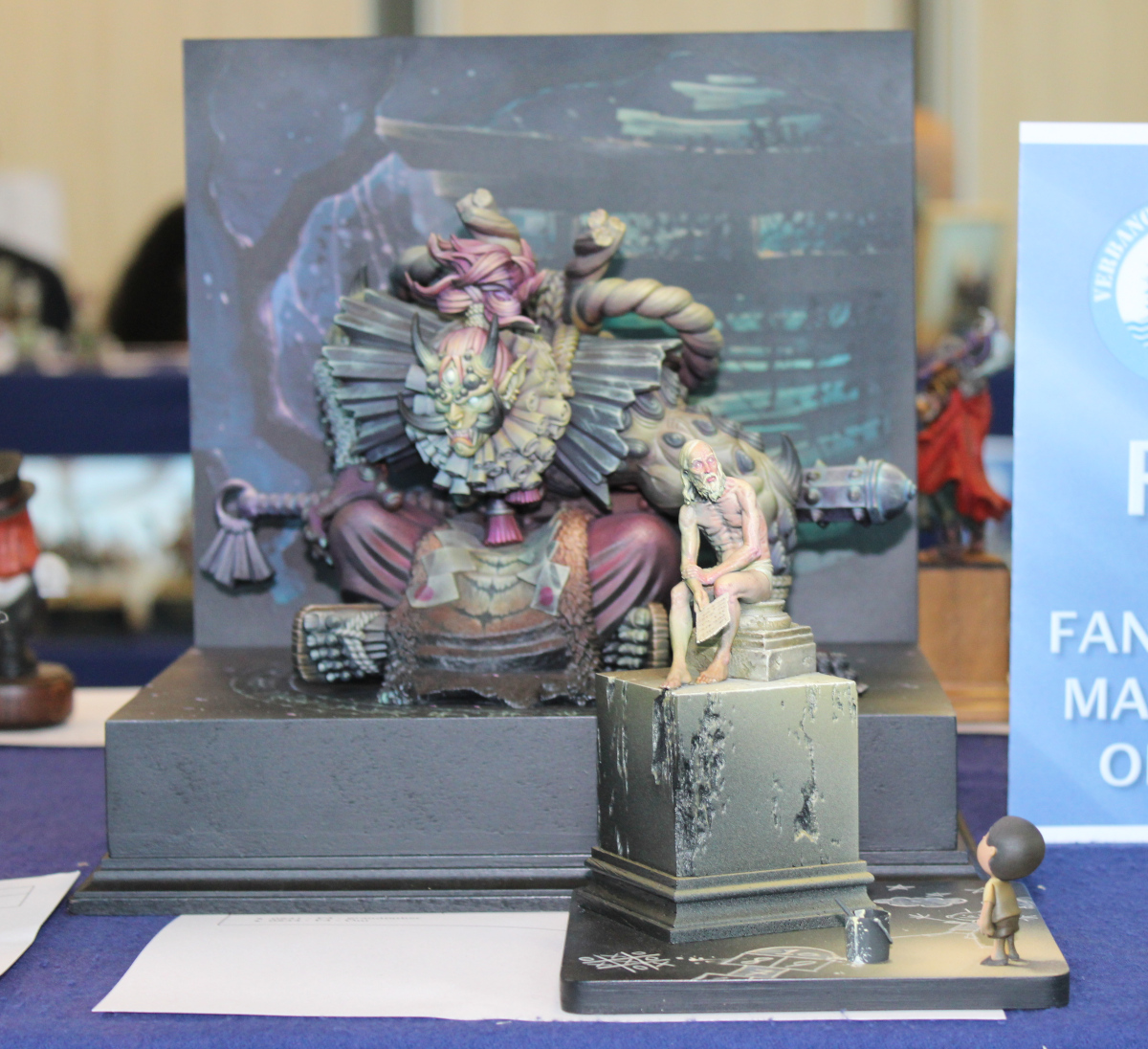
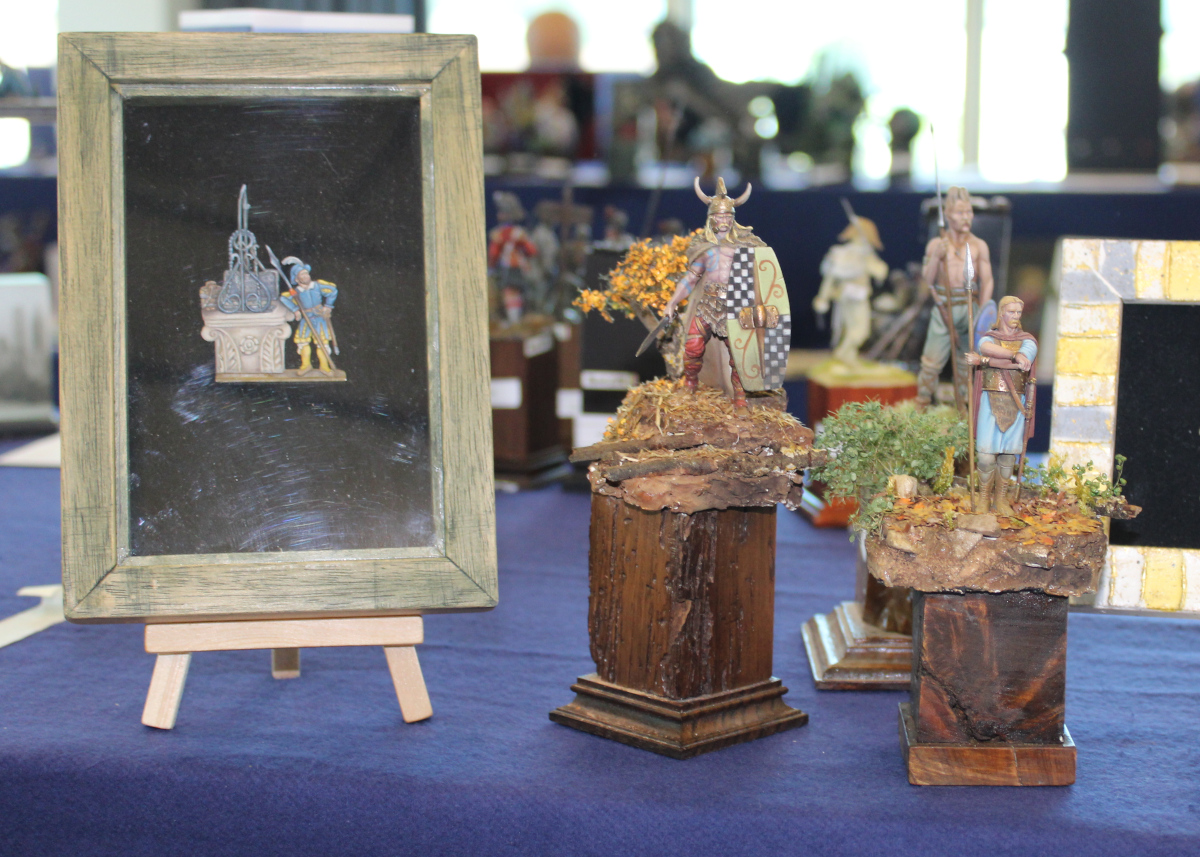
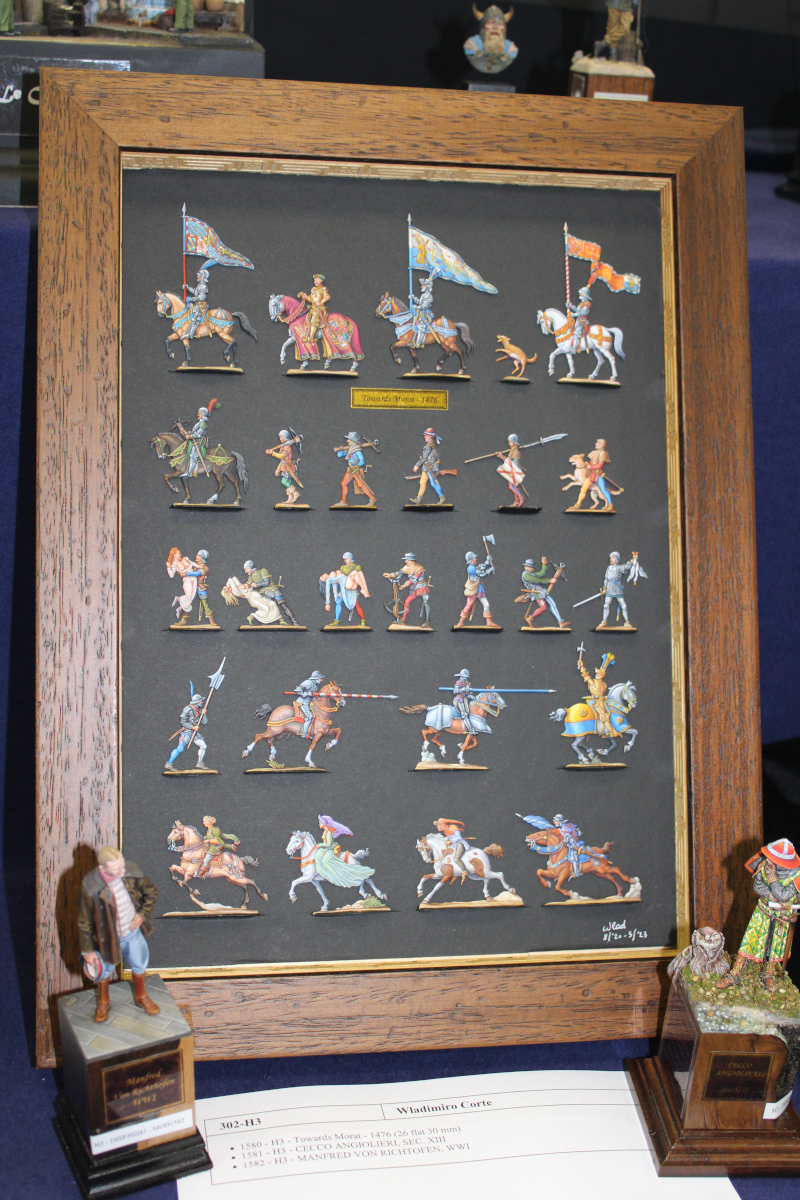
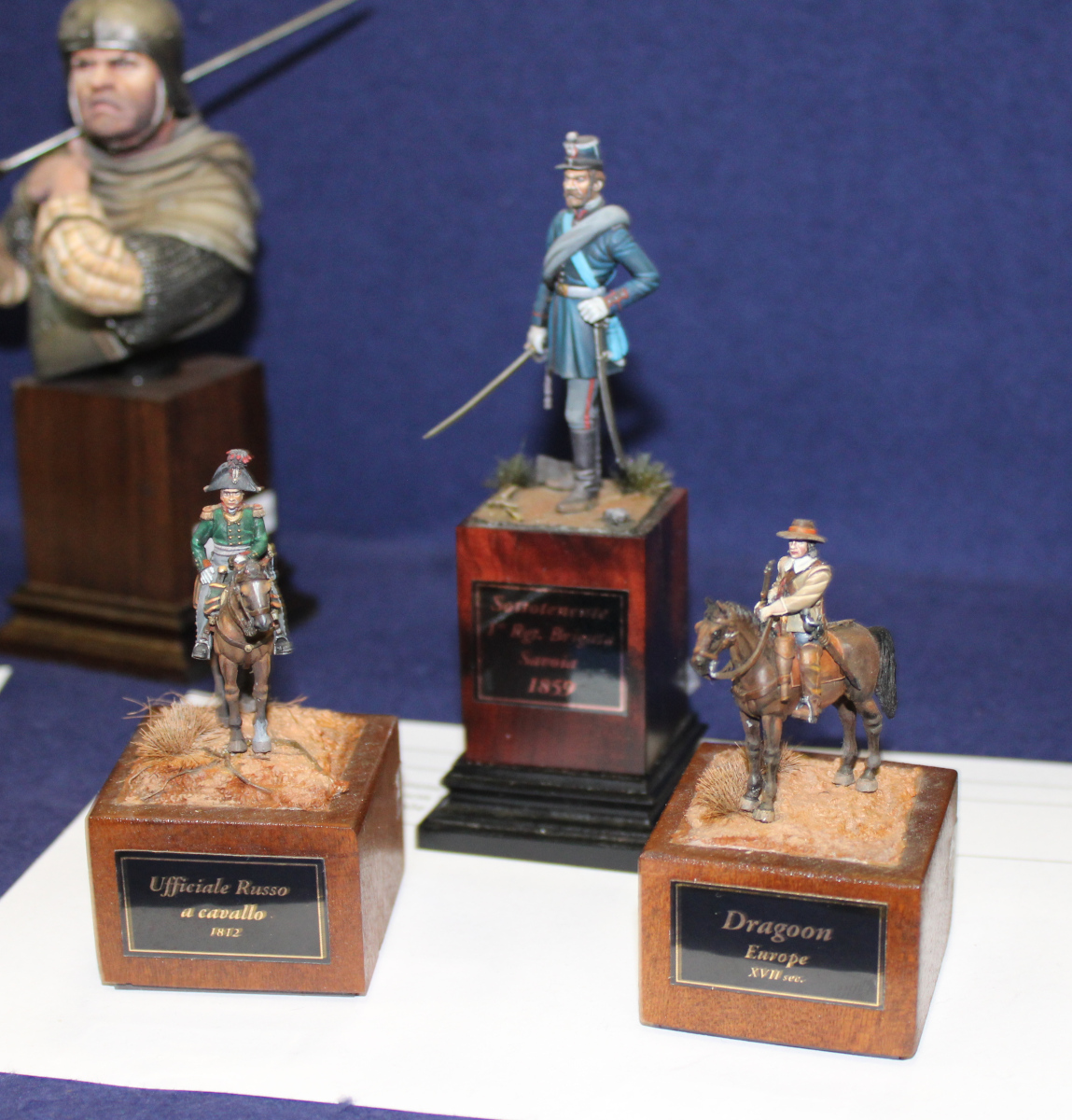
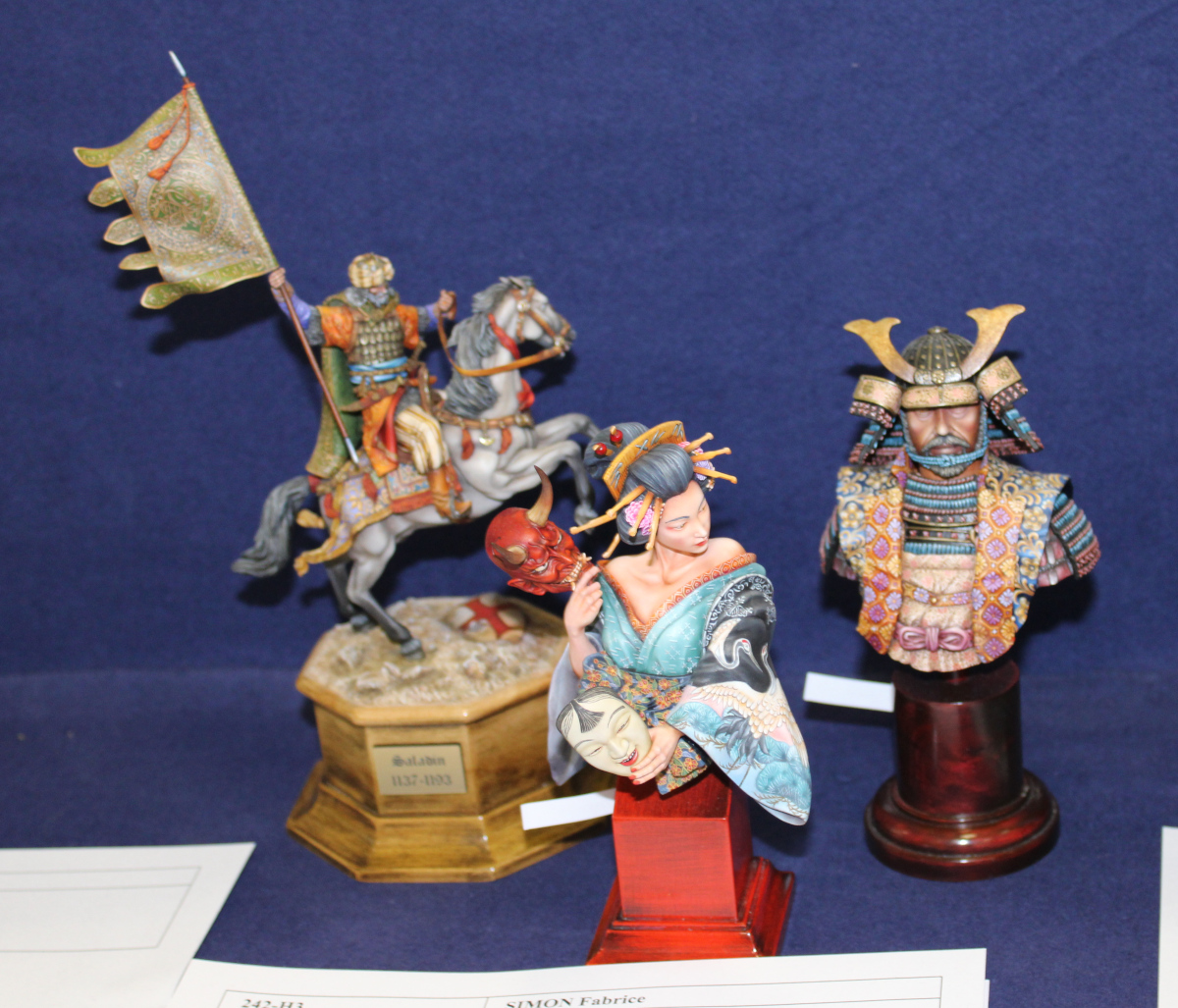
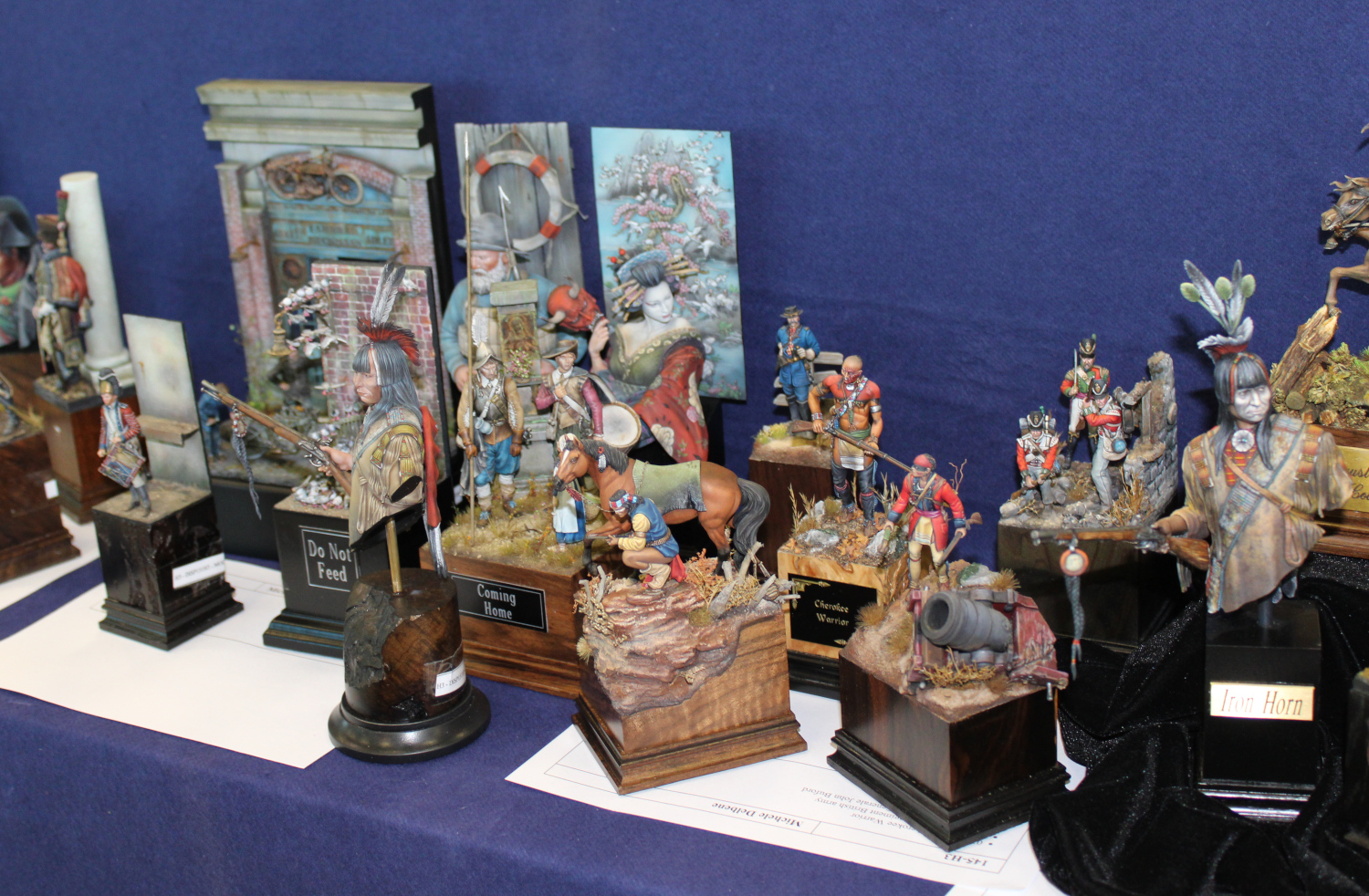
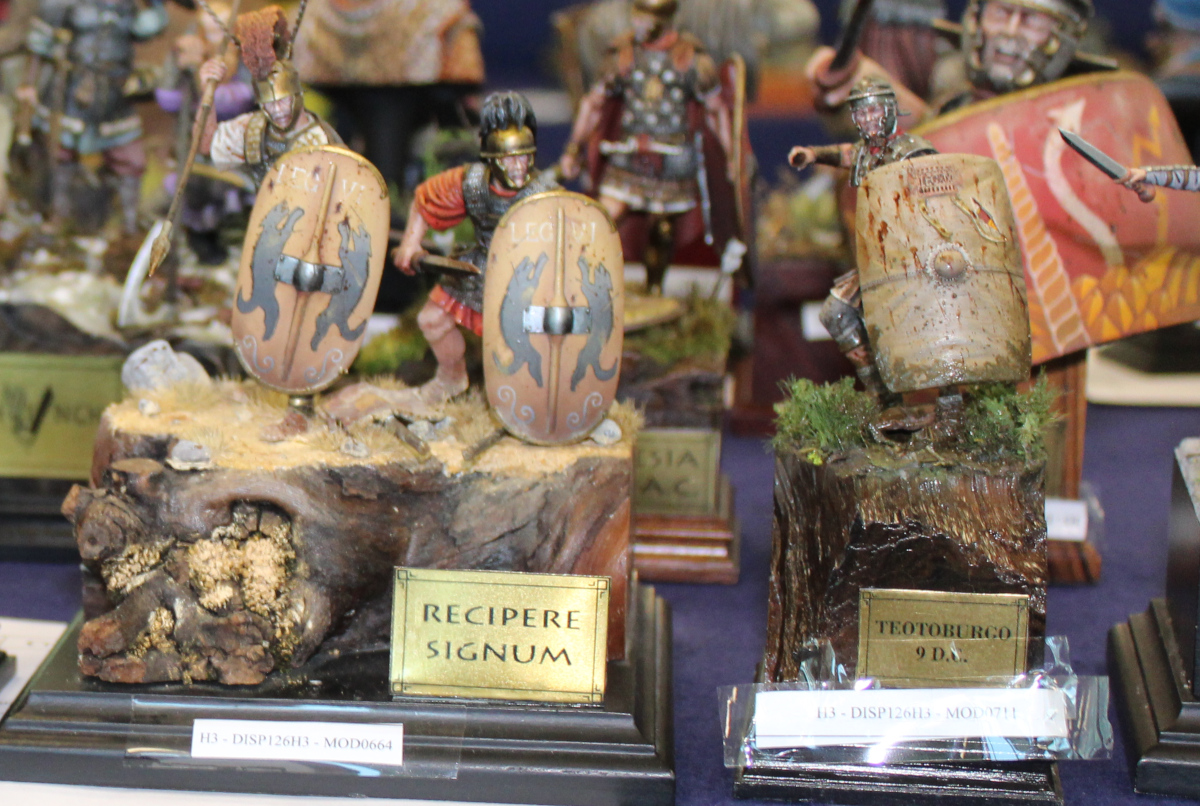
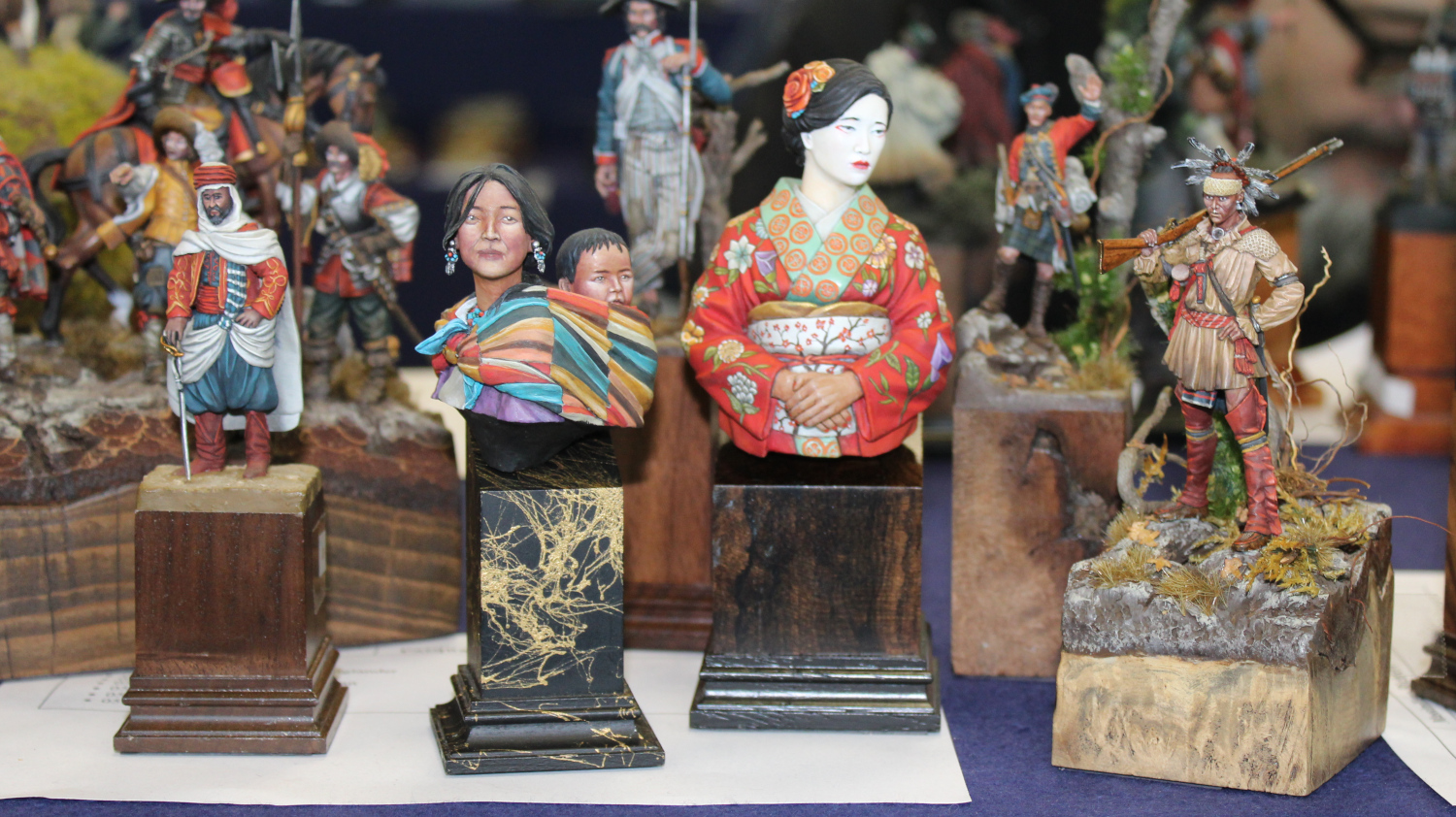
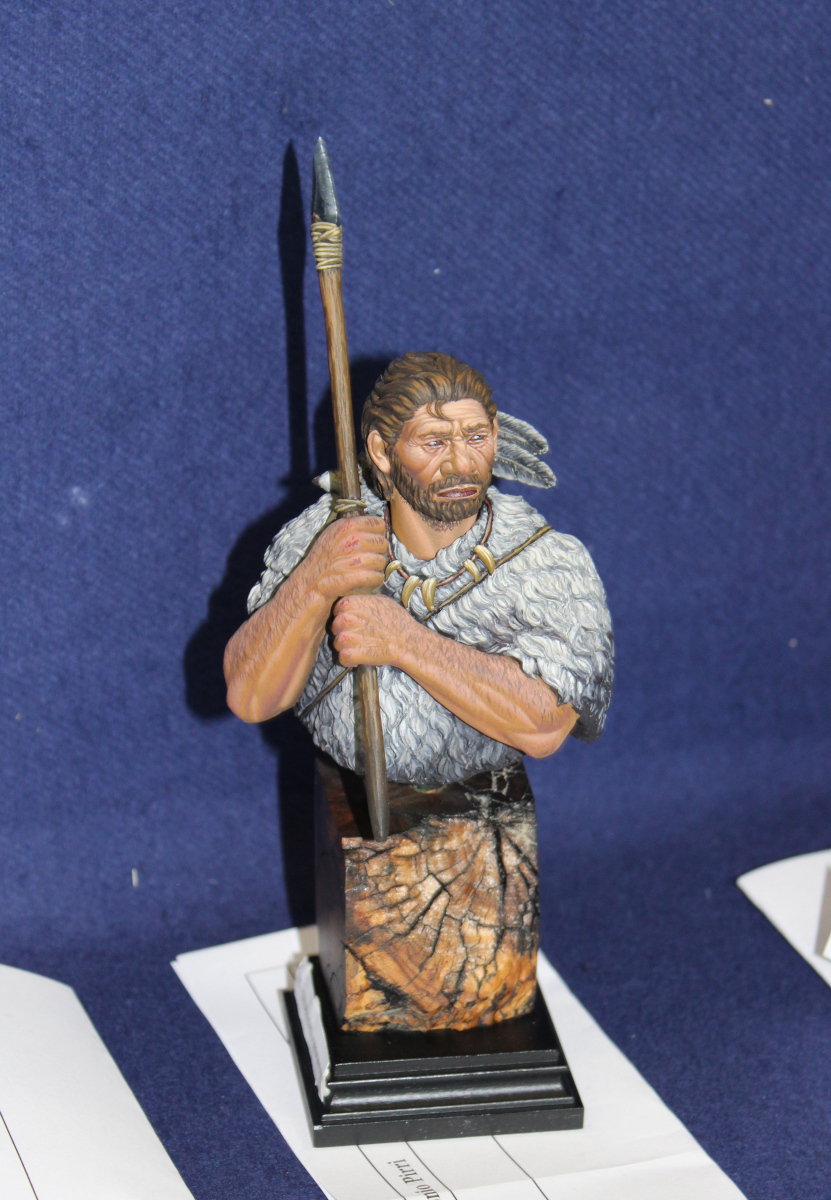
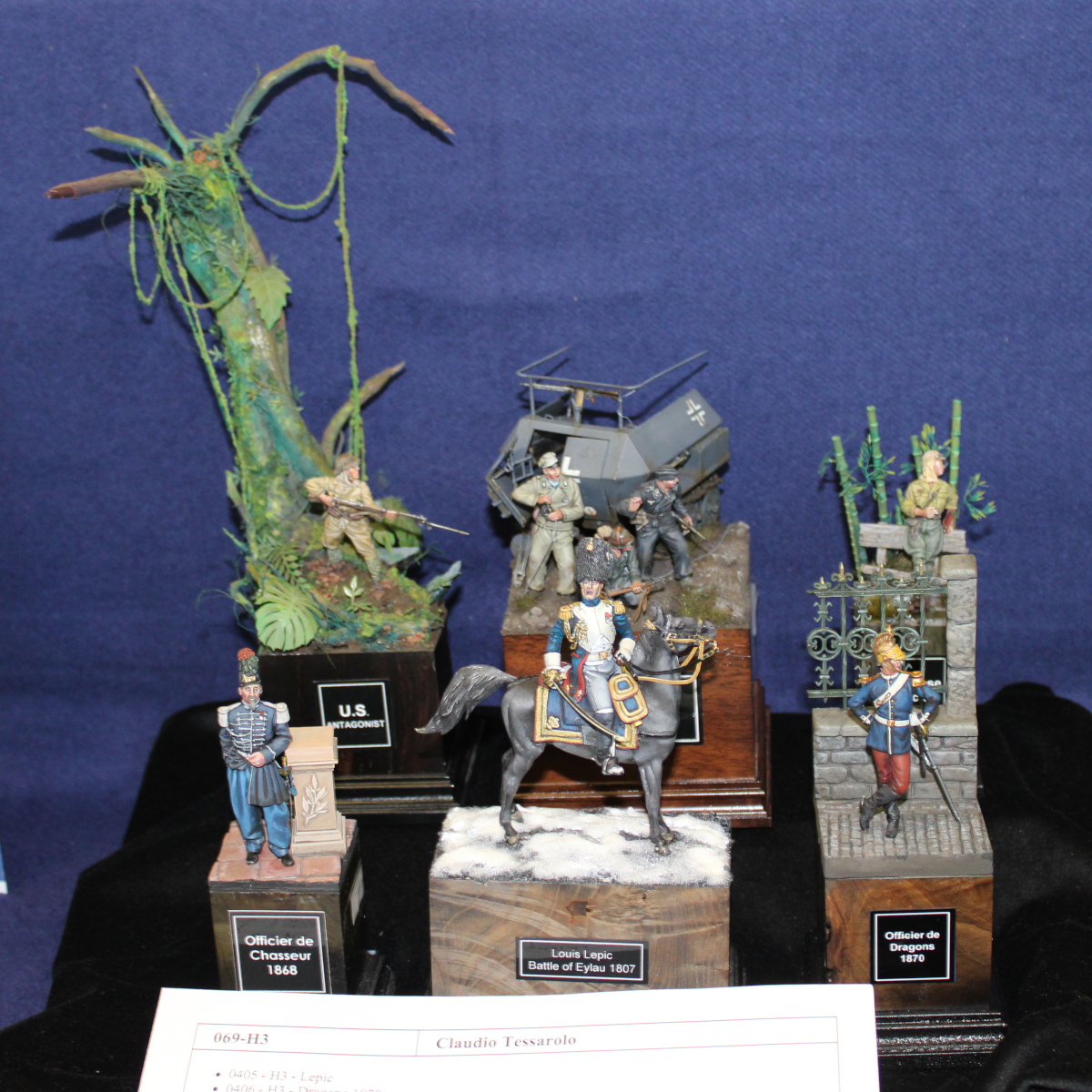
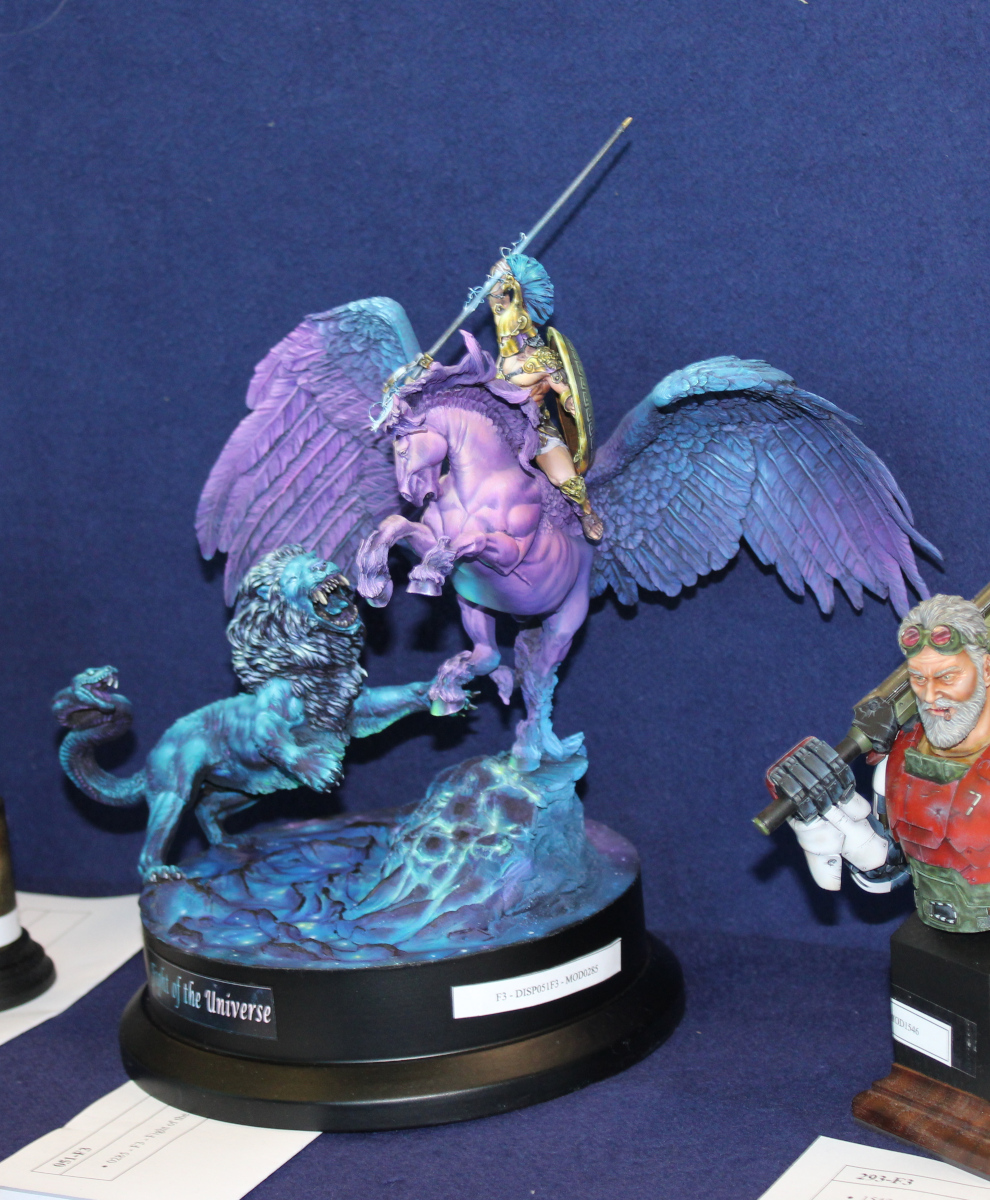
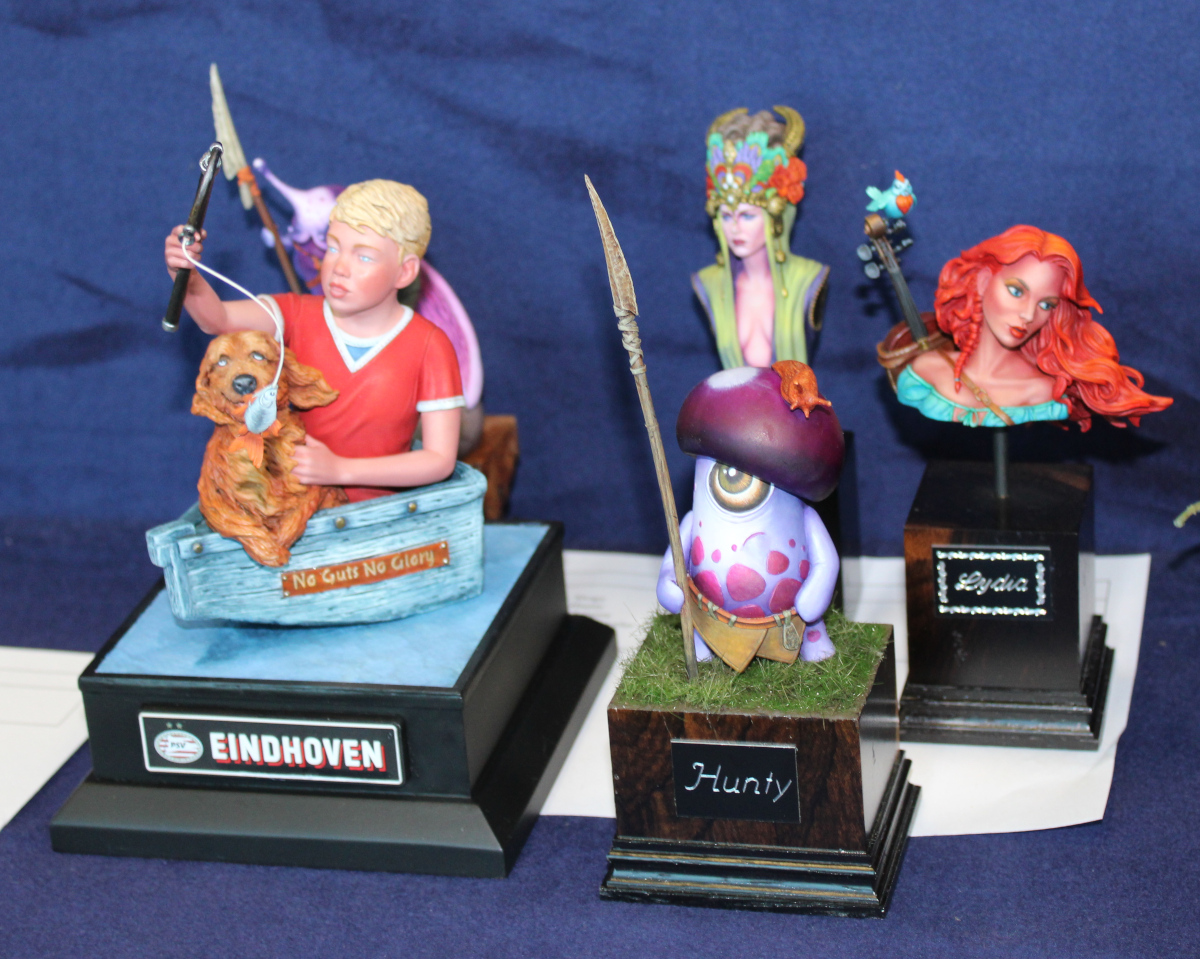
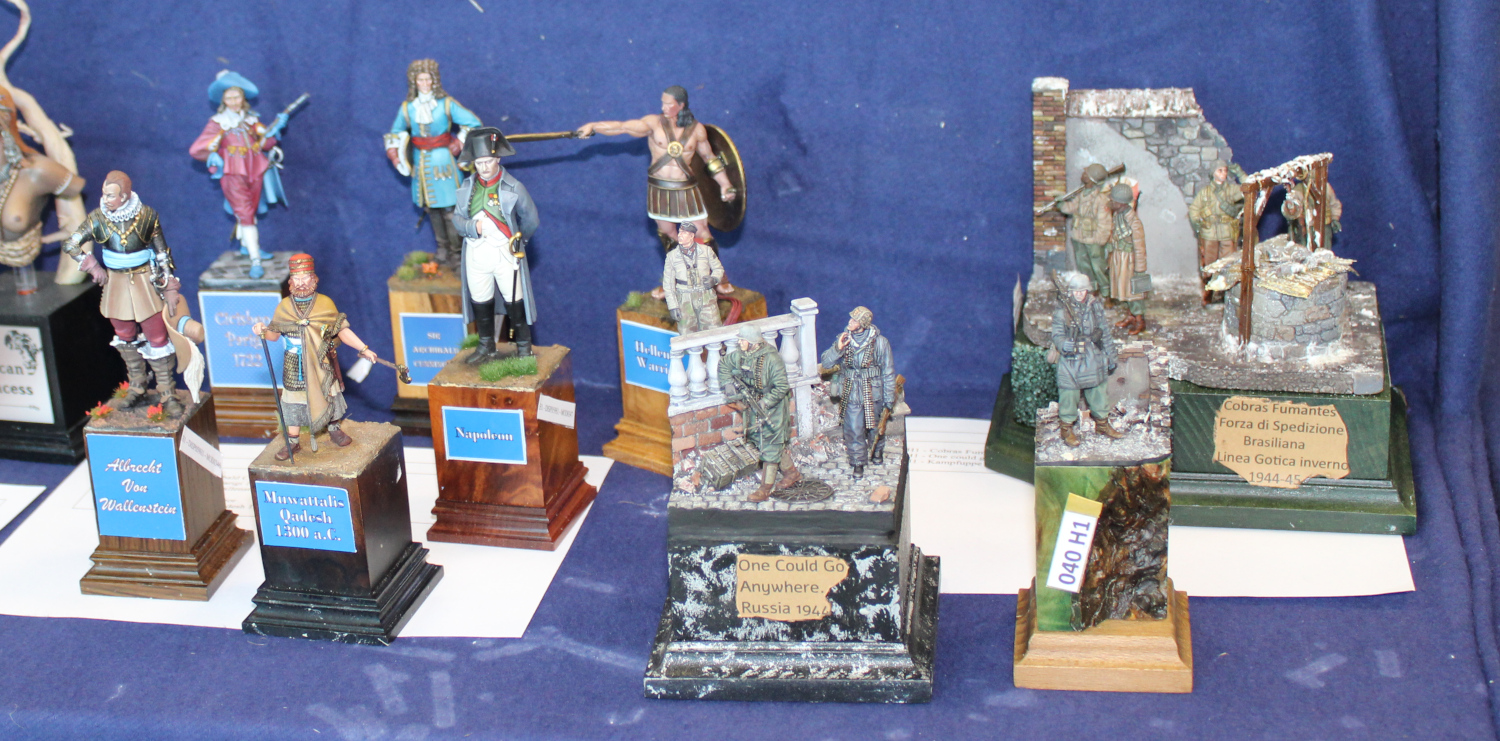
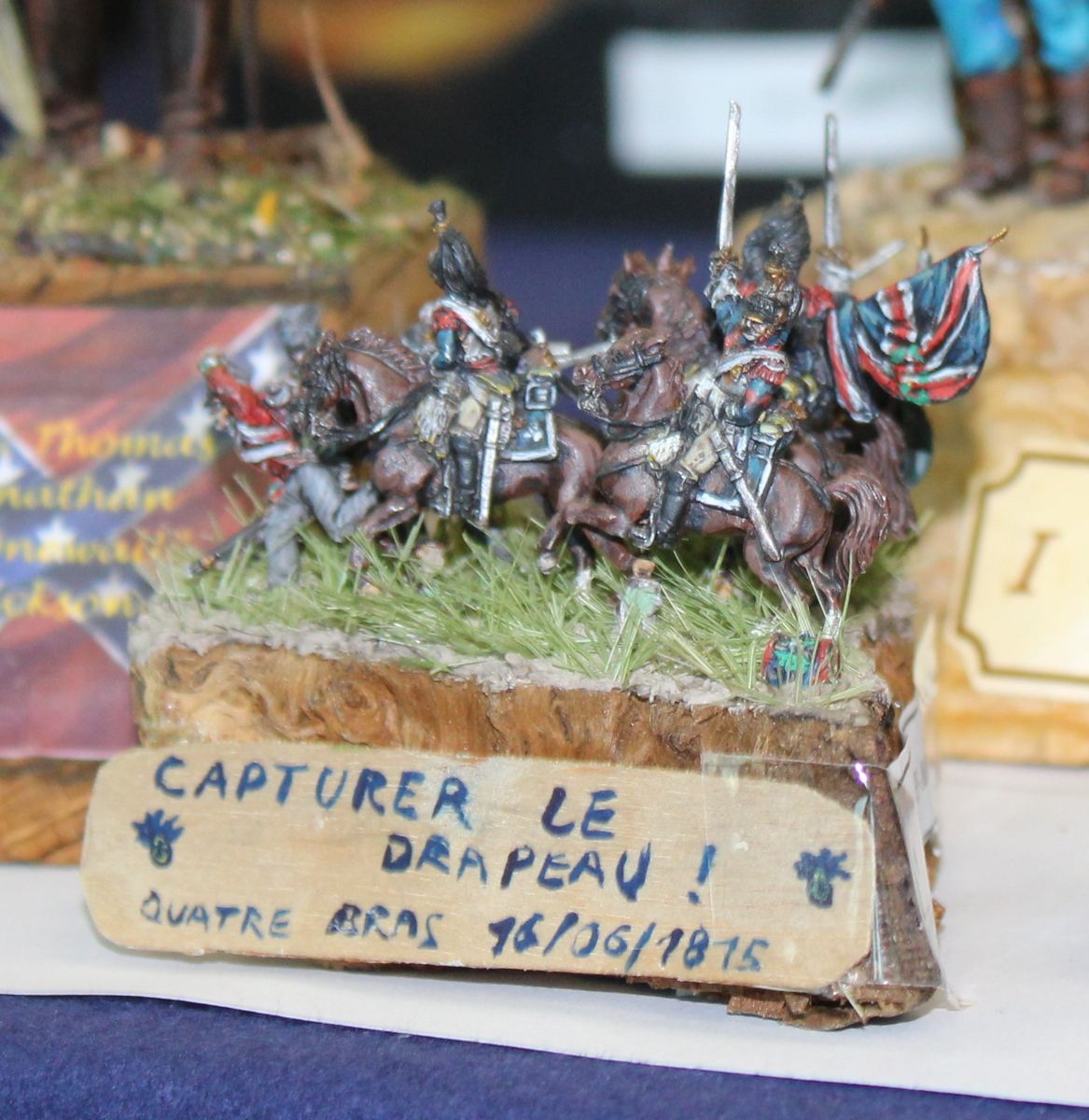
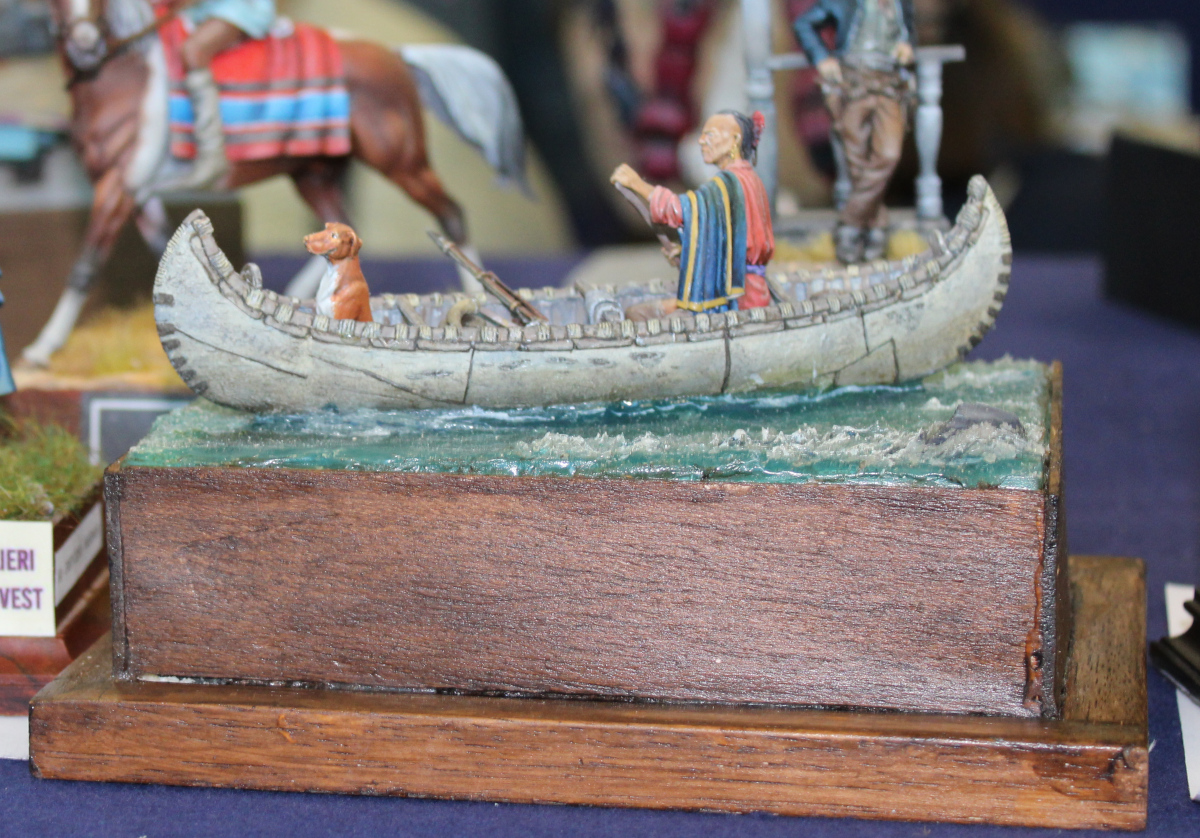
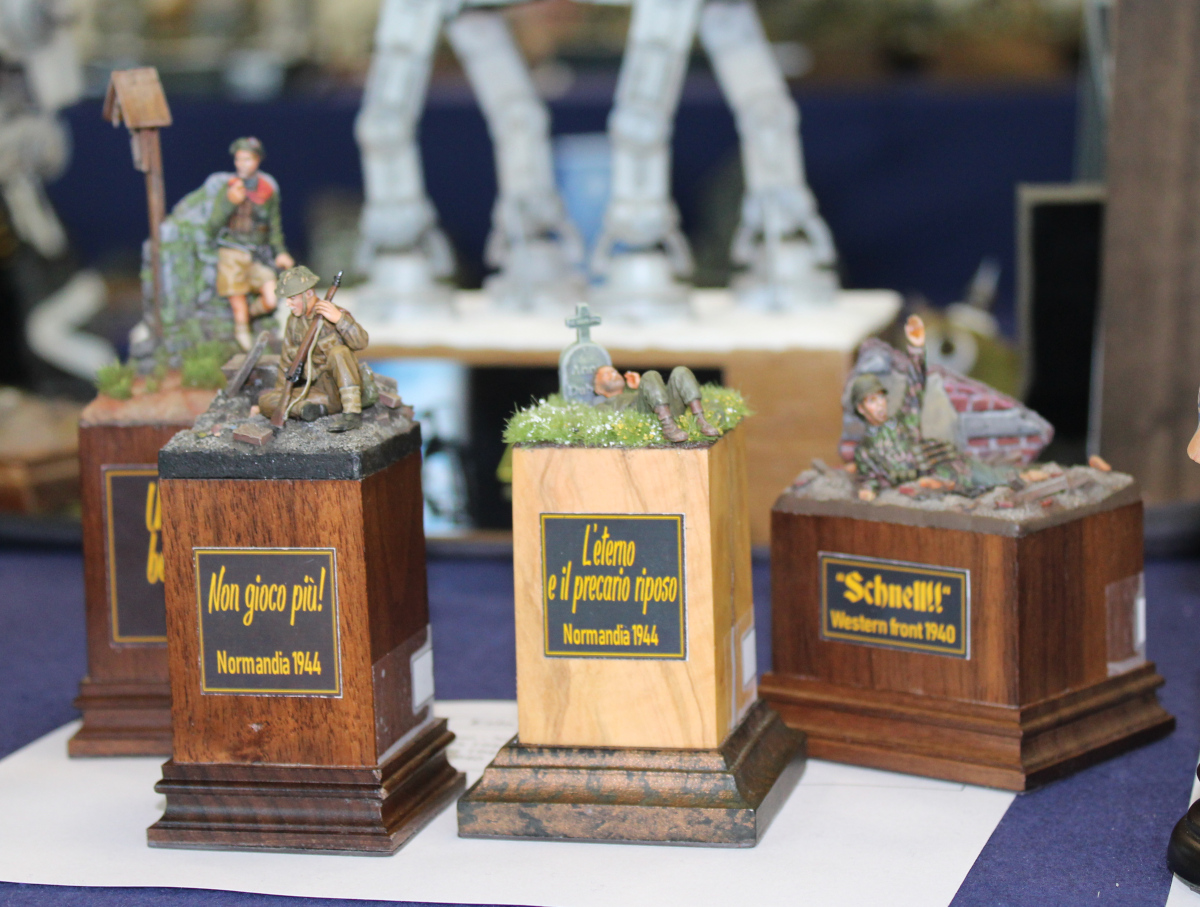
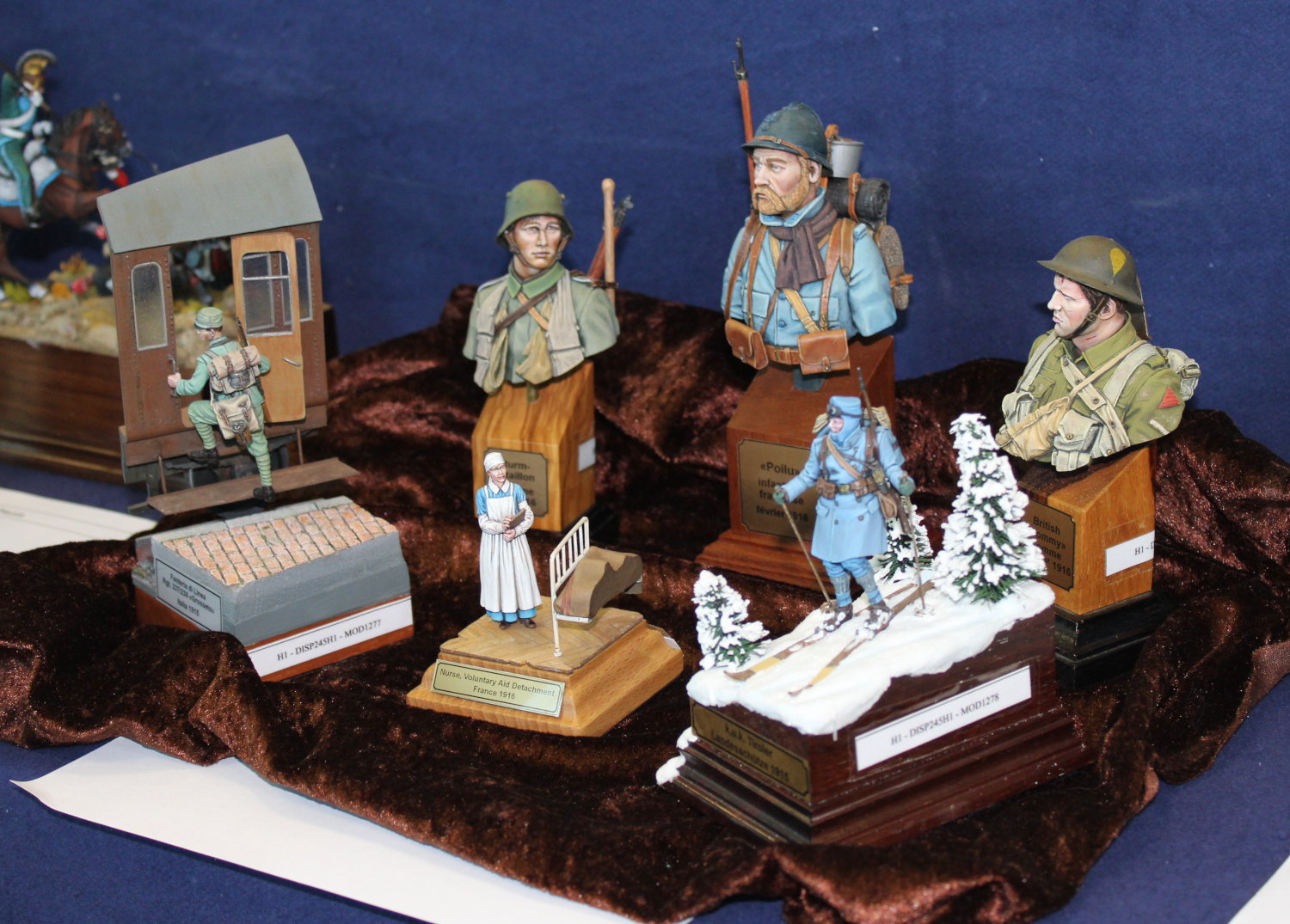
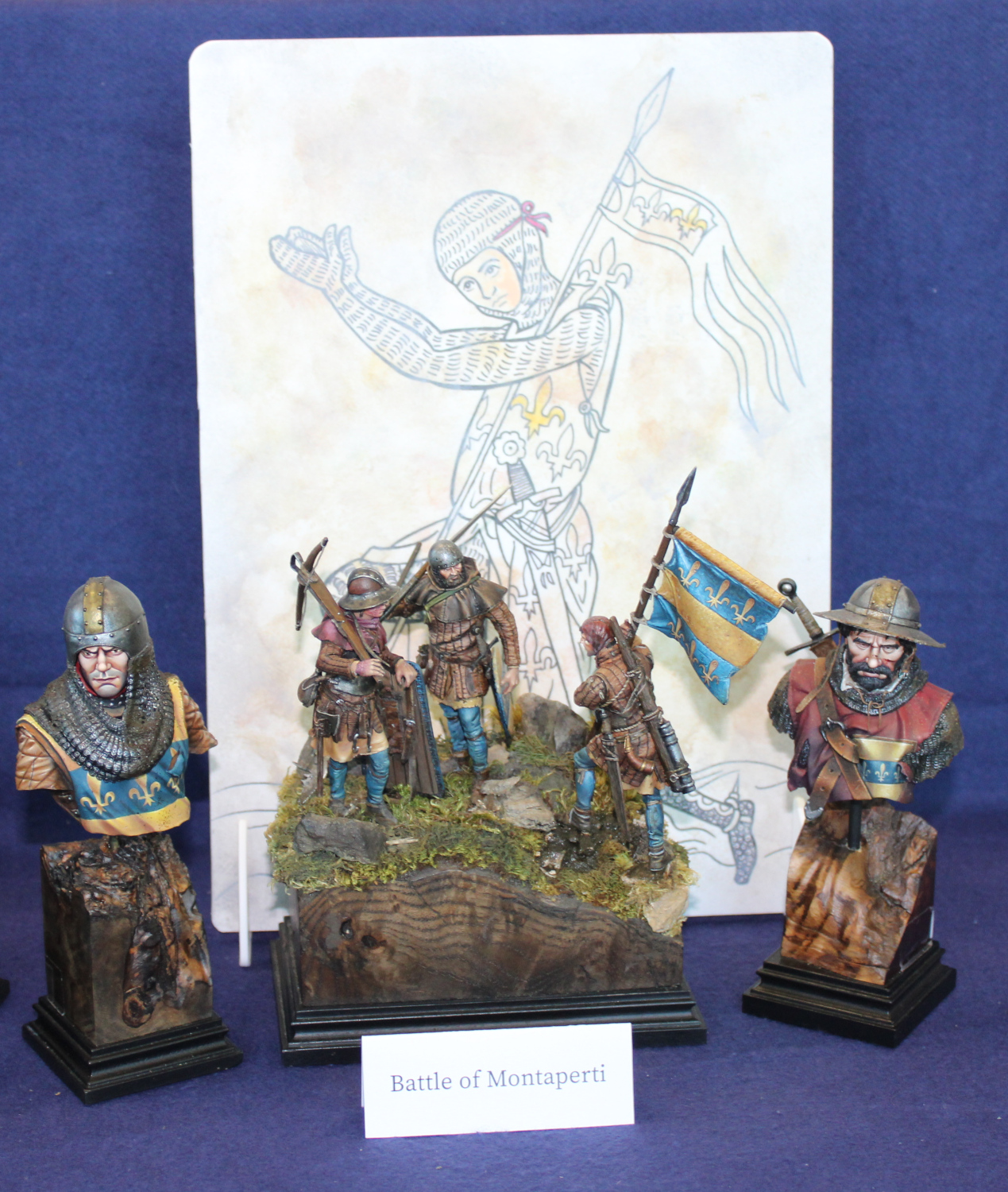
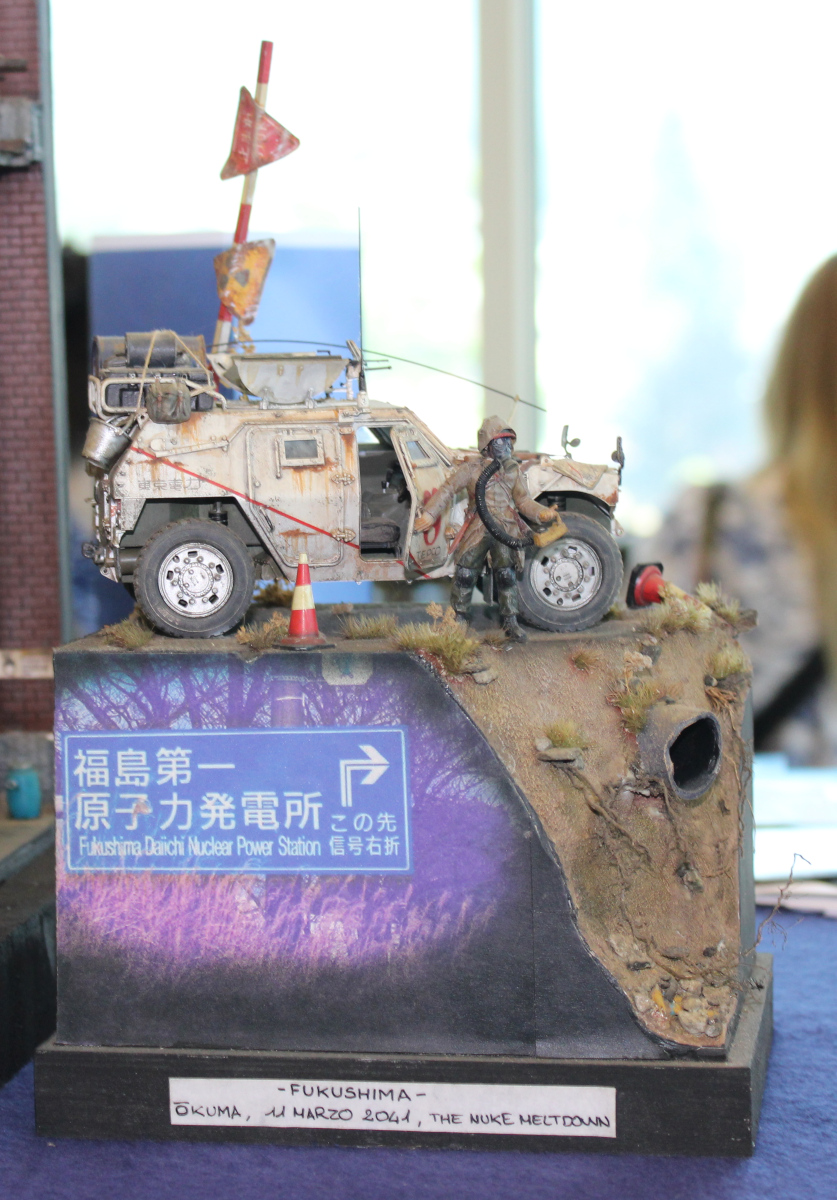
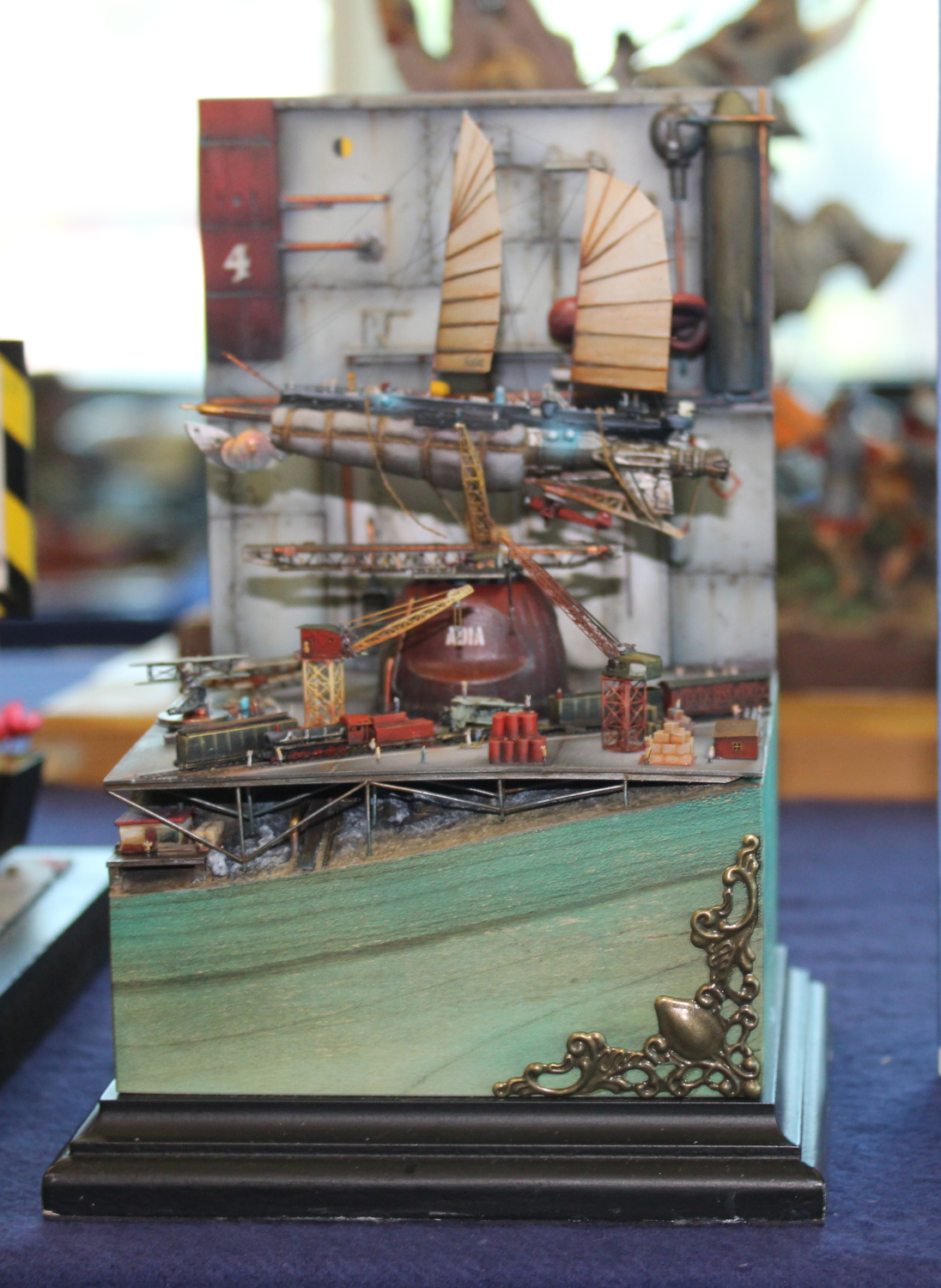
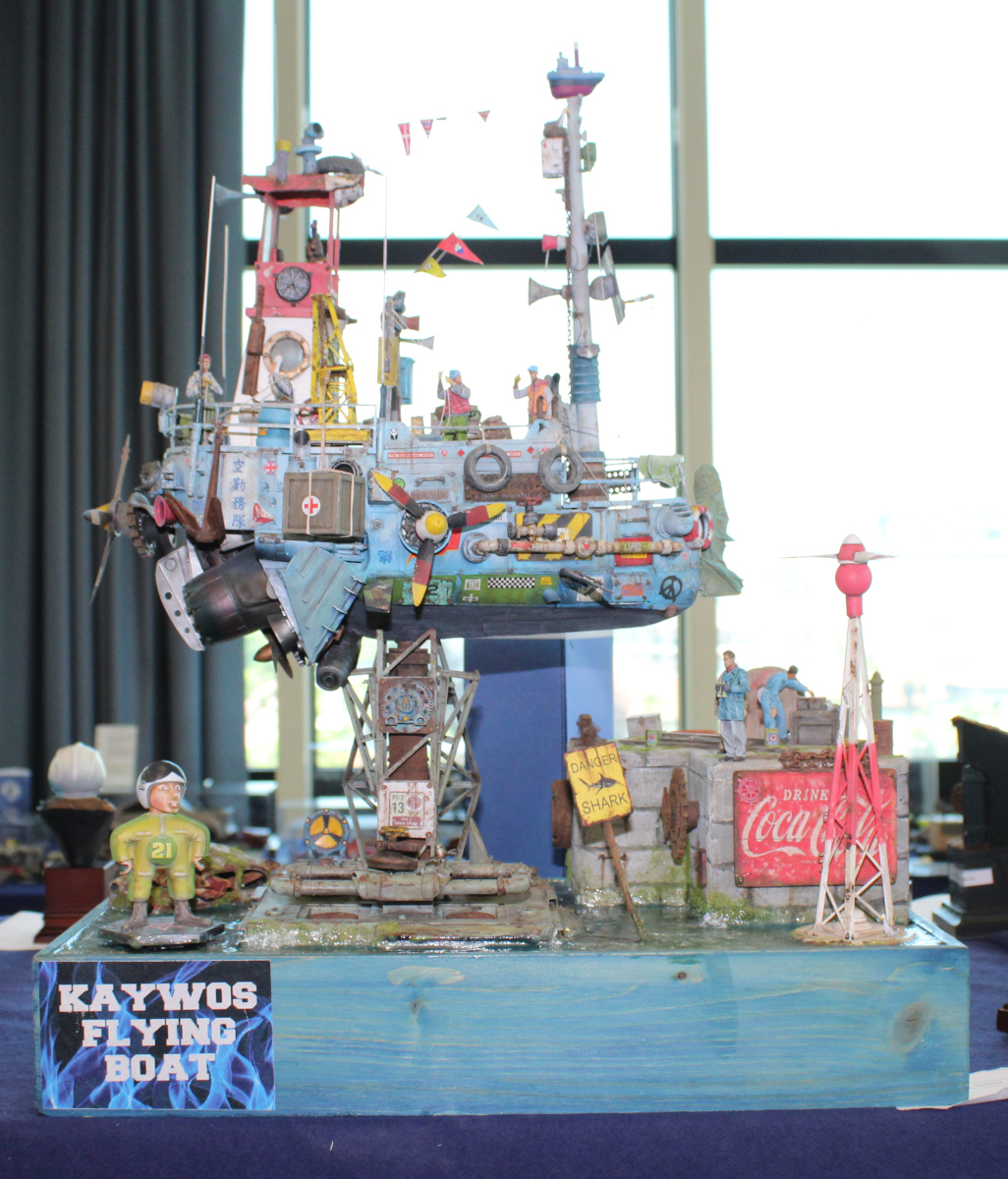
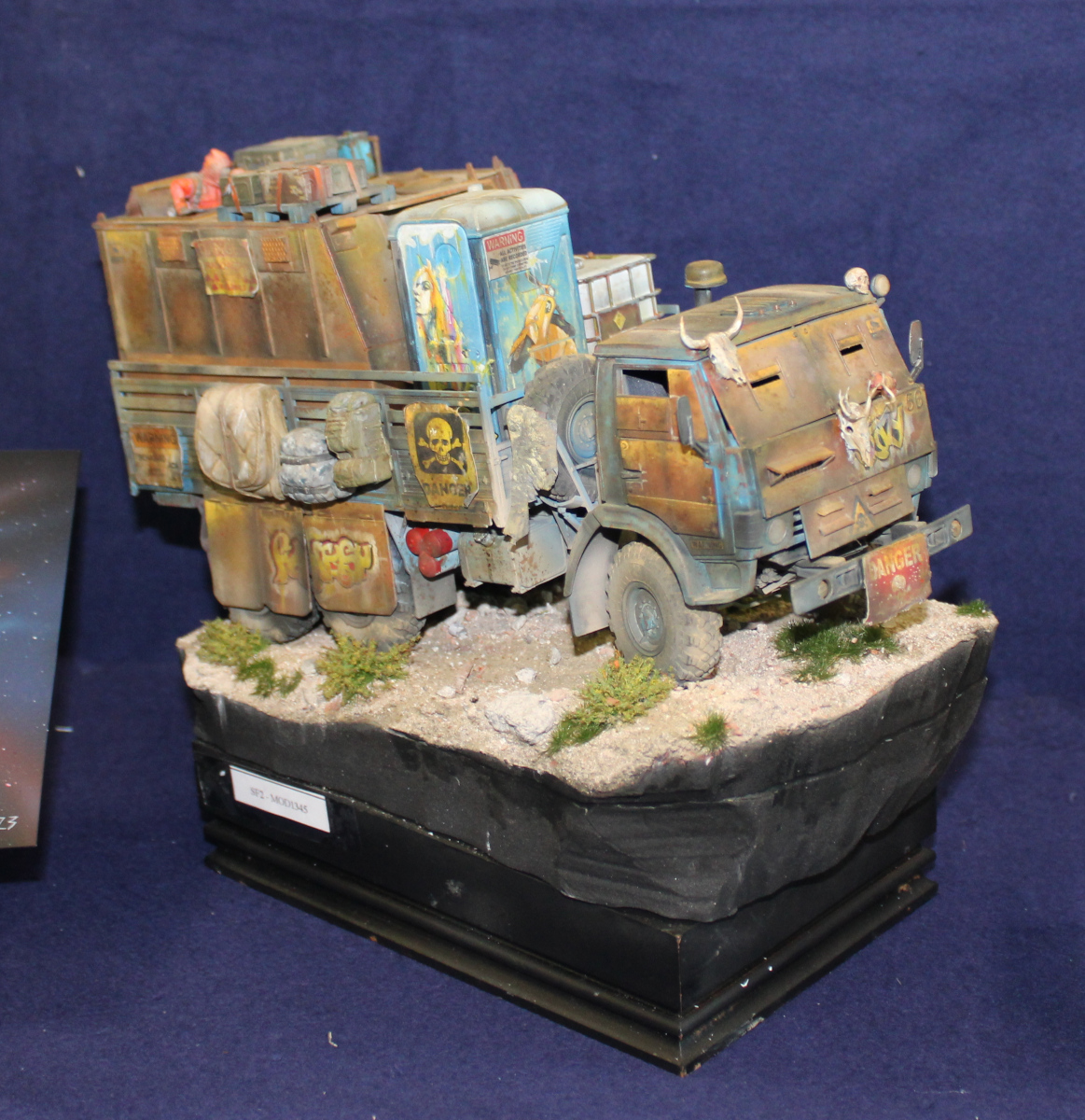
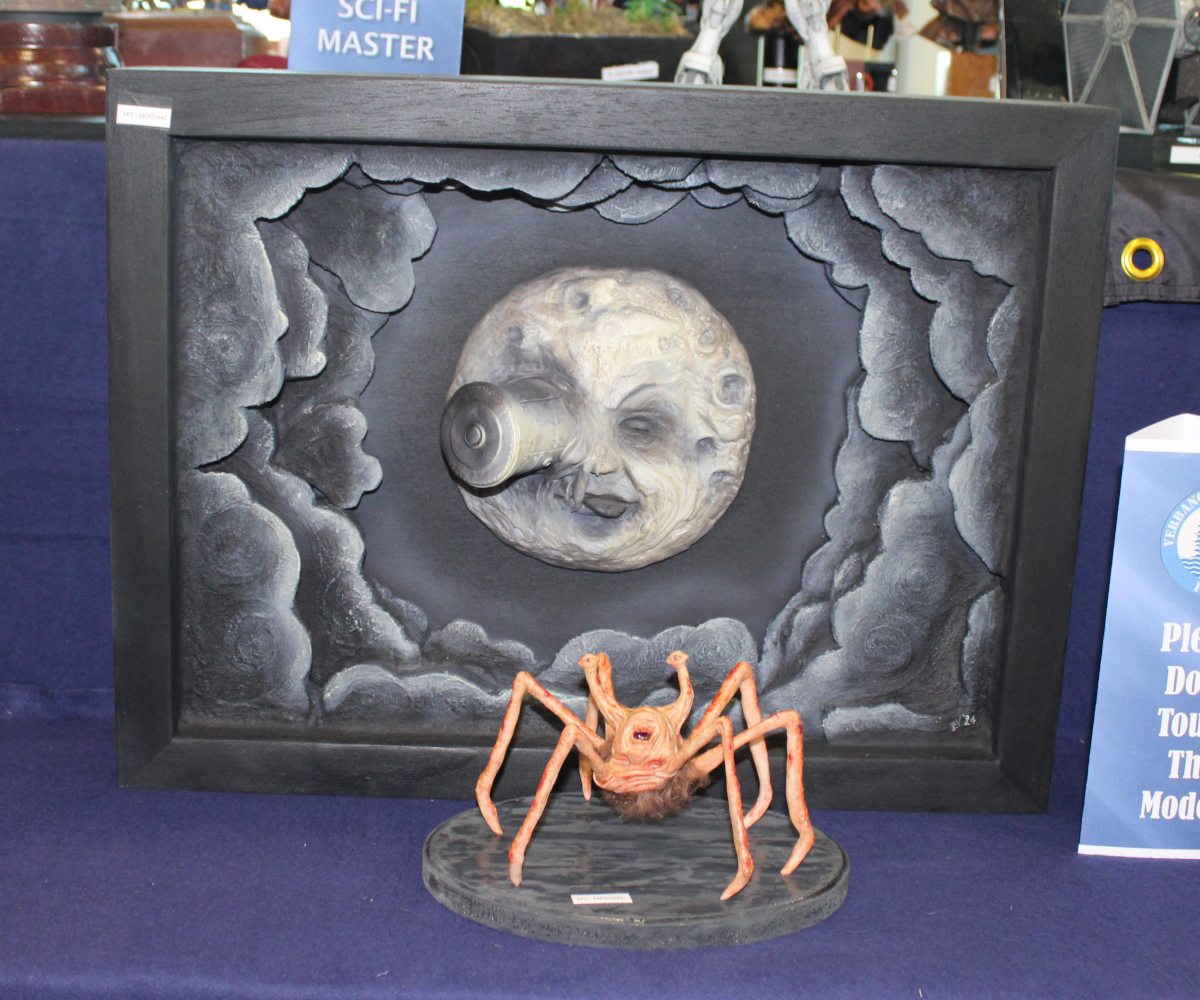
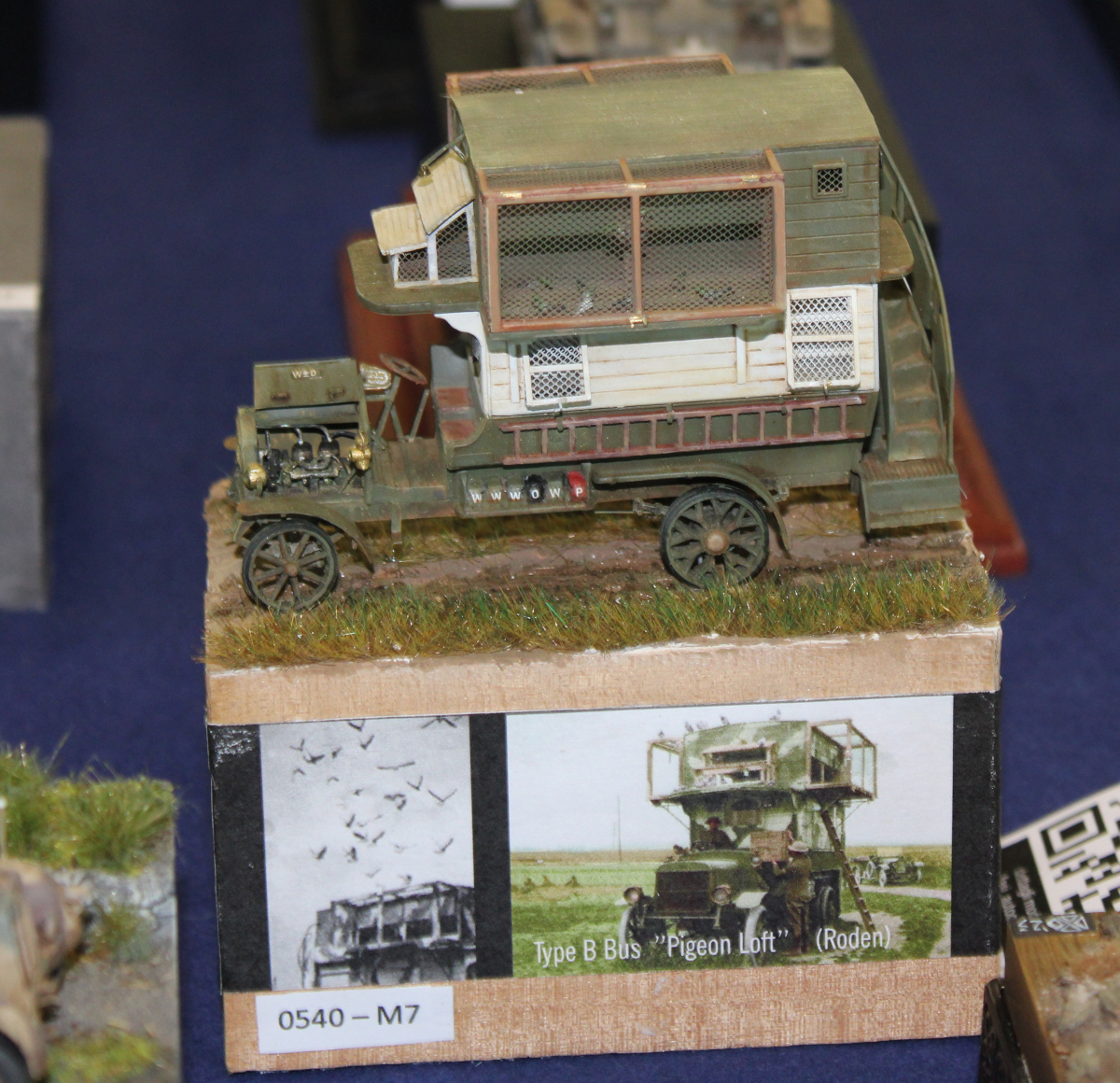
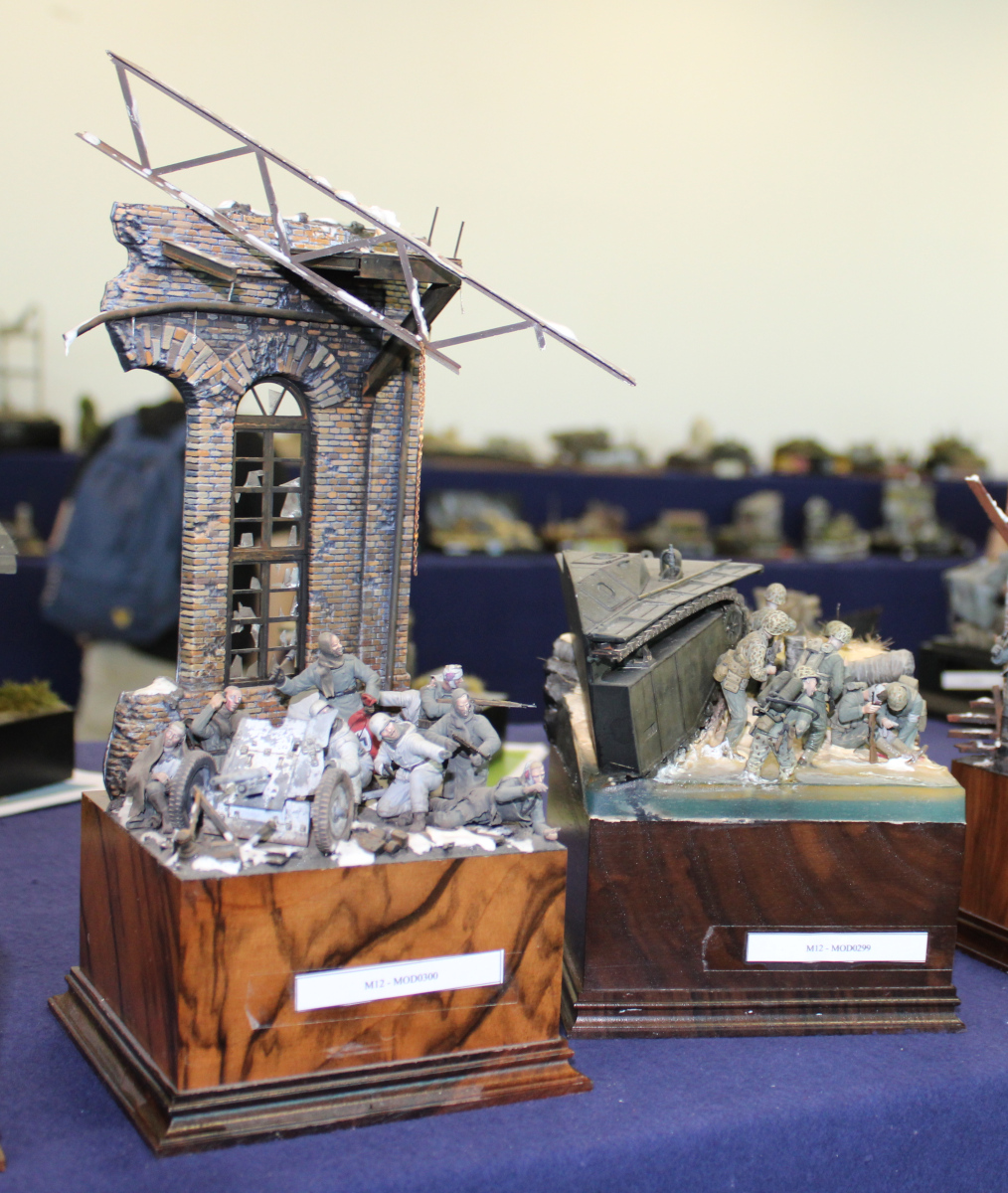
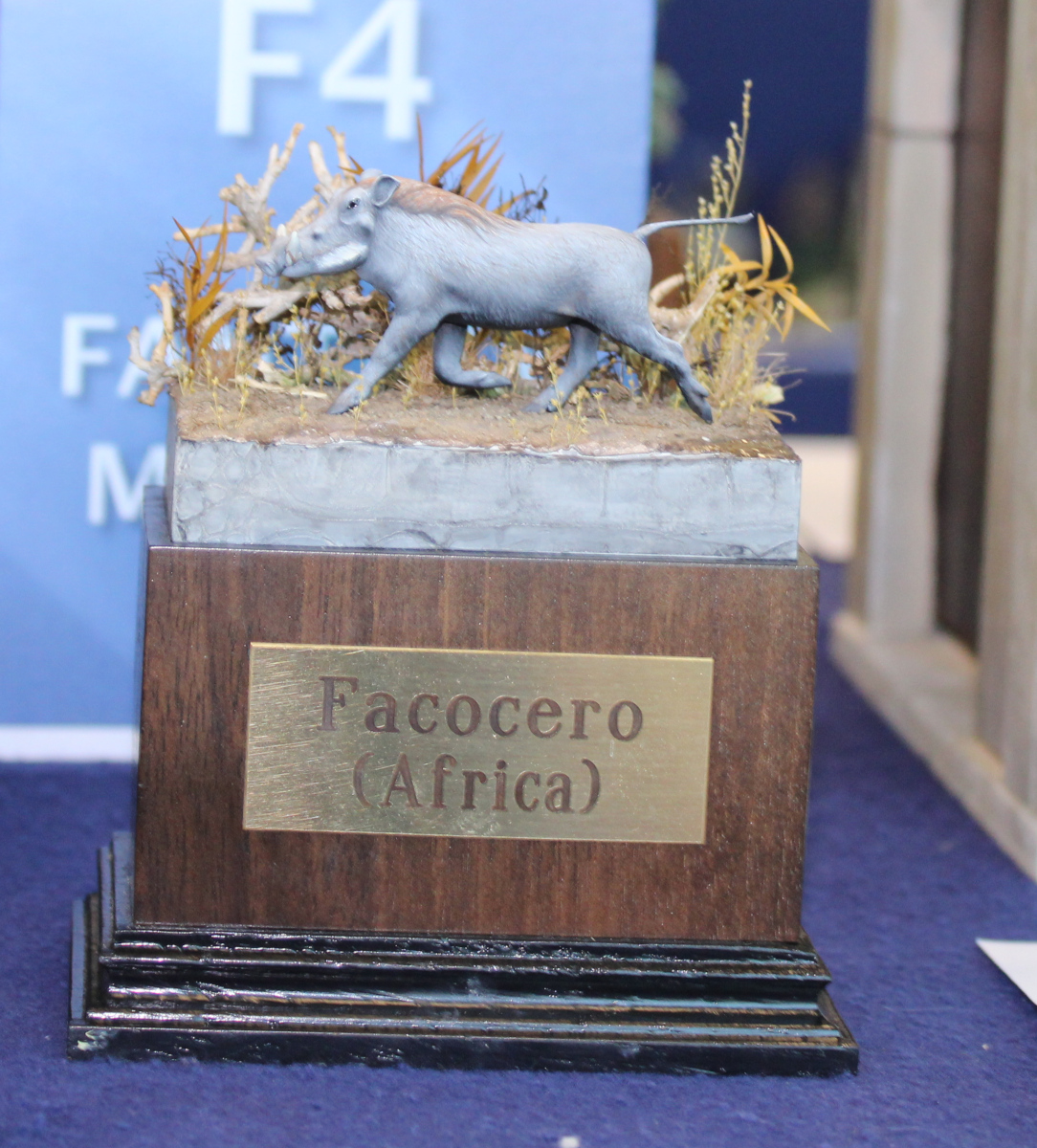
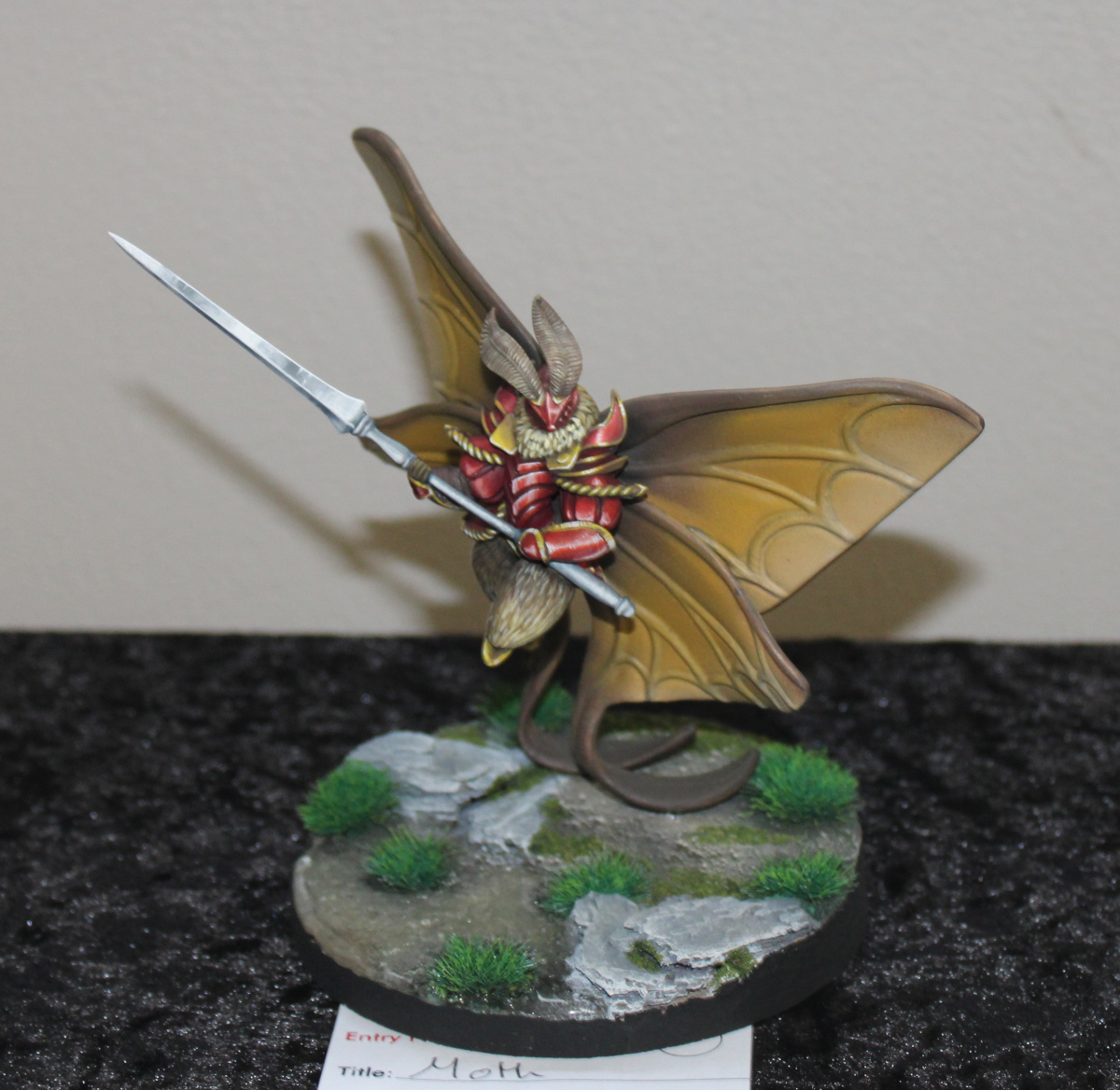
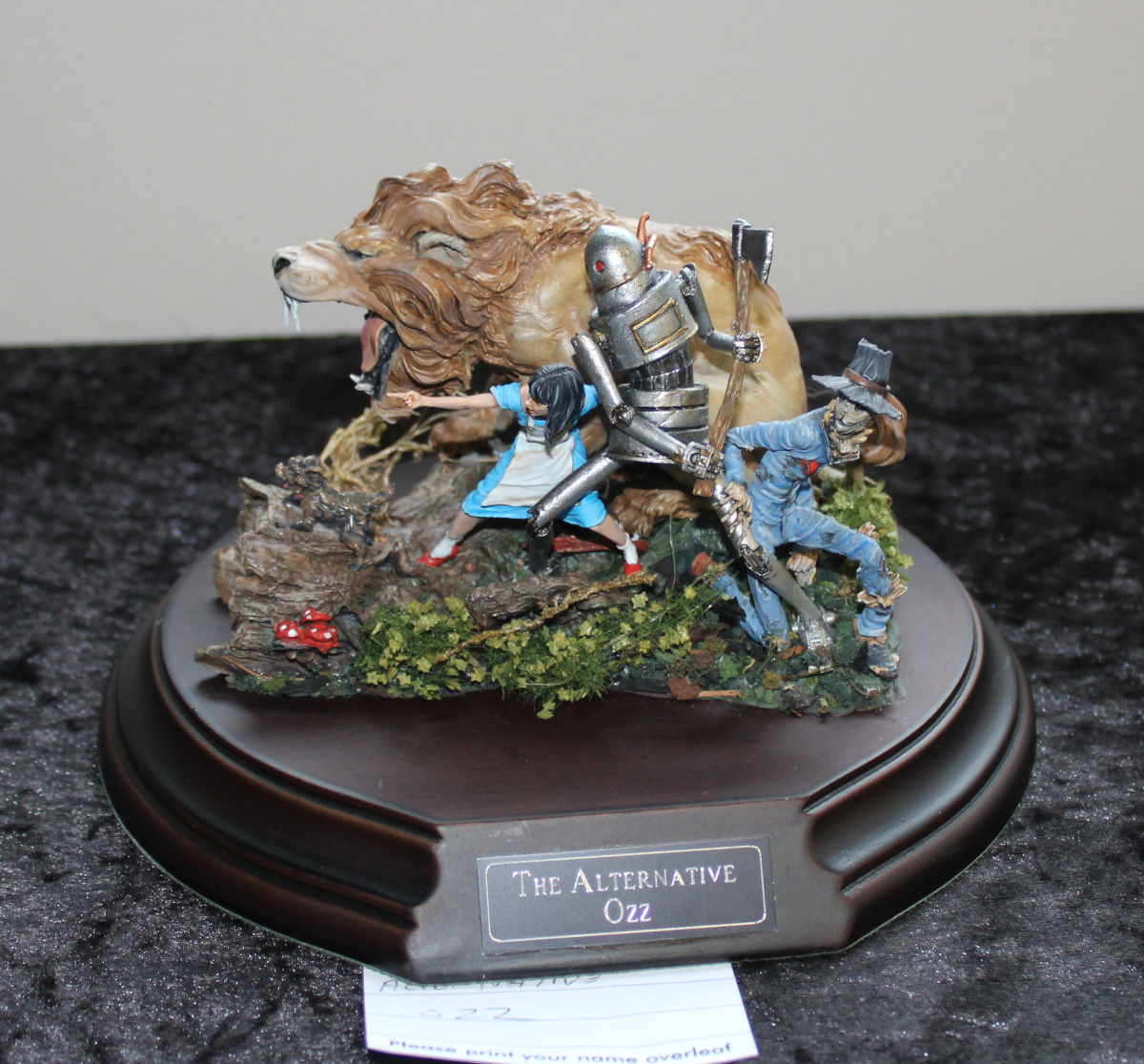
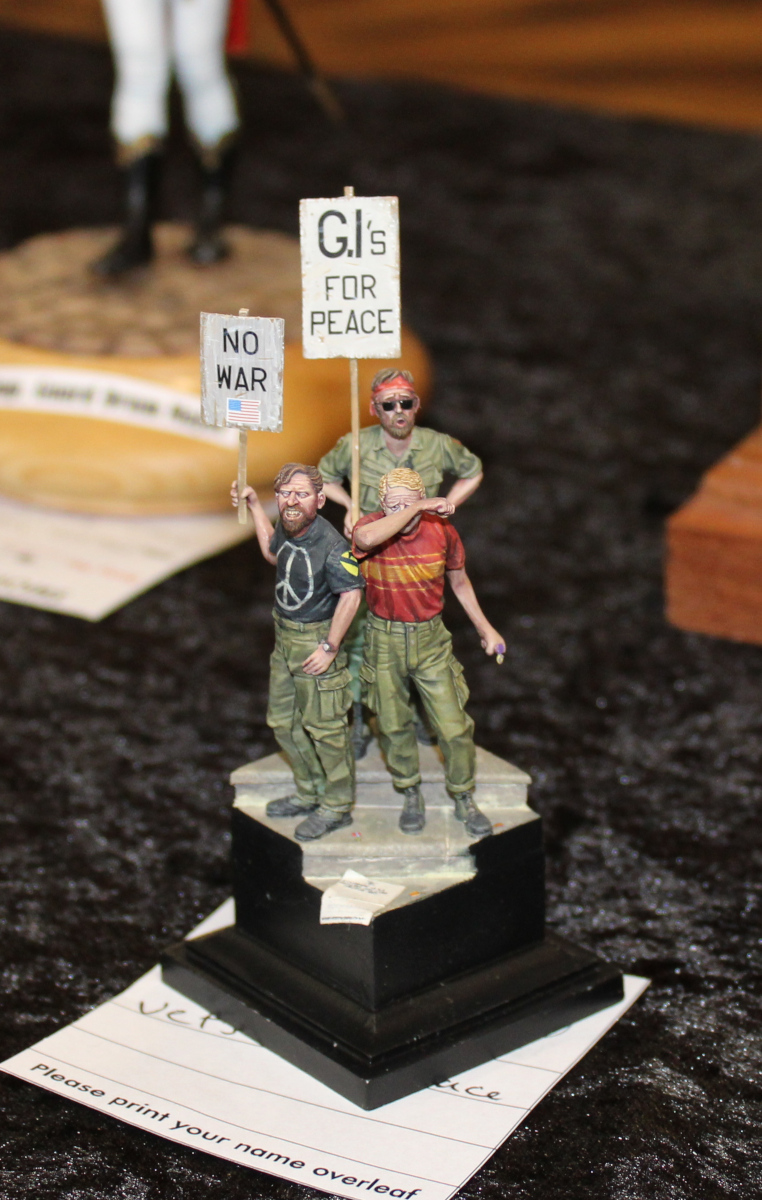
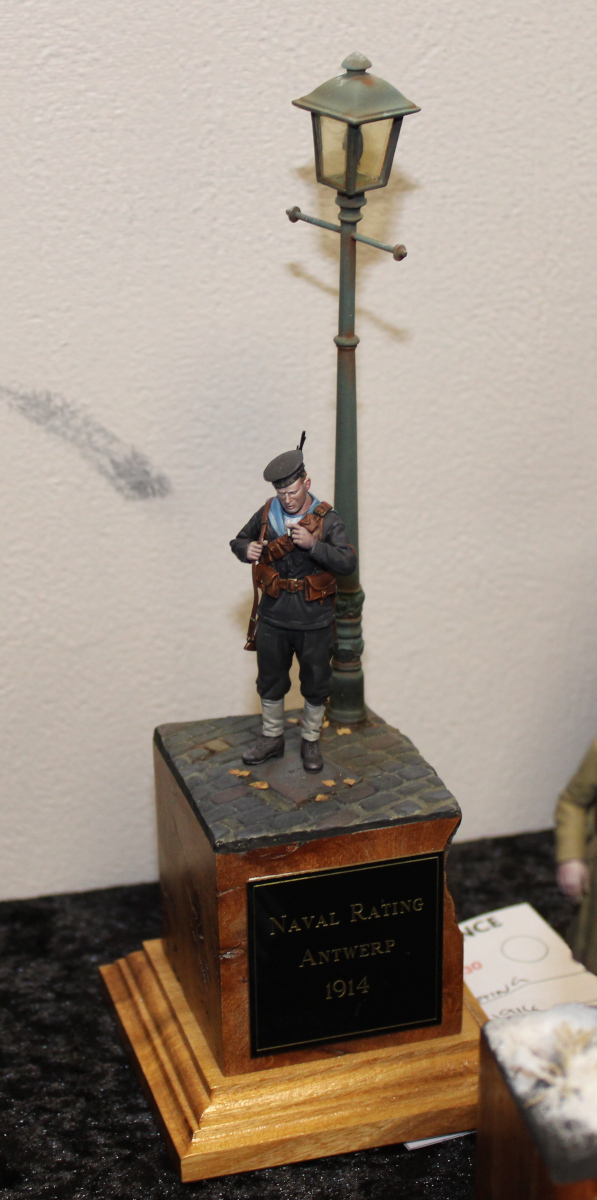
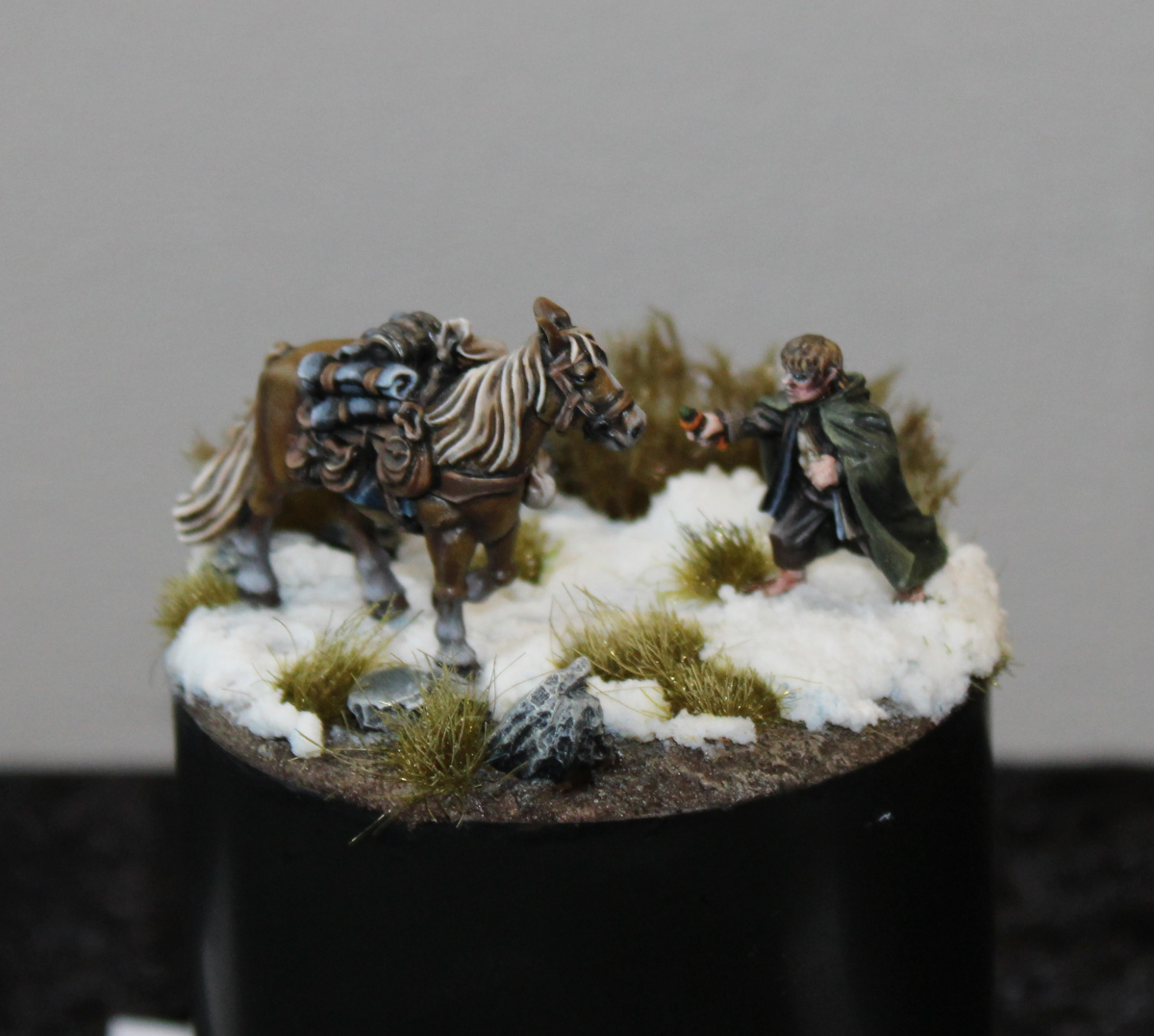
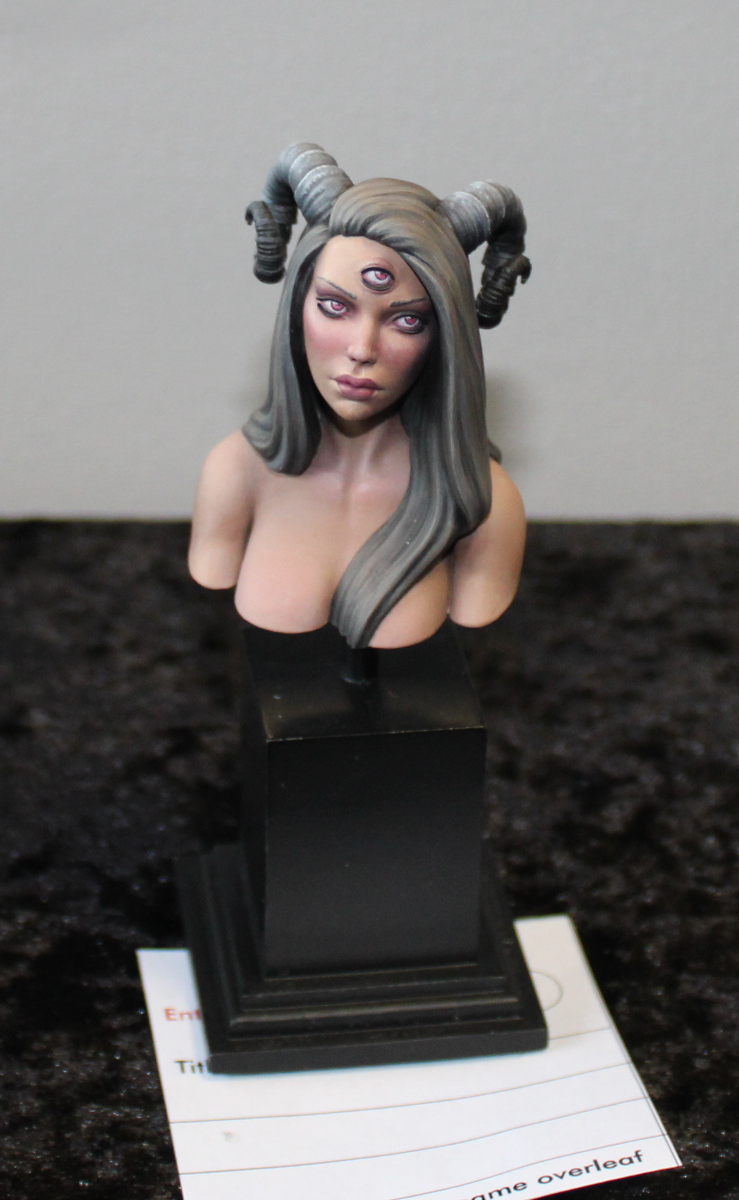
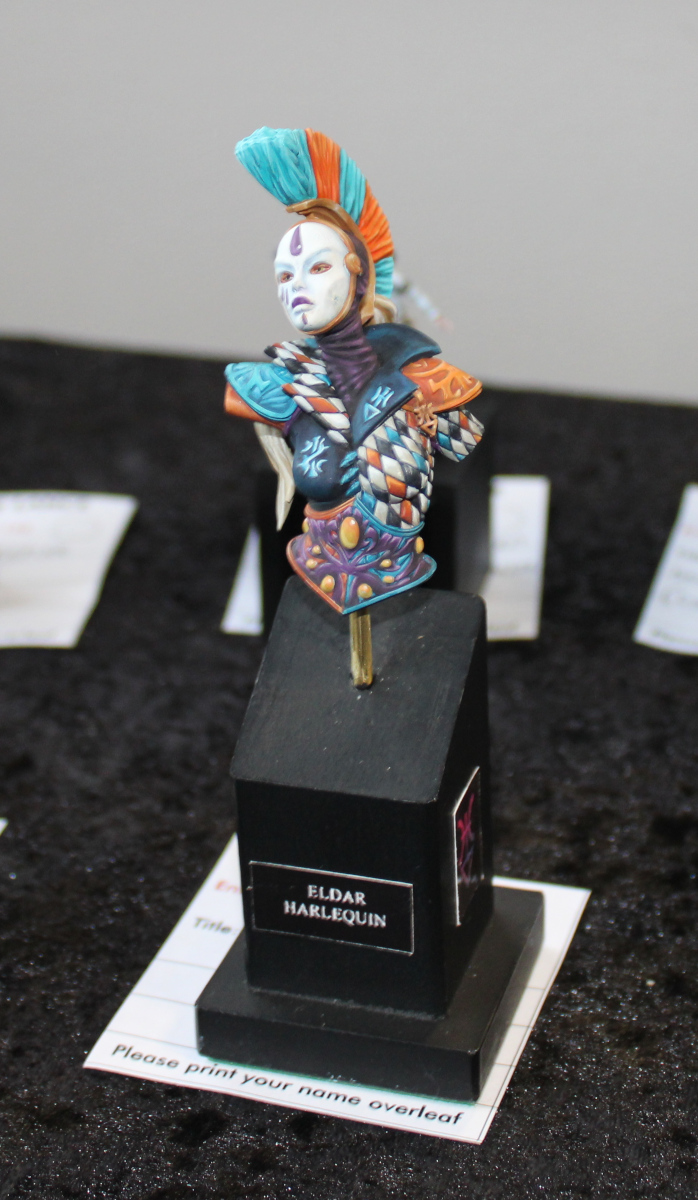
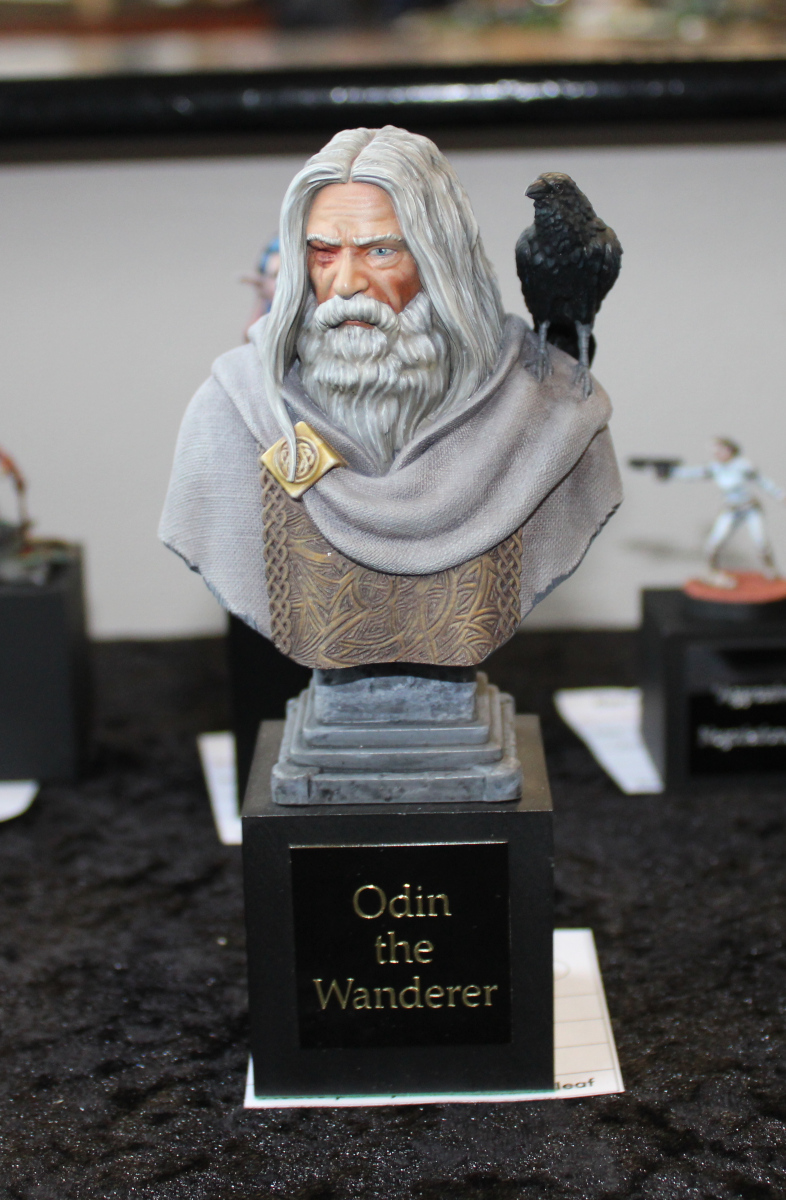
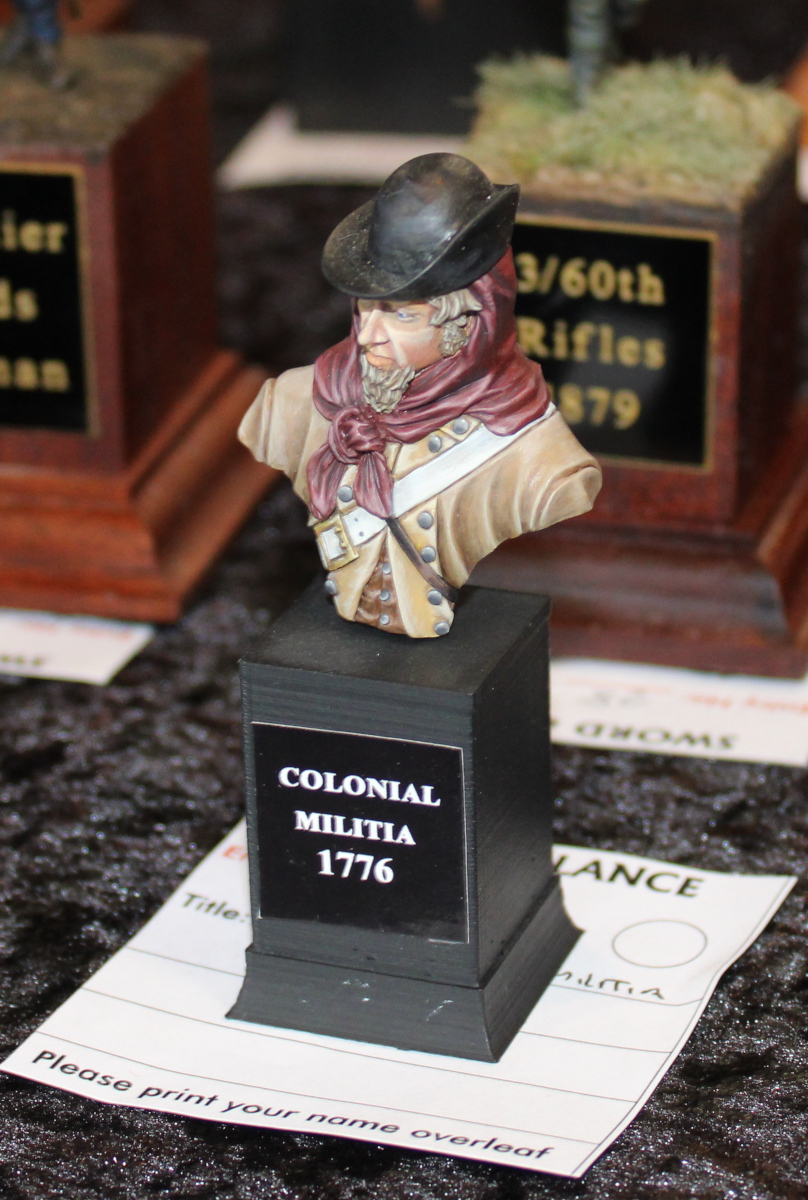
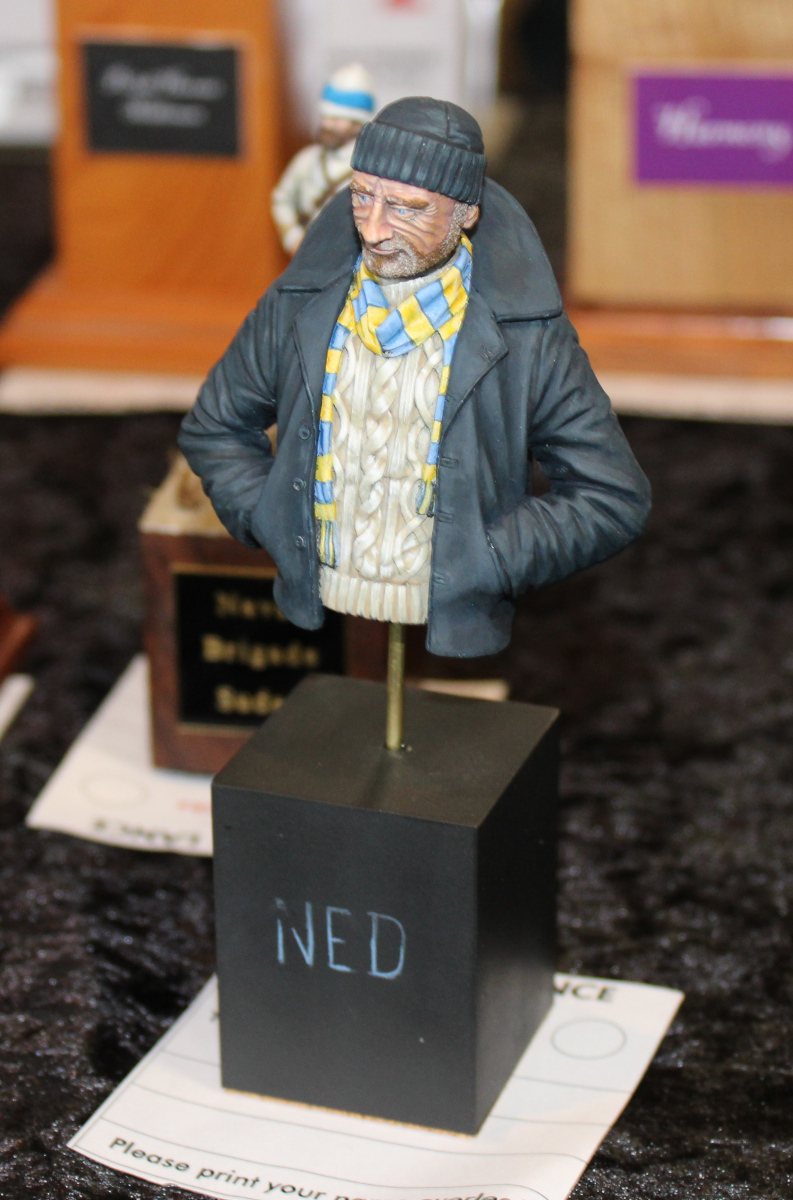
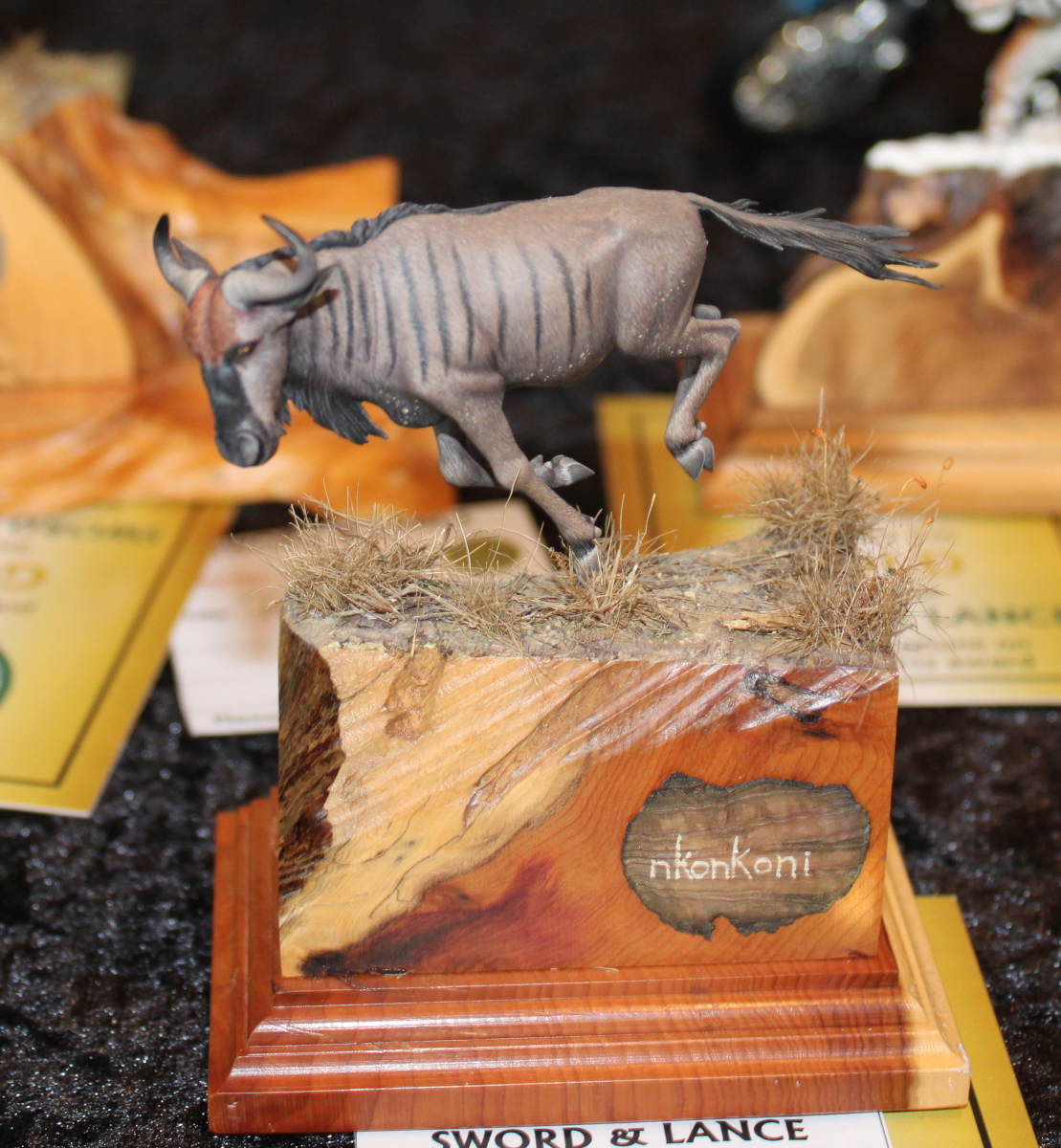
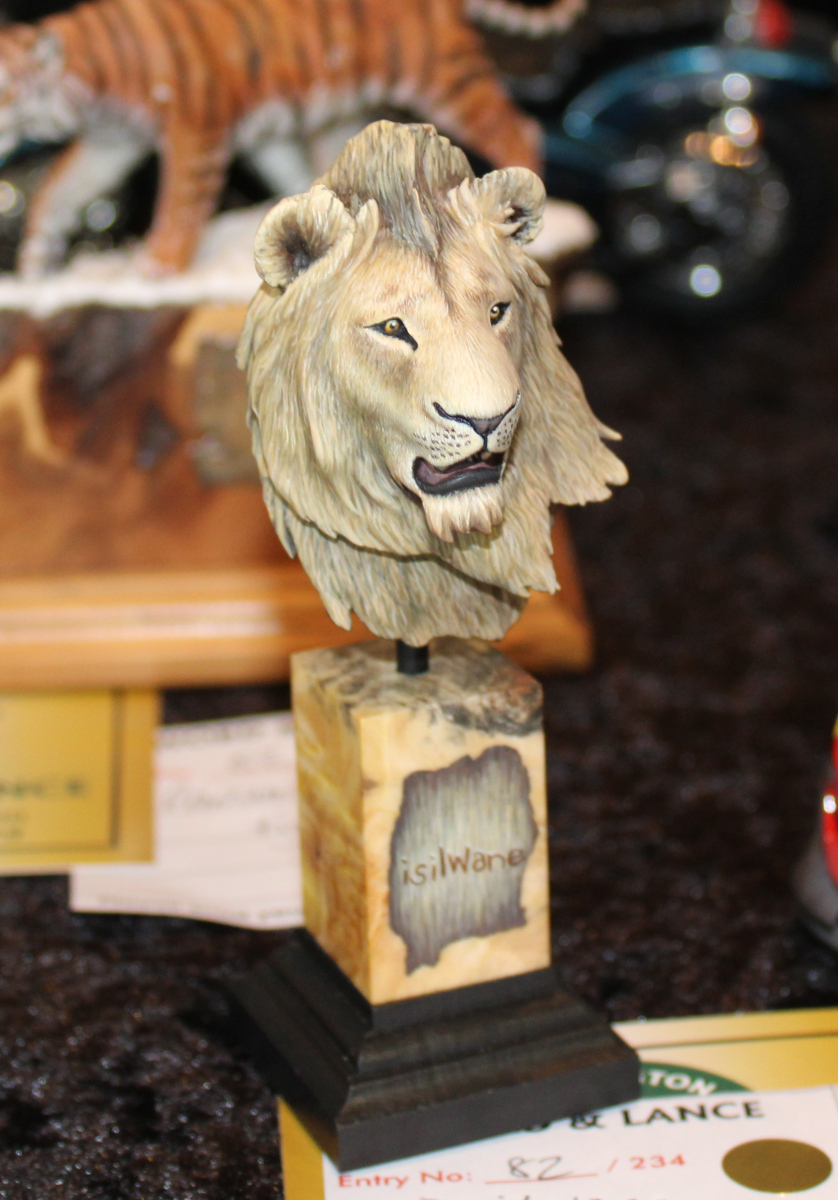
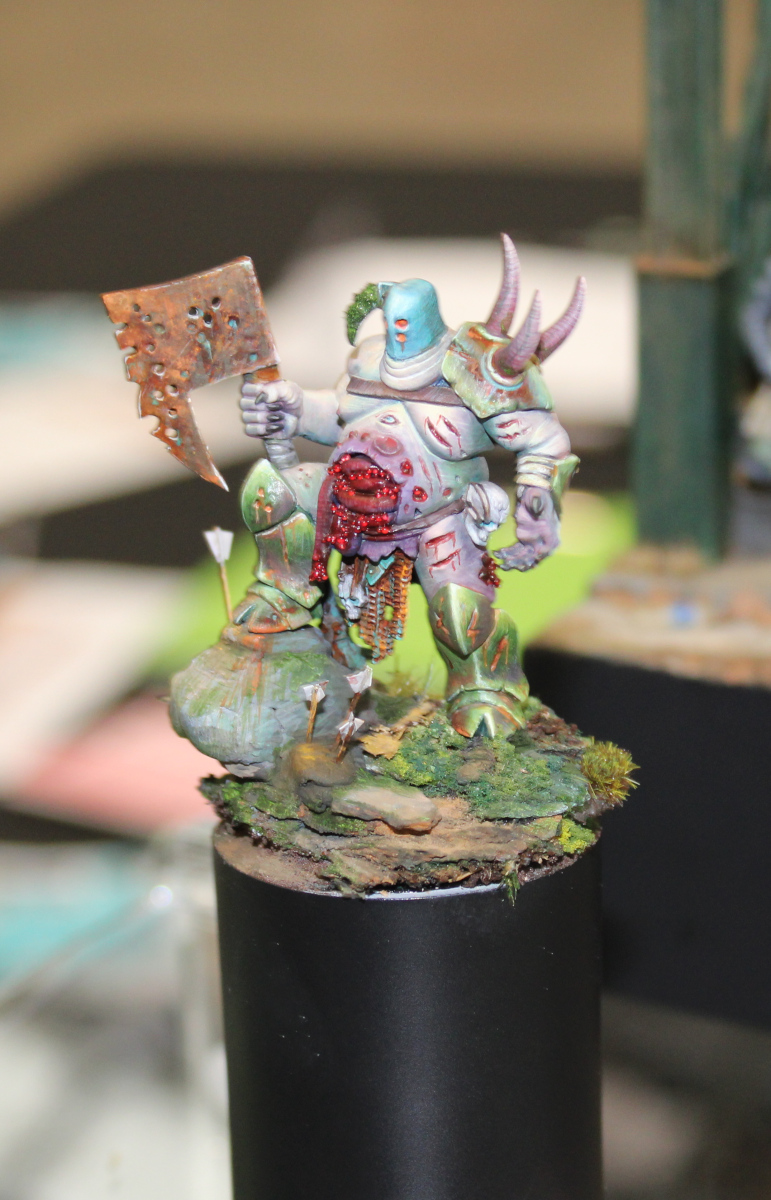
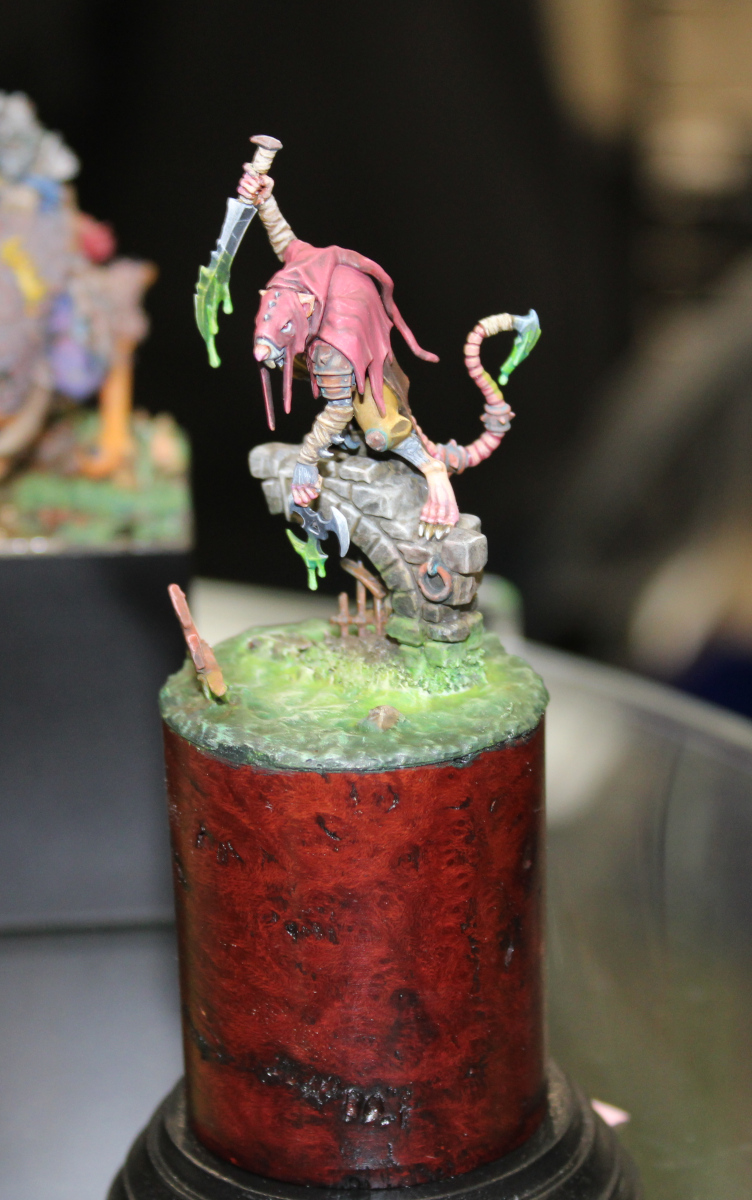
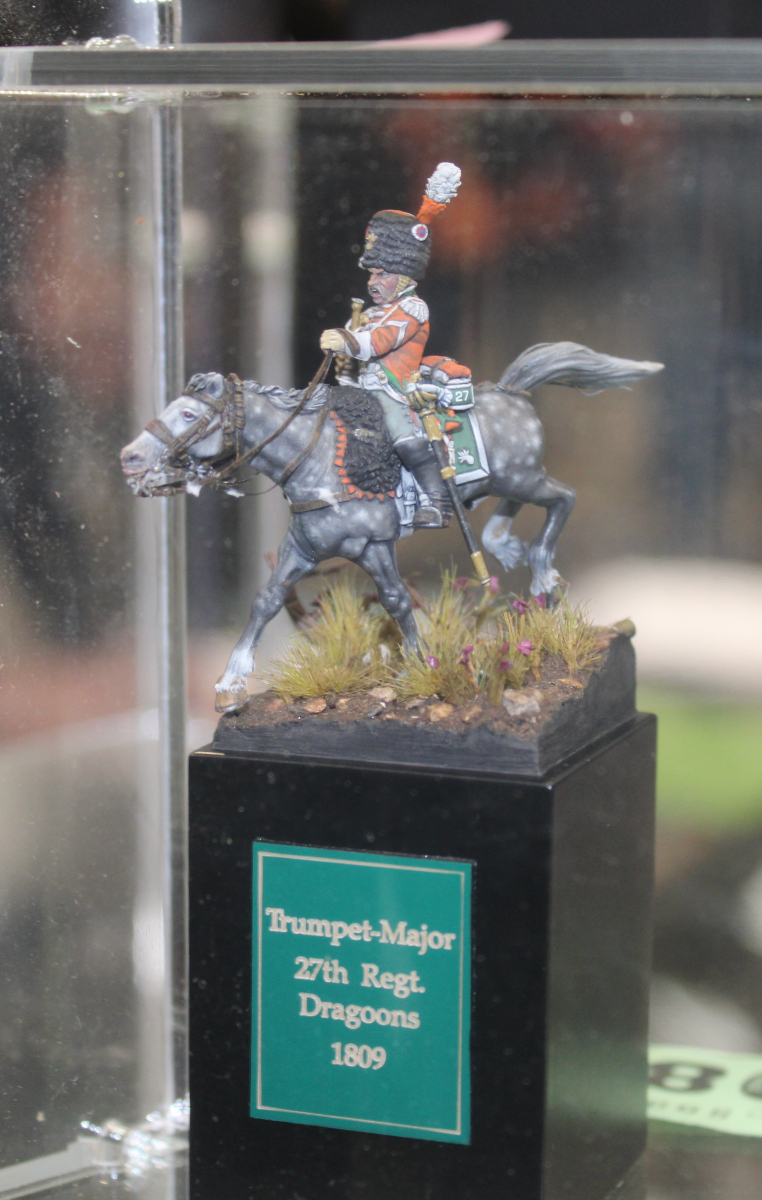
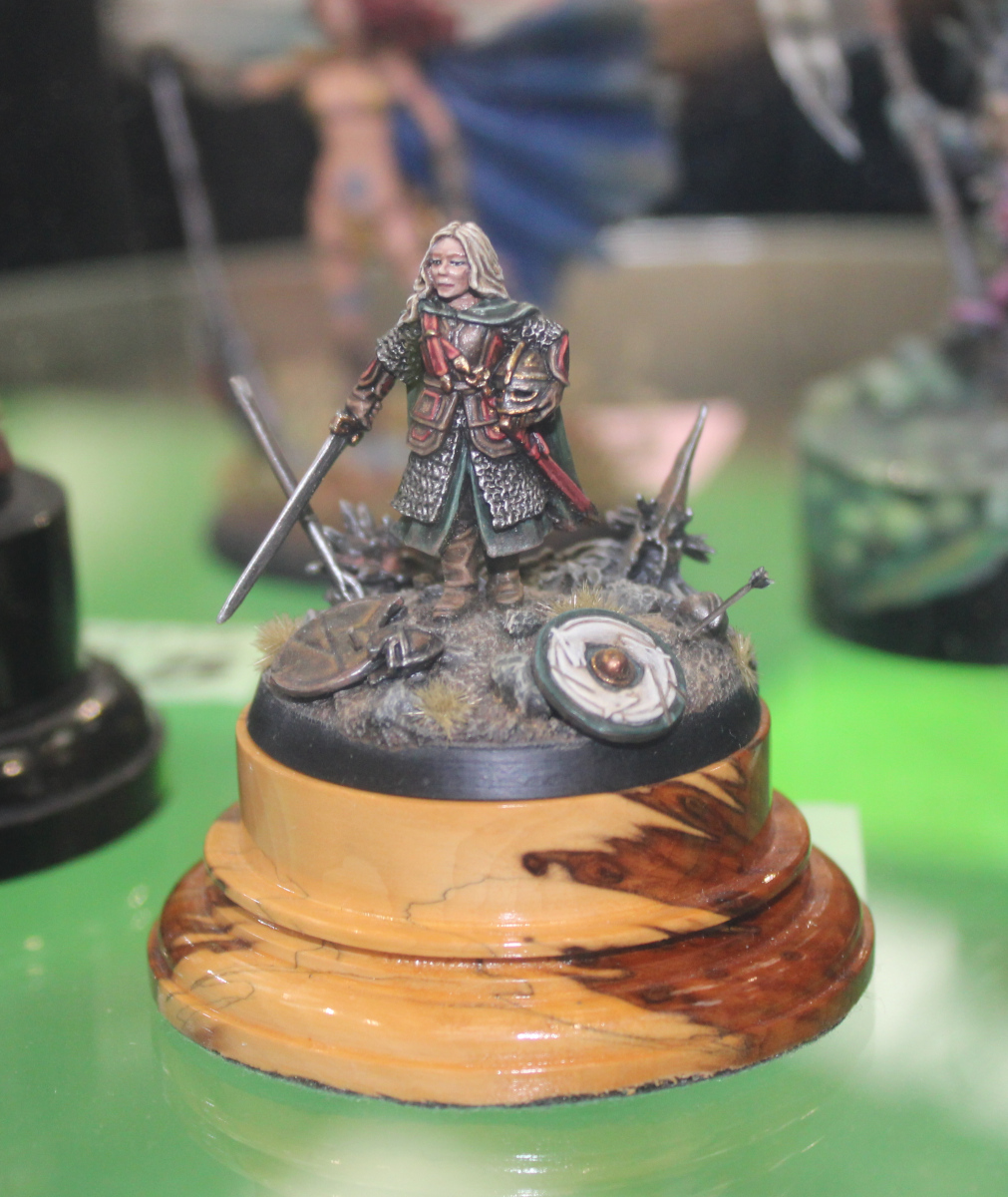
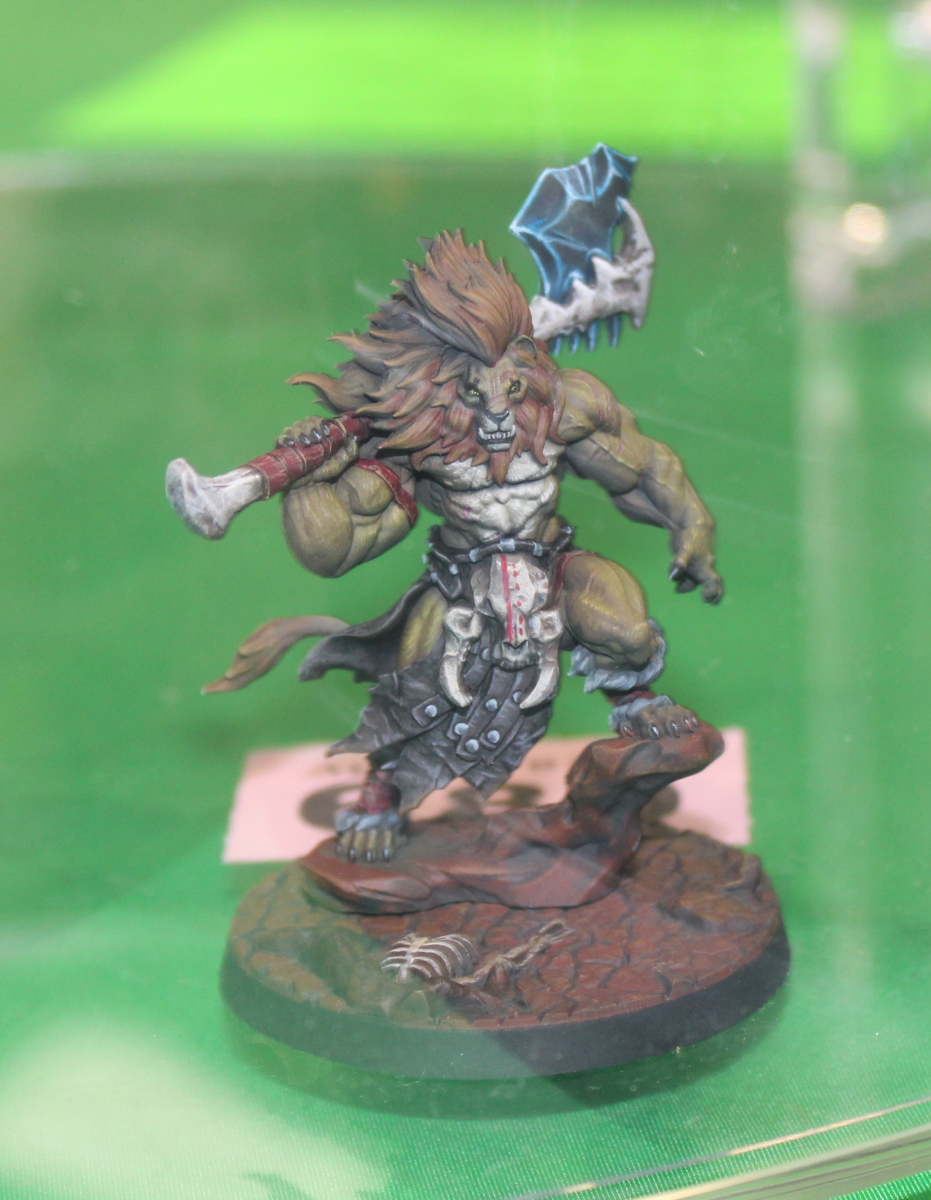
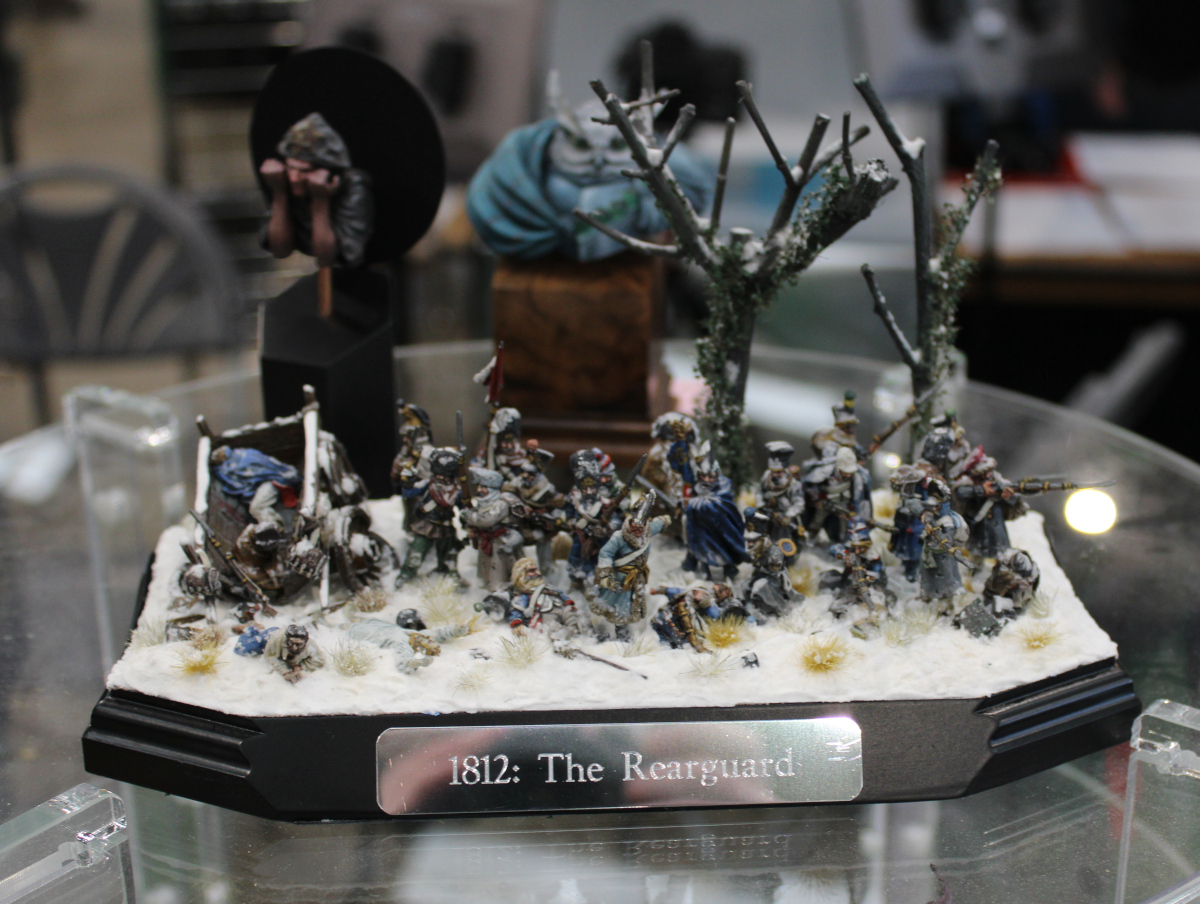
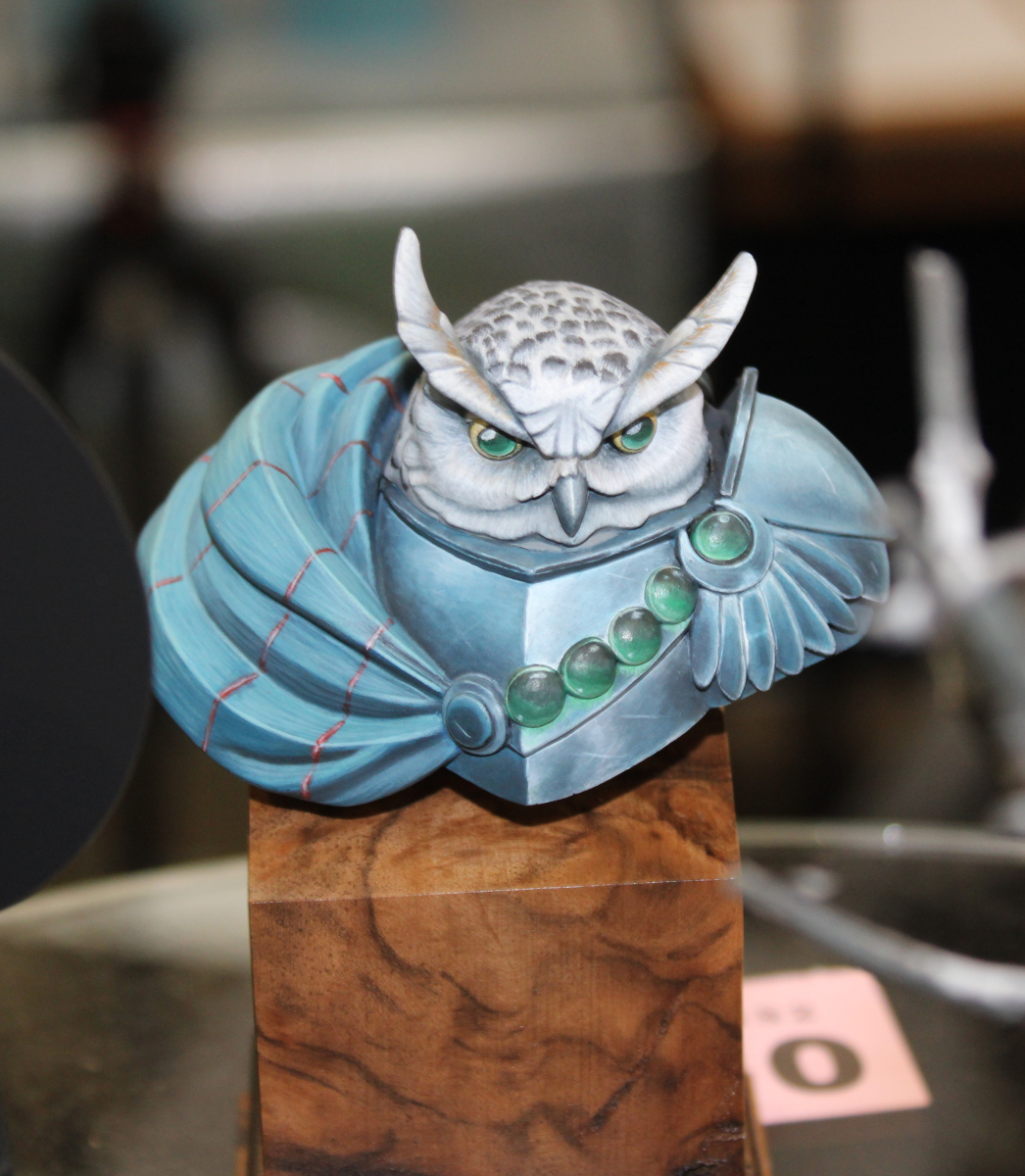
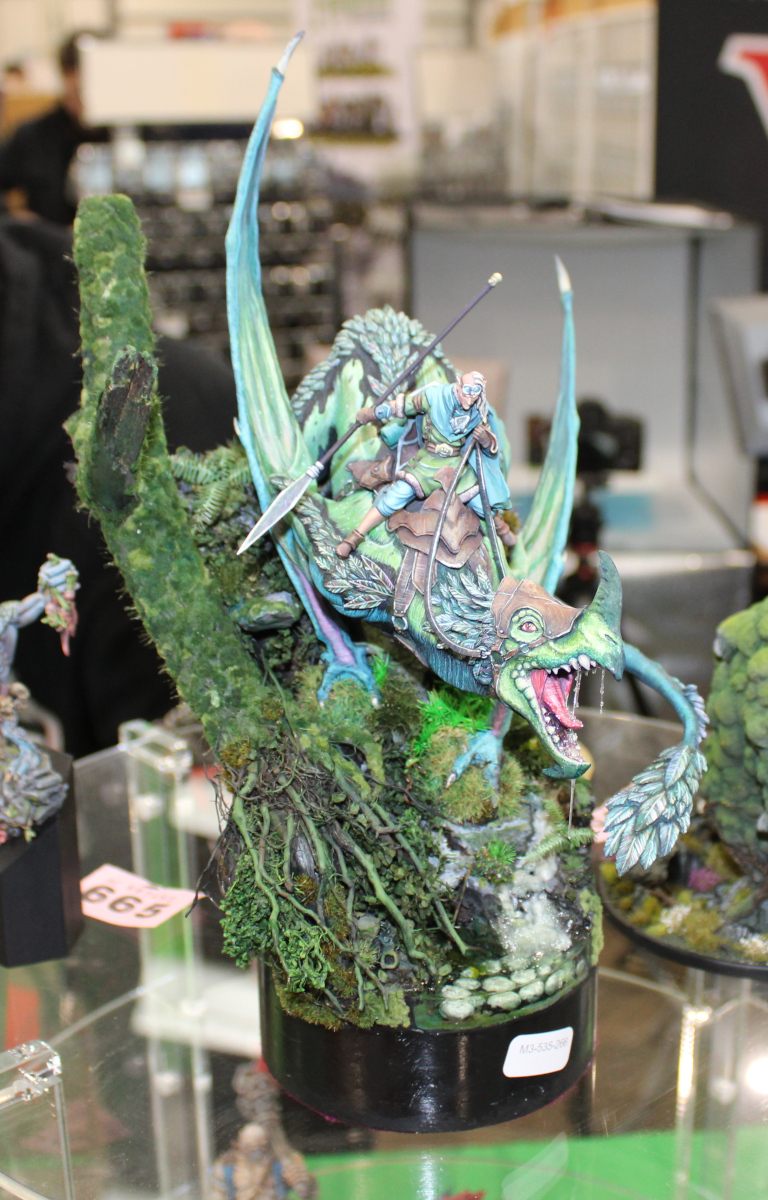
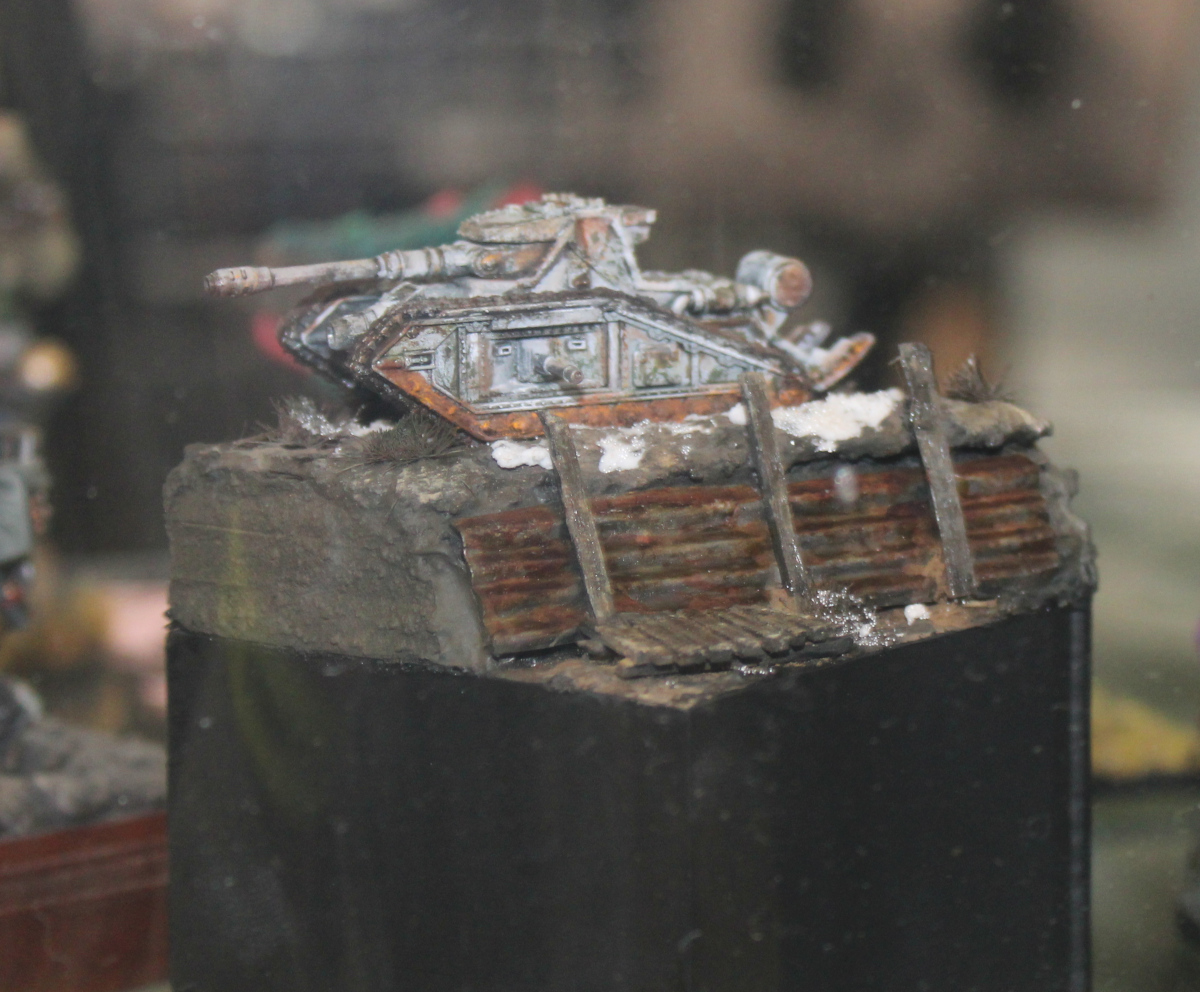
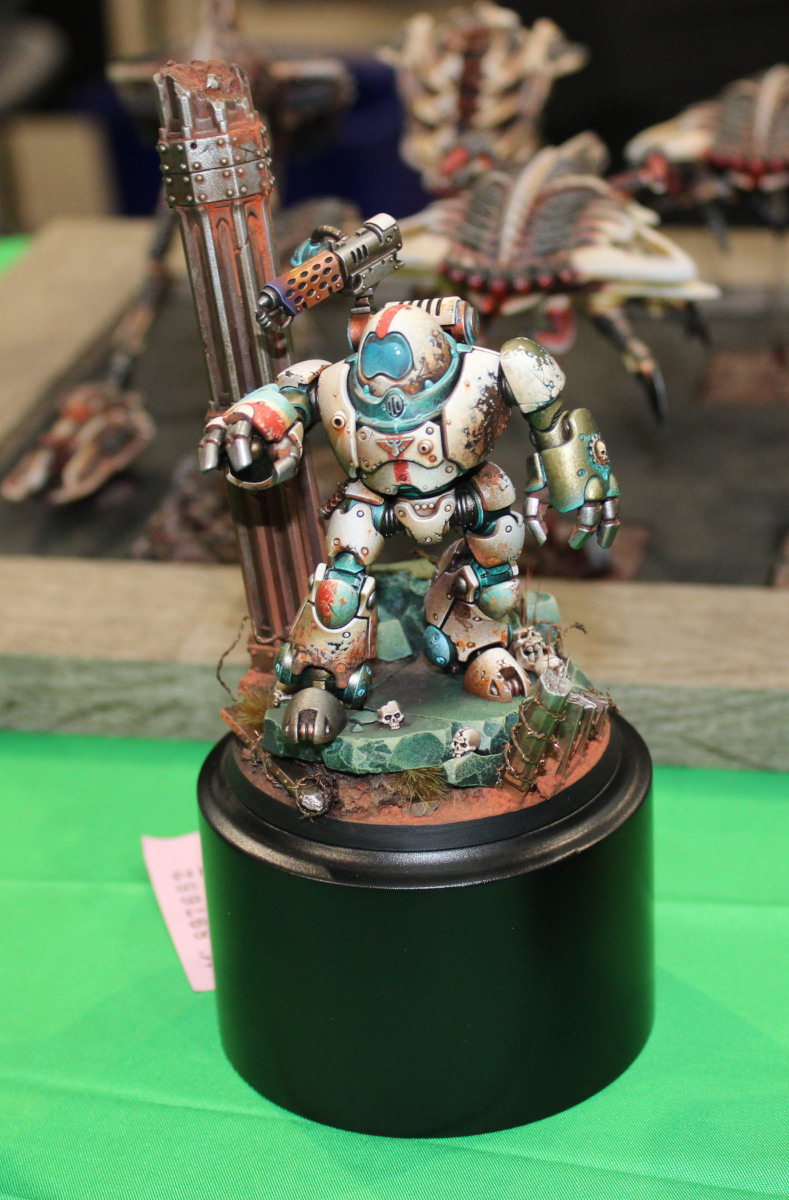
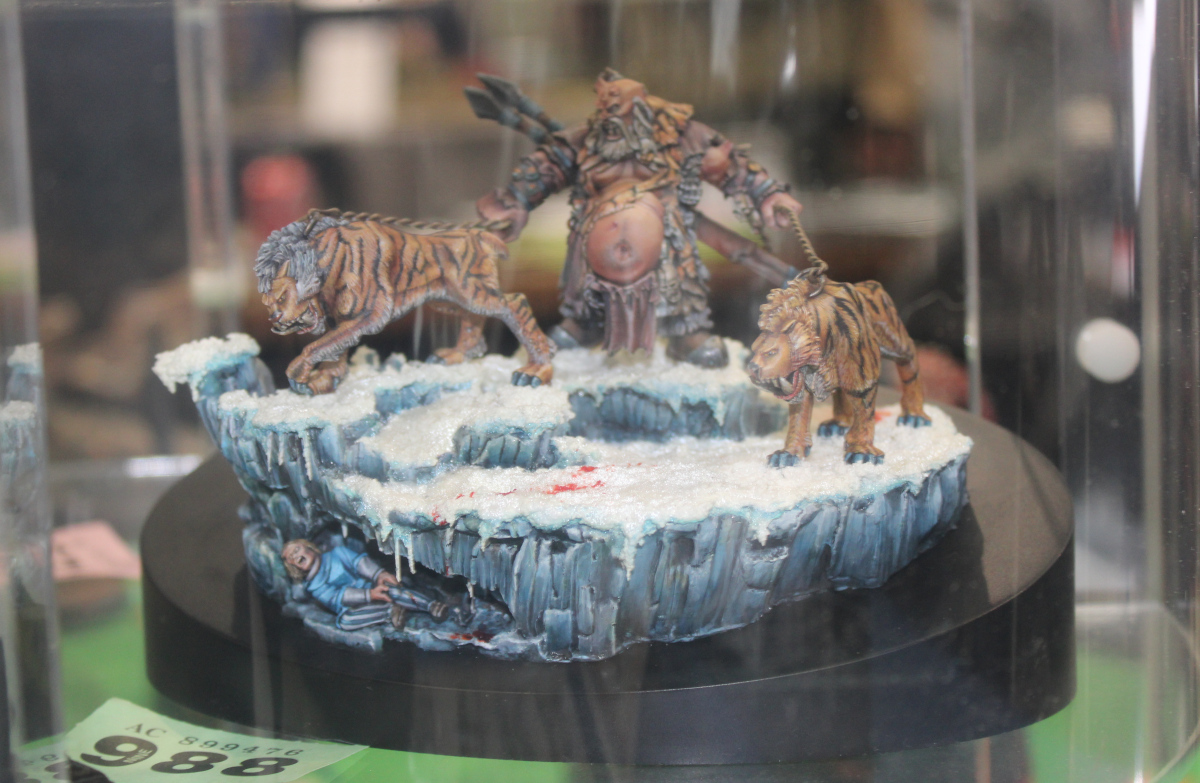
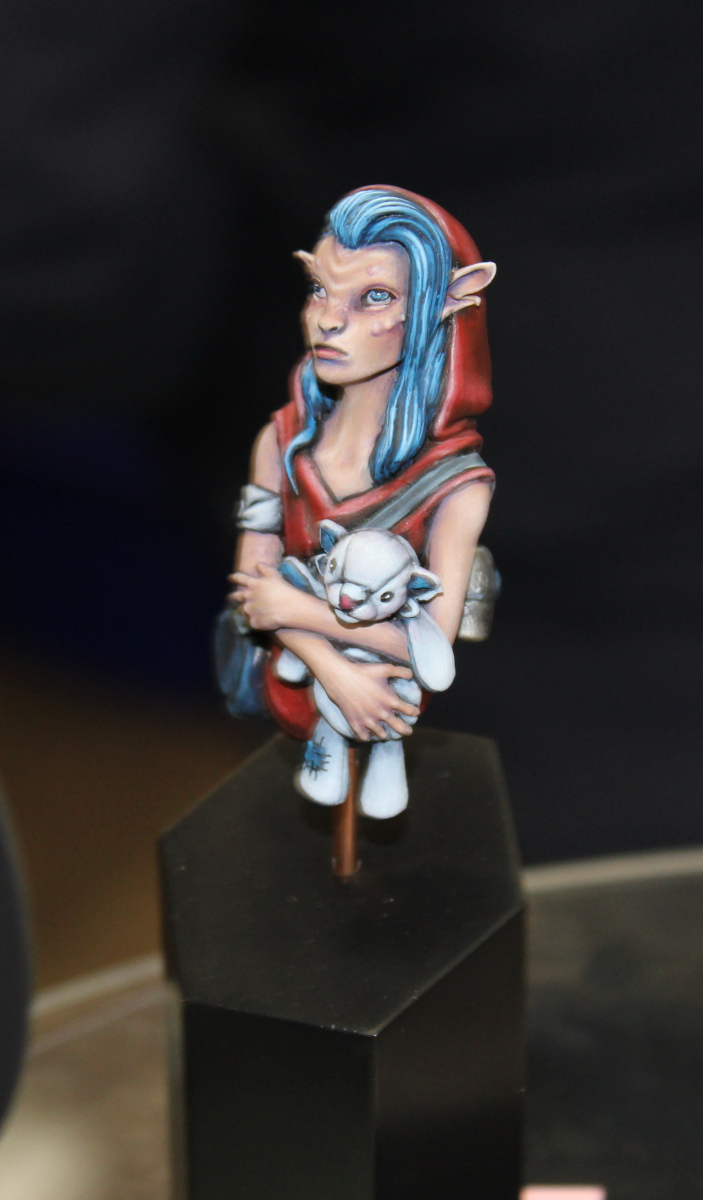
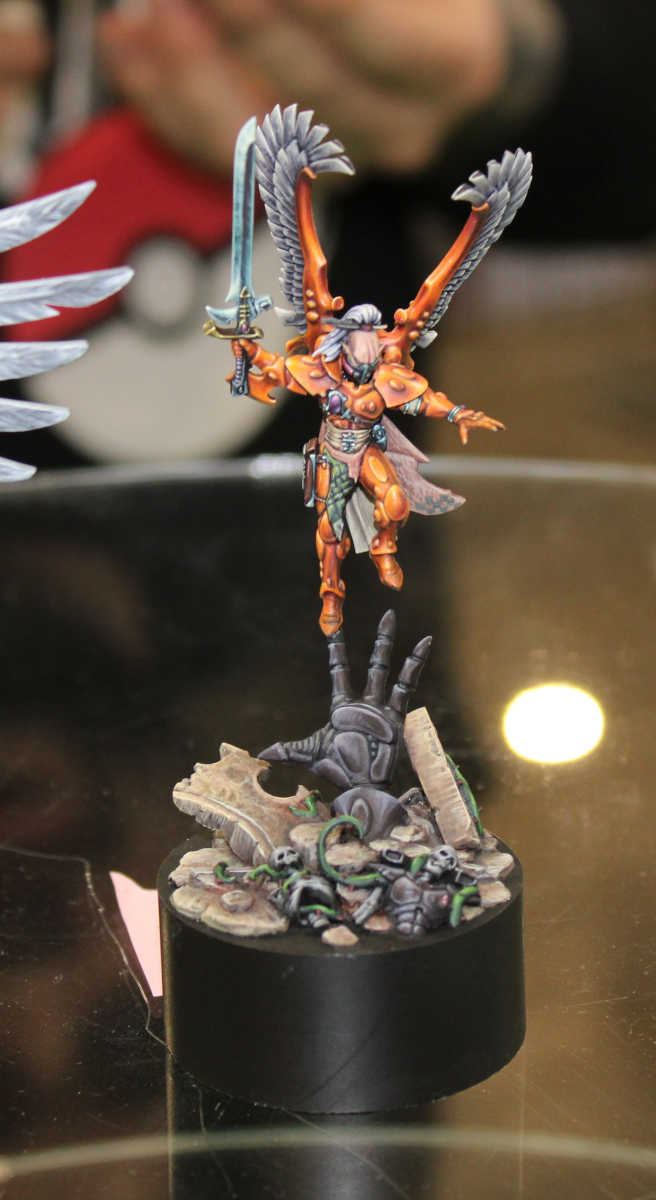
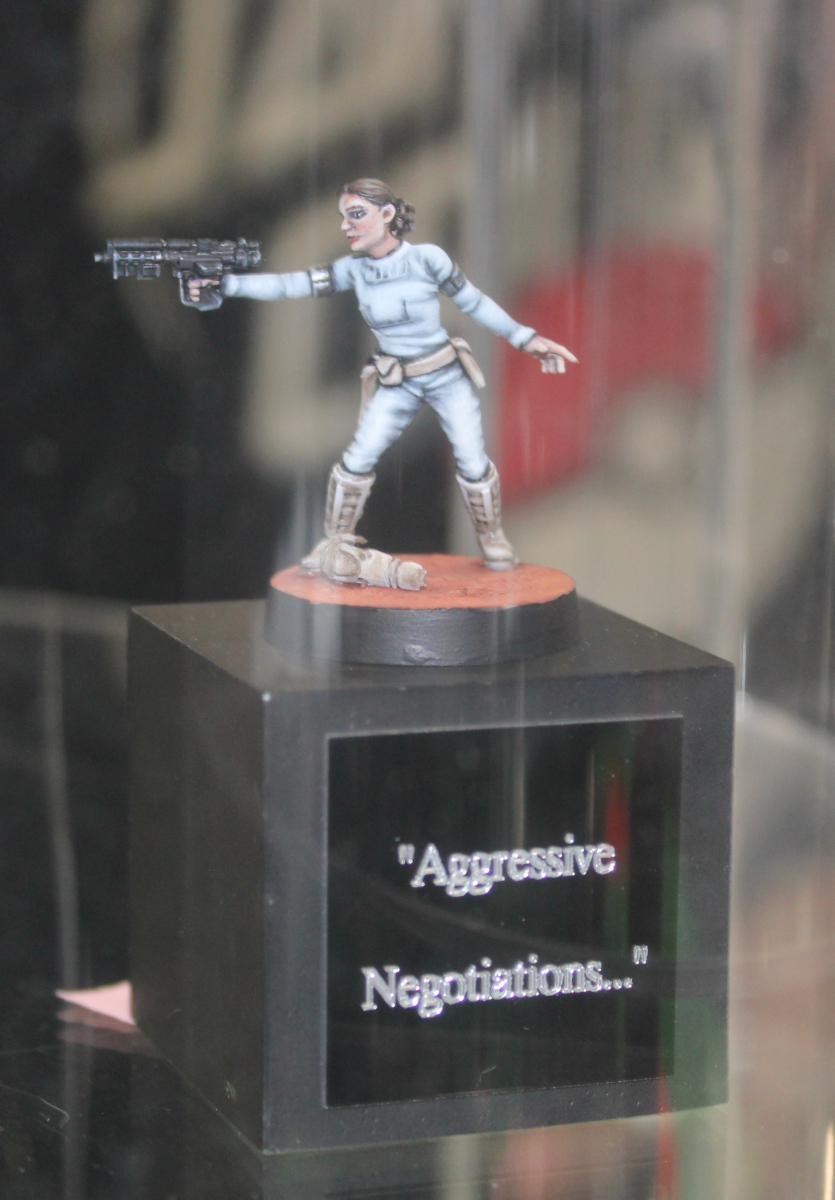
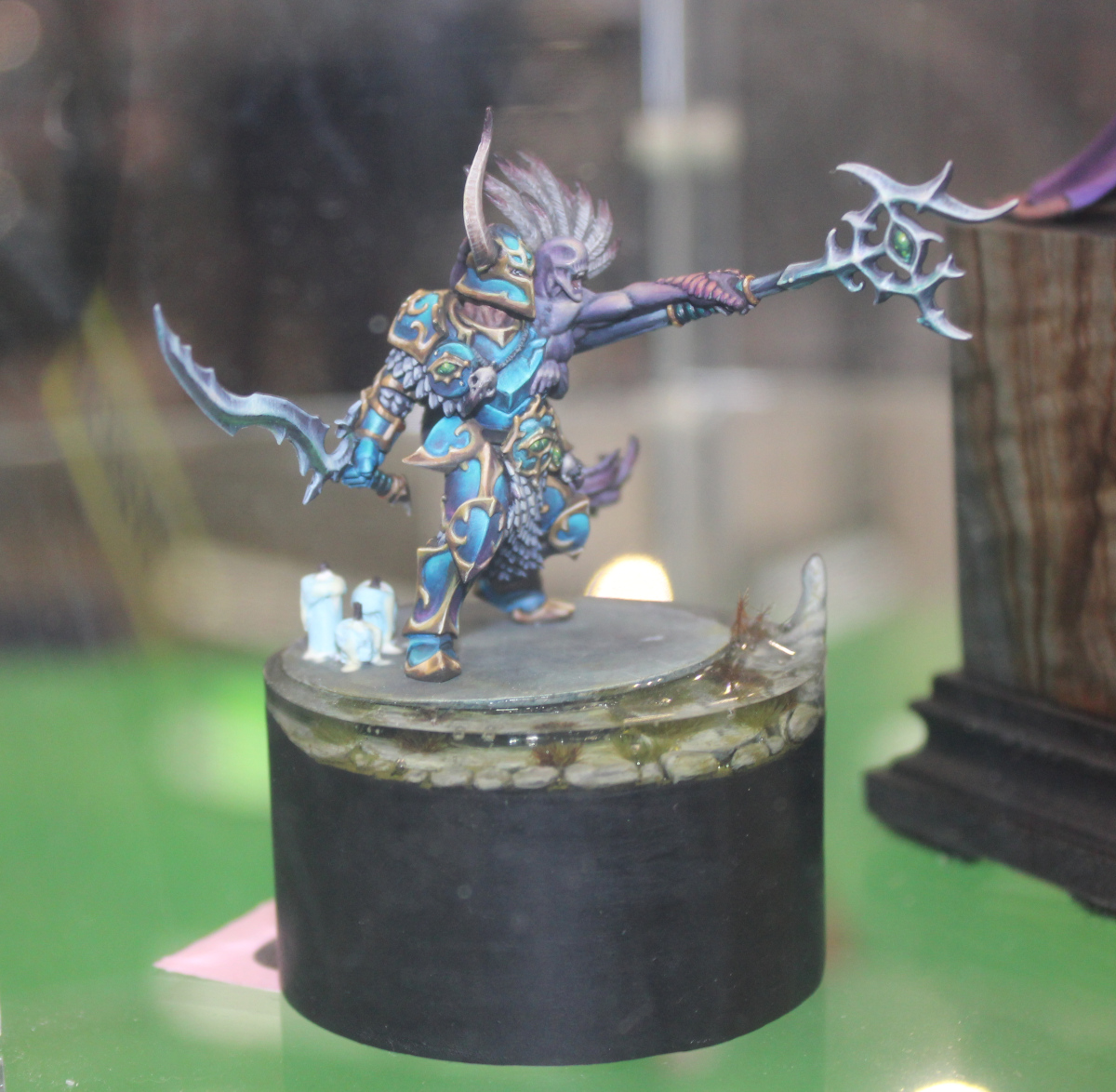
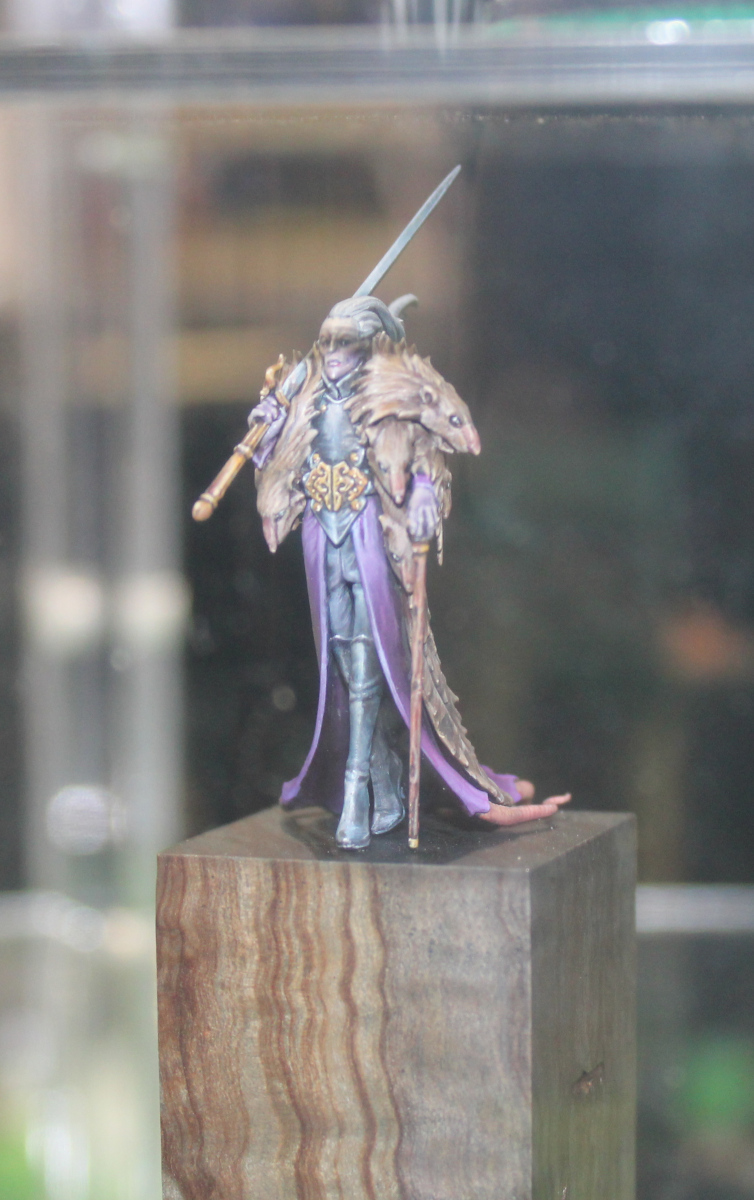
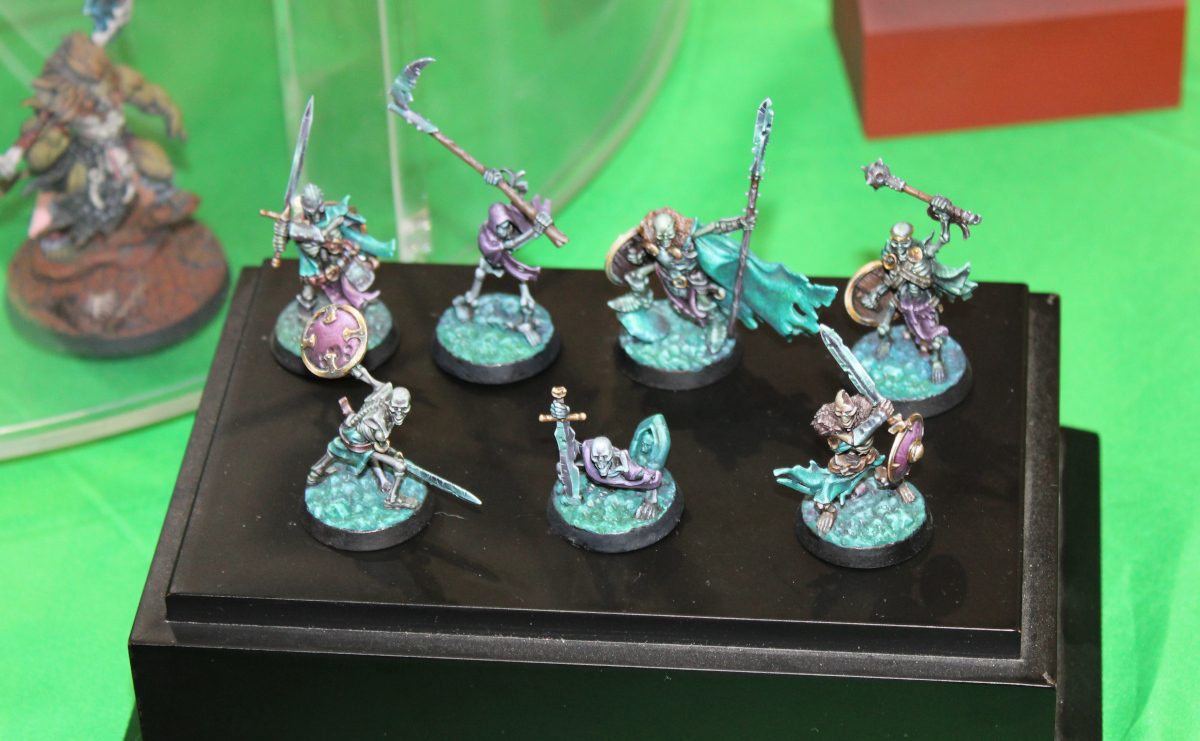
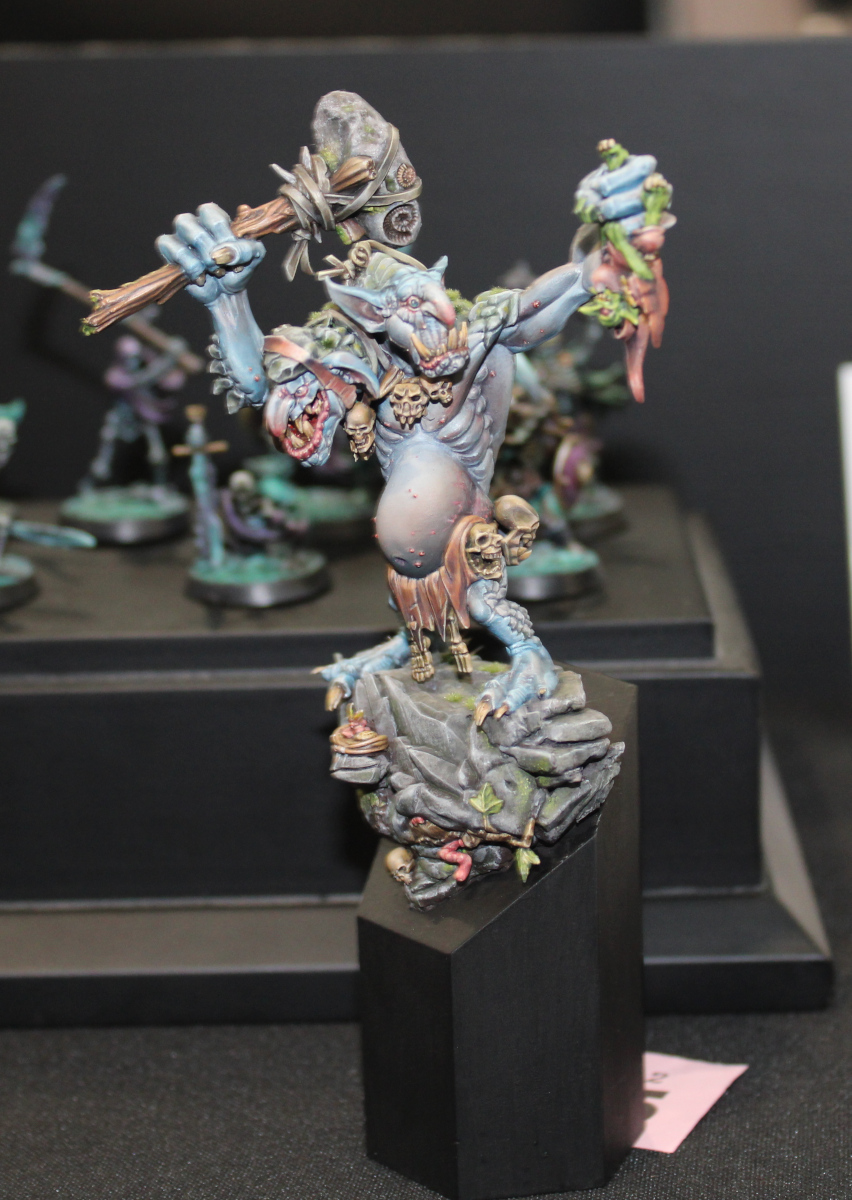
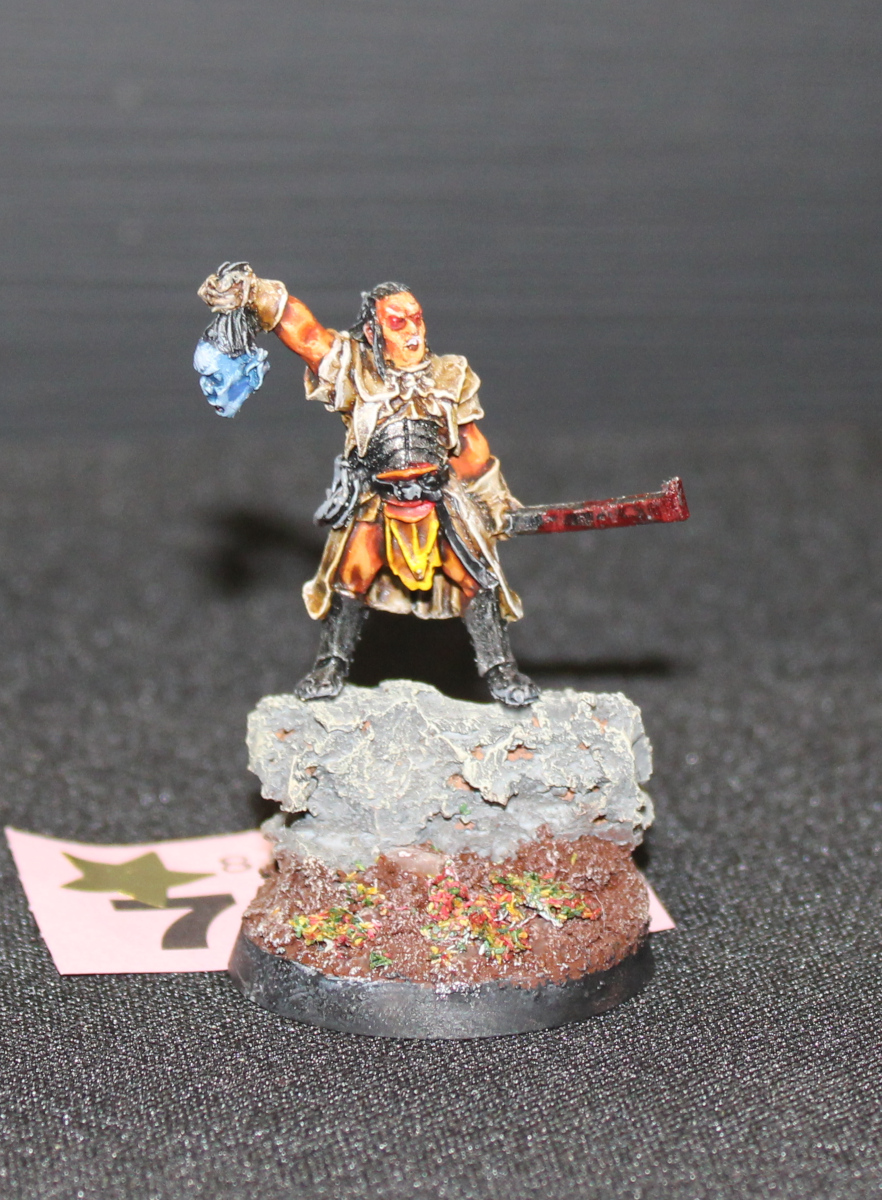
Anyway, as is tradition, here’s my astonishingly bad photography:

If you’re noticing that a) there’s not a lot of pictures this time, and that b) the pictures are of even lower quality than usual, you’d be right. For some reason, the majority of the pics I took were even worse than my usual appalling standard, so I had to just chuck them out. No idea what happened, but on the plus side, you can just go over to the MPO website and see the gallery of (nearly) everyone’s models.

The venue itself was quite decent. A very modern-feeling space, unlike the church halls you might get used to if you go to a lot of shows around the UK. It was, however, very long and narrow, which meant that the displays were all up against one side of the room. There’s nothing wrong with this, of course – it’s just a bit different from other shows where displays tend to go around the walls or they’re in the middle of the room and you can walk around them.

The natural light in the room was pretty awful, but this was a show run by people who have been to a lot of competitions, so they’d organised some very swanky lighting rigs. In the end, the only models that weren’t under really decent light were the organisers’ displays. That’s actually kind of a pity, because I still want to look at those models, even if they’re not in the competition.

One negative was the location within Bristol. I hadn’t been to Bristol in years, and it had been even longer since I’d been anywhere near the railway station. I could have sworn there used to be more in the area, but nowadays it seems that all the pubs, bars and cafes have moved closer to the city centre. There was one cafe just outside and a pub over the road (but the kitchen was out of action), but the next closest places seemed to be 15 minutes’ walk minimum. This made for a bit of an annoying jaunt to get lunch, but on the plus side we did end up in a restaurant looking over the river and with ducks right outside the window, so I can’t really complain about that.

And that’s actually a good point to also make in the show’s favour: Bristol is a cool city. I’ve been there a few times and I’ve always enjoyed it. It has a good vibe. It also has a lot of pubs, which is important. I’d certainly much rather go to a model show in Bristol than one in King’s Lynn, for instance, or Birmingham.

But enough about the venue and the location – what was the show like? The standard was definitely very high, and the judging reflected that. I know some people probably thought it was unnecessarily harsh, but it’s the organisers’ prerogative to decide what sort of level they want to set. I’d put MPO up there with the toughest shows I’ve seen.

Aside from the difficulty, I was interested to see how people would respond to the storytelling and diorama category. This is, I believe, the first time a show in the UK has dared to include ‘storytelling’. Obviously, I am in favour of more of this. Having said that, the overwhelming majority of entries in the category were clearly in the GW school: duels and other combat scenes. There were very few that diverged from that mould. The majority were probably Golden Demon entries brought along because there was a category for them.

I don’t want to knock all the work that went into them – the painting was typically excellent and, assuming they were built for GD, they probably achieved their goals – but that approach to narrative is dull. Two guys punching each other in the face can be a story, but at best it’s almost always a boring story. There’s not much room for nuance. They’re GW pieces, too, so there’s essentially very little world building going on – GW has already provided the world for the story to inhabit, and I find this makes modellers lazy. Why add details to extend the story when people will assume them for you?

Comparing what was at MPO to the sorts of things I’ve seen in storytelling categories around Europe, I think it shows how much UK painters are in thrall to GW (in the fantasy scene, at least). There wasn’t much that approached the level of creativity or narrative flourish I’ve seen at SMC, Monte or Kontrast. It’s something that painters in the UK can work on – if they can just get away from their wargaming roots.

Anyway, that’s part of a larger discussion that one day I’ll get around to writing a massive treatise on. You can all tell me I’m a wanker in the mean time.

Beyond the storytelling stuff, the level of work was consistently and surprisingly high. I say surprisingly because it’s easy to forget how many top-tier painters there are in the UK when so many of them fixate on Golden Demon and you never see their work at other shows. It also seemed like half of GW’s ‘Eavy Metal team had turned up, and a lot of their stuff was really nice. A lot was very boring, of course, but if you’re into GW’s stuff, it’s probably amazing to see in person. I was mostly interested in seeing Tom Hugues’s busts, which definitely live up to the photos I’d seen online.

One point of some contention before the show was the decision to hold the prize giving early on the Sunday – 11am, in fact. Most two-day shows take the approach that the first day is a bit hectic, with everyone setting up their models, meeting up with their friends and panicking about the judging. This leaves the Sunday to chill out a bit more, nurse the hangovers, and take a closer look at the displays, without having to worry about nudging someone who’s setting up their models. It was an odd choice to compress that, and I’m not totally convinced it was the right call.

As I understand it, the aim was to give everyone more time to get home and decompress, which I can see the logic in, but it simultaneously felt like we were forced to spend money on a hotel to get two hours of model show before heading off. Some painters took the opportunity to get feedback from the judges after prize giving, which is certainly a good thing to have available – and which you often miss if the prize giving is later in the afternoon – but perhaps something more structured could be put in place to fill out that extra time?

Anyway, overall, the show was excellent. It was refreshing to go to a show in the UK that felt so professionally run. I know from running FMS that they were probably panicking and putting out fires all weekend, but you wouldn’t have known it – it all seemed to go without a hitch.

In the end, we all took home medals, which was a nice way to finish it off:

  • Kev: bronze in standard painting for Hunty
  • Martin: silver in masters storytelling for Pig Man
  • Fet: gold in masters storytelling for the whole display

I was also told after the prize giving that I was runner up for best of creativity, which was a nice surprise. Apparently the judging on that was quite split and took a while to decide. I’ll see if I can snag it next year!

Verbano Model Show 2024

There are several reasons to go to Stresa. It’s a beautiful little town in northern Italy on the western shore of Lake Maggiore. Many boats depart from Stresa each day, ferrying tourists to the Borromean islands in the lake, which are variously covered in gardens, restaurants and increasingly improbable architecture. It’s home to a surprisingly large number of abandoned and overgrown mansions, each begging to be explored. There’s also a model show.

The first part of this list is how I convinced my now-wife to go to Stresa for the World Expo back in 2014. While we were there, we took a trip up Mottarone, the local mountain, via the gondola. Near the summit, I proposed via a ridiculous book about a duck. We came back to Stresa while on our honeymoon and intended to return again for our fifth wedding anniversary. Sadly, that fell during COVID.

It didn’t take much convincing, then, to get my wife to join me on a trip back to Stresa for the Verbano Model Show celebrating the tenth anniversary of the World Expo, especially as I wanted to spend much more time in Stresa than just the model show.

It’s worth noting that this show, while celebrating the World Expo in Stresa, wasn’t on the same scale. That said, it was a respectably large show, with around 2,000 models in the competition. Given it was using the same exhibition hall as the World Expo, this made it quite accessible and spacious, which is quite rare at model shows. Normally we’re all crammed into tiny spaces and struggle to have the opportunity to look at everything.

Like the other Italian shows I’ve been to, the Verbano Model Show uses the weird ordnance vs figure distinction, but based on the models that were entered in the science fiction category (ordnance), I can only hope organisers will soon realise that it’s a meaningless distinction to modern painters. The judges certainly didn’t seem to mind as I don’t believe anything actually moved and some figures in the category were definitely awarded golds.

Unlike the other Italian shows I’ve been to, I had the opportunity to enjoy Stresa. The Ely crew and associated partners spent much of the time hanging out in cafes and walking along the lakefront, generally having a pleasant time. Lunches at shows are often quite limited – at SMC, for instance, I usually end up having a strange potato object in bun with some mustard. It’s about the most interesting thing on offer at the venue, and there’s nowhere relatively close to act as an alternative. At Monte, it can be difficult to get into places for lunch without reservations, or I take the risk that the takeaway pizza place will again try to murder me. Stresa, meanwhile, has no shortage of options, which also means there are plenty of options for show beers.

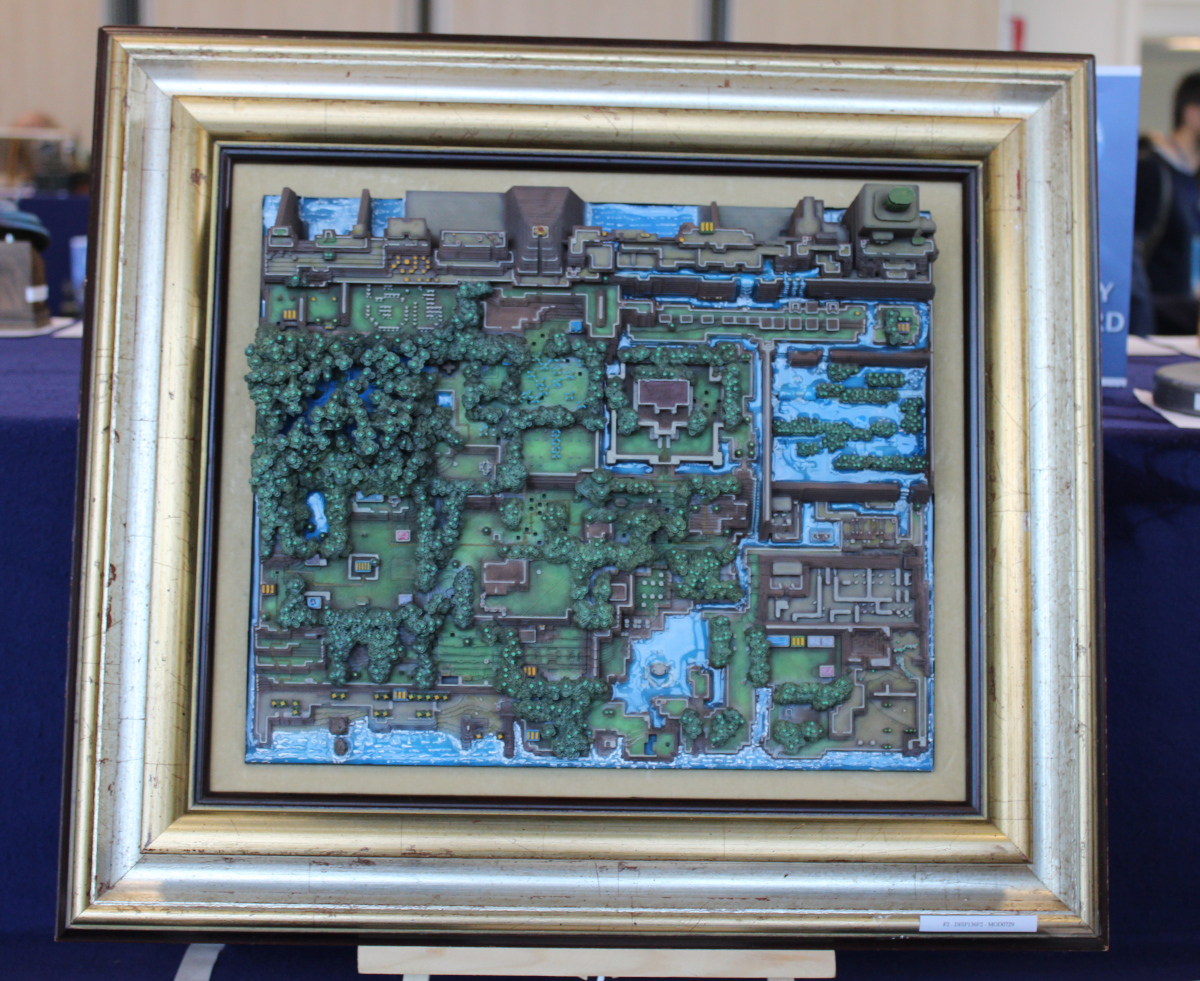
Meanwhile, back at the show, I found the fantasy and sci-fi categories refreshingly creative. Unlike a lot of shows, there didn’t seem to be the same density of Games Workshop models – or even really gaming pieces in significant numbers. Beyond that, the open categories had some really creative pieces and some incredibly ambitious pieces. In particular, what looked like a 3D-printed top-down view of an 8-bit game map, which I thought was a really interesting perspective on a model and gave me plenty of ideas; and there was a truly ridiculous slab of resin water with a couple of mech suits descending an underwater crevasse. The balls it must have taken to pour all that resin. Damn.

In the historical sections, there was pretty much exactly what I expected from an Italian show. There’s a small set of painting styles that seem to dominate in Italy, and this is compounded by the fact that there are repeated topics. For instance, mid-20th century motorbikes are weirdly popular, as are Native Americans. Of course, there’s also the usual smattering of Nazis and Confederates (for some reason always painted by the same people, who definitely aren’t crypto-fascists, no sir), Romans and other figures from Italian history as you’d expect, a few Napoleonics and all that jazz, but there’s a clear interest in these motorbikes and Native Americans. If anyone has any insight as to why these are so popular, I’m intrigued.

Overall, the show is pretty much what you expect from shows in Italy. The prizes were extremely generous (from what we could see, nearly everything won a medal), which does dilute your sense of achievement a touch. In the end, the Ely crew took a bunch of medals home. They’re quite nice. I also won a special prize from the Belgioioso Mini Art show, which looks like a particularly interesting show that I’ll have to find the time to attend – maybe in a year or two if my show calendar calms down a bit!


Tips for Stresa:

  • Don’t go on the gondola, even if it reopens. Aside from being afraid that the same people are in charge, it might be a bit ghoulish.
  • Do the islands on a day that isn’t a public holiday. They’ll be busy, but they (probably) won’t be obscenely busy like they are if you mistakenly go on Mother’s Day. Who knew the French and Italians loved their mothers so much?
  • Take the opportunity to explore some of the other towns nearby. Verbania is very nice and quiet, with a really lovely botanic garden designed by a Scotsman.
  • According to Martin, avoid the restaurant that used to have a Michelin star. According to me, avoid the restaurant that looks like god’s waiting room and smells of cabbage – it’s not Pillars in Cardiff, but it’s in the same genre.
  • There’s one cafe on the square that doesn’t serve coffee or lemon soda. Madness.
  • If you can, stay at Hotel Elena. It’s the cheapest in town – and looks it – but you get a balcony with a view over the square.

Black Dragon Painting Competition 2024

Late last year, we were approached by some people who’d come to Fen Model Show and been inspired to resurrect a painting competition at the Diceni gaming show in Norwich. I’d been to Diceni a few times and even witnessed the last time it had run a painting competition. Back then, the competition was to paint the show figure, which was a Boudicca-type character that the show had been selling for a couple of years. Predictably, it wasn’t a hugely popular competition when I saw it. I think there were three entries.

But that was in the mists of time; pre-Covid; back when all ambition to run a model show might be quashed by the dominance of Euro Militaire, IPMS debacles, and lazy affairs like Salute and Golden Demon. Now we live in the future: model shows can aspire to do new things without being told what they should be like! Of course, model shows do need to achieve a small number of things, so when they approached us for advice, I let them in on a few key elements that I think need to be right first and foremost.

Given the show was to be set in a place that relies on some fairly ropey lights in the ceiling, this turned out to be good advice, as the organisers then borrowed our lights and stands to help the displays look a bit better and to make sure the models could be seen. I think the environment could stand to have more lighting, as you’ll see in my pictures, but it was certainly better than the alternative.

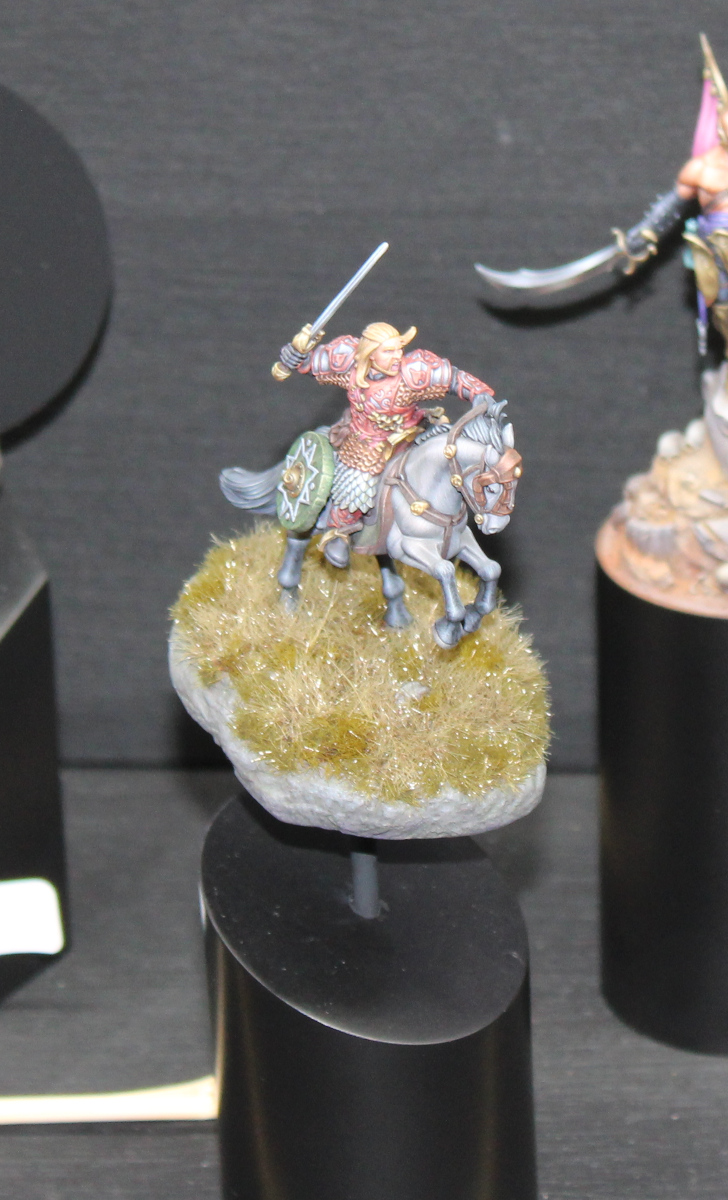
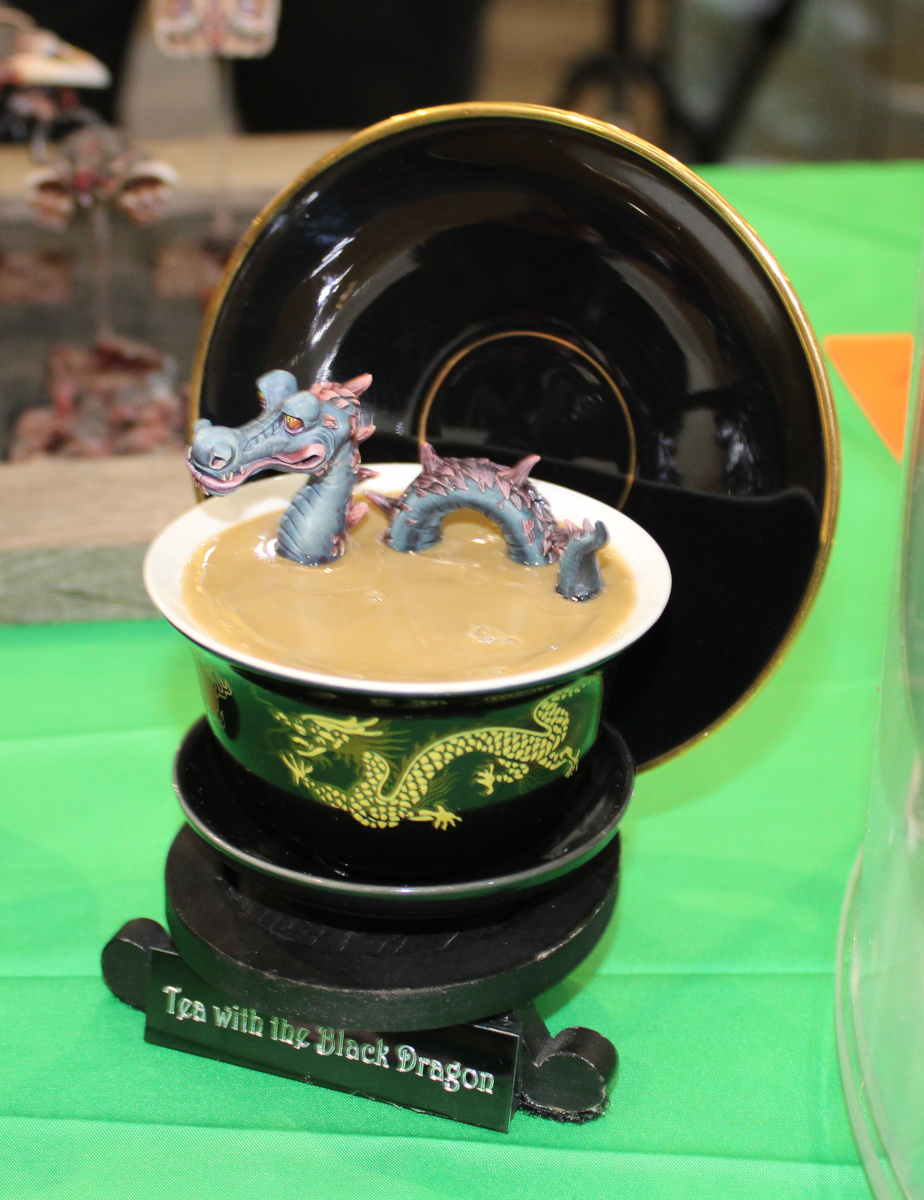
Before getting onto the meat of the review, as is tradition, I present my terrible photography so that you can squint at a few pixels and wonder if it’s a model, a tumour or a saucy photograph of a vegetable I’ve dressed up.

For this show, I decided to try out using my new phone, which supposedly takes very good pictures. I’m not convinced. I think it too accurately conveys the low light levels, rather than compensating to get a good picture. Maybe there’s a setting to fix that, but I’ll probably just take my DSLR to future shows because at least the colours look accurate to the figures. I also felt compelled to get closer to models when using my phone, which puts me uncomfortably close to dropping my phone on models. I’d rather not do that. My DSLR can take pictures from much farther away and has a handy strap to keep it attached to me.

Anyway, while we did give the show organisers some advice, there were a few little bits that hadn’t occurred to us, one of which was critical to my mental wellbeing, while another was simply a matter of practicality.

The first of these was around registration, which gave me severe anxiety as soon as I saw it in action: the person taking registration was also taking the entrants’ models and placing them on a table behind him to then be shuttled into the exhibition area.

This is BAD.

I don’t care how many shows handle registration this way, and I don’t care that one of those shows is Golden Demon. The worst thing that can happen to someone’s model is that it gets damaged. Painters spend potentially hundreds of hours on models, and these models are often extraordinarily fragile.

The best way to avoid having a model damaged is to minimise how much handling is done by people other than the painter. This is especially important if your show is staffed by people who aren’t dedicated painters. Gamers, I’m looking at you. You have a different relationship with your models. It’s horrifying to us (“that model’s dead, I’ll just flick him over then toss him into a pile with his mates”). It was horrifying when I saw someone hand over a dragon that was then moved to the second table by handling the dragon itself, not just the base. I couldn’t stick around to see how it was manhandled into the exhibition.

This is why, when I got to the front of the registration queue, I told them I’d put the models on display myself. That wasn’t negotiable, and it should really be the default. It would have made registration much, much quicker, too.

The second significant issue – practicality – was that the exhibition area was in a horseshoe shape. That’s not necessarily a problem unless you’re running a small show with only five tables, like Black Dragon, which means the horseshoe is now a traffic jam. Given there was only an hour between the end of registration and the start of judging, this also made it tough for everyone to actually see what was on display. I’m pretty confident this is the sort of thing the show will sort out for next year – if they compensate for more entries by adding more tables, they should find themselves with more space and thus more access by default.

The only other notable issues were really in the run-up to the show, and demonstrated a sort of panic, I guess – it felt like the organisers were afraid the competition would be too successful. For one, there was a limit on the number of entries anyone could bring: up to two models per category (except vehicles and dioramas, which were limited to one), and up to five entries maximum.

I think this is silly, especially in an open competition. If you’re worried about one person getting too many medals, make each category a display. If you’re worried about space, don’t: that’s literally the best problem for a model show to have. Model shows feel amazing when there are too many models to look at. As long as the space is open so you can get in to see them (or to bask in the overwhelming number of models), it’s fantastic.

Related to this was the categories themselves, which ended up being entirely ignored – I certainly didn’t see any evidence that they were being considered. This annoyed me a bit, as I try to take rules seriously (granted, usually to the point that I expose how silly they often are), and this meant that I didn’t bring some pieces that I would have liked to. I wanted to show off my new zombie diorama, but the rules said only one diorama and I think my cyberpunk diorama is a bit more avant garde and striking. I also thought about bringing all the bagworms, but the language for the ‘group’ category suggested they wouldn’t fit in there, so I only brought one of them.

This is the sort of thing I mean when I talk about categories being limiting: if I read the rules and want to abide by them, I’m forced to remove some of my work from consideration.

Anyway, this probably all sounds very negative, but it’s essentially teething problems for a bunch of people who clearly want to run a good competition. Experience teaches everyone, and I’d be surprised if any of these issues persist next year (other than maybe categories, because it is still a competition at a gaming show and I can’t think of a single gaming show that doesn’t have silly gaming categories, but hopefully they’ll be a bit more open).

Norwich itself is a great city and the venue is a prime location right in the centre, which also means it’s conveniently very close to a number of quite good pubs. The Garnet, a mere 60 metres from the show, is a personal favourite when the weather is good. It turns out there’s even a tapas stall right next to it now, so we could have a decidedly bourgeois lunch with our show beers. Top points for the show beers go to Black Dragon. There aren’t many shows that have done so well in that regard.

The people running the competition also clearly have a lot of enthusiasm for it, which should translate into something that gets better each year and draws a bigger crowd.

One final bit of advice to models shows in the UK: don’t give Martin best of show. I have enough trouble keeping his ego in check as it is.

Sword and Lance 2024

This year, with Salute and Sword and Lance falling on the same date, I had to make my way up to Darlington solo because the rest of the Ely crew are still ensorcelled by Salute’s first-past-the-post silliness. It was an expensive reminder for me that British trains are awful for the price. The LNER, which took me between Peterborough and Darlington at least had seats available and was reasonably comfortable, but for the same price I could have flown to nearly anywhere in Europe, and for a lot of those destinations I could have flown business class.

On the plus side, being without the Ely crew meant I could book a decent hotel instead of defaulting to cheap above all else. The hotel was very nice, as was the wine bar a couple of doors down from it.

I’ve always maintained that Darlington is a lovely town and makes a good venue for a model show. However, being a good venue in general doesn’t mean you can plonk the show just anywhere and hope it works out. When we first went to Sword and Lance, the show was held at a college that seemed to be in a pretty convenient part of town. Sadly, that venue was no longer available, so post-Covid, it moved to a rugby club on the edge of town. It’s not an awful place (last year’s freezing trading area notwithstanding) and it does have a lot of parking, but it’s also missing some key elements – notably, access to show beers.

Last year, we drove to a pub that served absurdly northern portions. This year, I needed somewhere within walking distance. Lo and behold, Google presented me with an option that claimed to be only 10-15 minutes’ walk away. What a result! What Google failed to note is that the footpath itself would vanish halfway there. I’m used to this when you’re in little rural towns and the like, but this was literally on the edge of Darlington. Was it charming? Maybe. Was it rustic? I suppose so. It was certainly annoying having to keep track of traffic to make sure it wasn’t going to mow me down. On the plus side, the pub was quite nice.

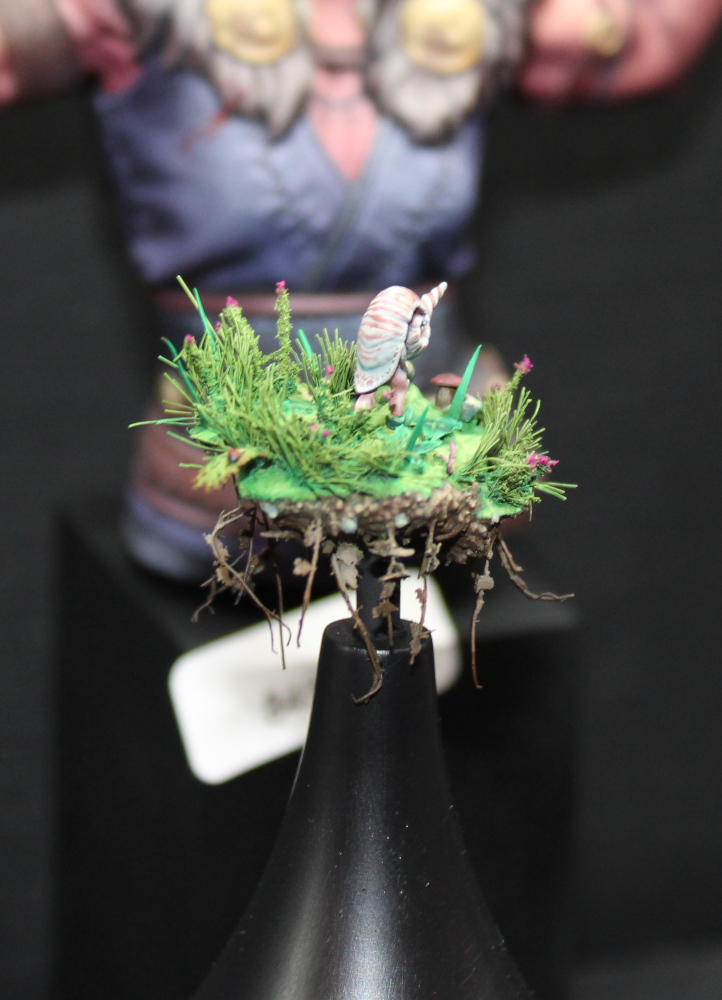
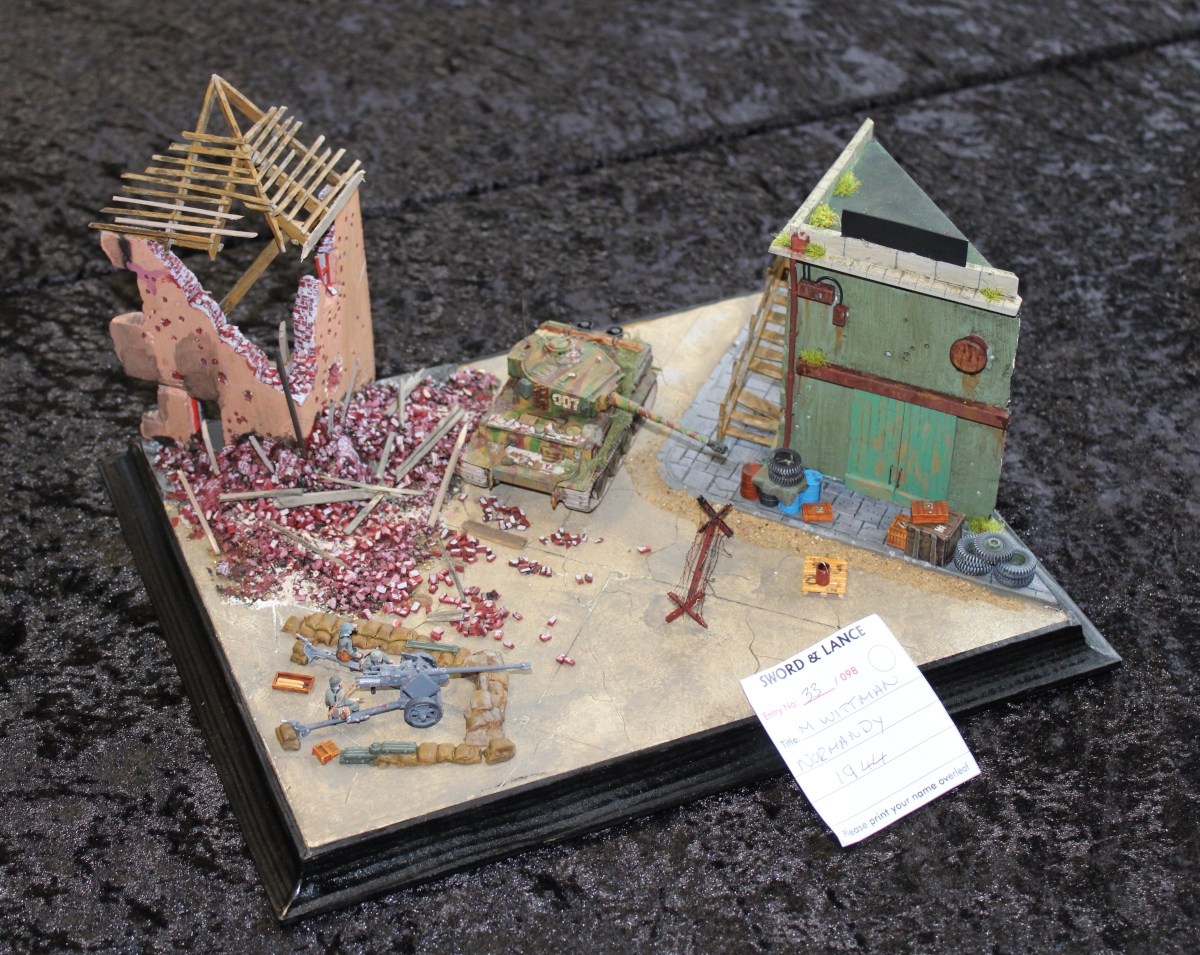
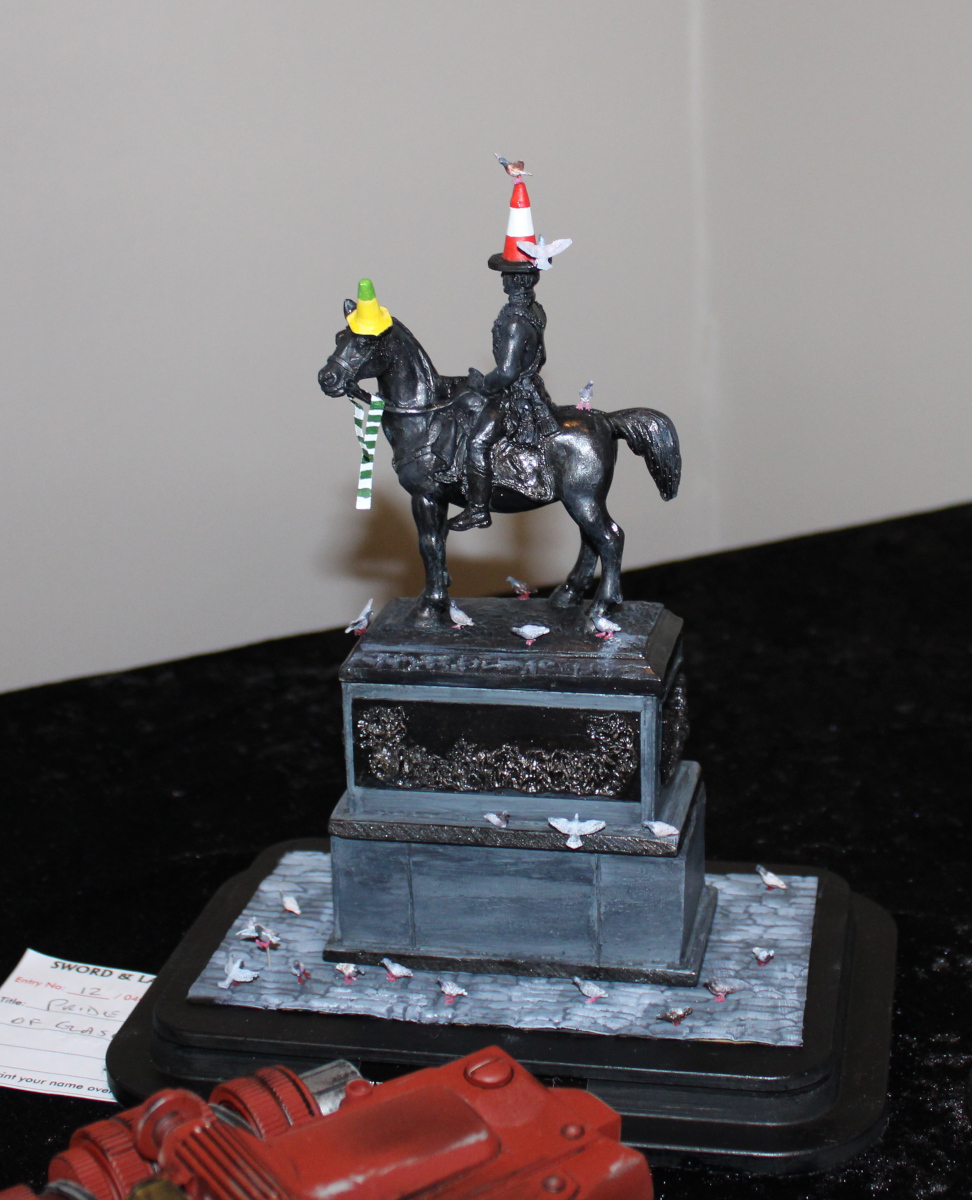
Anyway, on with the usual torrent of abysmal photography:

Turnout for the show was alright. It wasn’t particularly large – I’d estimate about half as many models as last year’s show. The turnout only surprises me in that people actually turned up – the club appeared to do the absolute minimum of advertising online, so I can only assume any advertising was done by attending IPMS shows and the like. This is a valid form of advertising, of course, but it does mean that the only people you’re attracting are the people who already know the show exists. They’re the people who’ll come every year, even if you don’t bother doing anything to advertise. For a show that looked like it was entering a renaissance last year, it’s disappointing to see it eschew trying to reach a wider audience.

In line with that, the categories were the same as previous years – complete with my complaint last year that the ‘figure painters’ category explicitly stated ‘military models’. That sort of attitude, frankly, can get in the sea. There was no civilian category other than miscellaneous, and people with civilian entries ended up splitting them between the two categories. In the end, the civilians in miscellaneous ended up being moved to figure painters anyway, so obviously the organisers subconsciously intended the category to be broader anyway. They might as well update their category descriptions. I only had a few entries – a couple in fantasy and one in figure painters – but then they annoyed me.

They moved my Crowley bust to fantasy.

As you may know from reading my various rants on the topic, I think making a distinction between fantasy and historical modelling at shows is archaic and silly. It suggests there’s some reason they can’t be compared when they very clearly can be. In fact, the originators of the open judging format recognised that, fundamentally, all models should be judged under essentially the same criteria.

Sheperd Paine even made the very clear point that he felt historical accuracy should be ignored when judging (on the basis that, if you insist on historical accuracy, you then it’s impossible to put together a judging team that can appropriately assess every possible model).

All of this is, of course, adjacent to the key point that the judges were wrong to move the bust. I don’t know what their rationale for moving it was. Maybe they didn’t recognise Crowley as an actual historical figure. Maybe they disliked the presentation as ‘too fantasy’. Regardless, if you’re going to move something from one category to another, you should be absolutely sure you’re doing it for the right reason, and I could see no reason to move Crowley.

That sort of thing sours a show for me. I’ve said before that I’m not particularly hung up on prizes, but I am hung up on seeing that judging is done properly. To my mind, moving models between categories should only be done where the entrant is clearly mistaken – entering a tank into a figure category, etc. Anything else is essentially a small confusion at worst, and is really the fault of the organisers (as the confusion over what to do with civilians showed). If you cannot describe a category clearly enough, then the entrant should be given the benefit of the doubt and judged fairly regardless. And, if you’re going to insist on the notion that fantasy and historical figures cannot be compared, you need to be absolutely consistent in making sure that models are indeed in the right categories.

Maybe I’m being too charitable. I’m pretty sure what actually happened is that the judges couldn’t figure out how to google the name of the model on the ticket, which would have instantly told them who it was and probably brought up the photo that the bust is based on, and so they instead just assumed that because it was a bit odd it must’ve been fantasy. Crowley does often feel like a fantastical character, but he was, I can assure the judges, a very real person who did, in fact, wear that exact outfit.

Other than this, the judging did seem otherwise broadly fine. The bagworms, once again, got nothing (possibly another one of my cursed pieces?), but the other painters at the show did like them a lot, which is frankly worth a lot more than a bit of paper telling me I got something.

Overall results:

  • Fet: Silver for Crowley and silver for the cyberpunk diorama.
  • Martin, down at Salute: Silver in large scale/bust for his pig man.
  • Kev, also down at Salute: Gold in fantasy monster for his fungus dude.

I may or may not make it to Sword and Lance next year. It’ll really come down to whether it competes with another show that the Ely crew want to head to. It’s a nice enough show in a pretty cool town, but it’s not worth the extortionate price of the rail tickets. (I’ve just checked and I could have flown to Iceland for the same price, or gone business class to Warsaw.)

Hammerhead 2024

We’ve been to Hammerhead a couple of times now, and each time it’s been a weirdly good experience. I say ‘weirdly good’ because, on paper, it doesn’t seem much like our kind of show. It’s first-past-the-post rather than open format, it’s a gaming show with requisite gaming categories, and it’s in the middle of nowhere several hours’ drive from home with no bar on-site.

And yet, each time we go we end up having a pretty enjoyable time. We’ve made friends with some of the other regulars (who we now also see coming along to other UK shows) and we’ve found a really good pub only a few minutes’ drive from the show. It is still a small competition, though, and could do with some more determined marketing. It’s one of the shows we tell a lot of people about because we think it has potential. It fills the same niche as GD or Salute, but it’s not held down by being bound to a single manufacturer like GD, and it actually makes efforts to improve, unlike Salute.

Anyway, more musings after the ritually terrible photos:

I think the actual turnout was a little down on last year, but the quality level has only gone up – aided in no small part by the influx of some of our painter friends from elsewhere in the UK. This notably included David Soper, who went on to win Best of Show, surprising absolutely no one.

I mentioned earlier that the competition was making efforts to improve. To start with, the trophies this year were actually very nice, and they even had certificates for second and third – previously, there was nothing unless you came first (and in the first year we attended, you only found out if you came second or third when you collected your models – not even a mention during prize giving). Secondly, they streamlined the entry process a little. It’s not a massive change, but it did seem much less chaotic than previous years.

And finally, they accepted some support from Fen Model Show in the form of some our display stands to use for the table of prize-winning entries. This just gave the winners a bit more attention, which I think is important: it helps everyone see what the standard is for winning. If you just call out names, it’s not always obvious what’s won and, if you’re new to competitions, it’s really valuable to be able to see what the winning standard is.

We’d actually offered stands and lights for the whole competition, but they were wary of having open stands and decided to stick with their very strange circular cabinets. It’s understandable that you don’t want someone’s model to be damaged or stolen, but in our experience it’s vanishingly rare, and in a small show like this, it would really obvious as soon as it happened.

One thing that did annoy me about the competition was the sudden appearance of a new category that I didn’t realise existed until they announced it at prize giving: dioramas and duels. I’d even brought one of my dioramas along to show some people who’d been keeping track of the build online, so I could have entered the category! Oh, well. I’ll know for next year.

In retrospect, I think this makes a good case for having labels on each category at the show – I’d assumed the various dioramas I saw were in the miscellaneous category. Because the categories aren’t labelled, the dioramas and miscellaneous all blended together, and it was occasionally difficult to tell if a model was in the right category because there was no defined border between them.

The other thing that annoyed me – probably more than anything else, but it’s really my own fault – was that Warsmith Motherfucker won his category. I’d brought him along to pad out the show, figuring that in a popular category like that, he’d never get anything. All I can say to Liam and Ben is ‘for shame’, you were bested by a work of pure spite.