Last year was my first trip to the Mecca of model shows in Tuscany, but I’d managed to injure my shoulder a couple of days before going over, so I was dosing myself on pain killers while simultaneously coming down with a case of COVID that I caught on the flight over. It diminished my ability to really enjoy the show or, indeed, to have much of an idea what was going on most of the time. I came out of MSS last year uncertain whether I’d really enjoyed the show, although I probably did.
We’d also made the terrible error of staying in a villa about a mile from the town. That doesn’t sound like a long way, but roads up to ancient walled towns in Italy don’t tend to go in straight lines. They also don’t expect people to walk up them, so footpaths are only occasionally provided. This is one of the common mistakes you make the first time you go to Monte.
This year, with the benefit of some experience, we booked a villa much closer to the town and at roughly the same altitude. It was expensive, but once we filled all the beds it was actually quite a reasonable price. Monte isn’t a cheap model show to attend, especially once you factor in flights, car hire, etc. On the plus side, flights mean airport beers, which are almost as good as show beers, and there are plenty of show beers at Monte.
So, with the preamble out of the way, here’s some traditionally shoddy photography:
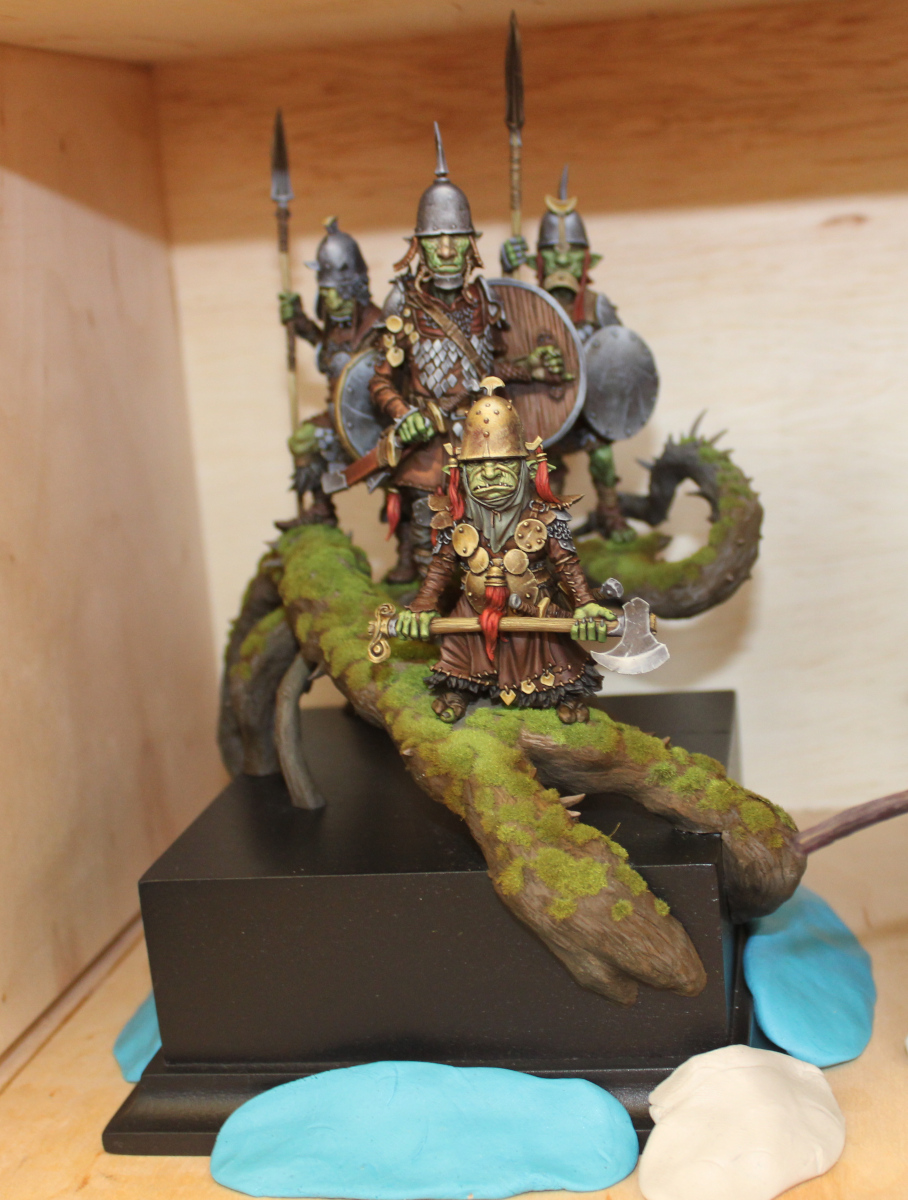

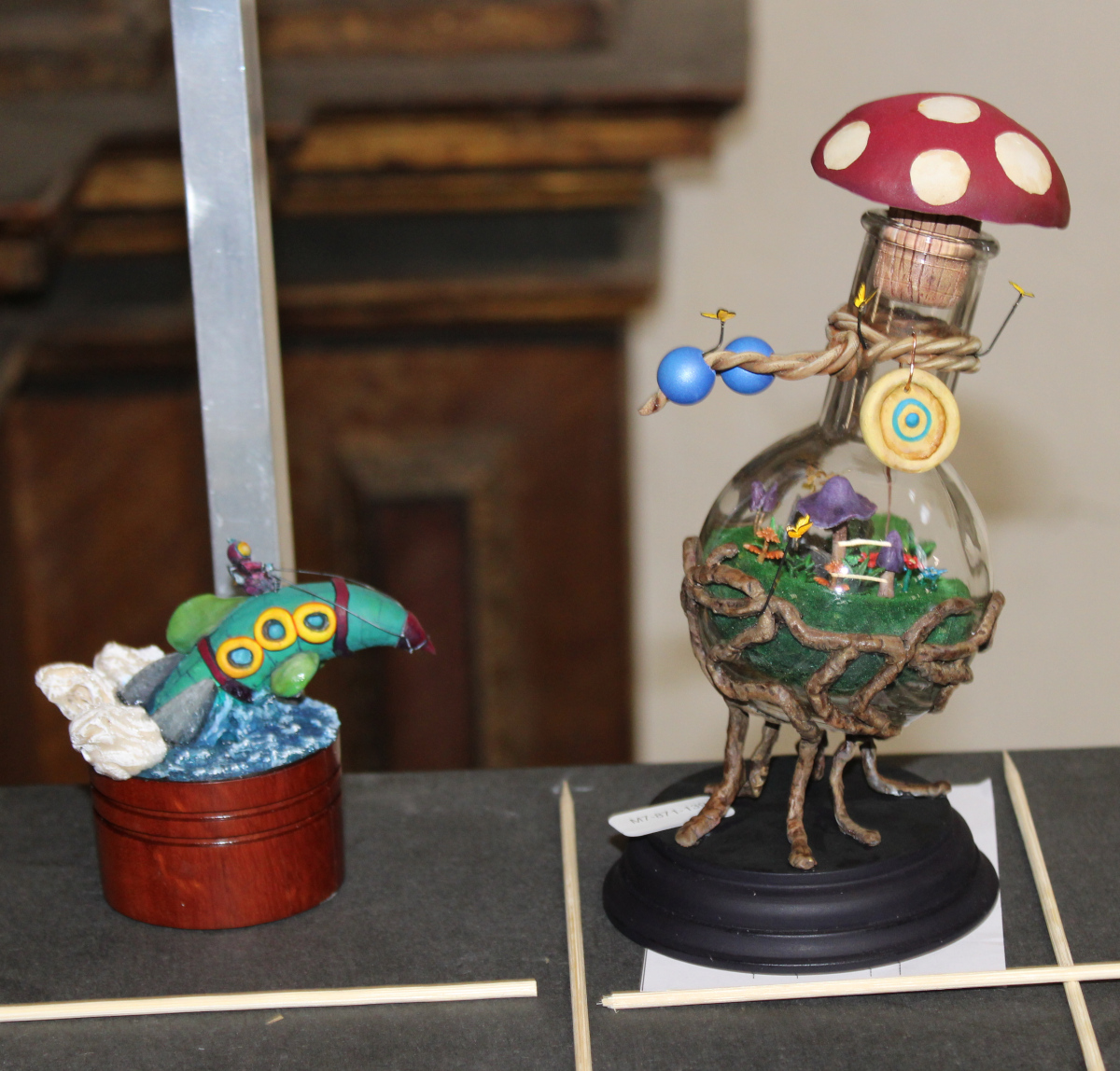
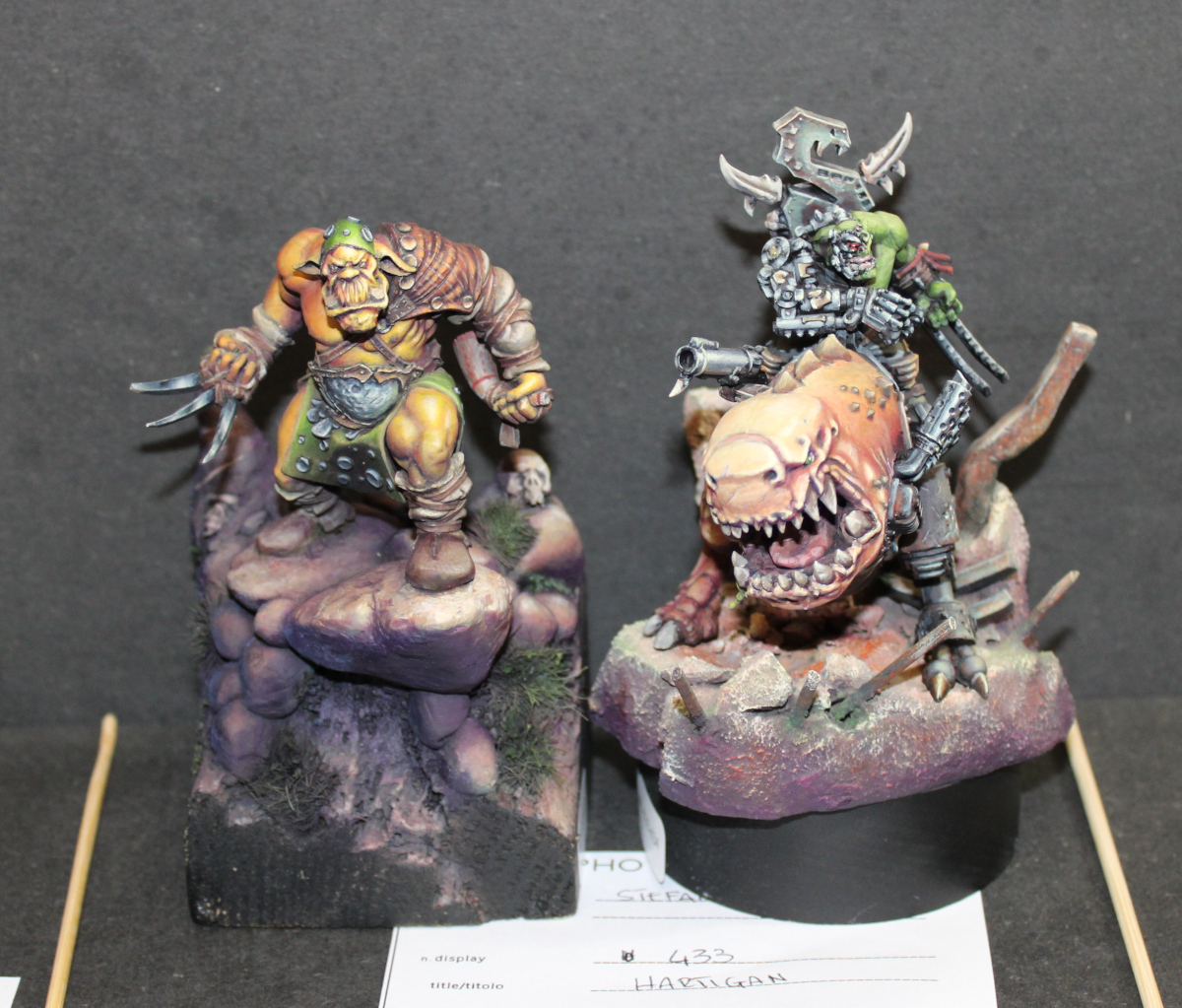
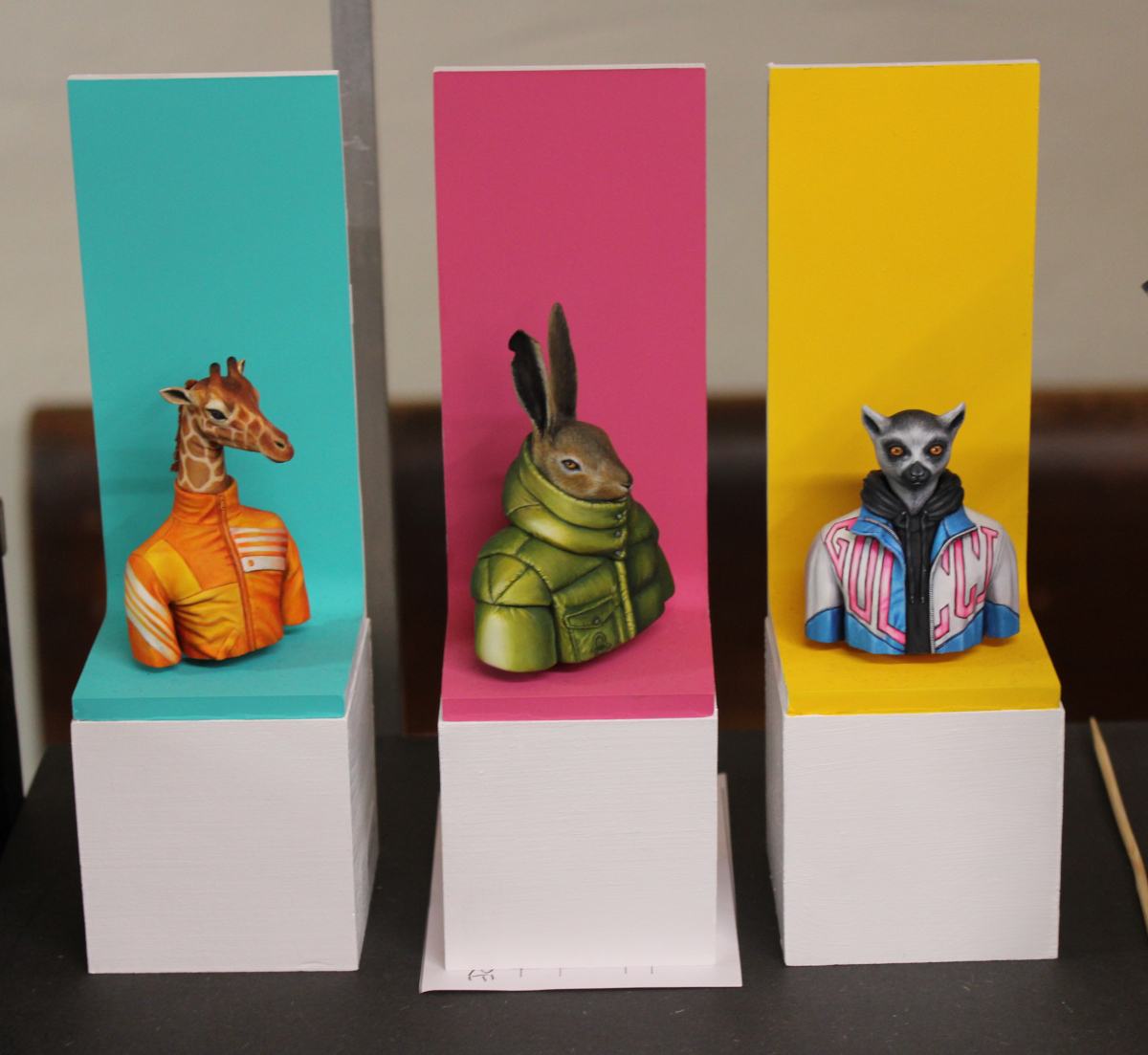
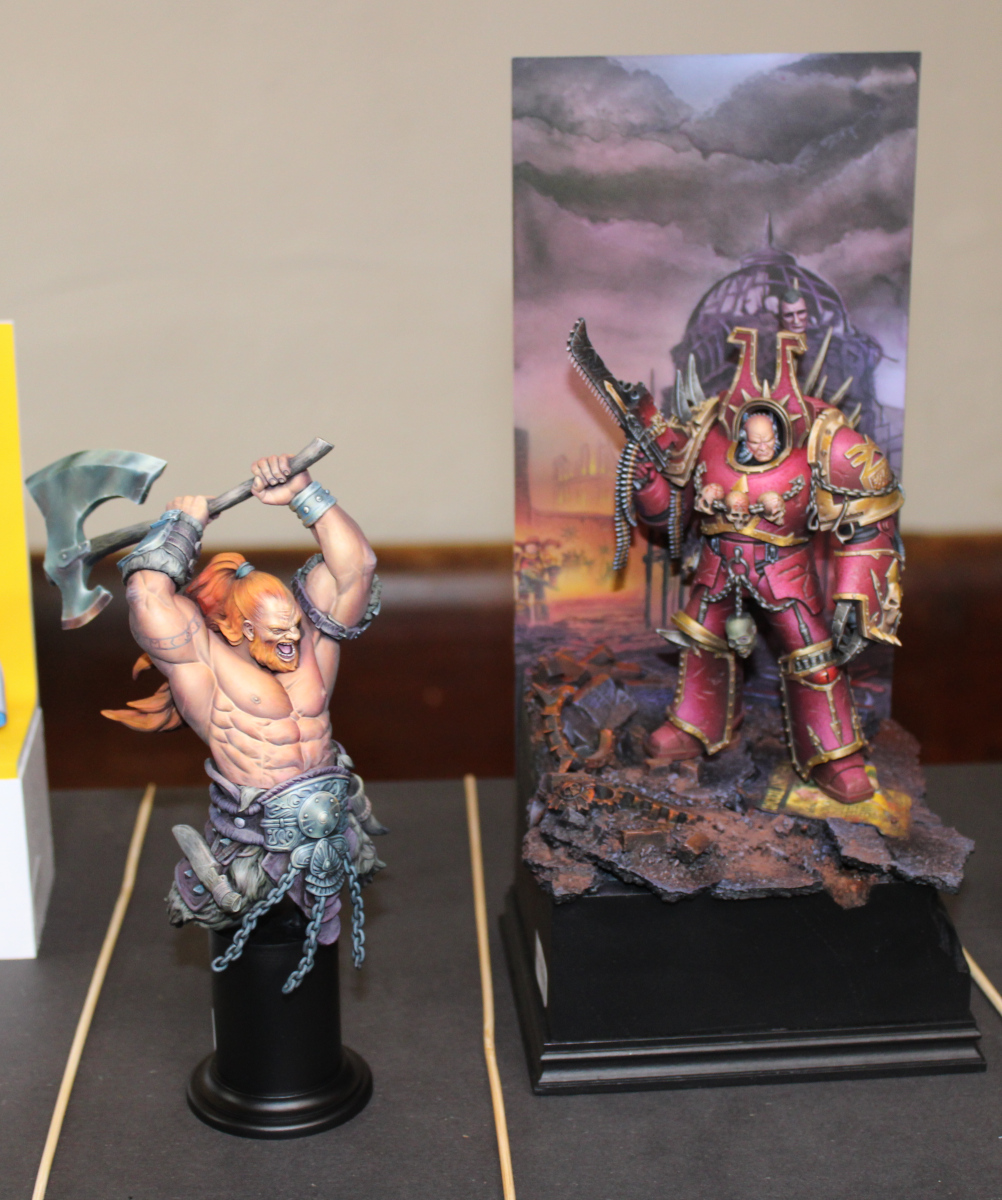
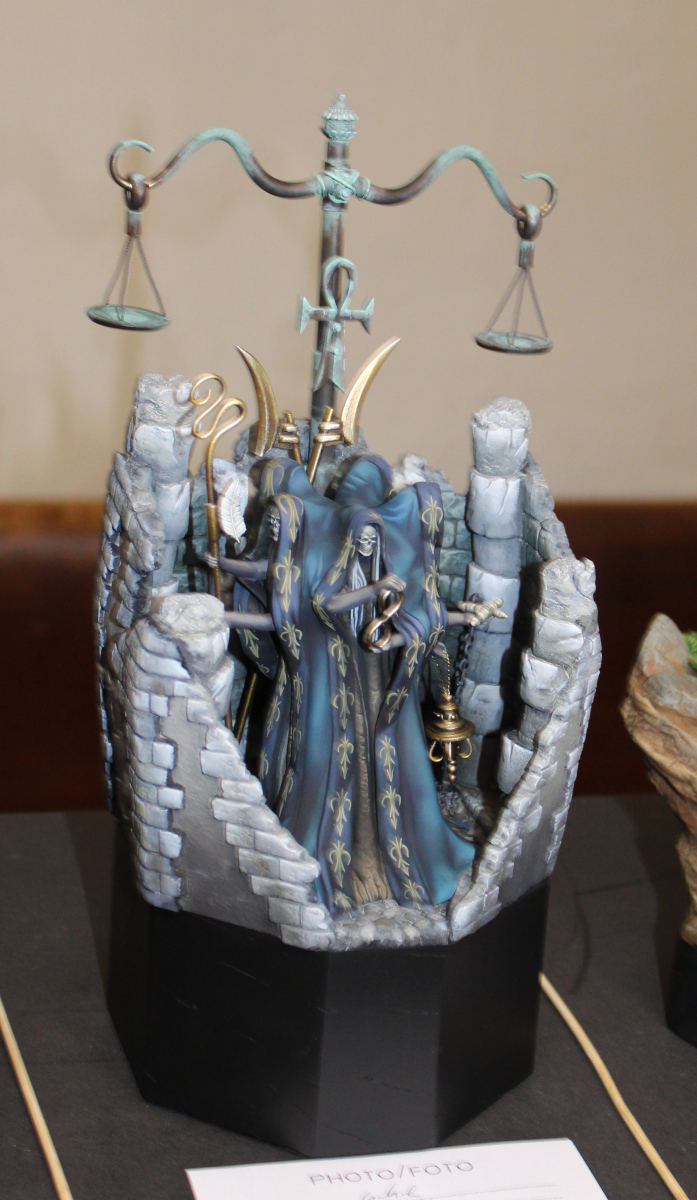
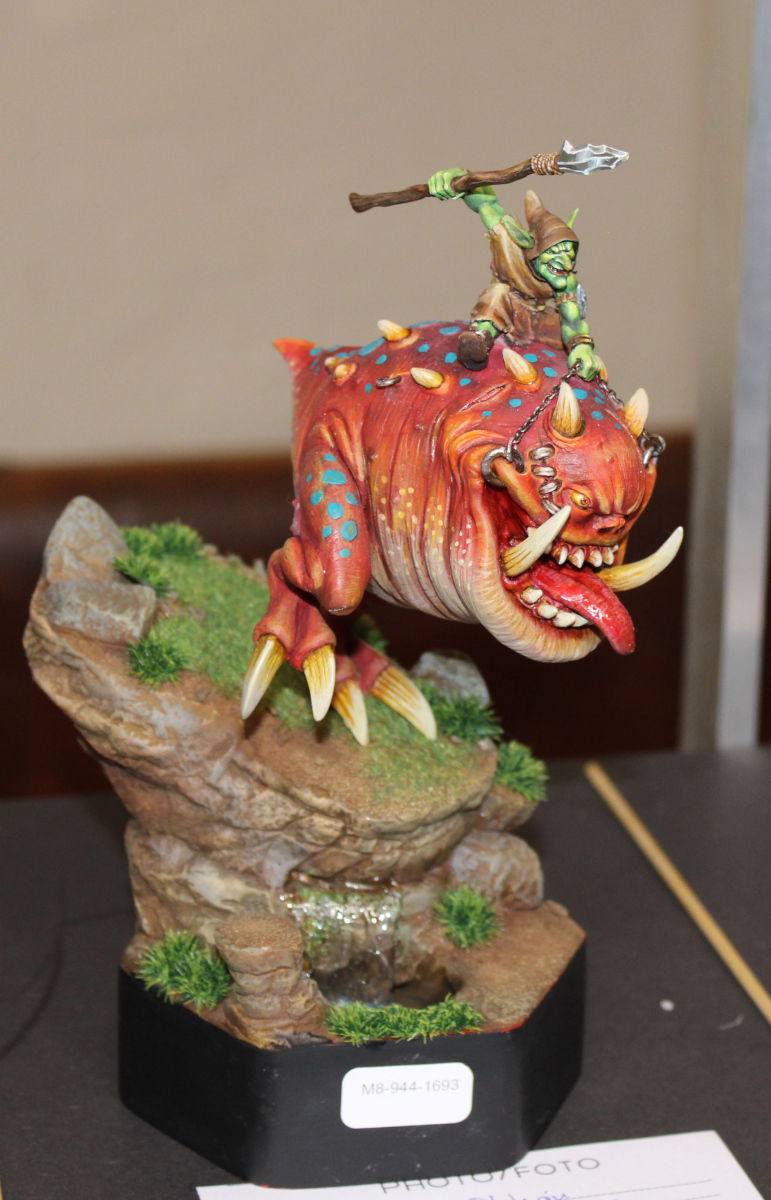


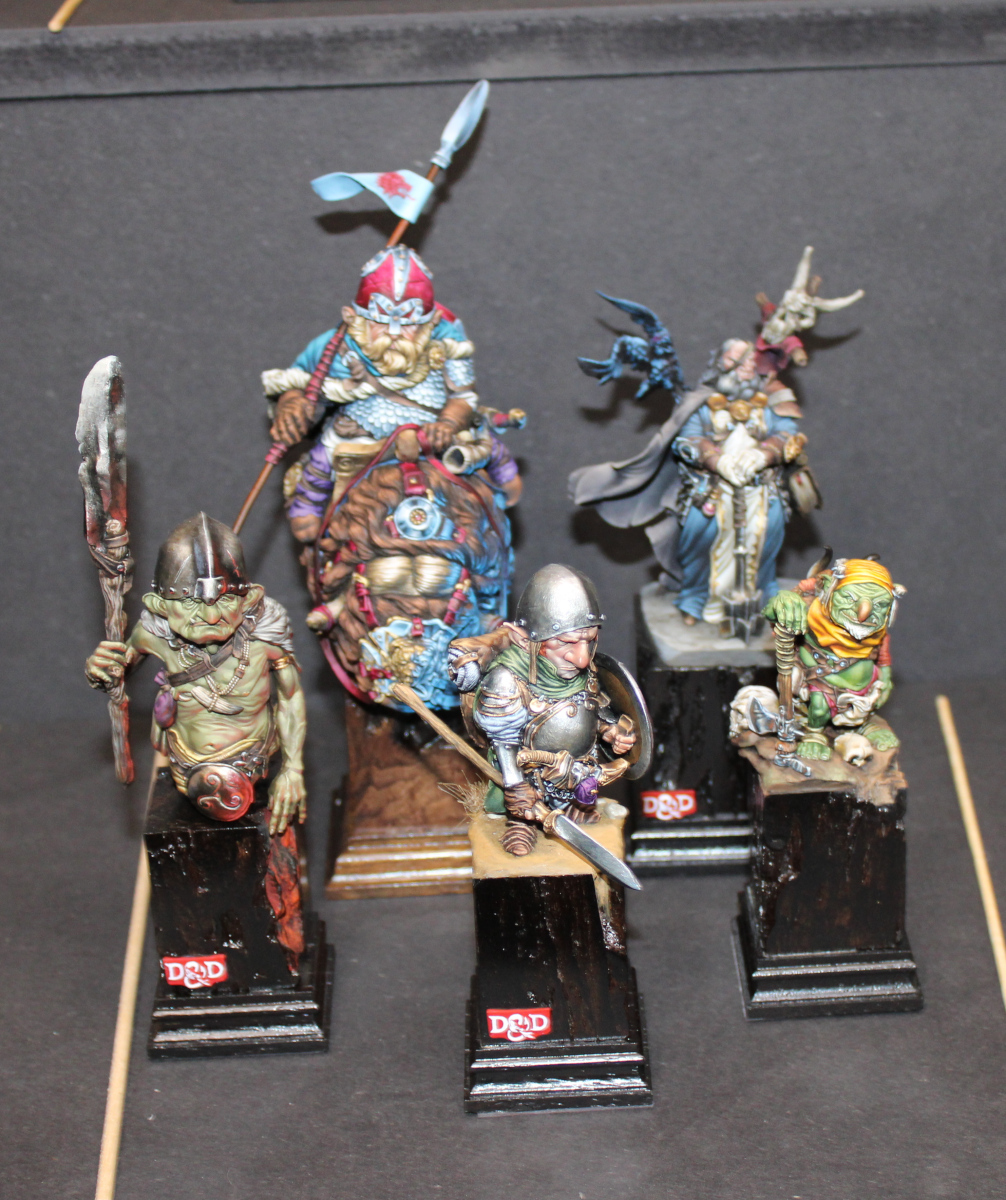
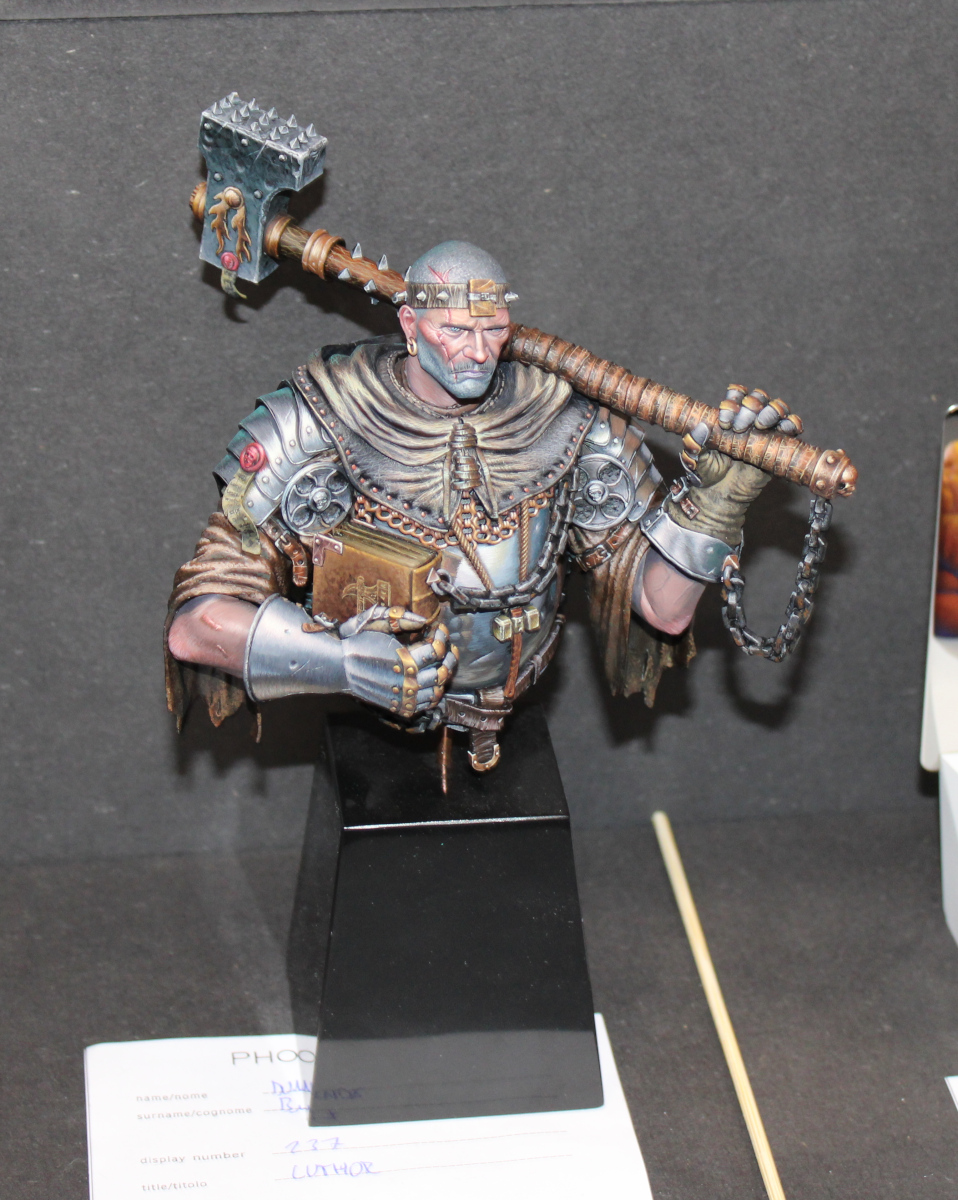
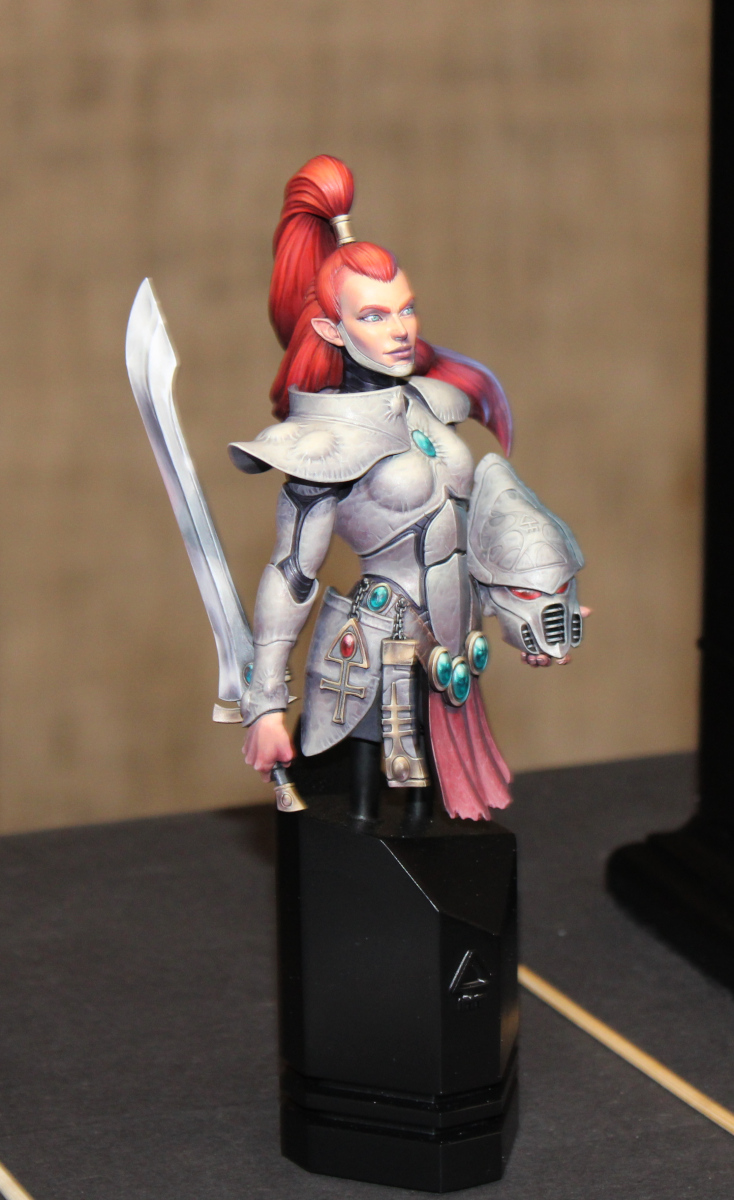

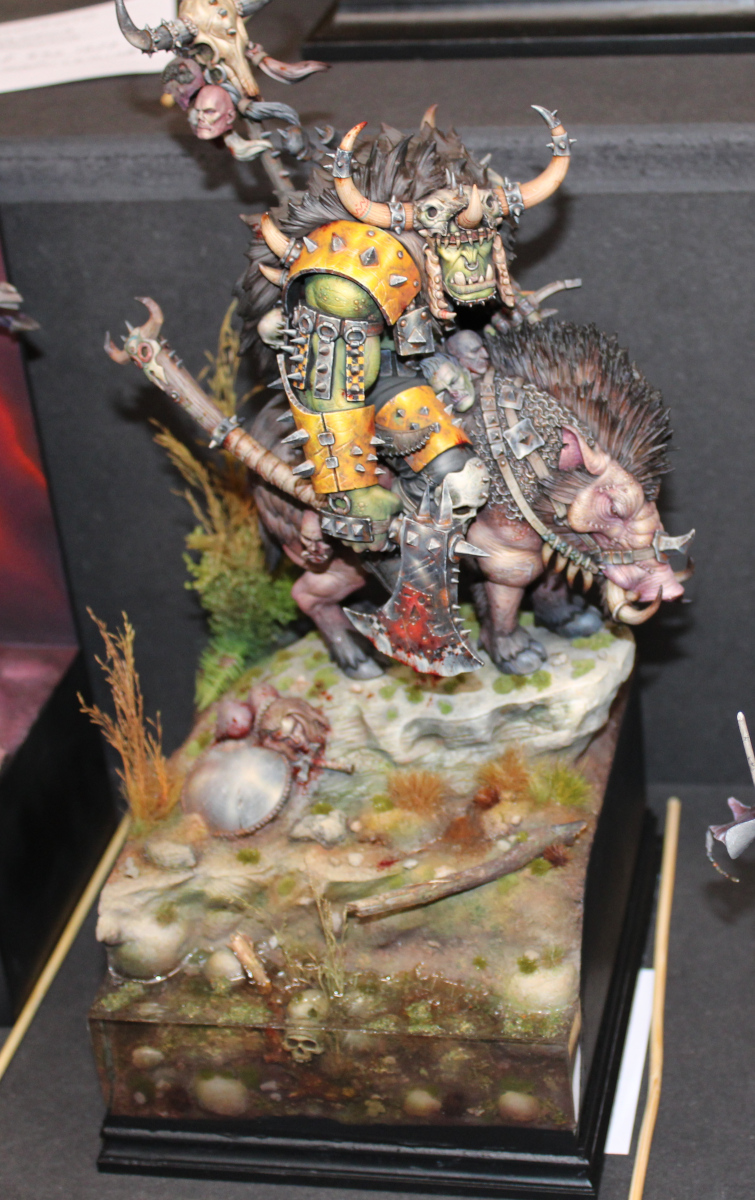
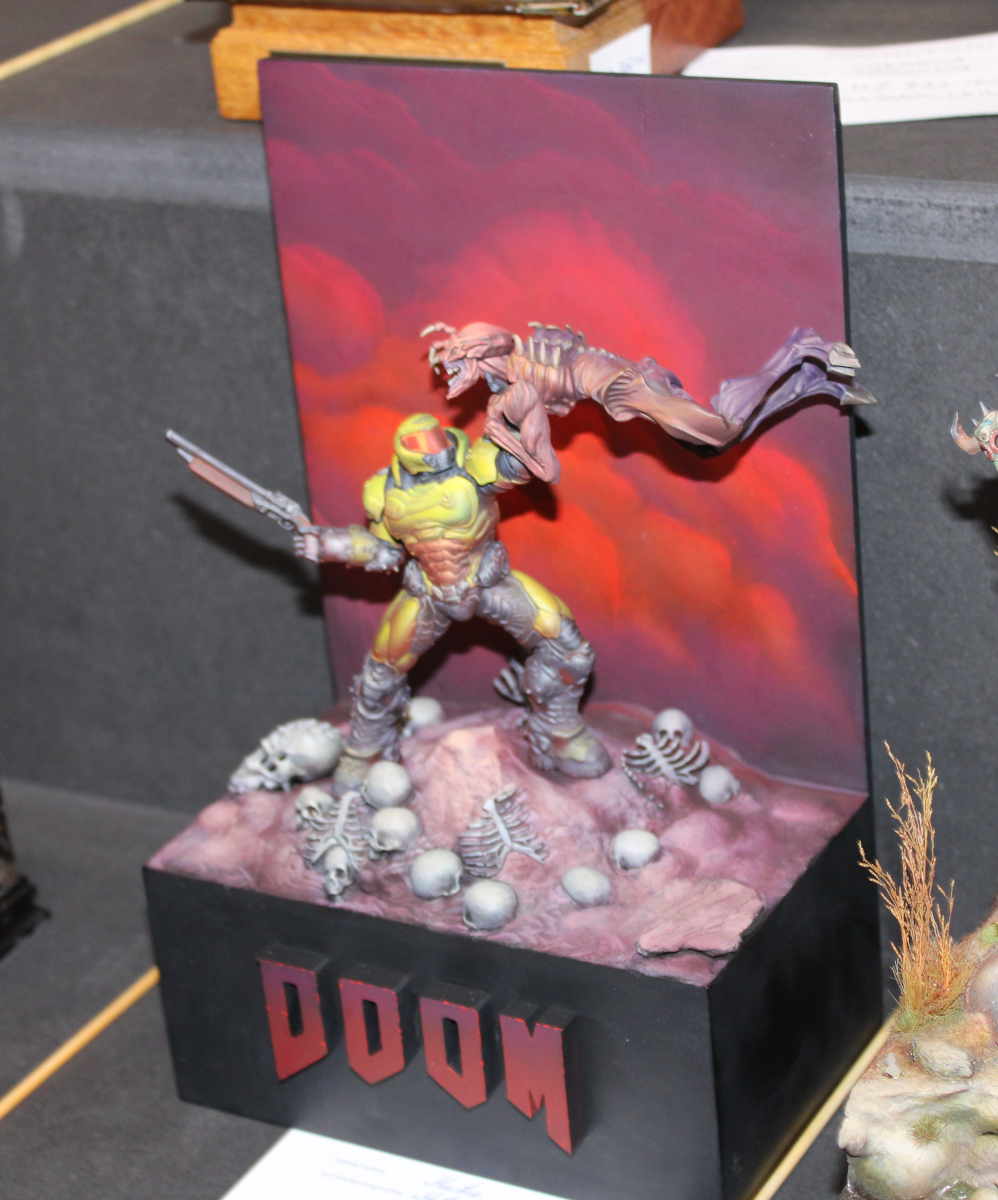
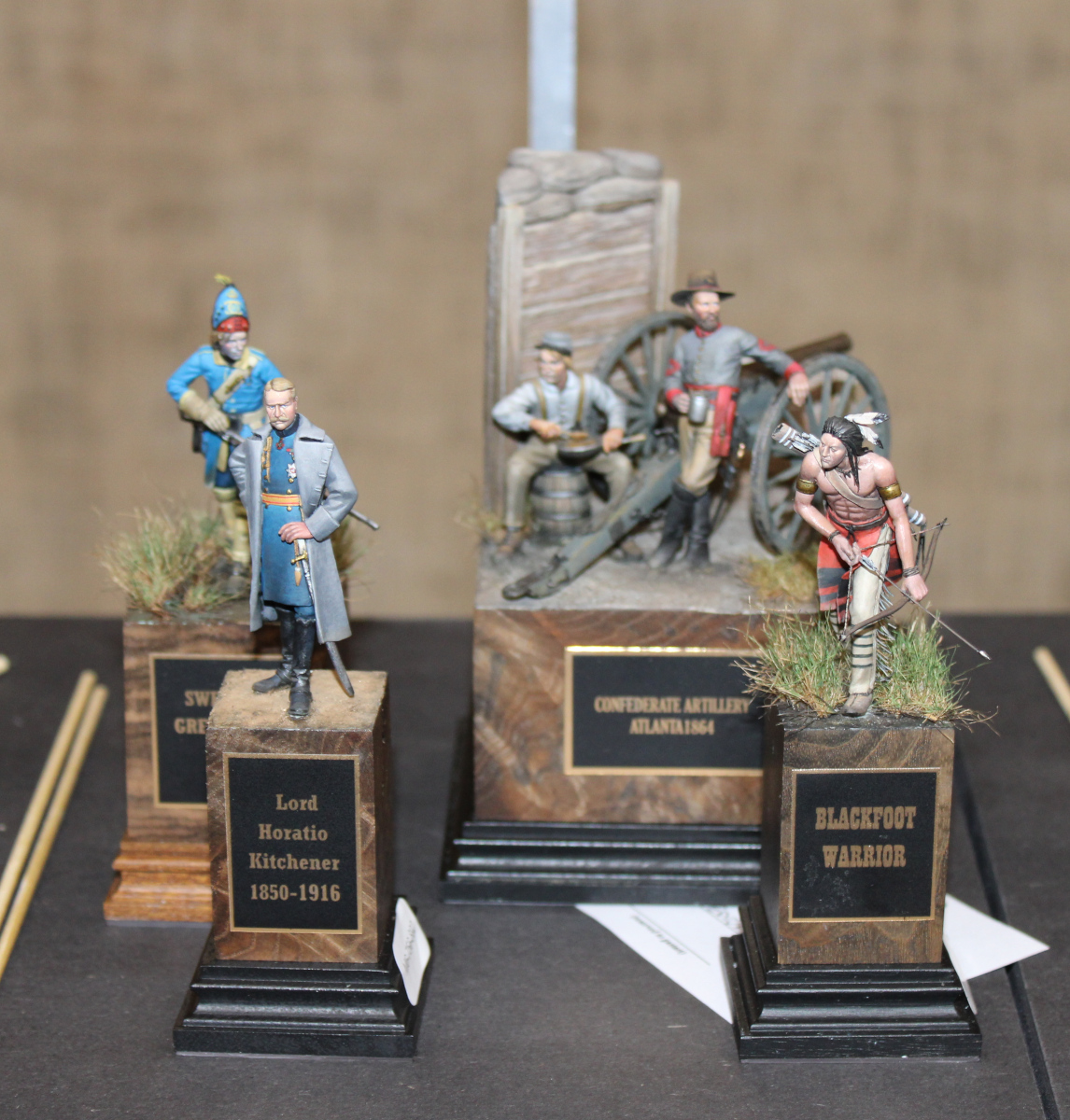

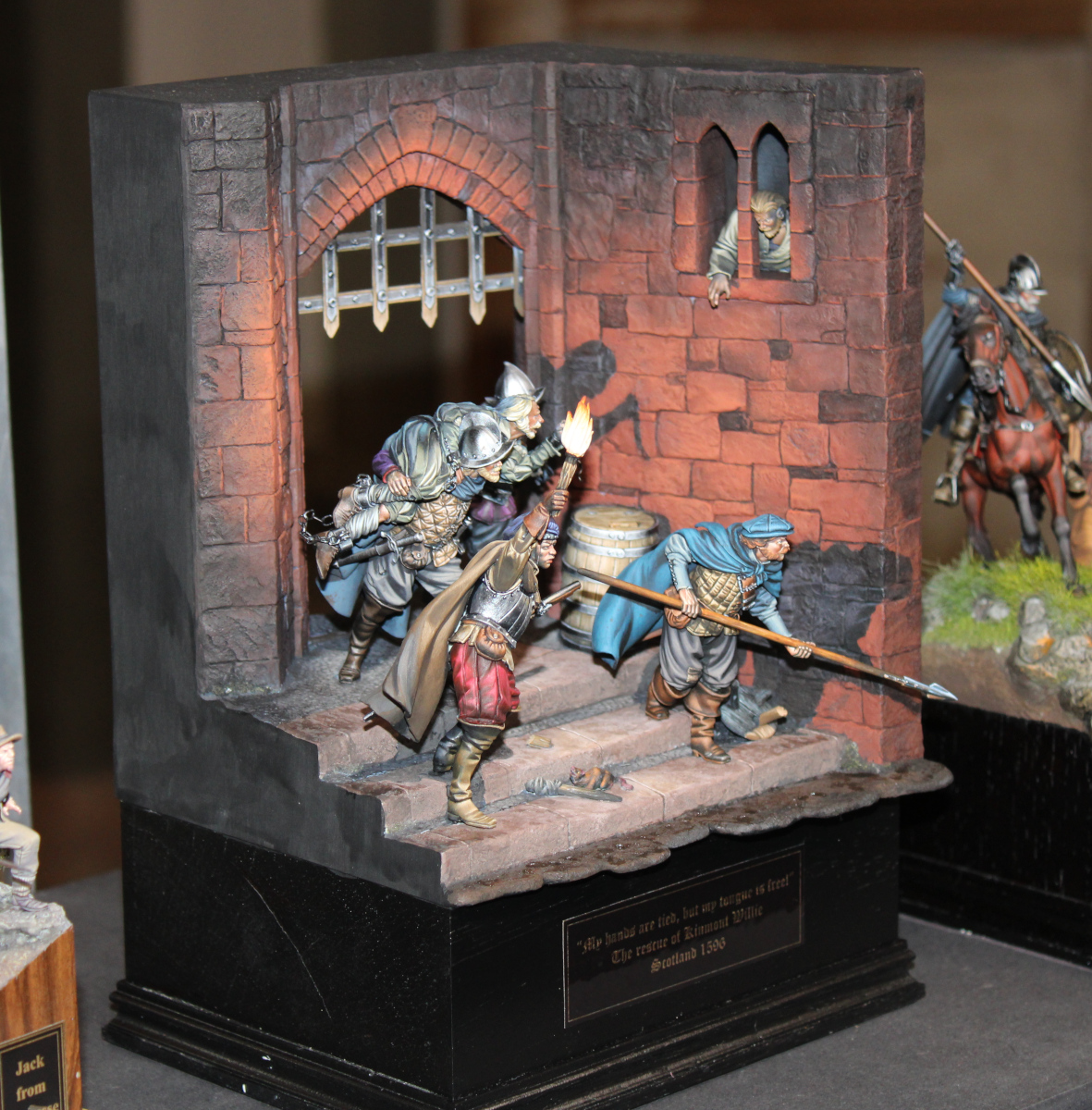

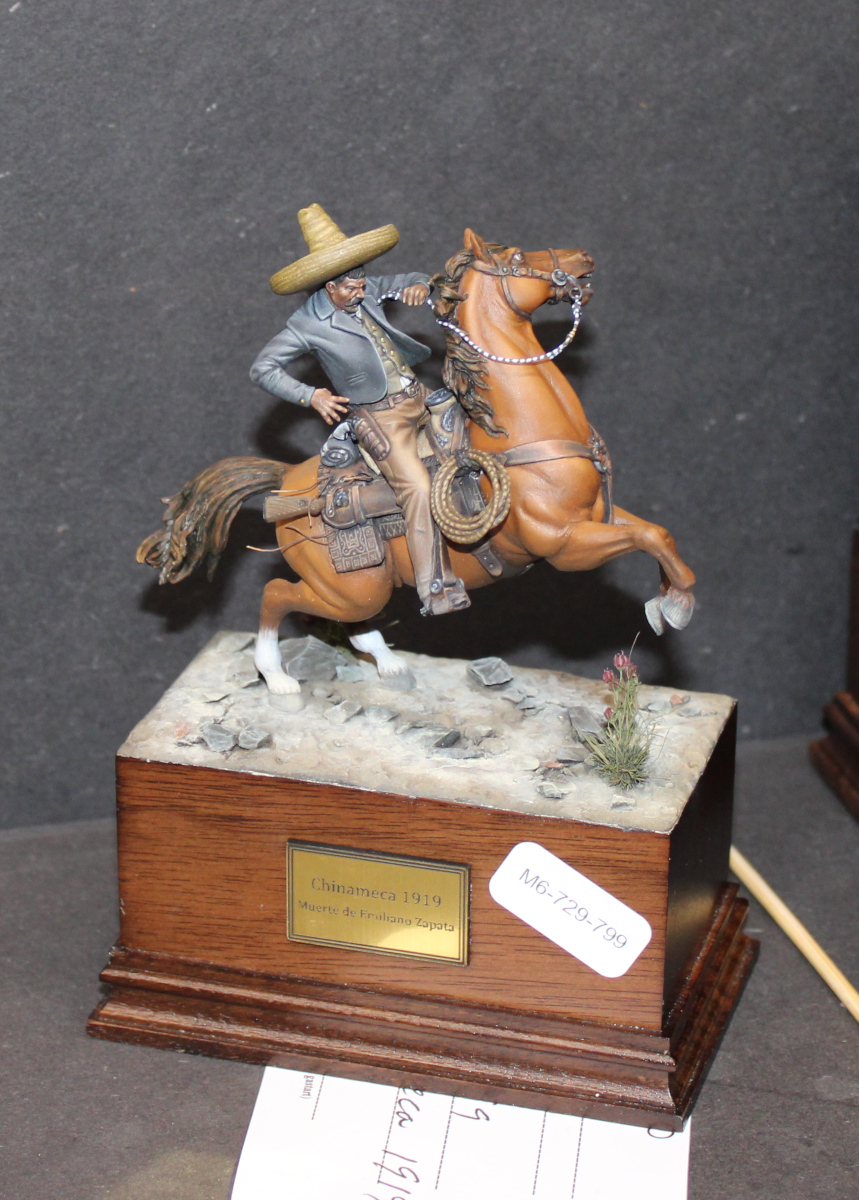
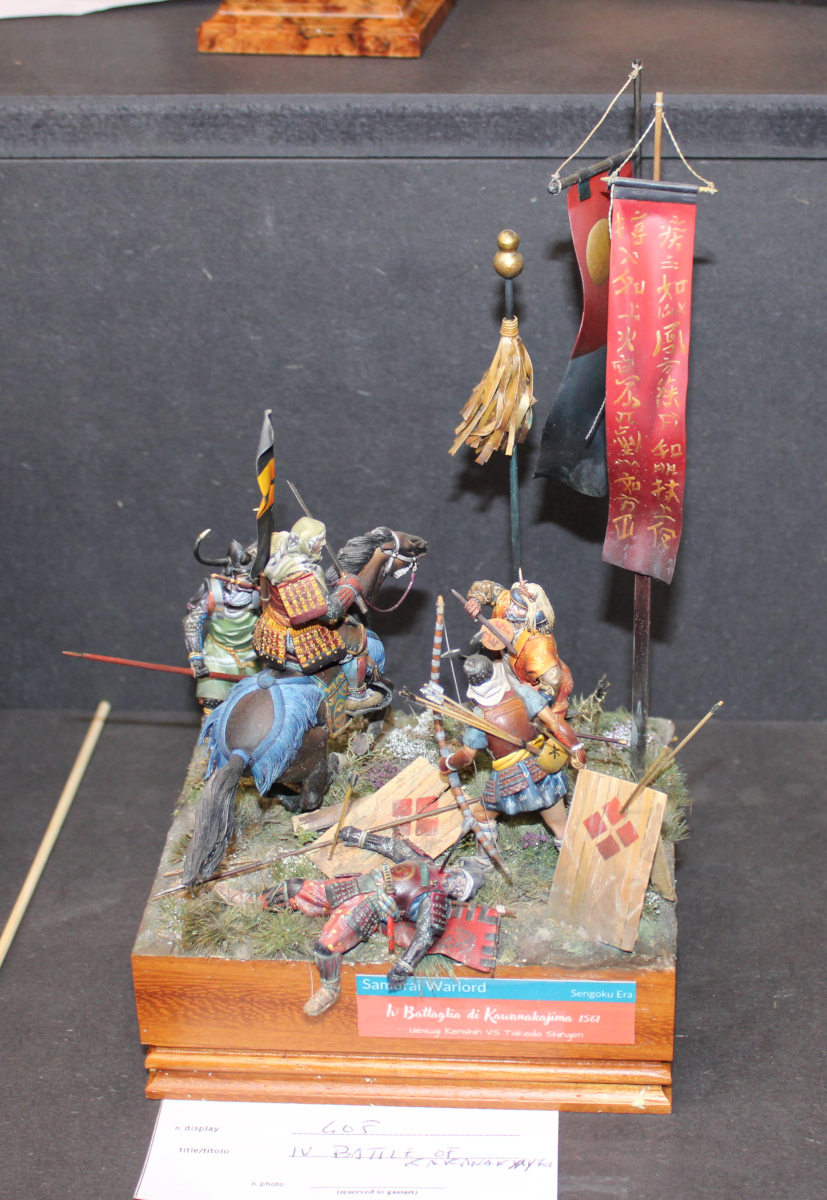
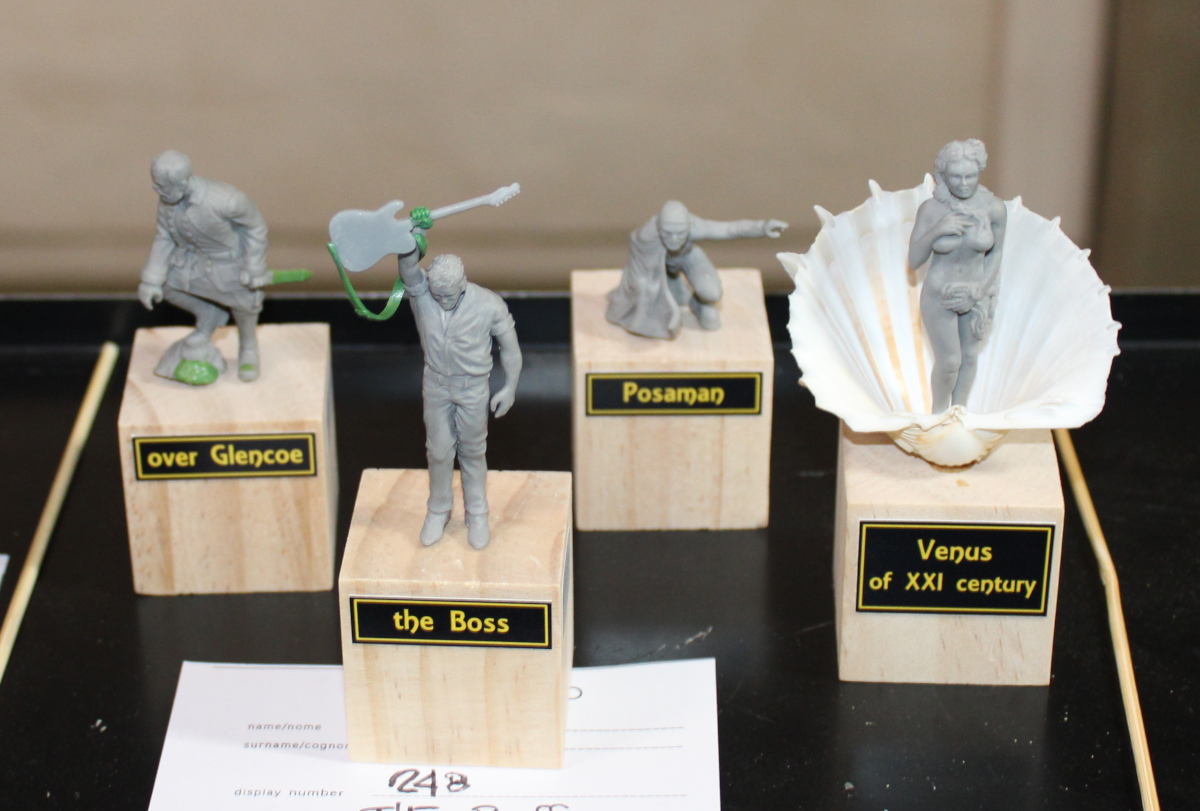

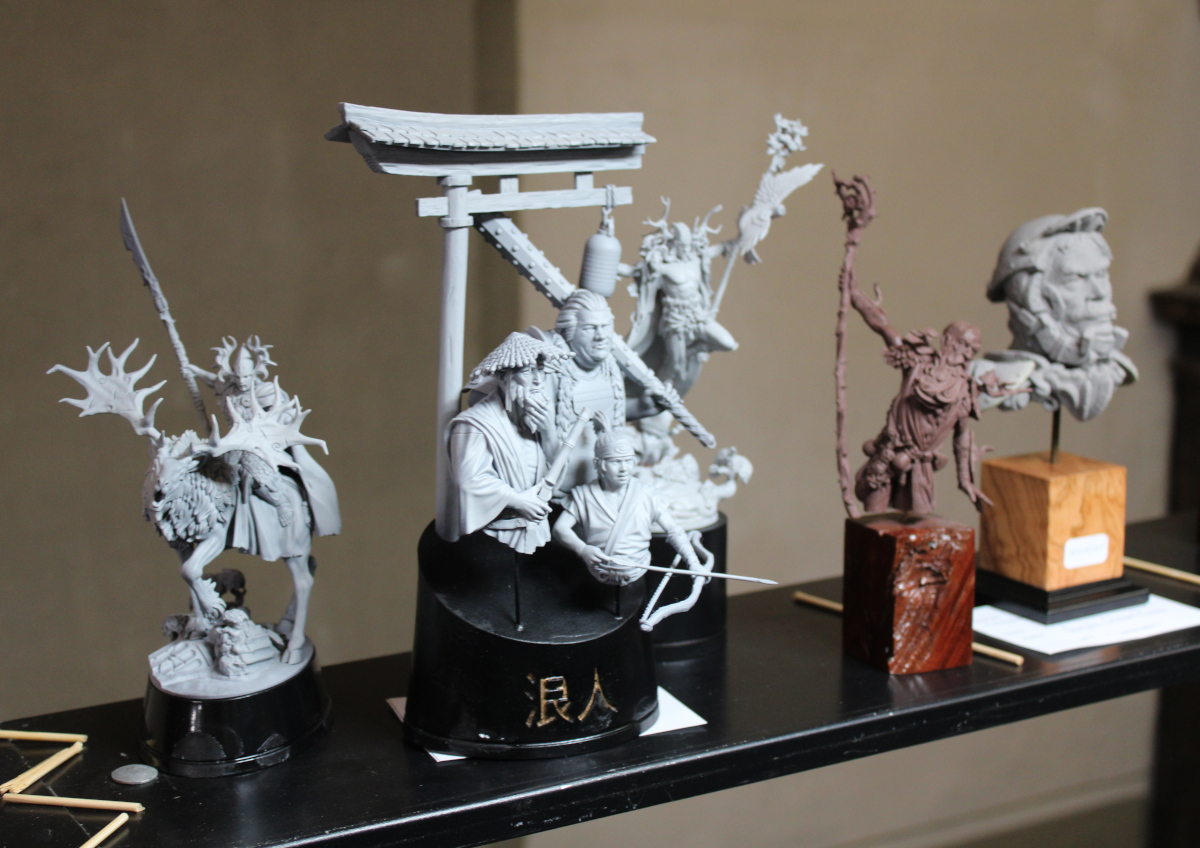

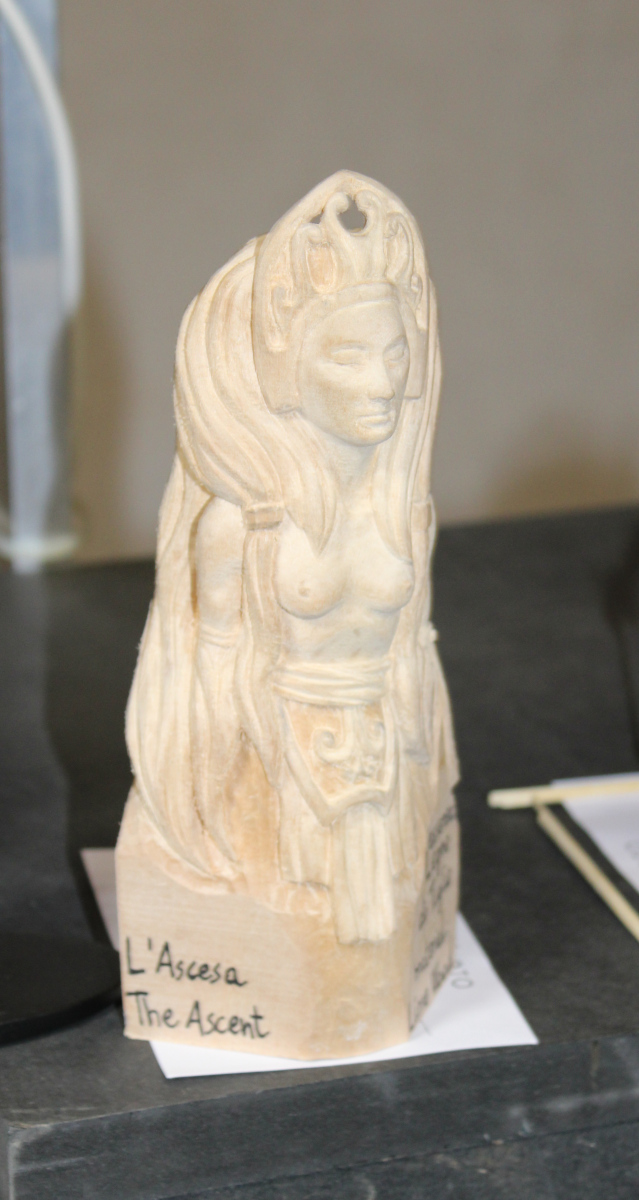


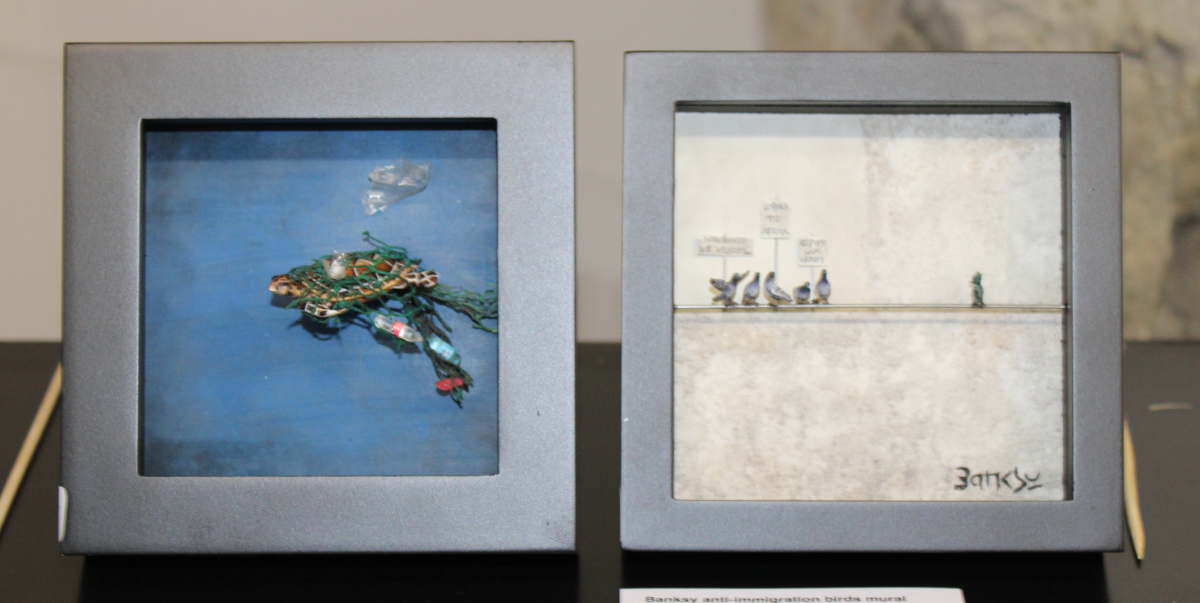


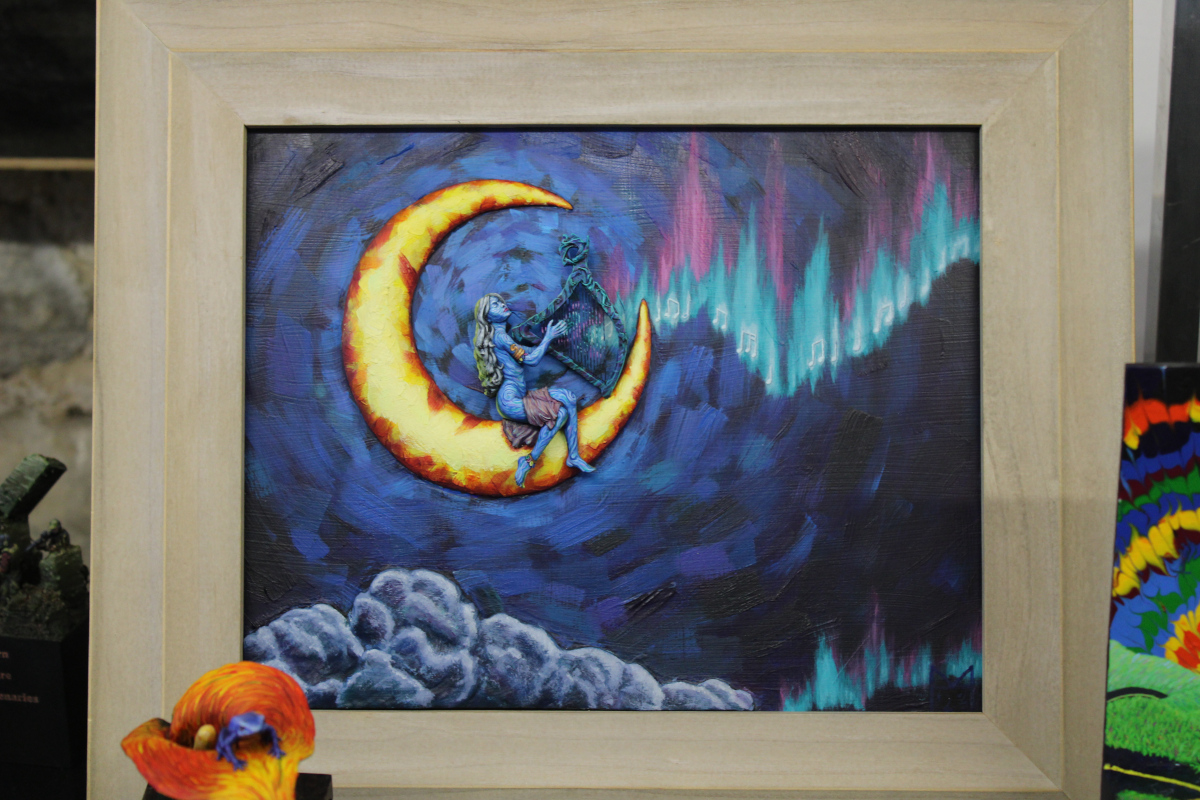

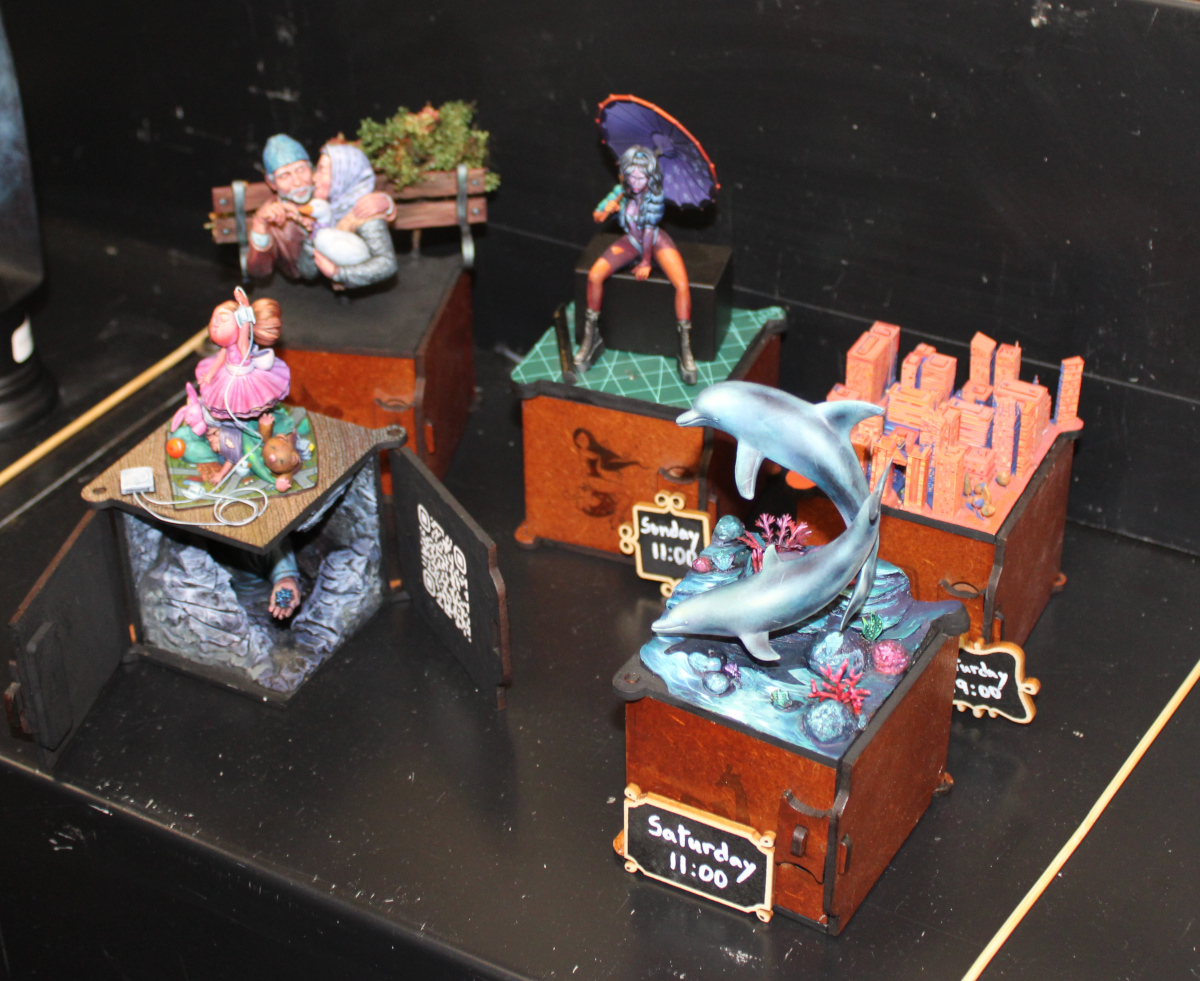
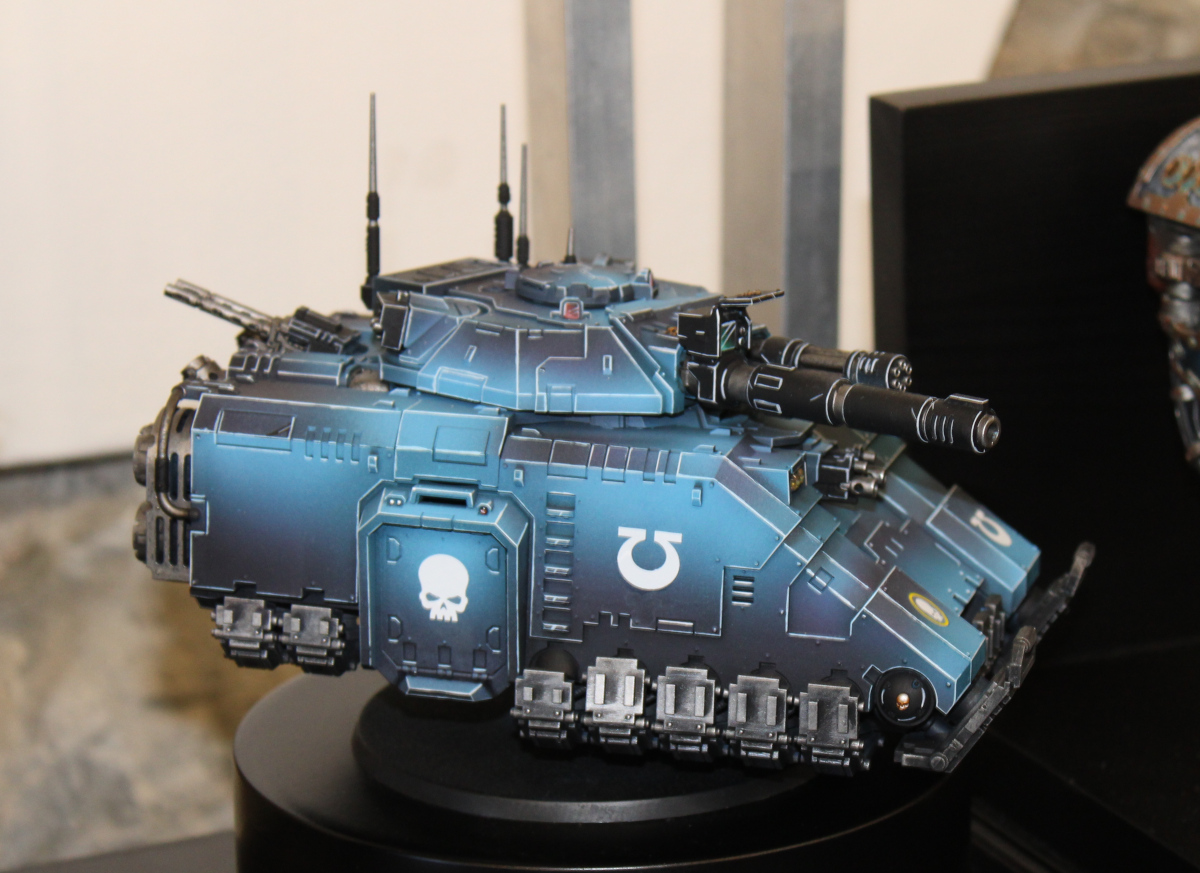
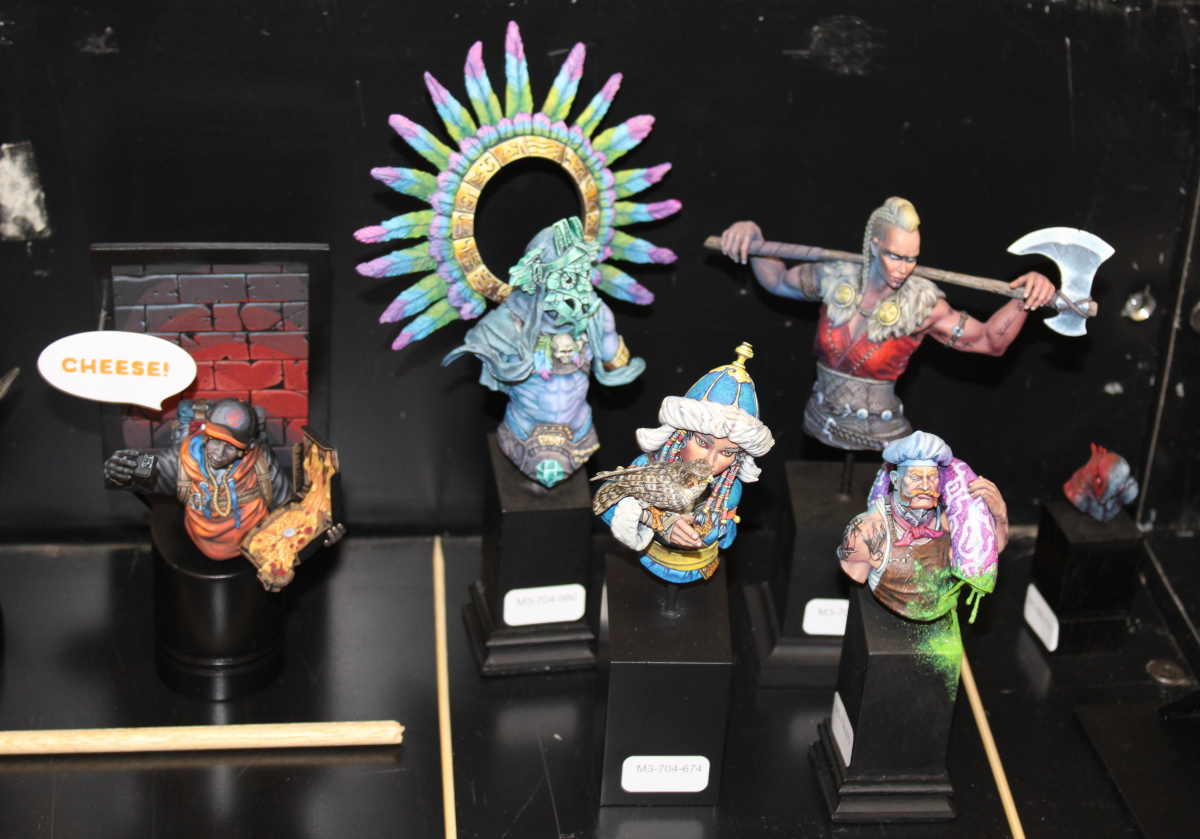

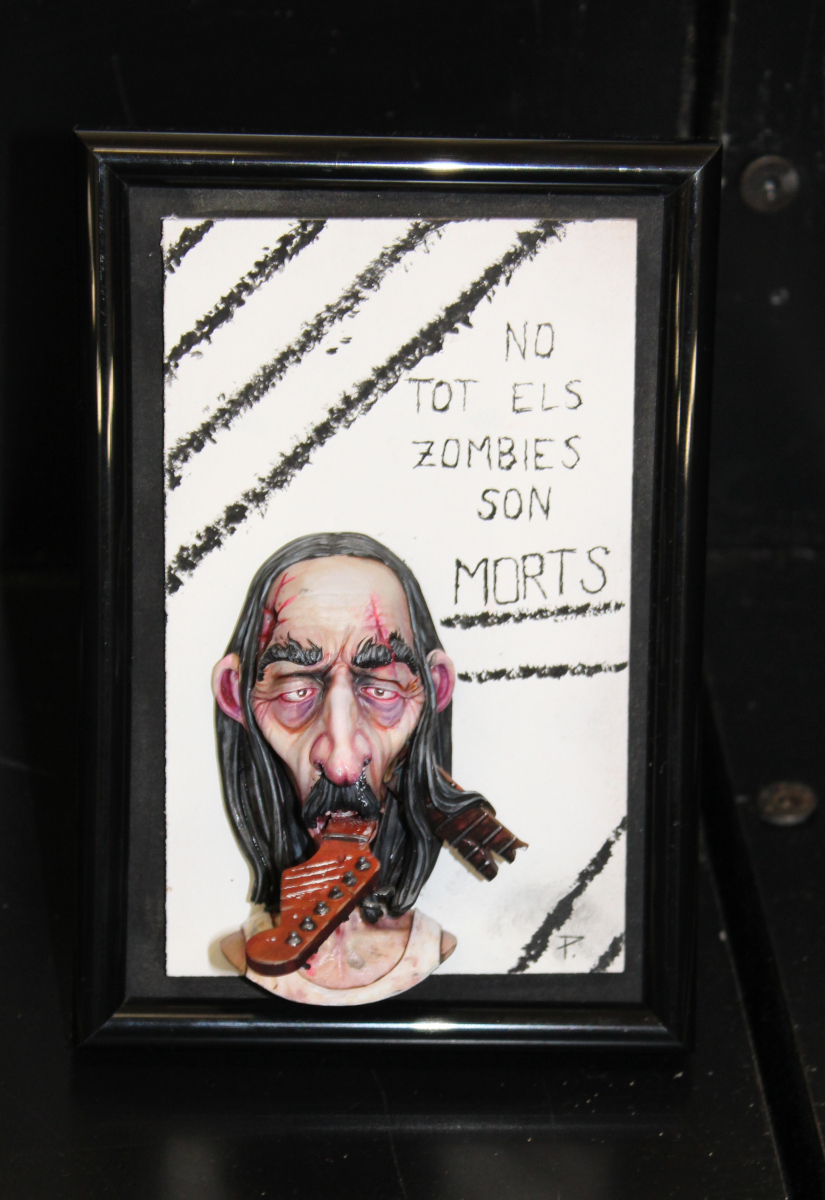
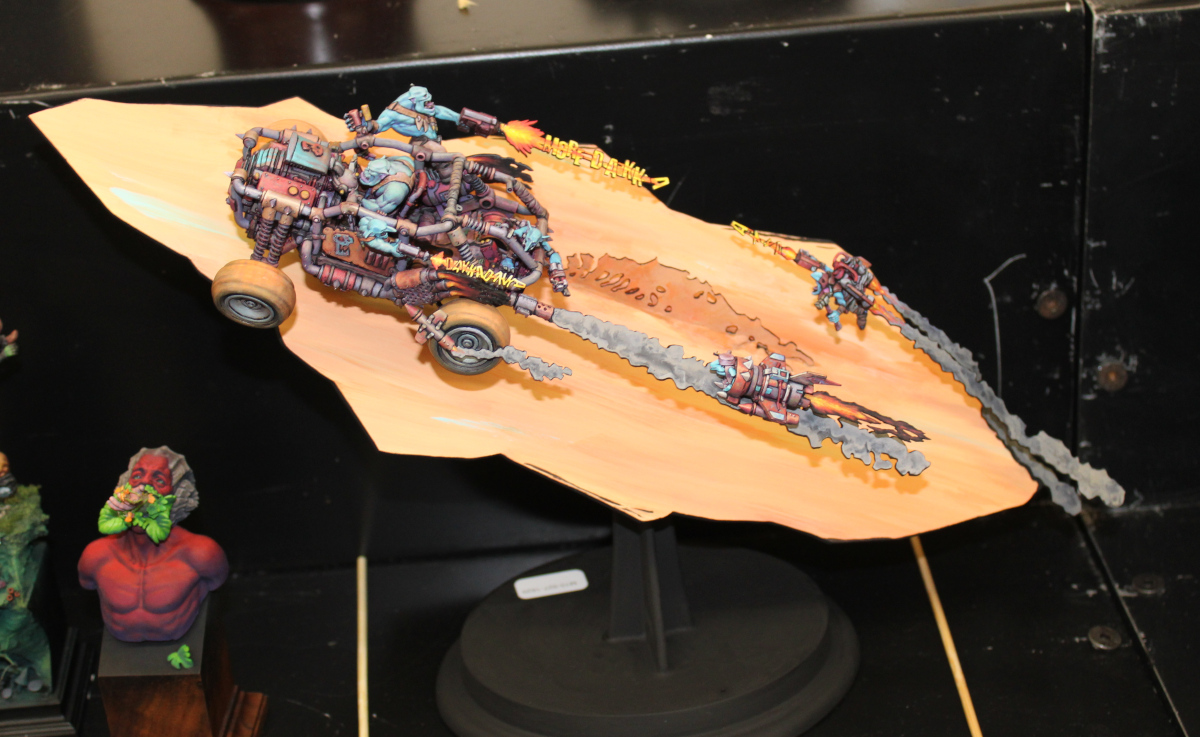


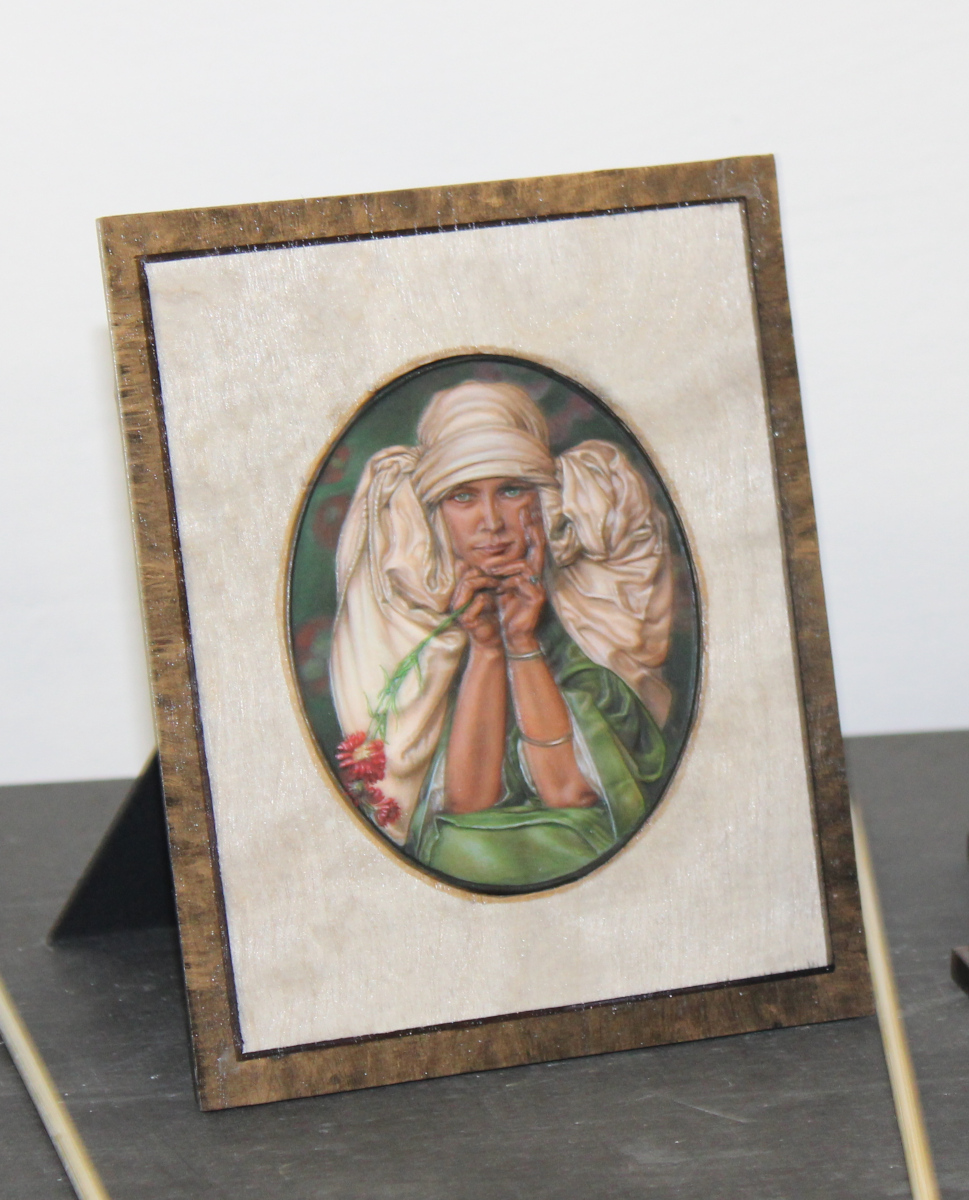
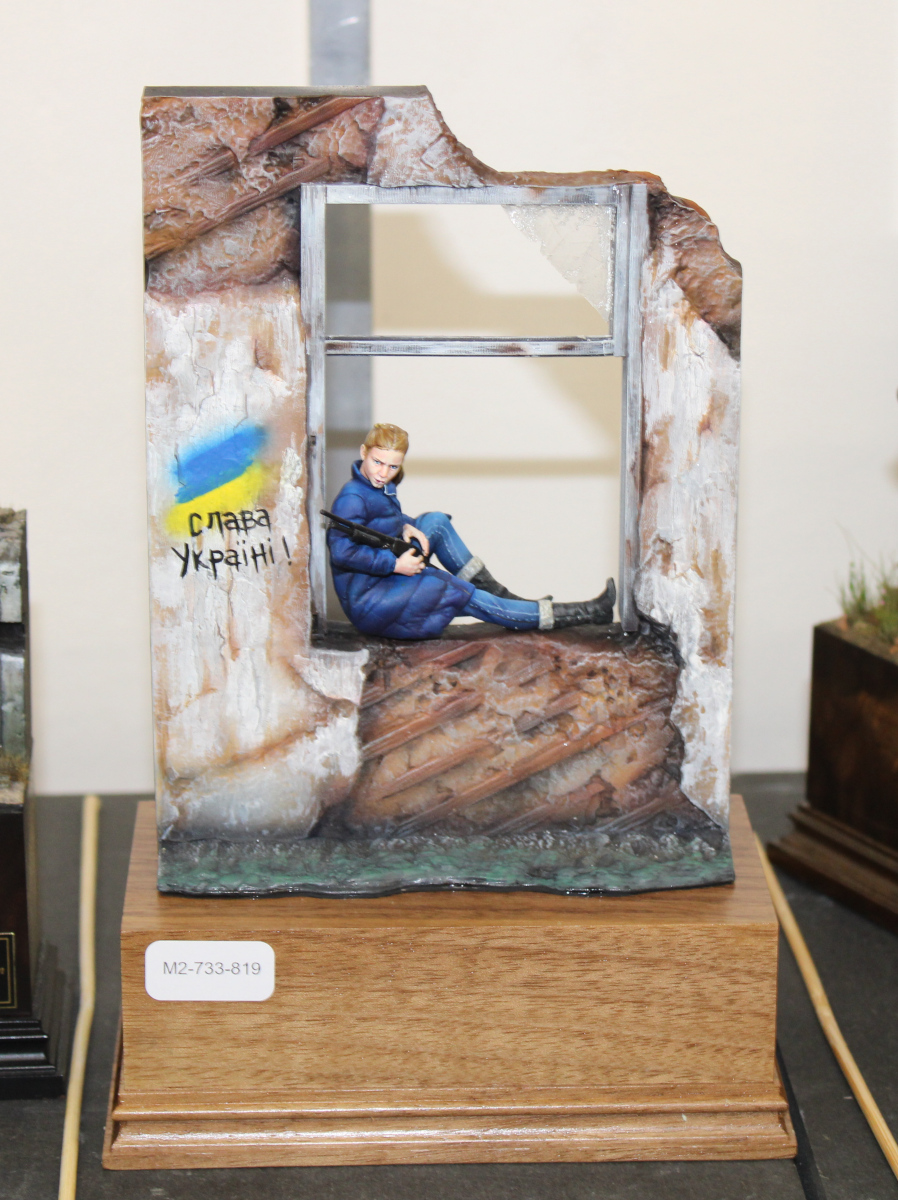
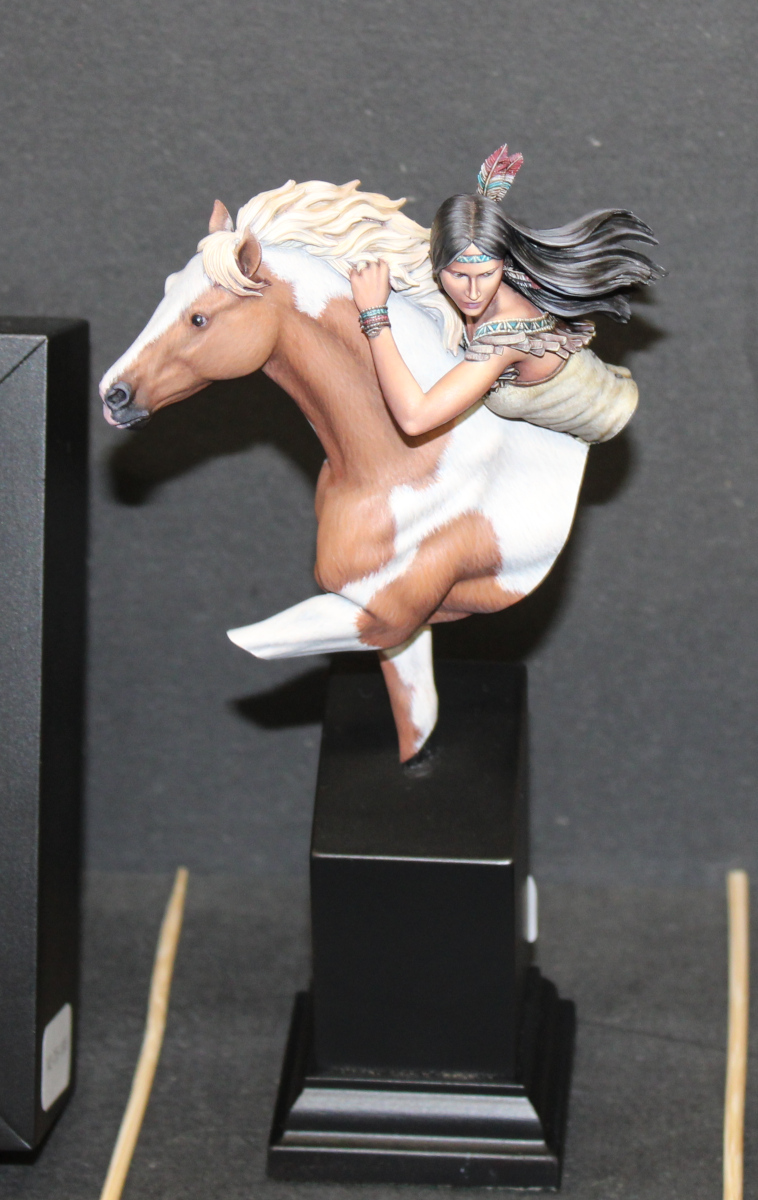
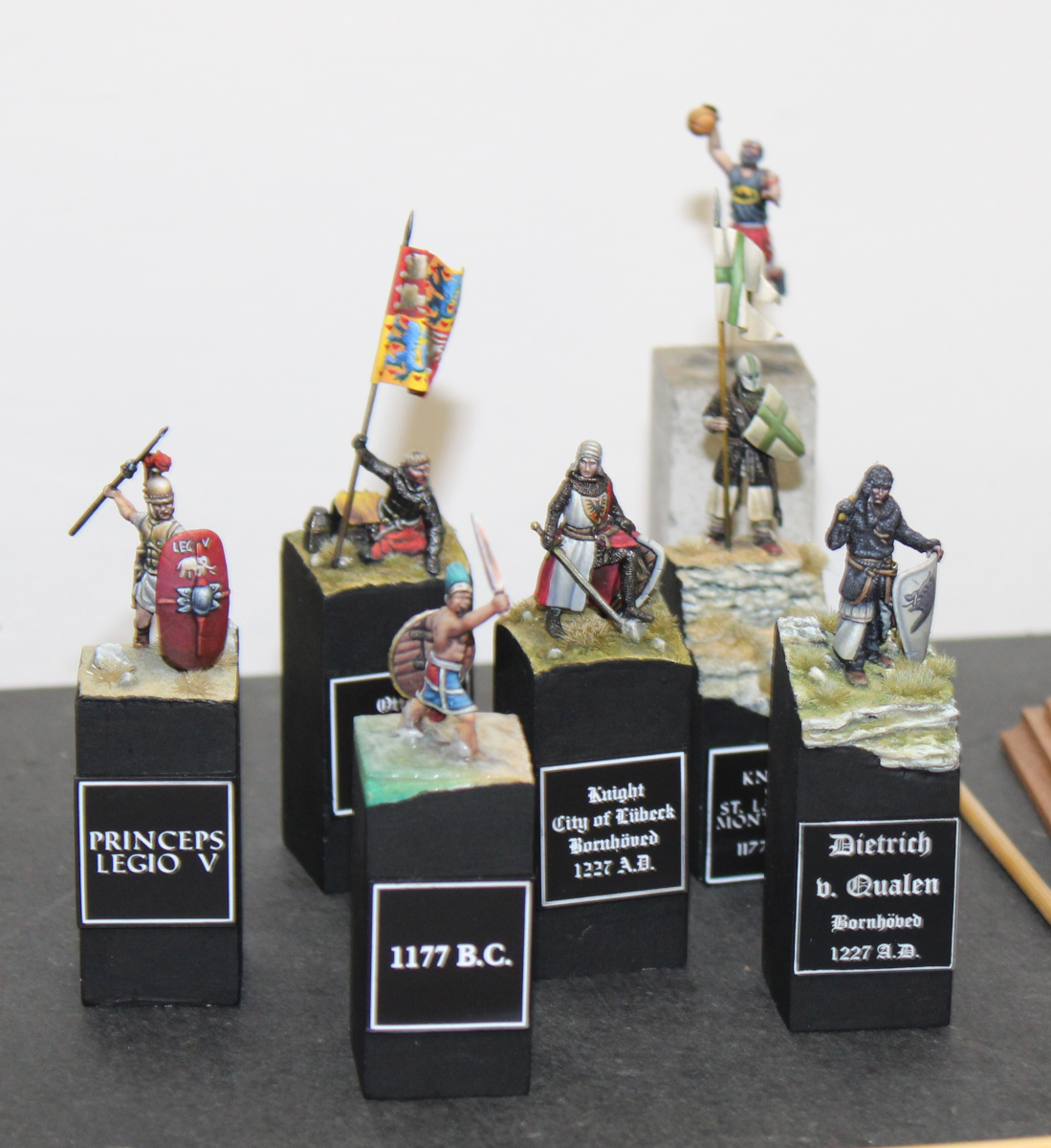
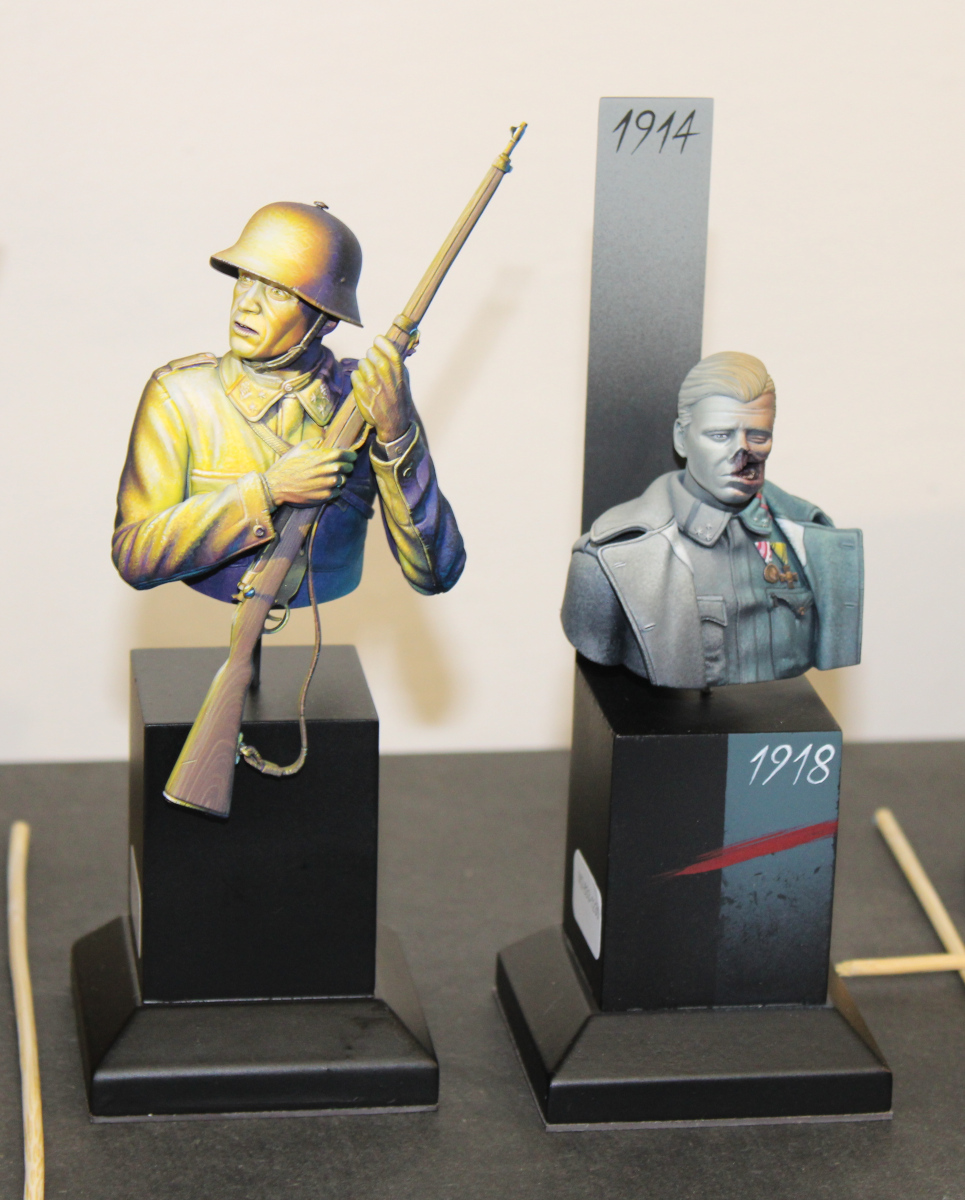


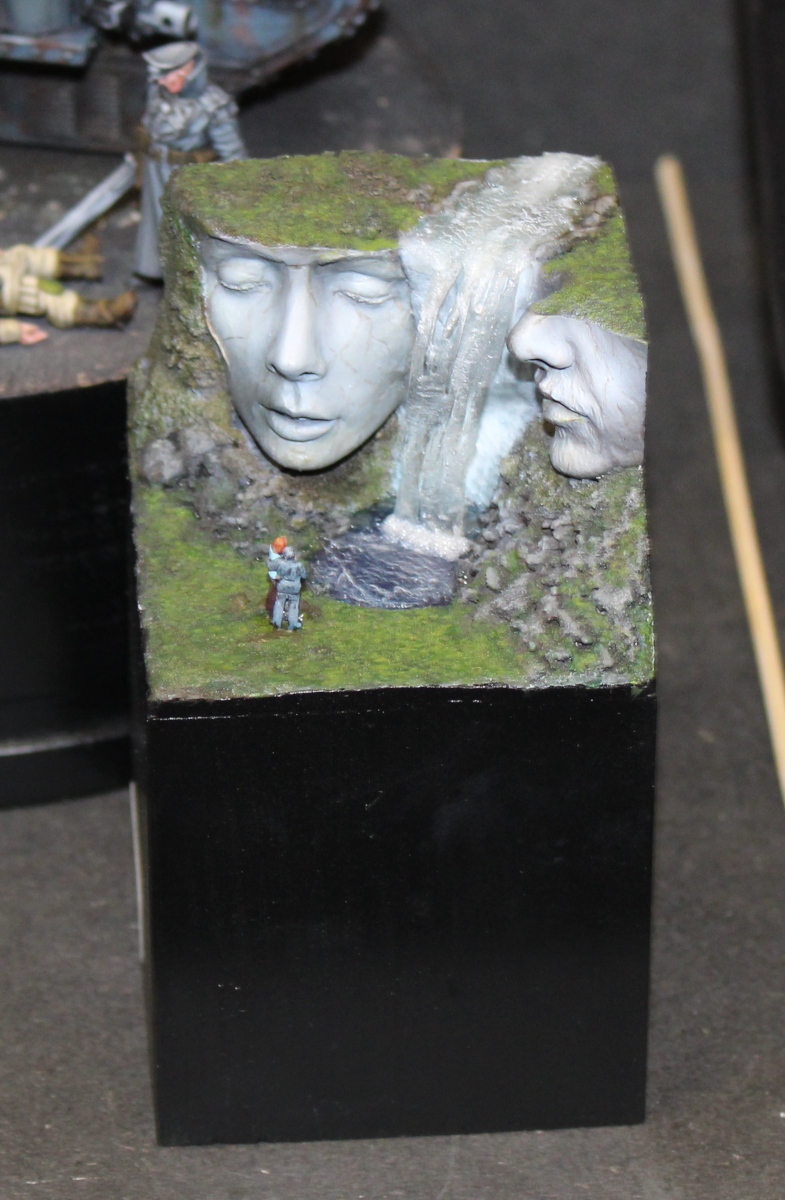


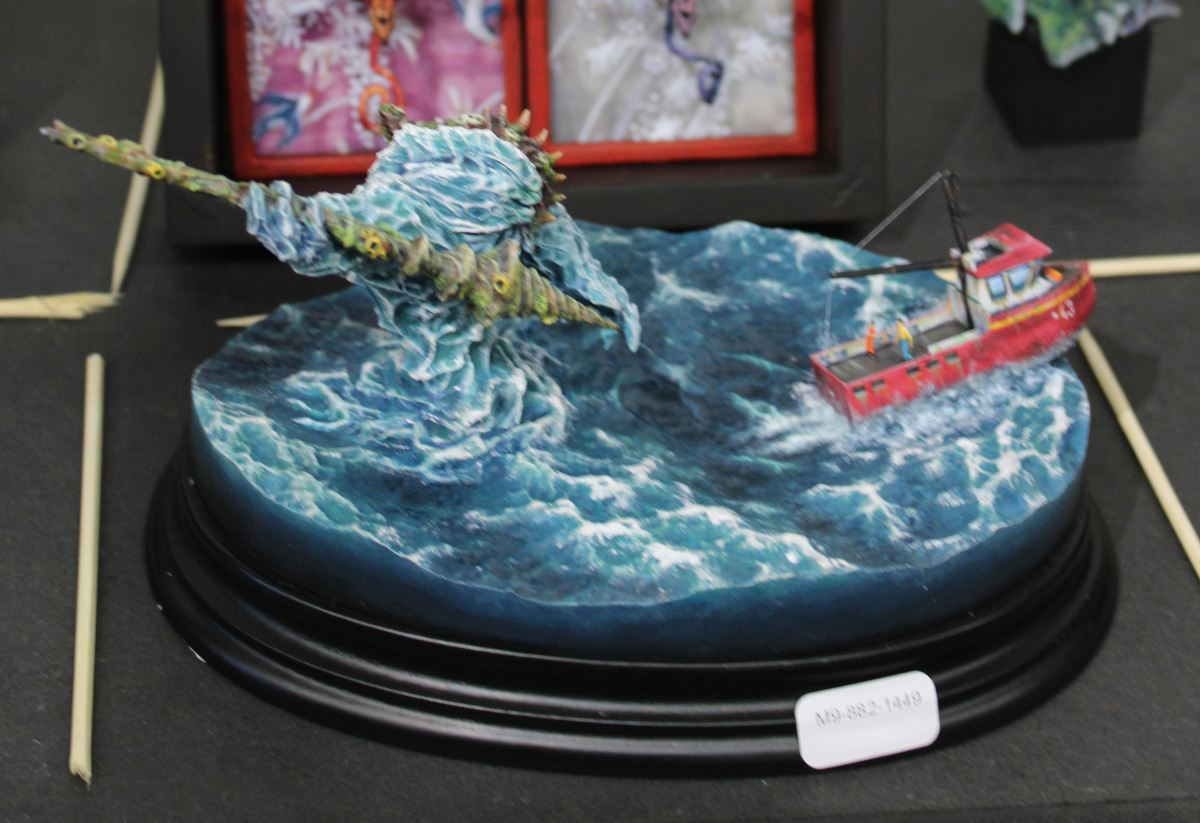

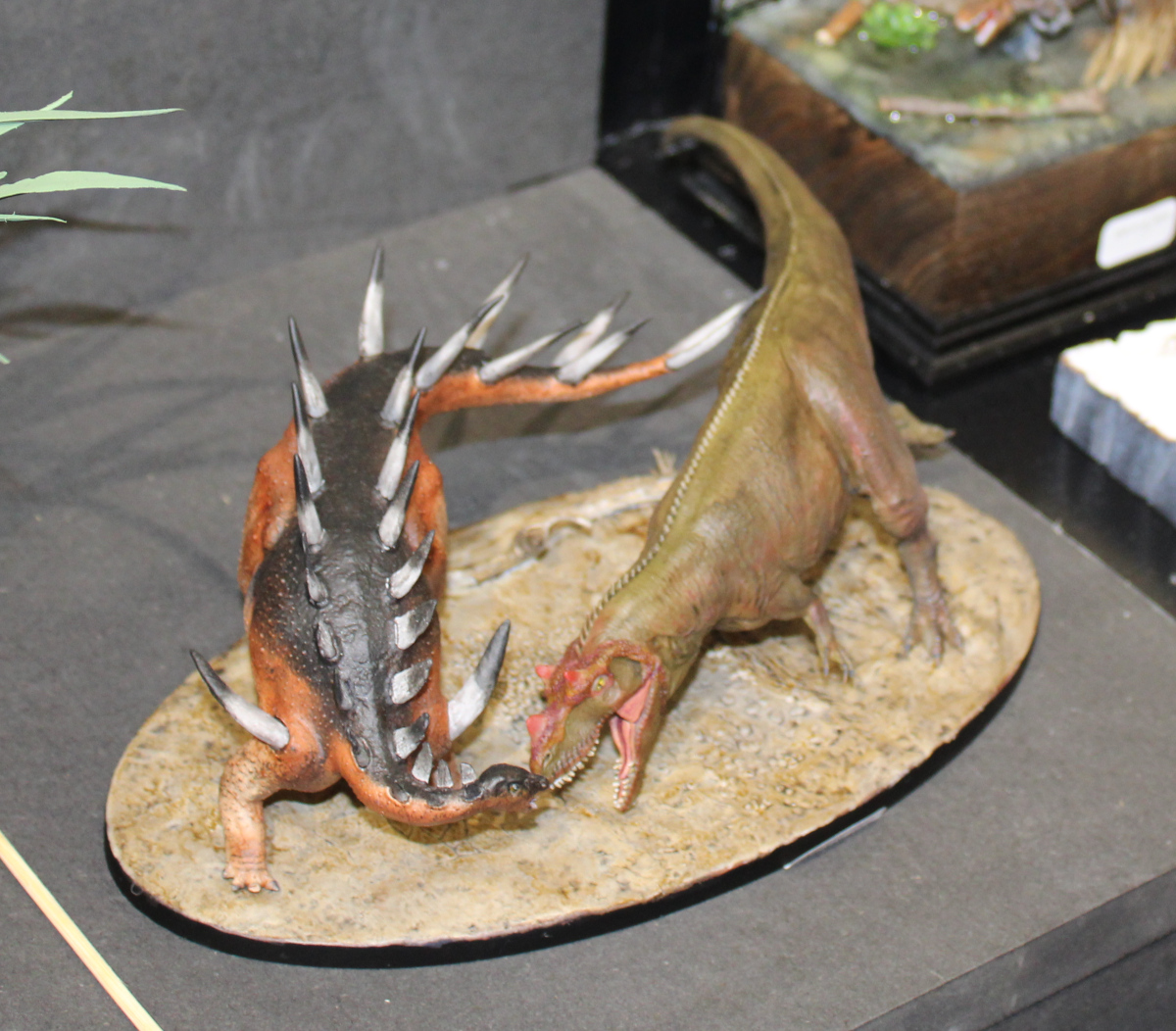

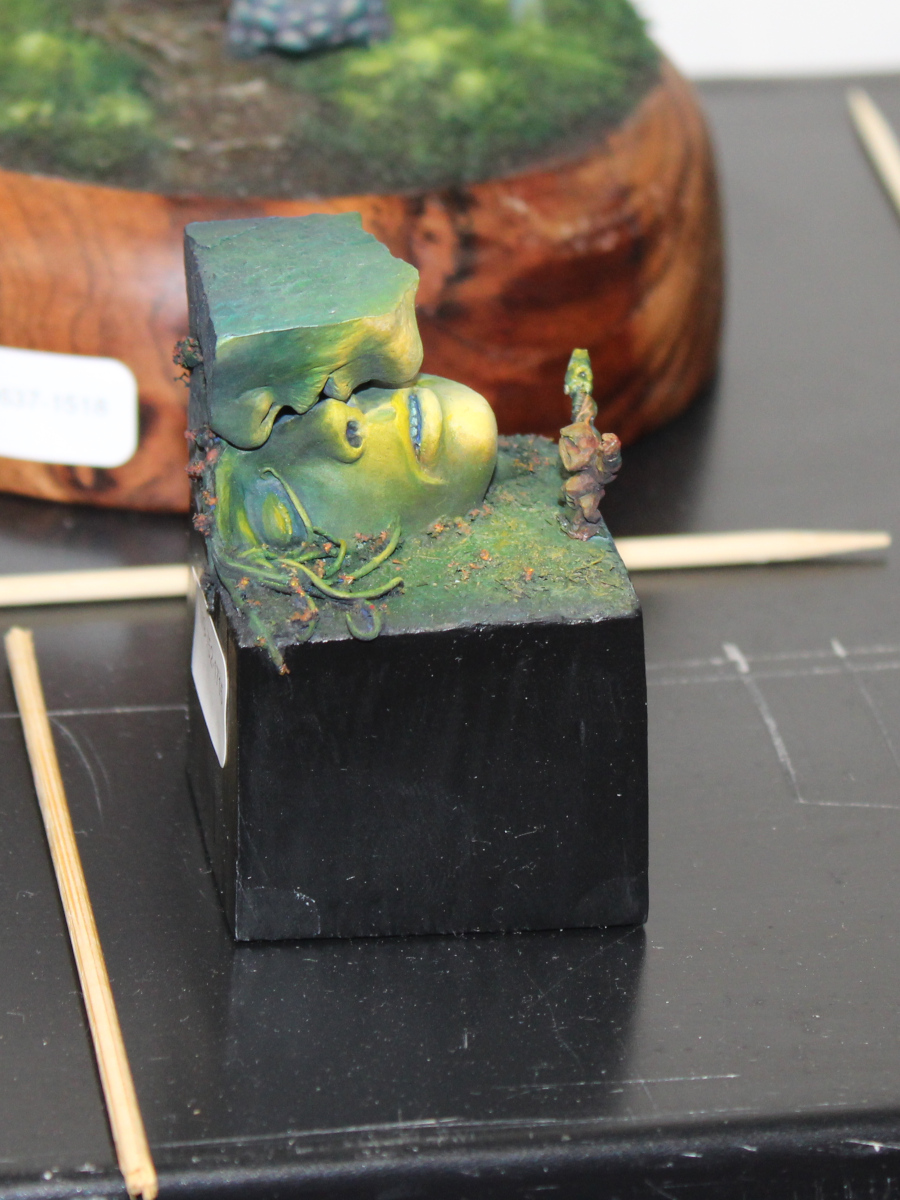


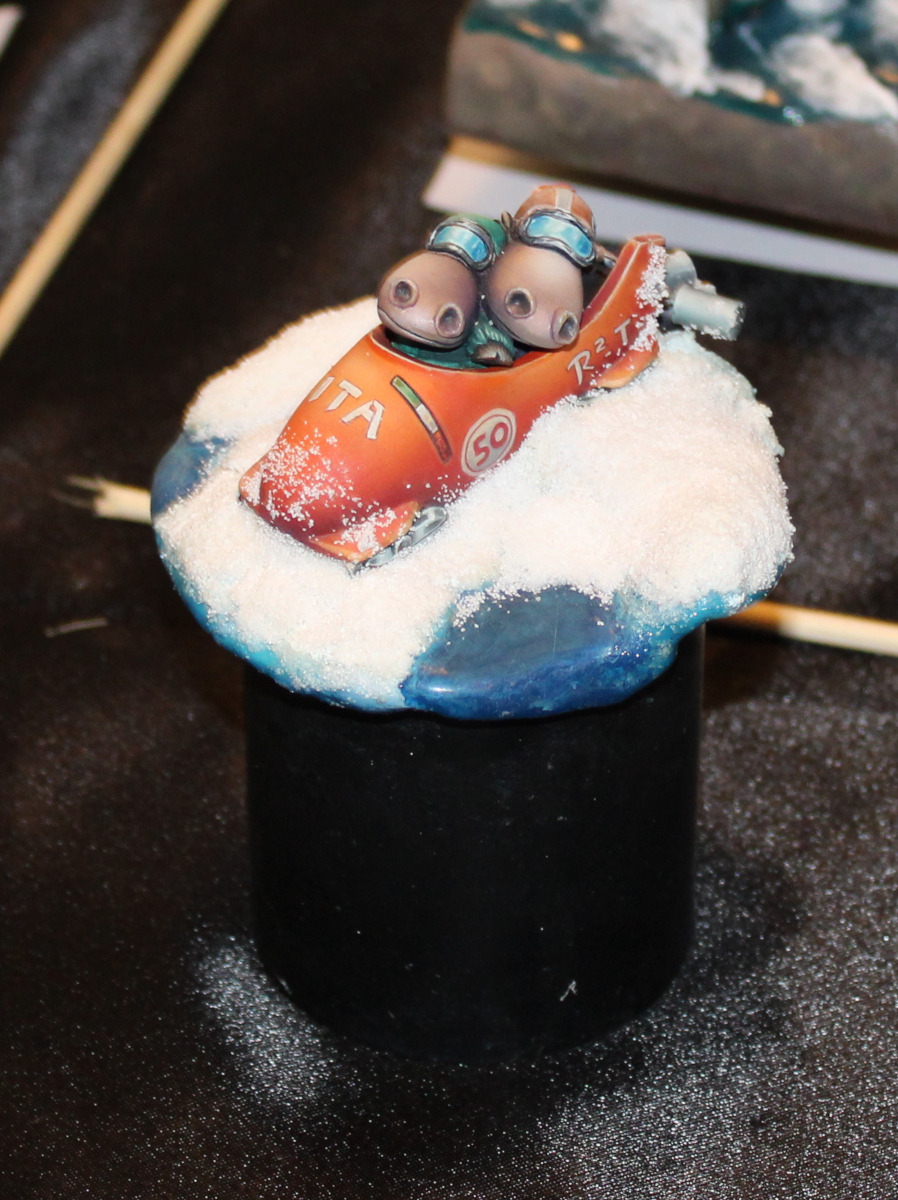


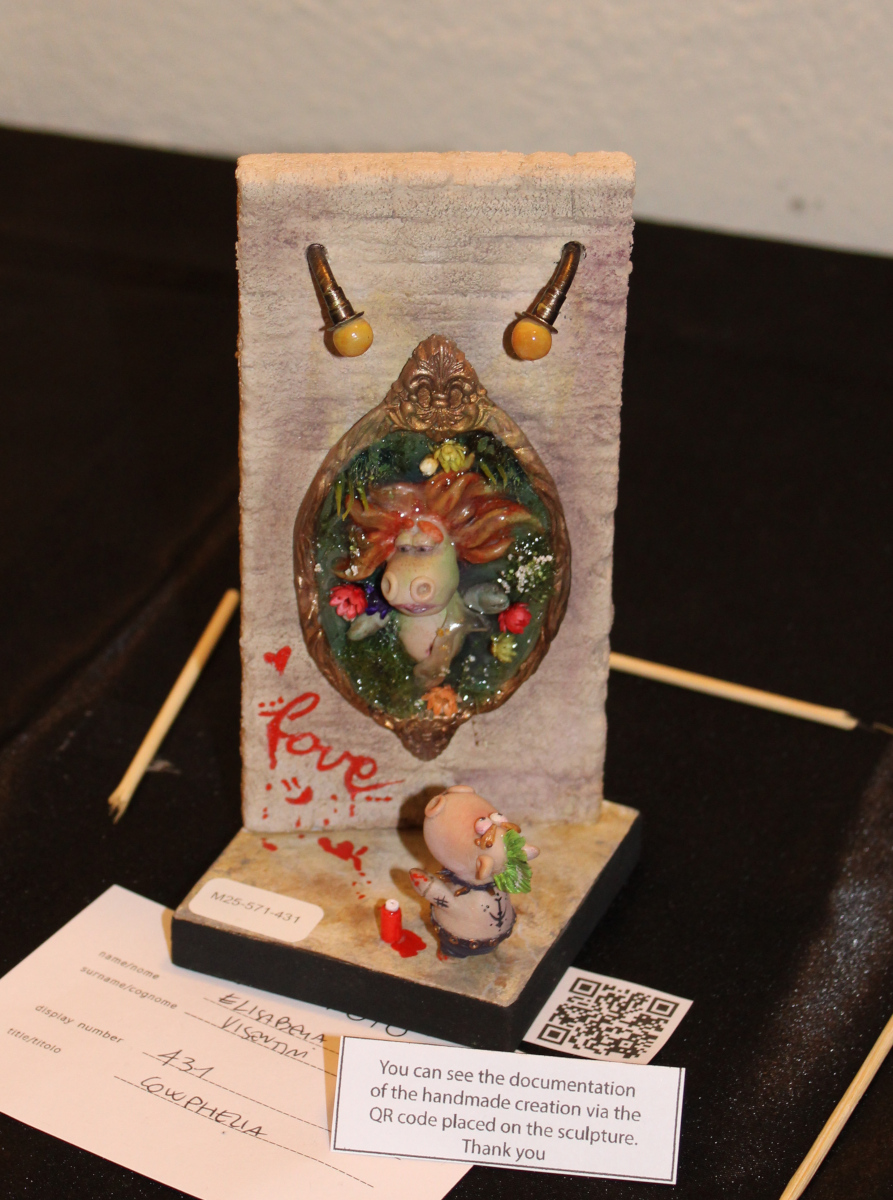


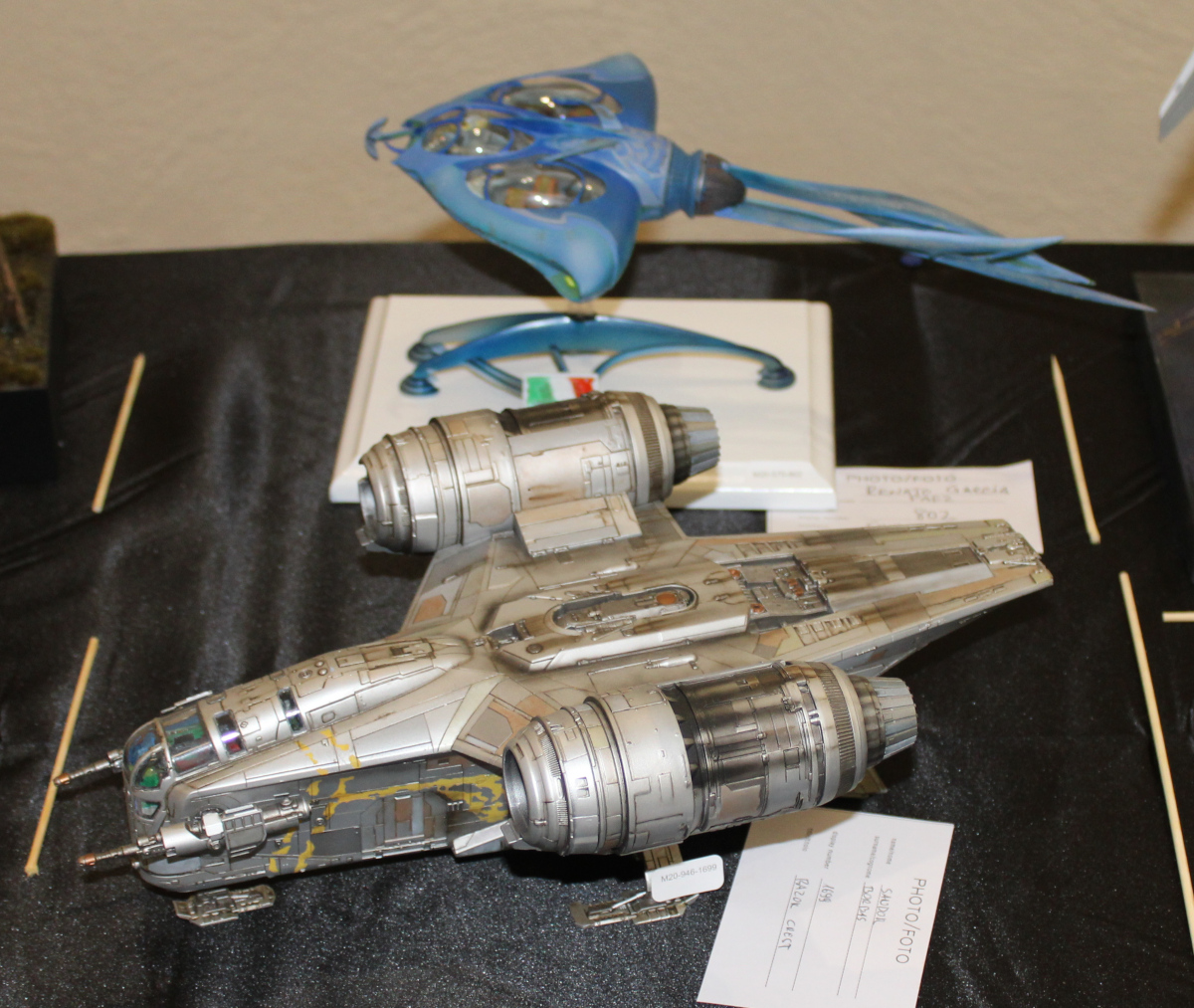
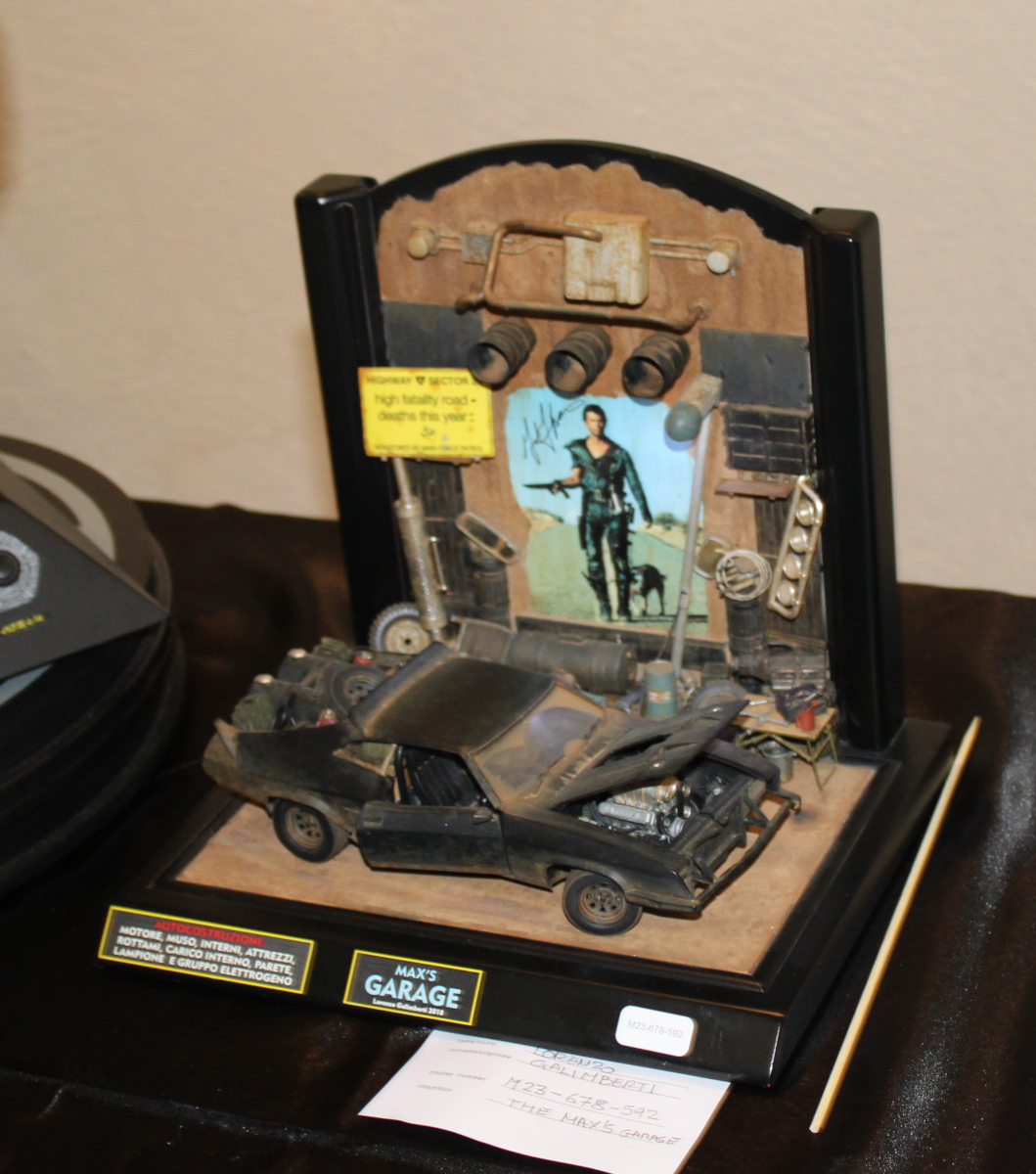
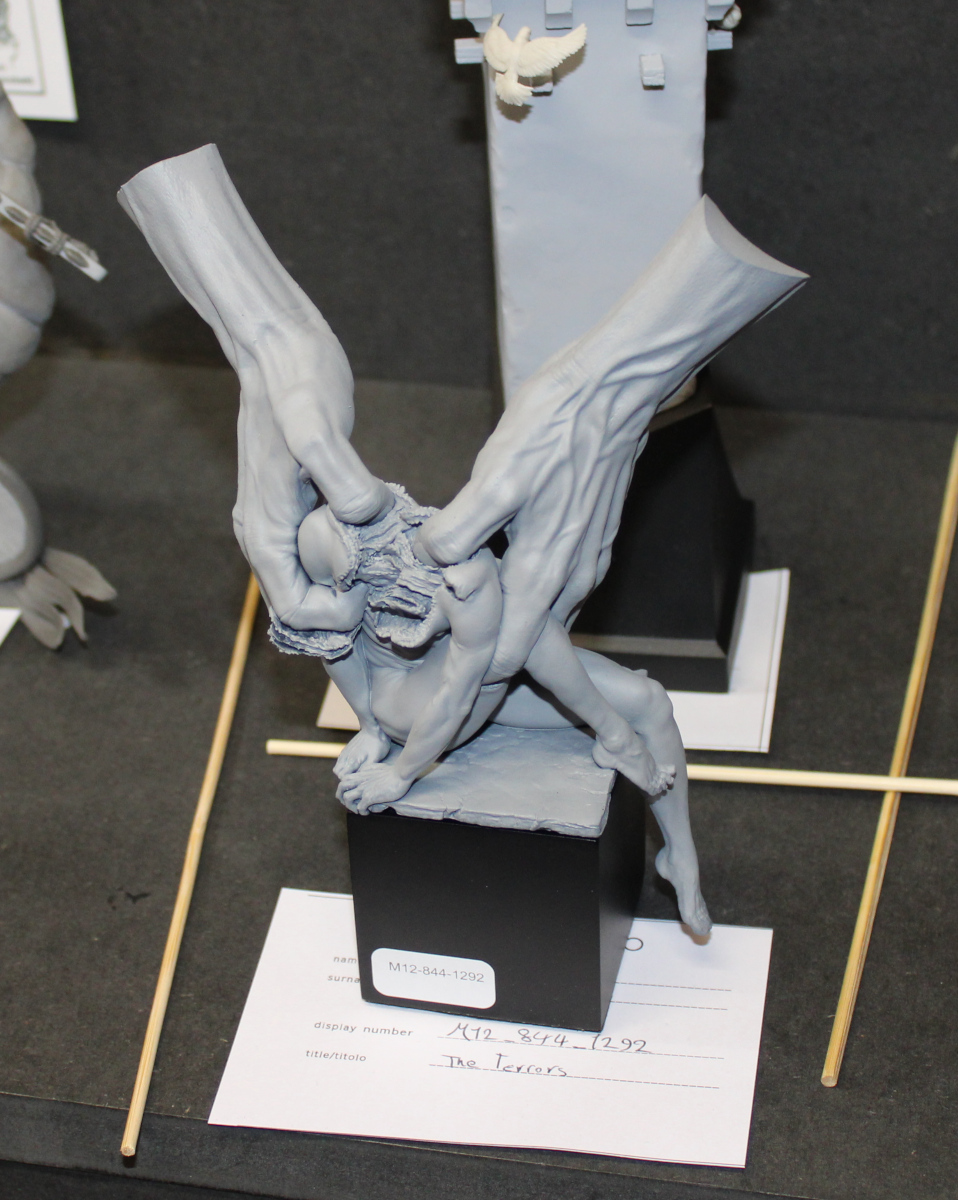
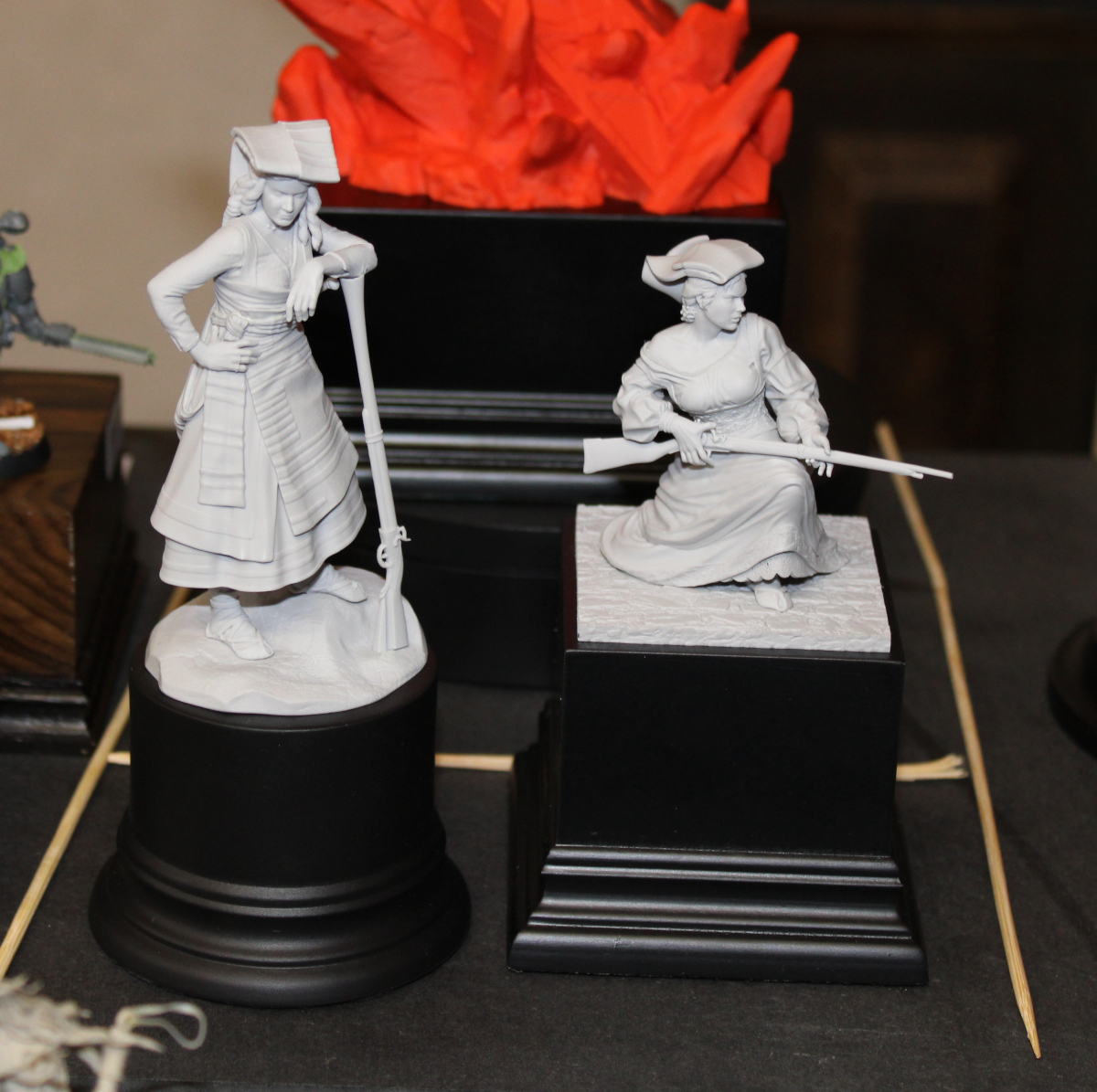

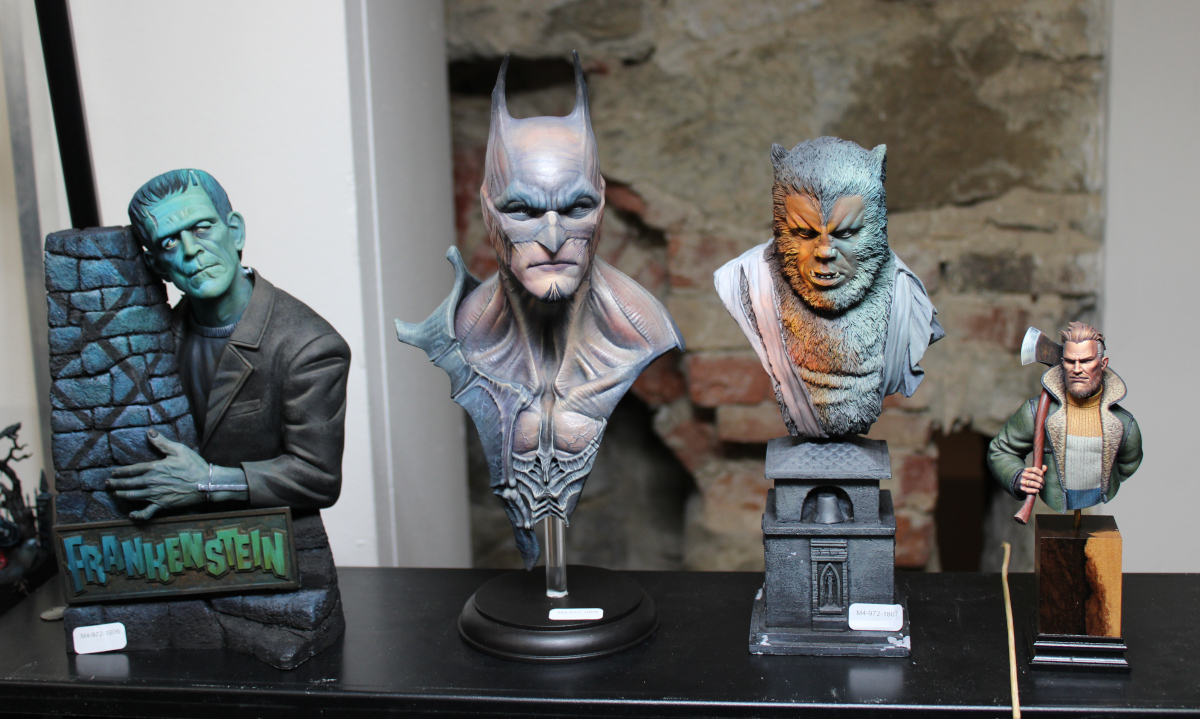

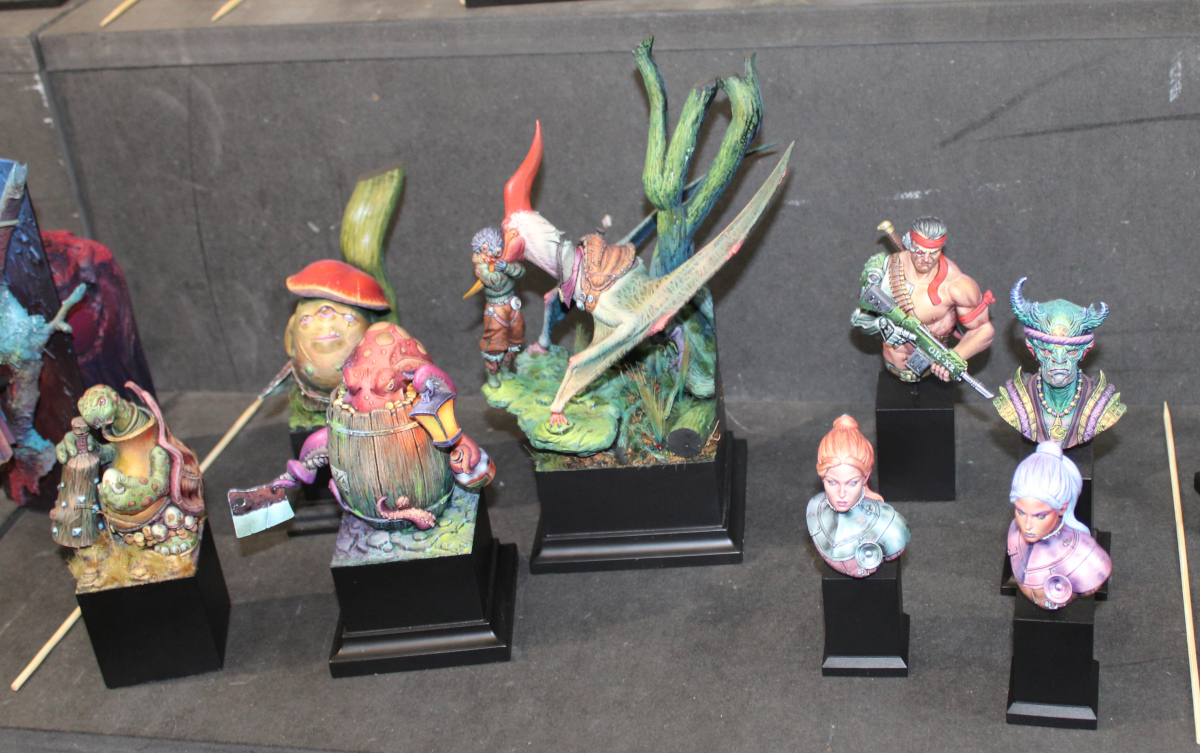


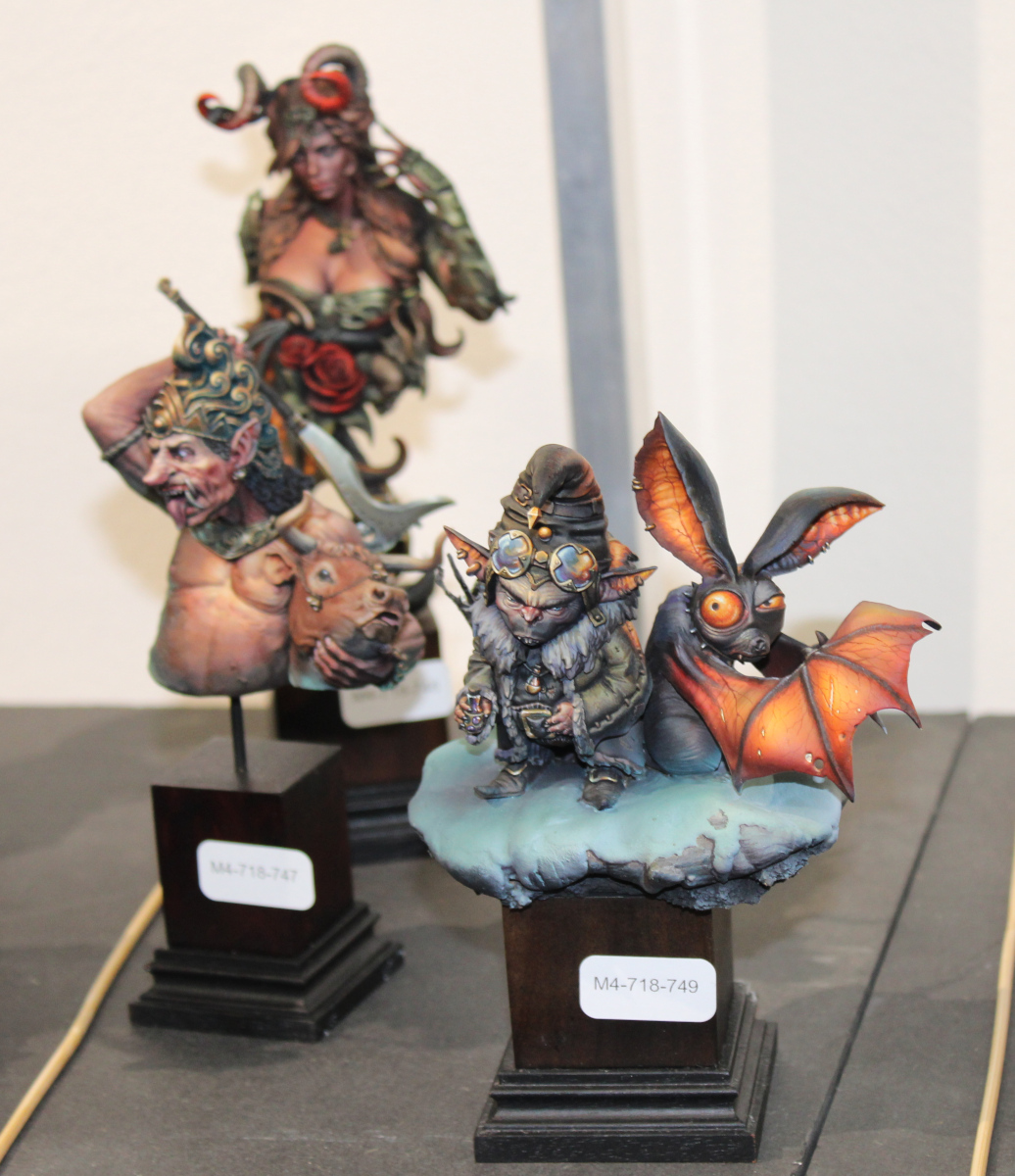
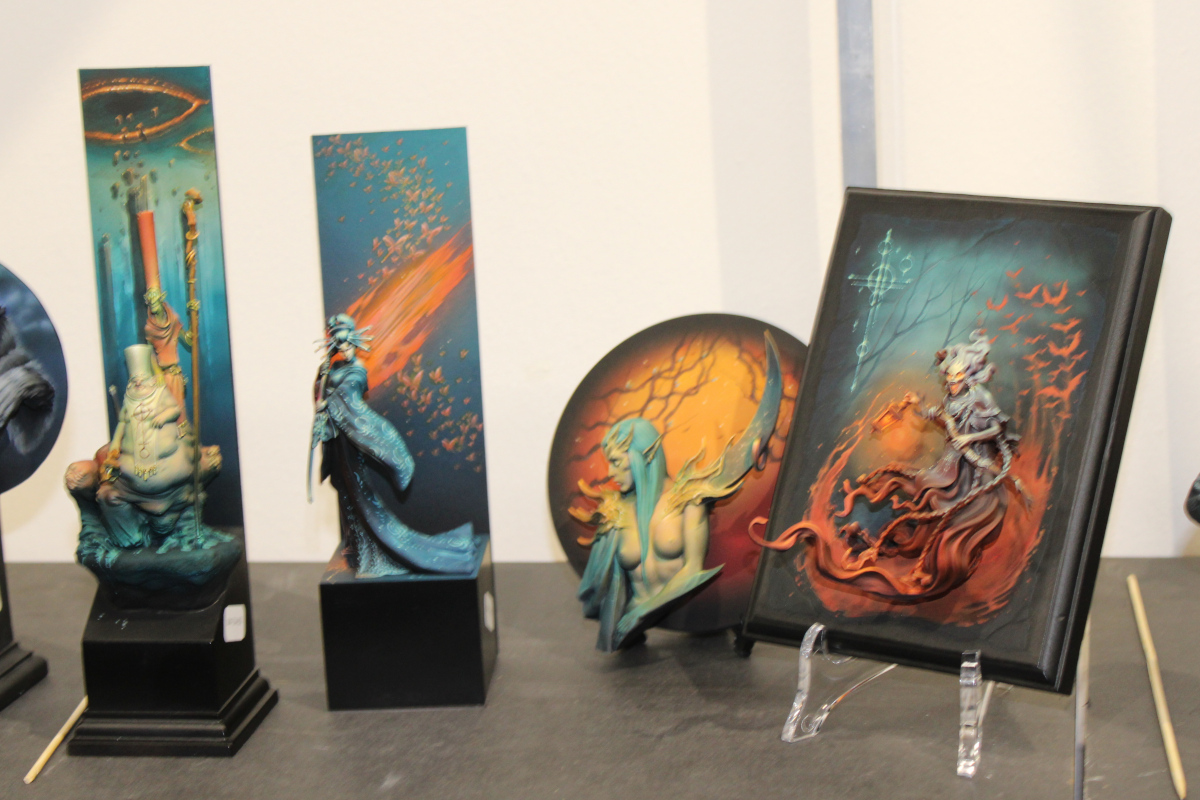
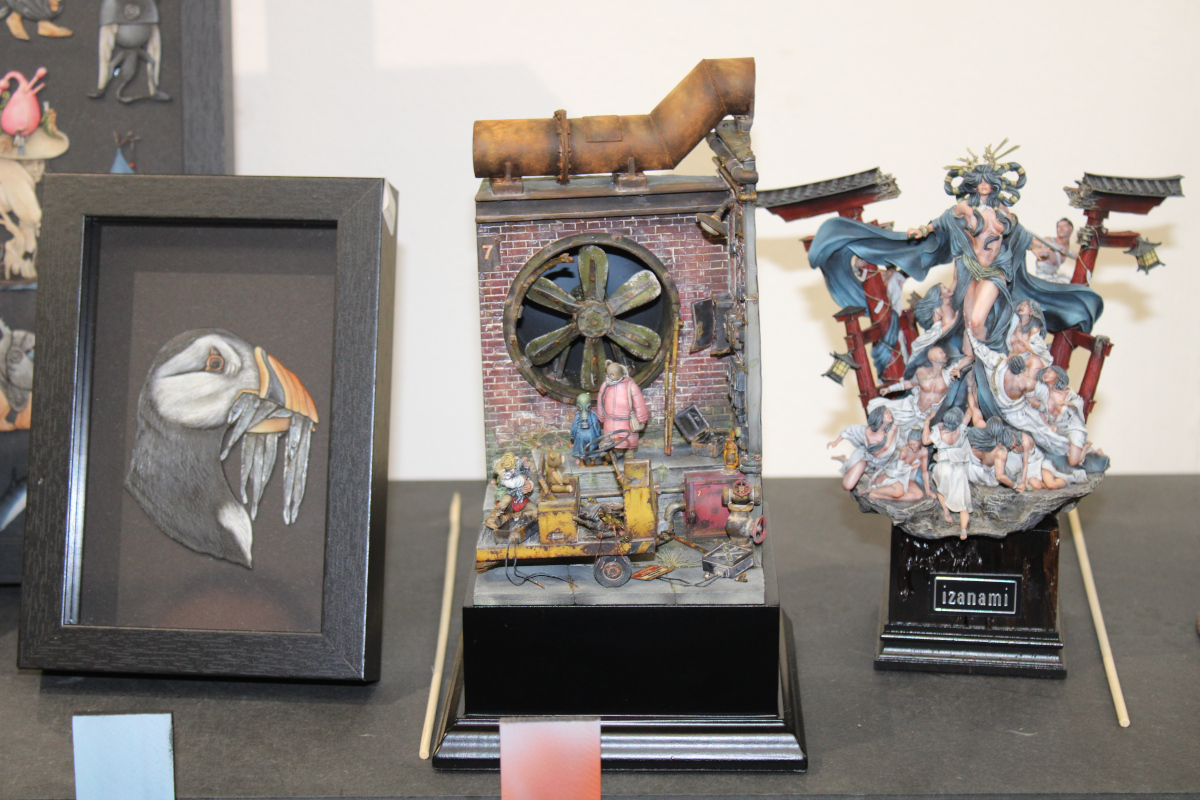

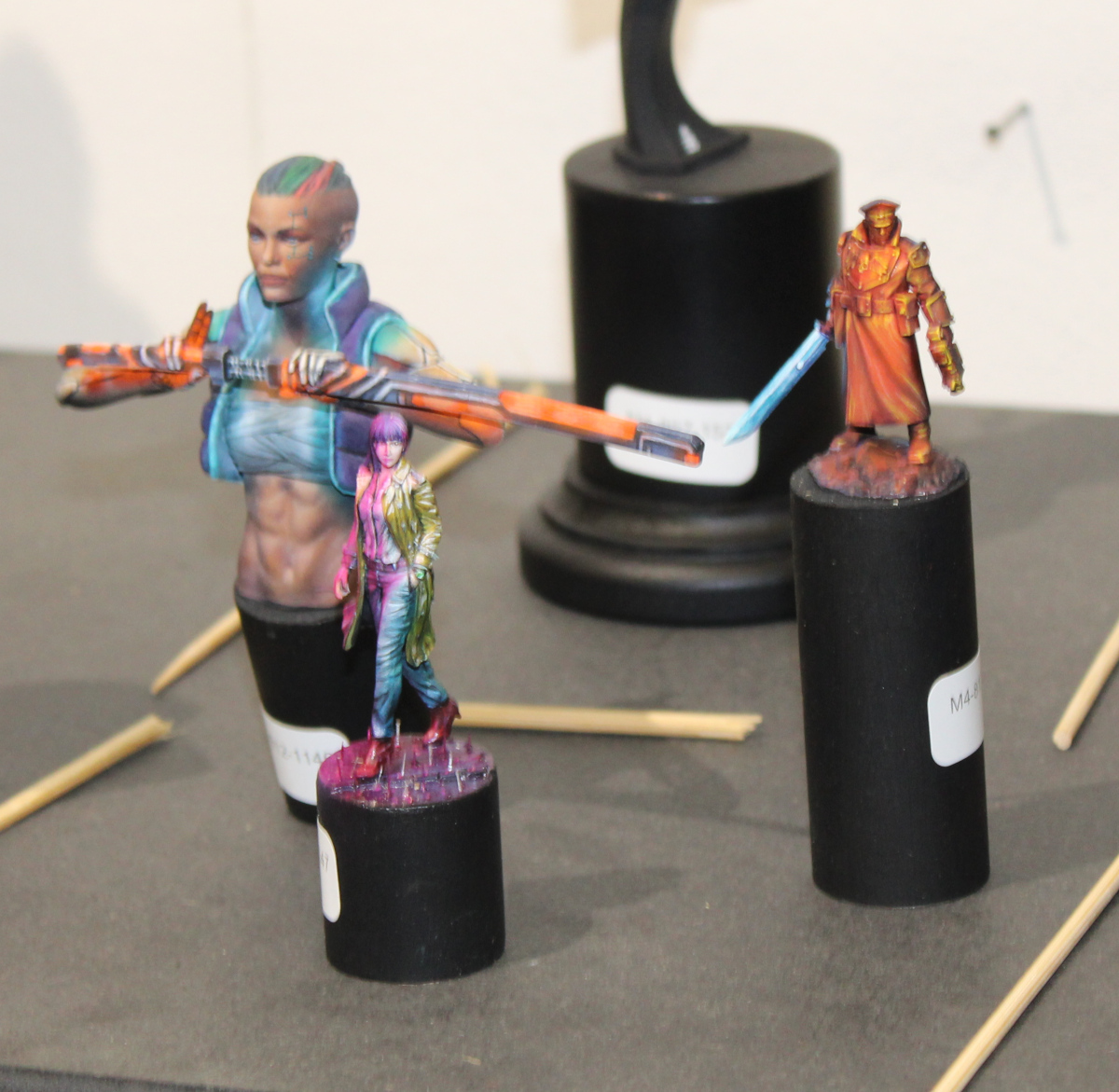
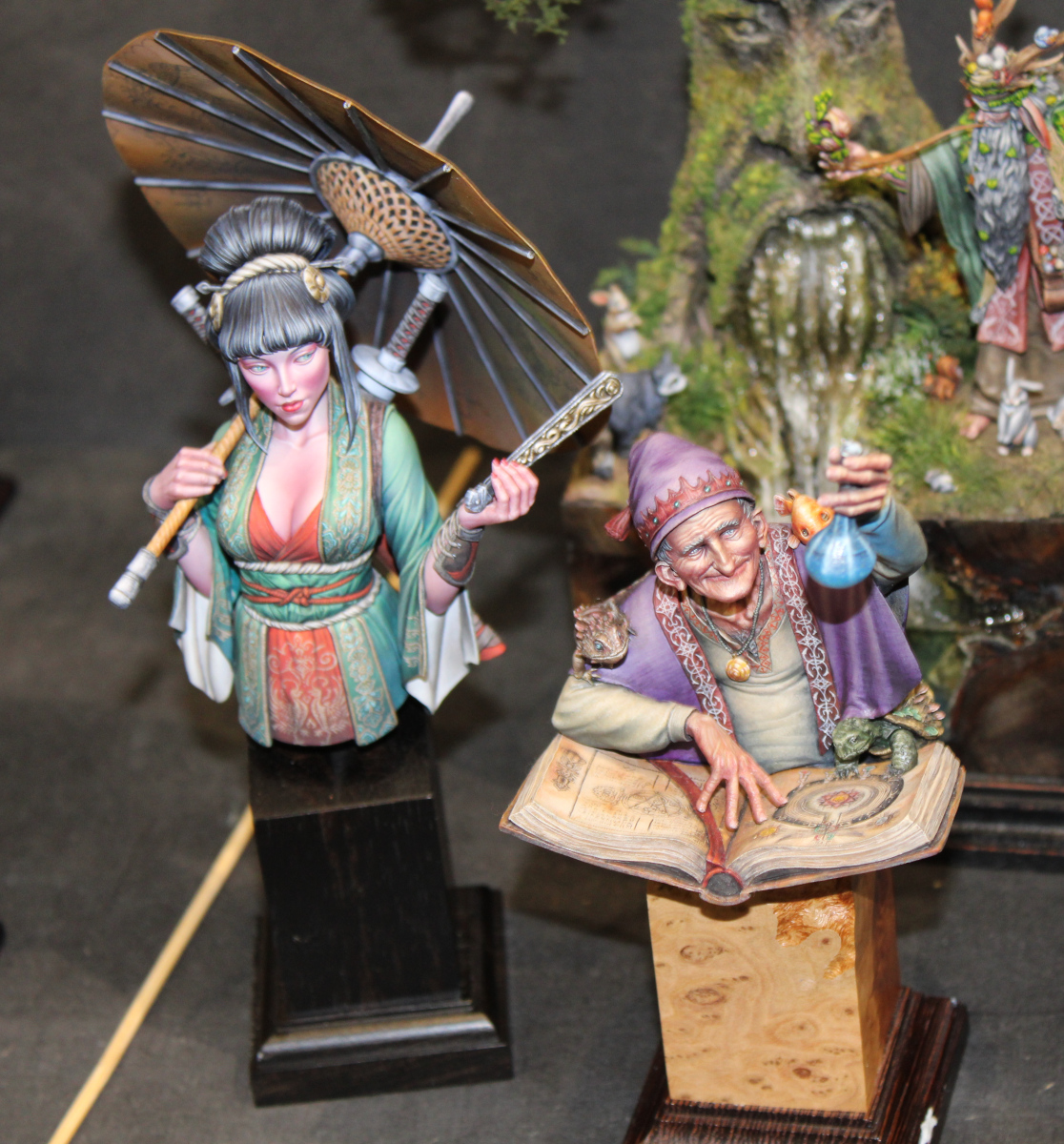
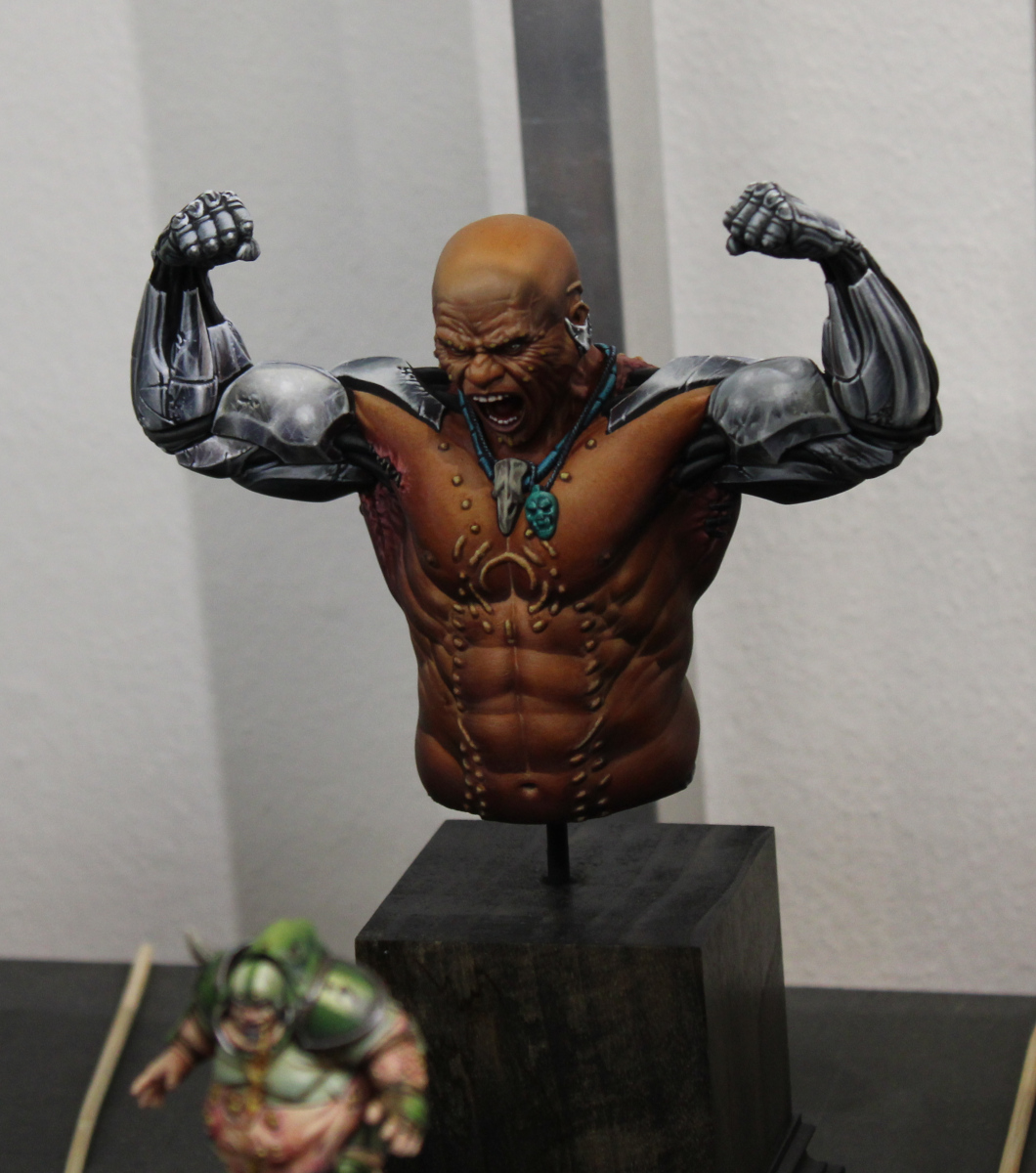
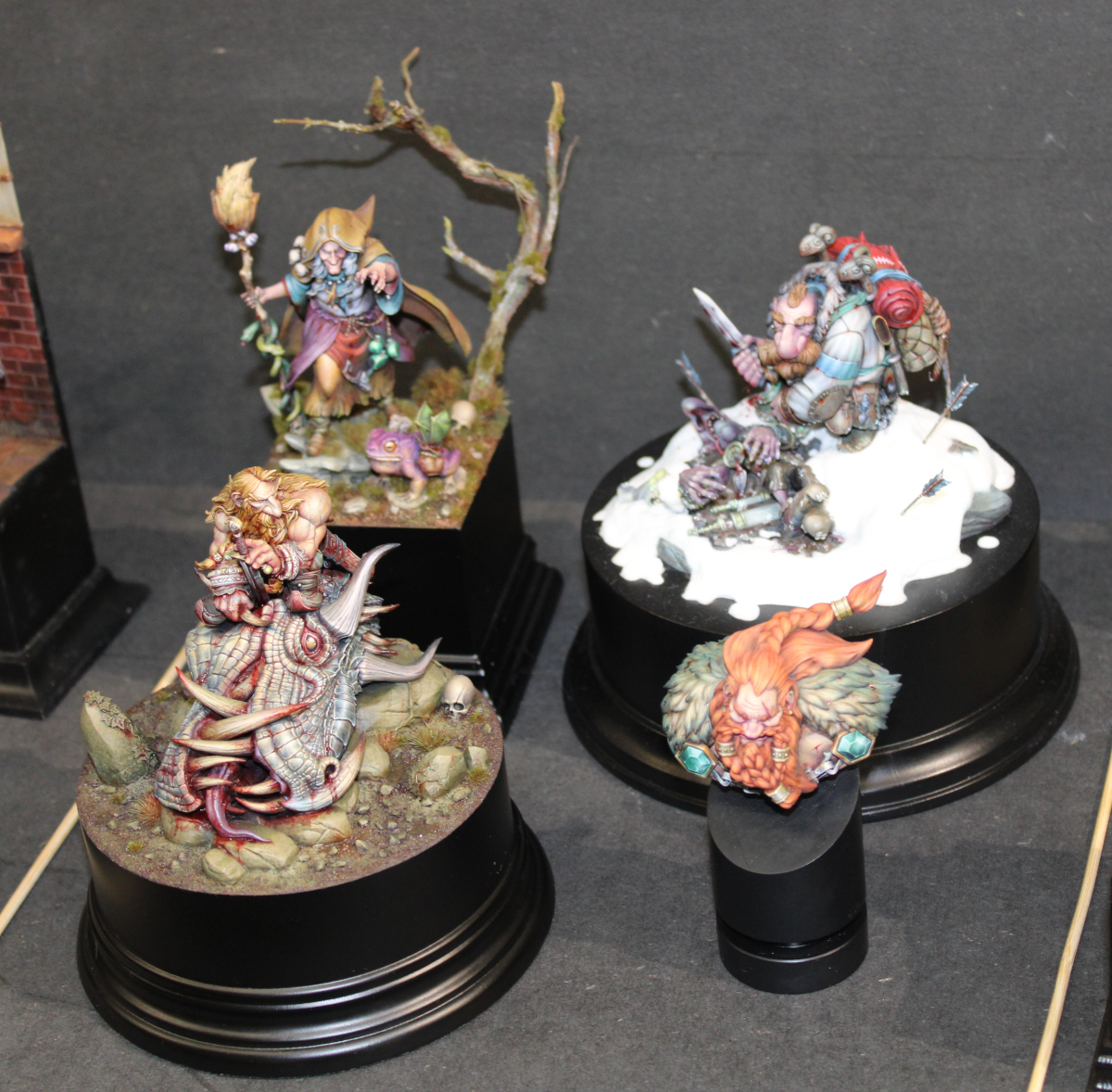


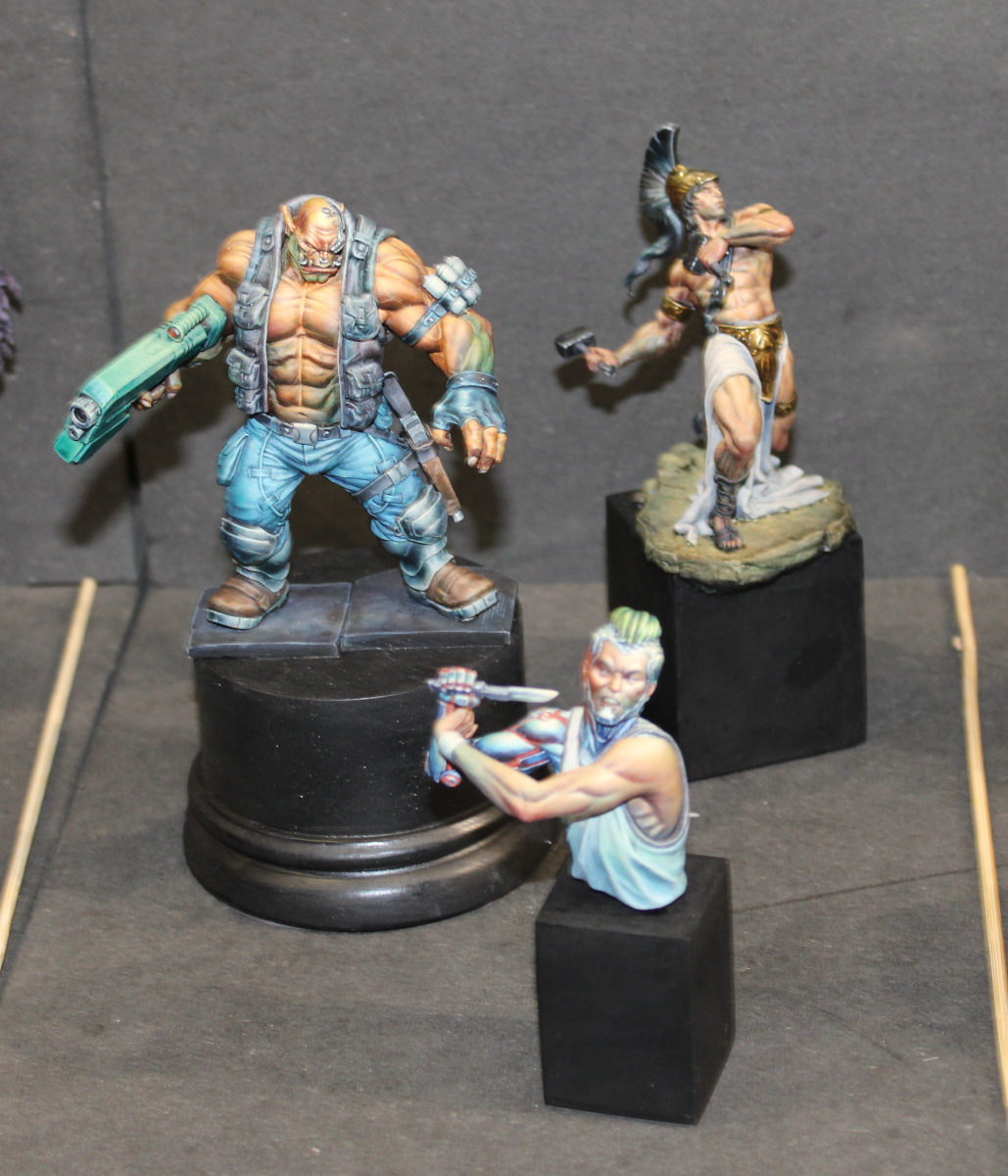
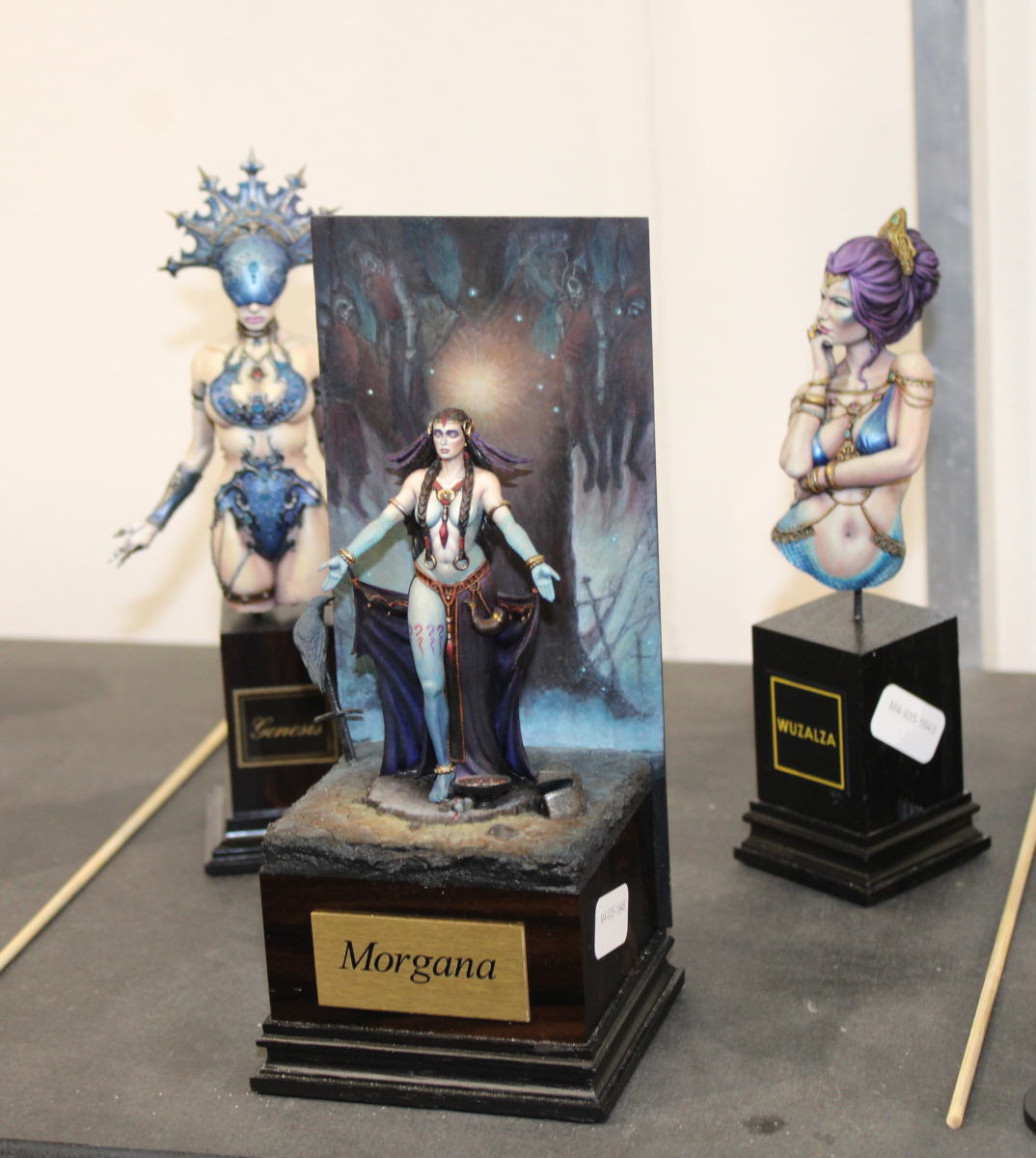
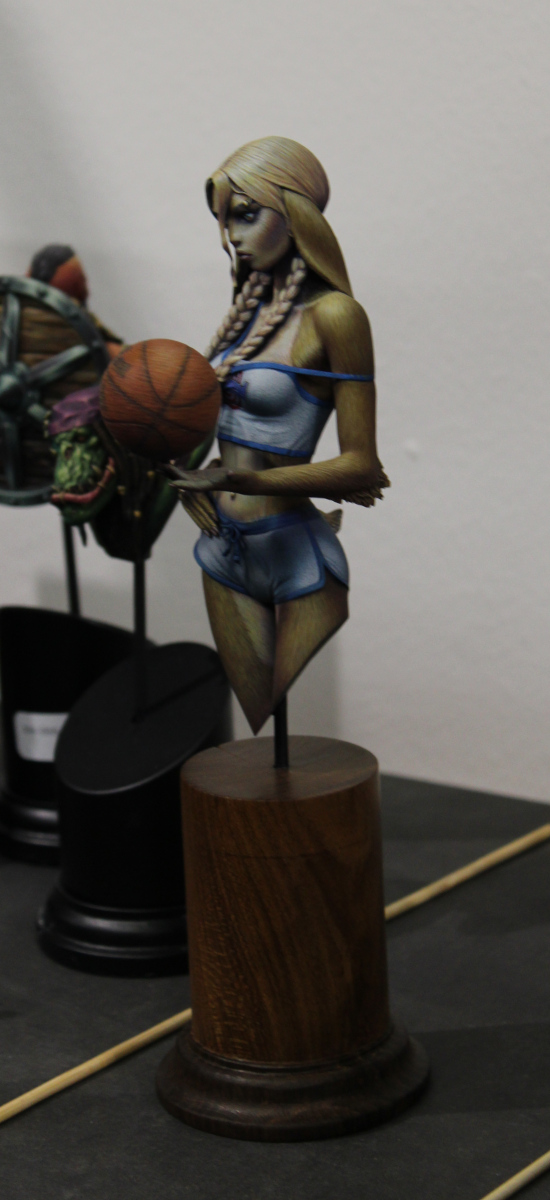


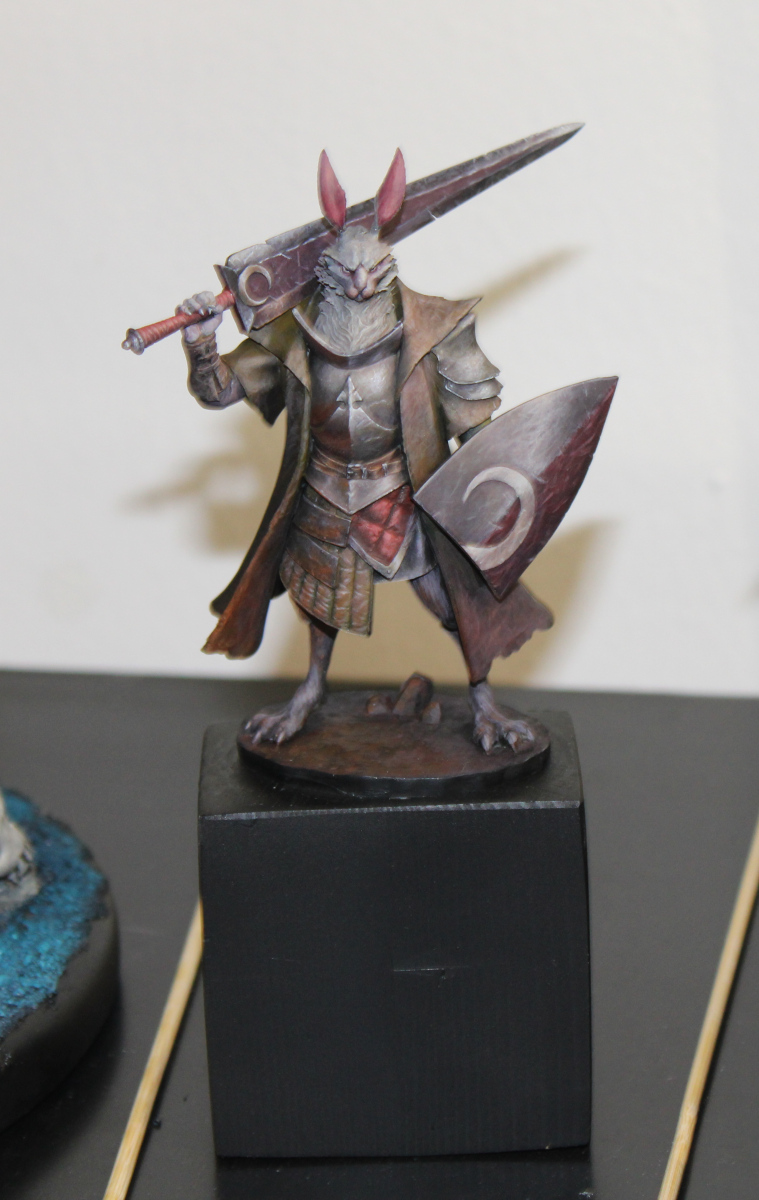
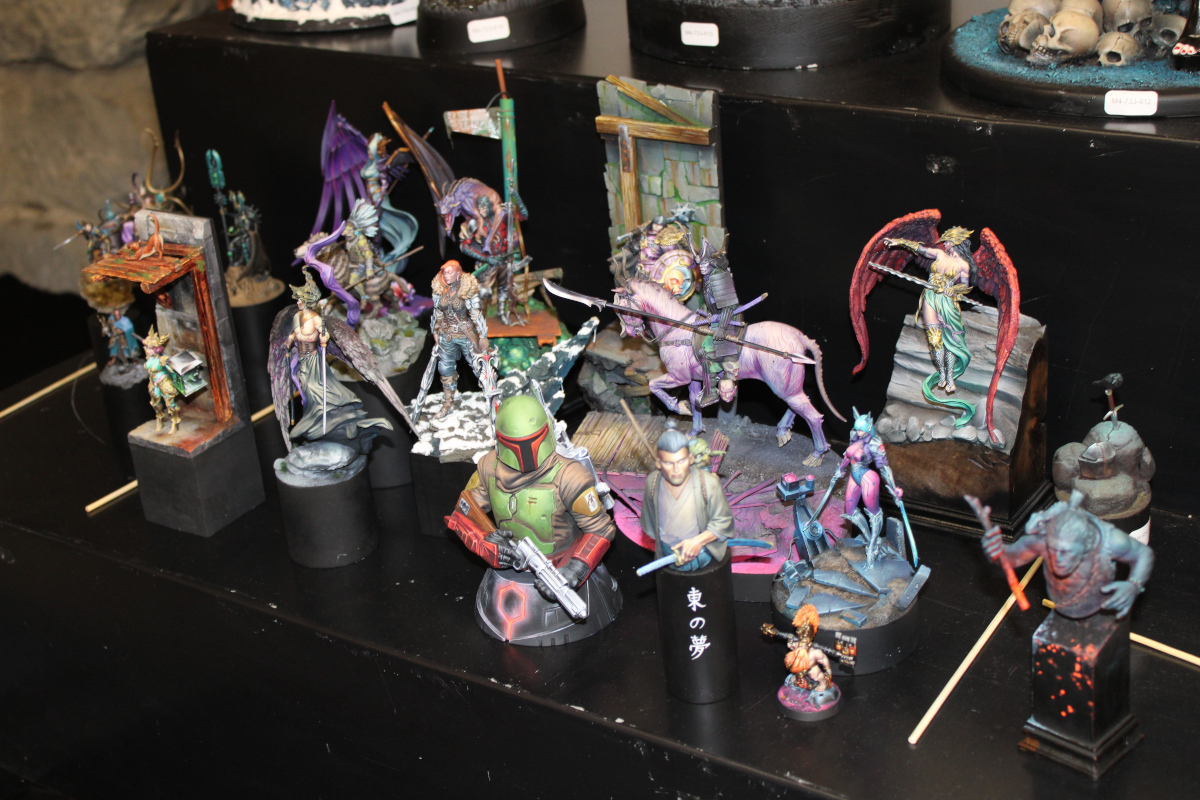
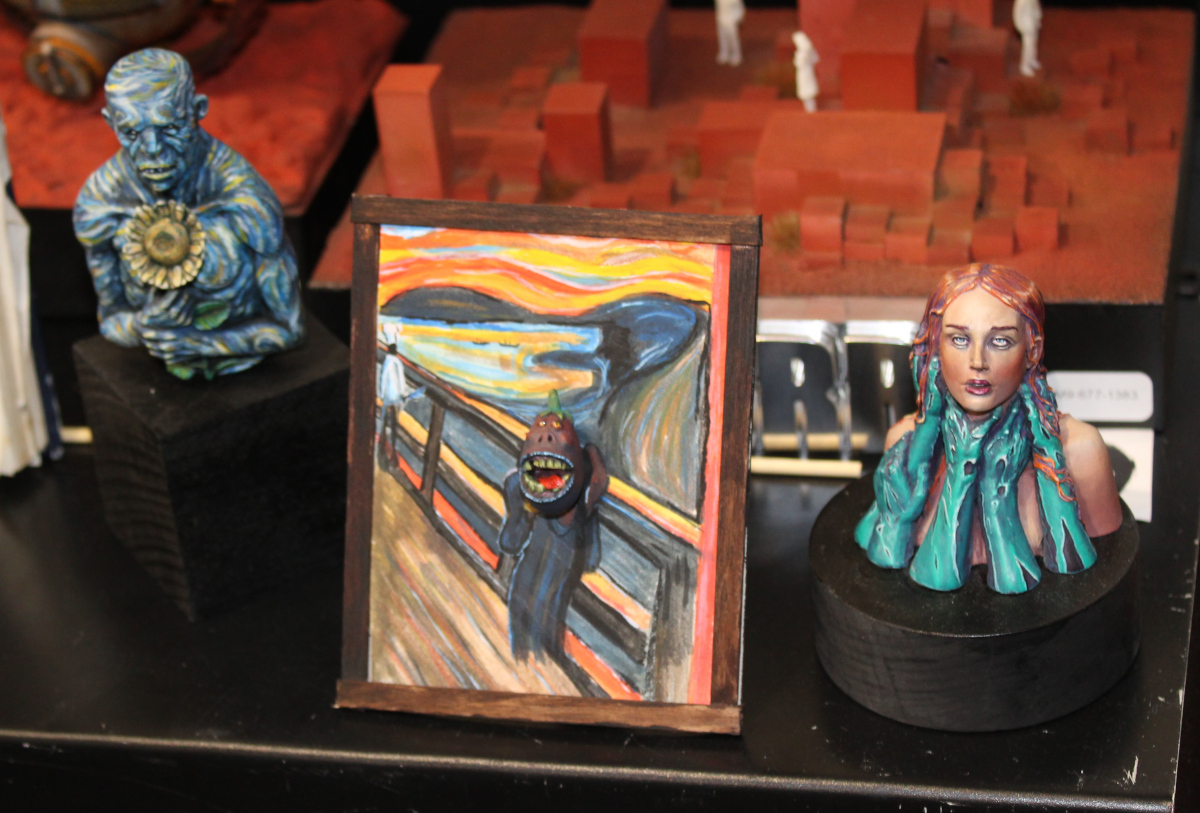


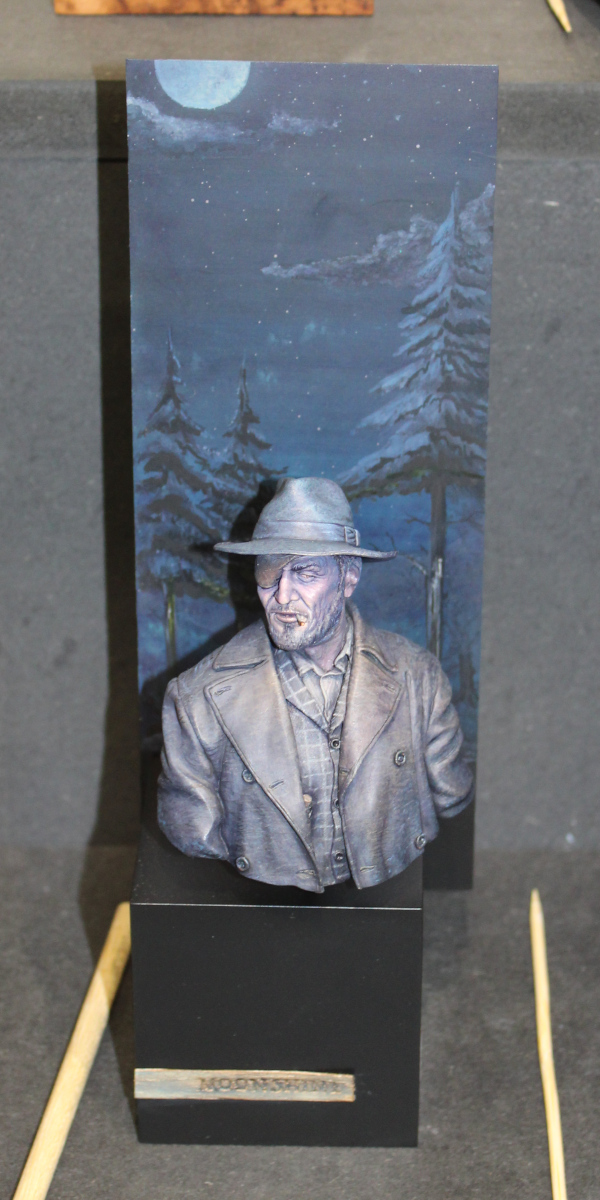


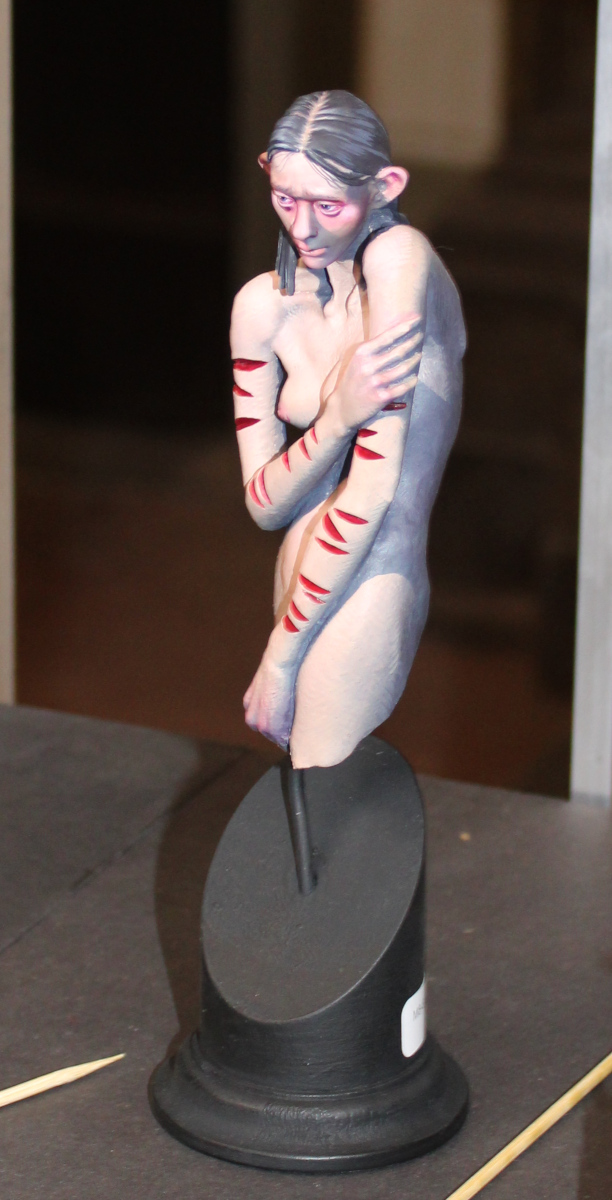

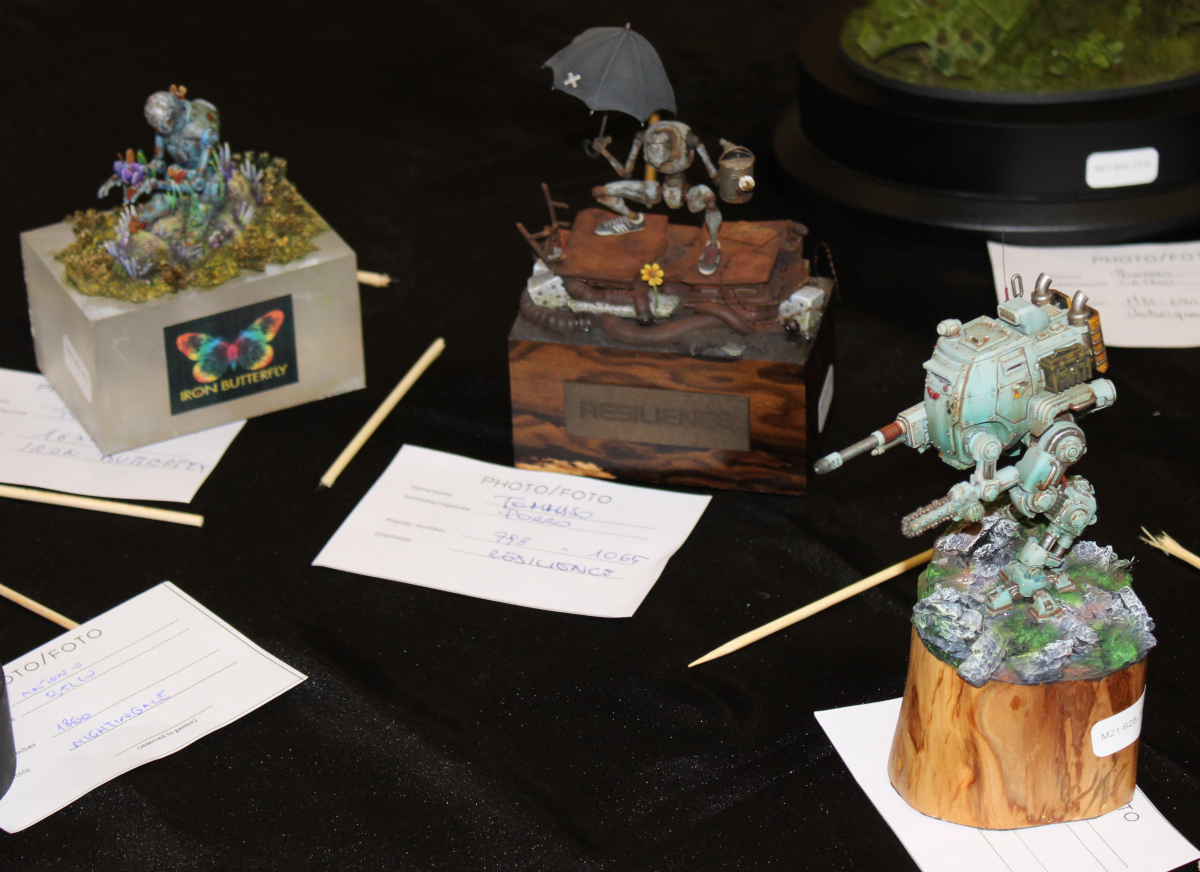


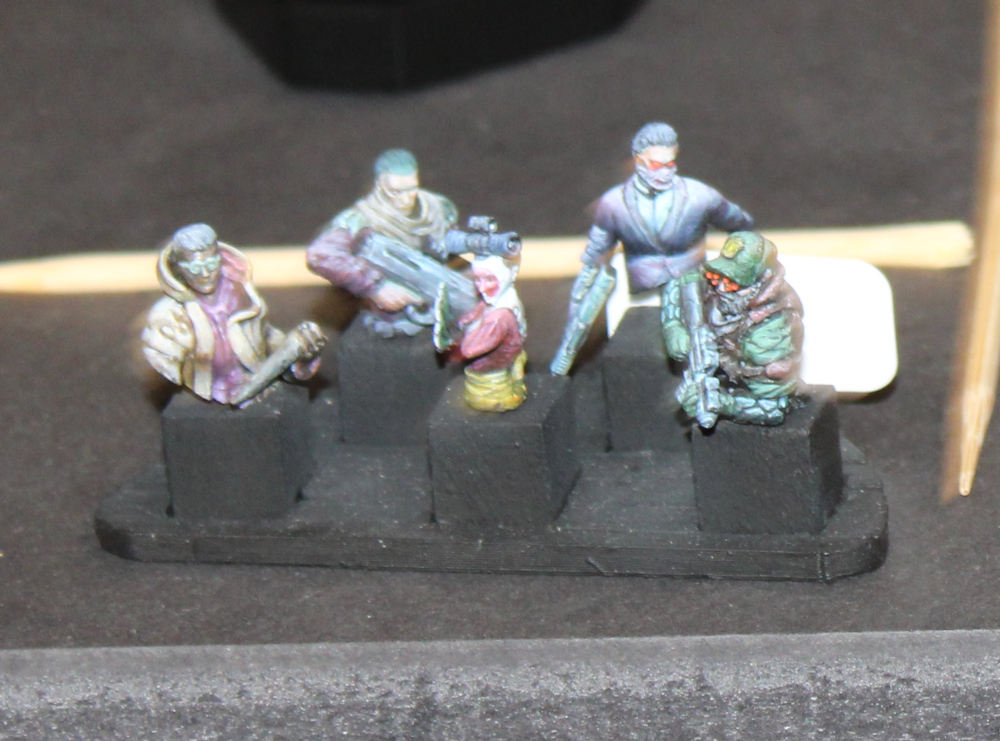

So, with the benefit of my health and a noticeable lack of pain killers, I can say that the show is bloody marvellous. It’s a real festival of the hobby and the community. There’s very little actually on other than the show – there are a couple of classes you can book places on, and a small number of traders, and, other than that, it’s really just a lovely town that gets completely taken over by paint nerds for about a week, and that means lots of socialising with other paint nerds.
Obviously, the models on display are some of the best in the world, both in terms of technical proficiency and creativity. It’s really the place to go to see what painters can achieve at the pinnacle of the craft.
And actually, the key point I want to make about this year’s show is just how much creativity was on display. Last year, the ambient category was relatively quiet – maybe thirty displays in masters and perhaps the same again in standard. This year, ‘ambient’ became ‘storytelling’. I mentioned in my blog on SMC that there is the problem with ‘ambient’ being perhaps too open to interpretation, and it seemed that MSS had made an effort to really distil what they want to see both by renaming the category and by providing some clearer information about it.
And, without any doubt, the painters responded. I was really pleased to see how much more engaged painters were with the category, not just in volume but in the scale and scope of creativity, and the ambitious narrative work they brought. My bagworms went home without a medal in the category, but I’m not sad at all about that because I was so astounded to see such a display.
Of course, because of the incredible response, I want to discuss narrative and storytelling. Not because I think most people there needed a particular lesson in it, but because I really like talking about this stuff. It also links in a bit with some of the blogs I saw after SMC about armour modellers struggling with the concept of narrative.
First up, there are different levels of challenge when you’re trying to tell a story. A story set in a universe that’s already well understood is easy to put together because it’s easy for the viewer to understand. For instance, if you want to create a story in the Warhammer or 40K universes, you have a whole host of resources at your disposal, and not just in terms of models. You have access to a whole visual language that the majority of viewers will have some understanding of. Scripture on space marines, spiky runes on dark eldar, chequers on orks, and so on. If you’re telling a story from the real world, you similarly have this done for you. These are tools that help provide the little details that explain the narrative to the viewer.
If you want to tell a story outside an established universe, you have access to the common language of the visual arts (composition, colour, shape, etc.) and whatever language elements might otherwise exist (if you’re doing something in a well-known genre, such as steampunk or gothic horror) – but people working within established universes have those tools, too. You have to work for the rest. You need to provide contextual clues that, you hope, will sell the story to the viewer who knows nothing about the narrative universe you have created for your models.
These are the building blocks you have to start with.
Story is just pulling these building blocks together to convey an idea or an emotion. A story isn’t just a sequence of events – I would actually say that’s the weakest part of any story.
You might remember reading books for English class and your teacher didn’t ask you to explain what happened in the story – they already know the plot. They wanted you to demonstrate that you understood the story by explaining how the story is developed through other means: what does the setting contribute? What are the symbols and metaphors? How are the characters developed? What is the tension that drives the narrative? These are all, by far, much more important than the sequence of events.
(Way back, centuries ago, folklorists had already figured this out. In the 20th century, they had it down to a fine art – stories are fundamentally sets of variables interacting in a limited number of ways. See Vladimir Propp’s Morphology of the Folktale for a really good explanation.)
The fact that plot is the weakest part of constructing a narrative is actually a great benefit to modellers. We don’t have moving scenes (well, not often, anyway), so we can’t really show one event following another without doing multiple pieces. A model or diorama is, by definition, a moment in time, and the viewer must infer what has happened and what may be about to happen from what’s there in that moment. This also means that every model has a story, even if the modeller didn’t think about it. Most of the time, it’s a pretty boring story, sadly. It’s some dude standing on a battlefield in a weirdly pristine uniform. Or a couple of dudes moving across a battlefield in meticulously muddied uniforms. Or maybe even a whole host of dudes on a battlefield hitting each other.
(You might gather that I’m not generally excited by battlefield scenes.)
Historical modellers are quite prone to this, and while I’m sure lots of those scenes have historical interest for people, I’m not a historian and a lot of other viewers also won’t be. If I don’t know the history of a scene, I need that spelled out for me through the model or scene itself. And this doesn’t mean putting a plaque on it. Sure, a plaque can tell me where and when something happened. It might tell me who the person on the plinth is. It doesn’t tell me a story unless I already know it. A plaque can help if it ties into the narrative in a creative way (this is one of the many reasons why books have titles: they can provide context to help you interpret the narrative – see Joyce’s Ulysses).
This leads into one thing I saw at Monte that I wasn’t particularly a fan of: QR codes to explain the stories. I feel like this was a missed opportunity. A QR code leading to a webpage that tells you what the story is just tells me that the artist isn’t confident in their storytelling. They don’t trust the viewer to understand what they’ve done. I’m actually – and this surprises me – in favour of using QR codes to create a multimedia artwork. Link to an animation that precedes the story you’ve modelled. Or link to a journal written by someone in the scene. A story exists in a whole world. Make your stories BIGGER. Trust in the narrative you’ve already made and run with it instead of spelling it out.
I had a discussion after the show about whether a story is good if it’s not easy to understand, and I think that’s an argument that really depends on the work. It’s clearly the case that a story that’s easy to understand will be simple for a casual viewer to appreciate, but it’s not true that a story has to be easy to follow. Some stories are tough to engage with because they’re set in unfamiliar narrative universes, while others can be difficult because the modeller is simultaneously experimenting with the methods of presenting narrative – such as through bold use of colour or framing.
Personally, I like stories that you have to work at – I especially like stories that force me to engage with them. I like stories that carry an emotional weight or bring an intellectual puzzle. I like stories that are open to interpretation and, in a sense, are made by the viewer’s interpretation.
Anyway, that’s probably enough about narrative, etc. The storytelling categories at Monte were exceptional and left me thoroughly inspired and optimistic about the future of the hobby, because it shows that we’re moving past the decades-long overwhelming focus on the technical application of paint.
In the end, the Ely crew did really well:
- Fet: SMC special gold medal.
- Martin: Silver in masters storytelling and bronze in masters fantasy painting.
- Joey: Silver in standard sci-fi vehicle, historical and storytelling, and bronze in standard fantasy painting.
- Kev: Bronze in standard historical.
I should also mention the burgers. Last year, I was nearly poisoned by the local pizza slice shop (mushroom allergy, for those who don’t know), which put me off wanting to go there ever again. One of the small problems with Monte, however, is that there’s a pretty limited number of restaurants and they fill up fast during the show. This year, we basically ran out of places to eat and the only spot left was the pizza slice place. It turns out that what looks like a takeaway place actually has a proper restaurant attached and we’d heard a couple of good things about it, so I figured I could order something that has no chance of there being mushrooms anywhere near it. Safer bets, and all that.
This is where we discovered what may well be the best burgers on the whole damn planet. Now, I’m not a hamburger connoisseur, but I do know good food. I like to try interesting flavours and different takes on classic dishes, and the restaurant’s range of burgers looked really interesting – even the basic cheeseburger seemed to have more thought in it than I’d seen before. There were even vegetarian burgers, which isn’t something you expect to see in Monte – the town takes a great deal of pride in the quality of its meats. I ordered a burger made with French sausage and it was incredible. Easily the best burger I’ve ever had in my life. We’ll be booking a table next year.
This, of course, means we’ll also be returning to the show next year – I already have a number of plans to bring my storytelling A game, and I’m excited to see what everyone else brings. Shows that provide that sort of inspiration are a very special – and very rare – thing.

 Fet Paints