A few weeks back, the whole Ely crew travelled over to Eindhoven for the first Scale Model Challenge in four years. Normally, we fly, because the airport is only an hour away from Ely, it’s a short flight and whole ordeal is over quickly. This year, Martin wanted to drive. “It’ll be cheaper,” he said. “It’s just as quick,” he said. Martin had never encountered French traffic jams or the unholy alliance of urban planning and Belgian governance that created the roads around Ghent (or was it Antwerp?).
11 hours later, we made it Eindhoven and our favourite hotel.
On the plus side, while I was denied airport beers, I did get to have ferry beers. I think I prefer airport beers.
And in Martin’s defence, it was very convenient to have the car for getting to and from the show.
Back on topic, we made it to the show and I took many terrible pictures, which I shall now subject you to:

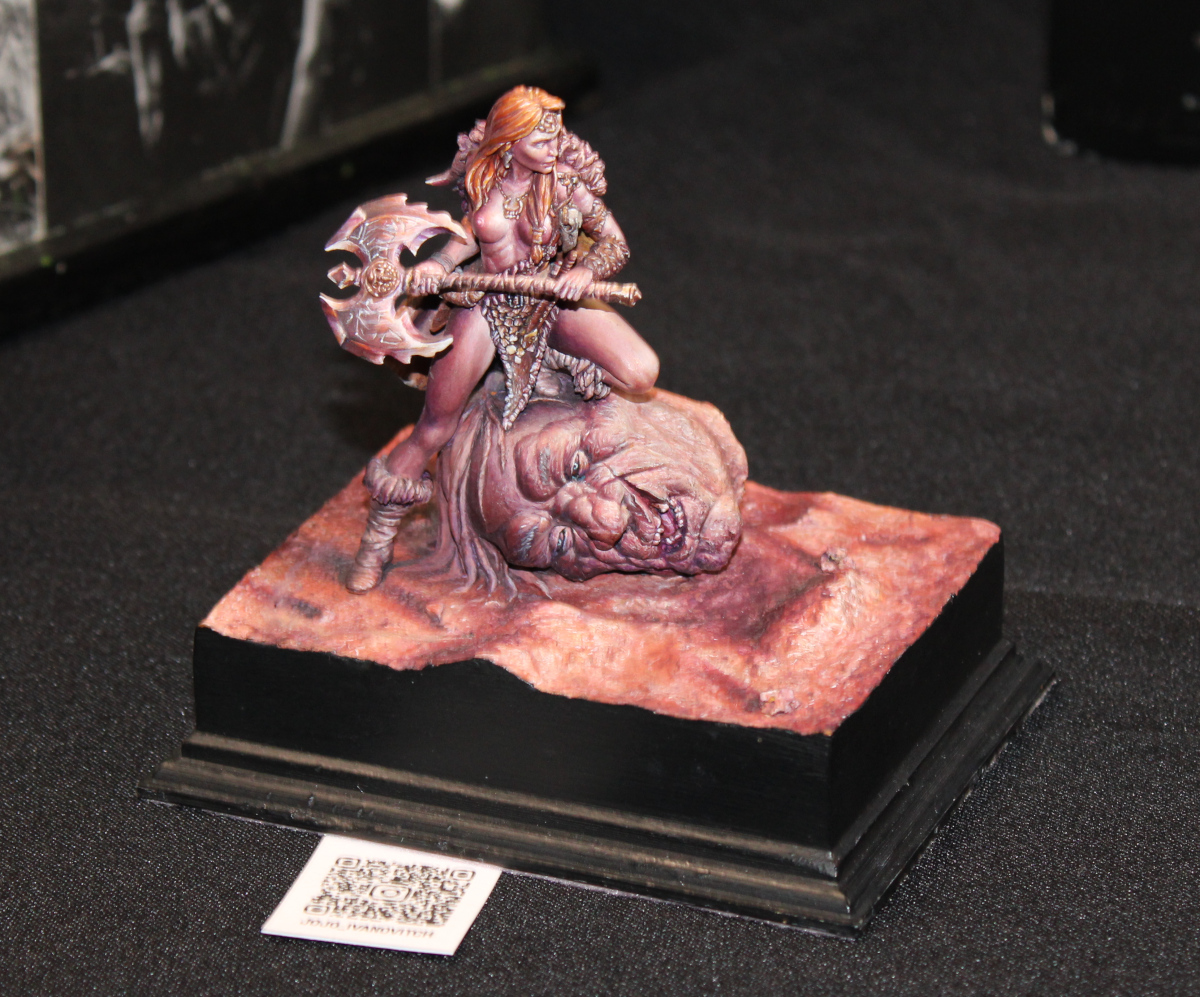
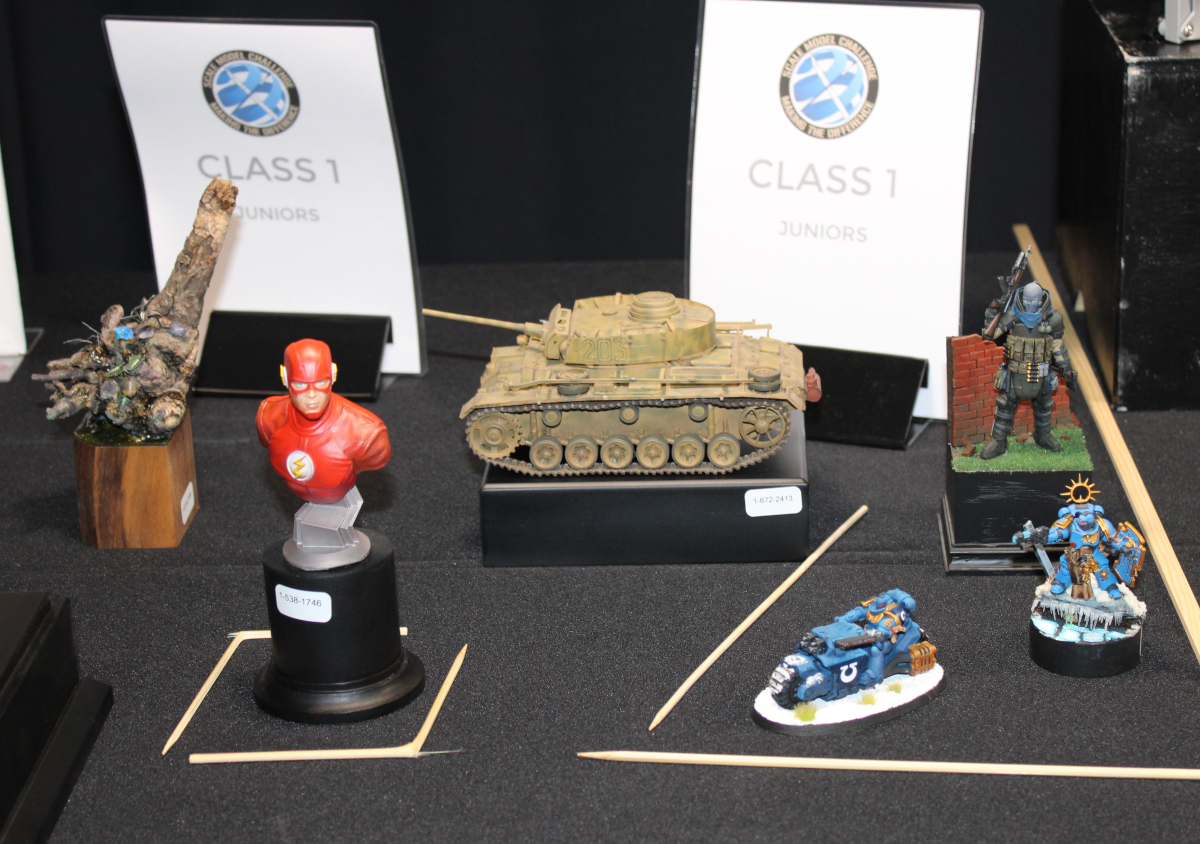


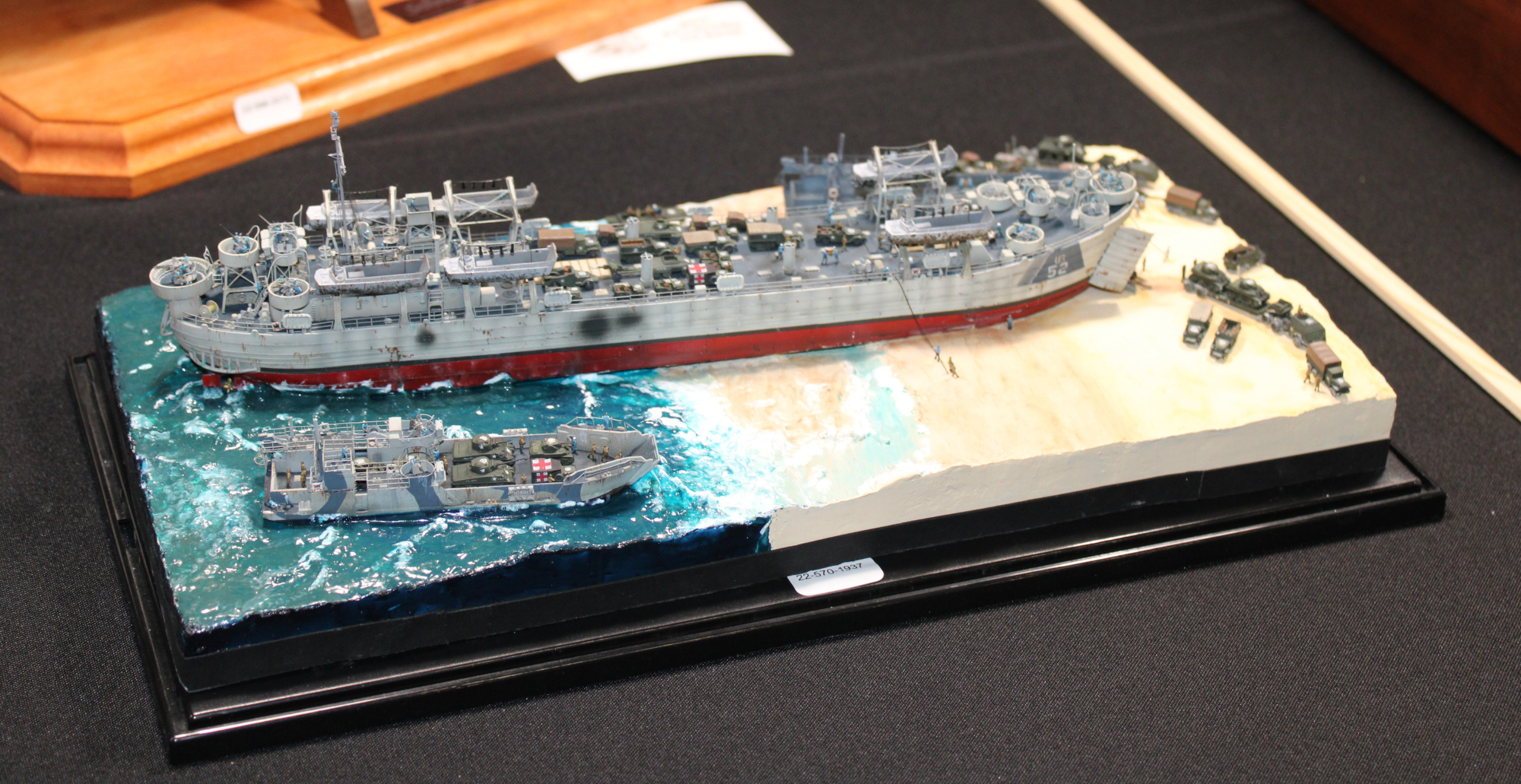


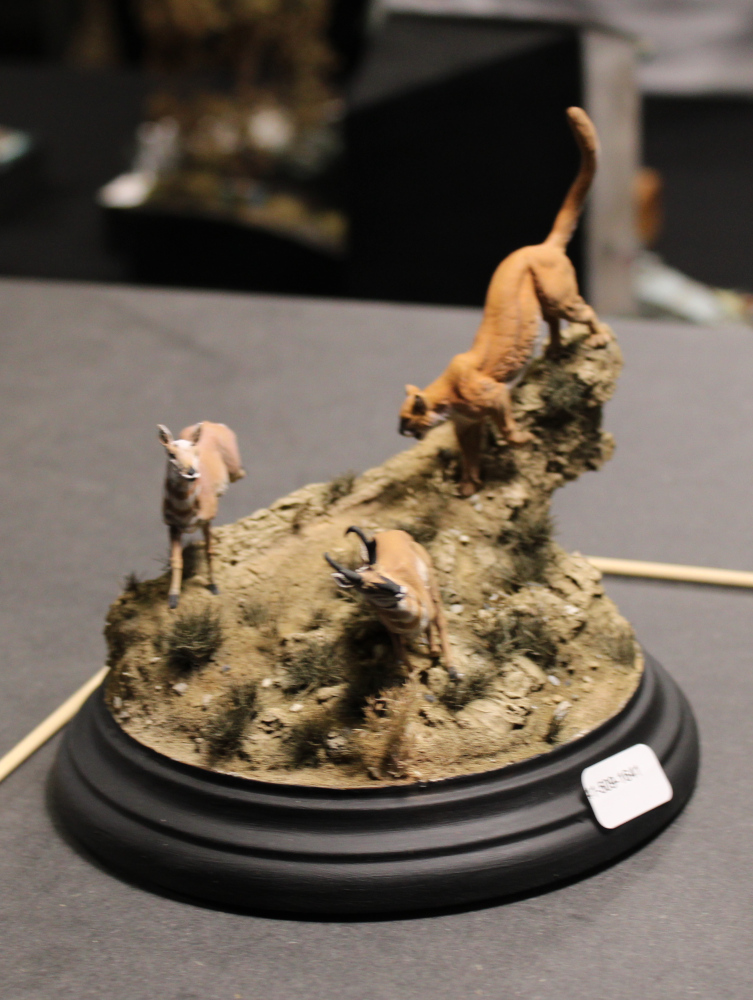
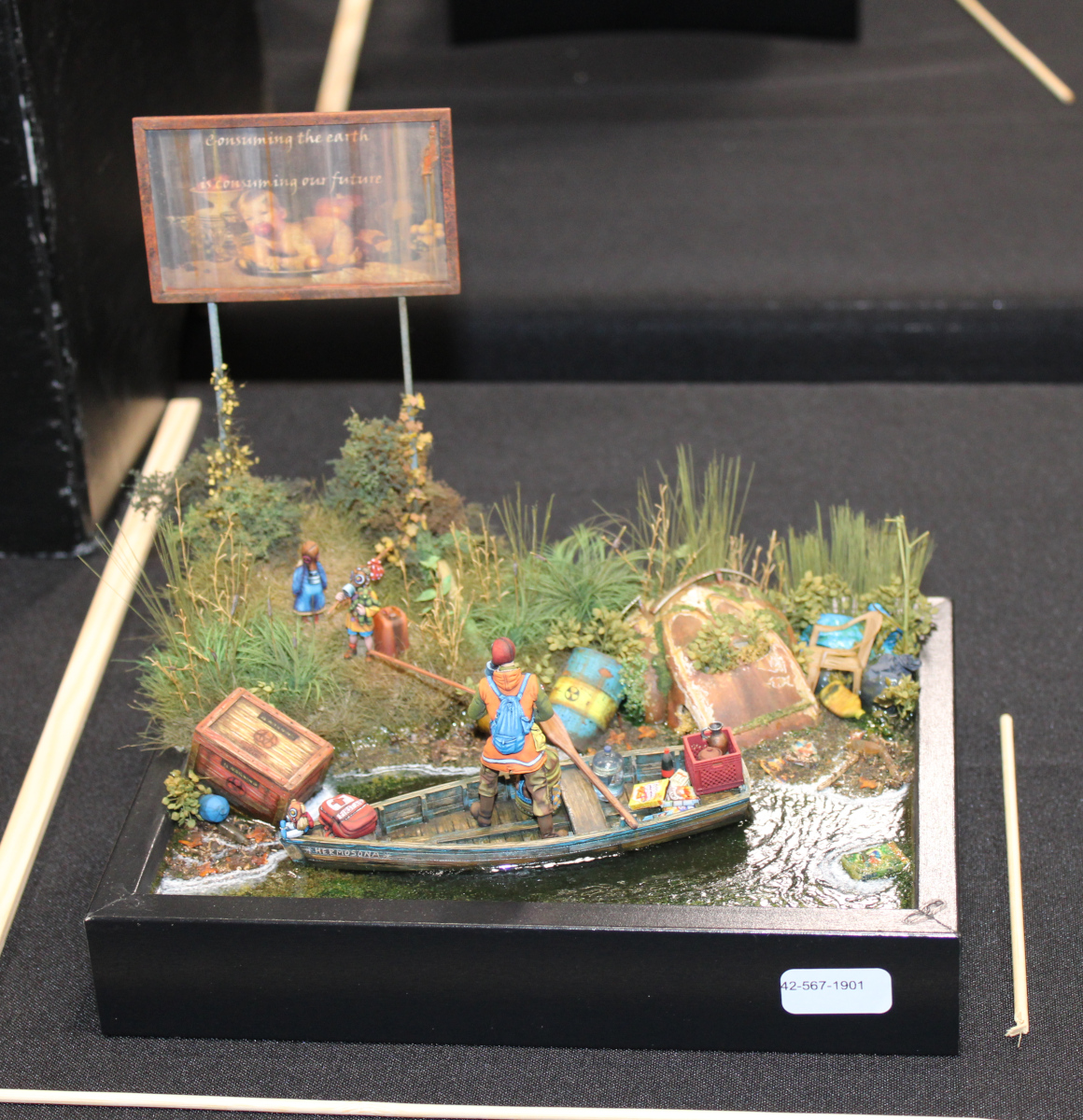


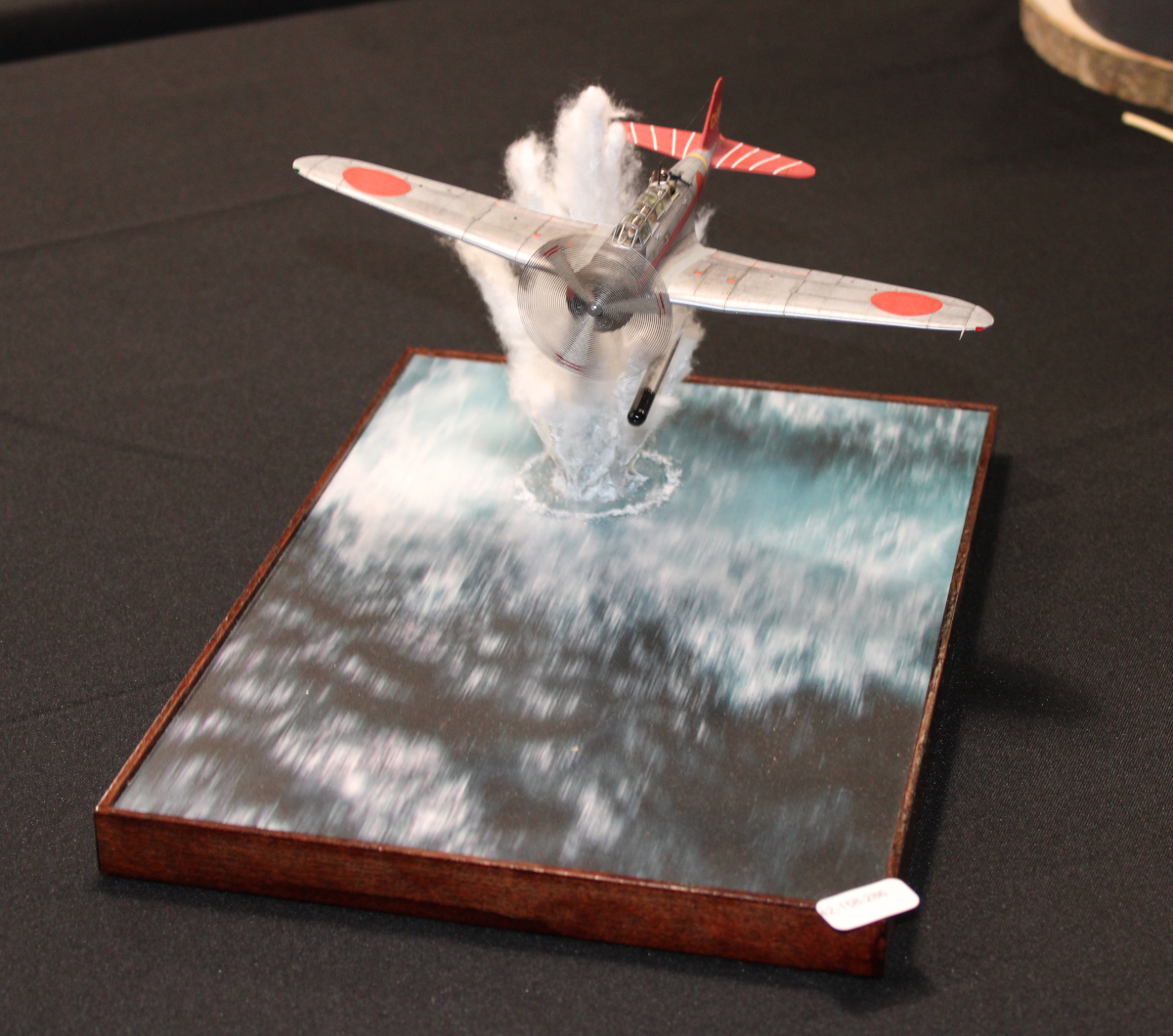
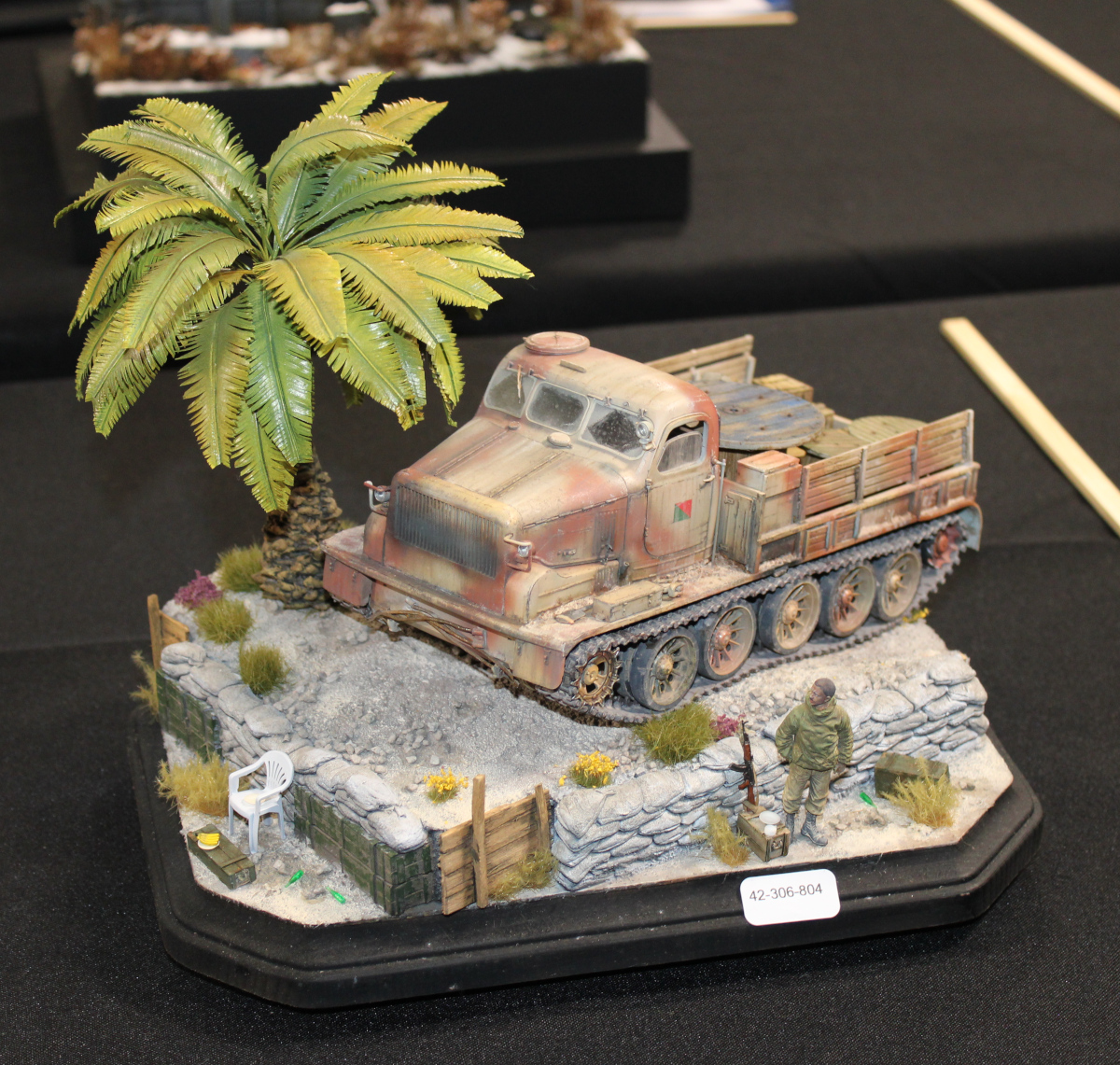

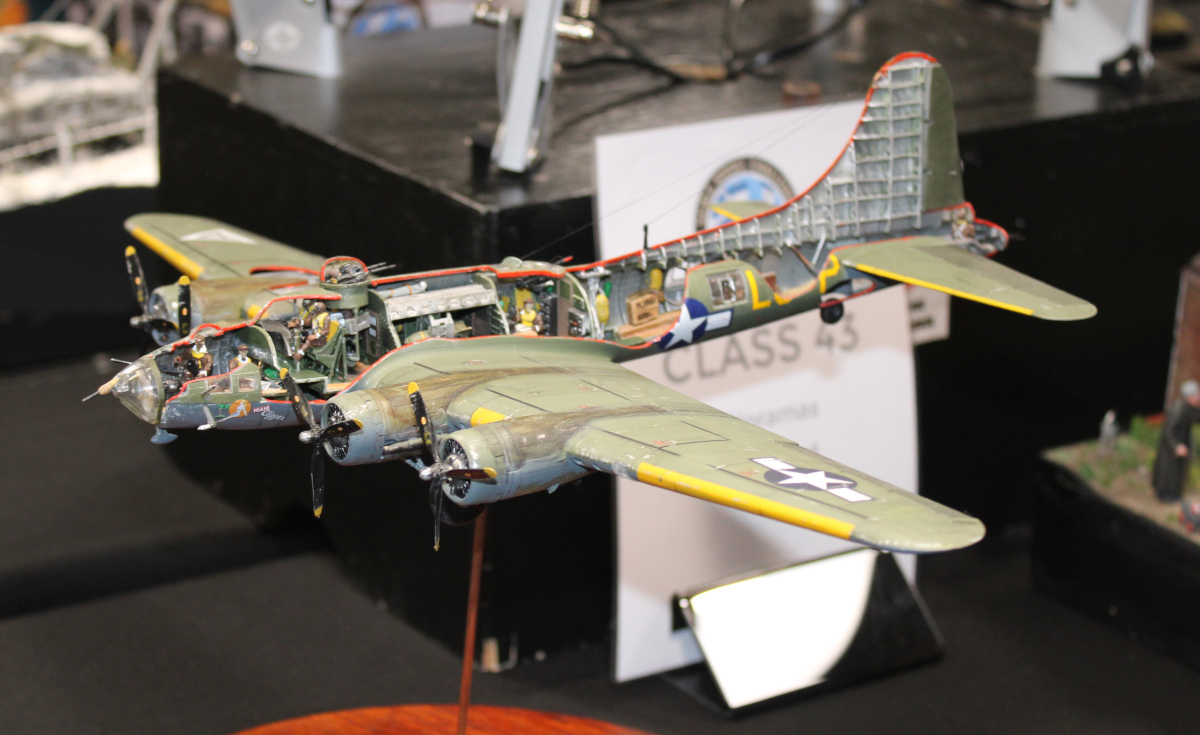
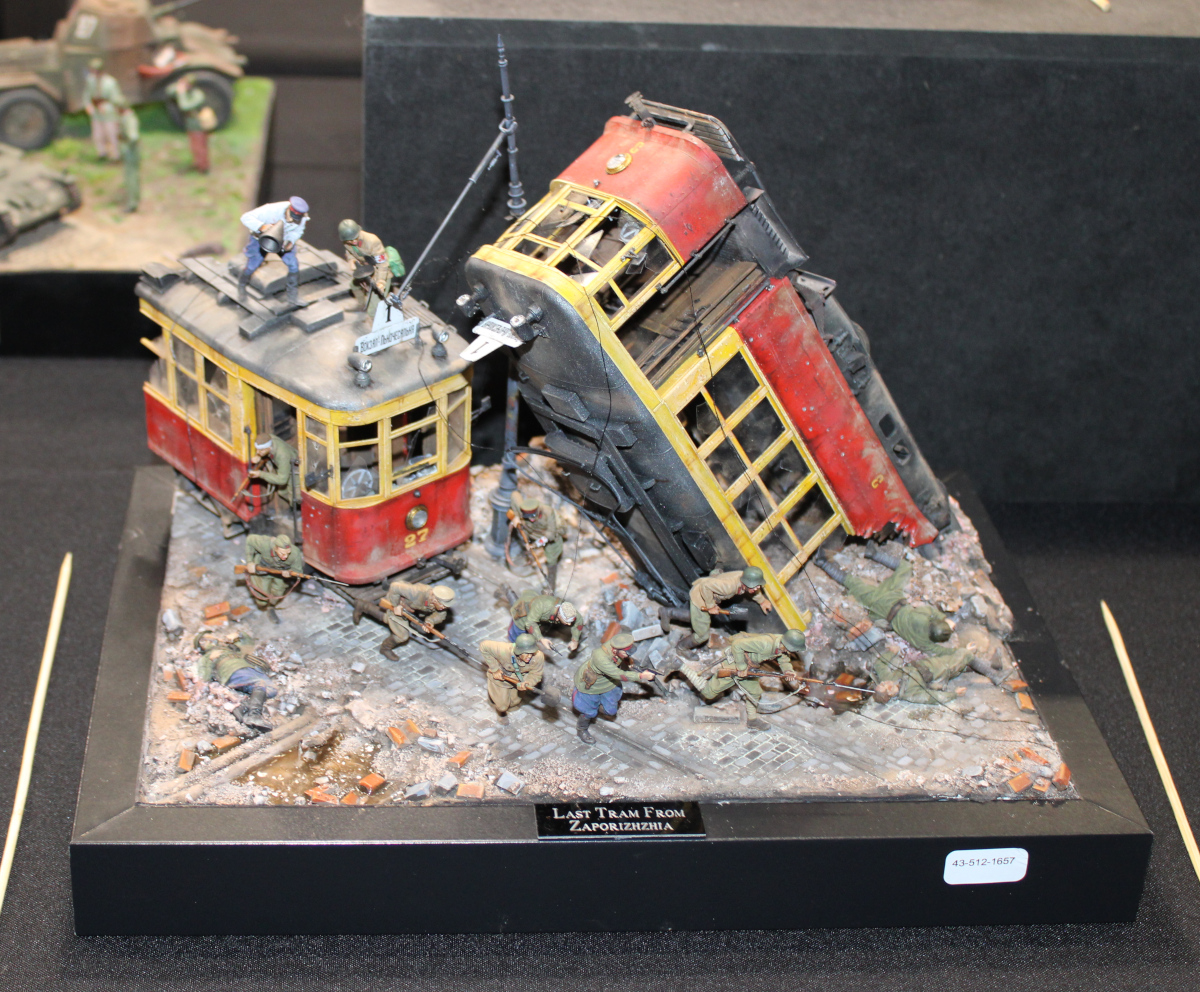


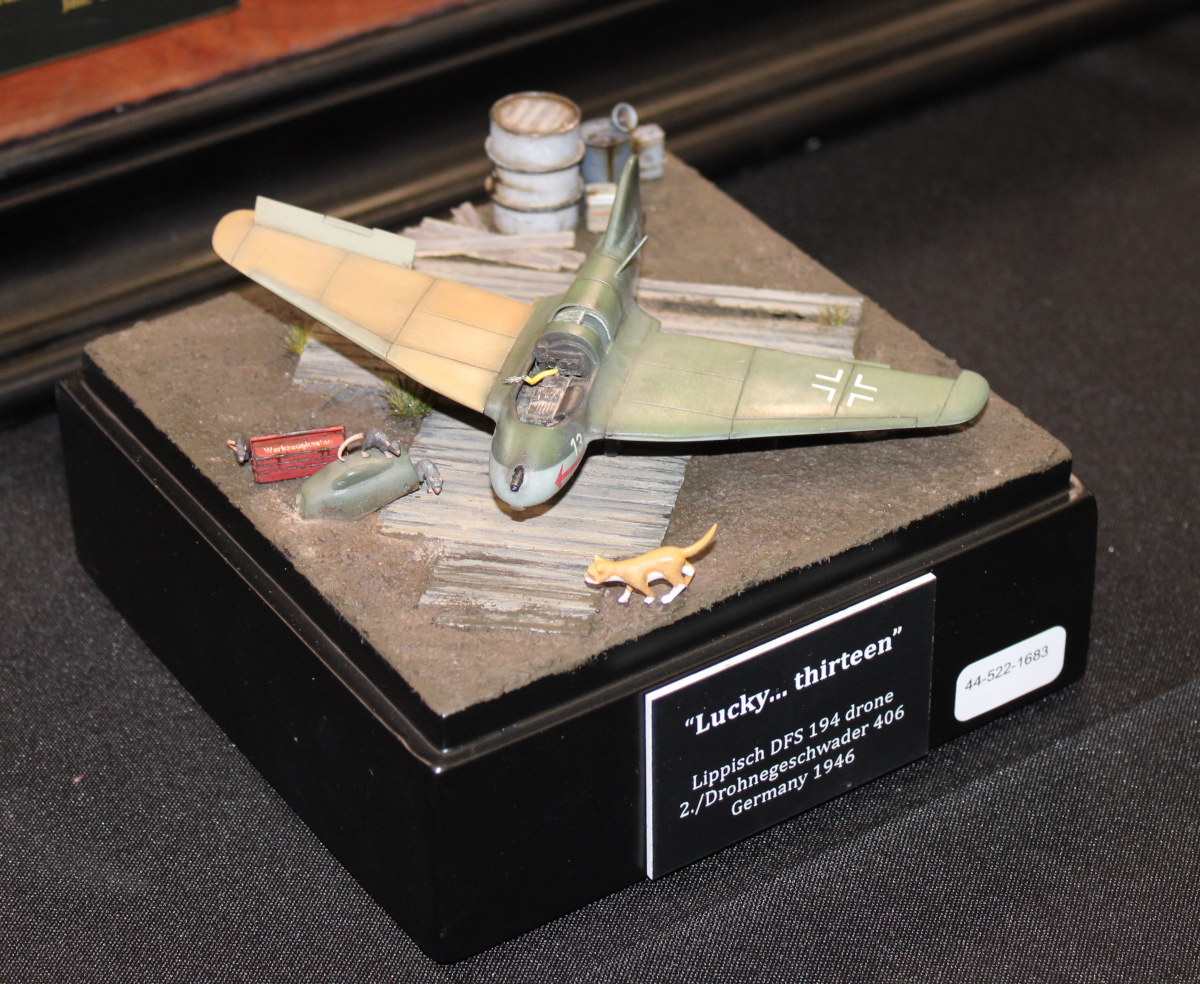
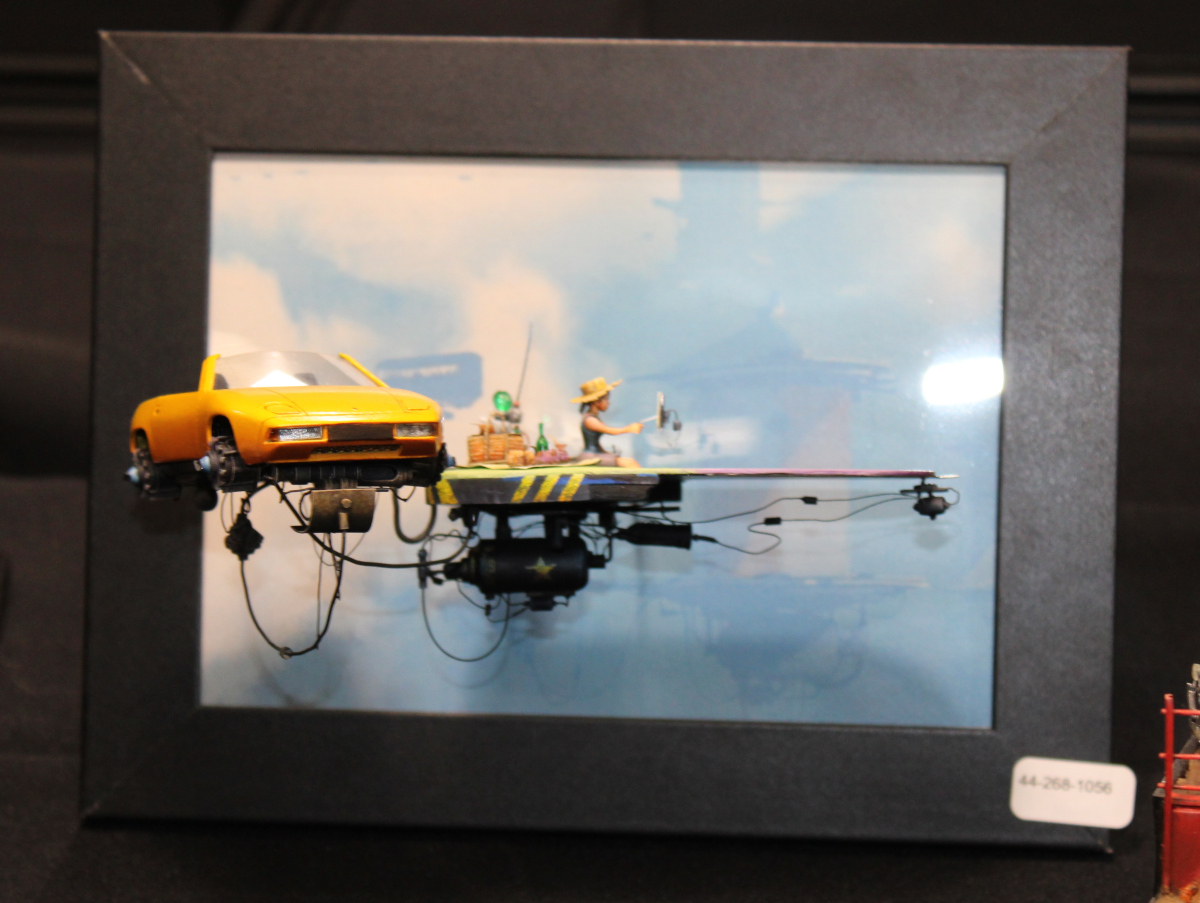
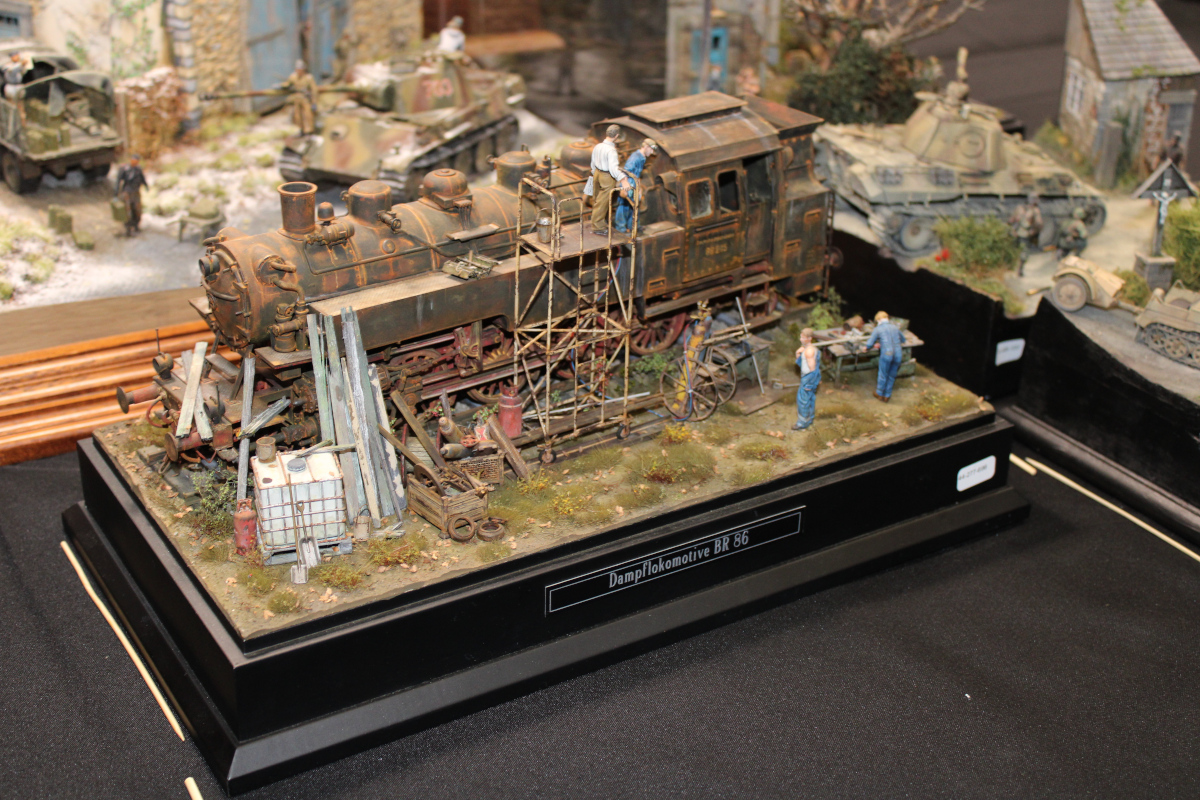

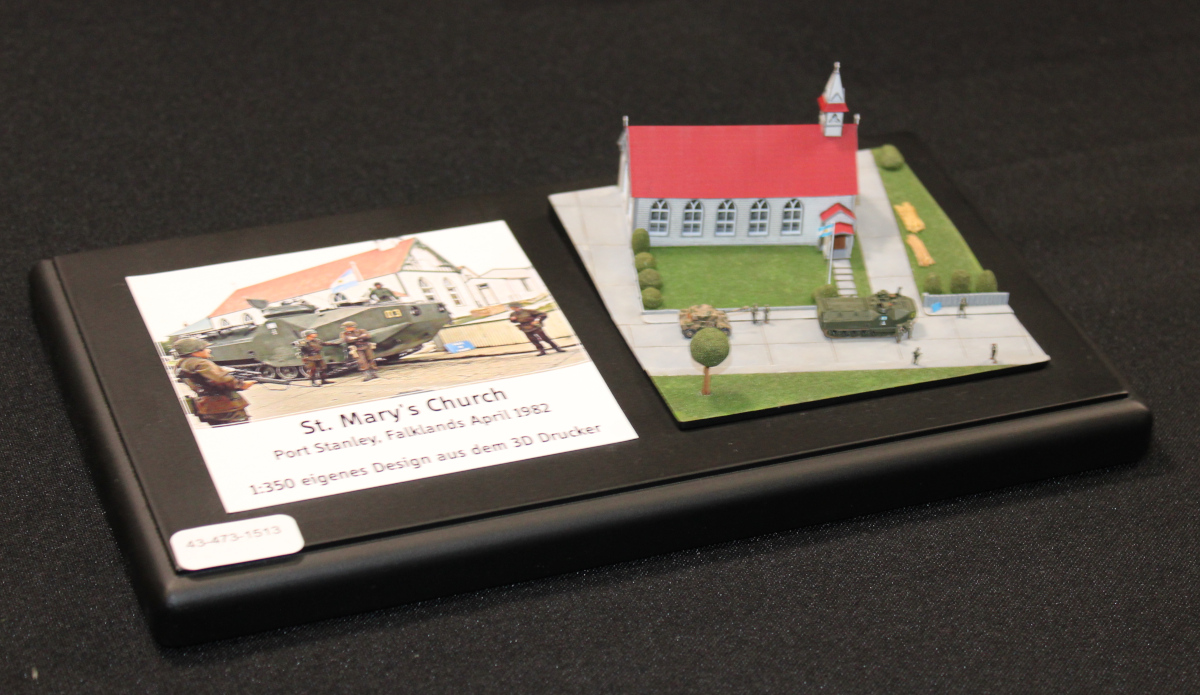
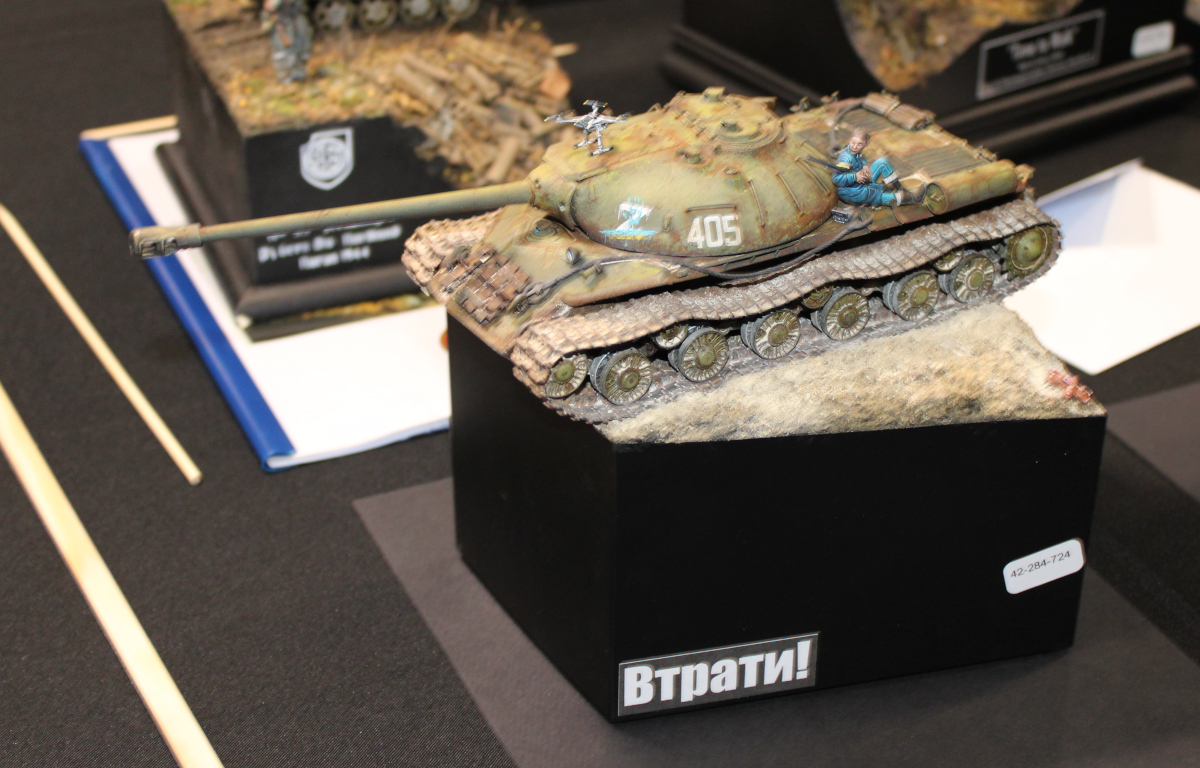

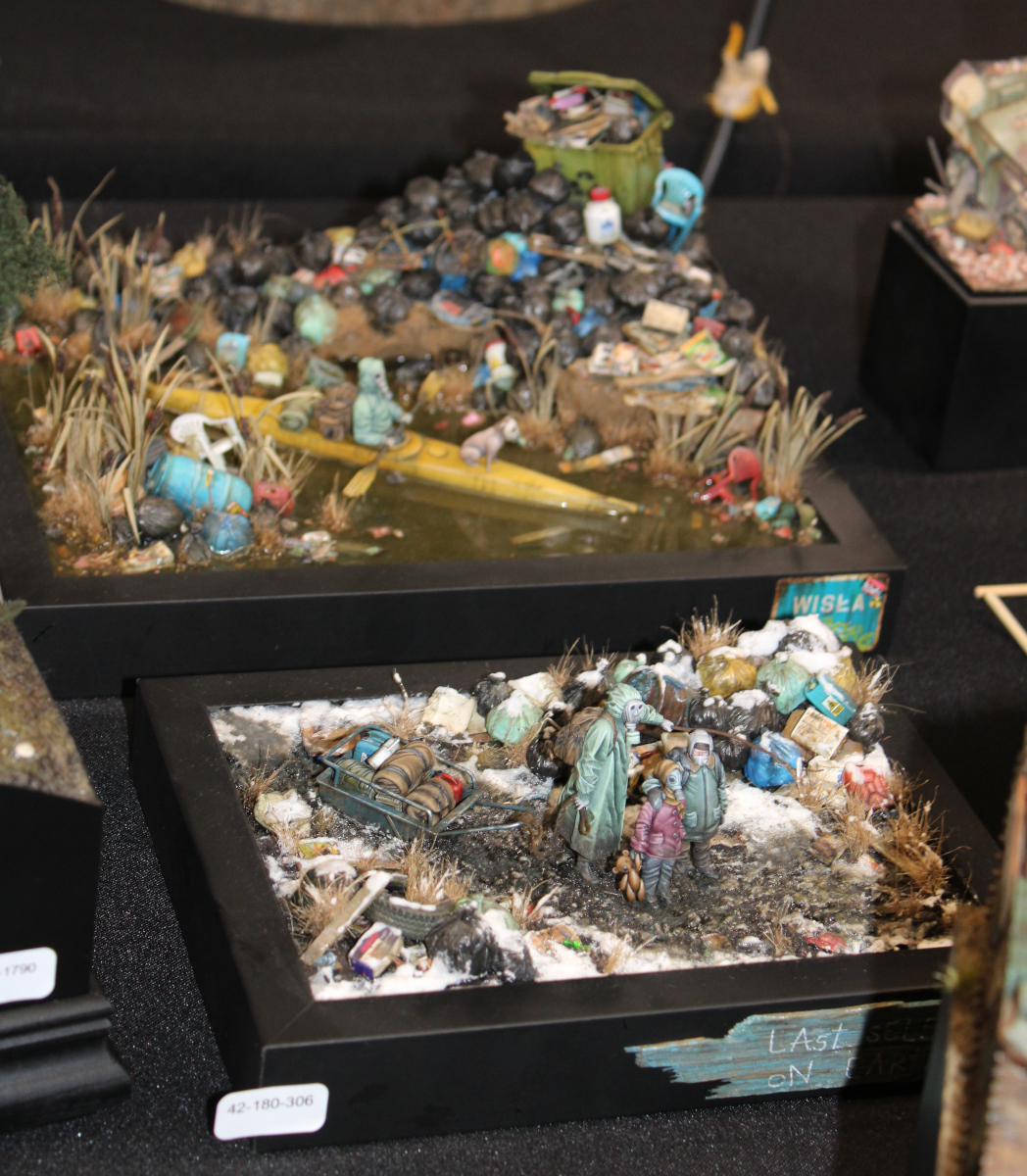

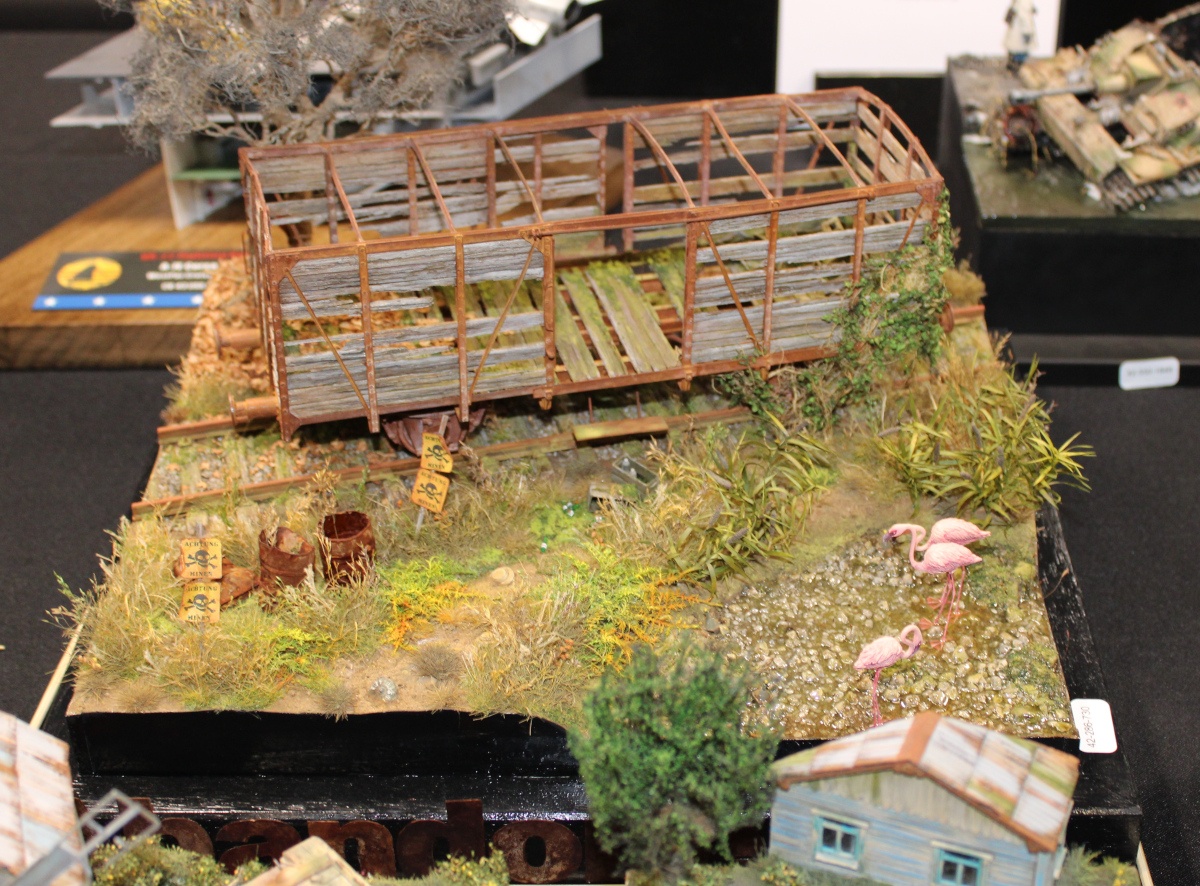
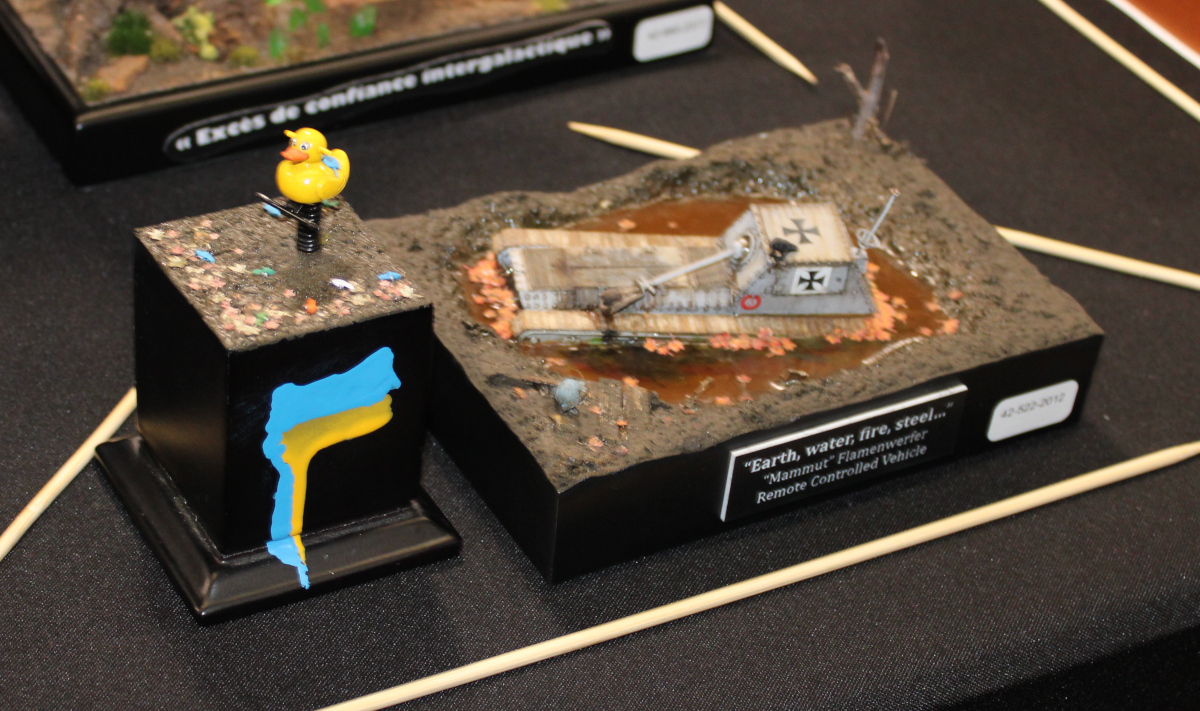
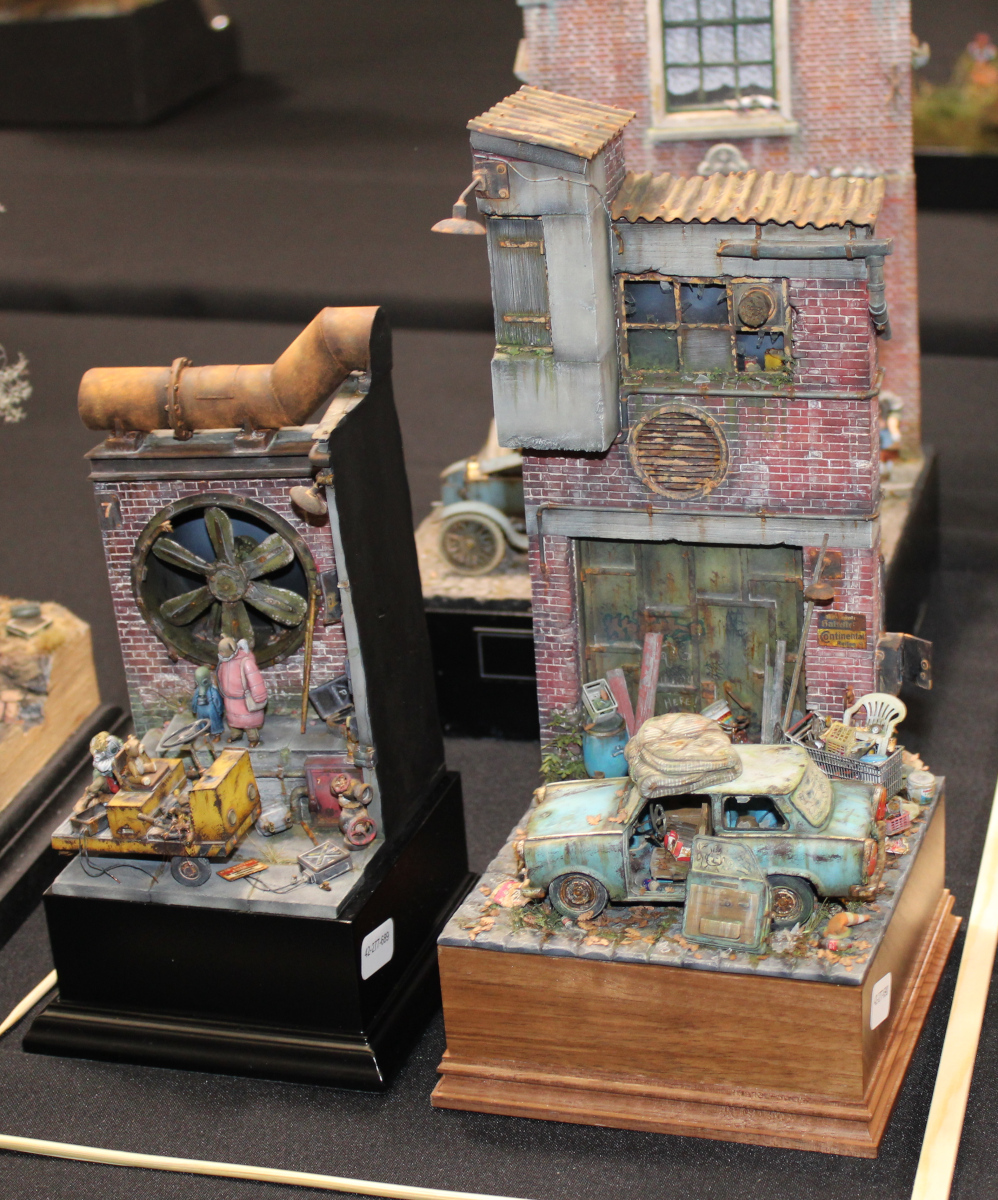


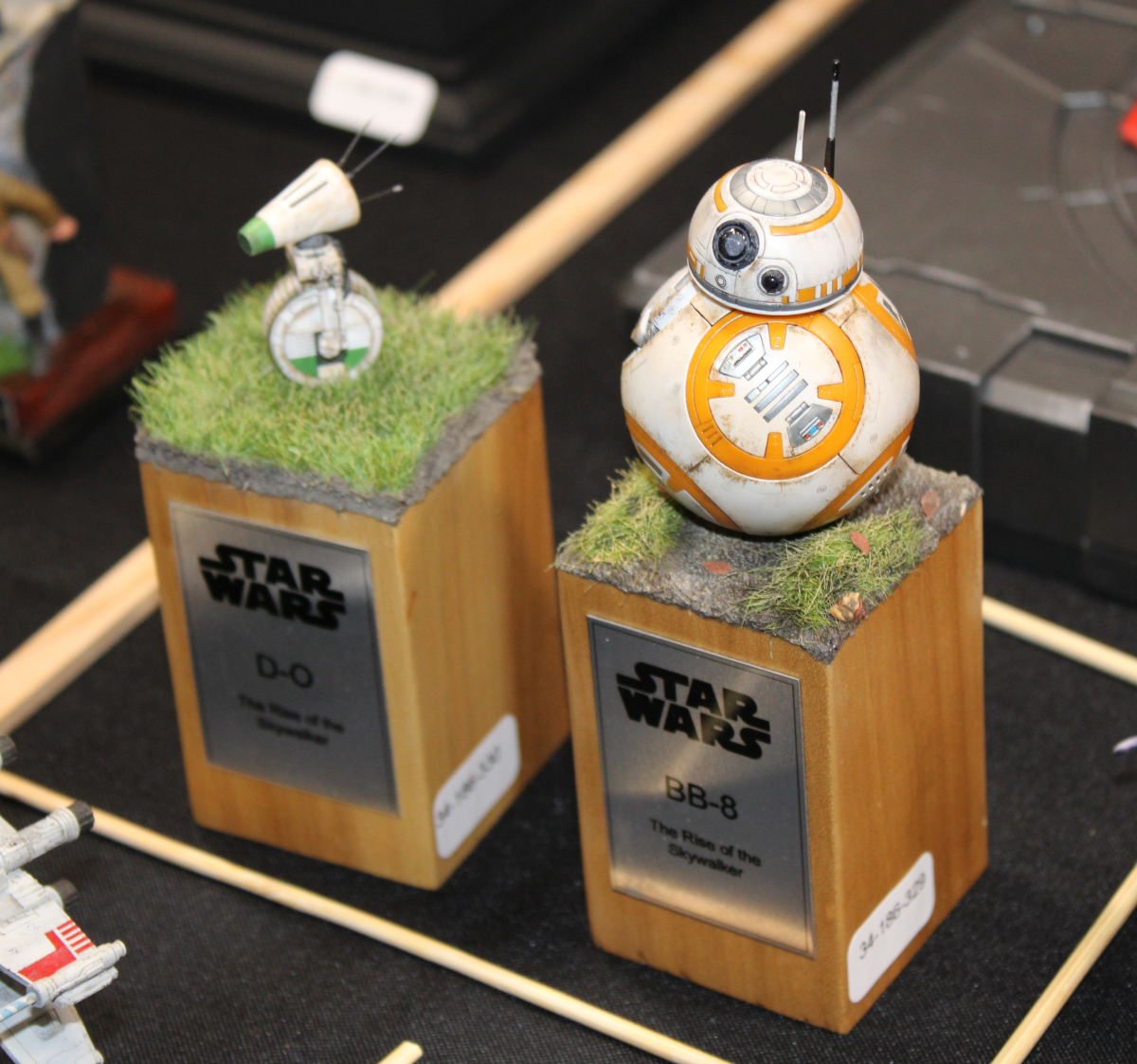

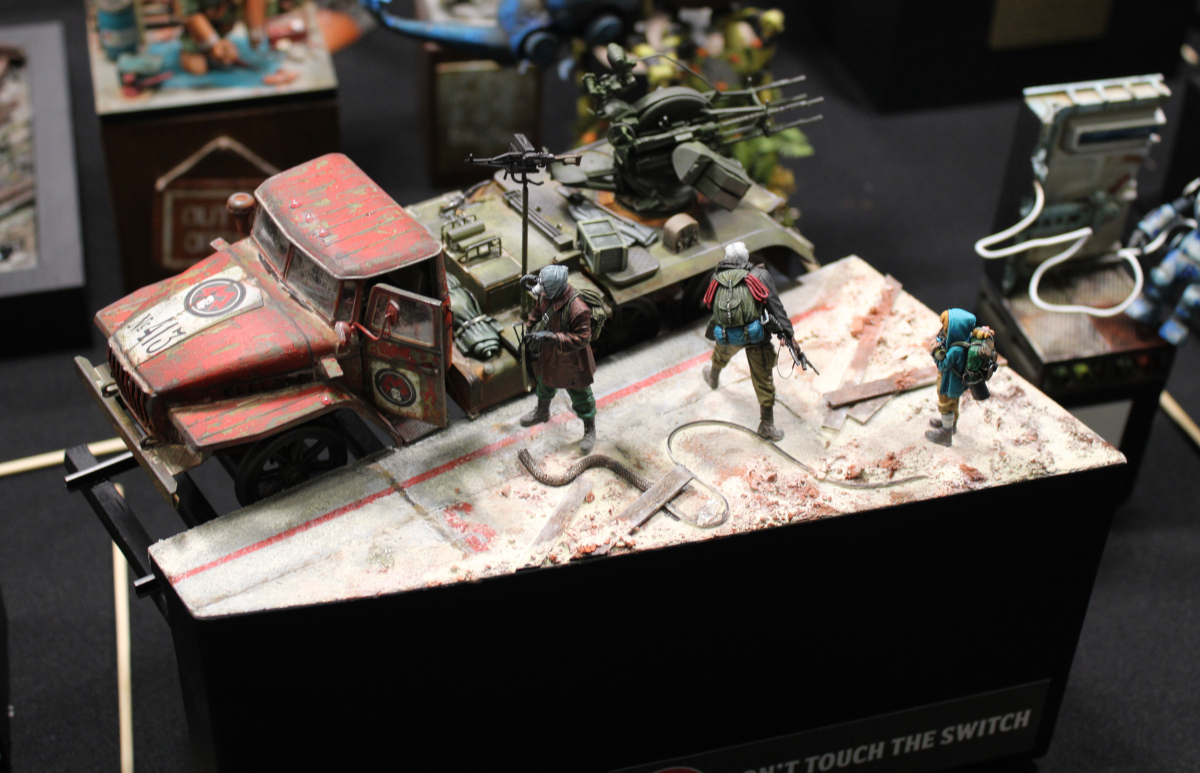

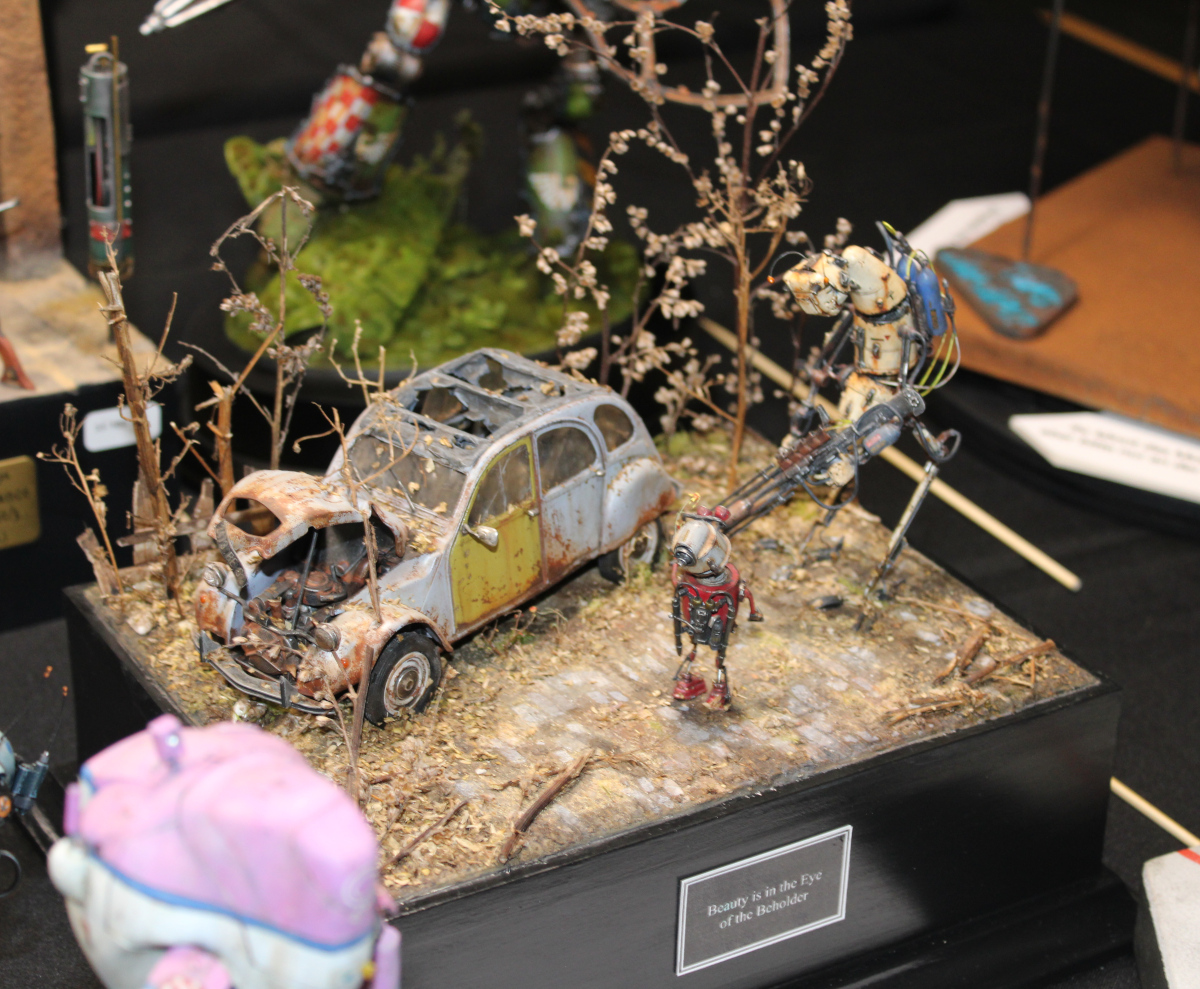
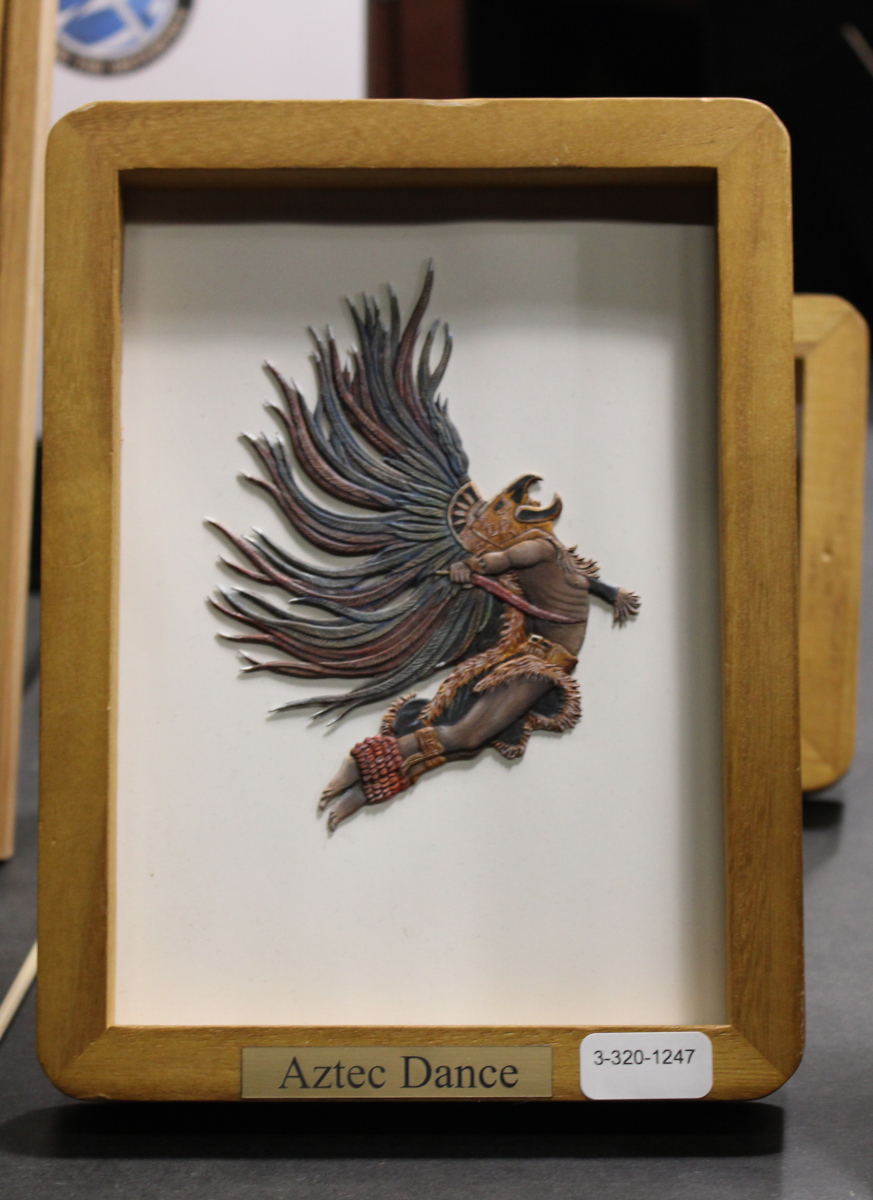


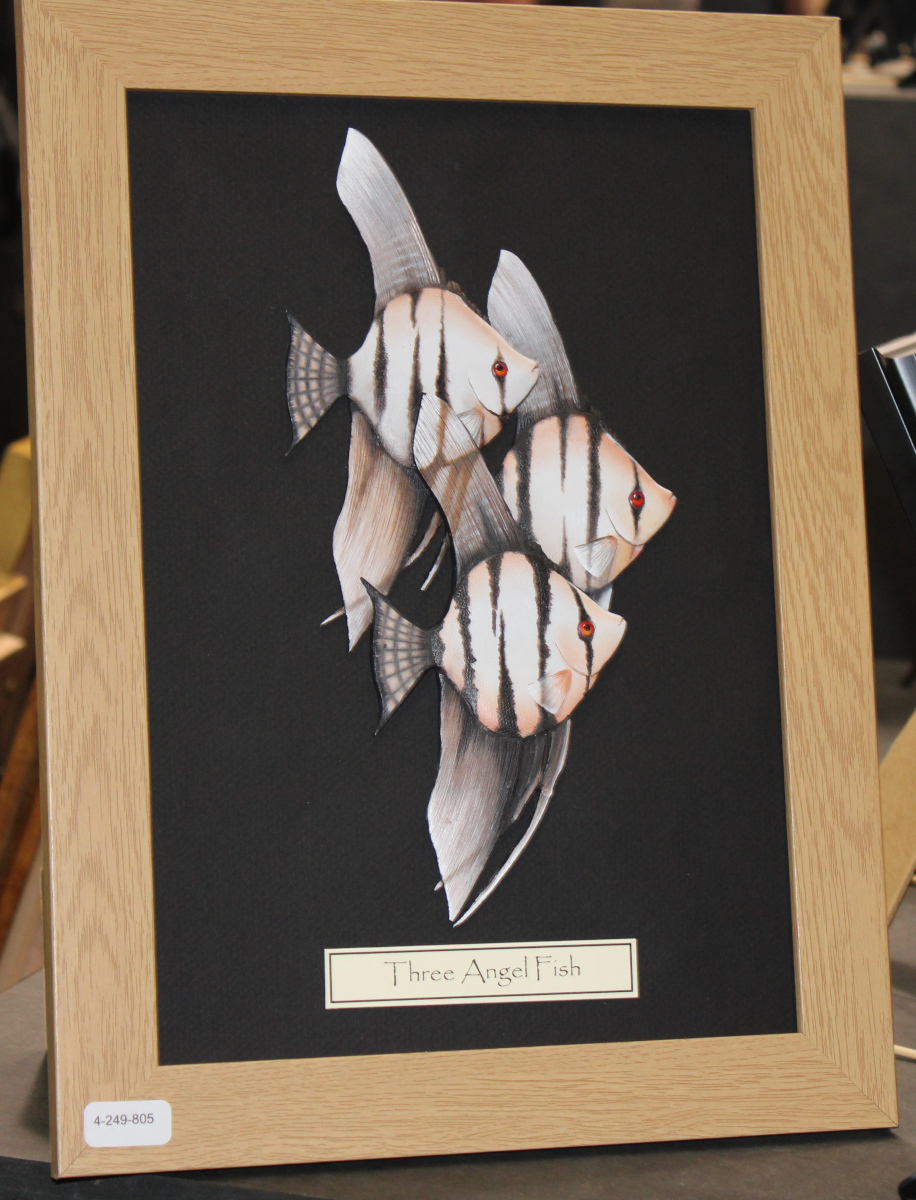
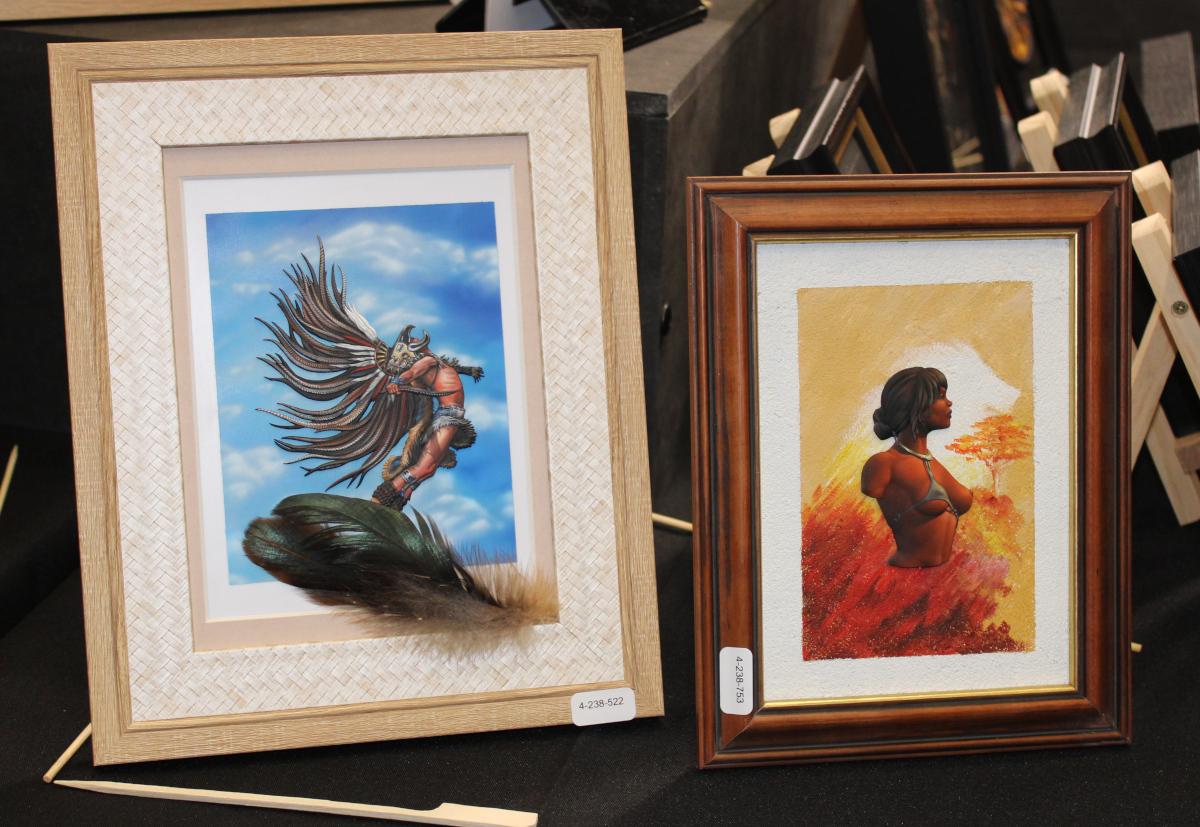
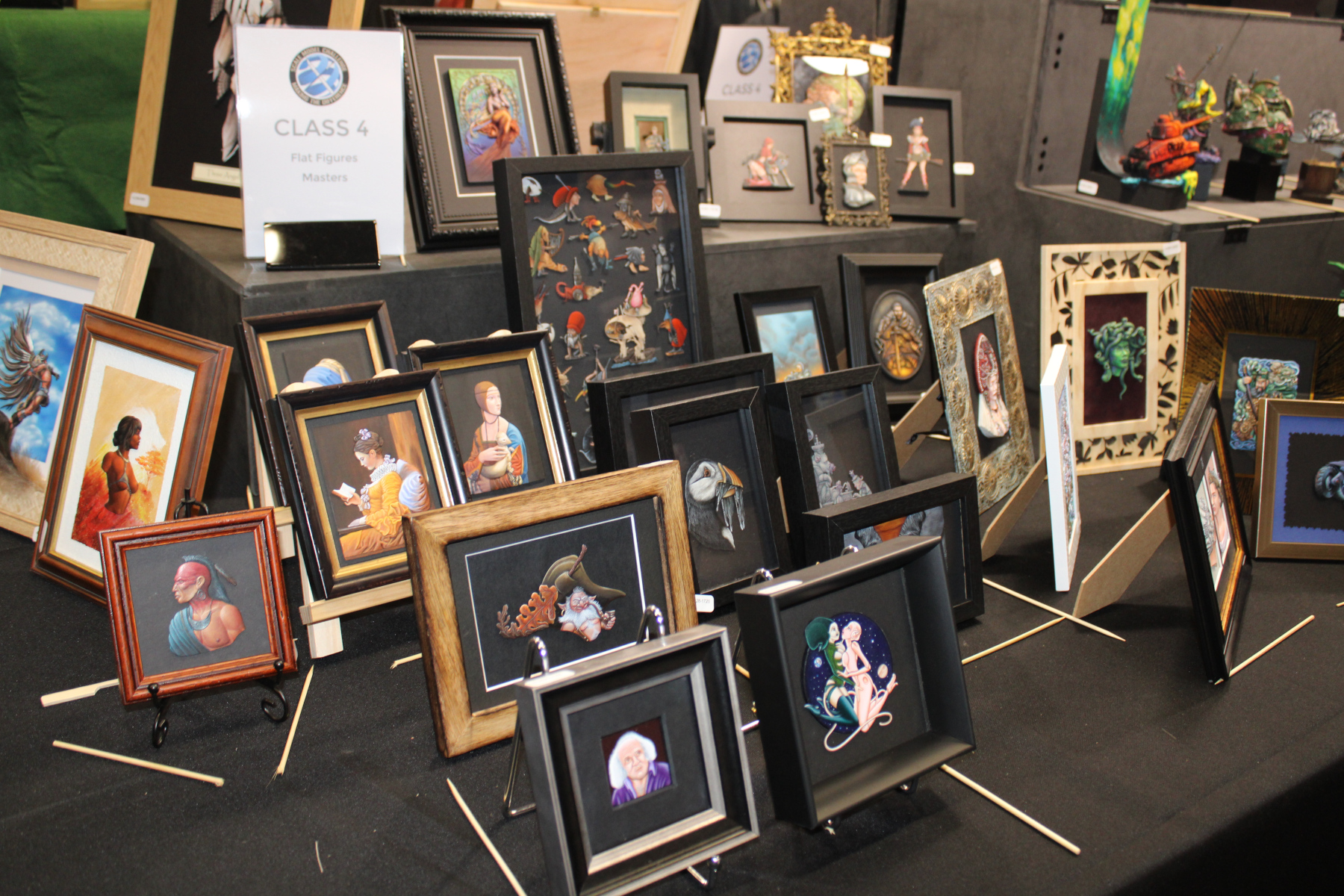


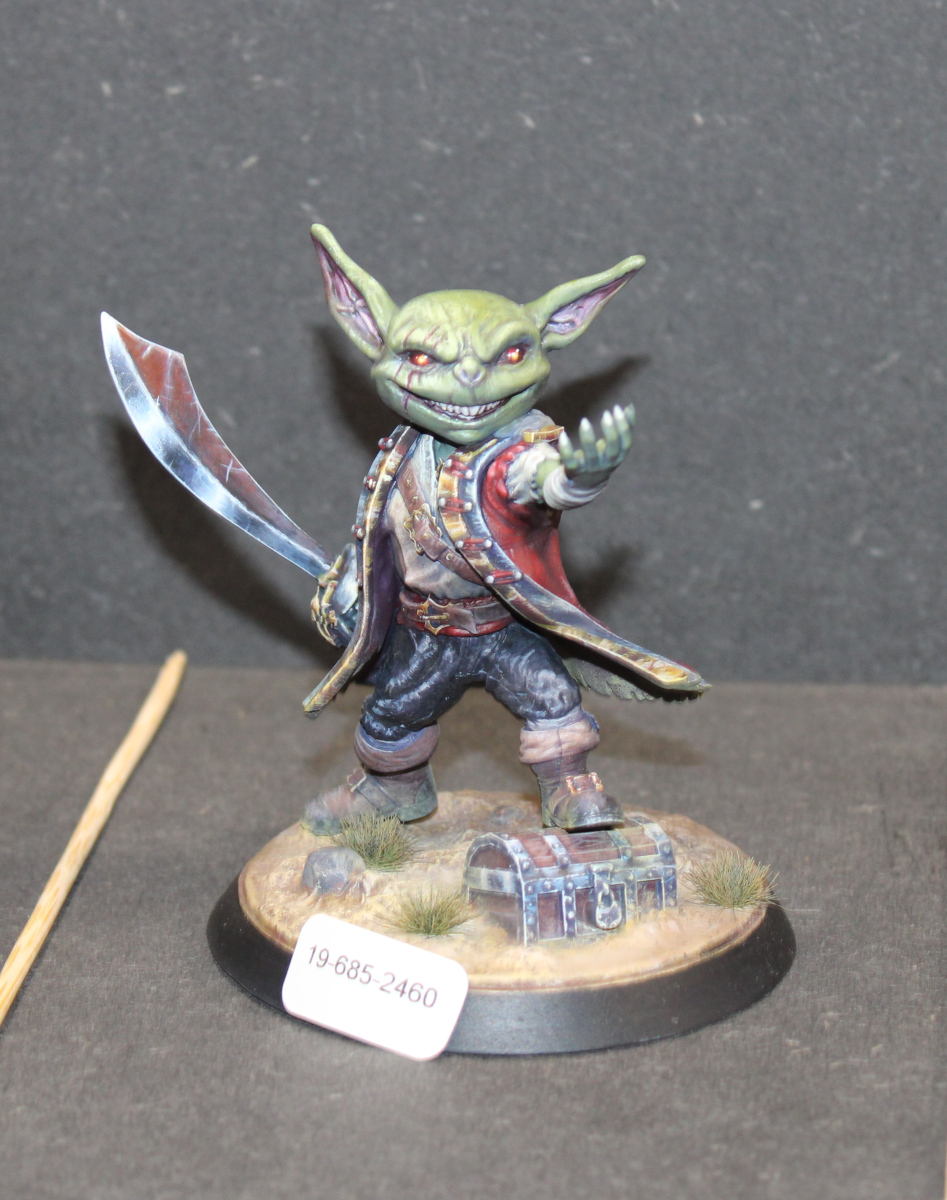


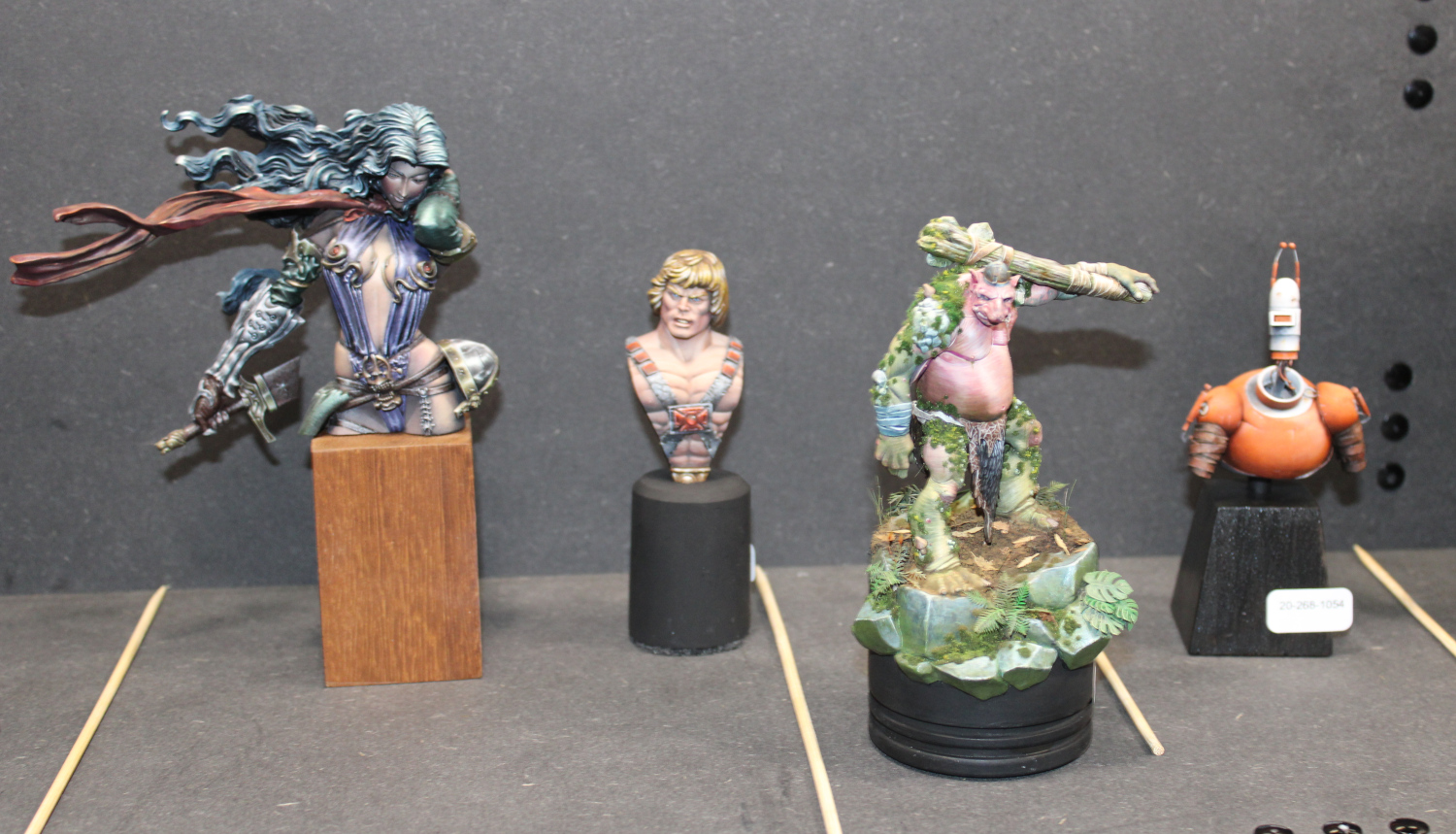
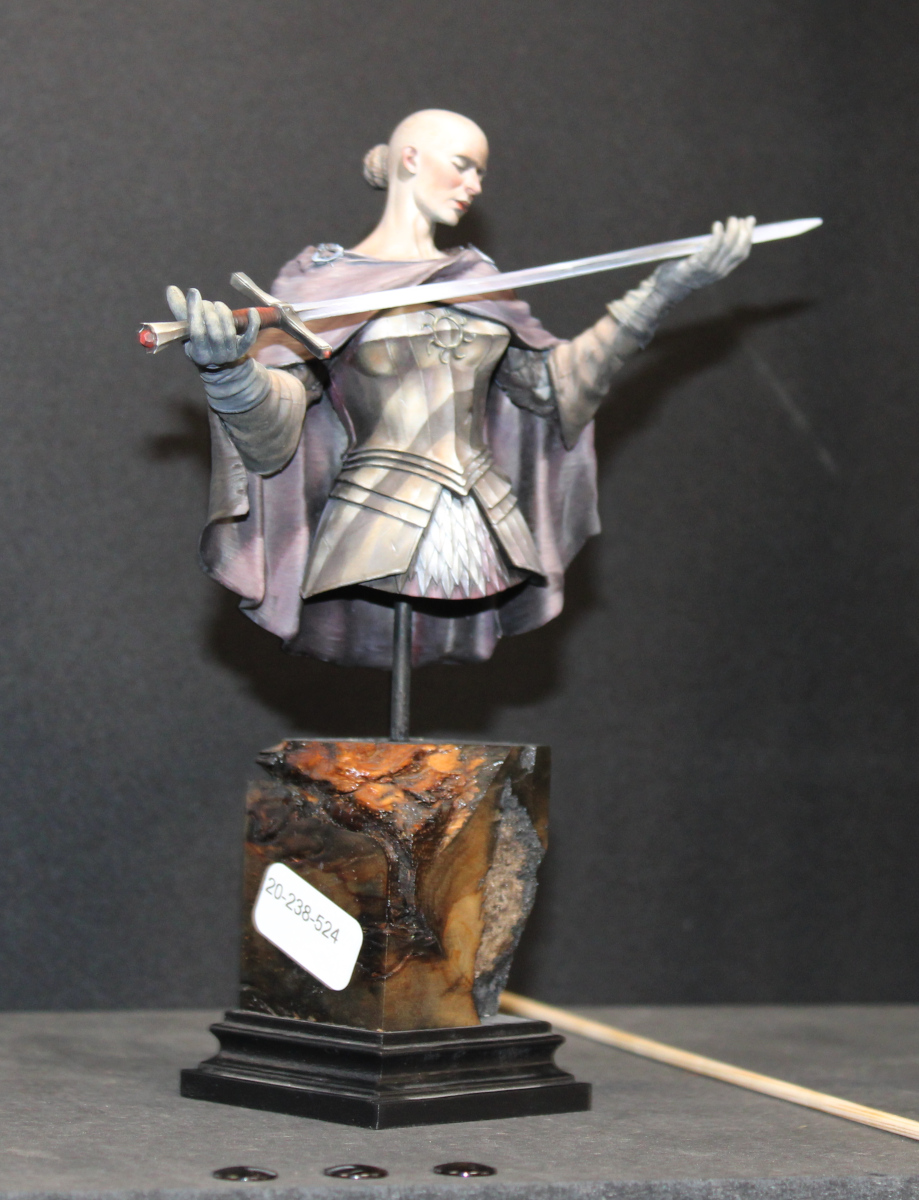
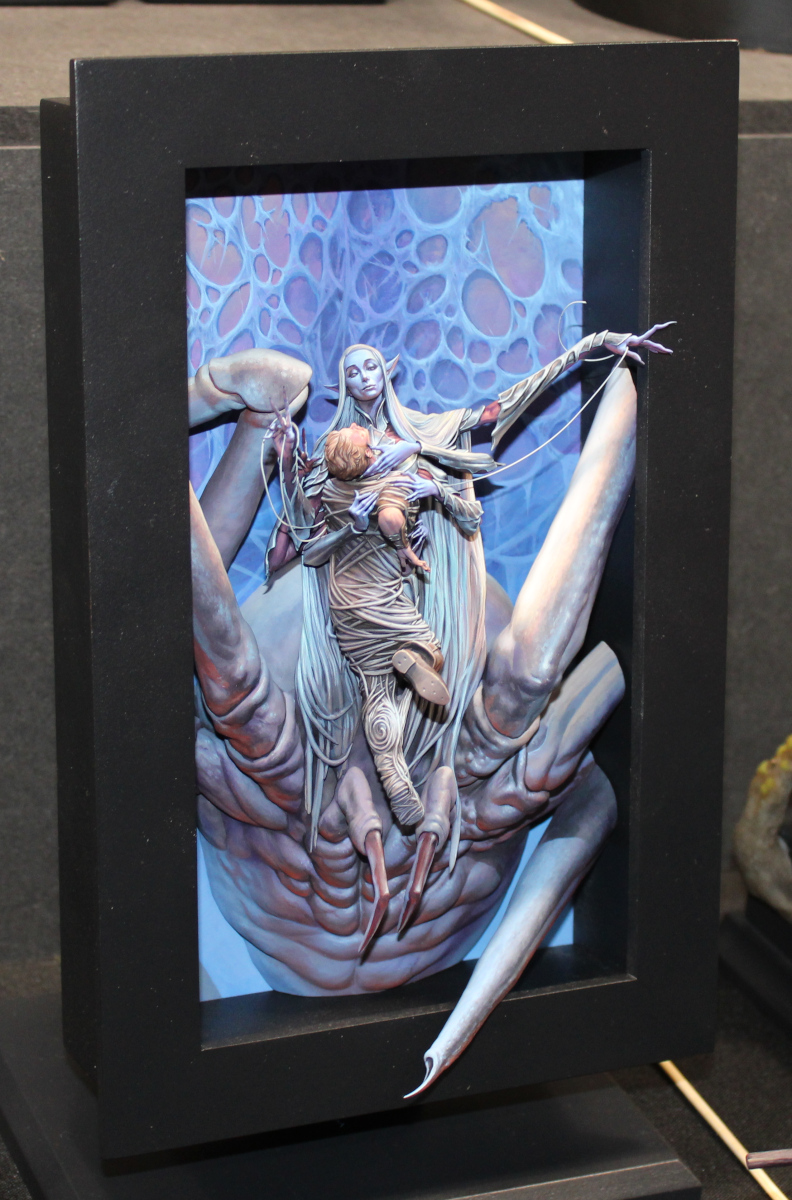
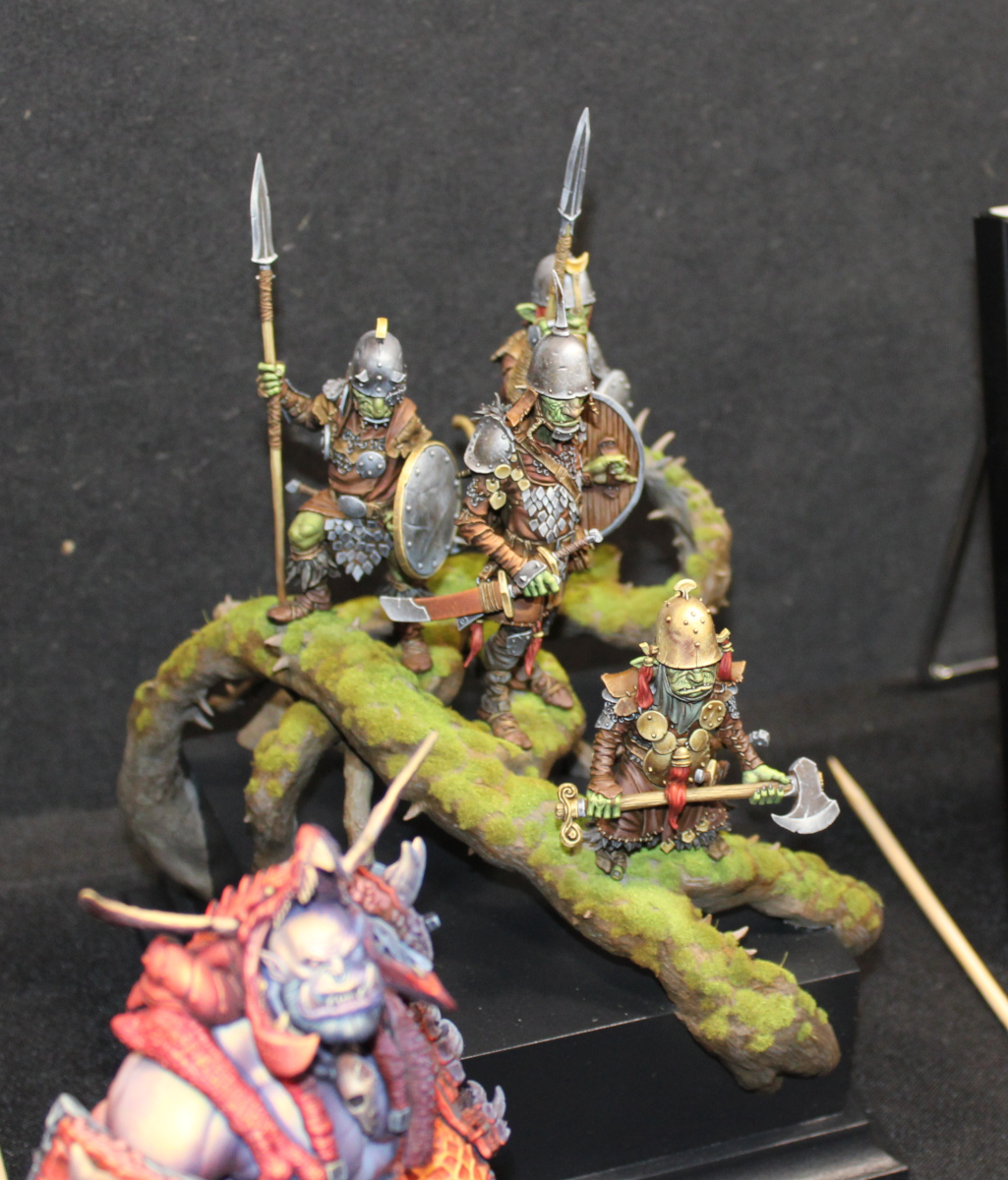
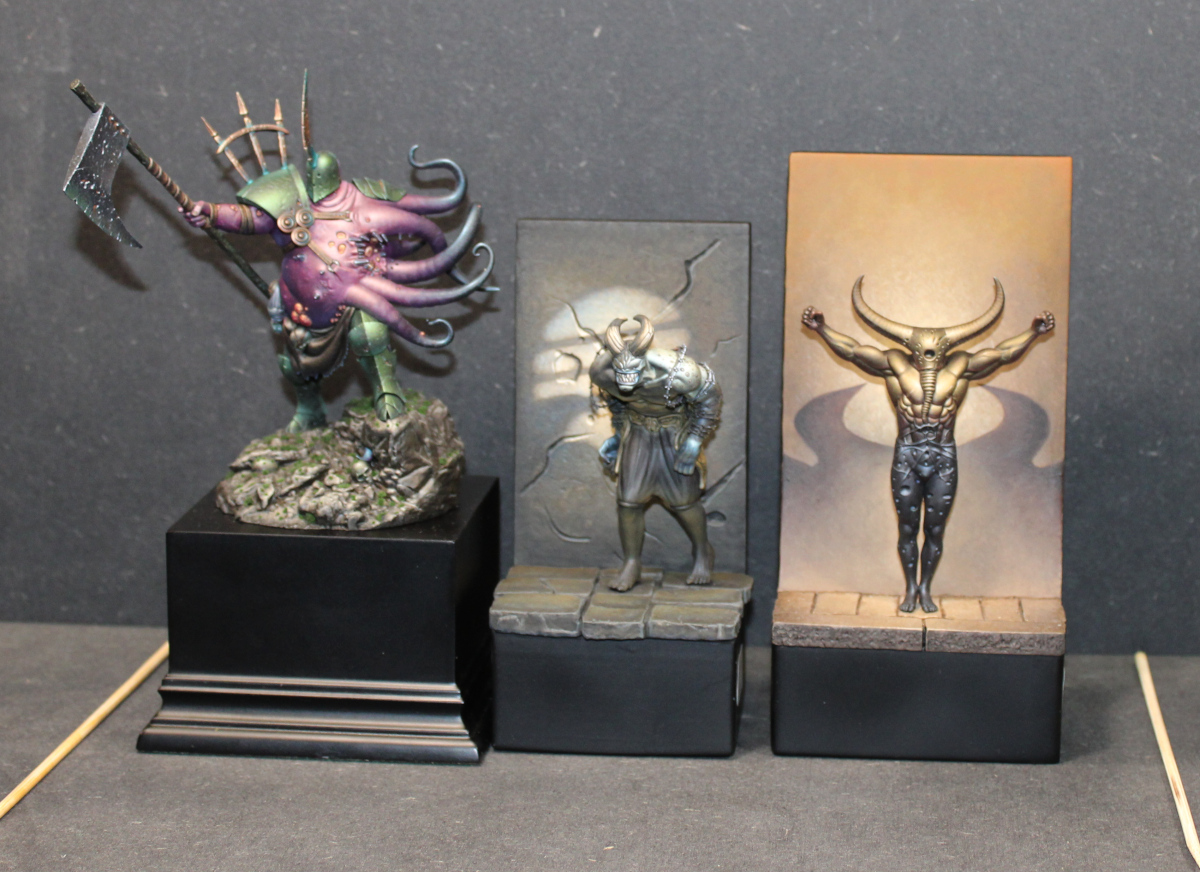
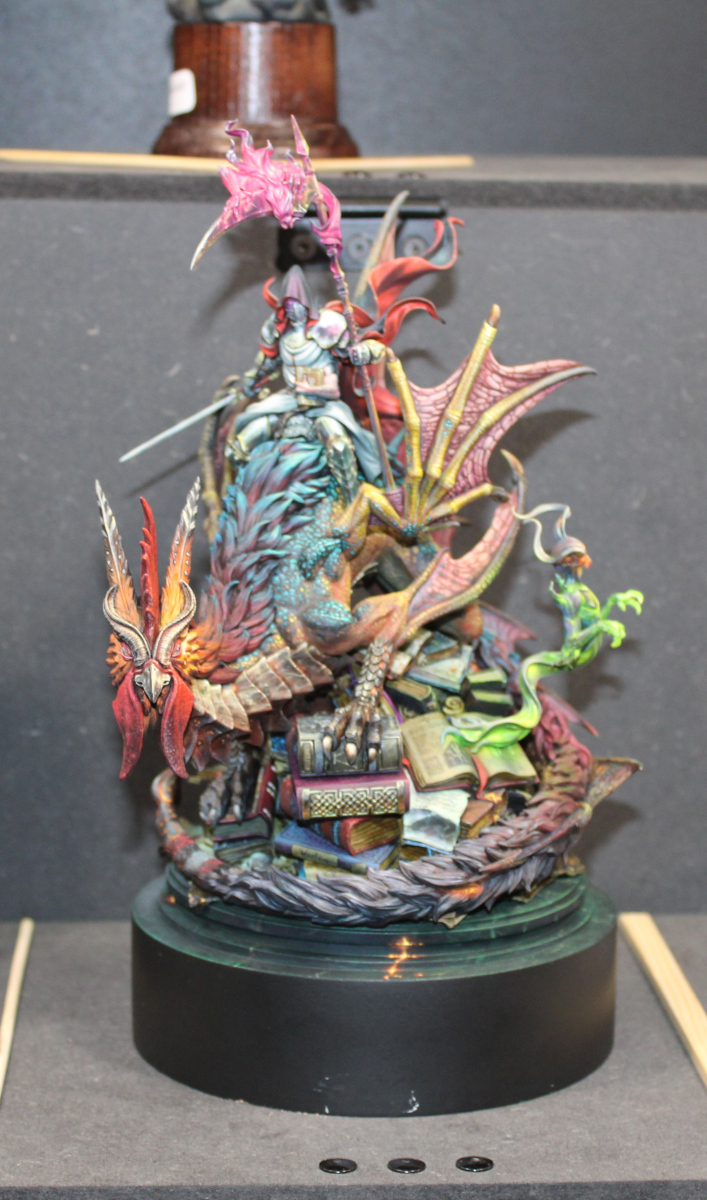


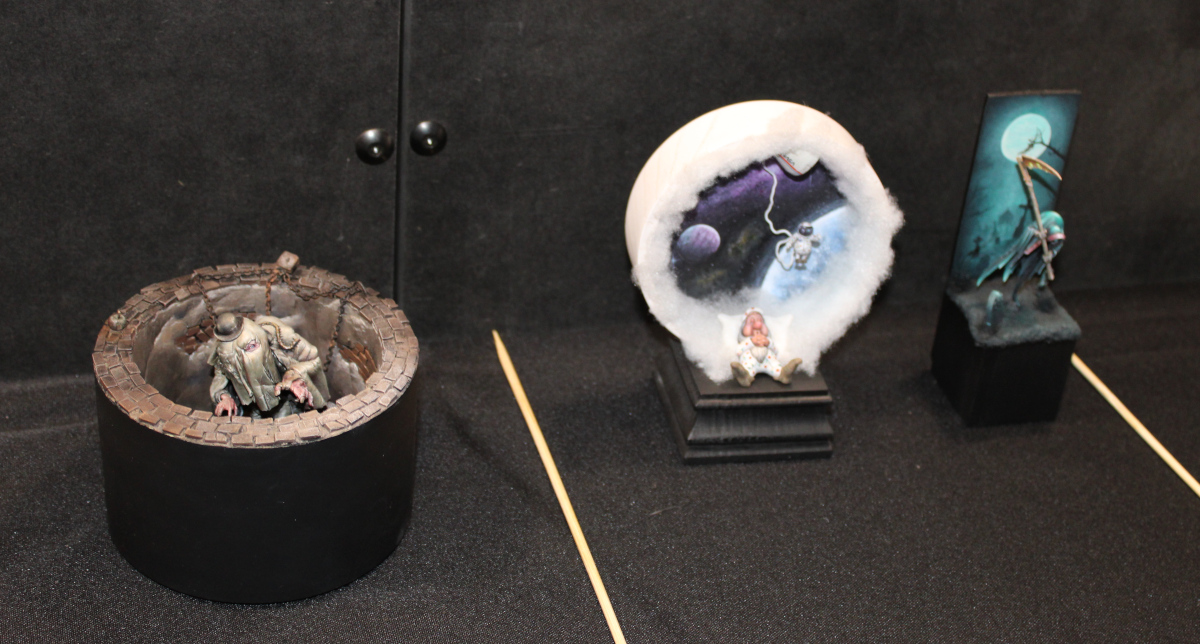
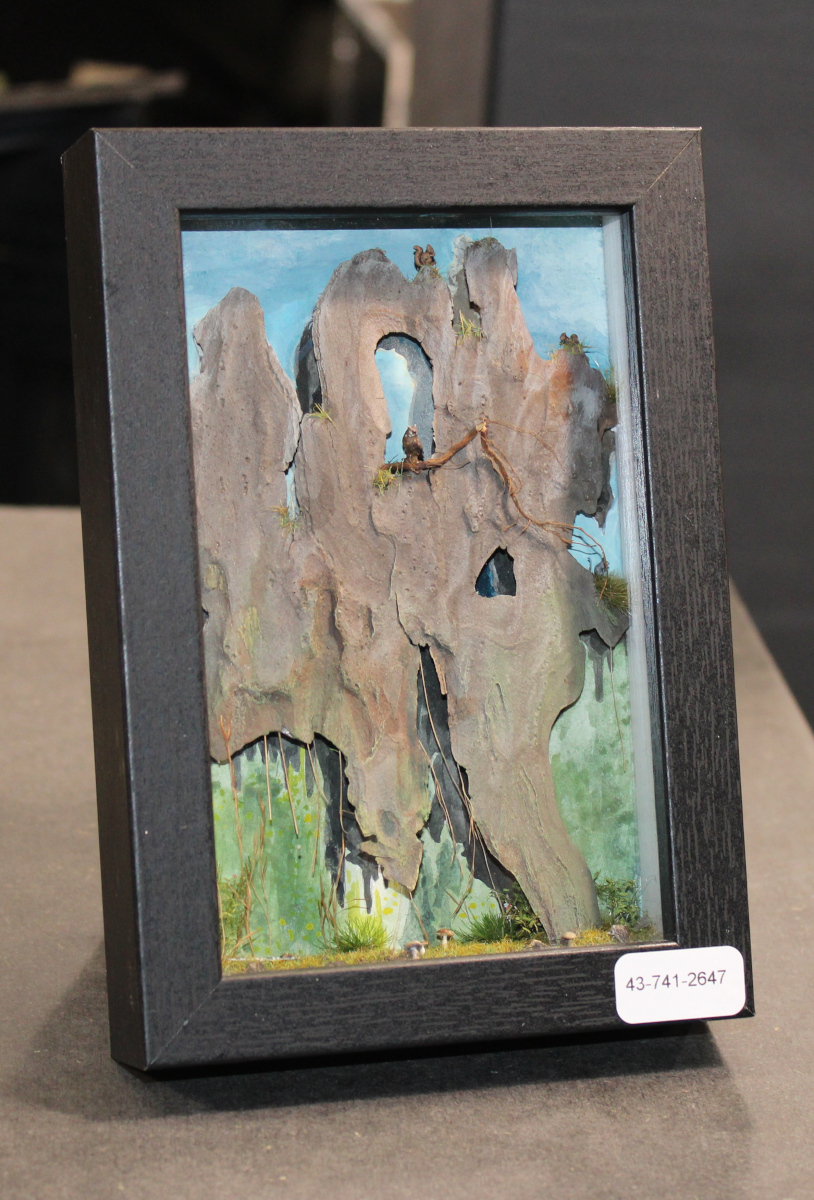
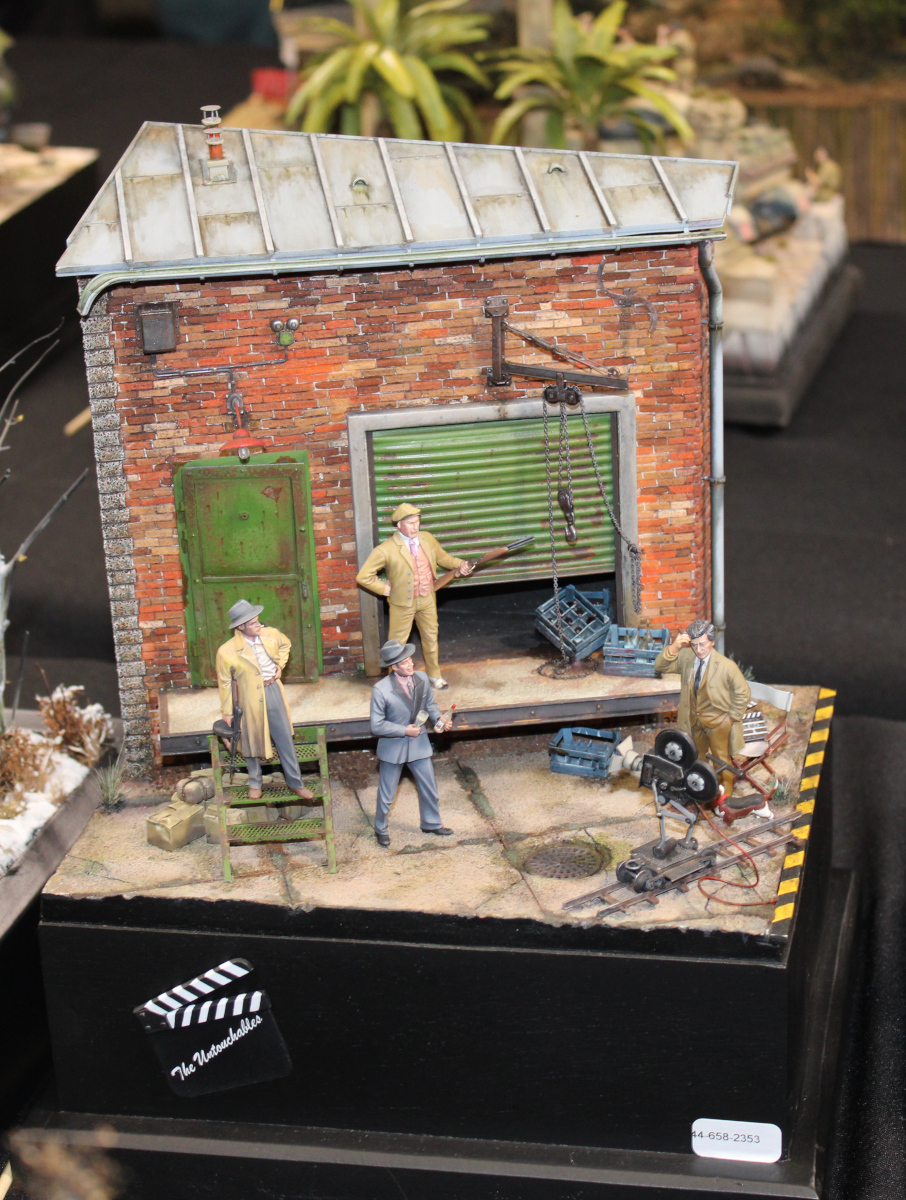

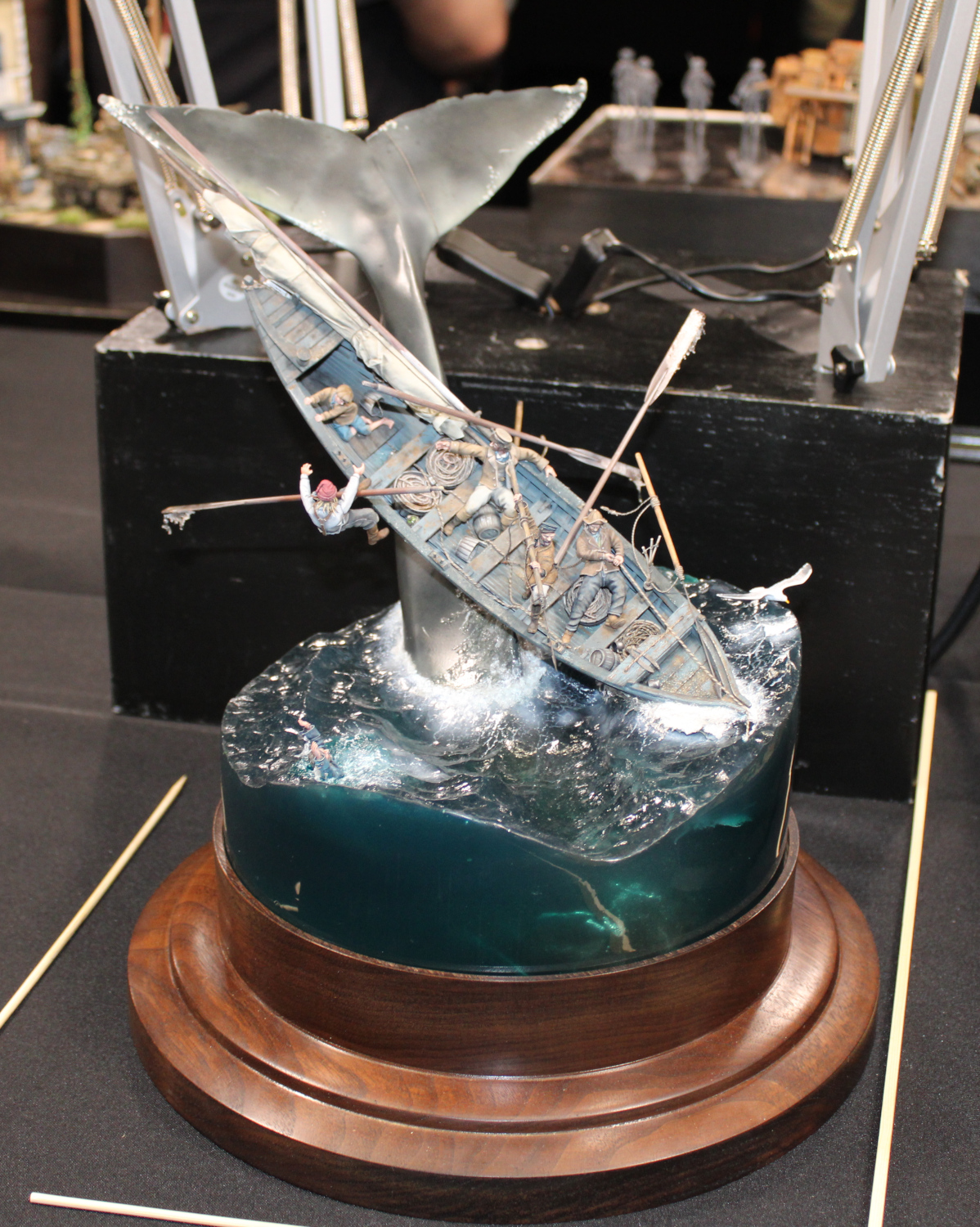

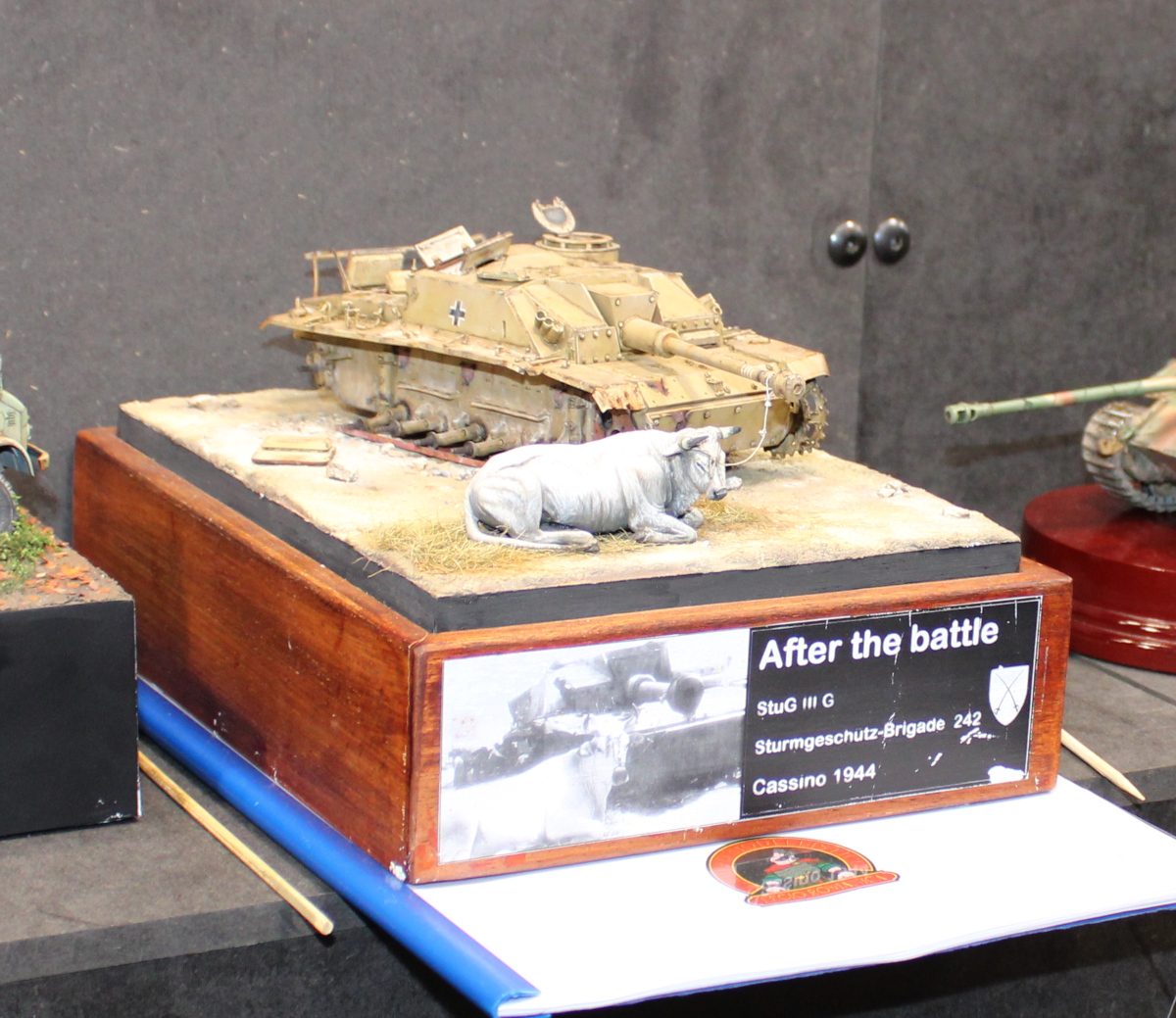
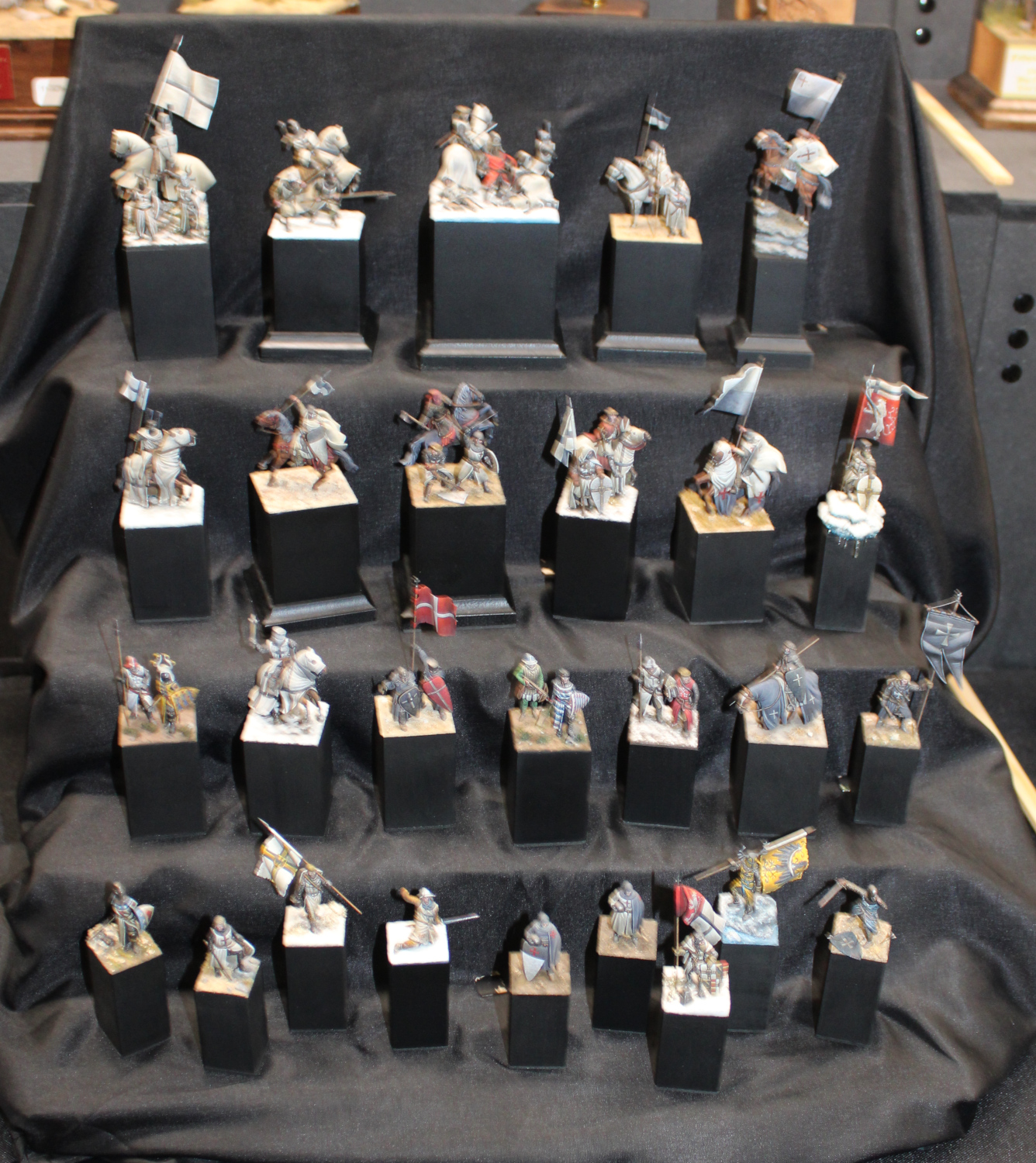
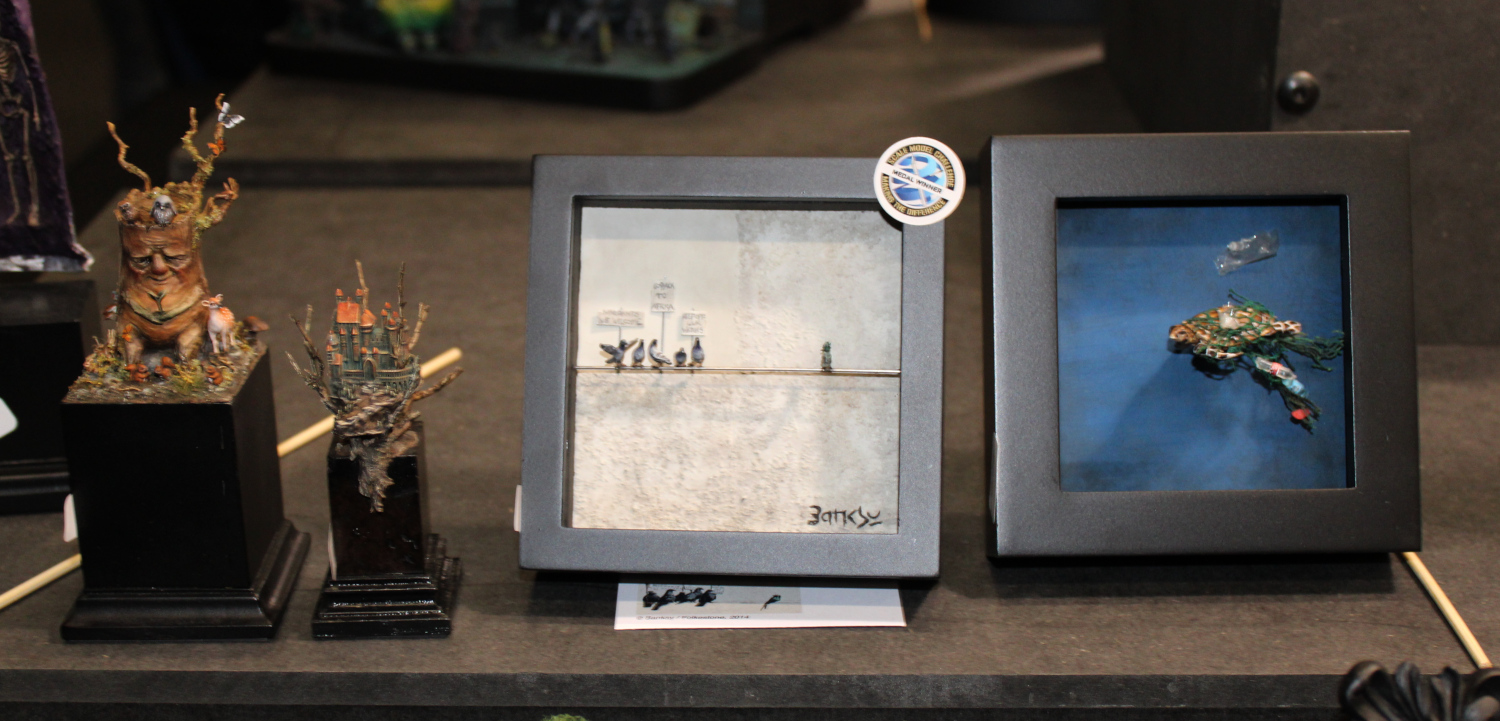


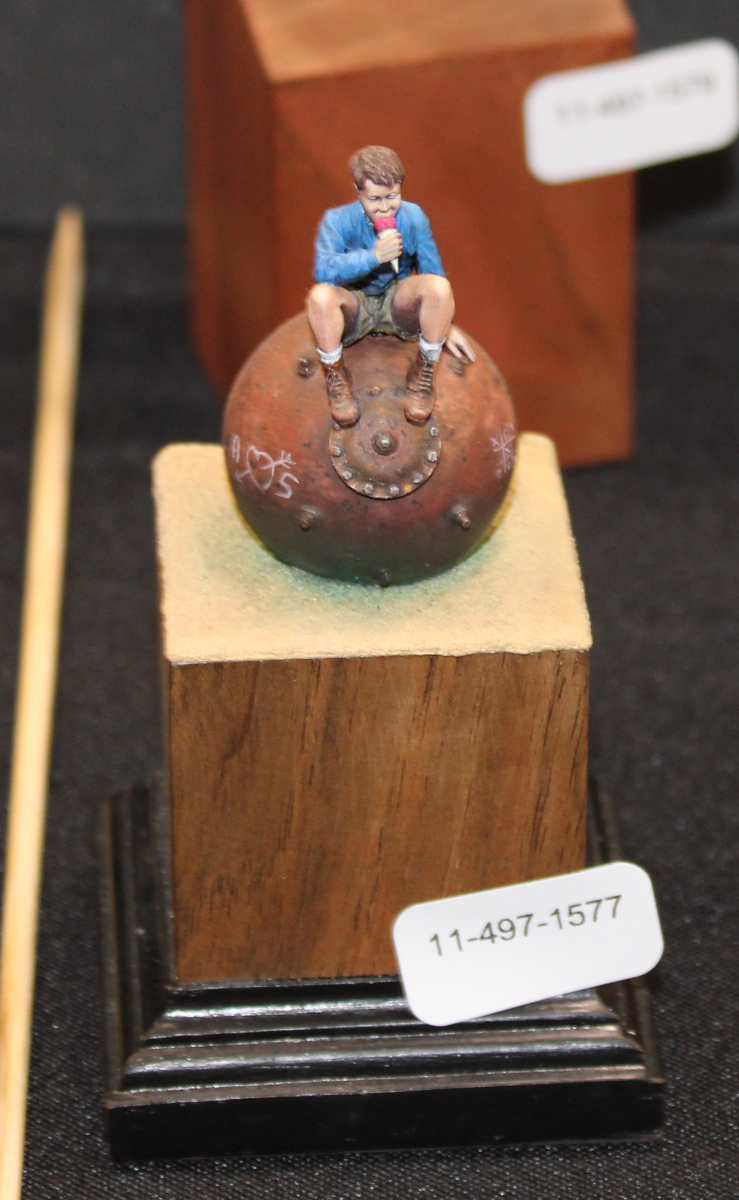

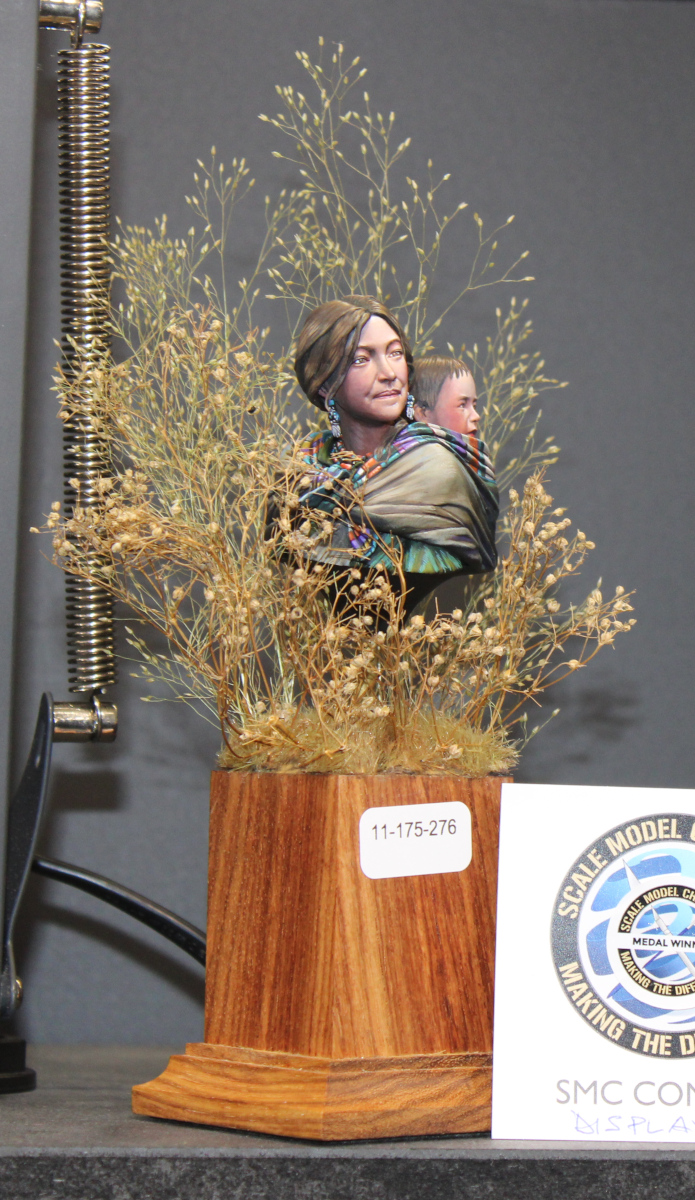

You might notice that there’s not a lot of stuff from the masters’ fantasy and historical categories, which I blame squarely on people being far too eager to cramp those aisles, with a little dash of extra blame on my anxiety around crowds. I’m not a huge fan of crowds and mostly get enormously frustrated and angry, so instead of dealing with them, I found a table outside and had a beer.
Anyway, that actually lets me focus on some of the models and displays that don’t get as much attention, which I think is important.
So, the show this year introduced a few new categories. Notably, small scale (gaming scale, really), historical figure dioramas and ambient.
The small scale category went off really well. I was a bit dubious as to the necessity of splitting out smaller figures from all the large scale stuff and busts that make up most of the painting categories, but seeing it at the show really did a good job of highlighting that there’s a different set of skills involved, and letting the viewers focus on pieces that might get drowned out otherwise.
The historical figures diorama category also seemed pretty well attended and had some interesting pieces.
Ambient, however, suffered from a couple of issues, and these are issues that I think ambient was suffering from at Monte San Savino last year to some degree. Warning: I have opinions coming up in the next few paragraphs, but they’re not coming from sourness at my own results, as I got exactly what I expected/hoped for. My opinions also don’t mean I didn’t enjoy the show – it was great, as always!
For those who don’t know, ‘ambient’ is a new category classification that’s started appearing here and there for models or dioramas that are creating a scene, telling a story, doing something creative and so on. The point, as I see it, is that they do things that aren’t recognised as valuable in other categories. For instance, if you do a little vignette and enter it into a normal painting category, any storytelling or world building you’re doing in that will have negligible impact on how the piece is judged according to the judging criteria. Dioramas and the like used to end up in the ‘open’ categories, where they were often overwhelmed by the ridiculous collaborations that are in the running for best of show. So creating a category like this gives somewhere for people to go if they want to have their work assessed under different criteria.
The first problem with the category is that it’s not well understood by a lot of painters. You’ll see people entering something that just has a focused light source, for instance. This isn’t necessarily wrong: lighting plays an important part in setting a scene, adding drama, etc. However, light alone is not a story, nor is it necessarily a terribly creative decision (every second model in the fantasy categories at the World Expo last year seemed to have been painted as if there was a neon bulb right next to it). Equally, there’s a risk that people treat categories like this as a sort of ‘overflow’ category – it’s the chance to win another medal. I’m not sure if anyone actually did treat the category this way, but there were pieces that made me wonder.
The second problem is directing the judging to recognise that this is not just another painting category. (Note that I use the word ‘directing’ – judges can and should only judge according to the criteria they’re given – no matter how much they may disagree with them, they’d risk the validity of the show by going against the prescribed criteria.) While, obviously, this is a show about painting models and painting will always be an important part of any category (other than the sculpting category), I think it’s absolutely critical that painting alone should not be enough to reach the top of the podium in a category like this. There’s already a category for that.
Arguably, if the category is meant to focus on storytelling, creativity, etc., then a model should exhibit something beyond just technical excellence in order to get any medal – if not, then what’s the point of the category? I understand that having the public understand this when they see the results could be challenging – I suspect the majority of the audience doesn’t really appreciate or fully understand that side of things, so if they see a beautifully painted model get nothing, what are they going to think? That’s potentially a good opportunity to educate via discussion.
In the end, there were some absolutely fantastic entries that were properly recognised, some pieces that were perhaps over-recognised and some really great work that was under-recognised, but that happens in most categories. The relatively small size of the category simply amplifies that. I’m not going to moan about the results because that’s just silly and, overall, they were about right. Stuff balances out.
Of interest is that Monte San Savino, presumably learning from experience, has changed its own ambient category, renaming it ‘storytelling’ and providing a much clearer description of the purpose of the category. I think that’s the way to go: make it much more obvious what the category is for and people will respond. It also permits both fantasy and historical (whereas ambient at SMC was clearly intended as a fantasy analogue for the historical figures diorama category), which I am massively in favour of. Down with artificial segregation!
I have more opinions on this topic, but I’ll leave them for my next report on Monte San Savino.
Anyway, to the results for the Ely crew:
- Fet: Silver in master’s ambient.
- Martin: Bronze in master’s ambient and a special prize from a Belgian model show.
- Joey: Silver in standard fantasy, silver in standard historical, and a couple of special prizes from Kontrast and the IPMS.
- Kev: Gold in beginner’s.
Overall, a really successful show for the Ely crew, and SMC was, once again, a delight to be at.
Oh, and I painted a secret duck and ducklings on a tank while no one was looking.

 Fet Paints